
Willys-Overland Go-Devil: The Iron Heart of Victory
Some engines changed the course of automotive history, and the Willys Go-Devil was one of them.
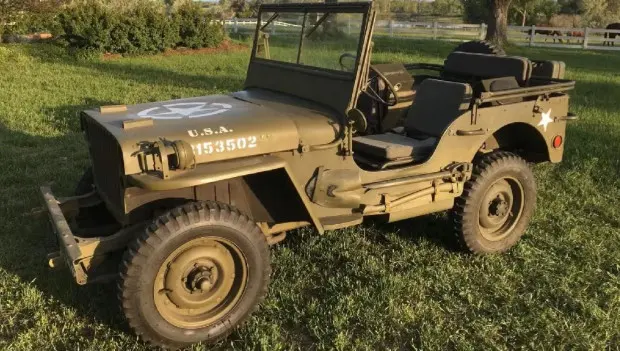
There are engines in automotive history that changed the course of events. And we're not just talking about race cars or luxury sedans. The Willys engine, nicknamed the Go-Devil, became the "iron horse" that carried the Allies all the way to Berlin.
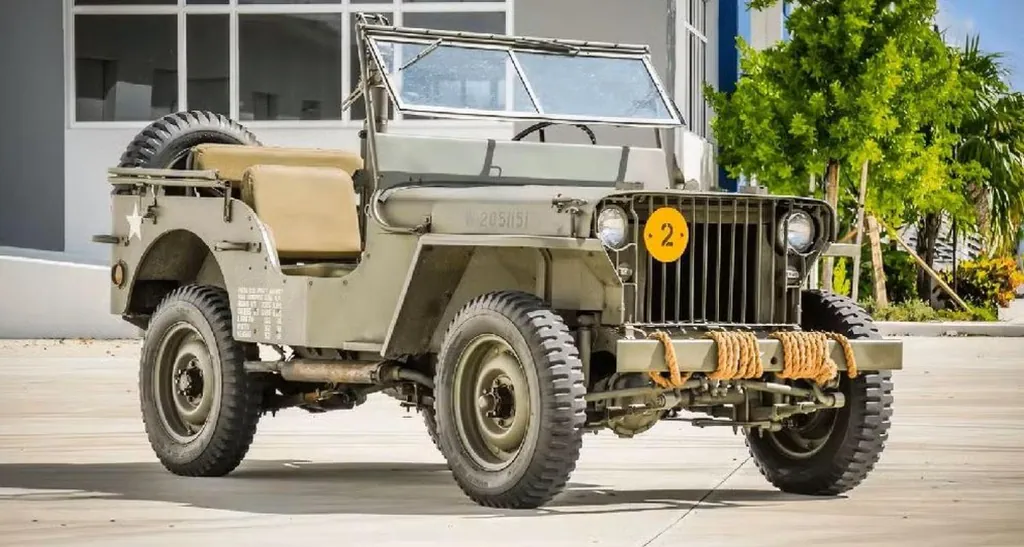
When the U.S. military announced a competition for a light reconnaissance vehicle in the fall of 1940, few could have imagined that the decision would help shape the outcome of the war. The requirements were demanding: the vehicle had to feature four-wheel drive, withstand harsh conditions, and be as easy to maintain as possible. The Willys Quad prototype, unveiled by November of that year, had one major drawback—it weighed about 397 pounds more than the specified limit. But it also had one major advantage: a brand-new engine.
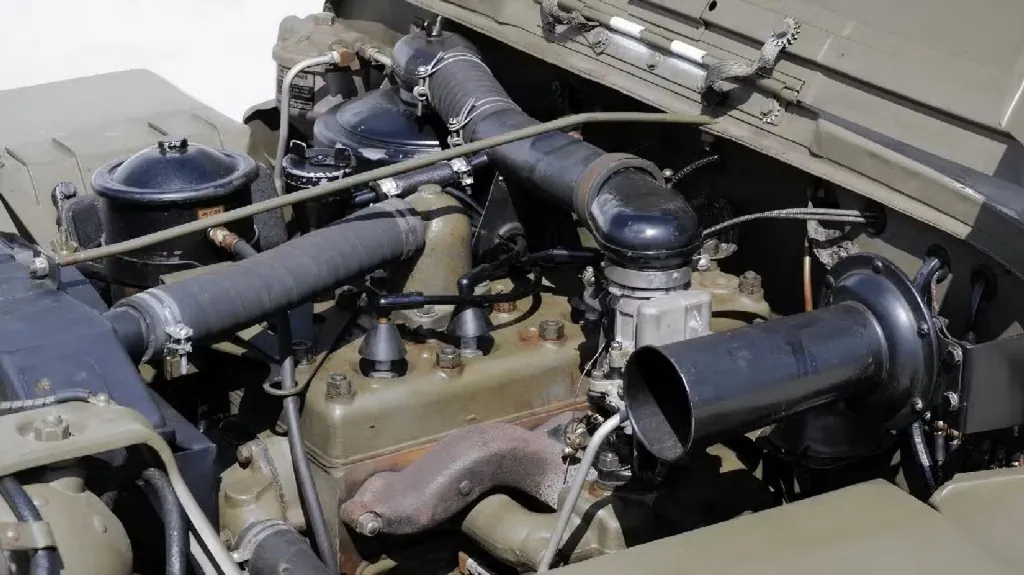
Willys-Overland chief engineer Delmar Roos created a true engineering masterpiece. He started with the modest 134-cubic-inch engine from the Whippet, which produced just 48 horsepower. Roos increased output to 60 horsepower by using aluminum pistons, an improved valve design, and a new crankshaft. The result was the four-cylinder Go-Devil engine.
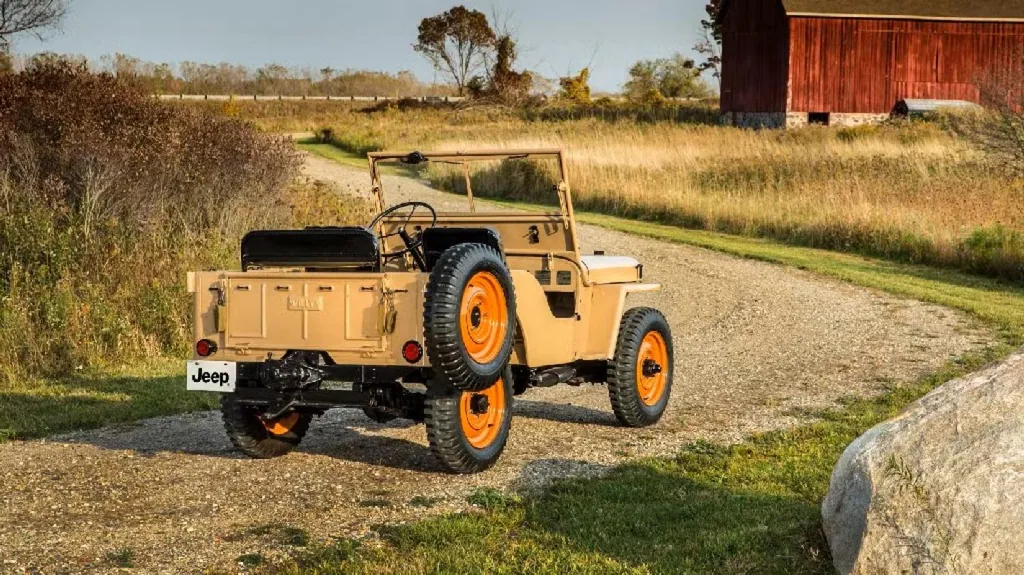
The military was impressed by its pulling power—105 lb-ft of torque at just 2,000 rpm—but the prototype's excess weight nearly led to its rejection. The project was saved through the personal intervention of senior Pentagon officials. Engineers were allowed to revise the chassis, and in 1941 the legendary Willys MB was born. The Go-Devil engine entered production alongside it.
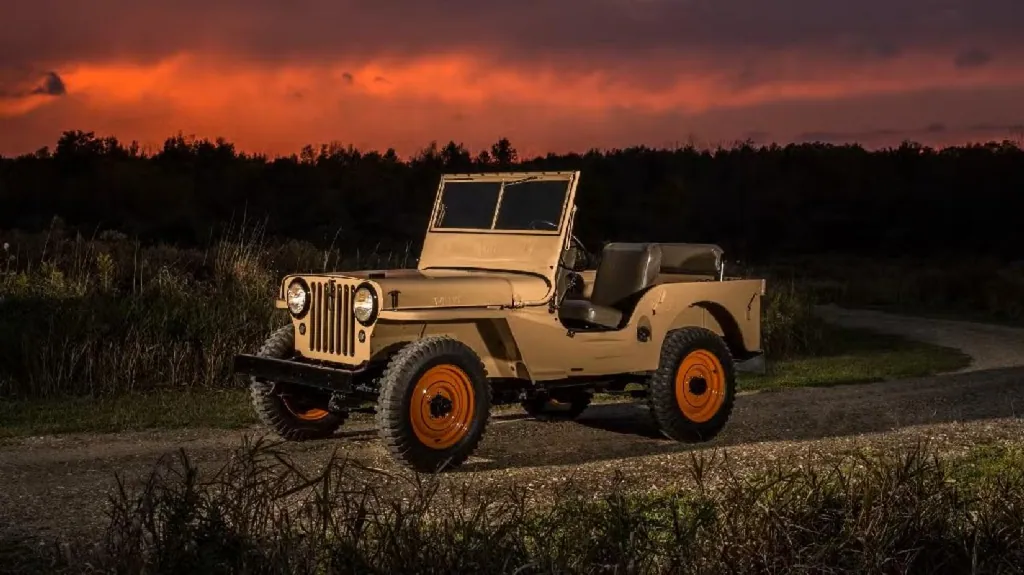
The Go-Devil proved so successful that the Army demanded more vehicles than Willys-Overland could build. Ford was brought in to increase production.
By the end of the war, more than 600,000 four-wheel-drive vehicles had been built. The engine became the standard across production, and parts were fully interchangeable, which was critical in field conditions. Renowned war correspondent Ernie Pyle wrote: "It did everything. It went everywhere. It was faithful as a dog, strong as a mule, and agile as a goat. It carried twice its rated load and kept on going." General George Marshall, the U.S. Army Chief of Staff, called the Willys MB "America's greatest contribution to modern warfare."
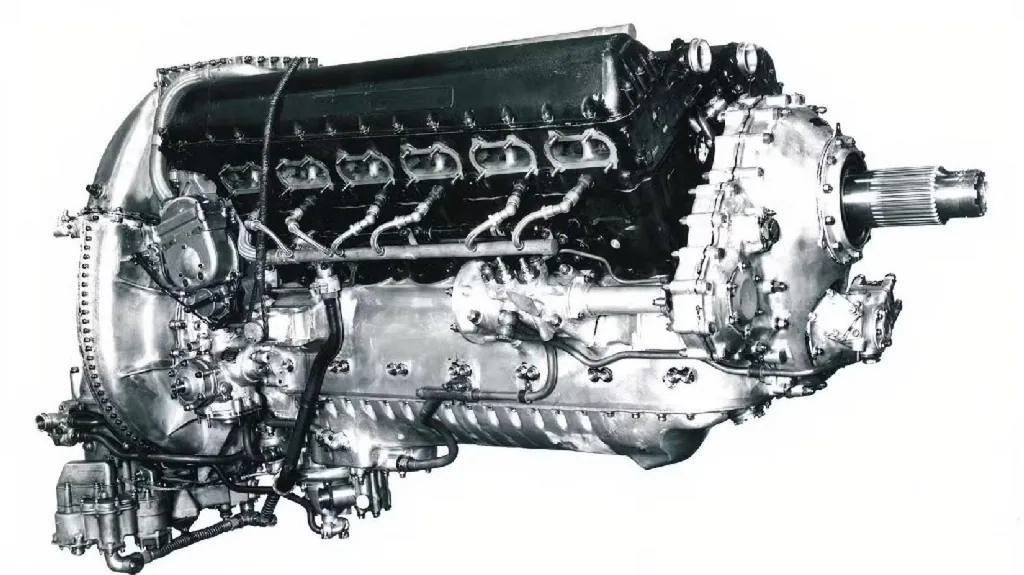
After World War II, the Go-Devil engine didn't retire. It became the foundation of the civilian CJ-2A, a versatile work vehicle for farmers. The 134-cubic-inch engine was also installed in pickups, station wagons, and even Henry J passenger cars through the late 1950s. Another legendary engine of the era also deserves mention: the Rolls-Royce Merlin. This 1,648-cubic-inch V12 powered the Spitfire and Hurricane fighters. But while the Merlin dominated the skies, the humble inline Go-Devil served as the dependable workhorse that hauled infantry, artillery, and supplies through mud, snow, and sand.
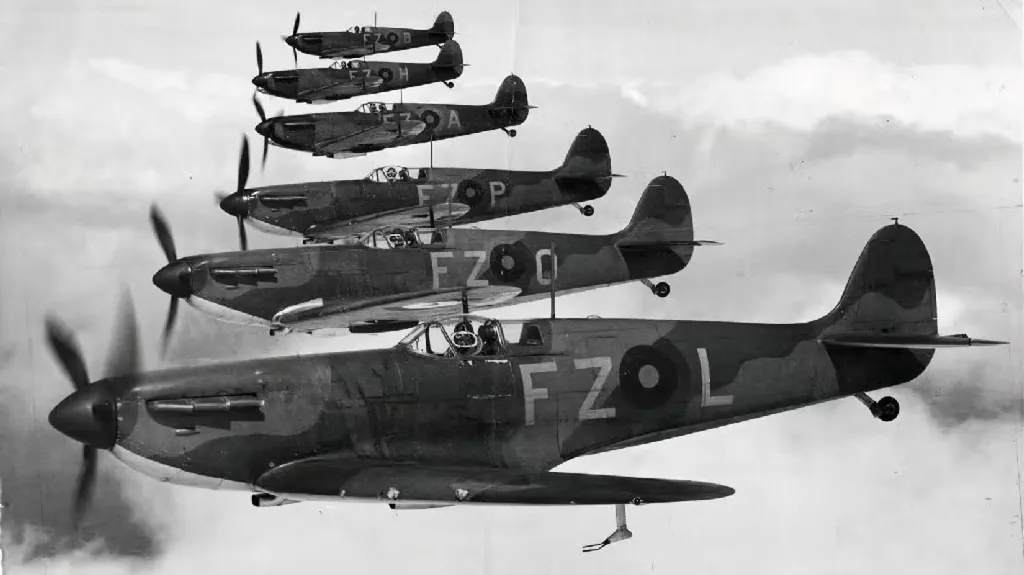
Unlike the British aircraft engine, the American powerplant wasn't designed to produce thousands of horsepower, but its reliability and simplicity proved invaluable.
The small, nearly indestructible Willys engine became one of the key tools of victory on the Western Front. It transformed a simple military utility vehicle into a machine without which the outcome of the war might have been very different.
You may also be interested in the news:
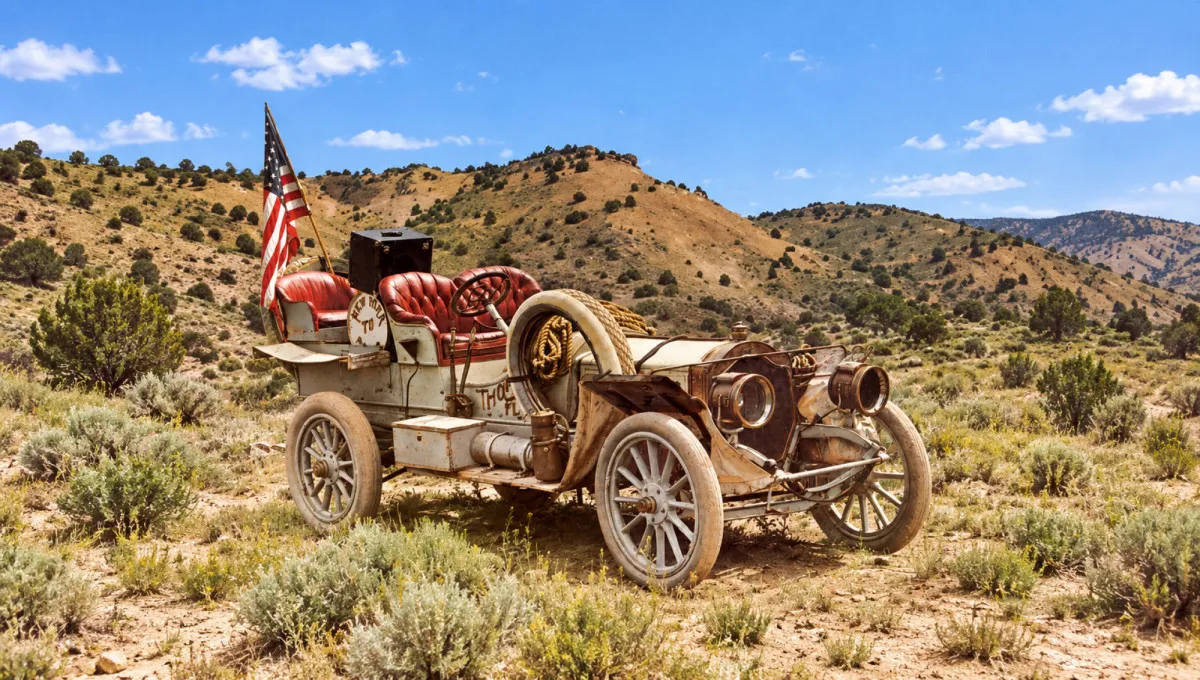
No Roads, No Map, No Car: The $50 Bet That Sent a Doctor Across America
In 1903, one doctor bet $50 he could drive from San Francisco to New York.
Stellantis Just Revealed Nine New Cars Under $40,000 — And Two Could Cost Less Than $30K
Stellantis plans nine cheaper vehicles as high prices leave American shoppers with fewer affordable new-car choices.
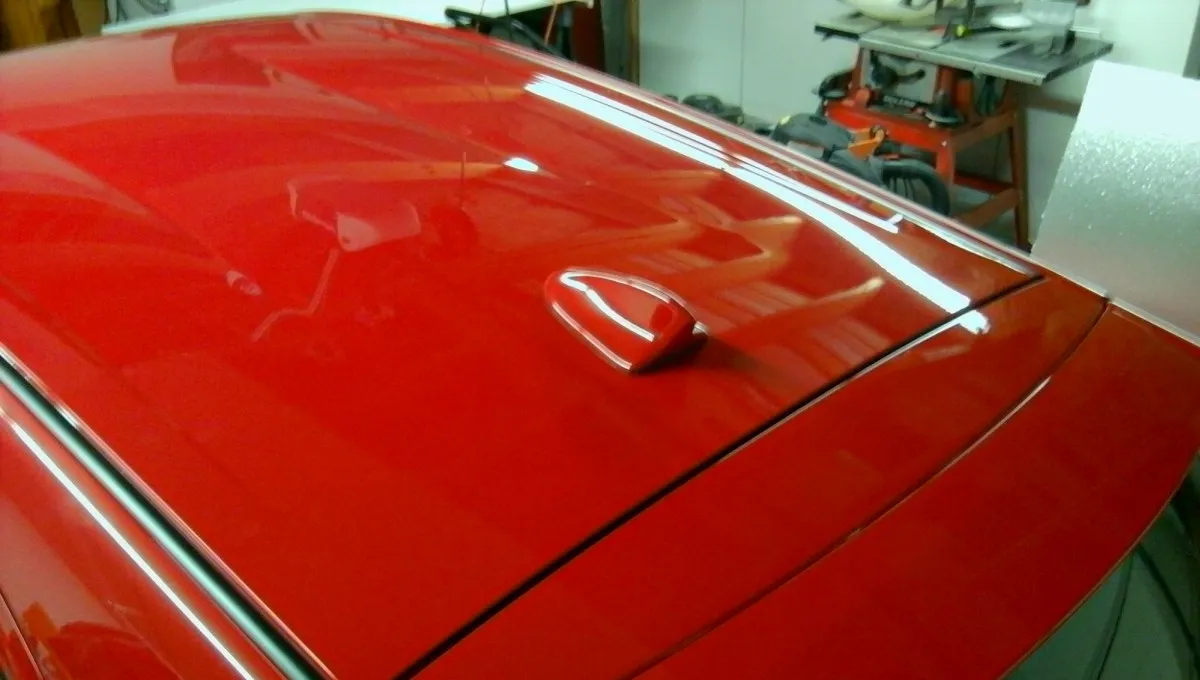
Small Fin, Big Job: Why Your Car’s Shark Fin Is More Than Just a Styling Trick
The small fin on your car's roof may look decorative, but it actually serves several important technical purposes.

This Tiny Home on Wheels Sleeps 5 — And It's Far More Spacious Inside Than It Looks
A tiny home on wheels turns limited space into a surprisingly comfortable setup for family road trips.
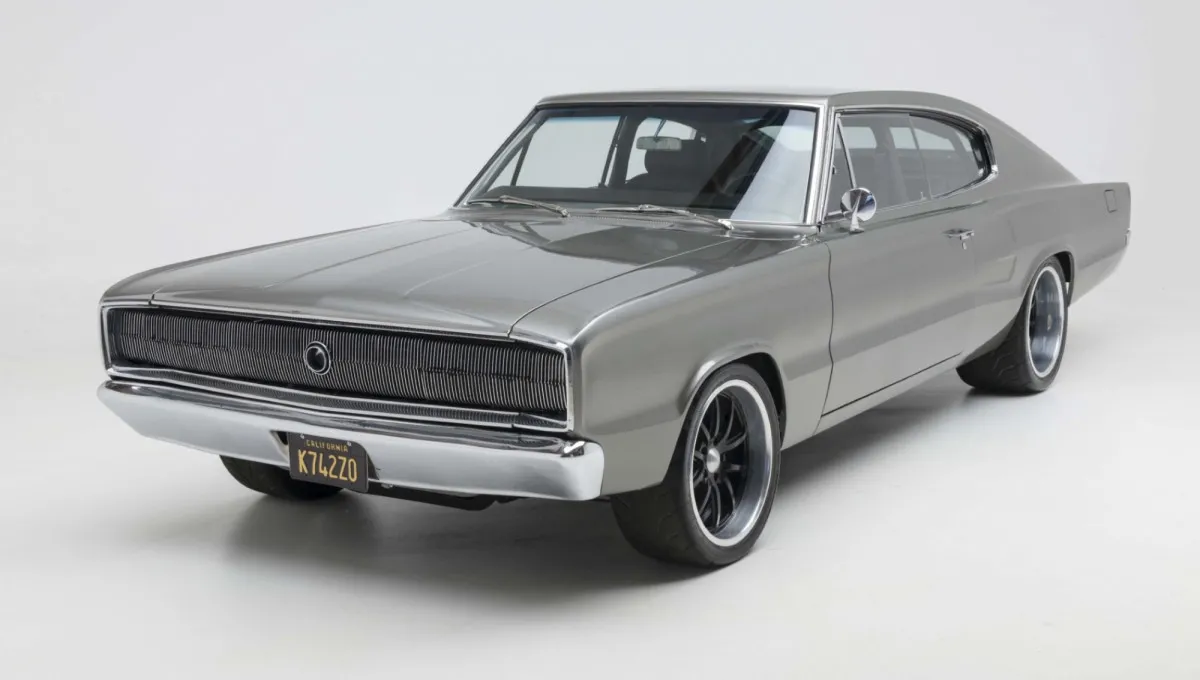
The “Leader of the Dodge Rebellion”: The 1966 Dodge Charger
The Dodge Charger has endured for 60 years, but its story began with an unlikely 1966 debut.