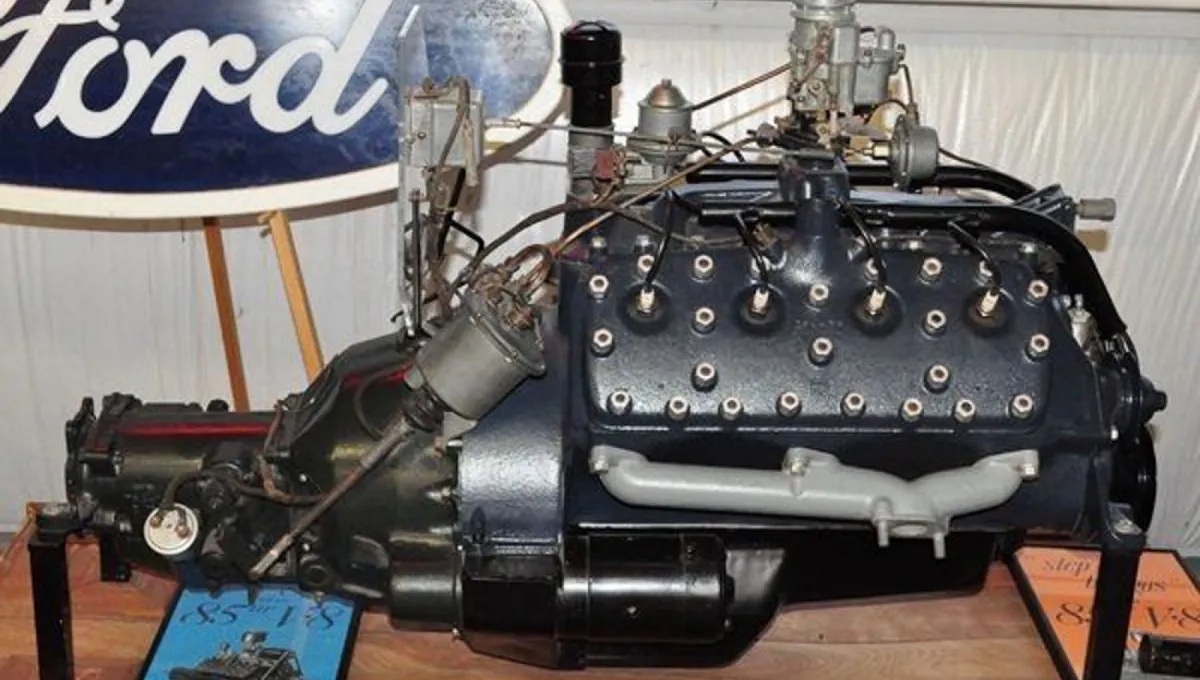
Who Really Needs Fuel Additives—and Why?
Owning a car involves far more than the purchase price. Could fuel additives help reduce long-term operating costs?
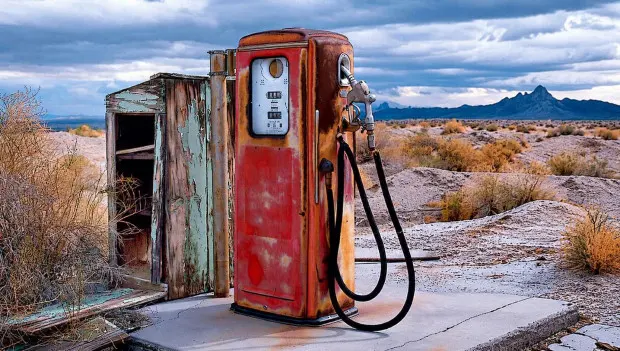
People shopping for their first vehicle often assume the biggest expense is buying the car itself. It doesn't take long to discover that's only the beginning. Insurance, taxes, maintenance, and traffic fines all add up. Then there's fuel—and with gas prices where they are, every fill-up matters.
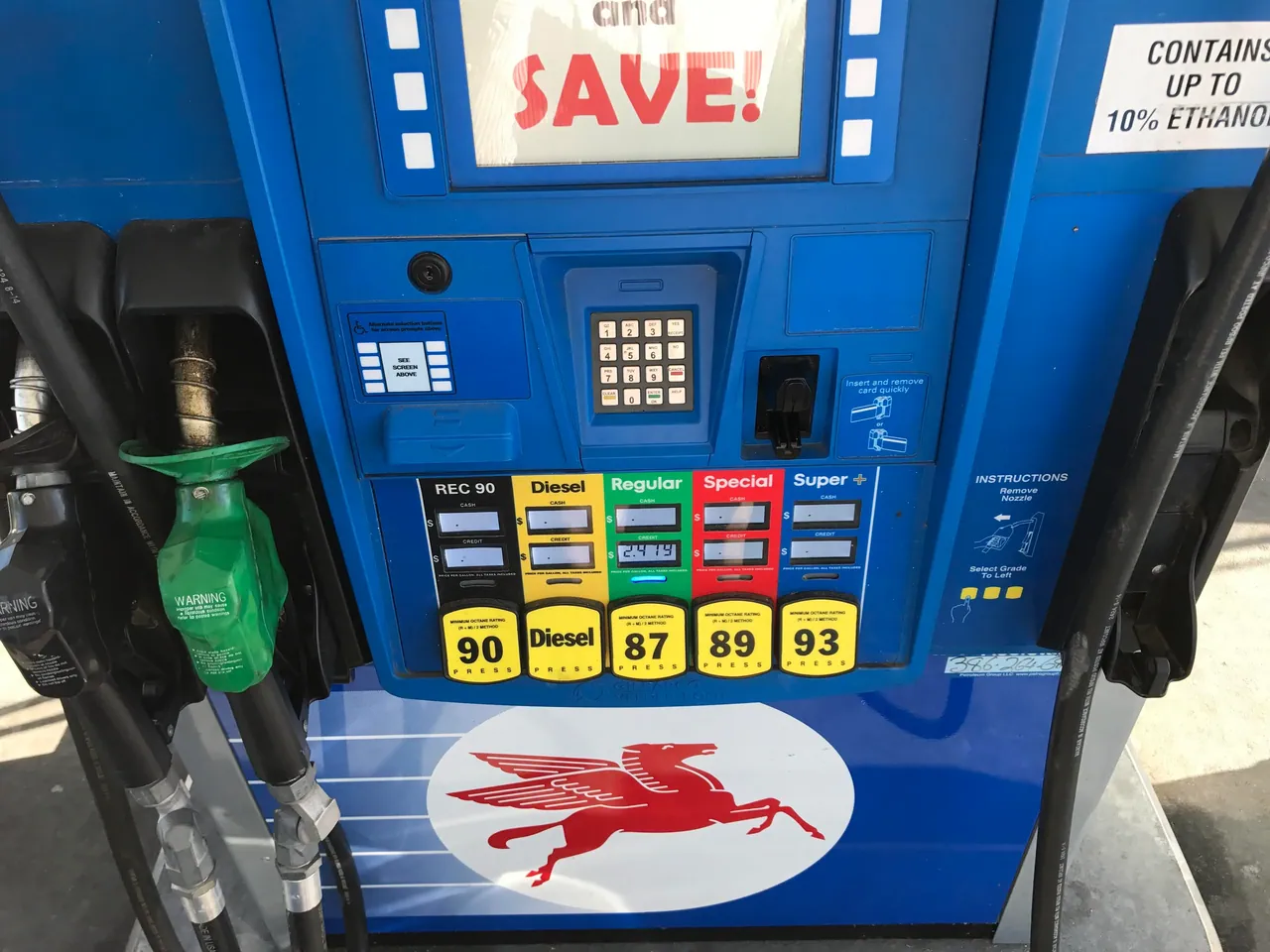
That's why many new drivers start looking for ways to cut costs at the pump. Some switch to lower-octane gasoline, assuming it won't make much difference. Others fall for ads promoting miracle devices that supposedly reduce fuel consumption. At the same time, experience shows that most owners never bother to read the owner's manual, convinced they already know everything there is to know about their cars.
The reality is that a modern automobile is a sophisticated machine that requires proper care, much of which is explained in the owner's manual. Instead, some owners neglect routine maintenance, wear out their vehicles prematurely, and then blame declining quality, venting their frustration on internet forums. One topic that was especially popular for years was the claim that "I poured in a fuel additive and the engine blew up." Questions about the vehicle's mileage, age, or overall condition were usually dismissed, with "Trust me" offered as the strongest evidence. As a result, many drivers came to believe that fuel additives are either unnecessary or outright harmful—a gimmick that does more harm than good. As someone who has worked extensively with this subject for more than 20 years, I can say that this belief is fundamentally wrong.
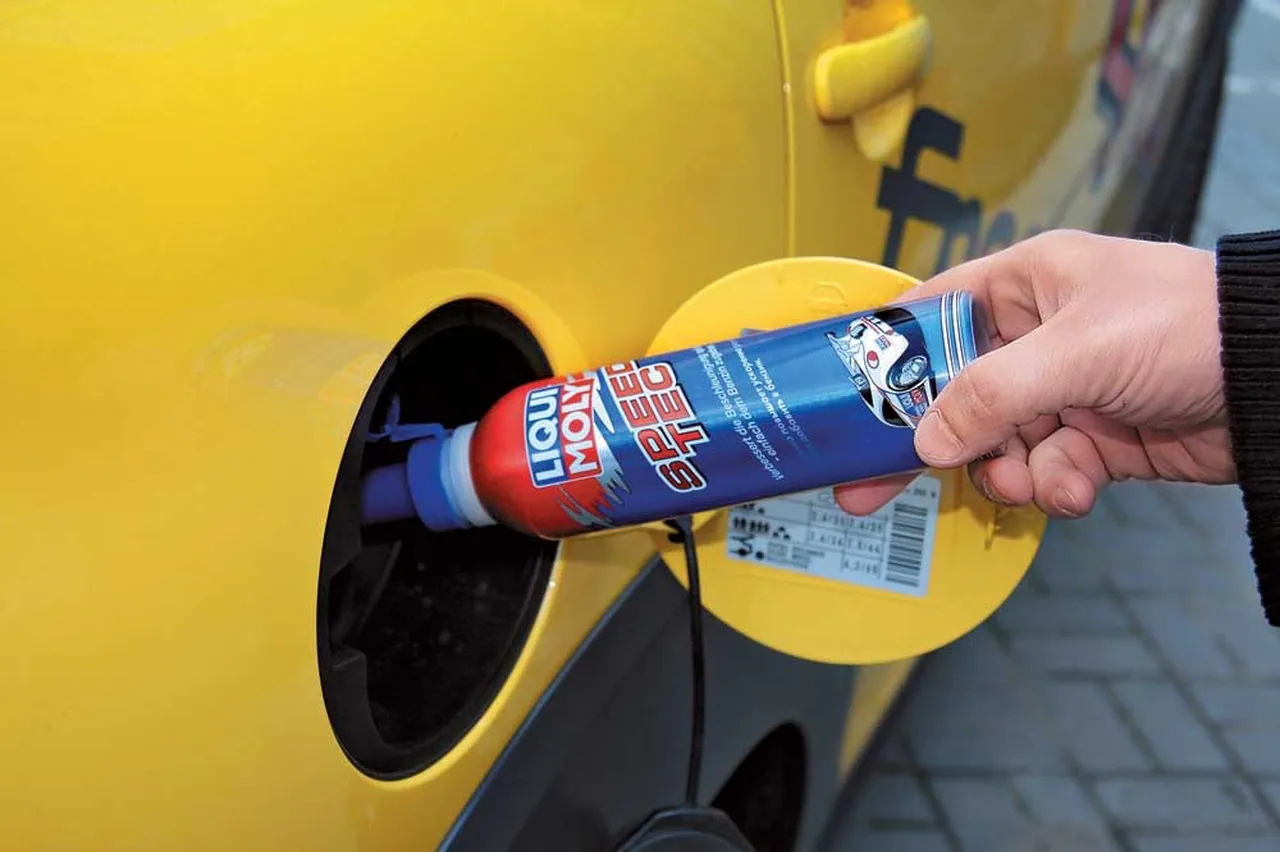
First, many automakers explicitly recommend the use of fuel additives. Of course, some people may prefer to believe that engineers at Volkswagen Group, Toyota, Subaru, and other major manufacturers simply don't know what they're talking about. Another common argument is that automakers are somehow paid off by additive manufacturers. Once that claim is made, there's little room left for discussion. After all, some people are convinced that every opinion and every decision is driven by hidden financial interests—and that the only goal is to fool consumers.
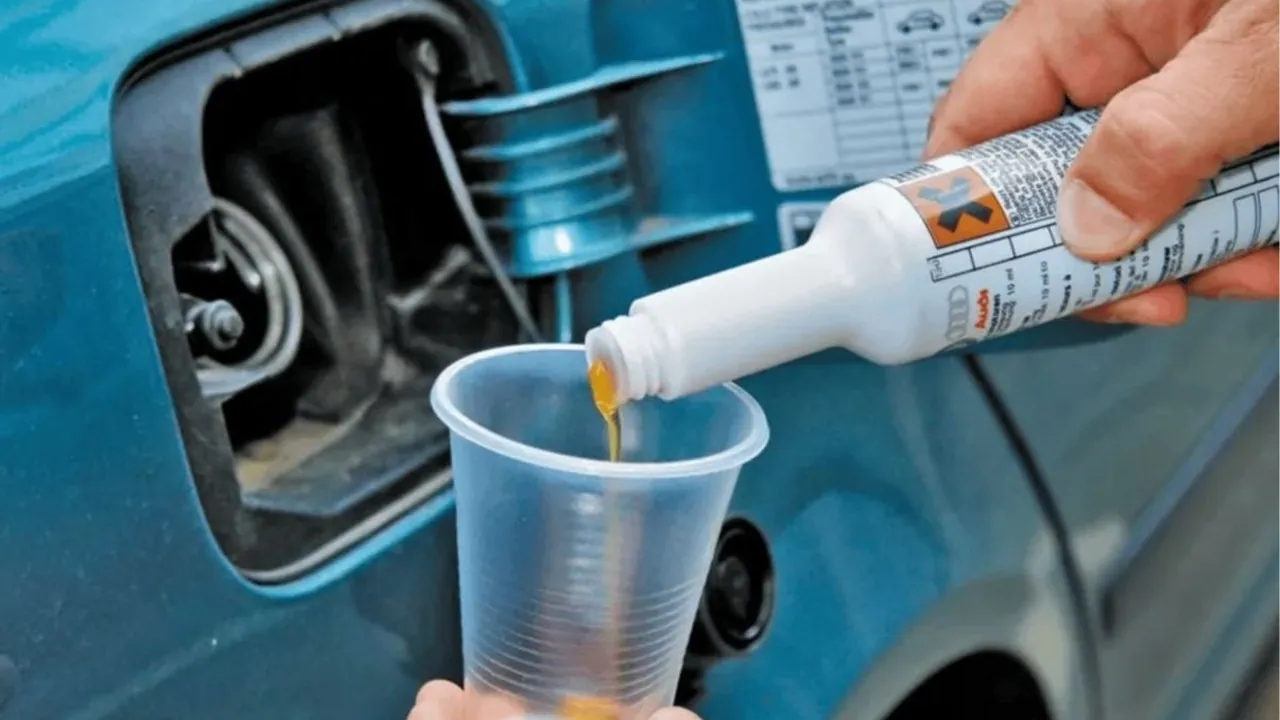
Second, fuel quality shouldn't be overlooked. Drivers have no practical way to determine exactly what's going into the fuel tank, and fuel quality can vary from one region to another. Most people don't think about it until the vehicle starts behaving differently, and even then the symptoms aren't always obvious. In situations like these, fuel additives can prove especially valuable.
Preventive maintenance is another important consideration. The fuel system needs to stay clean, which is why fuel-system cleaners exist. Ideally, the entire system should be cleaned, starting with the fuel tank. Otherwise, contaminants can eventually damage the fuel pump, resulting in an expensive repair. It's also important to remove accumulated water from the fuel tank from time to time—and yes, water does build up there. Specialized additives can help with that as well.
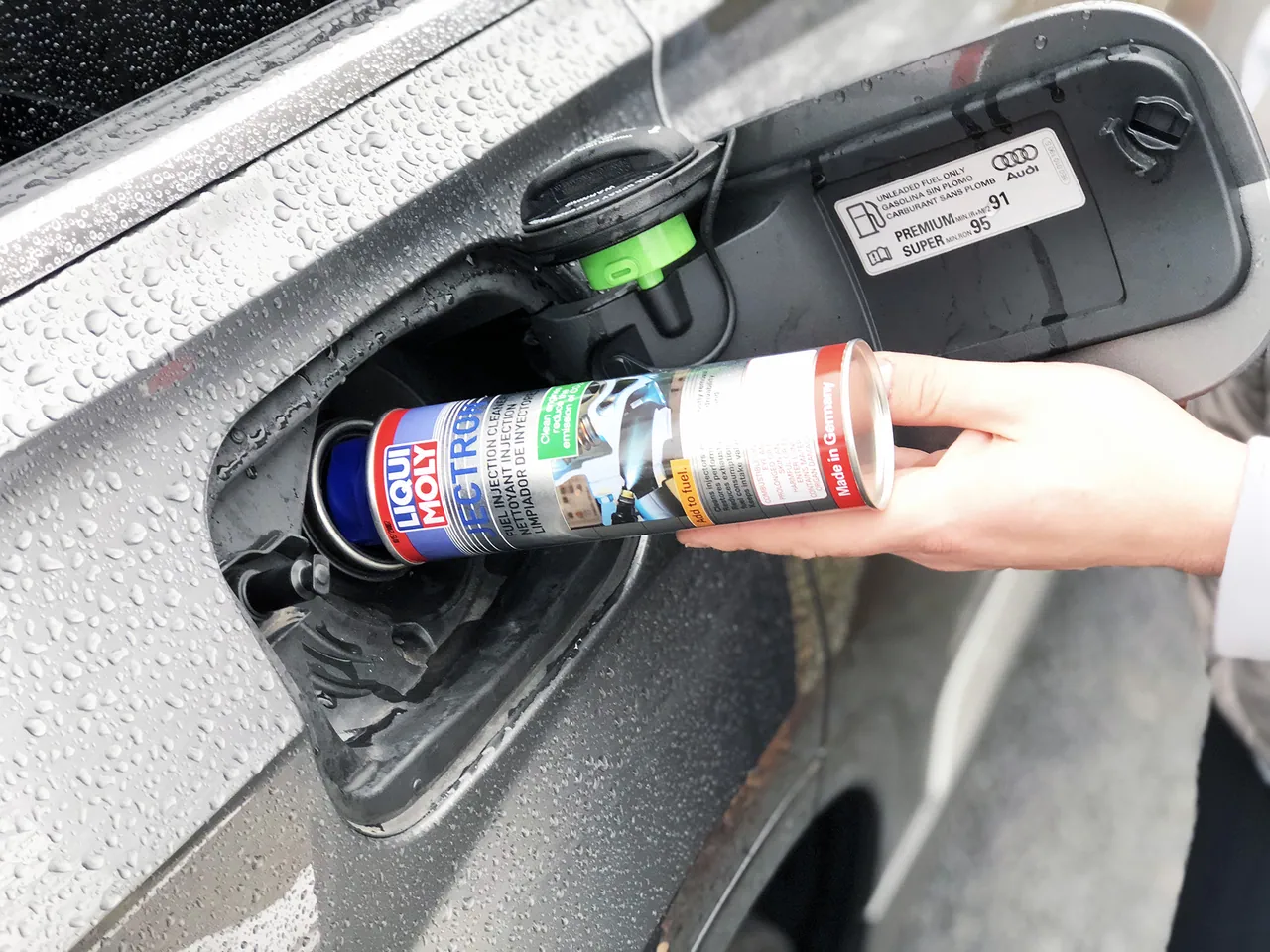
Another system that deserves close attention is the fuel injection system. The condition of the fuel injectors has a direct impact on engine performance, power delivery, and fuel economy. Many owners notice that fuel consumption gradually increases as their vehicles age. In those cases, the injection system should be inspected, with particular attention paid to spray pattern quality rather than simply injector operation. In many instances, deposits inside the injectors interfere with proper fuel atomization. Preventing that problem is relatively straightforward: use fuel additives designed to keep injectors clean.
Ultimately, experience suggests that when fuel additives are used correctly and at appropriate intervals, they can help reduce long-term ownership costs, extend a vehicle's service life, and make driving more enjoyable.
You may also be interested in the news:
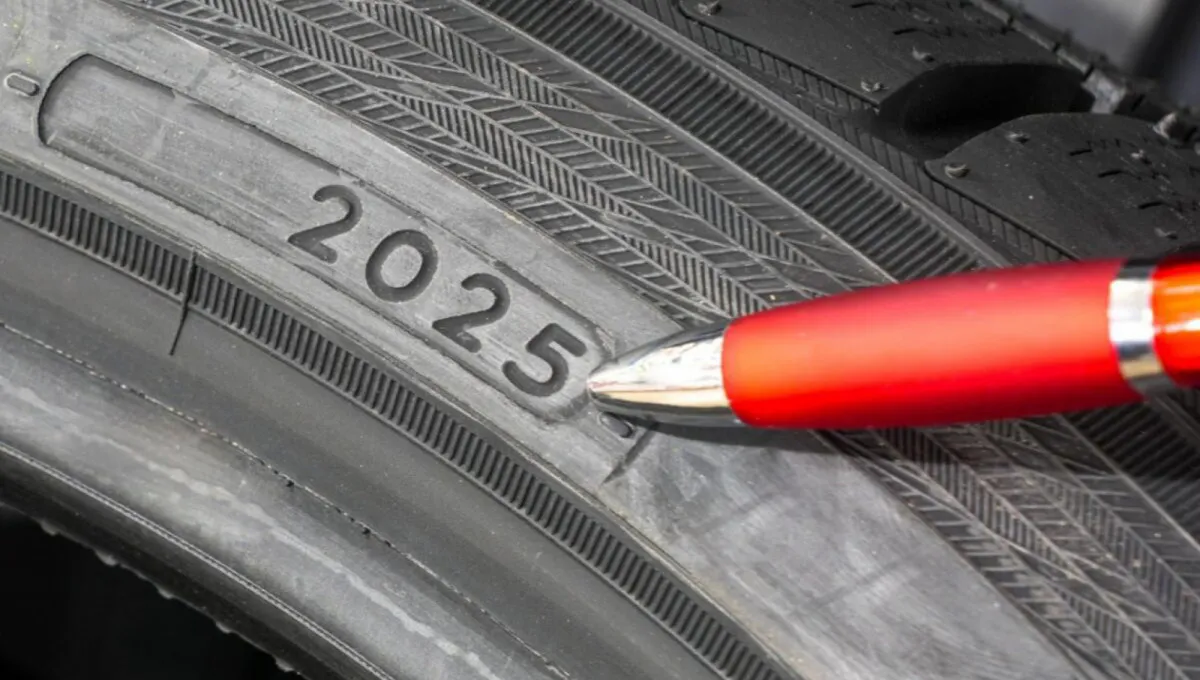
Why You Should Check a Tire’s Manufacturing Date Before Buying
Tire buyers should check more than size, tread, and brand because rubber changes with age, even without visible wear.

Your Car Sat for a Few Days and Won’t Start: What Could Be Draining the Battery
Your car can sit for days and still drain its battery, even when everything appears switched off.
Four Car Features Modern Drivers Are Starting to Miss
New cars keep adding technology, but some simple features that drivers once relied on are disappearing.
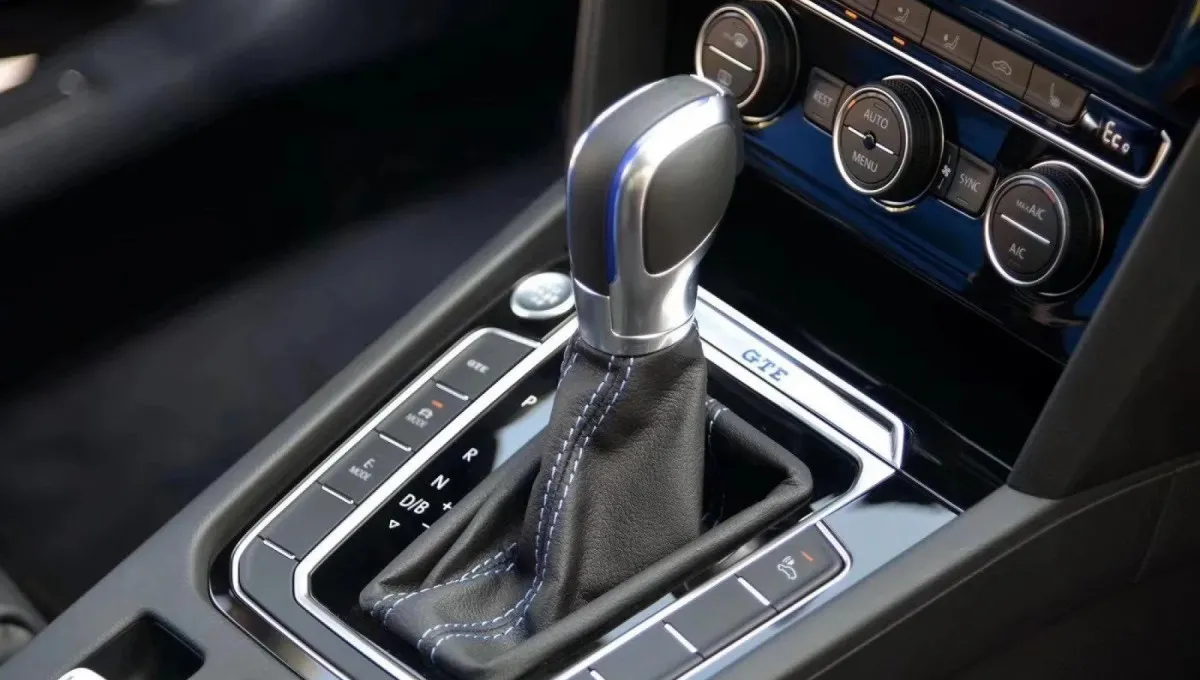
One Driving Habit Slowly Wears Out an Automatic Transmission: What Drivers Should Avoid
Seven-speed DSG gearboxes with dry clutches are among the most vulnerable and expensive to repair.