
Summer Tire Pressure: How Incorrect Inflation Increases Wear and Fuel Consumption
Proper tire pressure in hot weather can reduce tire wear, improve grip, and help cut fuel consumption by up to 10%.
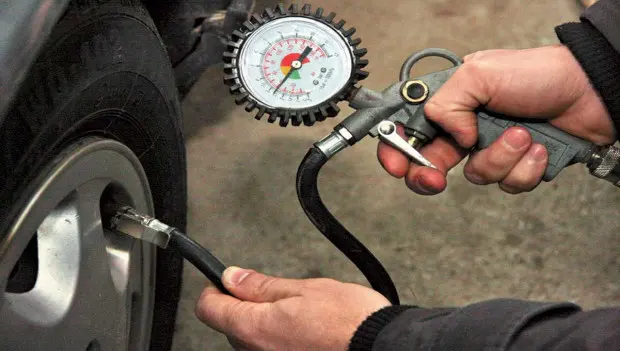
As temperatures climb, tire pressure becomes especially important. It affects not only tire wear, but also handling and fuel economy. Here are the most common mistakes drivers make—and how to avoid them.
During the summer months, tire pressure deserves extra attention. Temperature swings between cool mornings and hot afternoons can be as much as 72°F, directly affecting how a vehicle handles. Many drivers focus only on switching to summer tires, overlooking the fact that winter driving habits can create problems once the weather turns warm.
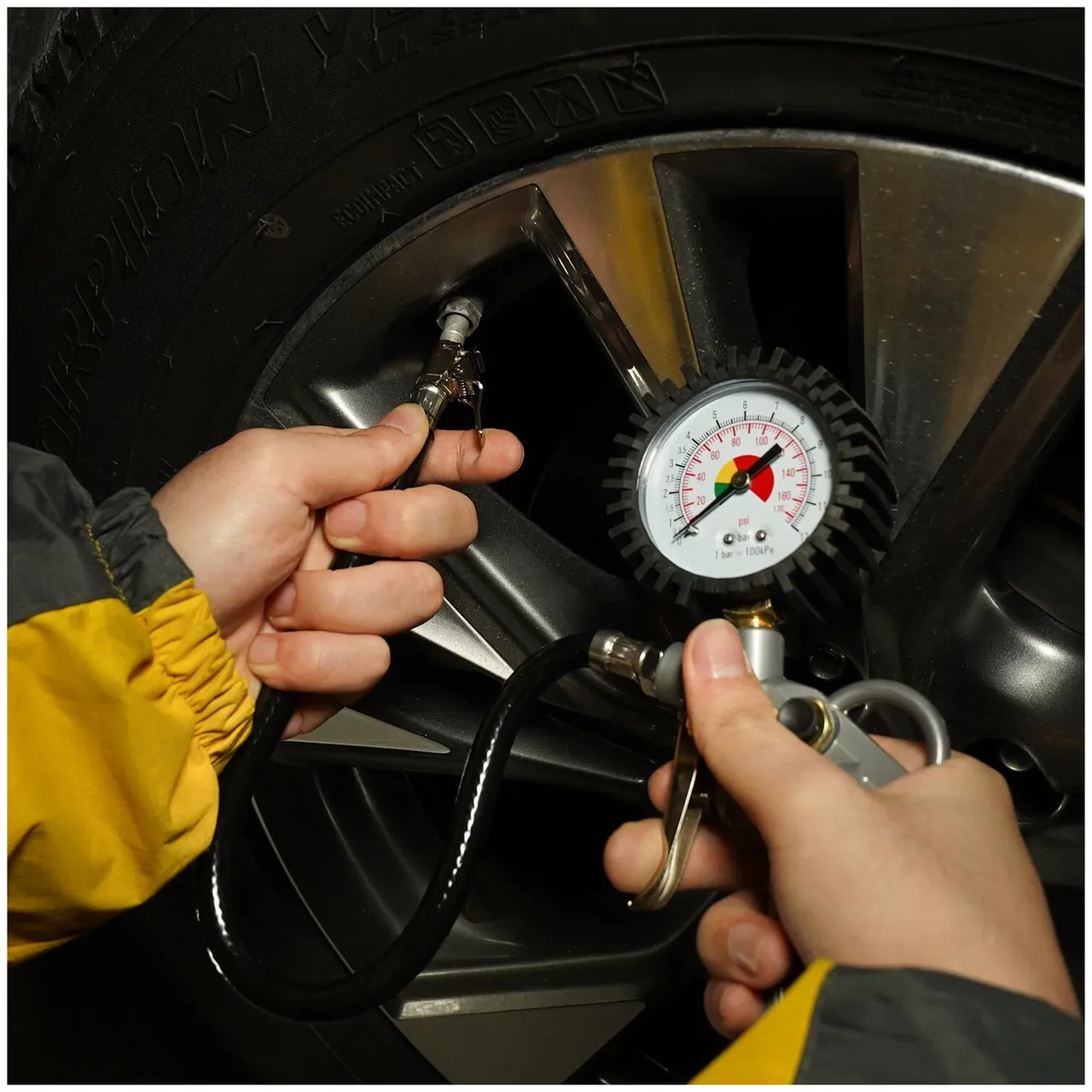
Underinflated tires, which can provide extra traction on slippery winter roads, become a liability in summer. They generate more heat, accelerate shoulder tread wear, and increase the risk of wheel damage. Overinflated tires, on the other hand, make the ride harsher, increase stopping distances, and reduce comfort on dry pavement. Generic advice such as "30 psi is fine" is outdated. Every automaker specifies the correct tire pressure, typically listed on a sticker inside the driver's door jamb, on the fuel filler door, or in the owner's manual.
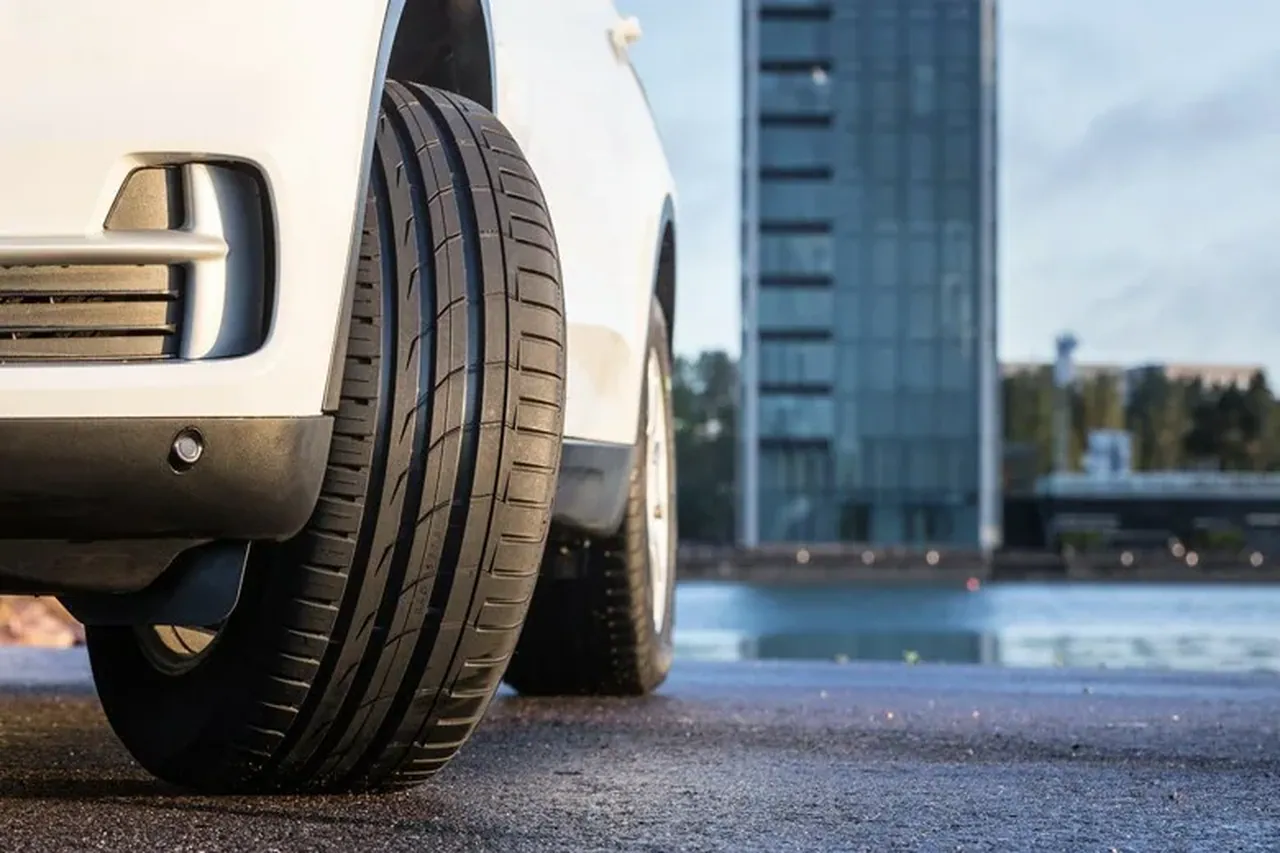
For most compact and midsize passenger cars, recommended tire pressure under a light load ranges from about 29 to 32 psi, while a fully loaded vehicle typically requires 35 to 41 psi. Rear tires often require higher pressure than the fronts. During summer, tire pressure is commonly increased by 1.5 to 3 psi compared with winter settings—but only within the manufacturer's recommended range.
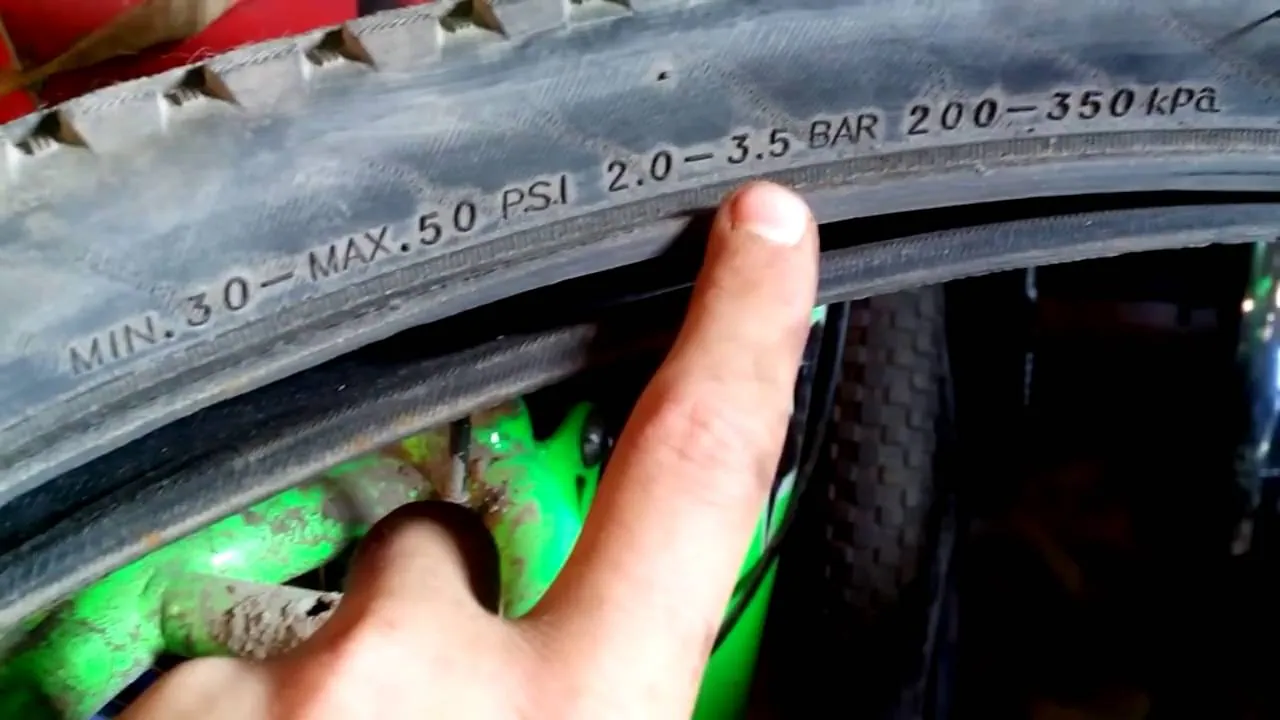
The most accurate pressure readings are taken with cold tires after the vehicle has been parked overnight or for at least three to four hours. After driving, tire pressure can increase by 3 to 7 psi as the tires heat up, making morning checks the most reliable.
If the vehicle is fully loaded or you're preparing for a long trip, rear tire pressure should be increased by 3 to 6 psi above the normal setting. Doing so helps improve stability in corners and protects the tires from excessive loads. Once the extra cargo has been removed, return the tires to their standard pressure. Otherwise, the center of the tread will wear more quickly and ride quality will suffer. Underinflated tires wear faster along the shoulders, increase fuel consumption, and lengthen braking distances, while overinflated tires wear prematurely in the center and reduce ride comfort.
A tire pressure monitoring system (TPMS) only alerts the driver when pressure falls well outside the normal range. Even a difference of 3 psi can noticeably affect fuel economy and braking performance. Air gauges at gas stations are not always accurate, so using your own gauge is the better option. Before a long drive, check the manufacturer's recommended pressures, consider the weather forecast—in very hot conditions, increasing pressure by 1.5 to 3 psi may be appropriate if it remains within factory specifications—and adjust tire pressure based on the vehicle's load. If you're towing a trailer, the rear tires should be inflated accordingly.
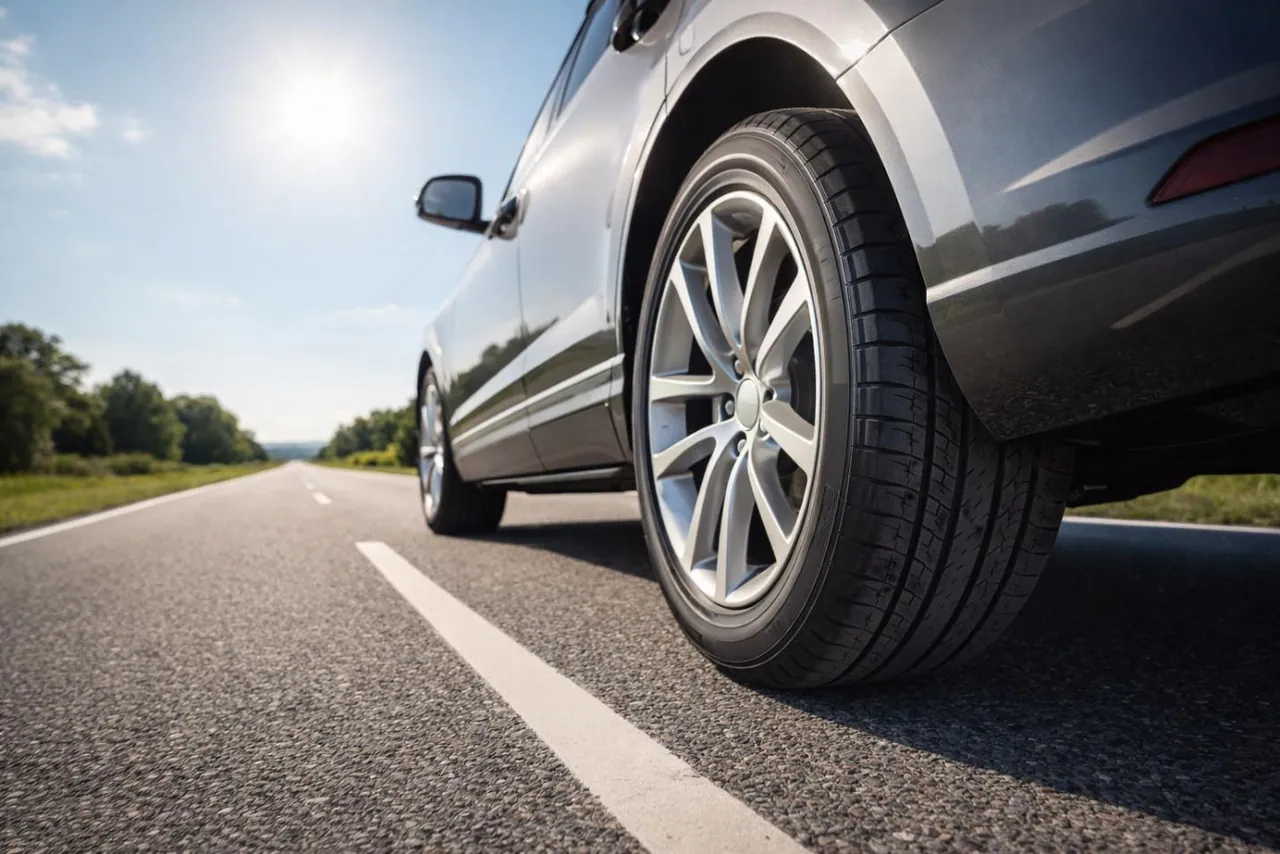
Many drivers believe 29 psi is suitable for every vehicle, but even a 3 psi difference can affect both safety and fuel economy. Following the manufacturer's recommendations is the only way to ensure even tire wear, reasonable fuel consumption, and predictable handling. Spending just a few minutes checking tire pressure can help avoid unnecessary repair and fuel costs while reducing the risk of an accident.
Checking tire pressure regularly during the summer isn't just routine maintenance—it's an important part of vehicle safety and efficiency. Even small deviations from the recommended pressure can accelerate tire wear, increase fuel consumption, and reduce handling performance. Proper tire care not only saves money but also helps keep your vehicle performing reliably in a wide range of driving conditions.
You may also be interested in the news:
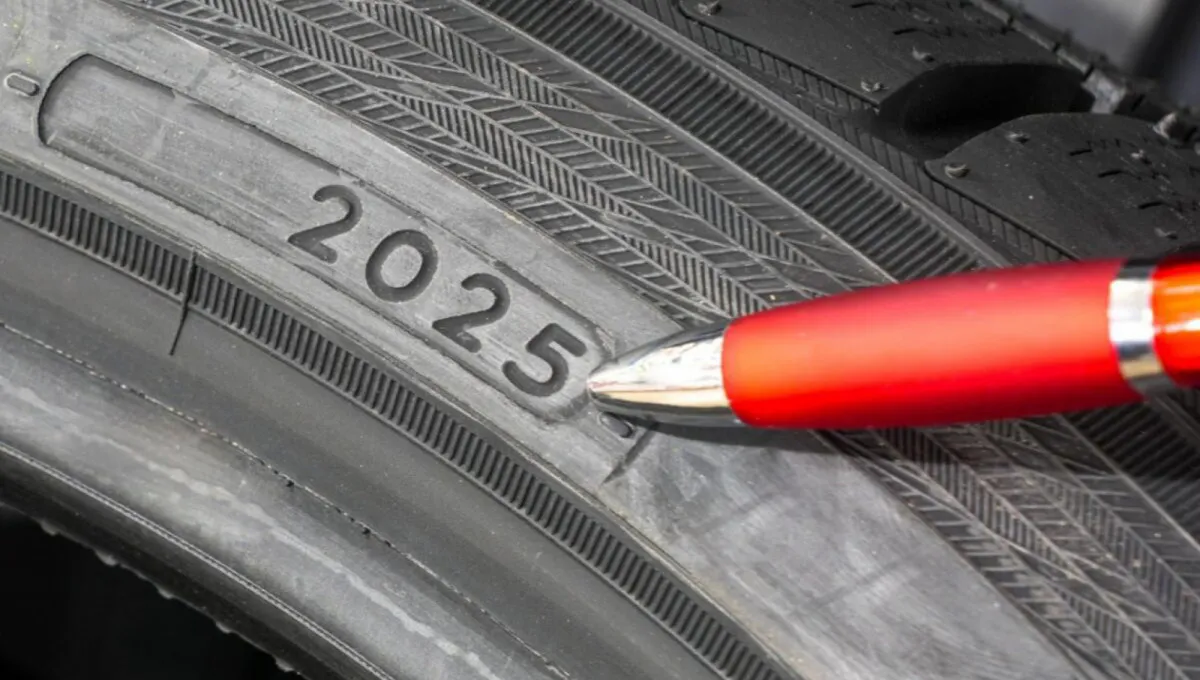
Why You Should Check a Tire’s Manufacturing Date Before Buying
Tire buyers should check more than size, tread, and brand because rubber changes with age, even without visible wear.
Your Car Sat for a Few Days and Won’t Start: What Could Be Draining the Battery
Your car can sit for days and still drain its battery, even when everything appears switched off.
Four Car Features Modern Drivers Are Starting to Miss
New cars keep adding technology, but some simple features that drivers once relied on are disappearing.
One Driving Habit Slowly Wears Out an Automatic Transmission: What Drivers Should Avoid
Seven-speed DSG gearboxes with dry clutches are among the most vulnerable and expensive to repair.
Small Fin, Big Job: Why Your Car’s Shark Fin Is More Than Just a Styling Trick
The small fin on your car's roof may look decorative, but it actually serves several important technical purposes.