
6 Sure Signs Your Car Is About to Break Down
Any car breakdown is always frustrating.
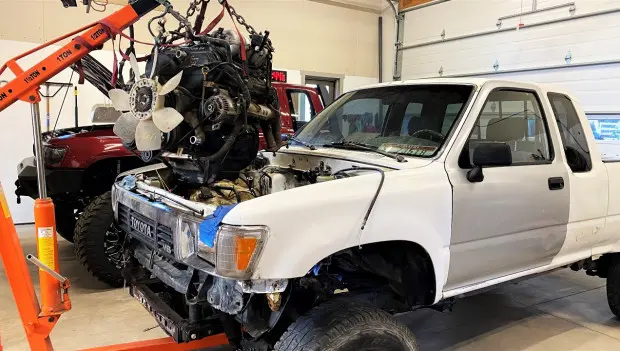
Recently, the number of people behind the wheel has been growing, while the number of drivers who truly understand their vehicles has been shrinking. Many of today's car owners don't know how to take proper care of their vehicles, and that leads to costly problems. Here's how cars end up falling apart and what you can do to prevent it.

It's hard to imagine what's hiding beneath this car's rusted body.
1. Excessive Oil Consumption
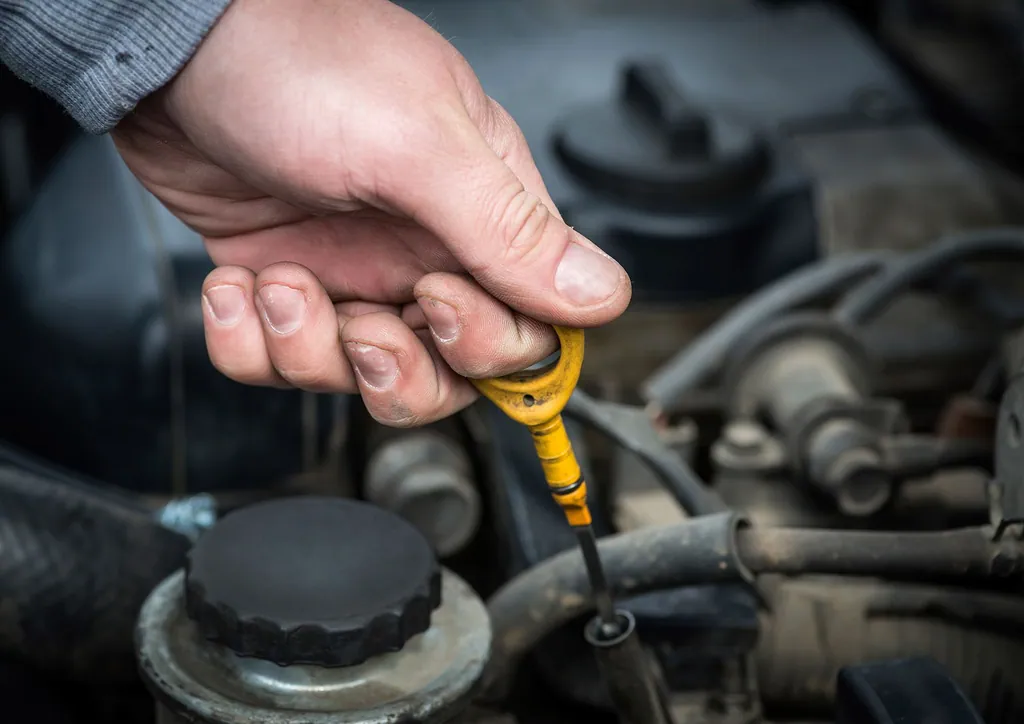
Every modern engine uses motor oil, and some oil consumption over time is normal. But if the oil level suddenly starts dropping much faster than usual, that's a serious warning sign. If the inside of the tailpipe is not only coated with soot but also oily, it's time to start planning for a major engine rebuild. In reality, no "home remedies" will solve the problem.
2. Dashboard Warning Lights
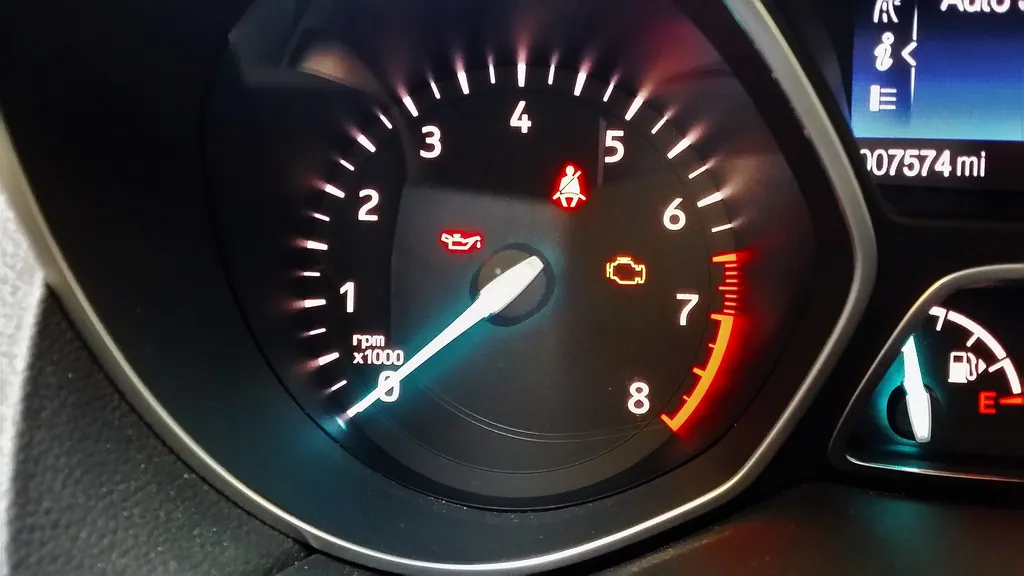
Modern vehicles come equipped with an excellent diagnostic tool: dashboard warning lights. You don't have to be a mechanic to understand that an illuminated oil pressure warning light means there's a problem with the lubrication system, whether the engine is low on oil or oil pressure has dropped for some reason. If the check engine light comes on, it means an electrical component, such as a sensor, is sending incorrect information or its wiring has been damaged.
Either way, the vehicle should be inspected. Ignoring the issue can lead to repairs that could have been avoided.
The reason is simple: losing the signal from any sensor can seriously affect engine operation. The engine control module can't make up missing information, so it may calculate the wrong air-fuel mixture or ignite it at the wrong time.
3. Unusual Exhaust Smoke
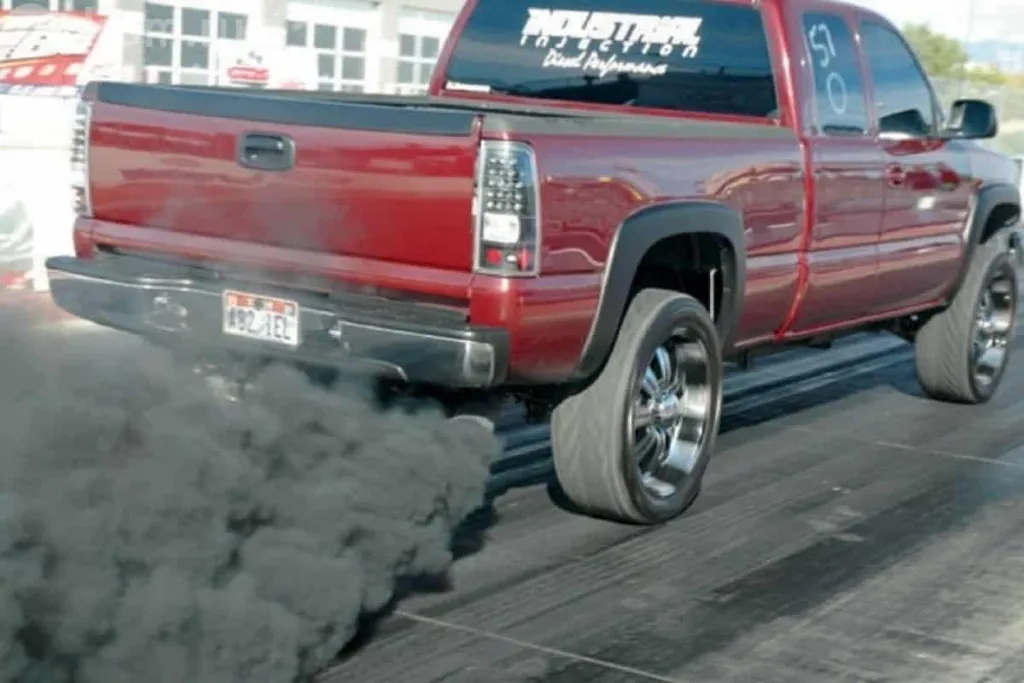
A vehicle's exhaust can reveal a lot about engine condition. Clear exhaust, or a small amount of white vapor, is considered normal. If thick white smoke is pouring from the tailpipe, there's a good chance the head gasket has failed, allowing coolant to enter the combustion chamber.
Blue exhaust smoke means the engine is burning oil. Worn valve stem seals, worn valve guides, or a badly worn piston-and-cylinder assembly could all be responsible. In any case, the engine needs repairs. Ignoring the problem will eventually damage the oxygen sensor and catalytic converter.
Black exhaust smoke, and sometimes even sparks or flames from the tailpipe, indicate that the engine is running with an excessively rich air-fuel mixture. That means gasoline isn't being burned efficiently and continues burning in the exhaust system.
4. Knocking Noises From the Engine
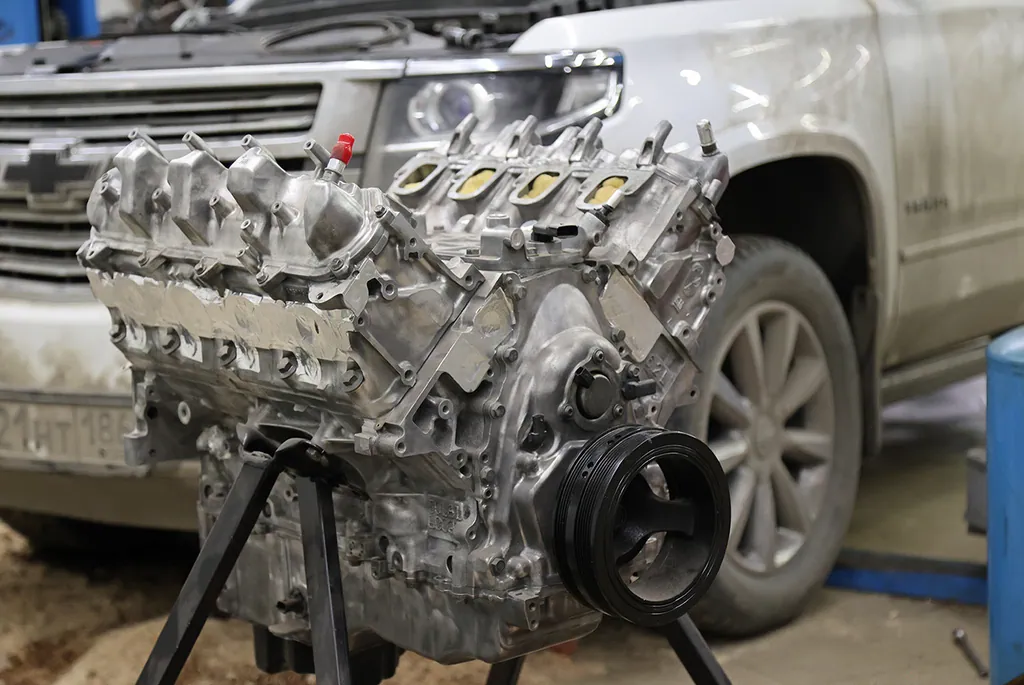
A modern vehicle is made up of thousands of metal parts that constantly interact with one another. On top of that, combustion inside the engine naturally produces knocks and vibrations. Even so, any reasonably experienced driver can recognize noises that don't belong.
They may include transmission grinding, brake squeal, belt noise, or knocking from worn components. In any case, it's worth having the vehicle checked at a repair shop.
5. The Vehicle Pulls to One Side
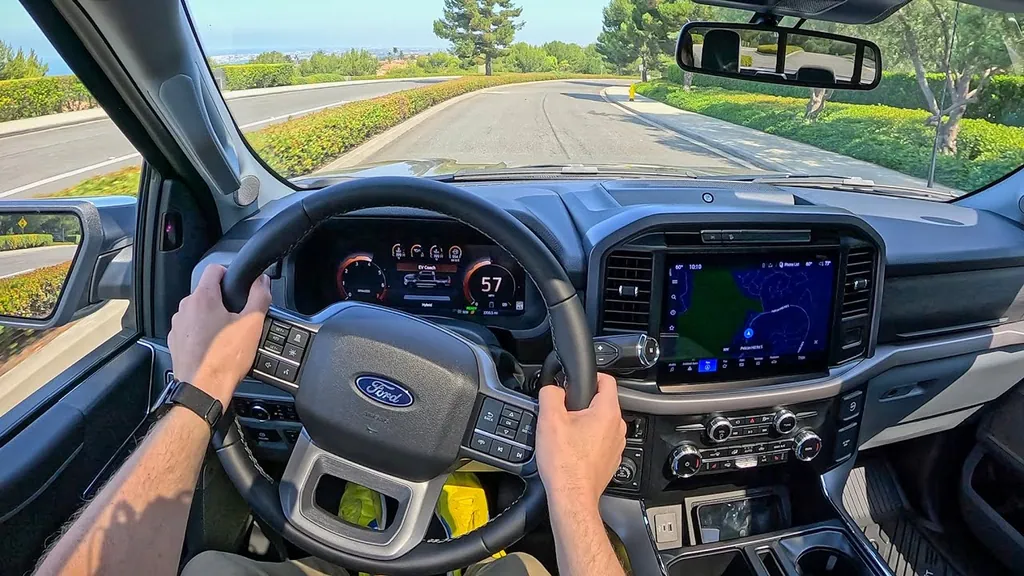
When driving in a straight line with the steering wheel held steady, the vehicle should continue straight regardless of the road surface. If it constantly pulls to one side and requires steering correction, several problems may be present.
The steering rack and suspension joints are most likely heavily worn, and continuing to drive the vehicle in that condition will only increase repair costs.
6. Rust on the Body
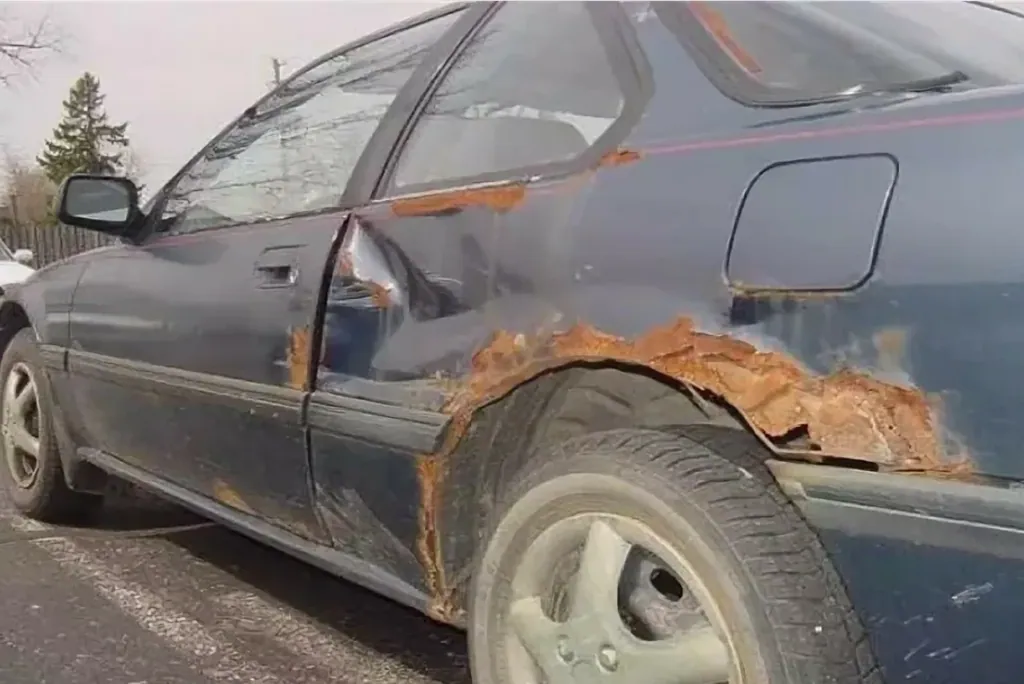
Rust is one of the biggest enemies of any vehicle. Over time, body panels, fenders, and the hood begin to corrode. Wheel wells and the underbody are especially vulnerable. On high-mileage vehicles, corrosion can become so severe that the body's structural geometry changes when driving over large bumps.
You may also be interested in the news:
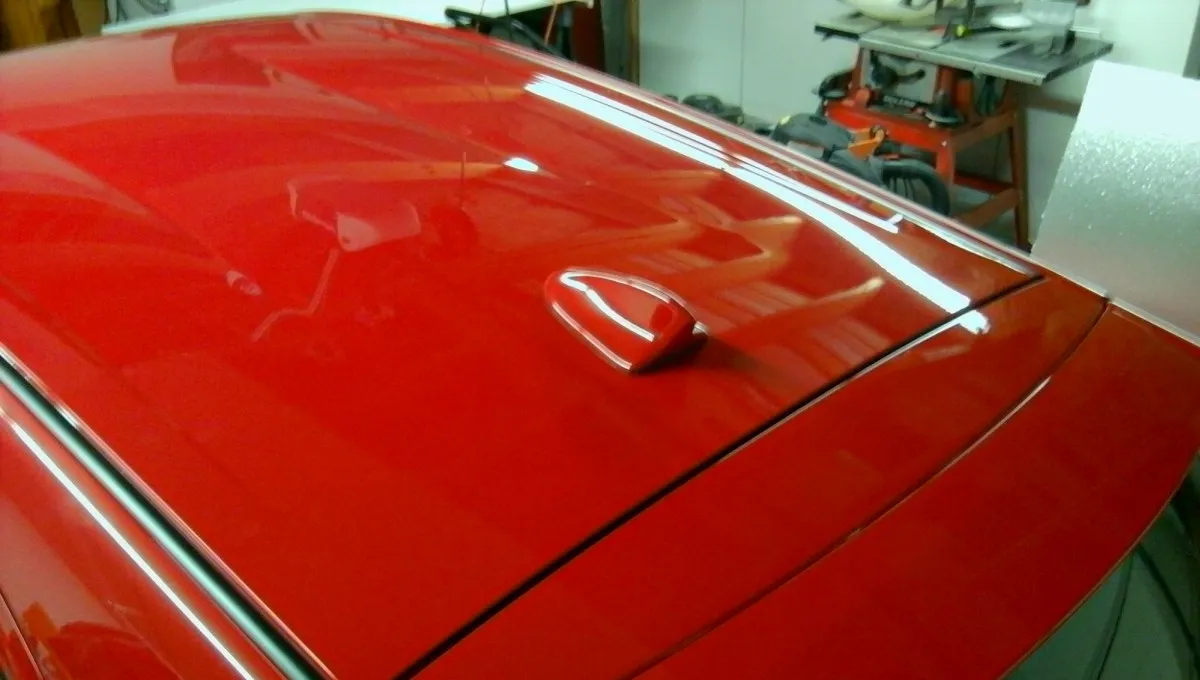
Small Fin, Big Job: Why Your Car’s Shark Fin Is More Than Just a Styling Trick
The small fin on your car's roof may look decorative, but it actually serves several important technical purposes.
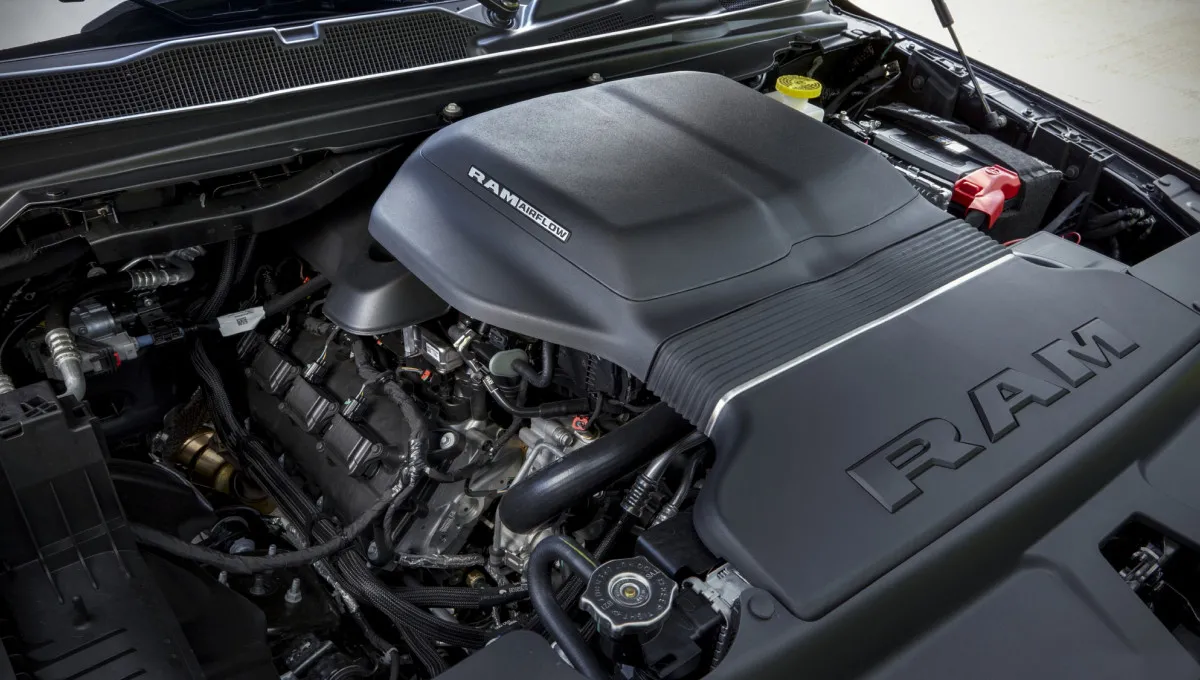
Your Engine Could Be Warning You: 6 Problems That Can Make a Car Run Rough
Engine problems rarely happen without a reason, and six common issues can cause a car to run poorly.
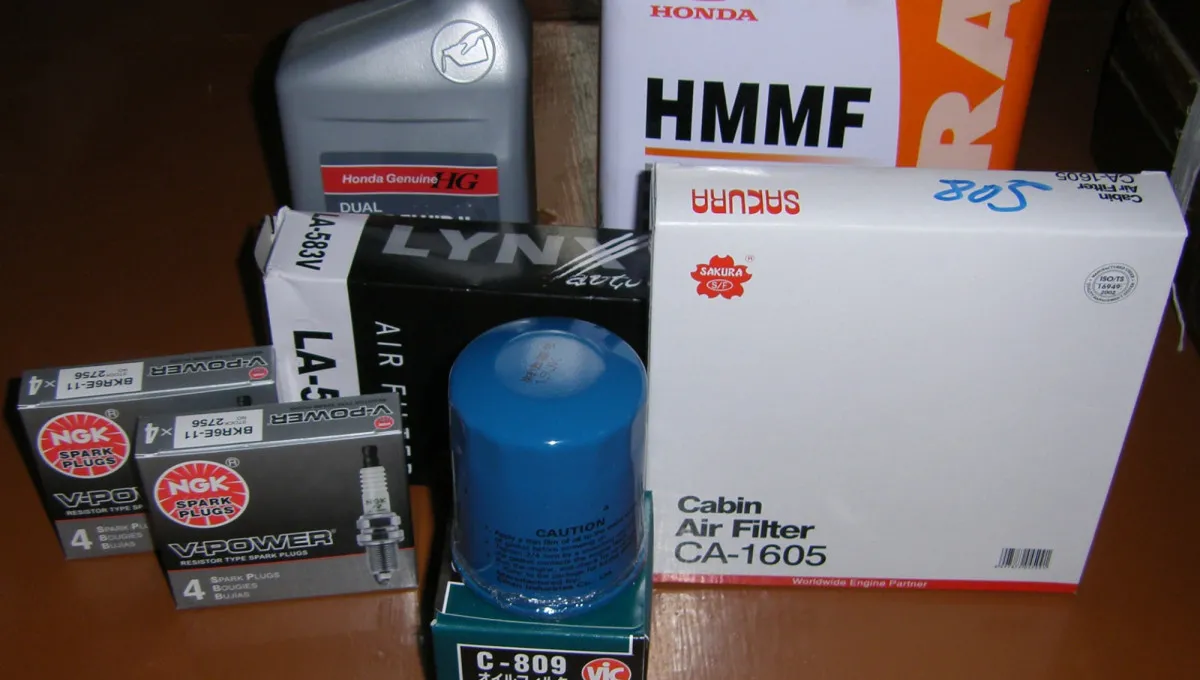
Changing Your Car’s Filters: How to Do Basic Maintenance Yourself Without Damaging the Engine
Changing the oil, engine air filter and cabin air filter yourself can save money, but small mistakes can cause expensive problems.
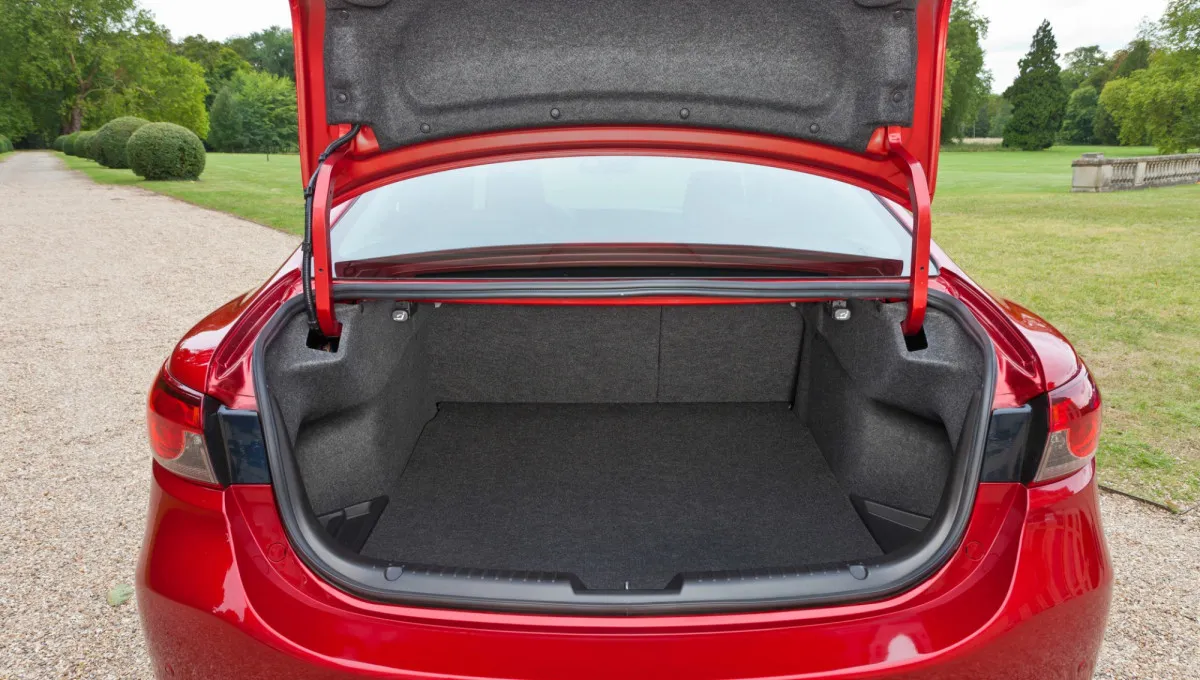
That Stuff in Your Trunk Is Costing You More Than You Think—Here’s What to Take Out
Carrying unnecessary cargo can quietly increase fuel use, accelerate wear and create an avoidable safety hazard for drivers and passengers.
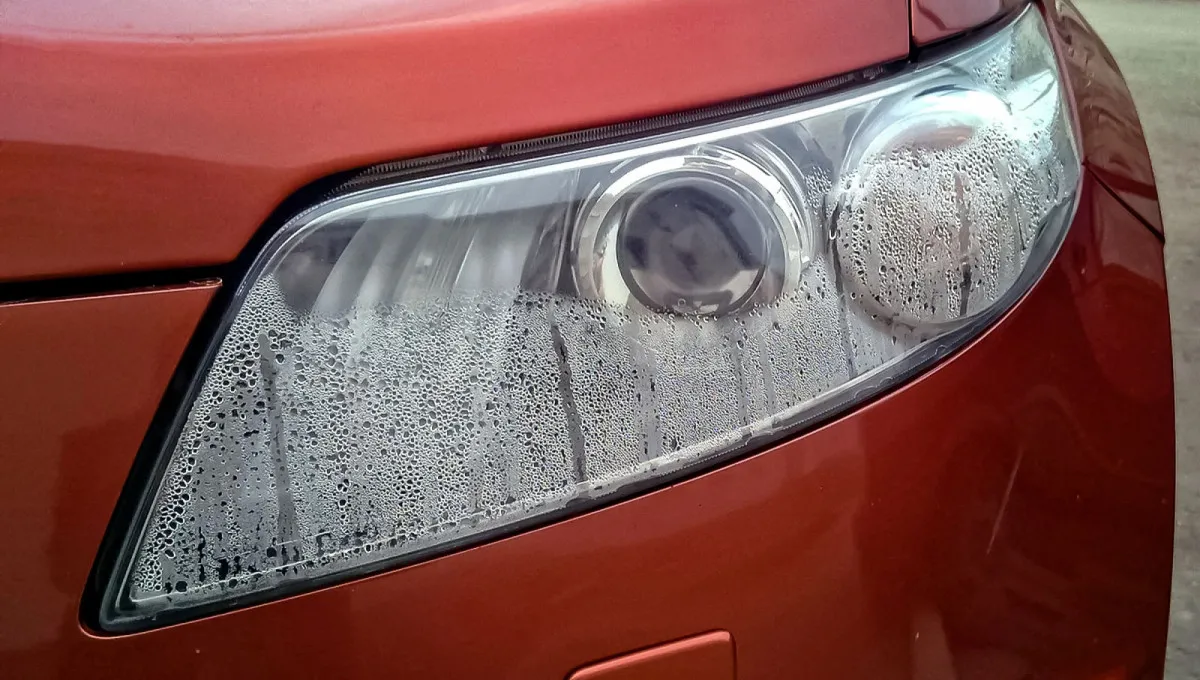
Your Headlights Are Fogging Up for a Reason: 4 Causes and 5 Steps to Fix Them
Foggy headlights are not always a sign of damage, but persistent condensation can point to a problem that needs attention.