
The Pros and Cons of Cars With Panoramic Roofs
A panoramic roof can make a vehicle look and feel more upscale, but it also comes with some important trade-offs.
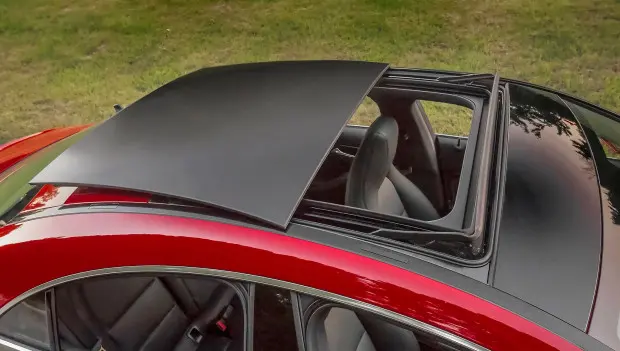
Vehicles equipped with panoramic roofs have become increasingly common in recent years, even though there was a time when a simple sunroof was considered a luxury. Today, large glass roof panels are a familiar feature on many new models. But what exactly is a panoramic roof? Is every sunroof considered panoramic? And is it really worth having? Here's a closer look at the advantages and disadvantages.
What Is a Panoramic Roof?
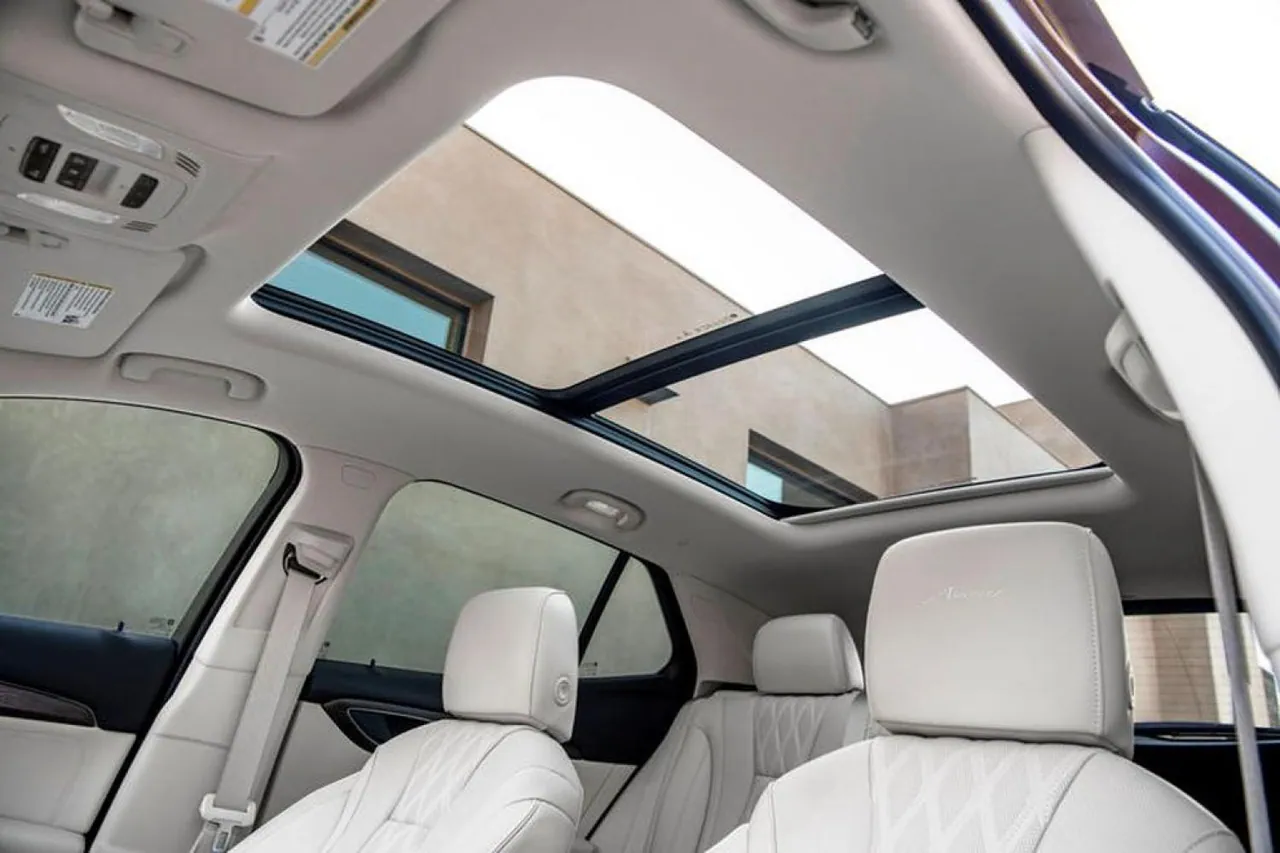
The name is fairly self-explanatory. A panoramic roof is designed to provide a broad view of the sky and create a more open feel inside the cabin. In most cases, it's an expanded version of a traditional sunroof that extends much farther across the roof.
Unlike a conventional sunroof, which is typically positioned above the front seats, a panoramic roof generally stretches from the top of the windshield nearly to the rear window, covering most or all of the passenger compartment.
Types of Panoramic Roofs
There are several different designs that fall under the panoramic roof umbrella.
Although the terms panoramic roof and panoramic sunroof are often used interchangeably, they're not always identical. A panoramic roof usually refers to a large fixed glass panel, while a panoramic sunroof typically includes one or more movable glass sections. Many vehicles feature two- or three-panel roof systems that allow individual sections to open while still providing an expansive glass roof.
Some of the most common designs include:
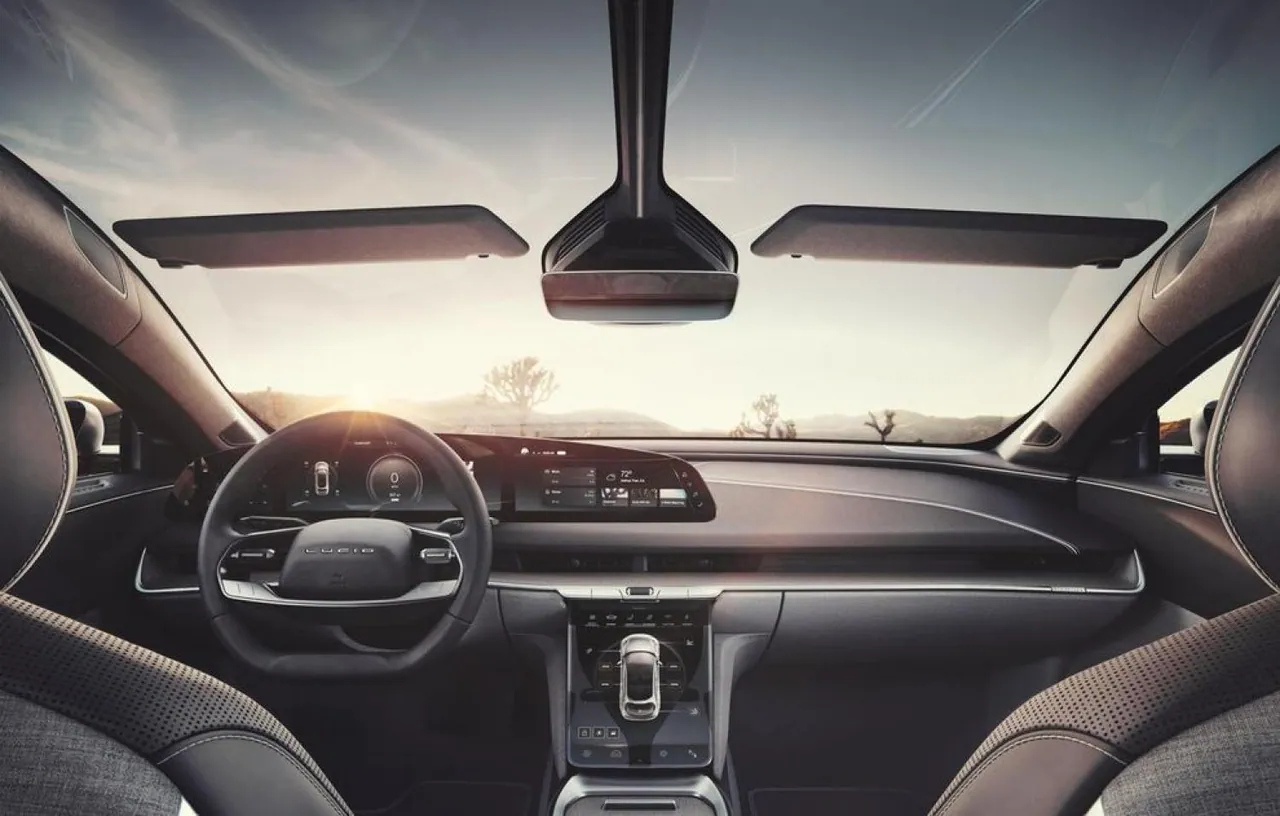
Panoramic windshield.
In this configuration, the windshield extends beyond the roofline and continues over part of the passenger compartment. A good example is the Lucid Air, which combines an expansive glass windshield over the front seats with a separate panoramic glass panel above the rear passengers.
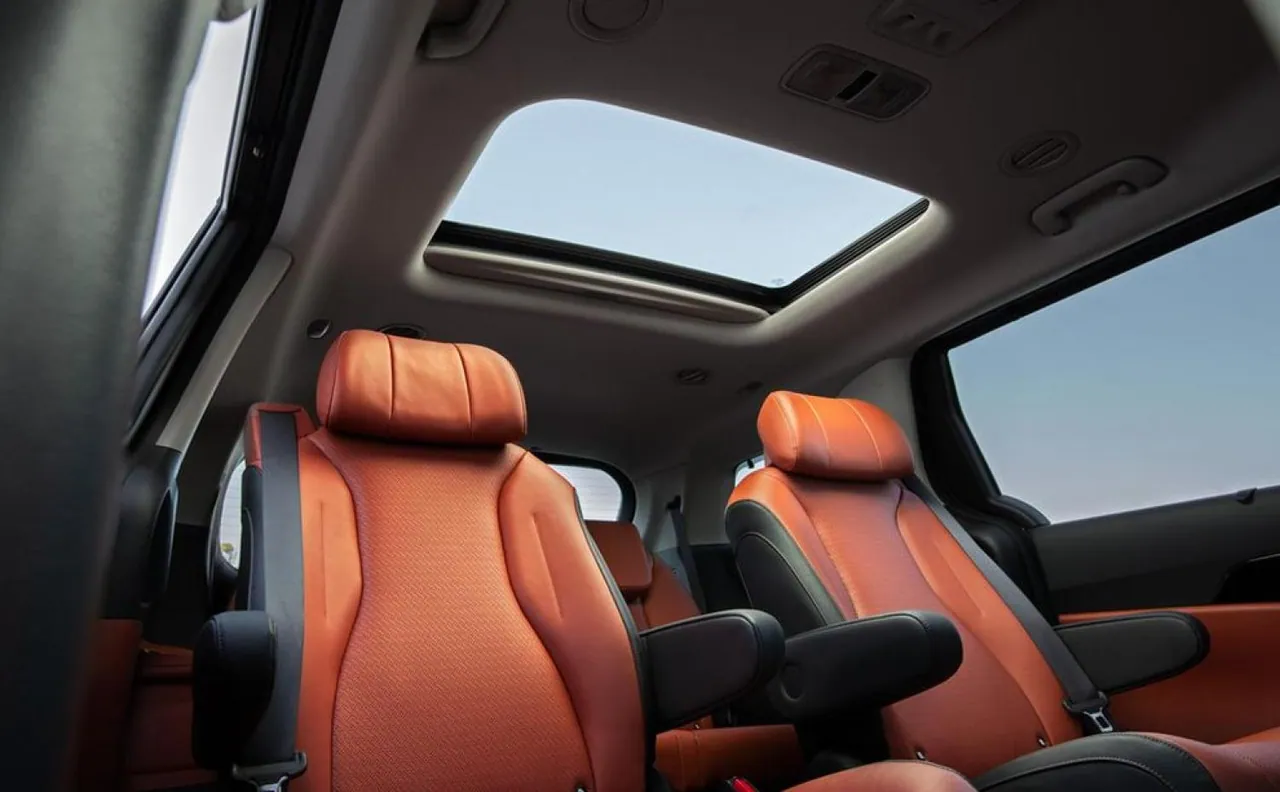
Two- or three-panel roof. These systems divide the roof into multiple glass sections, some or all of which can be opened independently. Several Subaru models use this design. However, simply having two sunroofs doesn't automatically make a vehicle's roof panoramic, as illustrated by the 2023 Kia Carnival.
Fixed panoramic roof.
Found on vehicles such as the updated Tesla Model S, this design consists of a single fixed glass panel that spans nearly the entire passenger compartment.
Infinity Roof. GMC uses this name for the removable four-panel glass roof on the Hummer EV. Technically, though, it's not a true panoramic roof because the structural crossbars interrupt the view overhead.
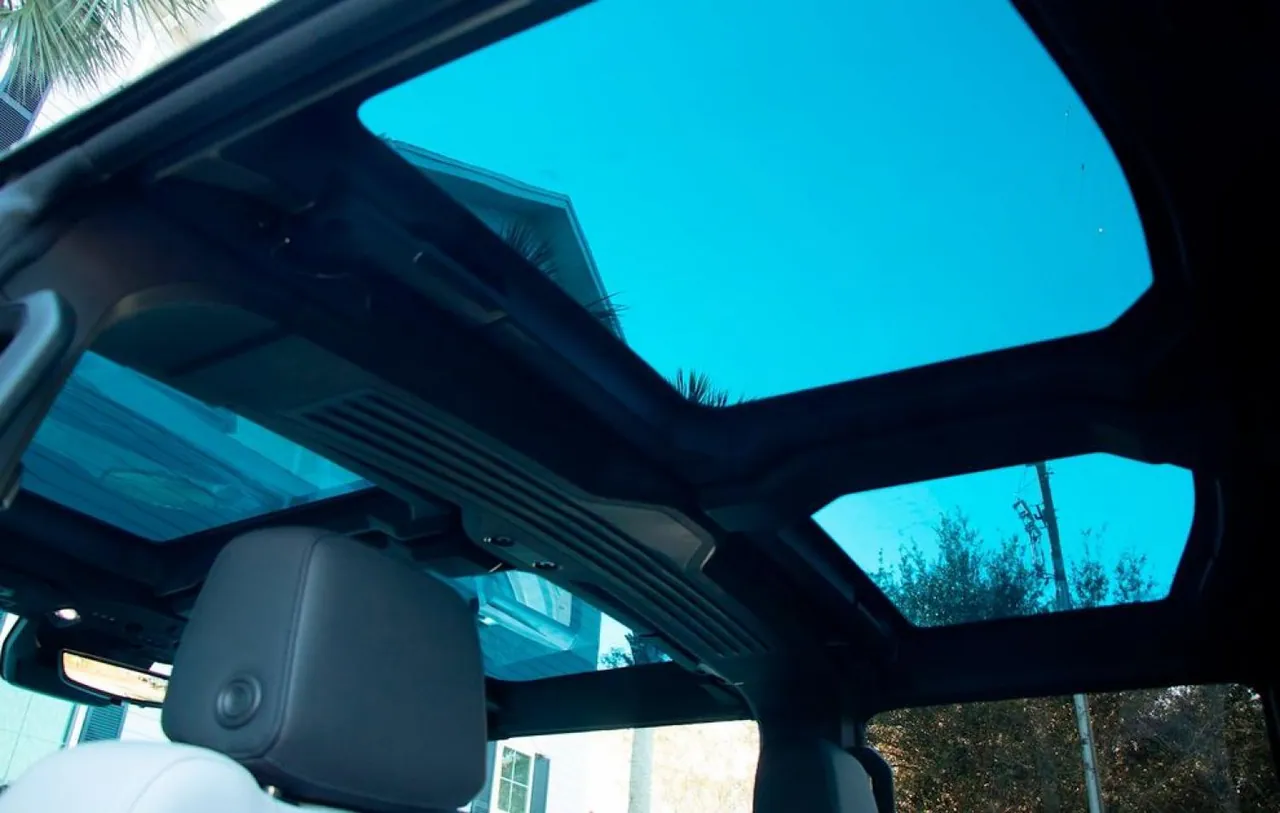
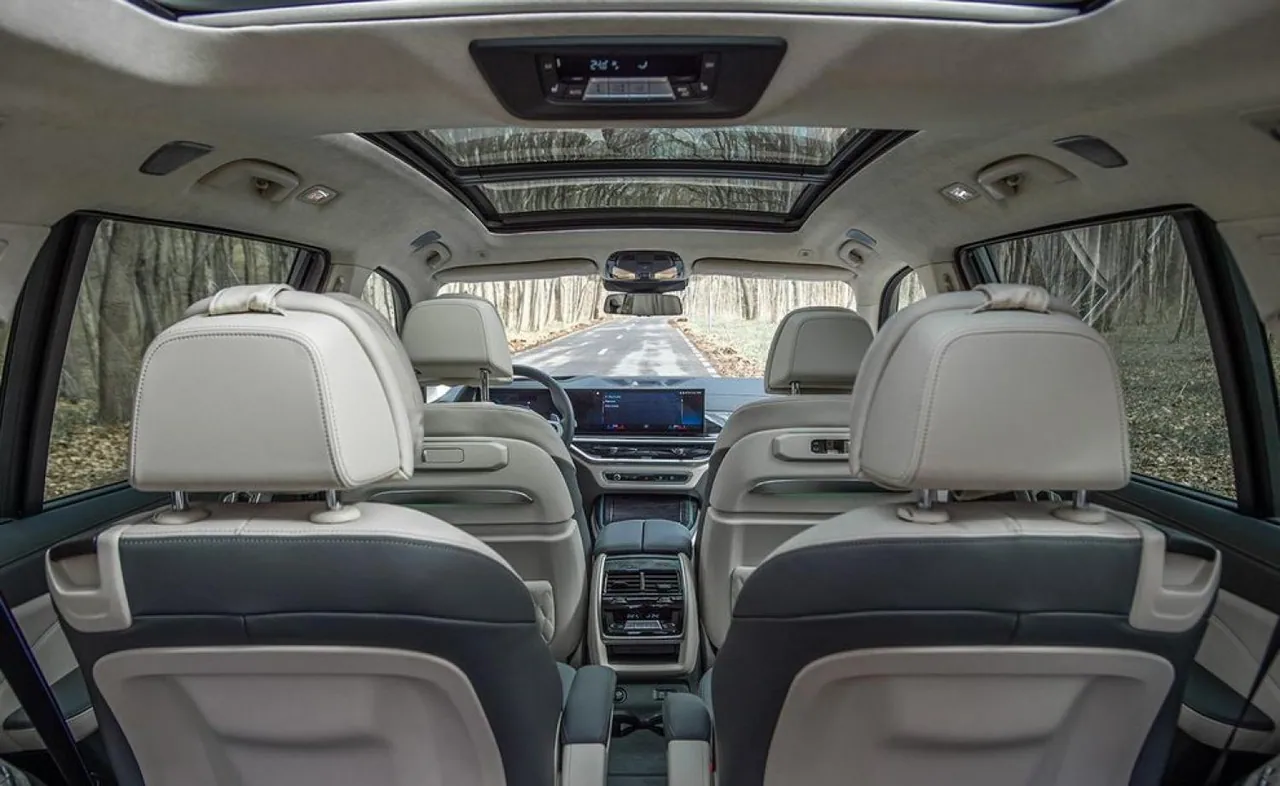
Sky Roof. Several automakers have used this unofficial marketing term. For example, the Bugatti Chiron offered optional removable glass roof panels above the front seats, while the BMW i7's Sky Lounge features electrochromic glass that can switch between transparent and opaque while incorporating ambient LED lighting.
Pros
Panoramic roofs offer several advantages over conventional sunroofs—or no sunroof at all.
More attractive styling. A full-length glass roof gives almost any vehicle a more premium and sportier appearance.
More natural light. Since many people spend most of their day indoors, a panoramic roof lets significantly more sunlight into the cabin.
A greater sense of space. A brighter cabin often feels larger and more open, creating a more pleasant environment for both drivers and passengers.
Improved ventilation. On hot days, cracking open the glass panel allows hot air to escape before you start driving, helping cool the interior more quickly.
Potential resale value. Because panoramic roofs are widely viewed as a premium feature, they may make a vehicle more appealing to future buyers and improve trade-in value.
Cons
Despite their appeal, panoramic roofs also have several drawbacks.
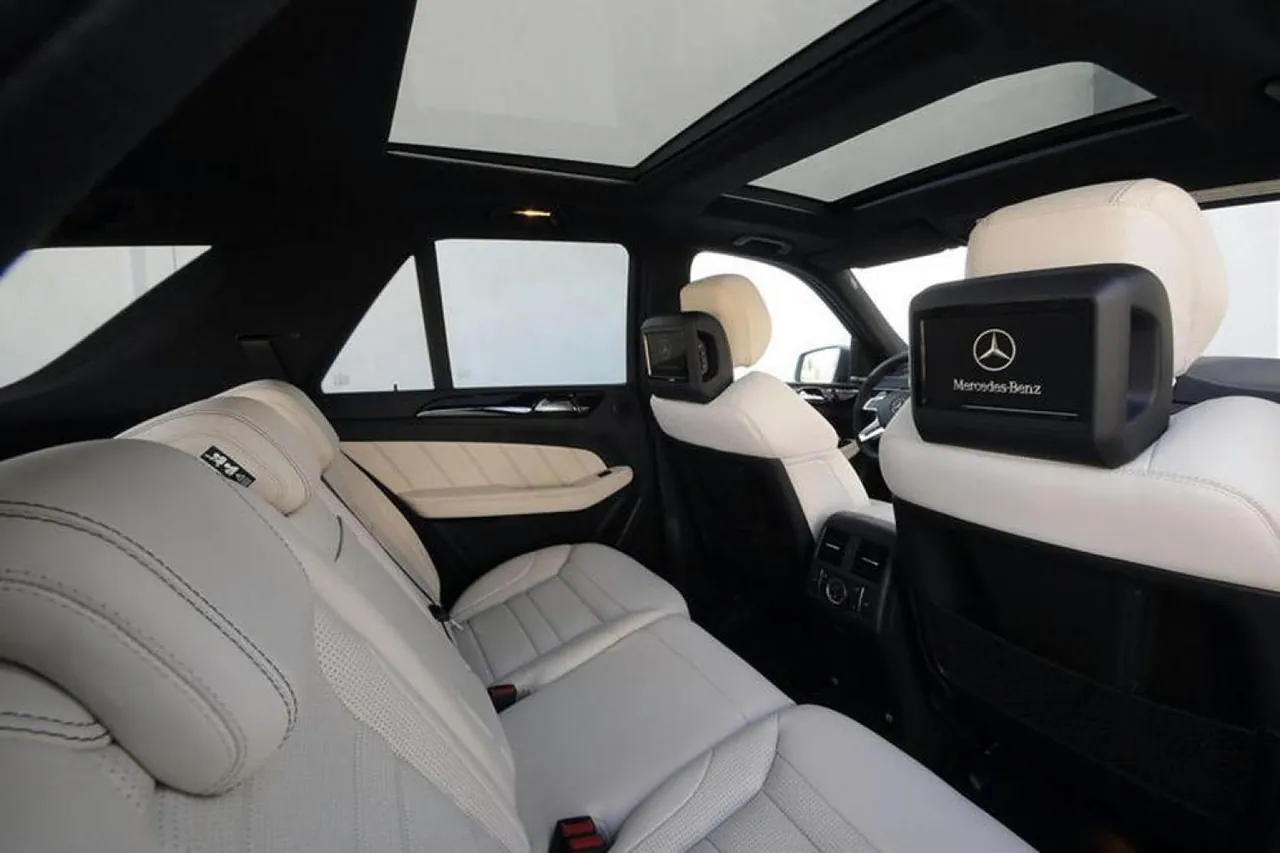
Higher center of gravity. Large glass panels and their operating mechanisms add weight high in the vehicle, slightly raising the center of gravity. Most drivers won't notice the difference, but in performance cars—such as the BMW M3—a carbon-fiber roof provides measurable handling benefits over a panoramic glass roof.
Reduced headroom. On sliding panoramic roofs, the glass panel retracts into the roof structure. Accommodating that mechanism often lowers the headliner by as much as 1.6 inches, reducing headroom.
Condensation in cold climates. Glass doesn't provide the same level of insulation as a conventional metal roof, making condensation more likely in cold weather.
Greater cabin heat. Although opening the roof can vent hot air quickly, sunlight passing through the glass also heats the interior, making the climate-control system work harder. Modern panoramic roofs feature improved insulation, and electrochromic dimming technology is becoming more common, but older designs can still contribute to higher cabin temperatures. The additional weight also places a slightly greater load on the powertrain, particularly in hybrid vehicles.
More complex maintenance. Panoramic roofs include numerous moving parts, motors, drains, and electronic controls, all of which increase the likelihood of mechanical problems. As rubber seals age, water leaks can also develop.
Expensive repairs. Even tempered glass is more vulnerable than a solid steel roof. That's one reason some manufacturers restrict wheel and tire combinations on vehicles equipped with panoramic roofs. Larger wheels transmit sharper impacts through the body structure, increasing stress on the glass roof. If it cracks, replacement costs can be substantial.
Should You Buy a Car With a Panoramic Roof?
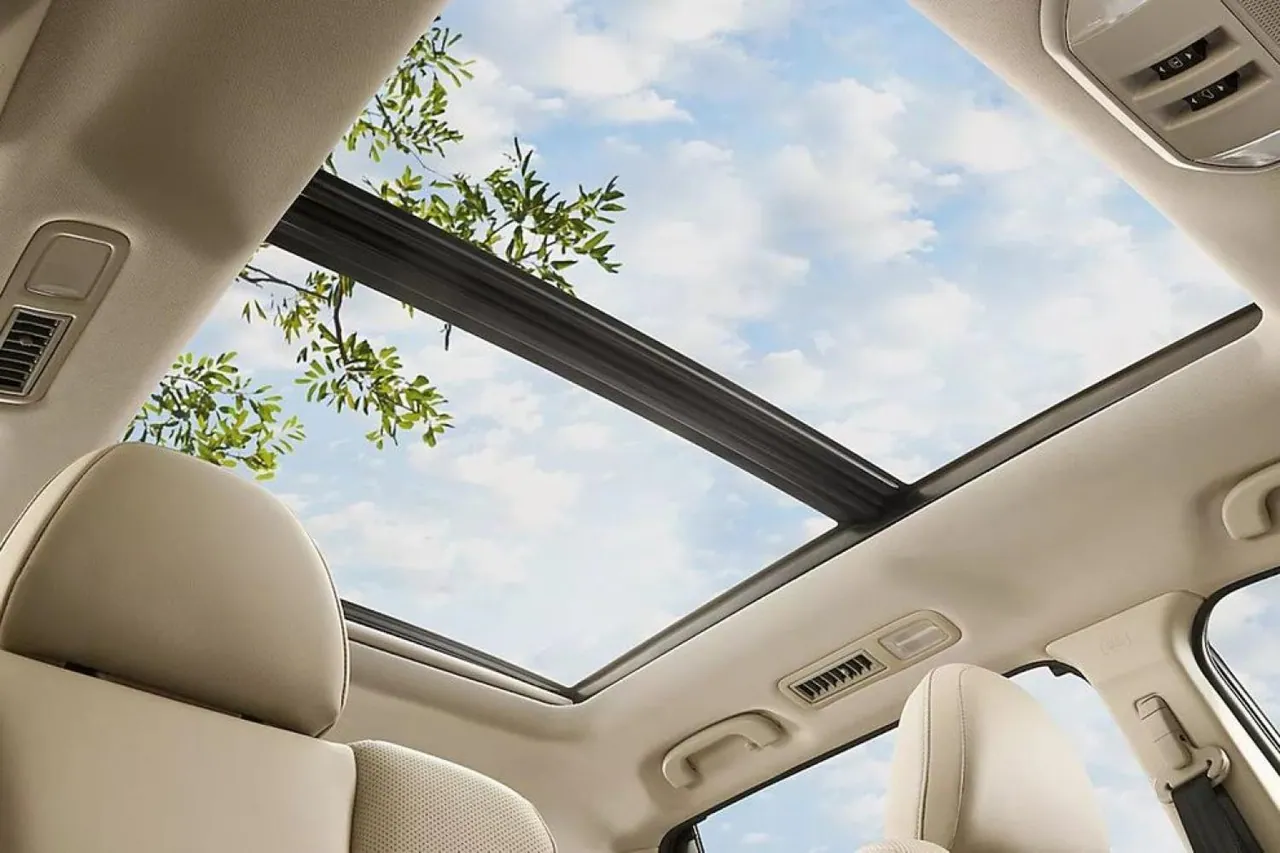
The answer depends largely on your priorities and how you plan to use the vehicle. Luxury vehicles benefit from the added sense of openness and upscale appearance, while performance cars are generally better off without the extra weight. If you're shopping for a used vehicle, a panoramic roof is usually a safer choice on a relatively new model or one that's been exceptionally well maintained. On older vehicles, wear and aging components can turn an attractive feature into an expensive repair.
You may also be interested in the news:
Why You Should Check a Tire’s Manufacturing Date Before Buying
Tire buyers should check more than size, tread, and brand because rubber changes with age, even without visible wear.

Your Car Sat for a Few Days and Won’t Start: What Could Be Draining the Battery
Your car can sit for days and still drain its battery, even when everything appears switched off.
Four Car Features Modern Drivers Are Starting to Miss
New cars keep adding technology, but some simple features that drivers once relied on are disappearing.
One Driving Habit Slowly Wears Out an Automatic Transmission: What Drivers Should Avoid
Seven-speed DSG gearboxes with dry clutches are among the most vulnerable and expensive to repair.
Small Fin, Big Job: Why Your Car’s Shark Fin Is More Than Just a Styling Trick
The small fin on your car's roof may look decorative, but it actually serves several important technical purposes.