
Five Classic European Supercars Powered by American V8s
Timeless European styling paired with raw American V8 muscle. Here are five Old World supercars built during the 1960s and 1970s.
Europe produced no shortage of iconic high-performance sports cars during those two decades. The first name that comes to mind is the Lamborghini Miura. Then there are motorsports legends like the Ferrari 250 GTO, Ferrari 250 LM, Porsche 930, and Maserati Bora.
Europe already had its own outstanding engines at the time, but they were more complex, more expensive to build, and significantly harder to maintain. As a result, smaller automakers hoping to challenge Ferrari, Lamborghini, Maserati, and Porsche turned to American V8 engines to keep development costs under control. That decision gave birth to several fascinating supercars.
De Tomaso Pantera
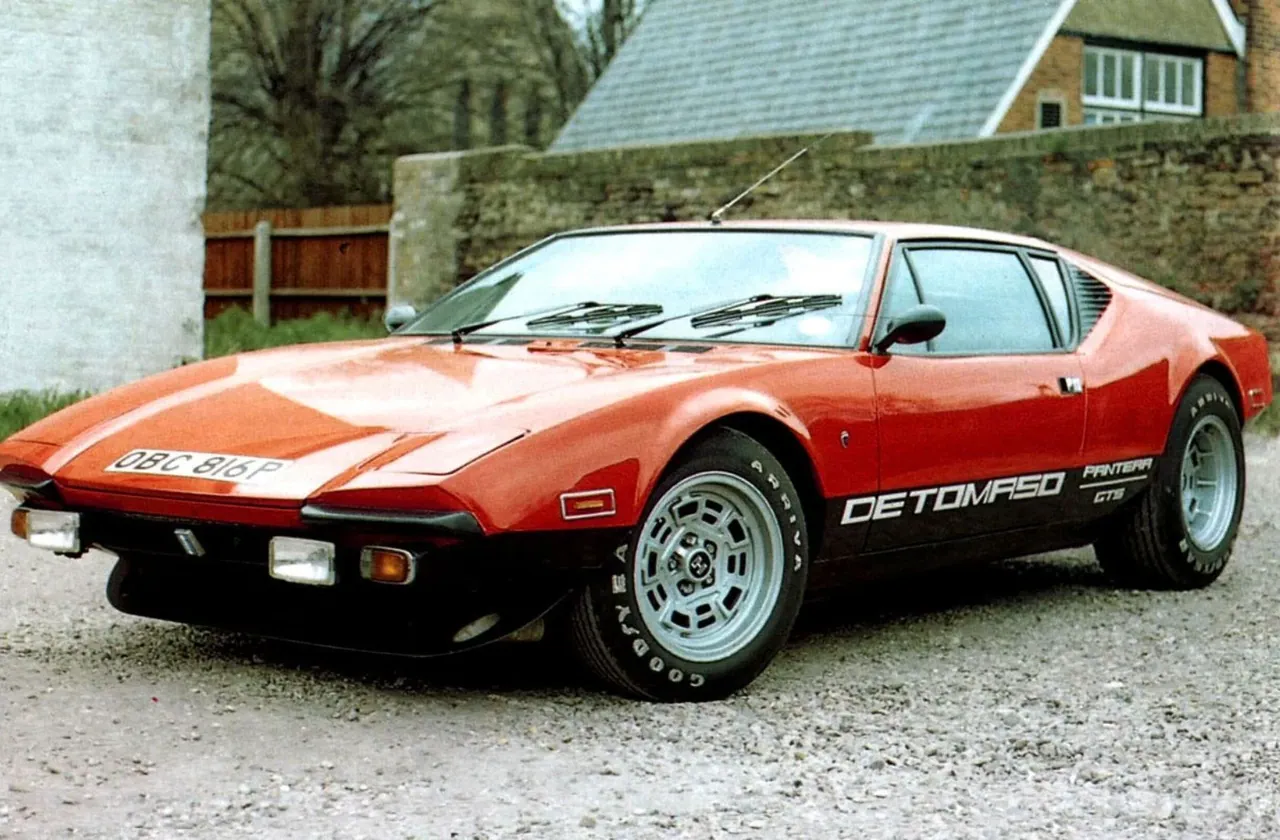
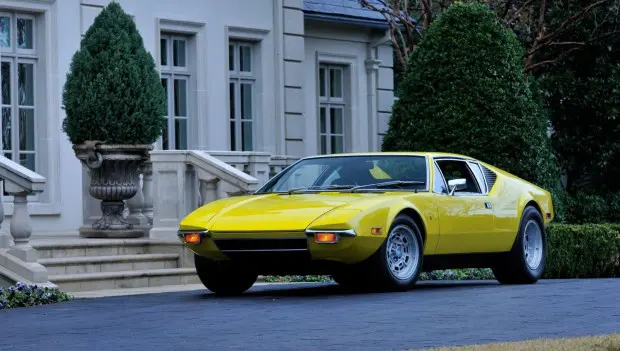
The best-known example of a European supercar with an American engine is the Italian Pantera. Introduced in 1970, it marked De Tomaso's second attempt to compete seriously with Ferrari, Lamborghini, and Maserati after the Mangusta failed to achieve that goal.
Built around a modern steel chassis, the Pantera featured a sharply wedged European body designed by American-born stylist Tom Tjaarda at Carrozzeria Ghia.
The powerplant beneath its striking bodywork also came from the United States. Thanks to De Tomaso's longstanding partnership with Ford, the Pantera was powered by a Detroit-developed V8. Early models used an Australian-built 351-cubic-inch (5.8-liter) V8 rated at 335 horsepower.
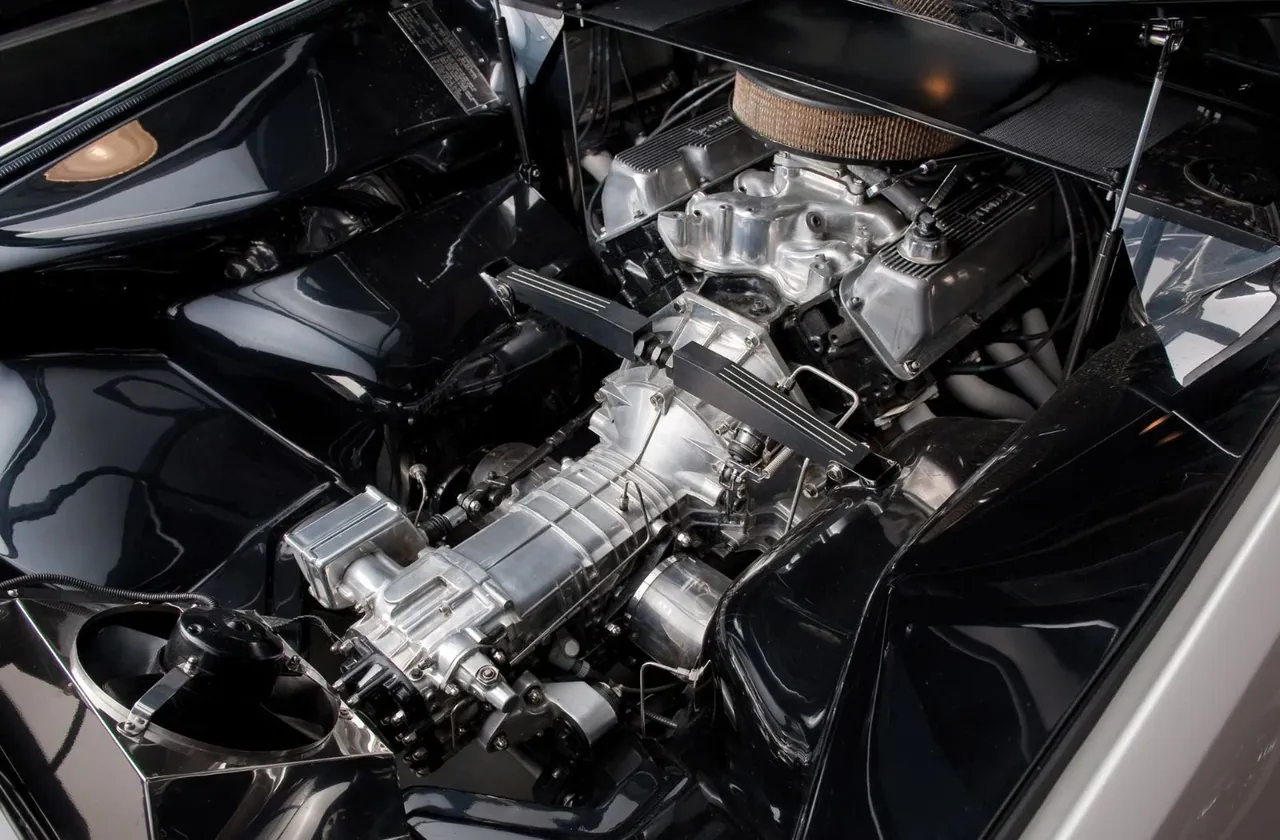
Later versions received a U.S.-built 351-cubic-inch Windsor V8 producing 350 horsepower. Second-series cars eventually switched to a newer 302-cubic-inch (5.0-liter) V8 with electronic fuel injection, the same engine used in the Mustang. Extensively modified, it produced 309 horsepower.
The Pantera is the only car on this list that was officially sold in the United States, where it was offered through Lincoln-Mercury dealerships from 1972 to 1975. Production and development continued in Europe for another two decades, with the final car leaving the assembly line in 1992.
Jensen FF
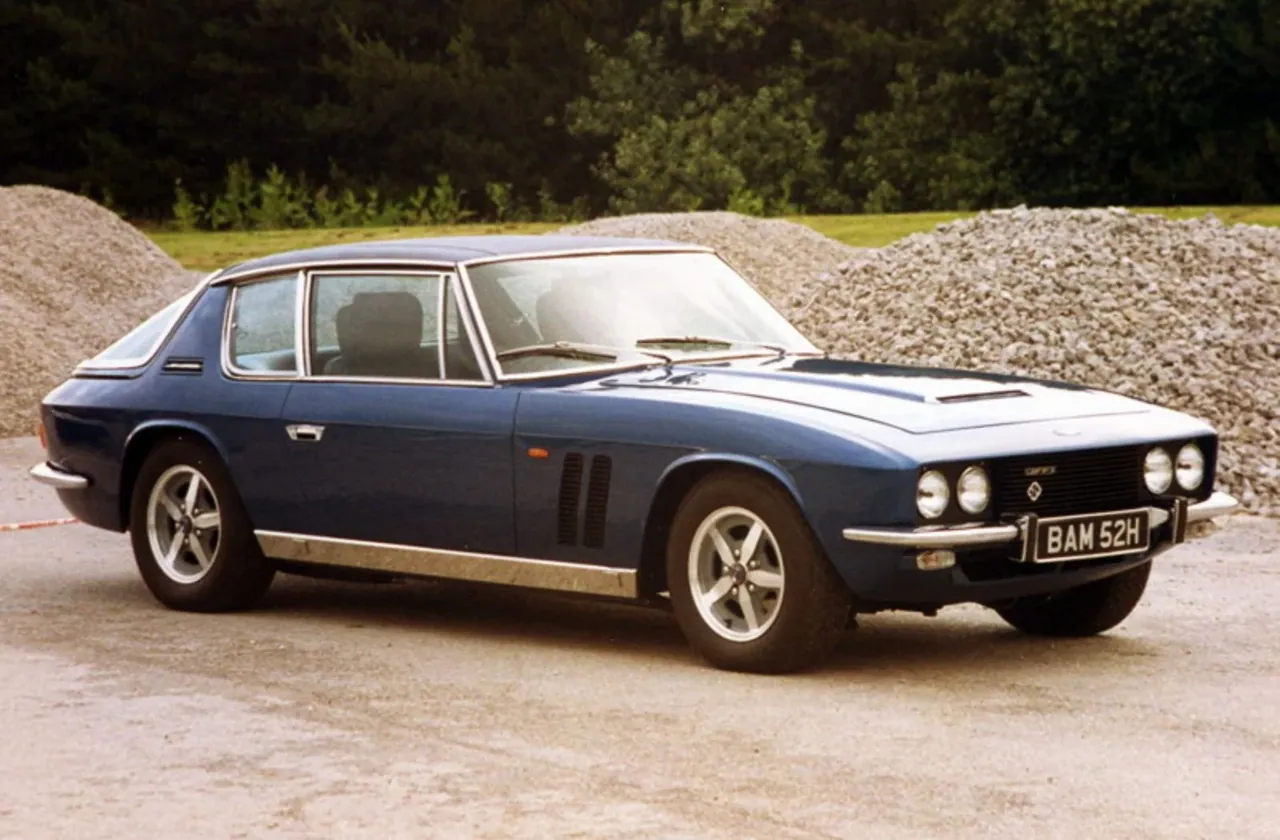
Chances are you've never heard of the remarkable British Jensen FF because it was never a commercial success.
Even so, the FF was one of the most innovative cars of its era. Built in West Bromwich between 1966 and 1971, it became the first production car to come standard with all-wheel drive and an anti-lock braking system (ABS), decades before either technology became commonplace.
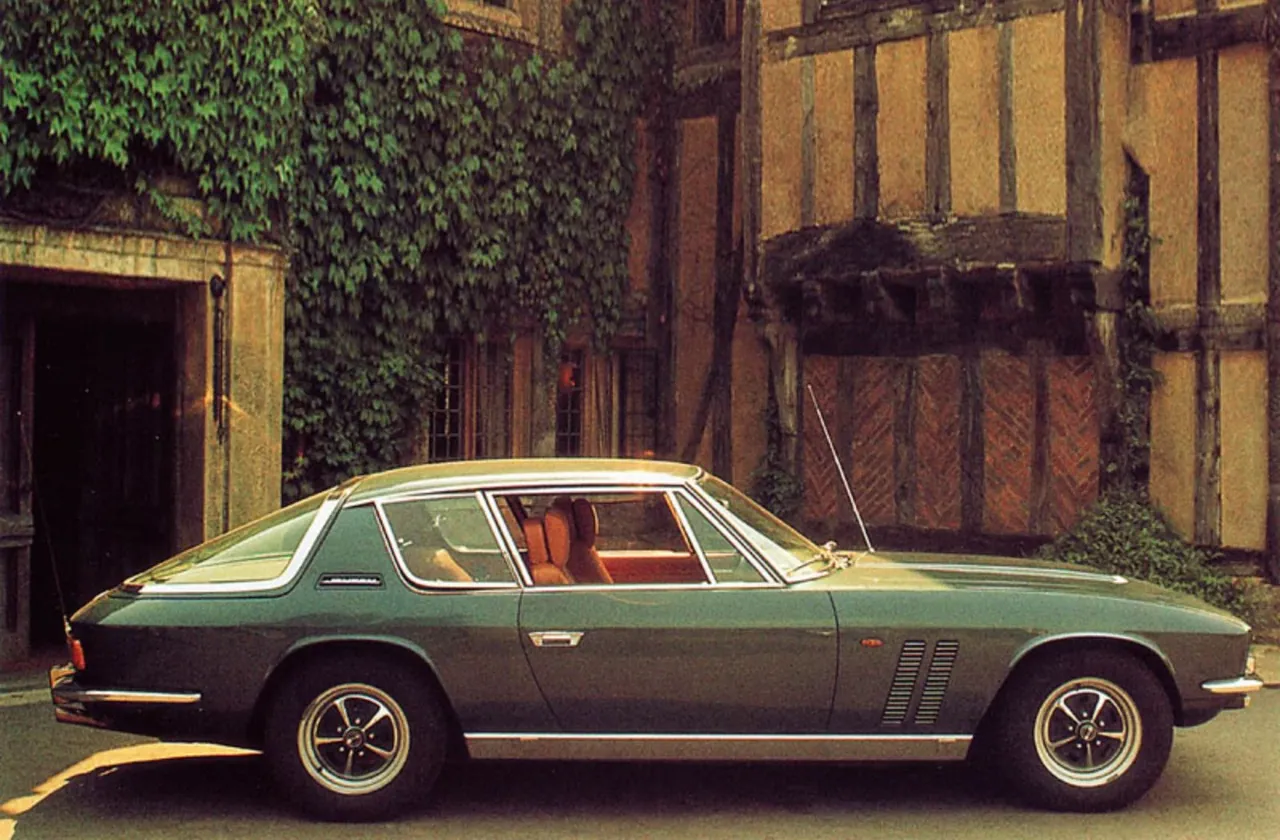
Power came from an aging American V8: Chrysler's 383-cubic-inch (6.3-liter) B-series engine. It produced 335 horsepower, giving the FF enough performance to embarrass much lighter Italian supercars. According to rumor, an experimental FF equipped with Chrysler's 426 HEMI was also built, but it never reached production because importing the engine proved too expensive.
The Jensen FF had one major flaw that prevented it from becoming a commercial success despite being a truly impressive automobile. The complexity of its all-wheel-drive system made it impossible to build a right-hand-drive version, so it was never officially sold outside the United Kingdom. Production costs were also extremely high, limiting total output to just 320 cars over five years.
Monteverdi Hai 450
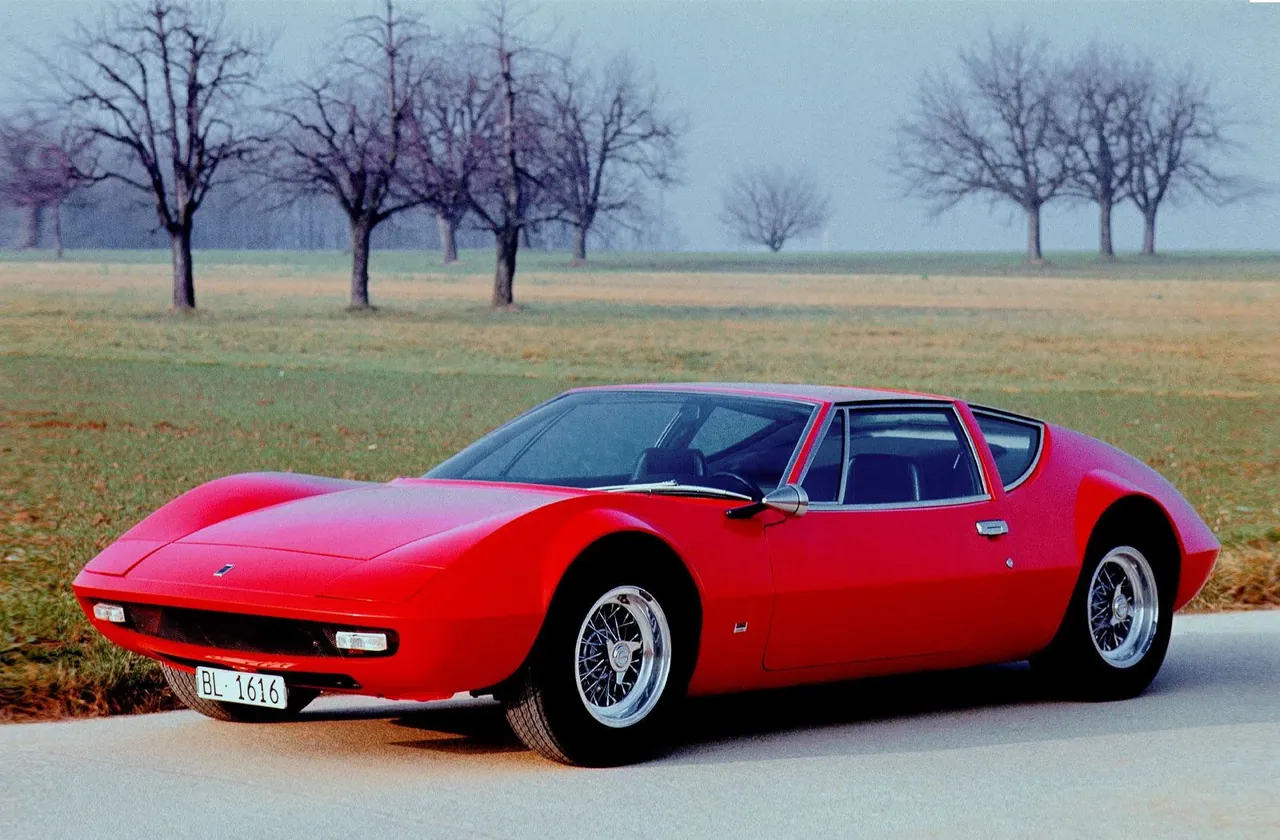
Switzerland is famous for chocolate, watches, and Swiss Army knives, but in the 1960s one enthusiast decided to add high-performance sports cars to that list. His name was Peter Monteverdi, a successful businessman who built his fortune importing Ferrari, Rolls-Royce, and Bentley models into the country.
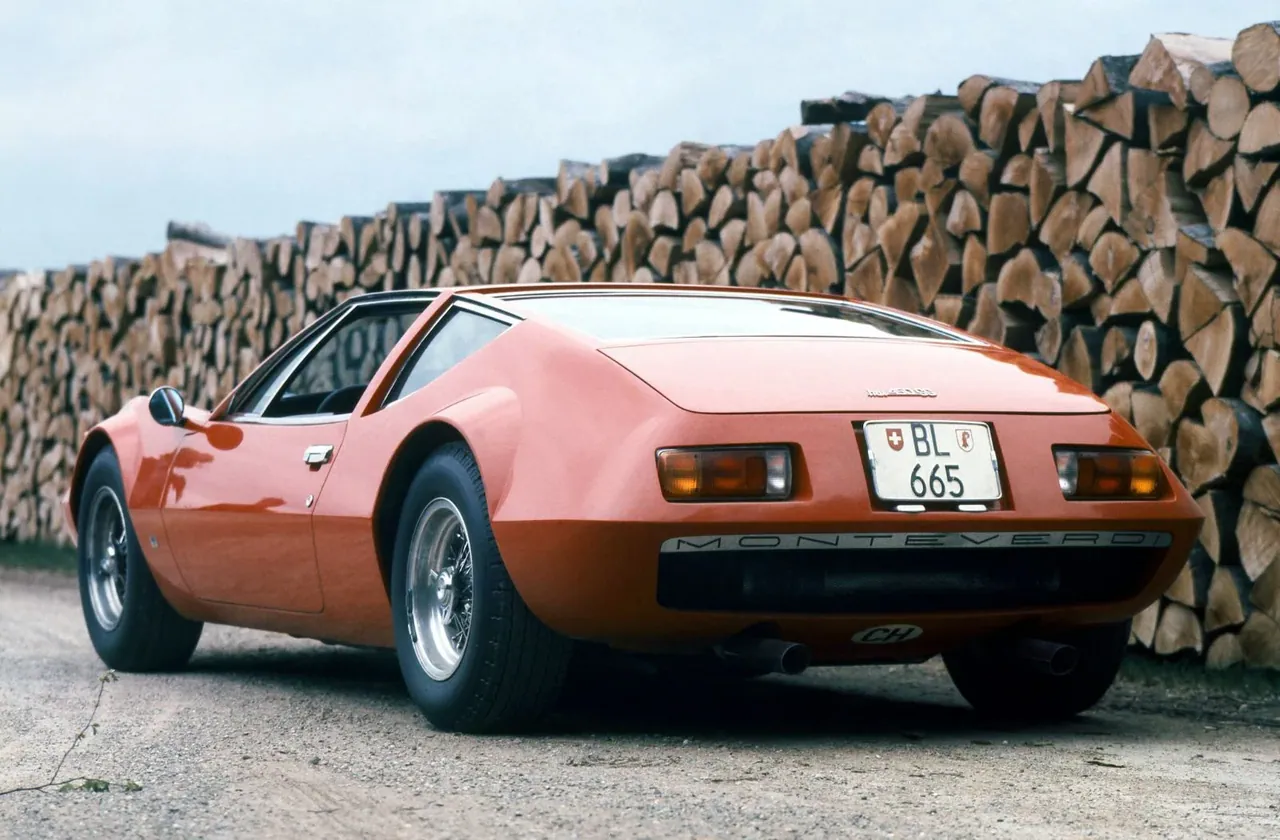
According to the story, Monteverdi decided to build his own supercars after a heated argument with Enzo Ferrari in 1963. Five years later, he founded the company that bore his name and introduced a series of powerful Chrysler-based automobiles.
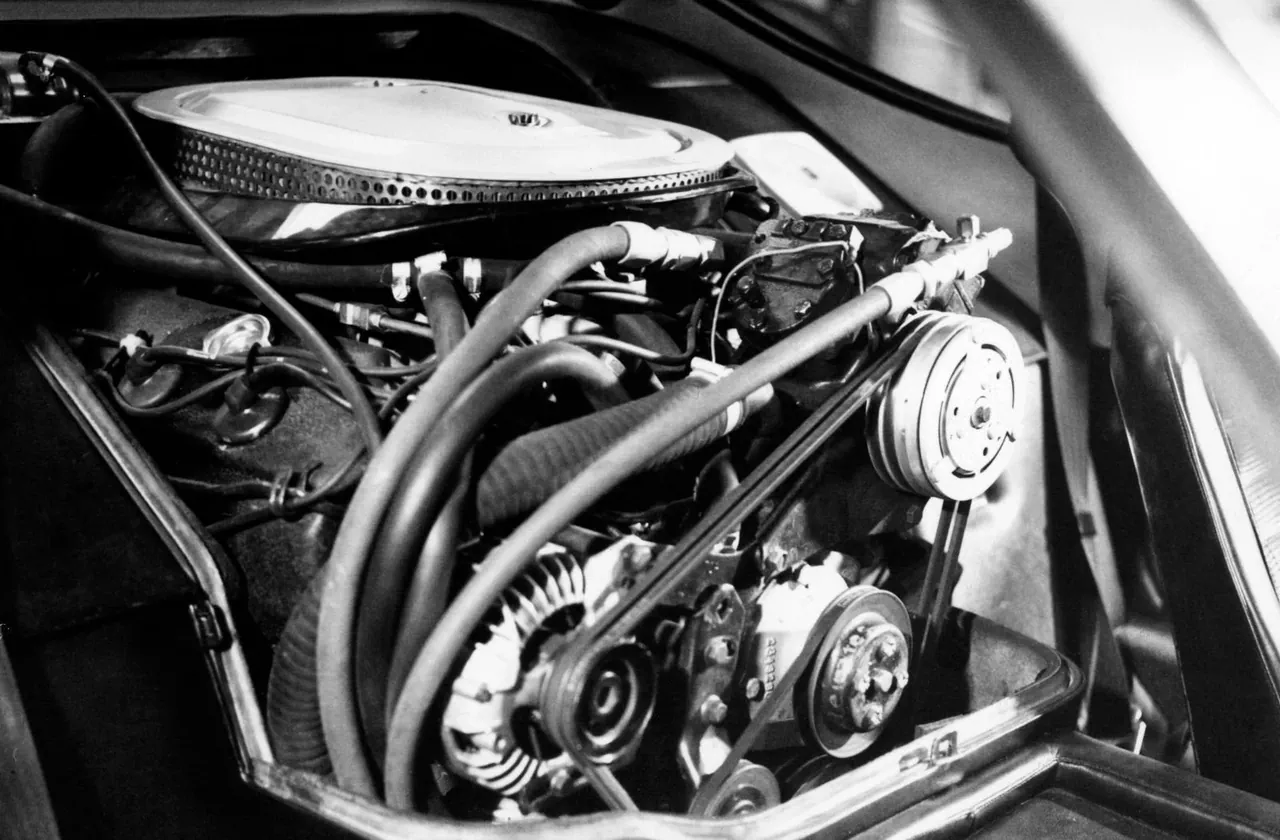
Monteverdi's most outrageous project debuted at the 1970 Geneva Motor Show. Called the Hai 450 SS, it was designed to challenge the Lamborghini Miura. Its 450-horsepower American V8 launched the Hai from 0 to 62 mph in 4.8 seconds and gave it a top speed approaching 186 mph.
Unfortunately, the car that could have become one of the most exciting supercars of its generation never entered production. A road test by Road & Track proved decisive after the magazine found the Hai noticeably slower than advertised. The negative publicity led potential buyers to cancel their orders, while investors withdrew their support. In the end, Monteverdi's ambitious plan collapsed.
AC Frua
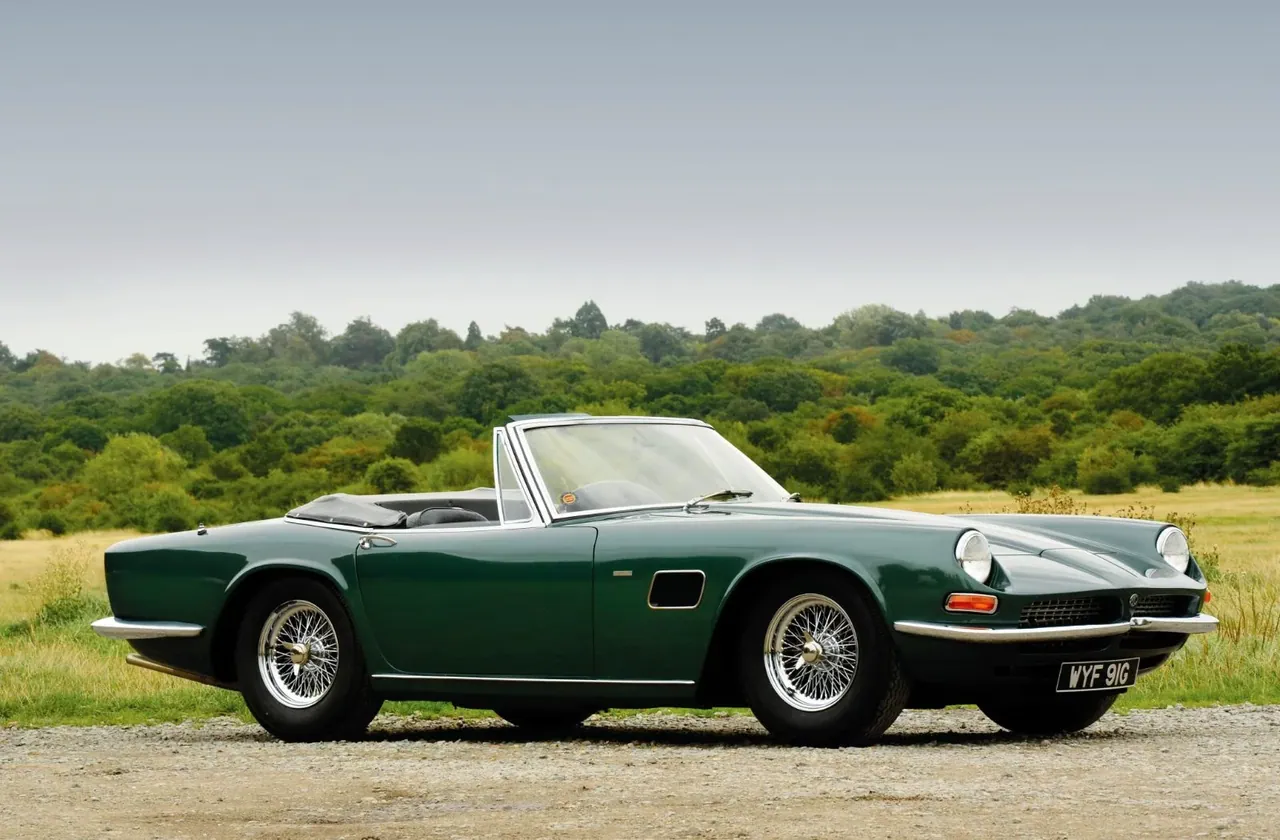
Another beautiful British car that has largely been forgotten is the Frua, also known as the AC 428. It was built by AC Cars between 1965 and 1973.
Its elegant body, offered as either a fastback coupe or convertible, was designed and built by the renowned Italian coachbuilder Frua, the company founded by celebrated stylist Pietro Frua, who also designed the Maserati Mistral.
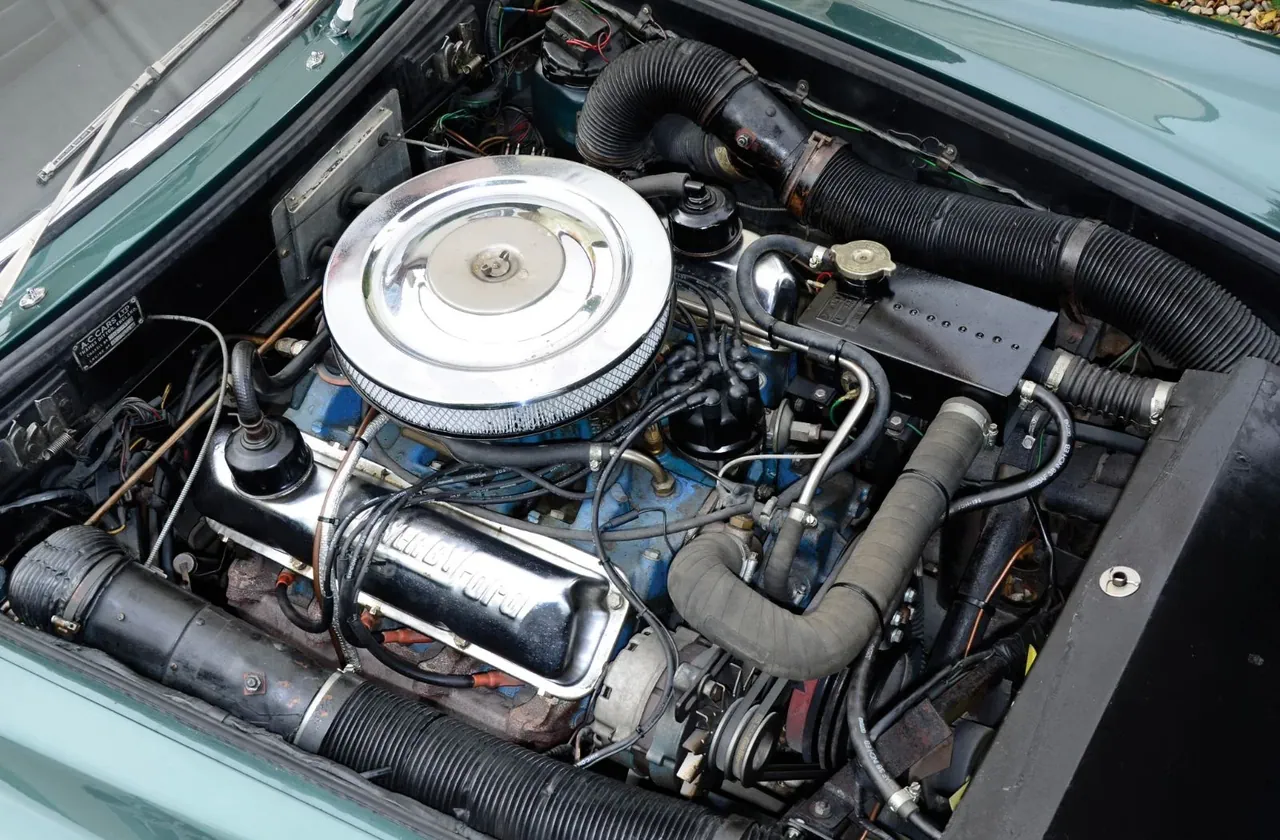
Although the Frua clearly reflected its Italian roots, the British grand tourer relied on pure American power. Intended to compete with Ferrari, Lamborghini, and Maserati, the AC Frua came equipped with a 427-cubic-inch (7.0-liter) V8 producing 350 horsepower. Some buyers wanted even more performance, so a handful of cars received 390-horsepower engines.
Like the Jensen FF, the Frua proved too expensive. Buyers were unwilling to pay a premium for a car that didn't wear a Ferrari, Lamborghini, or Maserati badge. AC managed to sell just 81 examples over eight years.
Bizzarrini 5300 GT
Giotto Bizzarrini is now 96 years old and remains one of Italy's most influential automotive engineers. Among his best-known achievements is the Lamborghini V12, the engine that powered the company's flagship models from 1964 through 2010. Before that, he served as chief engineer at Scuderia Ferrari, where he played a key role in developing several road and race cars, including the 250 GTO.
Bizzarrini left Ferrari in 1961 following the high-profile dispute known as the "Great Ferrari Walkout" and went on to work on a variety of projects for different companies. He also founded the automaker that carried his name and created one of the most underrated Italian supercars of all time.
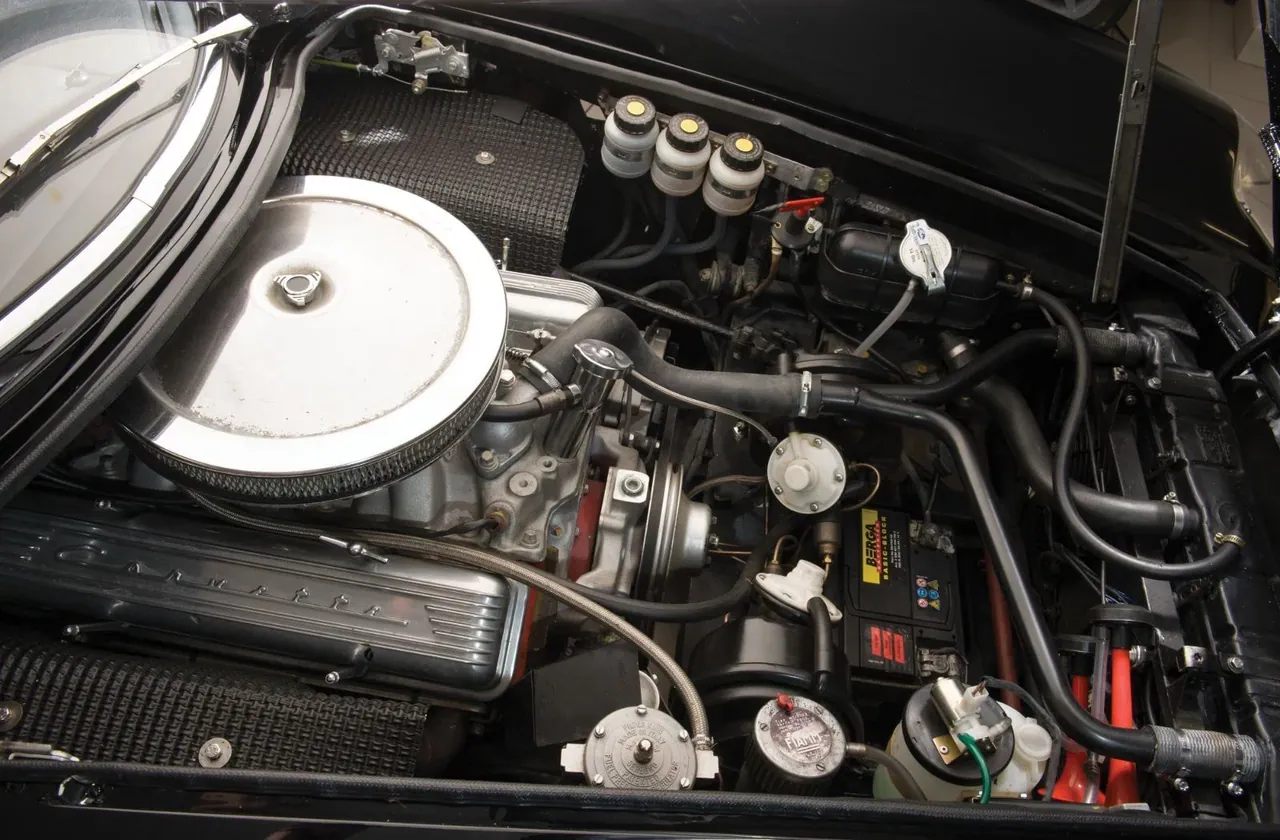
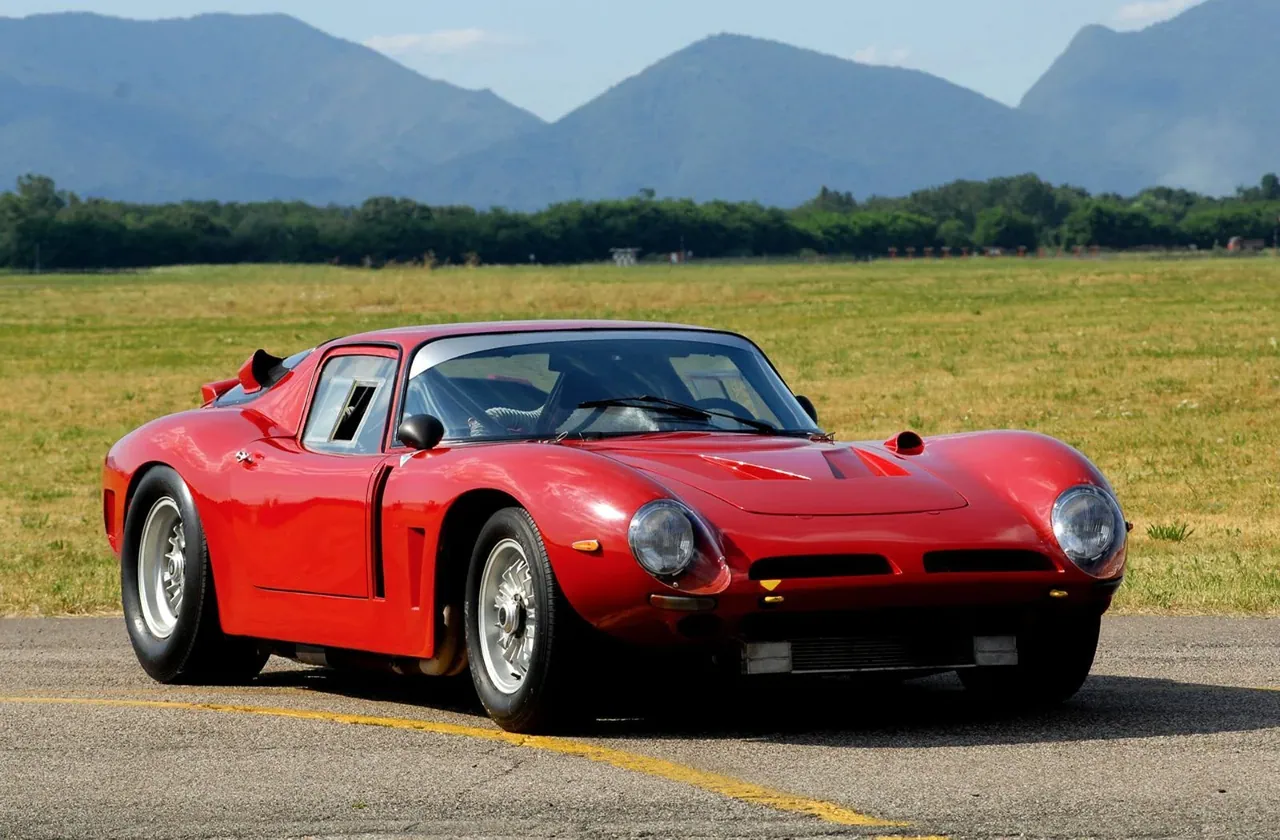
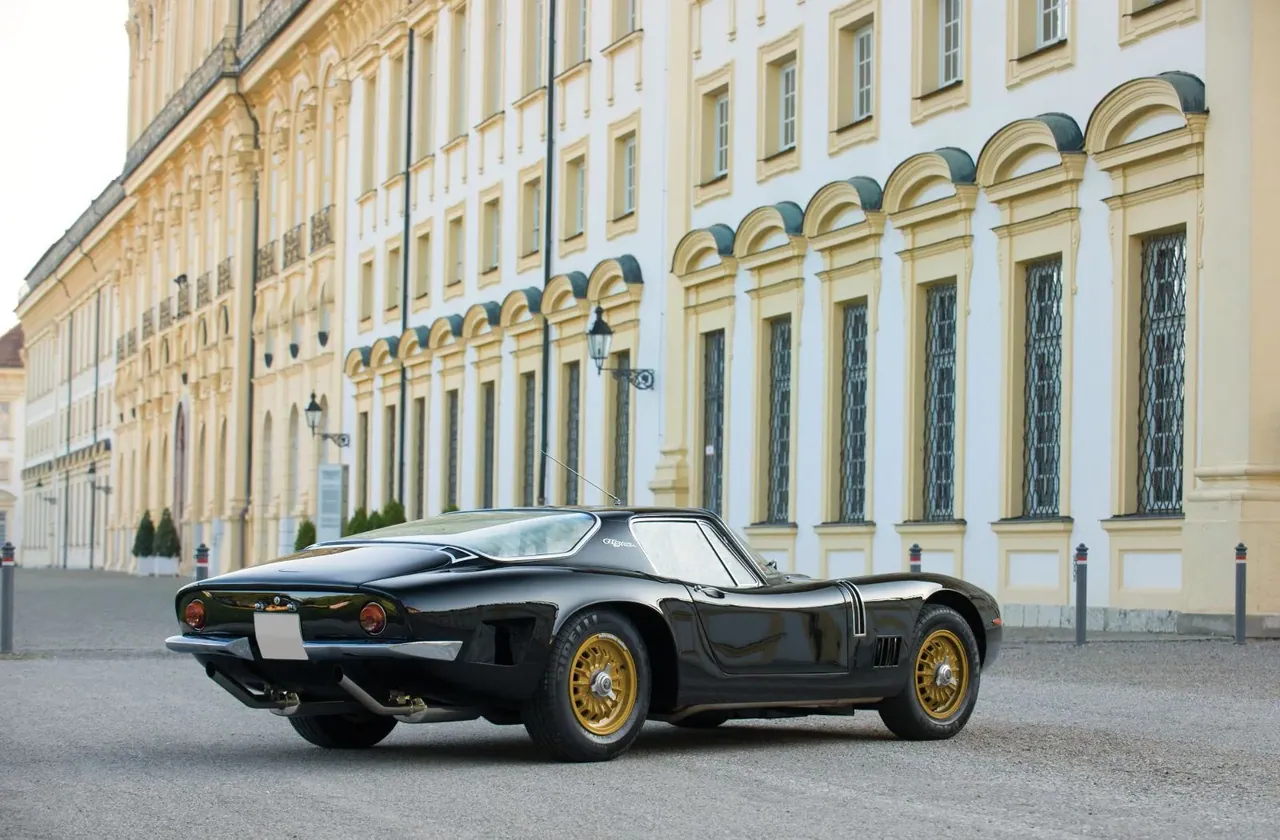
The 5300 GT evolved from the Grifo-based racing prototype Bizzarrini developed in collaboration with Iso Rivolta. Featuring a beautifully sculpted low-slung body, the car was offered in both Corse and Strada versions. Under the hood sat a Chevrolet V8. The affordable and dependable 327-cubic-inch (5.4-liter) engine was lightly modified by Bizzarrini to produce 370 horsepower in the Strada and 405 horsepower in the Corsa.
Between 1964 and 1968, the company built 133 road and race cars. One competed at the 1965 24 Hours of Le Mans, finishing ninth overall and winning its class.
You may also be interested in the news:
The Sheriff Knew She Was Speeding—Then This Blonde Driver Turned the Ticket Against Him
A sheriff pulls over a Ferrari for speeding, but the driver's bizarre logic quickly turns the traffic stop against him.
No Roads, No Map, No Car: The $50 Bet That Sent a Doctor Across America
In 1903, one doctor bet $50 he could drive from San Francisco to New York.
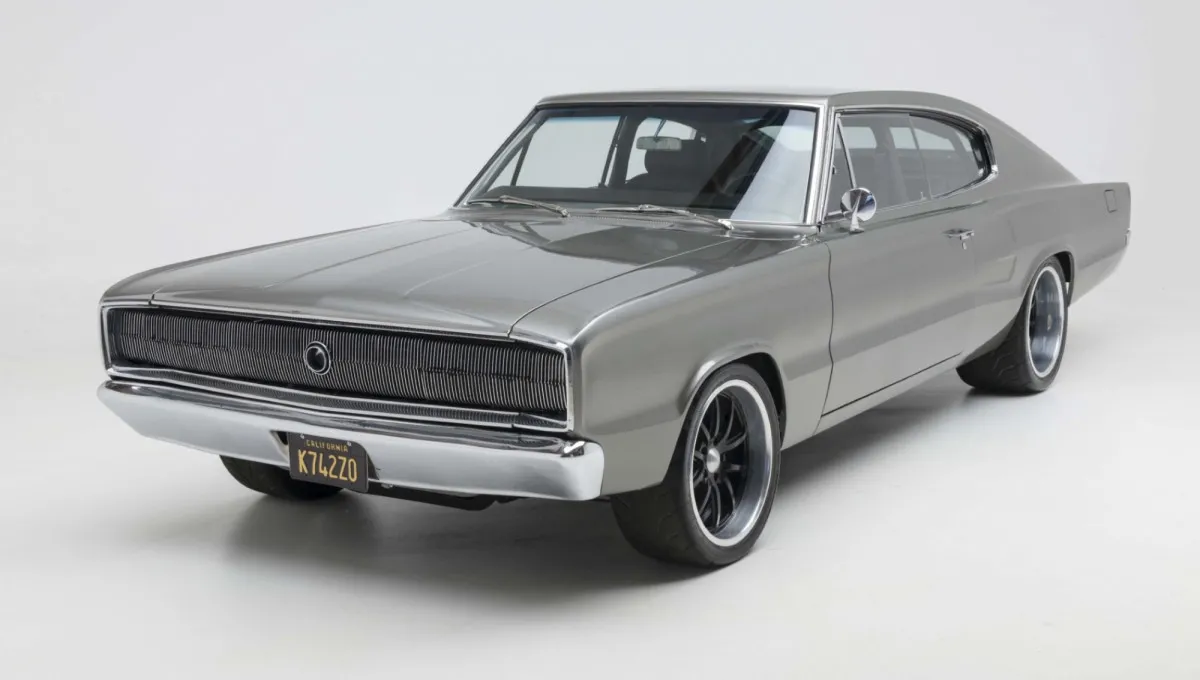
The “Leader of the Dodge Rebellion”: The 1966 Dodge Charger
The Dodge Charger has endured for 60 years, but its story began with an unlikely 1966 debut.
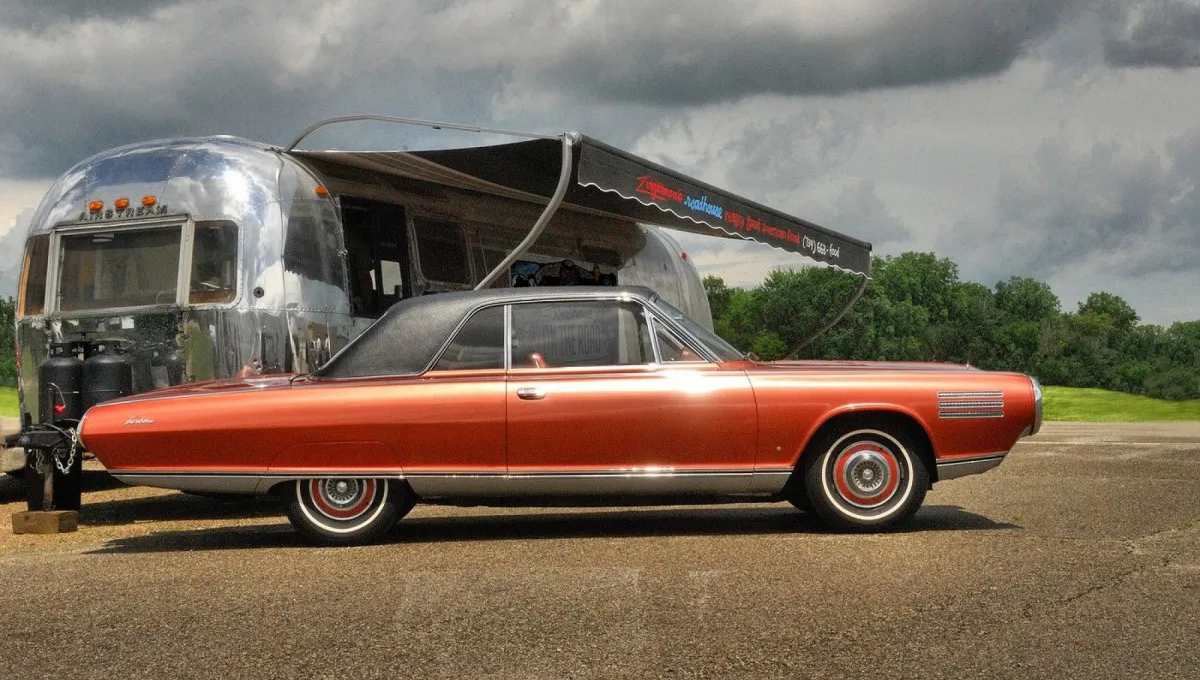
The Gas Turbine Chrysler Drove a Million Miles Across the U.S., Ran on Perfume, but Never Went Into Production
In late 1963, a strange new car hit American roads, turning heads with the unmistakable sound of a jet engine.