
From RoboCop Icon to Police Cruiser: The Complete Story of the Ford Taurus
Few American sedans changed the industry like the Ford Taurus, from its groundbreaking debut to its global farewell.
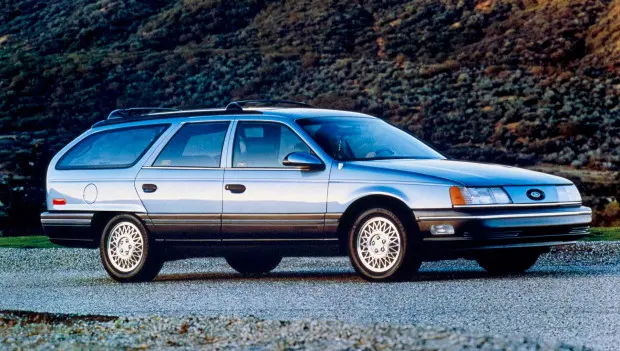
The boxy styling that defined many cars of the 1970s gave way to a very different design philosophy in the following decade. Sharp edges began disappearing, replaced by smoother, more aerodynamic shapes. While curved bodywork wasn't a new concept, the 1980s marked its return to the mainstream.
Ford played a major role in that shift. The 1982 Ford Sierra introduced a sleek, aerodynamic design language that quickly influenced the rest of the industry. As fuel economy and reduced wind noise became increasingly important, rounded styling spread across automakers around the world.
That same philosophy shaped the original Ford Taurus. Introduced for the 1986 model year, the sedan looked dramatically more modern than the Fox-platform Ford LTD it replaced. Although its styling initially divided opinions, the Taurus soon became one of the defining American cars of the decade. Its appearance in RoboCop cemented its futuristic image, while later police fleets across the country made it a familiar sight on American roads.
Beyond its Hollywood fame, the Taurus is widely credited with helping Ford recover during the mid-1980s. The arrival of the high-performance SHO model also proved that family sedans could still be exciting. Here's how the Taurus evolved over nearly four decades.
First Generation Ford Taurus (1986–1991)
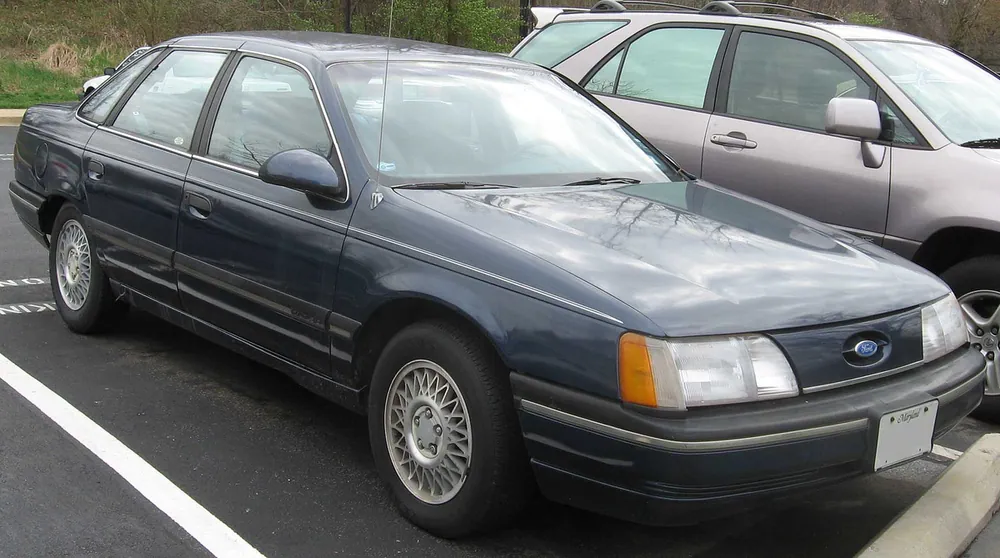
The Taurus arrived as a completely new midsize sedan for the 1986 model year, replacing the rear-wheel-drive LTD. Instead of sticking with tradition, Ford switched to front-wheel drive, reflecting changing consumer preferences after the fuel crises of the 1970s.
At the time, Chrysler was finding success with its K-Car lineup, while General Motors had introduced front-wheel-drive models such as the Chevrolet Citation and Chevrolet Celebrity. Ford needed a fresh approach, and the Taurus delivered one.
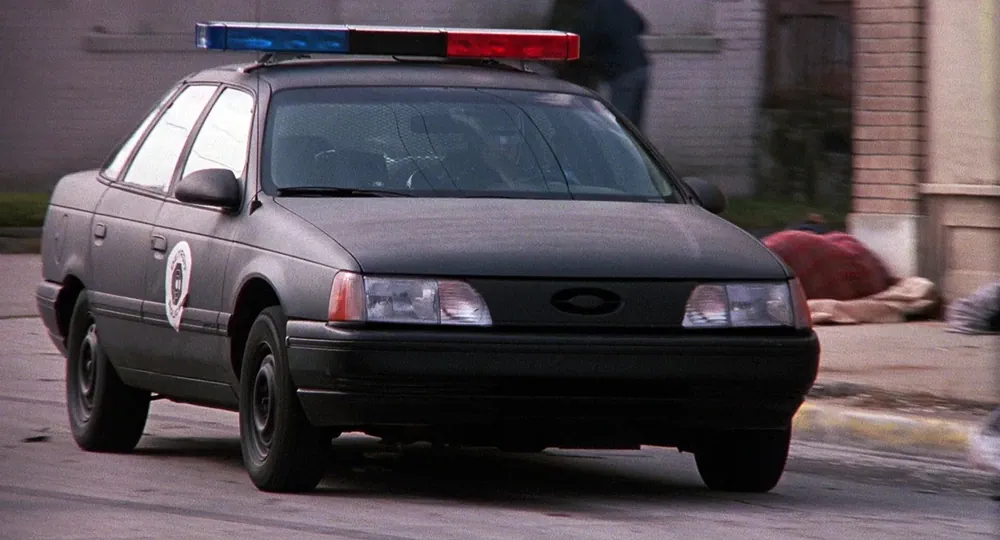
Sharing its platform with the Mercury Sable, the Taurus overcame early criticism from both the media and consumers. More than 200,000 units were sold during its first model year.
For 1989, Ford launched the Taurus SHO (Super High Output). Developed with help from Yamaha, its 3.0-liter DOHC V6 transformed the Taurus into one of America's most respected sport sedans.
Second Generation Ford Taurus (1992–1995)
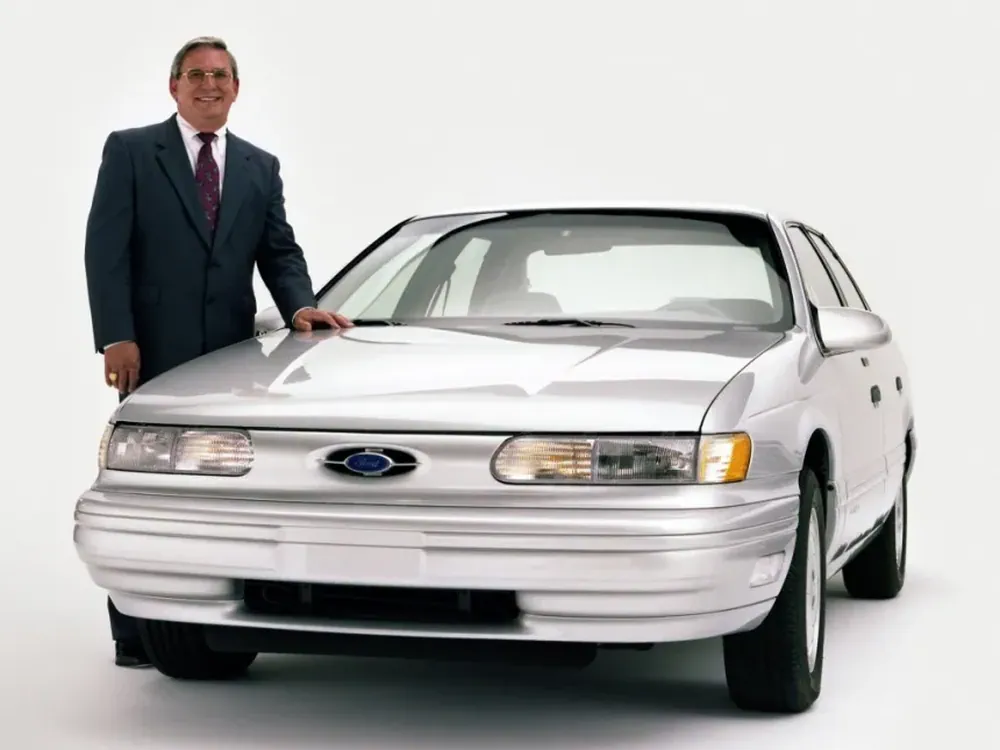
The second-generation Taurus retained both sedan and wagon body styles while building on the success of the original.
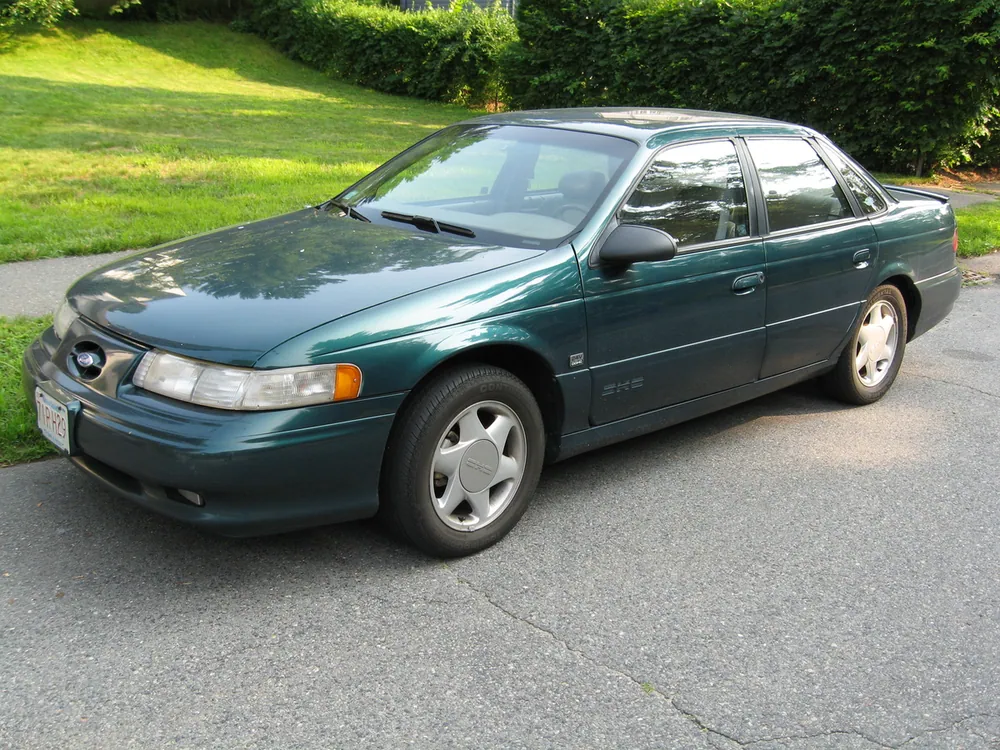
Although it rode on an updated version of the original platform, the redesign was evolutionary rather than revolutionary. Buyers could choose between Vulcan and Essex V6 engines paired with a four-speed automatic transmission.
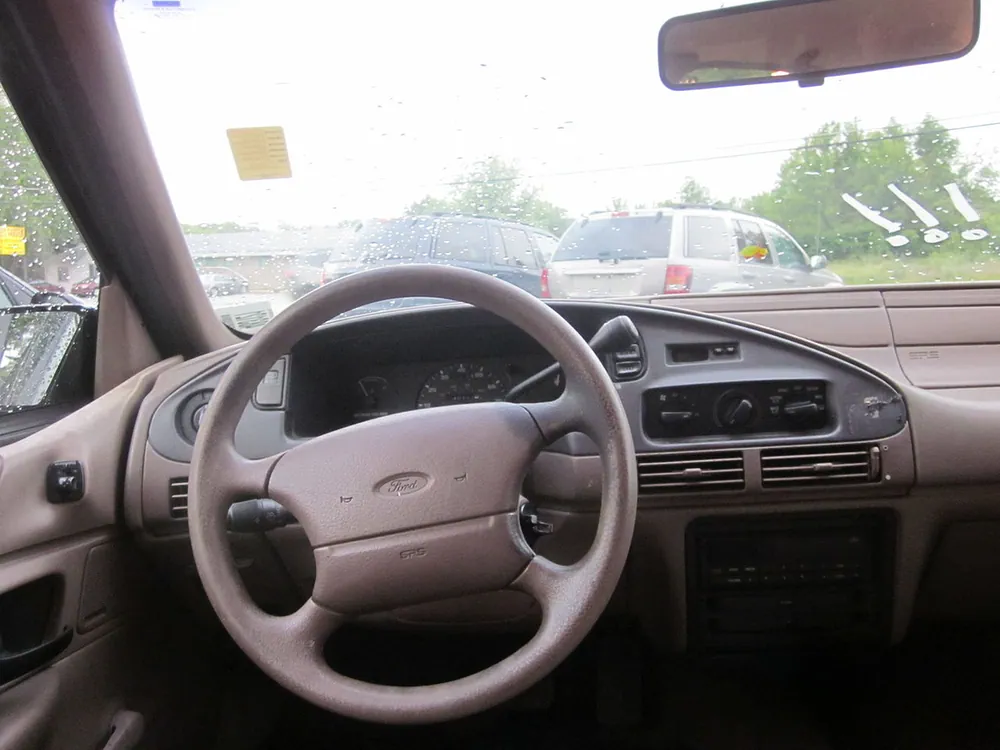
Sales remained exceptionally strong, topping 410,000 vehicles during the first production year.
The SHO also returned. Initially carrying over its original drivetrain, it later gained an optional four-speed automatic transmission matched to a larger 3.2-liter Yamaha-built V6, while manual-transmission models continued using the 3.0-liter engine.
Third Generation Ford Taurus (1996–1999)
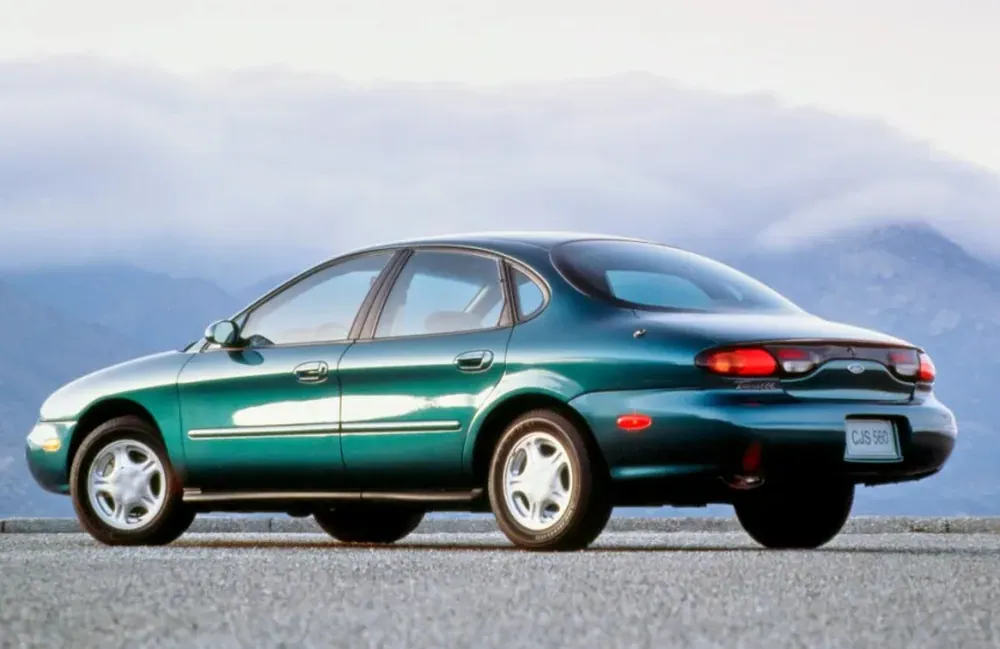
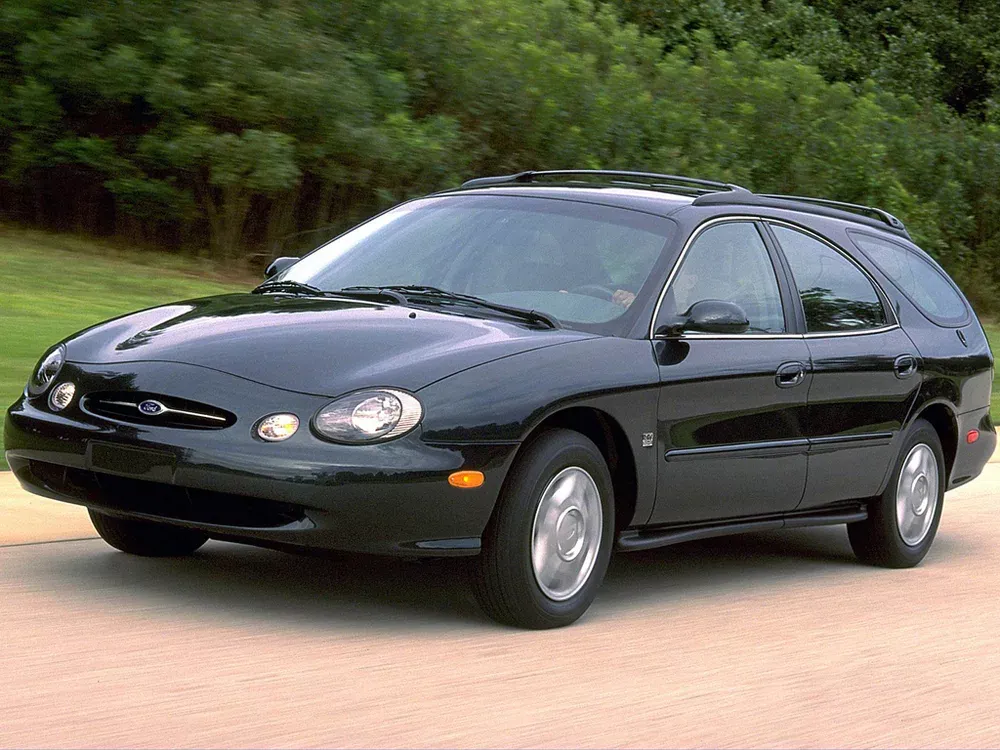
Ford completely redesigned the Taurus for the 1996 model year.
The new car featured even more rounded styling than before, with oval design elements appearing throughout both the exterior and interior. Even the rear window adopted an oval shape, a decision that proved controversial among buyers.
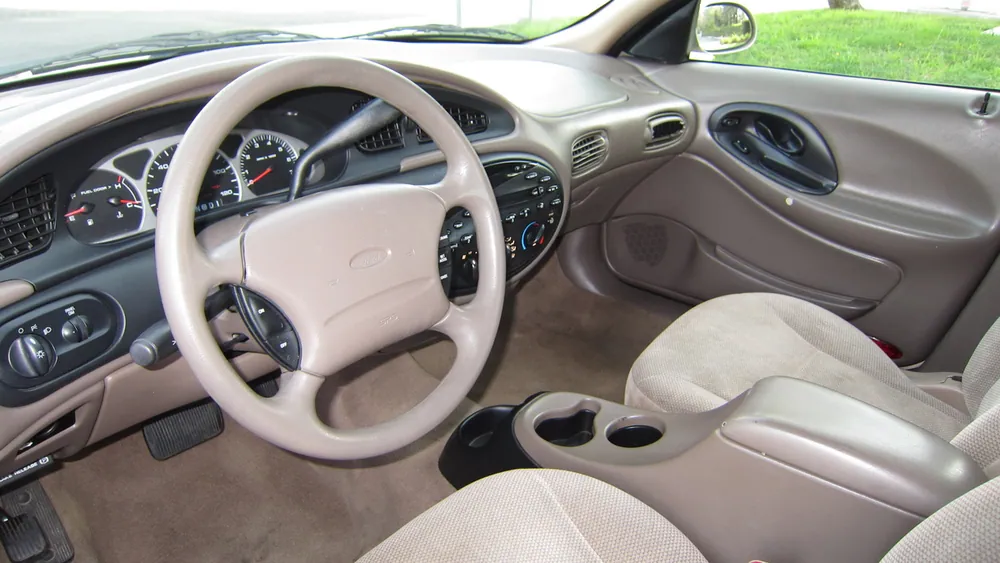
Despite the polarizing design, the Taurus became America's best-selling passenger car in 1996 before losing the title to the Toyota Camry the following year.
The SHO received its biggest mechanical upgrade yet. Yamaha developed an all-new 3.4-liter DOHC V8, though the engine later became known for camshaft sprocket failures.
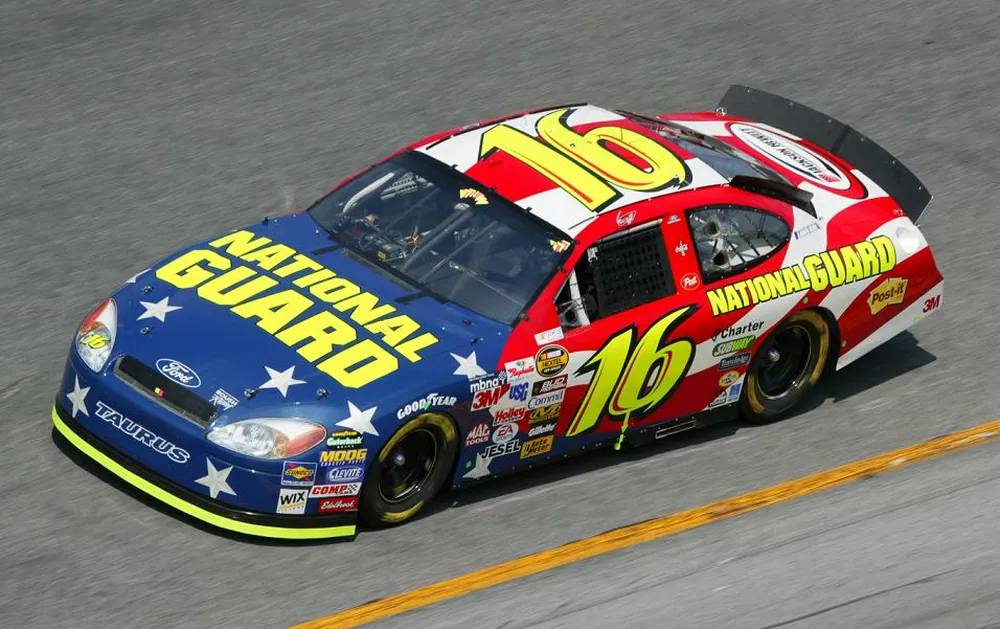
The Taurus also entered NASCAR competition in 1998, replacing the Thunderbird. It became the first four-door sedan to compete in the series, and Dale Jarrett captured the Winston Cup championship driving the No. 88 Ford Taurus.
Fourth Generation Ford Taurus (2000–2007)
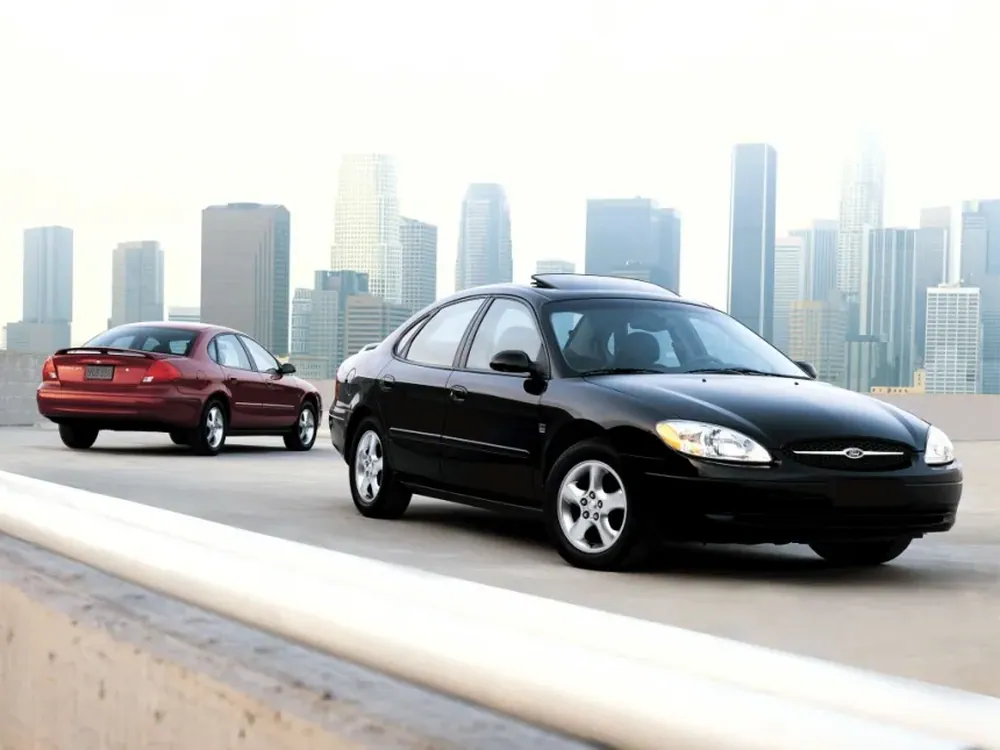
Many enthusiasts consider the fourth-generation Taurus the weakest chapter in the model's history.
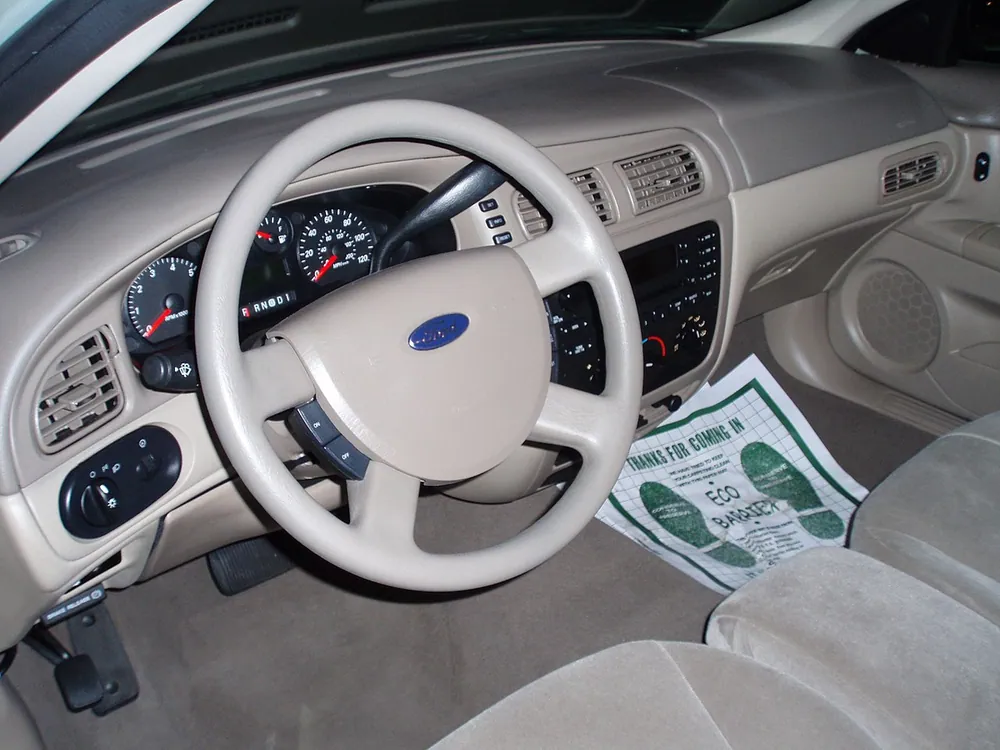
Although the styling became more conservative, Ford dropped the SHO because of declining demand. Sales continued falling, and by the 2007 model year the Taurus was sold primarily to fleet customers.
Ford's lineup also changed dramatically. The Five Hundred and Fusion took over sedan duties, while the Freestyle replaced the Taurus wagon.
Under CEO Alan Mulally, Ford later revived the Taurus name by renaming the updated Five Hundred as the new Taurus.
Fifth Generation Ford Taurus (2008–2009)
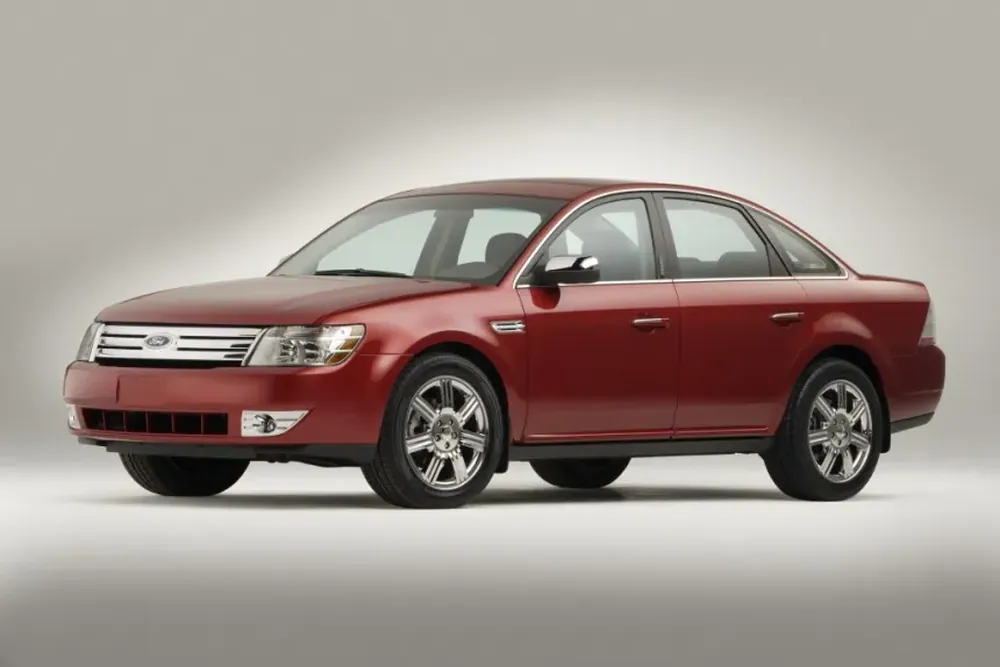
The reborn Taurus became Ford's flagship sedan after the Crown Victoria left retail showrooms.
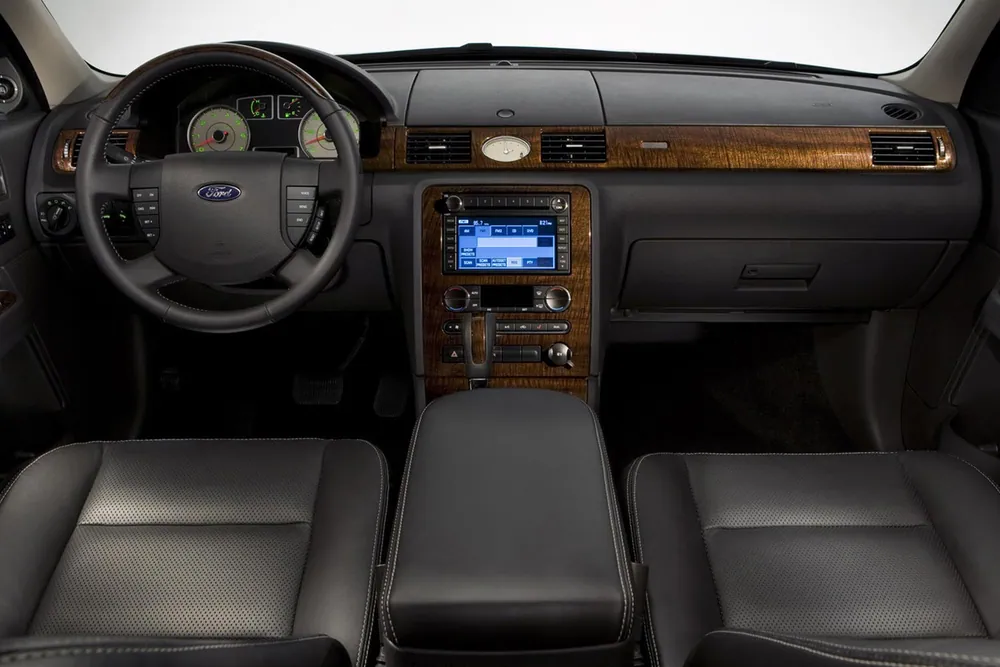
Despite the familiar name, buyers never fully embraced the model. Sales remained modest throughout its short production run.
Ford also replaced the Freestyle with the Taurus X crossover, but it struggled to find buyers as well.
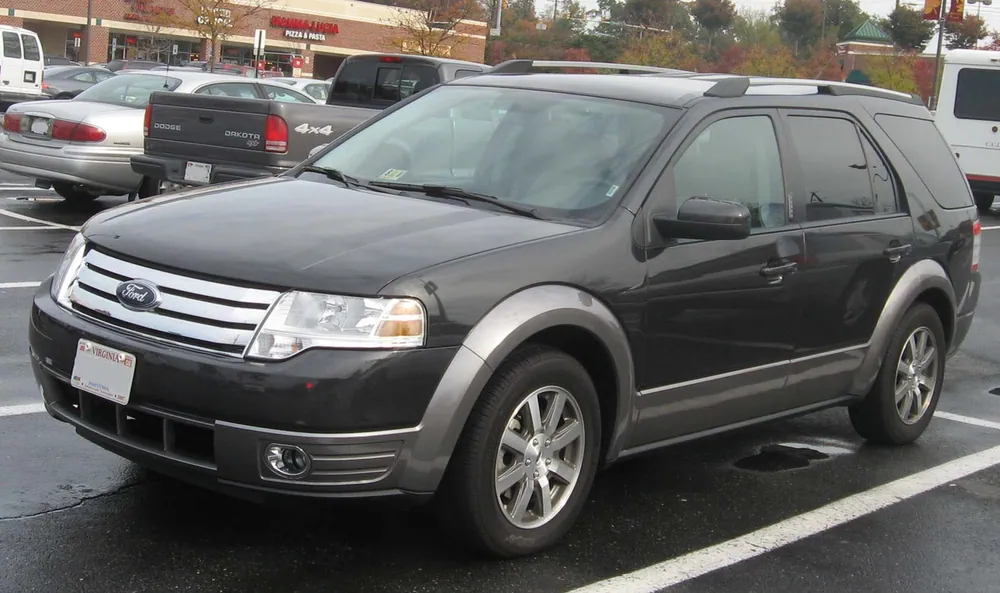
During its first full calendar year, the Taurus sedan sold 52,667 units in the United States, while the Taurus X reached just over 23,000 sales.
Sixth Generation Ford Taurus (2010–2019)
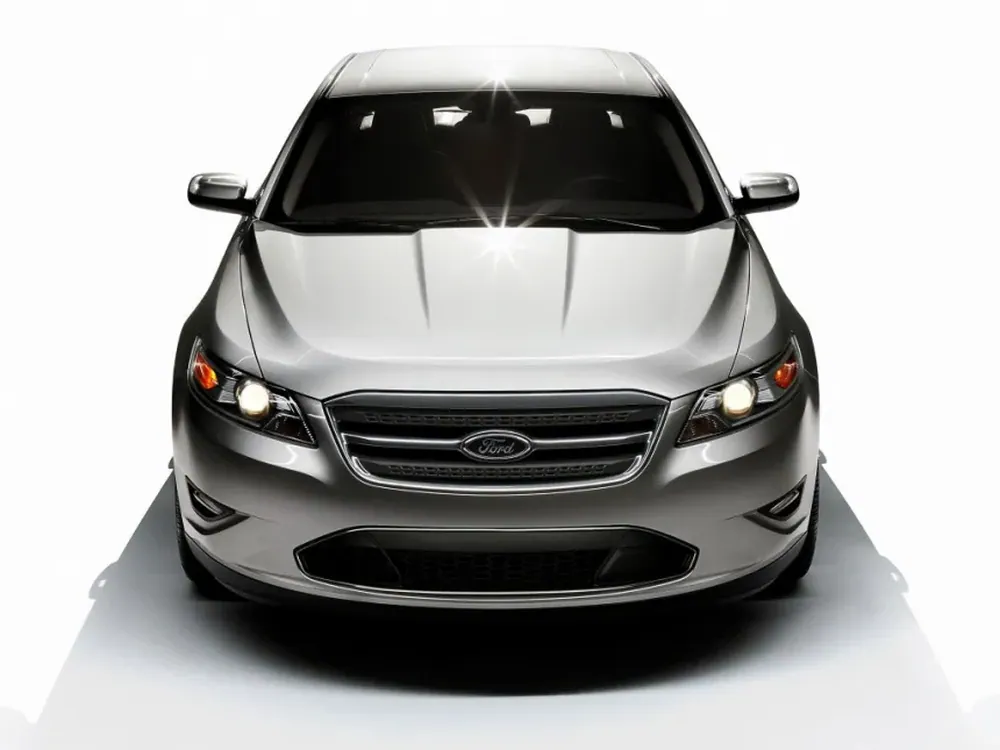
Ford introduced an all-new Taurus for the 2010 model year.
Although first-year sales climbed to nearly 69,000 units, they remained well below the numbers achieved by earlier generations.
Ford also introduced the Police Interceptor Sedan, replacing the long-serving Crown Victoria Police Interceptor in law enforcement fleets across North America.
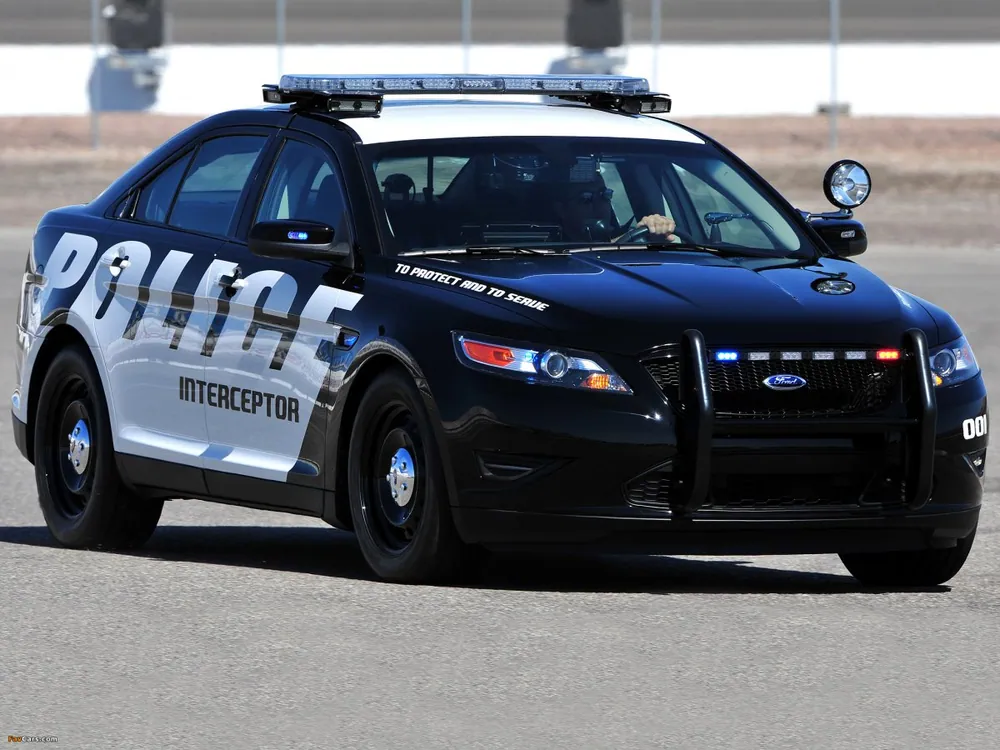
The SHO returned with a twin-turbocharged 3.5-liter EcoBoost V6 producing 365 horsepower and 350 lb-ft of torque. Available exclusively with a six-speed automatic transmission, it also appeared in Men in Black 3.
Built on Ford's D3 platform, which shared engineering roots with Volvo, the Taurus received mixed reviews. Critics praised its safety but criticized its numb steering, heavy weight, and low-quality interior materials.
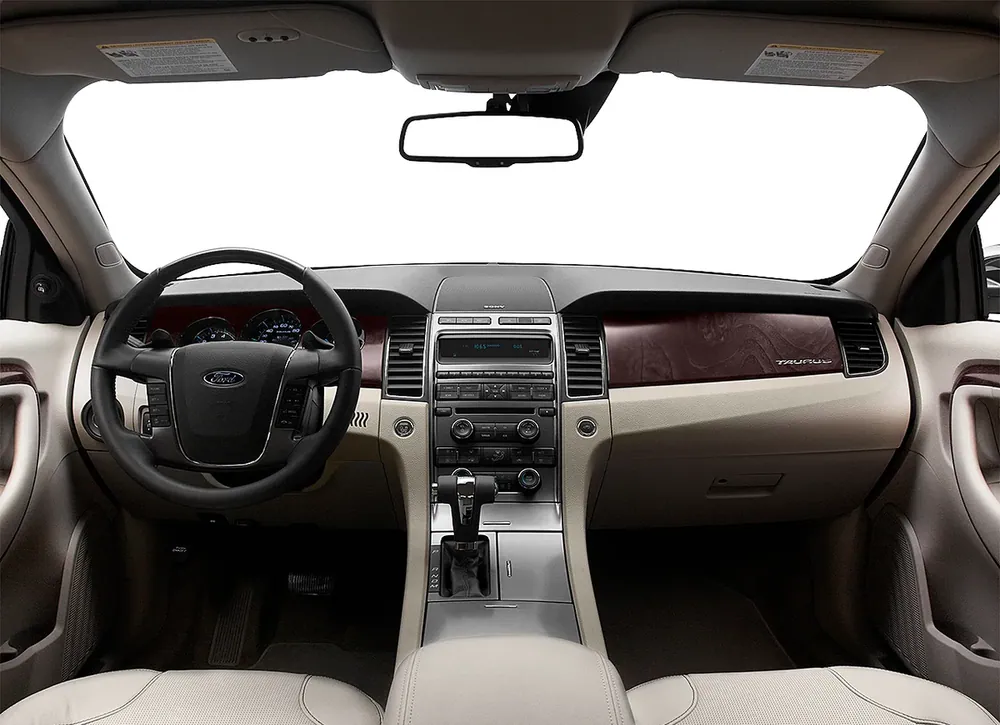
Shrinking demand for sedans eventually led Ford to discontinue the Taurus in North America. In 2018, the company announced the end of production alongside the Fiesta, Focus, and Fusion as it shifted its attention toward SUVs, trucks, and the Mustang.
Seventh Generation Ford Taurus (2015–2022, China)
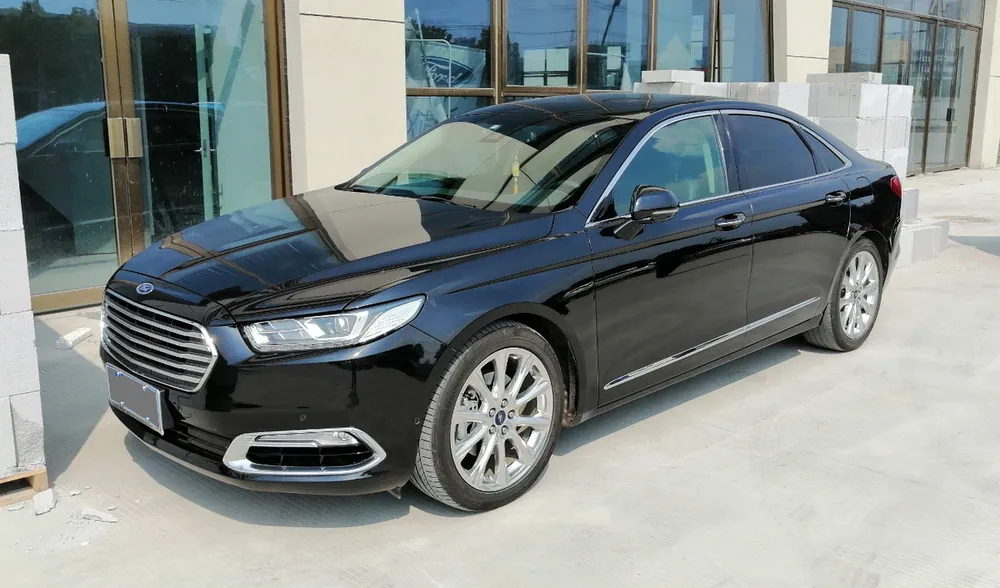
Although the Taurus disappeared from the U.S. market, the name continued in China.
Built by Changan Ford from 2015 through 2022, this version rode on Ford's CD4 platform shared with the Fusion, known globally as the Mondeo. It was developed with support from Ford Australia.
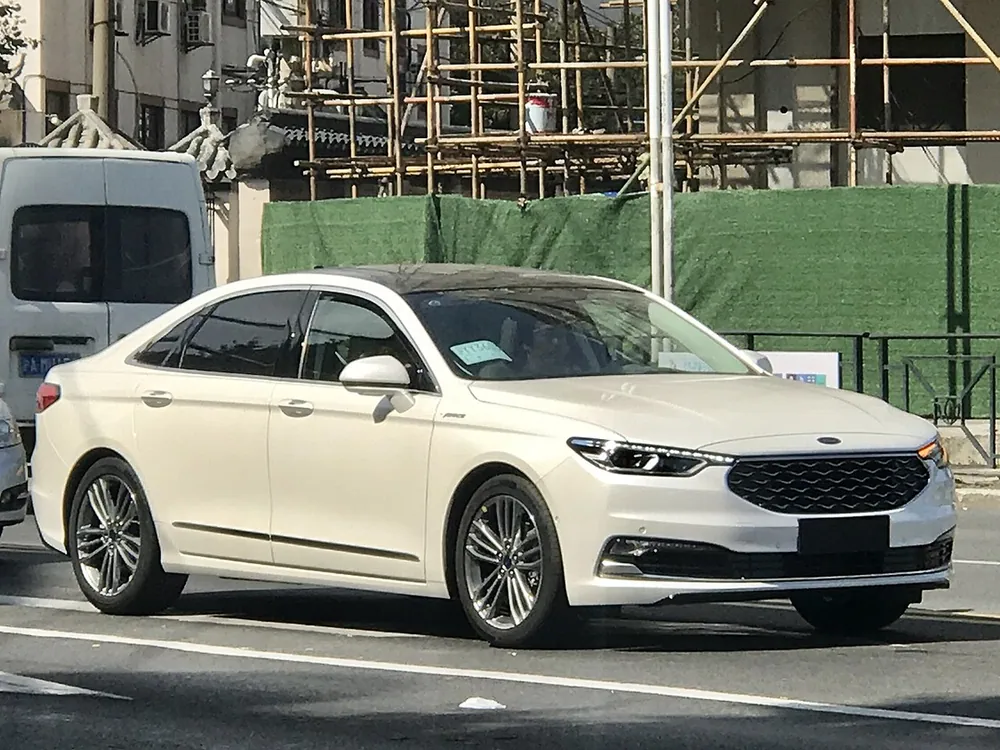
Beginning in 2020, the sedan was also exported to Middle Eastern markets.
Powertrain choices included turbocharged four-cylinder engines and a twin-turbocharged 2.7-liter EcoBoost V6 producing 325 horsepower and 350 lb-ft of torque. The entry-level model used a 1.5-liter turbocharged four-cylinder engine.
Eighth Generation Ford Taurus (2022–Present, China)
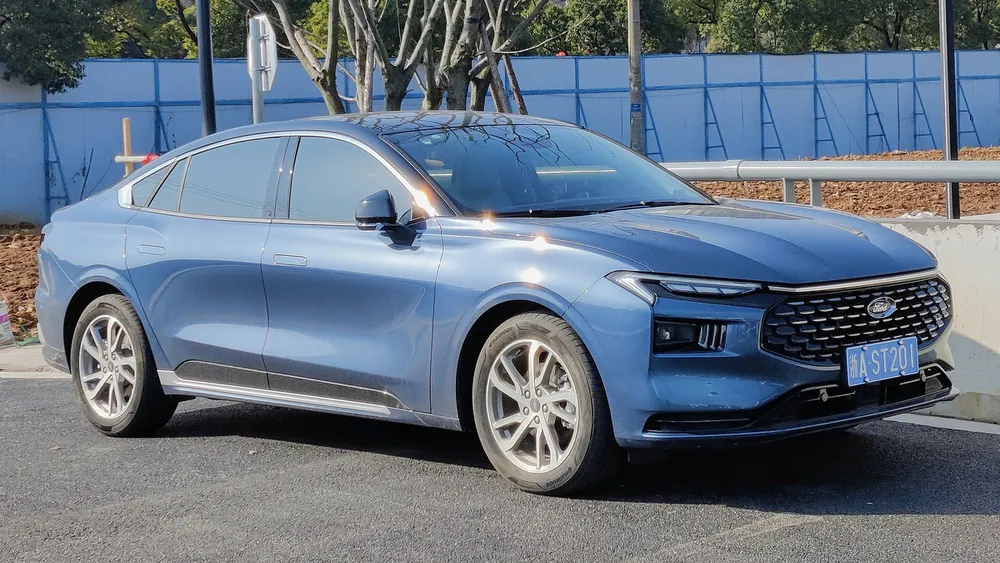
Today's Taurus is also built by Changan Ford in Chongqing, China.
Closely related to the latest Mondeo and sharing its platform with vehicles such as the Ford Escape, Bronco Sport, Maverick, and Focus, the current Taurus is sold primarily in China and the Middle East.
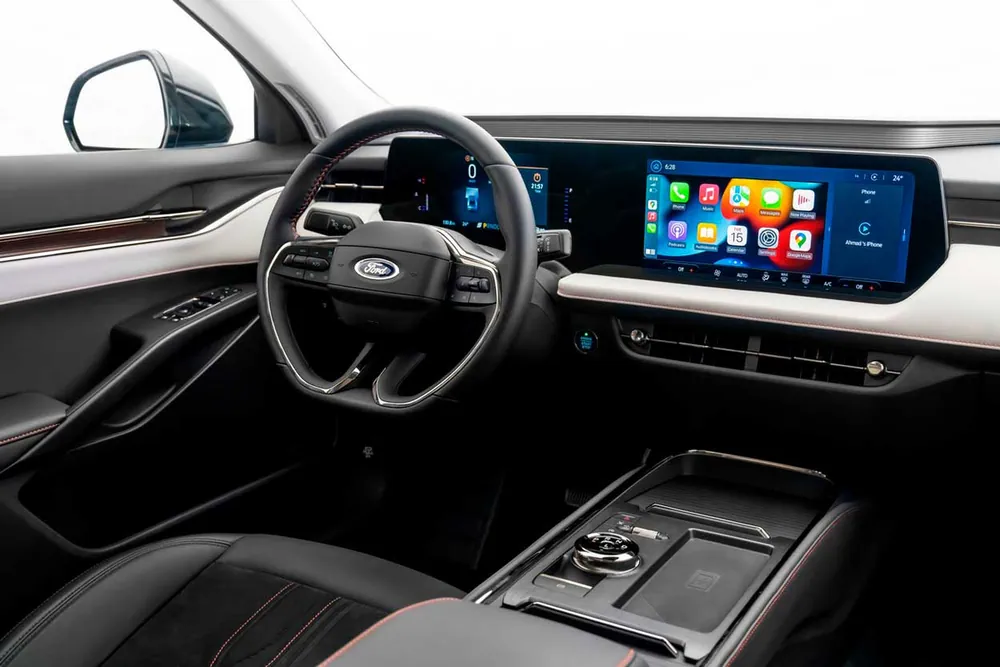
Available in Ambiente, Trend, and Titanium trims, every version uses a turbocharged 2.0-liter four-cylinder engine producing 229 horsepower and 286 lb-ft of torque, paired with an eight-speed automatic transmission driving the front wheels.
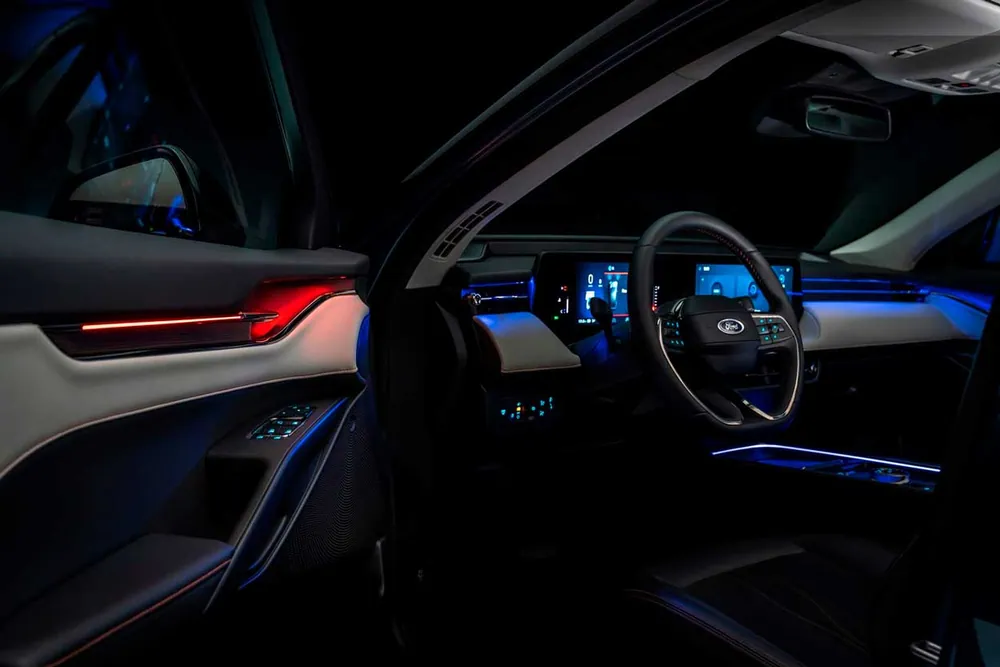
With its modern styling, technology-focused cabin, and shrinking sedan market, the current Taurus could represent the final chapter for one of Ford's most influential nameplates. More than any generation that followed, the original Taurus remains remembered for changing the direction of American automotive design and helping reshape Ford's future.
You may also be interested in the news:
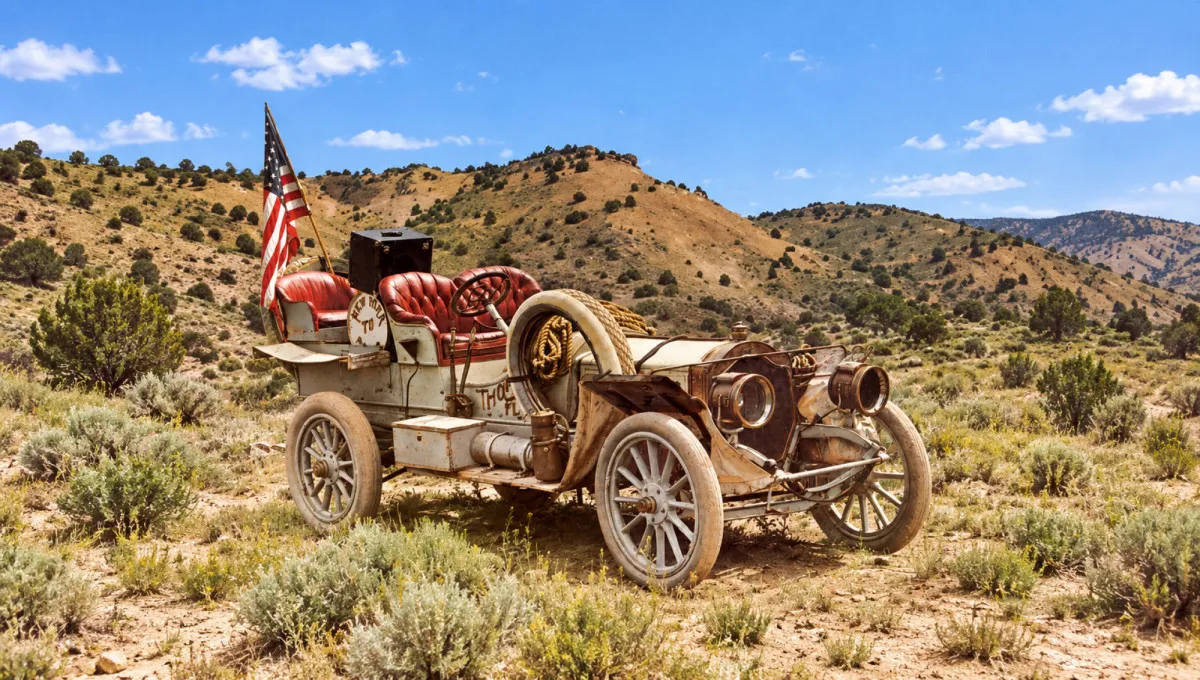
No Roads, No Map, No Car: The $50 Bet That Sent a Doctor Across America
In 1903, one doctor bet $50 he could drive from San Francisco to New York.
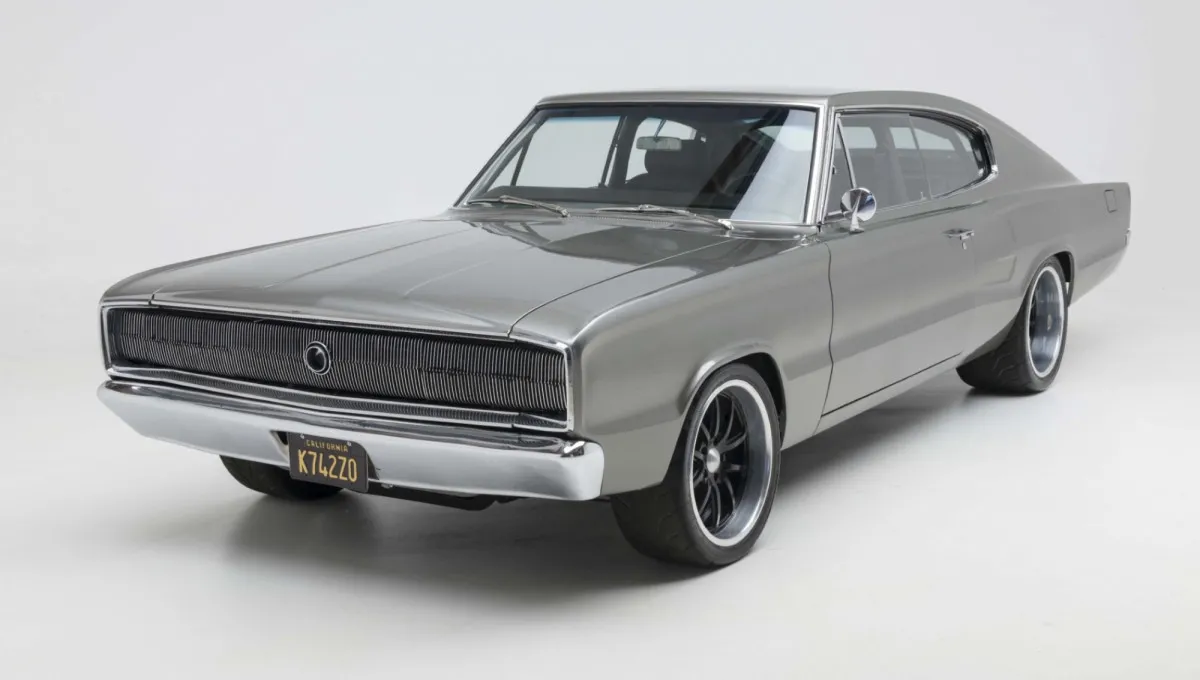
The “Leader of the Dodge Rebellion”: The 1966 Dodge Charger
The Dodge Charger has endured for 60 years, but its story began with an unlikely 1966 debut.
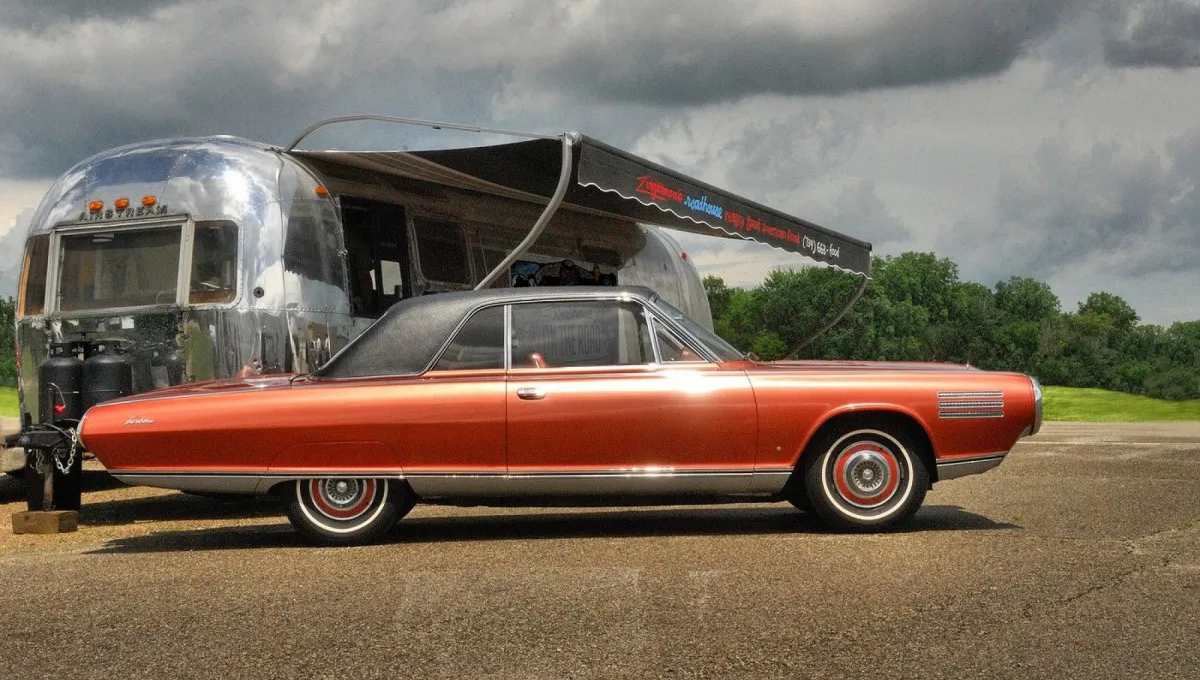
The Gas Turbine Chrysler Drove a Million Miles Across the U.S., Ran on Perfume, but Never Went Into Production
In late 1963, a strange new car hit American roads, turning heads with the unmistakable sound of a jet engine.
His Passenger Left a Bag With a Passport Inside—What This Uber Driver Did Next Touched Millions
An Uber driver drove back to return a forgotten bag, turning a ride into kindness.
A Little Boy Spotted a Bearded Biker at the Store—What Happened Next Felt Like a Christmas Miracle
A biker with a white beard turned an ordinary grocery run into a Christmas memory one little boy won't forget.