
NHTSA Says 135,551 Ford Vehicles Pose an “Unreasonable Risk” as Recall Troubles Continue
Federal regulators say an engine issue in certain Ford models could pose a serious safety risk to drivers nationwide.
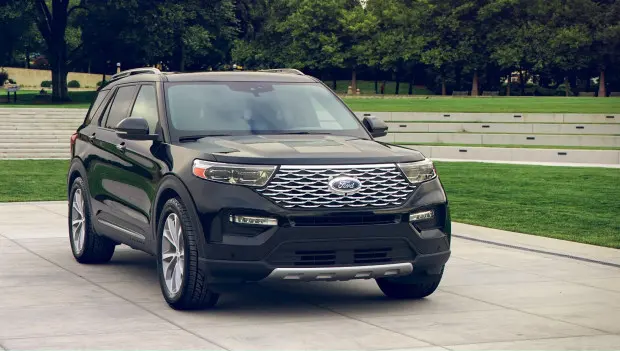
The National Highway Traffic Safety Administration (NHTSA) has taken the next step in its investigation into a potential engine defect affecting approximately 135,551 Ford Fiesta, Focus, and EcoSport models equipped with the 1.0-liter turbocharged three-cylinder engine from the 2014-2021 model years. According to the agency, the issue presents an "unreasonable risk to motor vehicle safety."
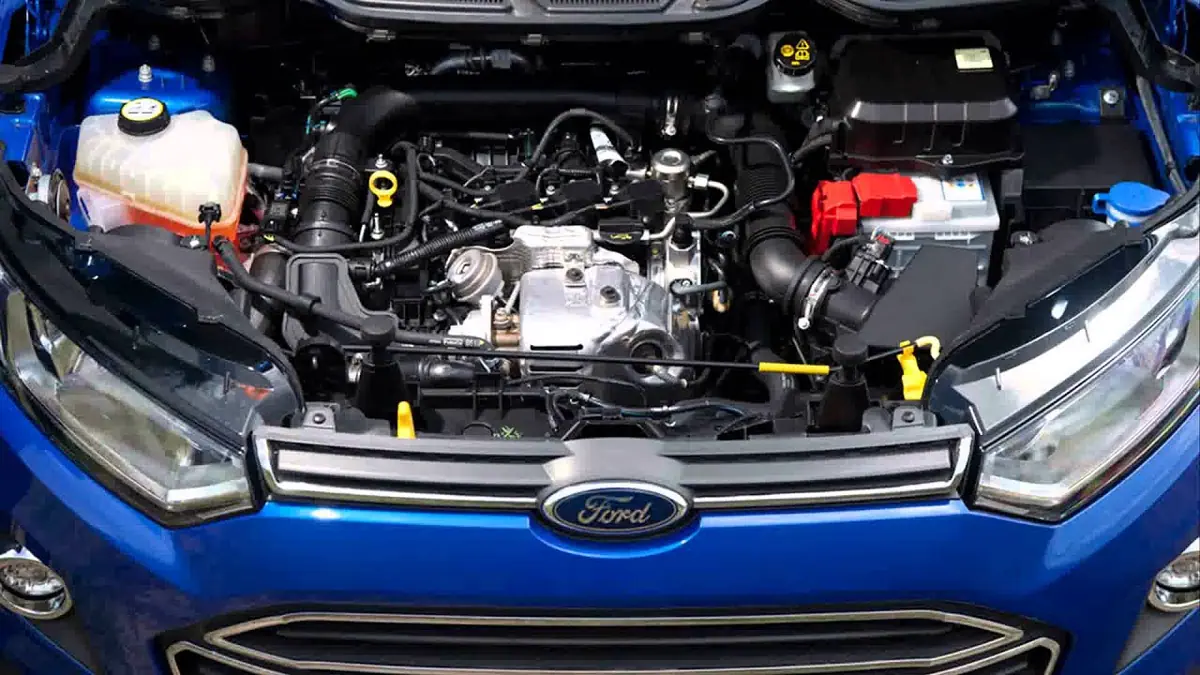
Investigators say the problem stems from the timing belt material deteriorating over time. As debris accumulates, it can clog the oil pump pickup screen, reducing oil pressure and potentially causing the engine to lose power or seize without warning.
NHTSA has now elevated the case to an engineering analysis, the final stage of an investigation before the agency can require an automaker to issue a recall. Officials said they have identified 355 incidents in which drivers reported a low oil pressure warning shortly before experiencing a loss of power. The average mileage at failure was about 70,000 miles, and roughly 98% of reported failures occurred well before Ford's original 150,000-mile timing belt replacement interval.
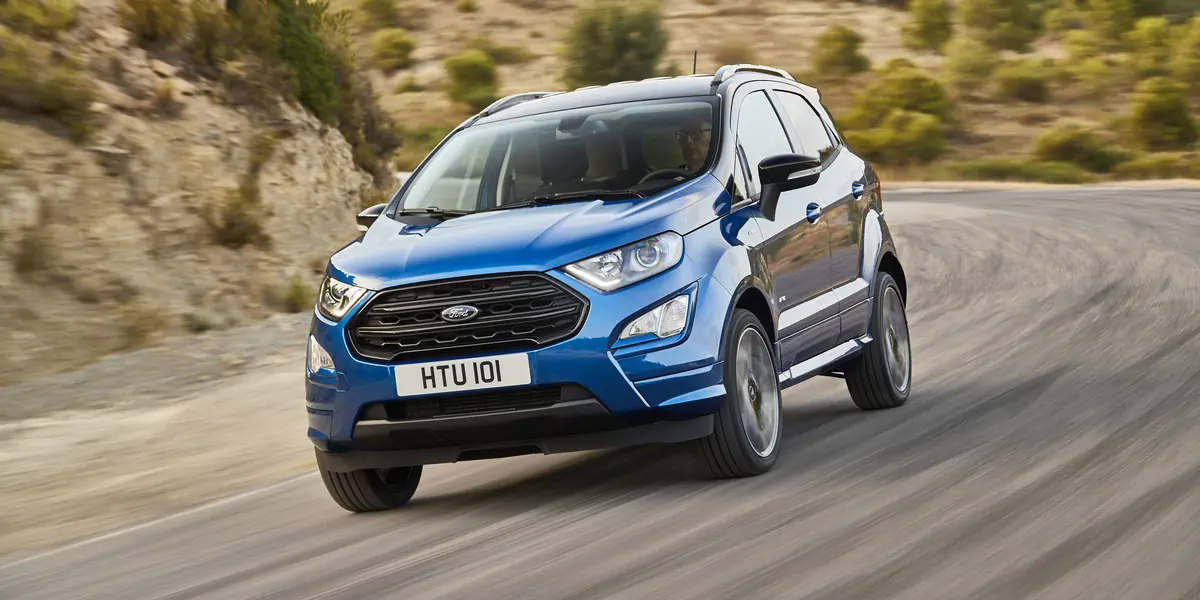
One owner of a 2017 Ford Focus told investigators the oil warning light illuminated while driving on a Delaware highway. Within about one-eighth of a mile, the vehicle "lost all power" and began "sound[ing] like a tank."
In its findings, NHTSA stated: "Based on NHTSA’s analysis of the data, failure rates, information provided by Ford, preliminary engine teardown analysis, and precedent recalls regarding loss of engine oil pressure with the presence of driver facing warnings, [the agency] believes there is an unreasonable risk to motor vehicle safety."
Ford (NYSE: F) has not announced a formal recall. In June, the automaker informed regulators it would launch a customer satisfaction program rather than a safety recall. The program shortens the recommended timing belt replacement interval to 100,000 miles or six years and offers reimbursement to eligible owners who previously paid for qualifying repairs.
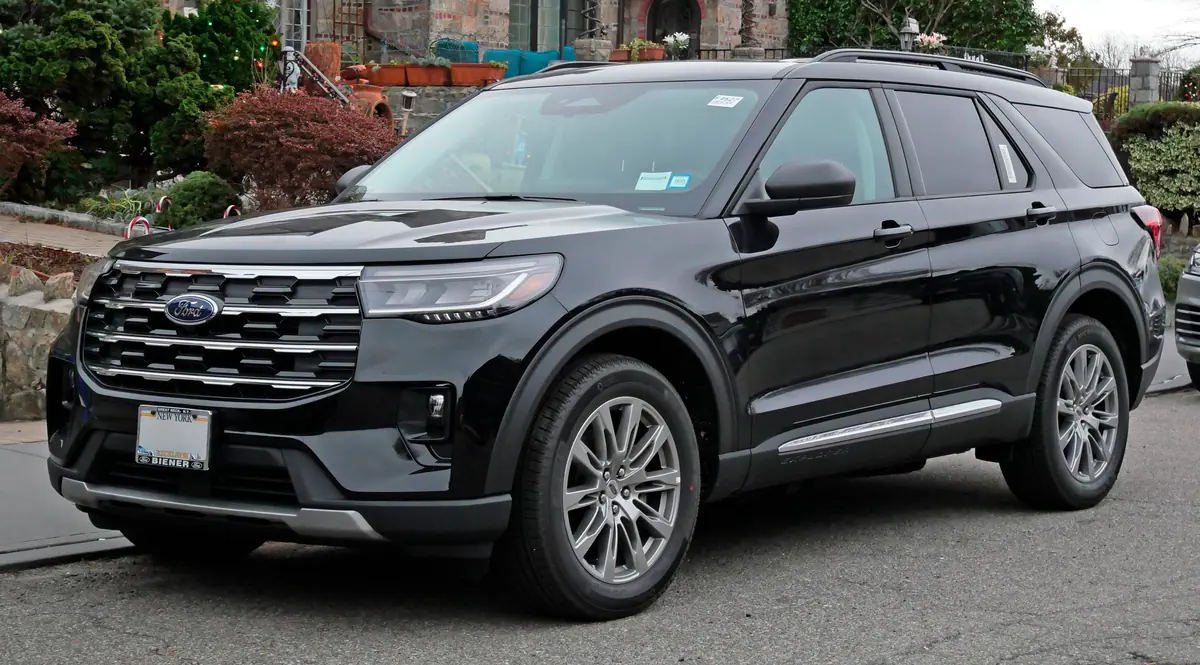
The affected Fiesta, Focus, and EcoSport models are no longer sold in the U.S., meaning the investigation does not involve Ford's current lineup, including the F-Series, Bronco, Explorer, or Maverick.
Another Challenge in a Difficult Year
The timing belt investigation adds to an already lengthy list of Ford recalls in 2026. According to NHTSA, the automaker has been linked to 36 recall campaigns this year covering an estimated 9.8 million vehicles, including one that carried the agency's rare "Do Not Drive" warning.
Among the largest recalls were 741,195 vehicles with a transmission park system defect that could allow them to roll away, 565,691 Bronco and Bronco Raptor SUVs recalled because of a potential engine compartment wiring fire hazard, 387,911 Ford Explorer and Lincoln Aviator SUVs recalled over a seat-related issue, and another campaign affecting about 2.4 million vehicles for rearview camera and windshield wiper problems. Following news of that recall, Ford shares slipped roughly 2% during a single trading session.
Although each recall involves a different mechanical issue, the growing number of campaigns continues to challenge Ford's efforts to improve quality and reliability under CEO Jim Farley.
You may also be interested in the news:
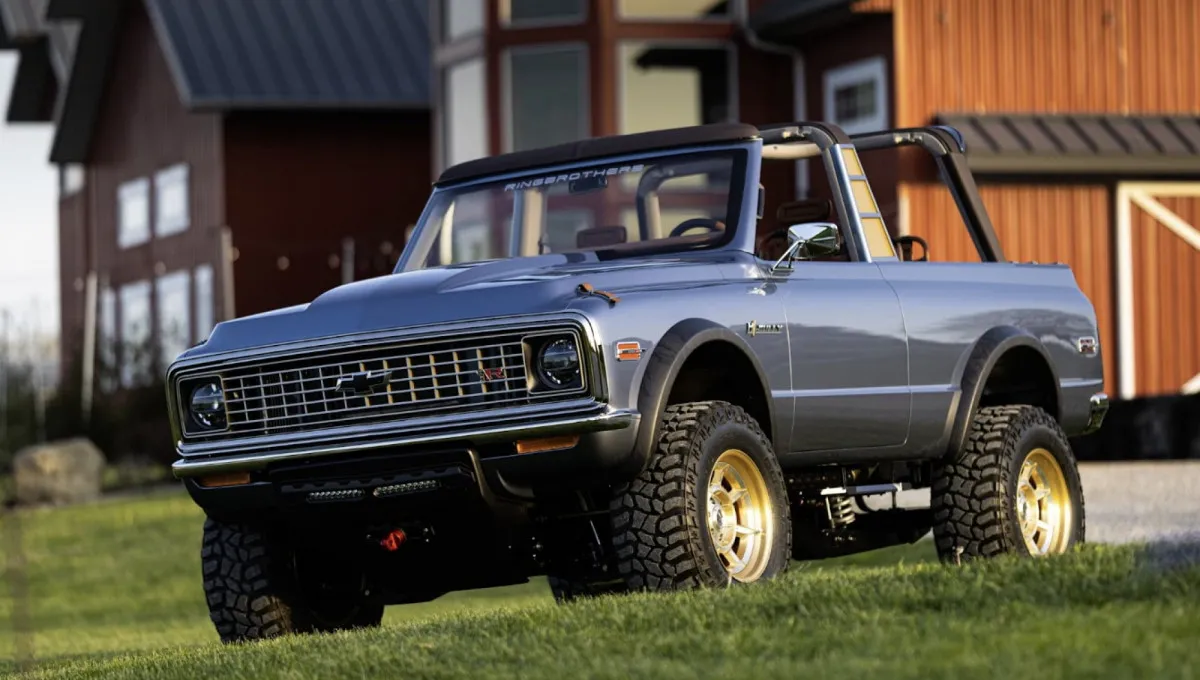
This 1,160-HP 1972 Chevrolet K5 Blazer Bully Is Going to Auction for the First Time
Ringbrothers’ 1972 Chevrolet K5 Blazer Bully, packing 1,160 horsepower, is heading to Mecum’s Nashville auction.
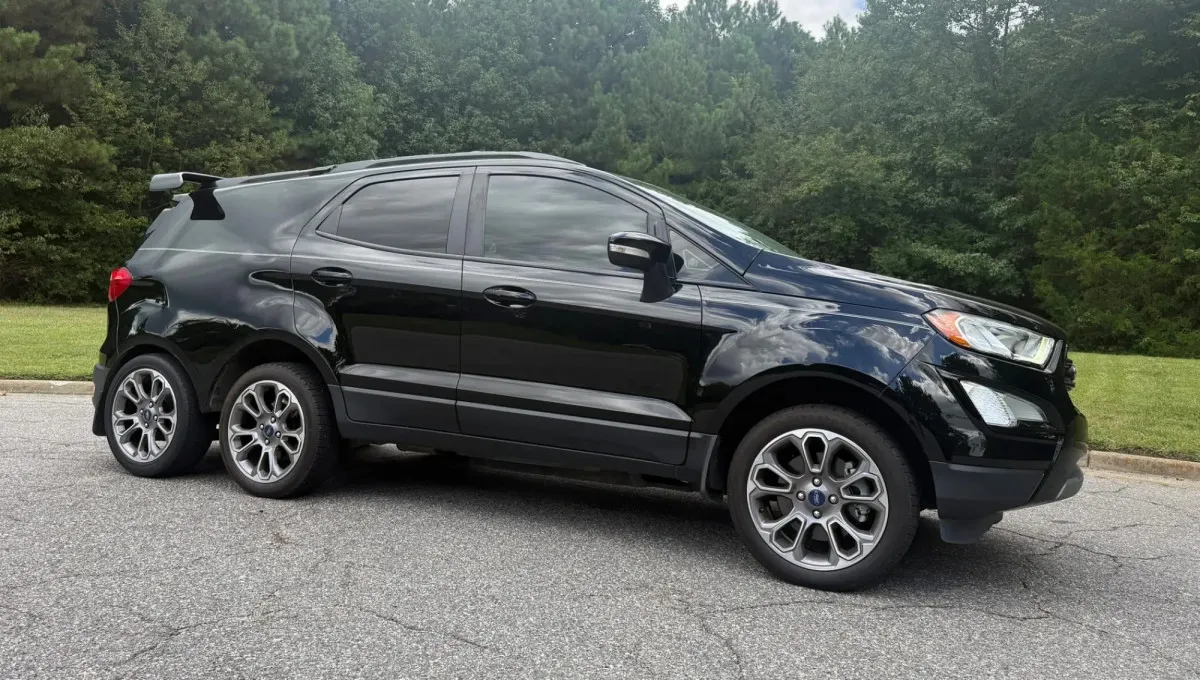
Someone Turned a Ford EcoSport Into a Six-Wheeled SUV — And It's Selling for Just $7,000
An extremely unusual six-wheeled conversion of Ford’s compact crossover has landed on the Bring a Trailer auction block.
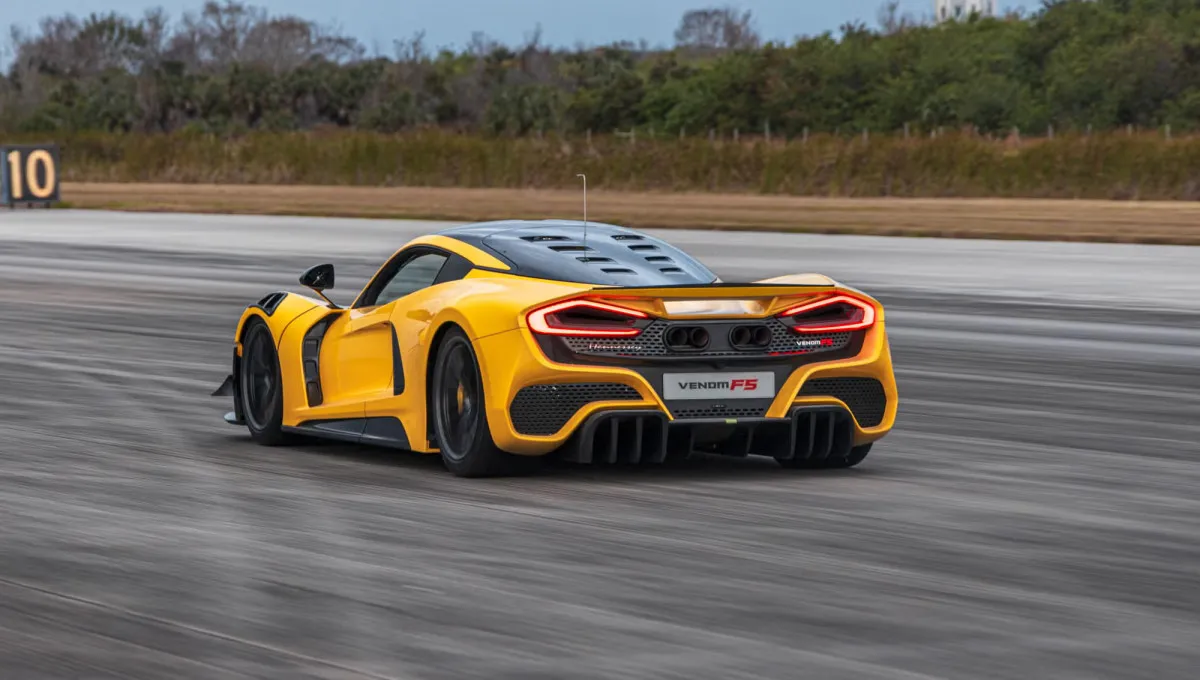
Experts Name the Two Most Powerful Production Sports Cars in the U.S.
American sports cars continue to impress with their horsepower, speed and innovative engineering, with two models standing above the rest.
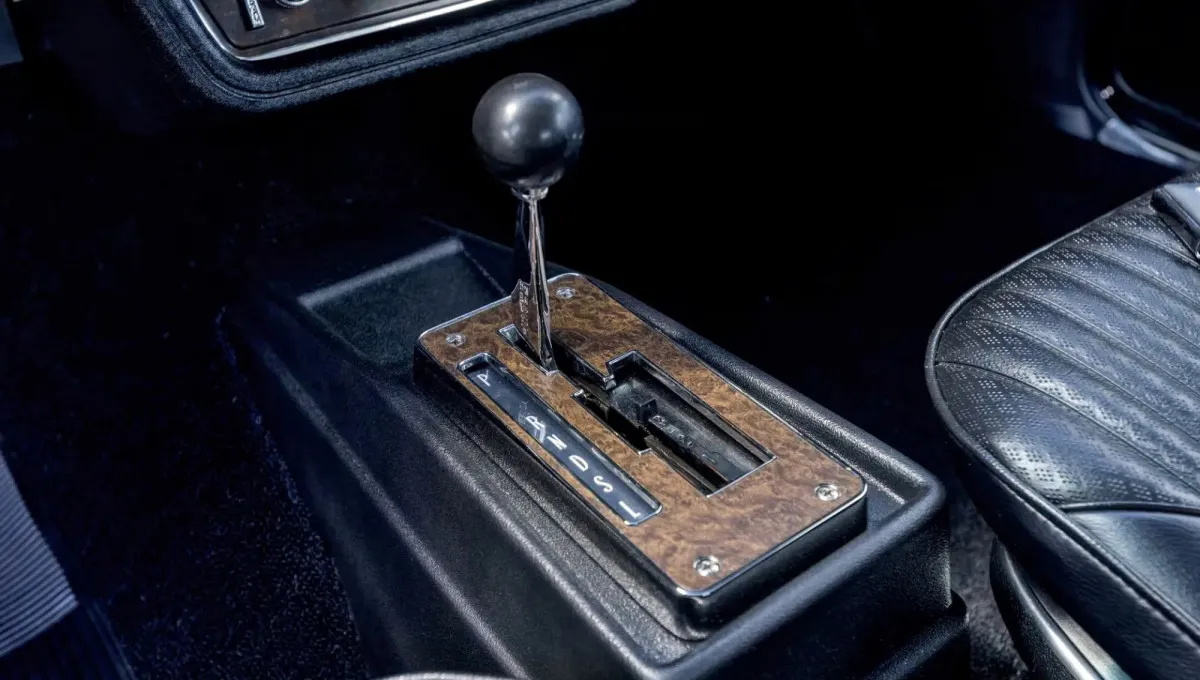
How Oldsmobile Invented a Manual Gearbox for an Automatic
Long before paddle shifters and electronic driving modes, Oldsmobile found a clever mechanical way to let drivers shift an automatic transmission themselves.
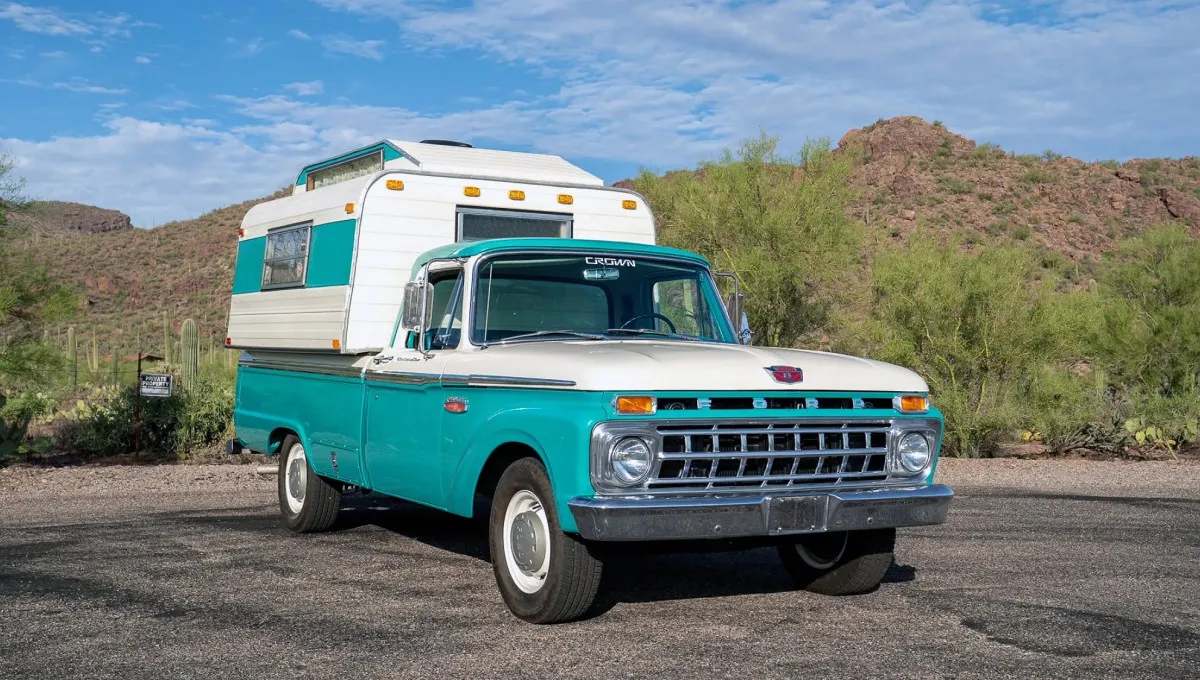
This 1965 Ford F-250 With a Mitchell & Sons Camper Is a Charming Retro Travel Companion
The 1965 Ford F-250 and Mitchell & Sons camper share colors, period styling, and compatibility.