
The 5 Least Reliable Toyota Engines Ever Built
Toyota is known for reliability, but a handful of engines developed serious problems that hurt their reputation.
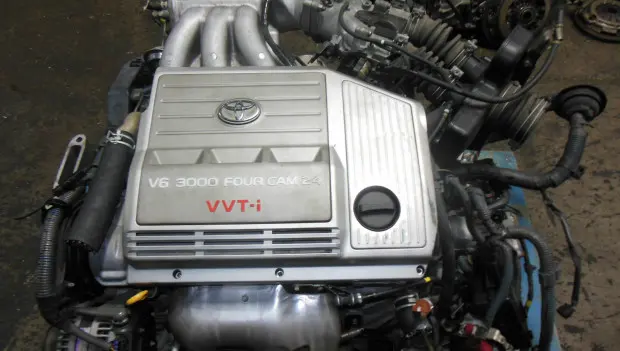
Toyota has earned a reputation for building some of the most dependable vehicles on the road. The automaker consistently ranks among the industry's most reliable brands, and its engines are often praised for lasting hundreds of thousands of miles with proper maintenance. Even so, not every powerplant has lived up to that standard. Here are five Toyota engines that became known for reliability issues.
Toyota 3.0-Liter 3VZ-E V6
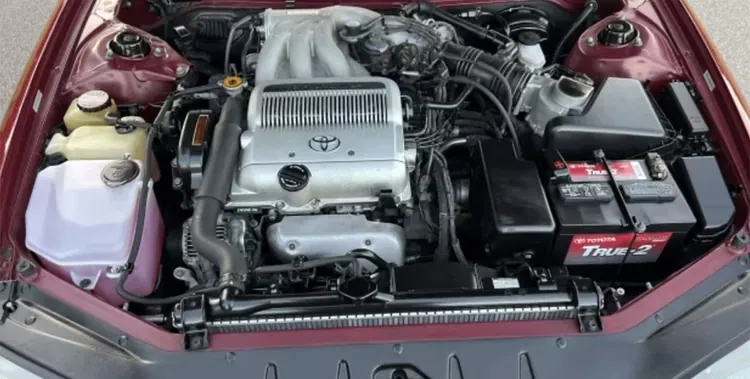
Toyota rarely produces engines with a poor reliability record, but the 3.0-liter 3VZ-E V6 is widely considered one of the company's least dependable designs. Introduced in 1988, it powered vehicles including the 4Runner, Camry, Hilux, T100, Lexus ES300, and Toyota Windom. The engine produced 150 horsepower and 180 lb-ft of torque.
Its biggest weakness wasn't performance—it was durability. Although the cast-iron engine block was robust, pairing it with aluminum cylinder heads led to persistent head gasket failures. The problem became so widespread that Toyota extended warranty coverage for head gaskets to eight years or approximately 100,000 miles. Other common issues included timing belt failures requiring replacement roughly every 50,000 to 62,000 miles, burned exhaust valves, and failing starter contacts.
Toyota 3.0-Liter Turbocharged 7M-GTE Inline-Six
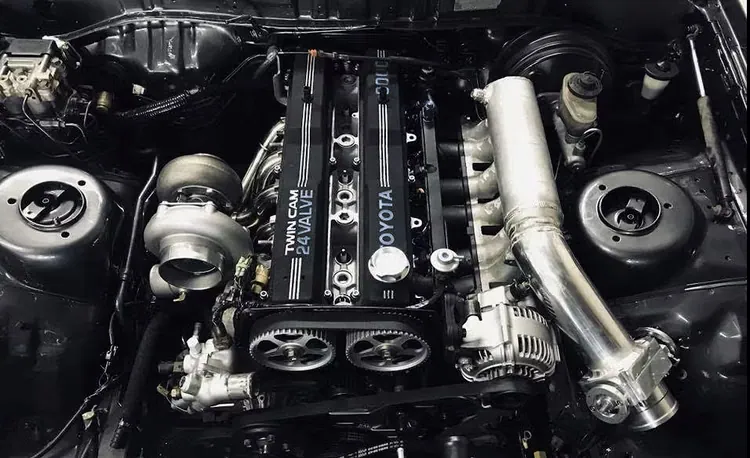
Built between 1986 and 1992, the turbocharged 7M-GTE is best known as the engine found in the third-generation Toyota Supra. Unlike the legendary 2JZ that replaced it, however, the 7M-GTE developed a reputation for reliability problems rather than durability.
According to the account surrounding its development, Toyota originally planned to use an asbestos-based head gasket. After asbestos materials were prohibited for automotive use shortly before production began, the company reportedly switched to a different gasket design without sufficient development time. Under heavy loads, those head gaskets could fail, allowing coolant and engine oil to mix and eventually damaging the connecting rod bearings.
Toyota 1.8-Liter 1ZZ-FE Inline-Four
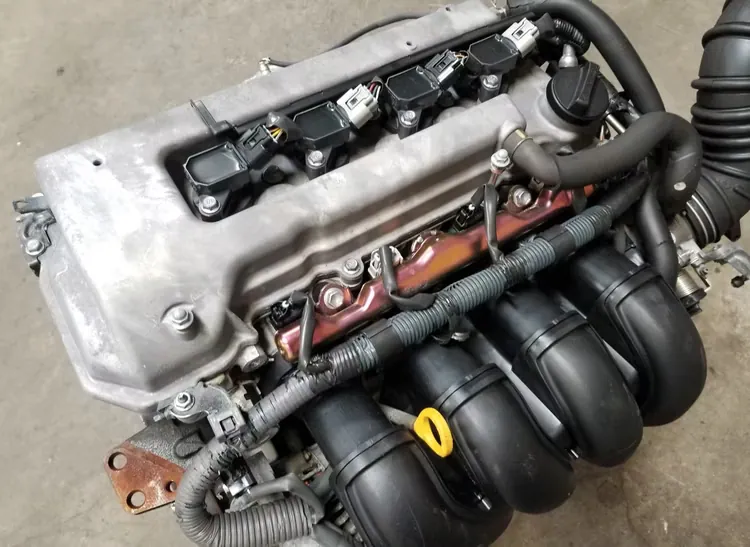
Toyota produced the naturally aspirated 1.8-liter 1ZZ-FE from 1998 through 2008. Found in models such as the Corolla, Celica, Avensis, Matrix, Pontiac Vibe, Chevrolet Prizm, and Lotus Elise, the engine generated between 120 and 130 horsepower along with up to 125 lb-ft of torque.
Its most common problem was excessive oil consumption caused by piston and piston ring design. Over time, worn piston rings allowed engine oil to pass into the combustion chamber, where it burned along with the air-fuel mixture. Toyota acknowledged the issue, introduced updated components in 2005, and extended warranty coverage to six years or approximately 100,000 miles. Other reported problems included timing chain tensioner failures and engine control module issues.
Toyota 1.8-Liter 2ZR-FE Inline-Four
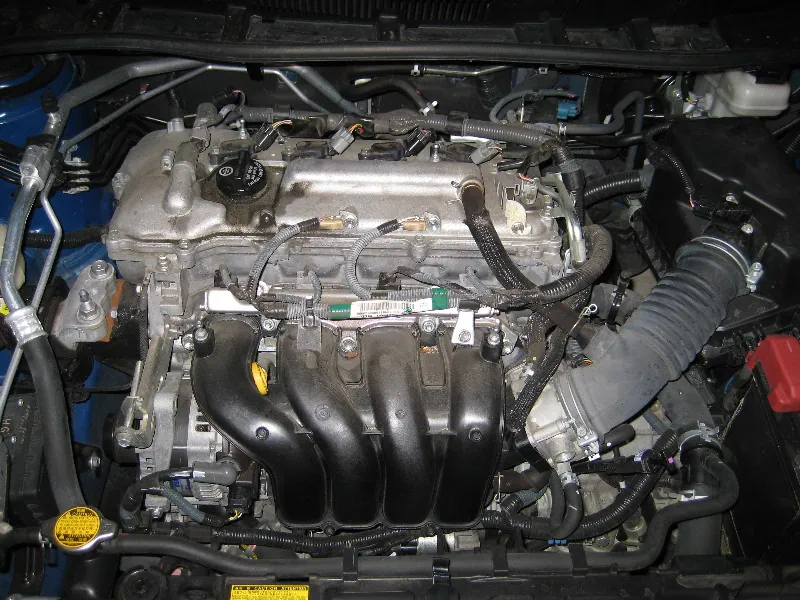
Introduced in 2007 as the successor to the 1ZZ-FE, the 2ZR-FE powered a wide range of Toyota, Scion, and Pontiac models, including the Corolla, Prius, Matrix, and several Scion vehicles.
Like its predecessor, the engine became known for excessive oil consumption, particularly in 2008-2010 Corolla models. Faulty piston rings allowed oil to enter the combustion chamber, where it was burned during normal engine operation.
Owners also reported premature water pump failures, sometimes occurring at around 19,000 miles. Toyota acknowledged the issue, and many affected vehicles were repaired under factory warranty. Some engines built after 2007 also experienced valve train problems linked to debris entering the intake manifold.
Toyota 3.0-Liter 1MZ-FE V6
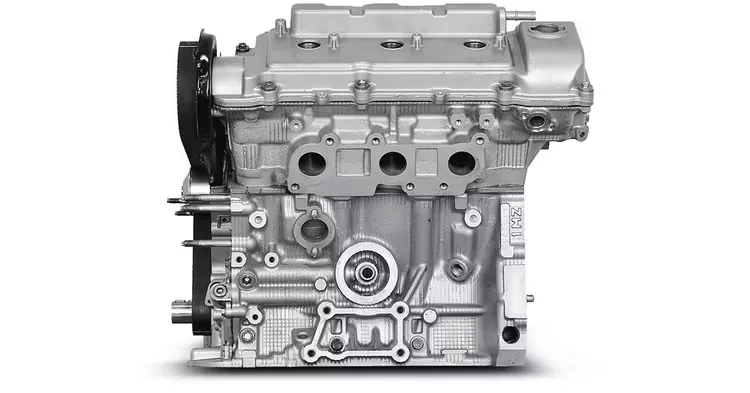
Produced from 1993 through 2007, the 1MZ-FE replaced the earlier 3VZ engine and powered vehicles including the Camry, Avalon, Highlander, and several Lexus models.
Two of the most frequently reported issues were oil leaks and engine sludge buildup. In some vehicles, sludge accumulation became severe enough to trigger class-action lawsuits and factory service campaigns.
Faulty knock sensors were another common complaint. Toyota later addressed that issue with updates introduced on the succeeding 3MZ-FE engine. Some owners also experienced problems involving the exhaust gas recirculation (EGR) system.
You may also be interested in the news:
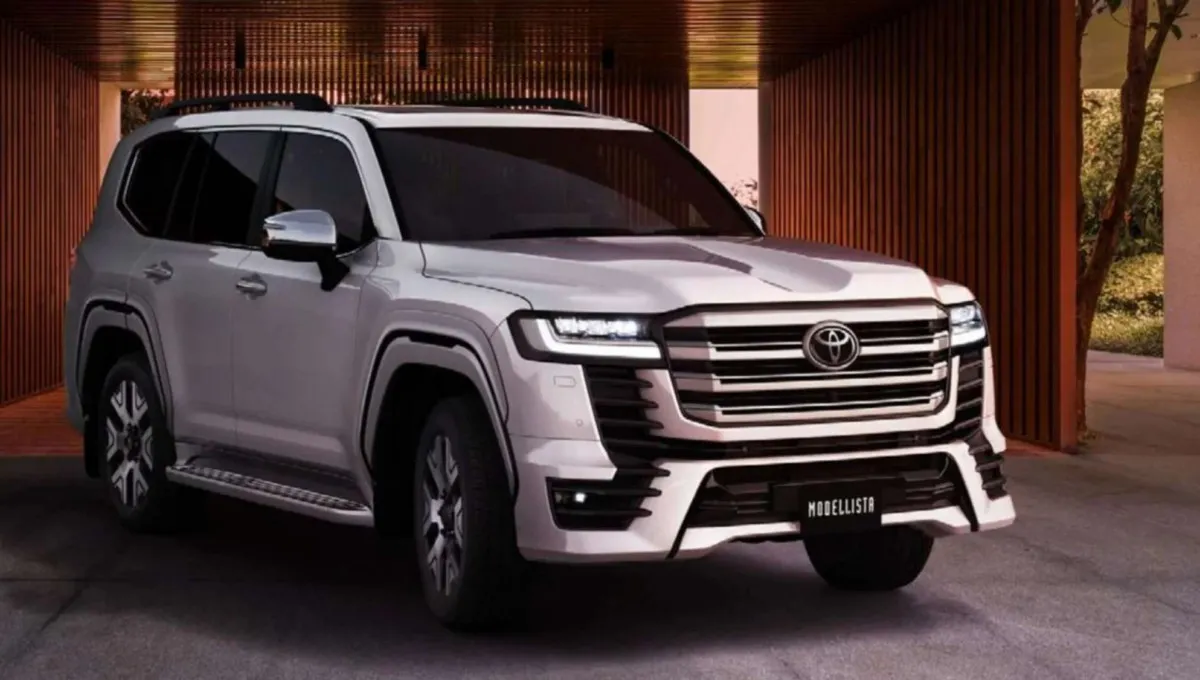
Toyota's Legendary Land Cruiser Just Got a Wild New Look — And Those 20-Inch Wheels Aren't Cheap
The updated Land Cruiser 300 looks tougher than ever after Toyota's Modellista division gave it a bold new appearance package.
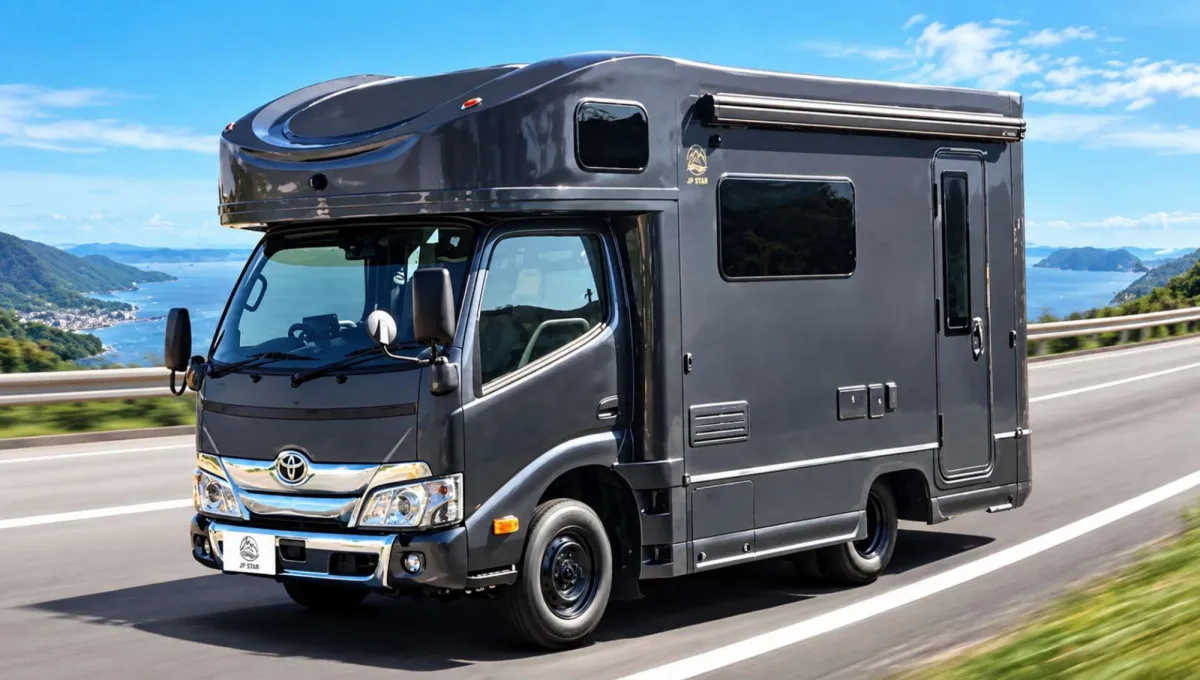
This Tiny Camper Has a Shower, Kitchen and Two Beds—And It Fits on a Small Truck
A new Japanese camper packs a living room, kitchen, shower and two sleeping areas into a compact package.
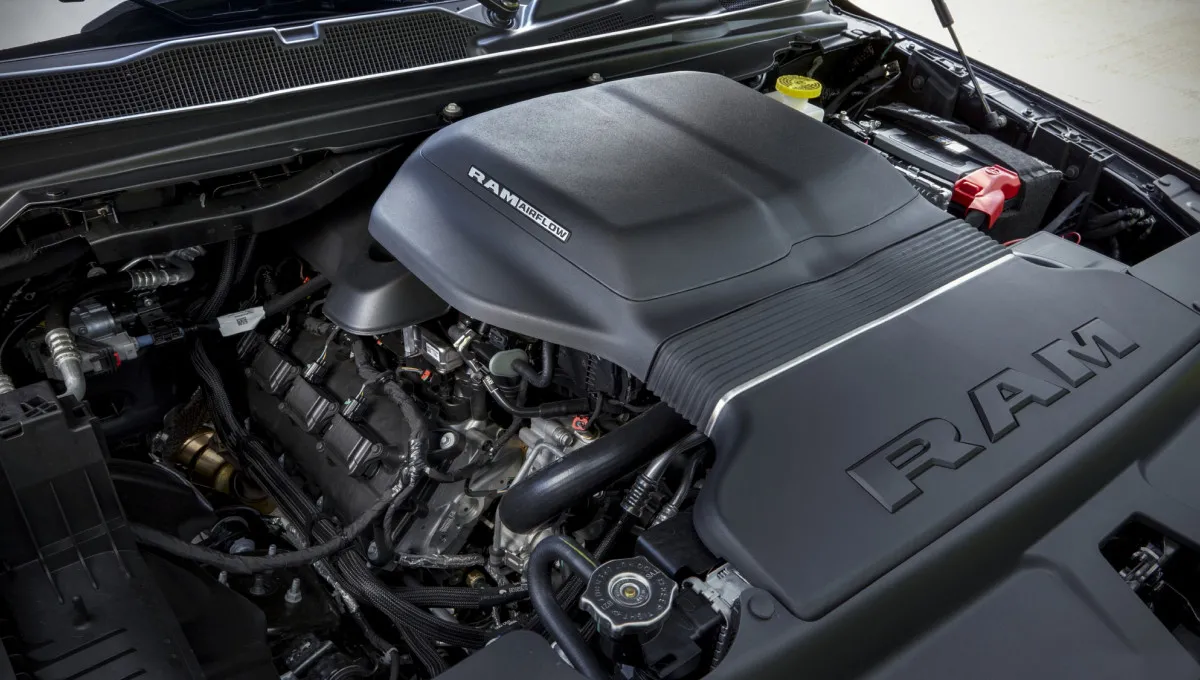
Your Engine Could Be Warning You: 6 Problems That Can Make a Car Run Rough
Engine problems rarely happen without a reason, and six common issues can cause a car to run poorly.
Test Yourself: Toyota’s Famous “Oh, What a …” Slogan — Can You Finish It?
Can You Finish Toyota’s Most Famous Slogan? Millions of Americans Heard This One Growing Up
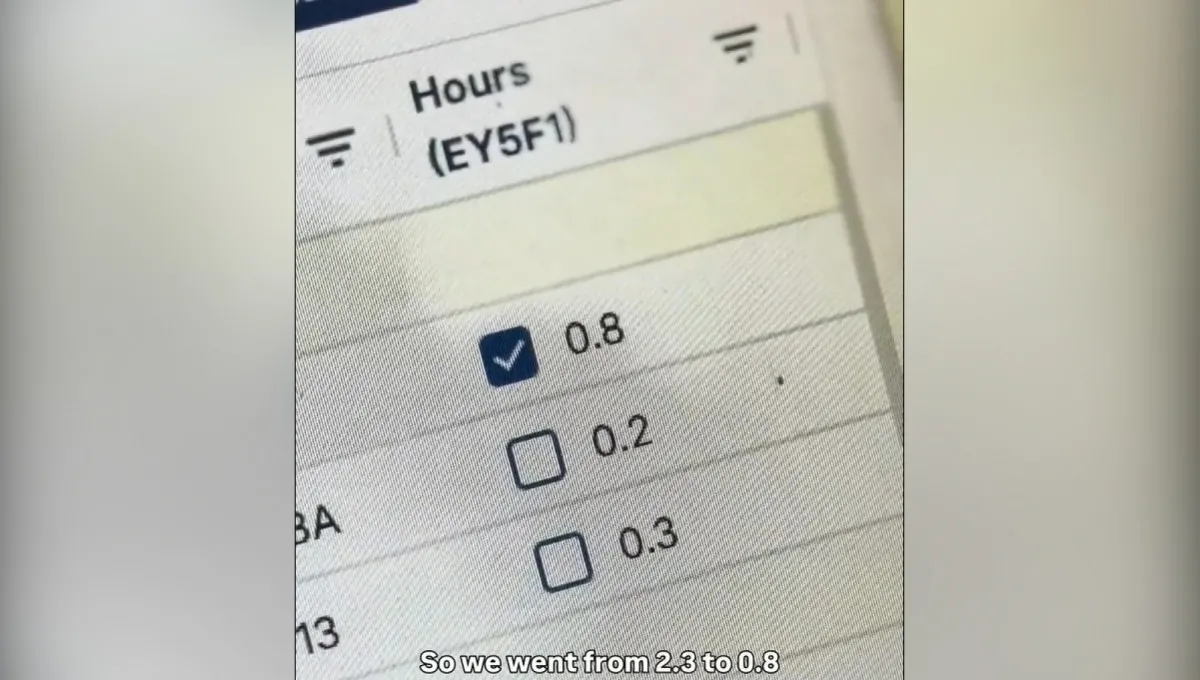
Toyota Technician Walks Away After Viral TikTok Exposes a Nearly 3x Pay Cut on One Repair
A Toyota technician with 11 years of experience quit after a viral TikTok sparked a dispute over repair pay.