
The 5 Most Problematic Honda Engines Ever Built
Honda's reputation for reliability hasn't stopped a handful of engines from developing serious long-term reliability concerns over the years.
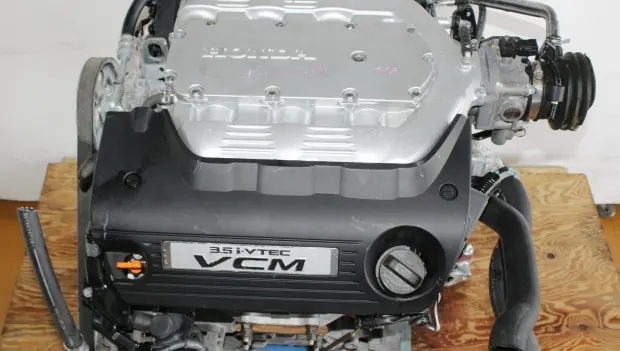
Honda has long been recognized as one of the most dependable automakers in the world. Its vehicles and engines routinely earn high marks for durability, helping the brand build an exceptionally loyal customer base. Still, even Honda has produced a few engines that failed to meet the company's usual standards.
Honda 1.5-Liter Earth Dreams Turbo Inline-Four
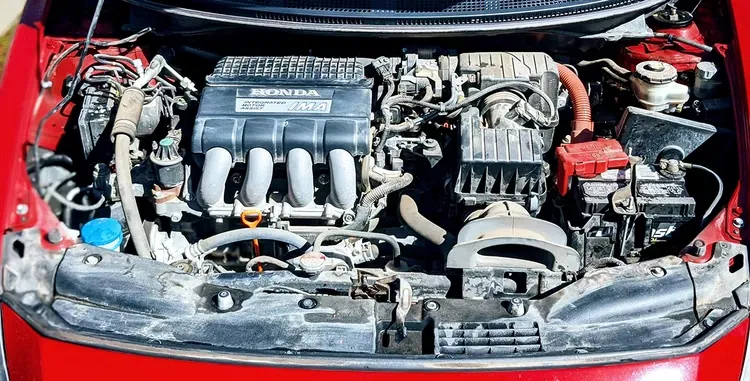
The 1.5-liter turbocharged Earth Dreams engine is often cited as one of Honda's most controversial modern powerplants. It has powered models including the Honda Civic, Fit, and Jazz, but many owners have reported problems ranging from fuel mixing with engine oil to gasoline odors inside the cabin and rough engine operation.
The engine uses Honda's Earth Dreams Technology with gasoline direct injection (GDI) to improve fuel economy and increase power. As with some other direct-injection engines, fuel can reportedly bypass the piston rings and enter the crankcase, where it mixes with engine oil. This can reduce the oil's viscosity and lubricating ability, potentially leading to long-term engine wear. Although Honda initially suggested the issue primarily affected vehicles driven in cold climates or on frequent short trips, the company later extended warranty coverage for affected engines.
Honda 3.5-Liter J35Z8 V6
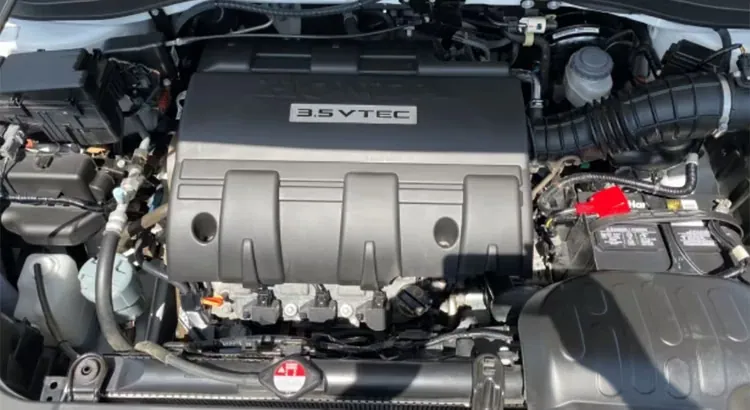
The J35Z8 belongs to Honda's J-Series family of V6 engines and was used in vehicles including the Accord, Pilot, and Odyssey.
One of the most common complaints involved excessive oil consumption. The issue became significant enough that owners filed a class-action lawsuit against Honda, alleging that more than 1.5 million vehicles required unusually frequent spark plug replacements because of excessive oil use and that customers were not adequately informed about the problem.
Honda initially disputed the claims, although it released a Technical Service Bulletin (TSB) in 2013 acknowledging the issue. Two years later, the company agreed to settle the class-action lawsuit and extended powertrain warranty coverage to eight years from the original purchase date for affected vehicles.
Honda D16 Inline-Four
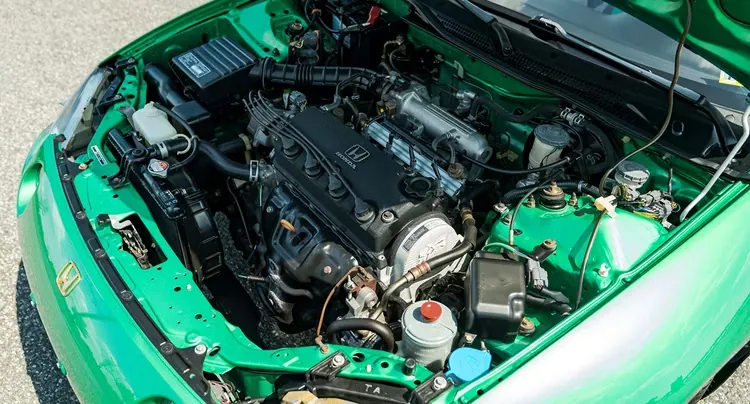
Honda introduced the D-Series engines in the mid-1980s, with the D16 arriving two years after the original D15. The engine powered numerous Honda models, including the Civic, Integra, CRX, Del Sol, and HR-V.
While the D16 eventually became popular among enthusiasts and tuners, early versions developed a reputation for several reliability concerns.
Common problems included oil leaks, engine misfires, and unstable idle caused by throttle body issues, a dirty idle air control valve, or a faulty oxygen sensor. Some engines also experienced exhaust manifold deterioration and crankshaft-related problems.
Honda R18 Inline-Four (2006-2009)
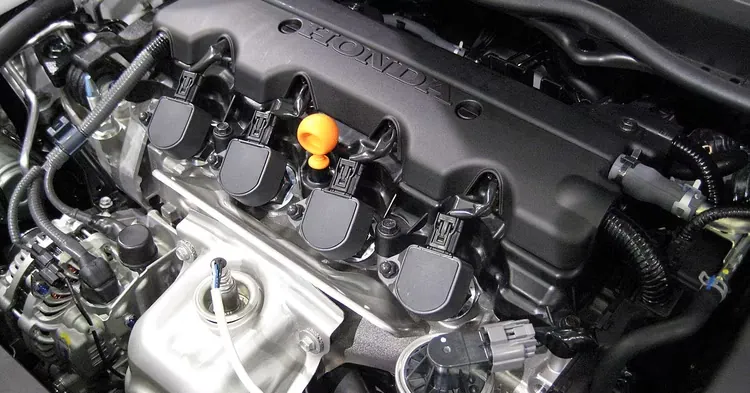
The R18 engine debuted with the eighth-generation Honda Civic introduced for the 2006 model year.
Soon after launch, reports surfaced of engine blocks developing cracks because of casting defects. In affected vehicles, coolant could leak from the block, leading to overheating and, in some cases, severe engine damage.
Hundreds of owners reported cracked engine blocks. In 2014, Honda extended warranty coverage for certain affected vehicles, but once that coverage expired, many owners were left responsible for costly repairs. The issue primarily affected 2006 through 2009 Honda Civic models equipped with the R18 engine.
Honda 2.2-Liter F22B Inline-Four
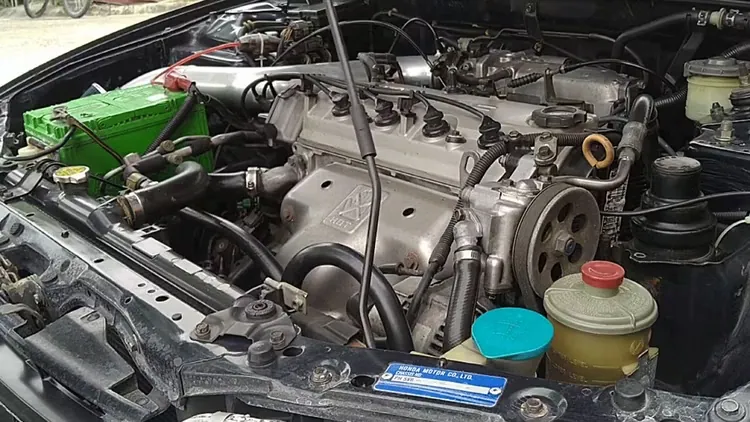
Derived from the earlier F20 engine, the F22B became the first member of Honda's F-Series to receive the company's VTEC variable valve timing system. It powered several models, including the Accord, Prelude, Odyssey, and Shuttle.
Despite its advanced technology for the time, the F22B developed a number of recurring reliability concerns.
Oil leaks caused by worn seals and aging gaskets were especially common, particularly in 1994-1998 Honda Shuttle models. Owners also reported transmission-related problems, including delayed shifting, gear slippage, and complete transmission failure. In addition, some engines experienced misfires and crankshaft wear after approximately 62,000 miles.
You may also be interested in the news:
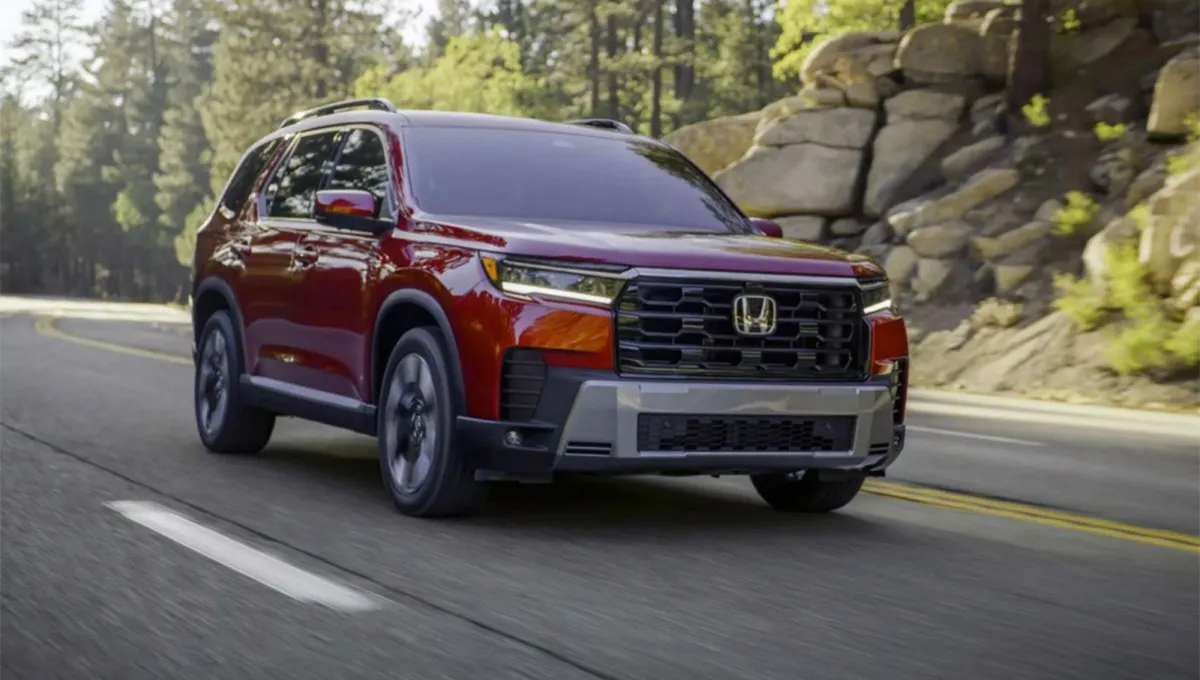
Honda May Be Building an SUV So Big It Could Rival America’s Biggest Three-Row Models
Honda could be preparing a much larger three-row SUV, potentially stretching nearly as long as a full-size American SUV.
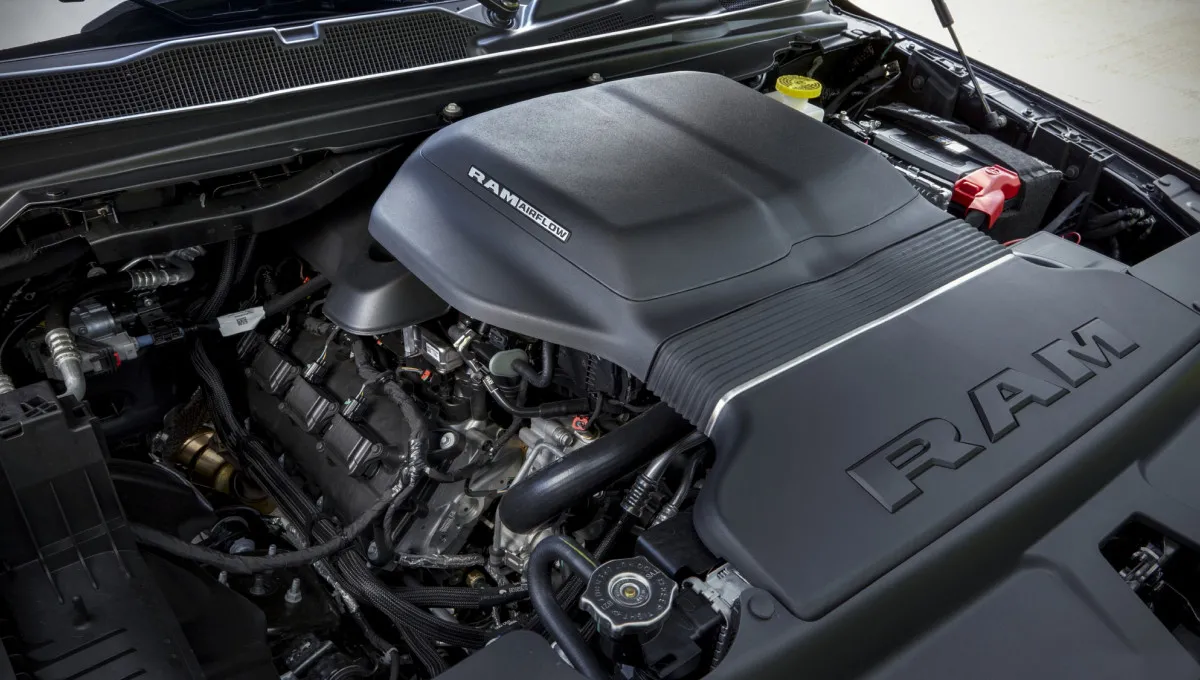
Your Engine Could Be Warning You: 6 Problems That Can Make a Car Run Rough
Engine problems rarely happen without a reason, and six common issues can cause a car to run poorly.
Updated Honda Civic Type R Arrives in the U.S. at $48,695 With Sharper Handling and More Comfort
Official pricing and specifications have been announced.
Honda Is Rethinking Its Future SUVs—and a Massive New Ohio Plant Is Coming
Honda is planning a major Ohio expansion as it shifts its future lineup toward larger hybrid SUVs.
GM Just Unleashed an 8.3-Liter Diesel V8 to Take on Ford’s 1,200-Lb-Ft Power Stroke
General Motors has confirmed an all-new 8.3-liter Duramax V8 diesel called Mongoose for the 2027 Silverado HD and Sierra HD.