
The Most Reliable American Gasoline Engines
When you think of American engines, the first thing that comes to mind is probably the classic V8s from the muscle car era.
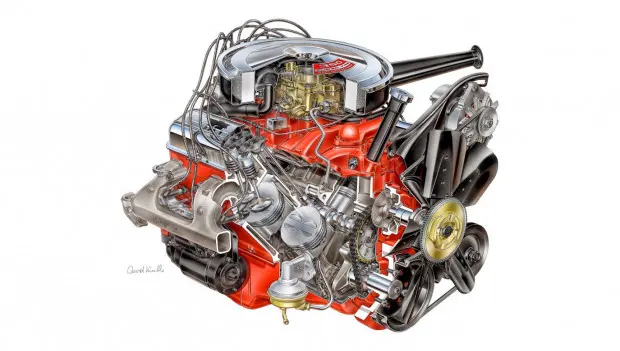
When someone mentions American engines, what comes to mind first? The classic V8s from the muscle car era, of course. Many of them delivered plenty of horsepower and solid torque but weren't known for durability or ease of maintenance—just tuning a Rochester or Edelbrock four-barrel carburetor was enough to prove that. That doesn't mean American automakers haven't built engines with exceptional longevity, reliability, and straightforward maintenance. Here's a list of the best American engines known for racking up hundreds of thousands of miles while continuing to run strong.
1. Chrysler Slant Six
The Chrysler Slant Six is a rugged inline-six engine ranging from 170 to 225 cubic inches (2.8 to 3.7 liters). It was installed in a wide variety of passenger cars, trucks, as well as marine, agricultural, and industrial equipment from 1959 to 1991 in the United States and until 2000 in Mexico.
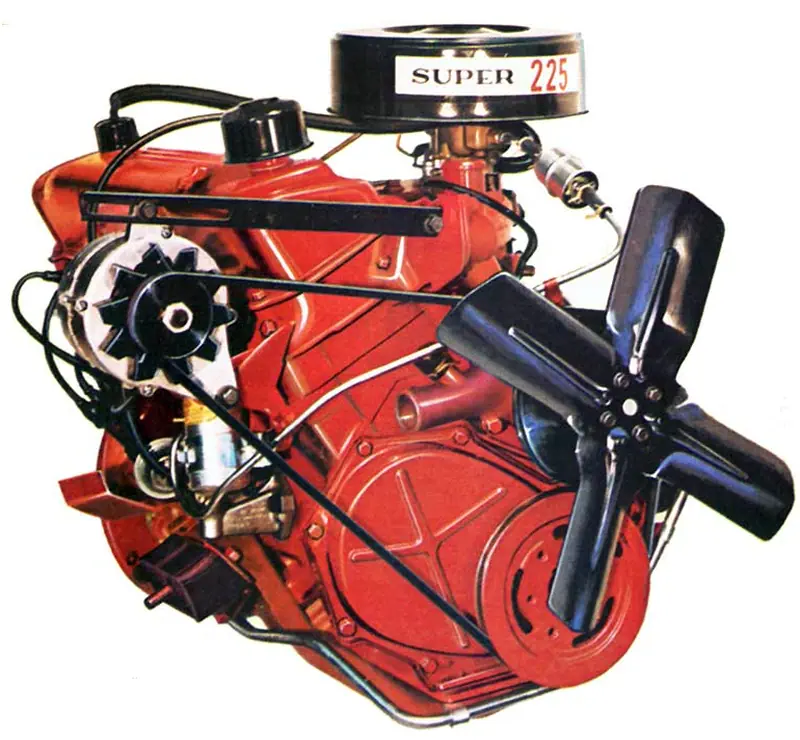
The Slant Six was designed from scratch under the direction of engineer Willem Weertman, who later became Chrysler's chief engine designer. Its distinctive 30-degree cylinder block angle reduced the engine's overall height, allowing designers to lower the hood line. It also made it possible to relocate the water pump to the side, significantly shortening the engine and reducing the amount of underhood space required for future vehicle designs.
The Slant Six intake manifold provided even fuel distribution across all cylinders. Most versions used a single one-barrel carburetor. Throughout its production run, the Slant Six earned a reputation as a dependable engine, and American drivers appreciated its fuel efficiency, compact size, and ease of repair. A 41-year production run speaks for itself.
2. Chevrolet Small Block Gen III/IV
Few would argue against the durability and reliability of Chevrolet's third- and fourth-generation Small Block V8 engines. Listings for used Chevrolet and GMC trucks with more than 310,000 miles on their original engines are common on American used vehicle marketplaces.
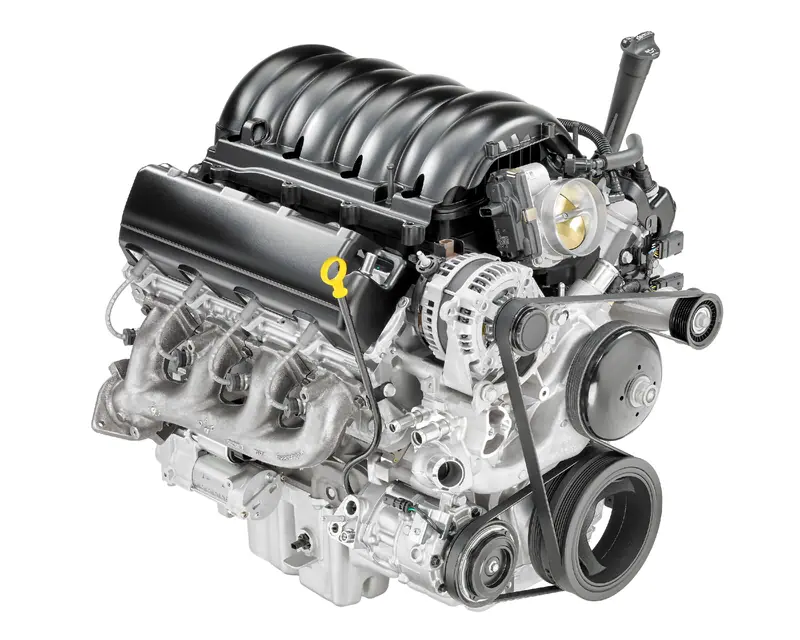
This gasoline V8 became a worthy successor to the Small Block name, incorporating the best engineering advancements from earlier generations. The family debuted in 1997.
Small Block engines are known not only for their reliability but also for their ability to handle massive amounts of boost from aftermarket turbocharger setups. Countless YouTube dyno videos of turbocharged builds demonstrate their strength and easily convince even the biggest skeptics. It's easy to understand why they became GM's primary V8 platform for both trucks and passenger vehicles.
3. Ford 300 4.9L Inline-Six
Among all the inline-six engines on this list, the Ford 300 is arguably the toughest and most reliable.
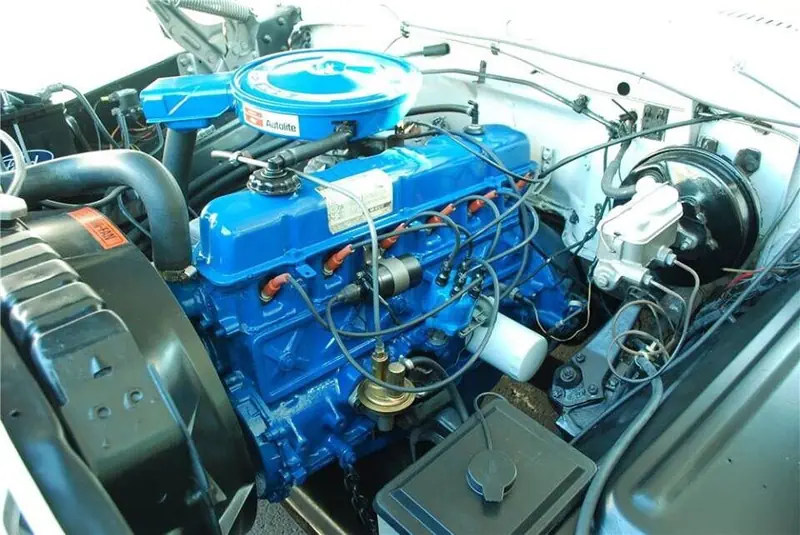
Built from 1965 through 1996, the all-cast-iron engine—with both cast-iron block and cylinder head—became the trusted workhorse for Ford F-Series pickups, E-Series vans, and later third- and fourth-generation Broncos.
Depending on the model year and configuration, output ranged from 100 to 170 horsepower and from 164 to 283 lb-ft of torque.
While most engines use a timing chain or timing belt, the Ford 300 uses timing gears. Chains and belts wear, stretch, and sometimes fail at the worst possible moment, while a gear-driven timing system remains highly reliable and reduces the risk of catastrophic engine failure. The downside is increased mechanical noise compared with chain- or belt-driven engines, but it's rare to hear fans of Ford's "Blue Oval" complain about that on the Ford 300.
4. AMC/Jeep 4.0L
When Chrysler acquired the struggling American Motors Corporation in 1987, it also inherited one of the finest modern inline-six engines.
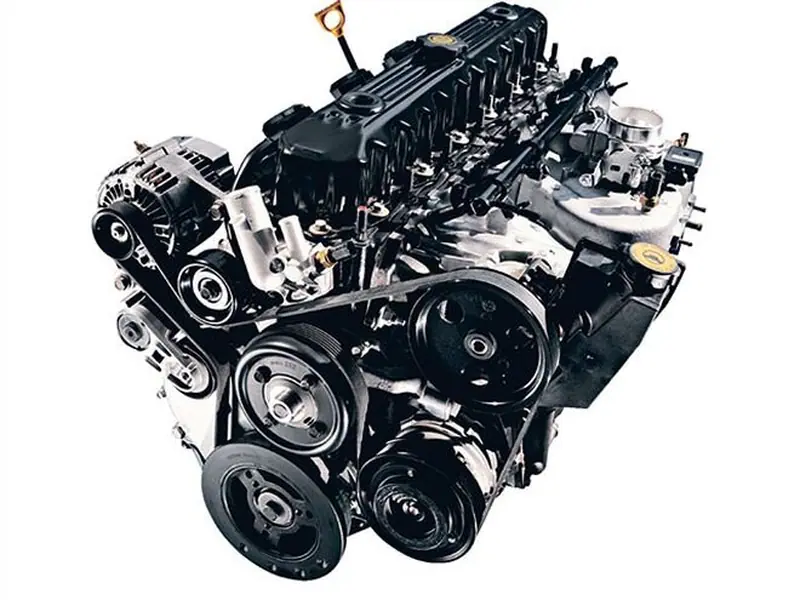
Building on the strengths of AMC's earlier inline-six designs, the 4.0L was an impressive engine for the 1980s and featured electronic fuel injection. Producing between 177 and 190 horsepower with a broad torque curve, the 4.0L became known for regularly exceeding 310,000 to 373,000 miles without requiring a major overhaul.
Chrysler continuously refined and updated the engine over its 19-year production run from 1987 to 2006, making it quieter and more powerful. During that time, it served as the primary powerplant across the Jeep lineup. Its exceptional durability and torque characteristics made it an ideal SUV engine.
The only major blemish on its reputation involved poorly cast cylinder heads produced during the 2000-2001 model years. They were prone to developing small cracks that allowed coolant to mix with engine oil, often leading to engine failure if the issue wasn't addressed promptly.
5. Buick 3800
Tracing its roots back to the Buick Fireball V6 of the early 1960s, the 3.8-liter Buick 3800 evolved into a modernized engine for the 1980s and beyond.
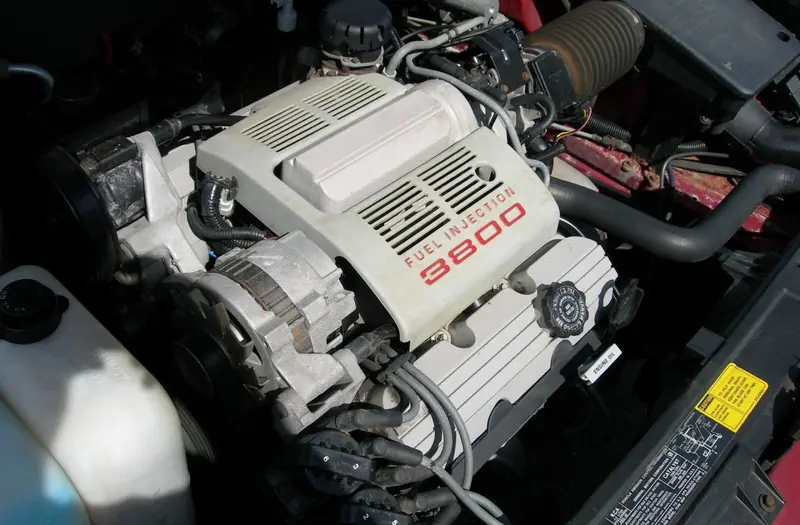
It was developed in response to rising gas prices as an alternative to thirstier V8 engines. Produced in three generations, the 3800 became famous for being nearly impossible to wear out regardless of who was behind the wheel.
Series I and Series III engines are considered the most reliable, while Series II engines experienced some cylinder head gasket issues. When caught and repaired early, those problems generally didn't affect the engine's long-term reputation.
Popular in GM full-size cars from the late 1980s onward, the 3800 powered Buick, Pontiac, Oldsmobile, and select Chevrolet models through 2008. Output ranged from 100 to 300 horsepower depending on the version and model year.
6. Ford 4.6L 2-Valve Modular V8
When Ford's Modular engine family began replacing the venerable 5.0L Windsor V8 in the early 1990s, many Ford enthusiasts reacted negatively.
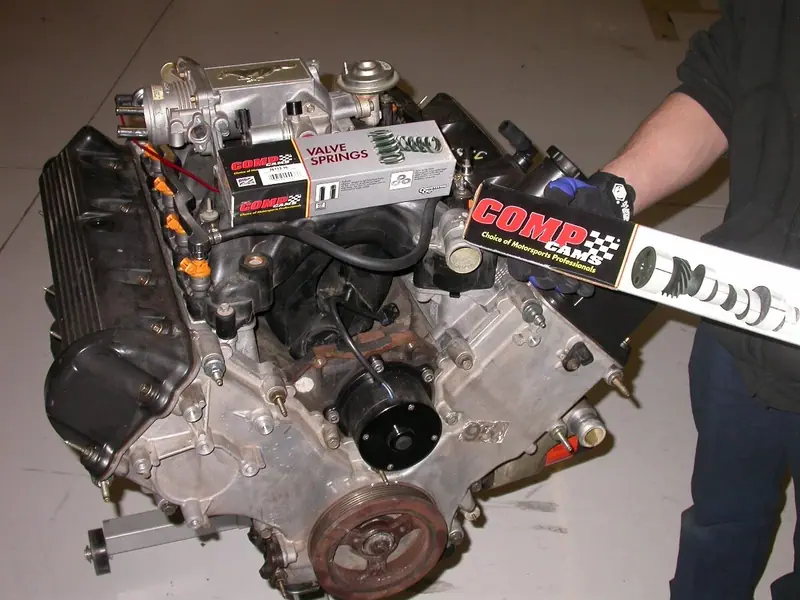
Introduced in the 1991 Lincoln Town Car before gradually spreading across most Ford V8 models, the 4.6L two-valve V8 proved to be an outstanding engine for everyday drivers.
These engines routinely surpassed 310,000 miles and earned a reputation for durability in Panther-platform Crown Victorias used extensively by police departments and taxi fleets.
For the 2000-2001 model years, Ford introduced an updated version with slightly higher output while fixing the long-standing issue of polymer composite intake manifolds that were prone to cracking.
Produced through 2014, the 4.6L 2V delivered exceptional durability and years of dependable service for Ford owners.
7. Iron Duke / Tech IV 2.5L
Developed by Pontiac Motor Division in the late 1970s to address rising oil prices, the 2.5L Iron Duke was designed for long-lasting, affordable operation.
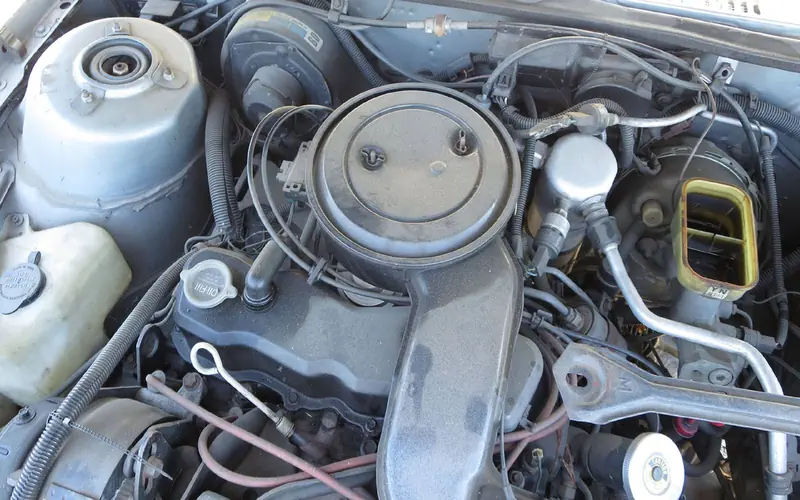
Like the Ford 300 inline-six, this inline-four used heavy-duty timing gears that maintained accurate valve timing throughout the engine's life.
Featuring a cast-iron block and cast-iron cylinder head, the Iron Duke proved significantly more durable and reliable than the earlier Vega four-cylinder engine and quickly found its way into numerous GM vehicles.
Updated in the early 1980s as the Tech IV, it received electronic fuel injection and became the standard engine for Pontiac's ambitious mid-engine Fiero sports car beginning with the 1984 model year.
It also became known as what many consider the worst engine ever offered in the Camaro. Chevrolet introduced the third-generation Camaro for 1982 with a 90-horsepower Iron Duke. It lacked the performance expected from a Camaro but made up for it with outstanding durability and an unwillingness to quit.
In 1987, Grumman selected it to power vehicles for the United States Postal Service. Many of those vehicles remained in service for more than 30 years with the 2.5L Tech IV under the hood.
8. Chrysler 318 / Magnum 5.2L V8
Within Chrysler's LA engine family, the 340-cubic-inch (5.6-liter) version often gets most of the attention. Known as a "giant killer," the 340 delivered performance far beyond what its displacement suggested during the muscle car era.
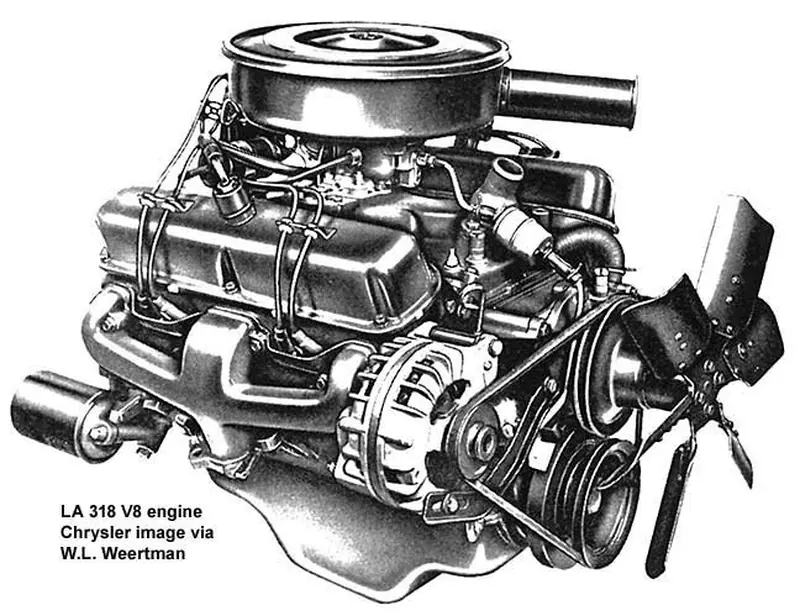
Its smaller sibling, the 318-cubic-inch (5.2-liter) V8, was designed as a smooth-running, low-stress, fuel-efficient alternative to the Slant Six inline-six.
Produced from 1968 through 2002, the engine received roller camshafts, aluminum cylinder heads, electronic fuel injection, and a new name—the Magnum 5.2—in 1992.
The 318/Magnum 5.2 powered a wide range of Chrysler cars and trucks, along with numerous Jeep models after Chrysler acquired AMC in 1987.
More recently, the 318 has become popular among racers thanks to the wide availability of aftermarket performance parts and the ease of converting it into a powerful 390-cubic-inch version.
9. Ford Lima 2.3L
Also known to many as the "Pinto engine," the Ford Lima 2.3L debuted in the Ford Pinto.
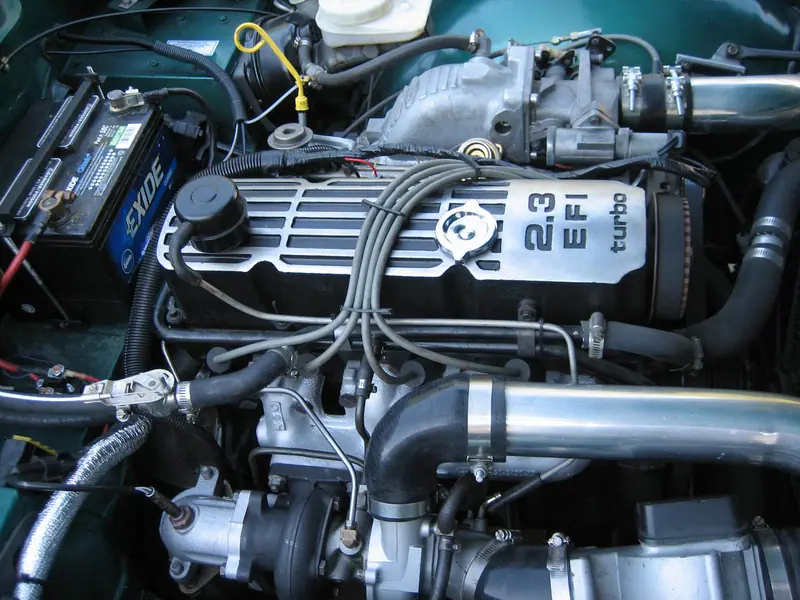
Originally developed for Ford of Europe, the engine eventually proved itself in the United States, where it was updated and produced at Ford's engine plant in Lima, Ohio.
With the addition of turbocharging, the 2.3L powered some of Ford's most iconic performance models of the 1980s, including the Thunderbird Turbo Coupe and Fox-body Mustang SVO.
Replaced by Duratec engines around the turn of the century, the Lima 2.3L spent nearly 30 years powering numerous Ford cars and trucks.
These engines proved reliable and durable, although their all-cast-iron construction made them heavy for a four-cylinder. The smallest member of the family displaced 1.3 liters and produced 58 horsepower, while the largest 2.3-liter version made as much as 190 horsepower in the Thunderbird Turbo Coupe.
10. Chevrolet Small Block Gen I/II
The legendary Chevrolet Small Block narrowly edged out Ford's Windsor small-block V8 to claim the top spot on this list.
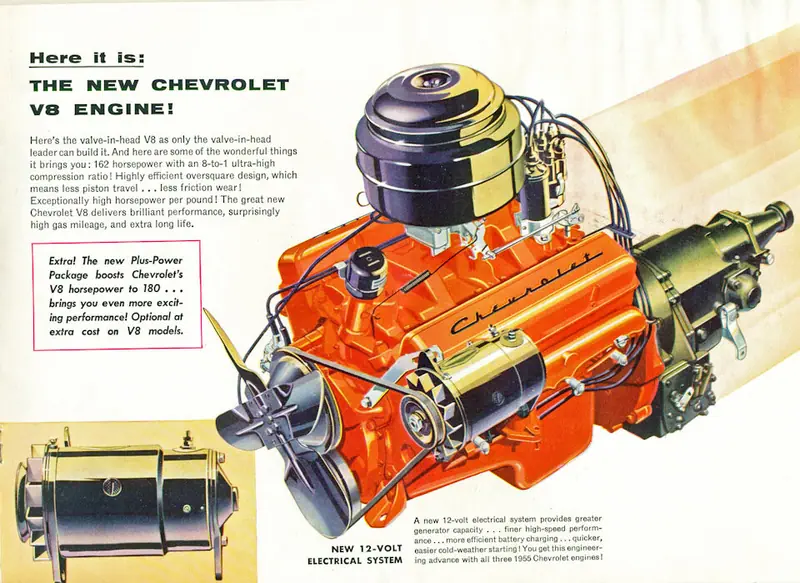
Both engines are exceptionally durable, but Chevrolet produced the first- and second-generation Small Block longer than Ford built the Windsor.
Produced from 1954 through 2003, the original Chevrolet Small Block enjoyed an extraordinarily long production run because it was durable, long-lasting, and easy to repair.
Despite a few years of lower quality in the late 1970s and early 1980s caused by shortages of high-quality camshaft castings, the Chevrolet Small Block is still regarded as one of the most reliable engines ever built in the United States.
The second generation, introduced in the late 1980s, featured improved cooling, more advanced fuel injection, and an upgraded ignition system. These changes increased both performance and durability.
Even though its design dates back to the 1950s, the Chevrolet Small Block outlasted many of its competitors and remained in continuous production for nearly 50 years.
You may also be interested in the news:
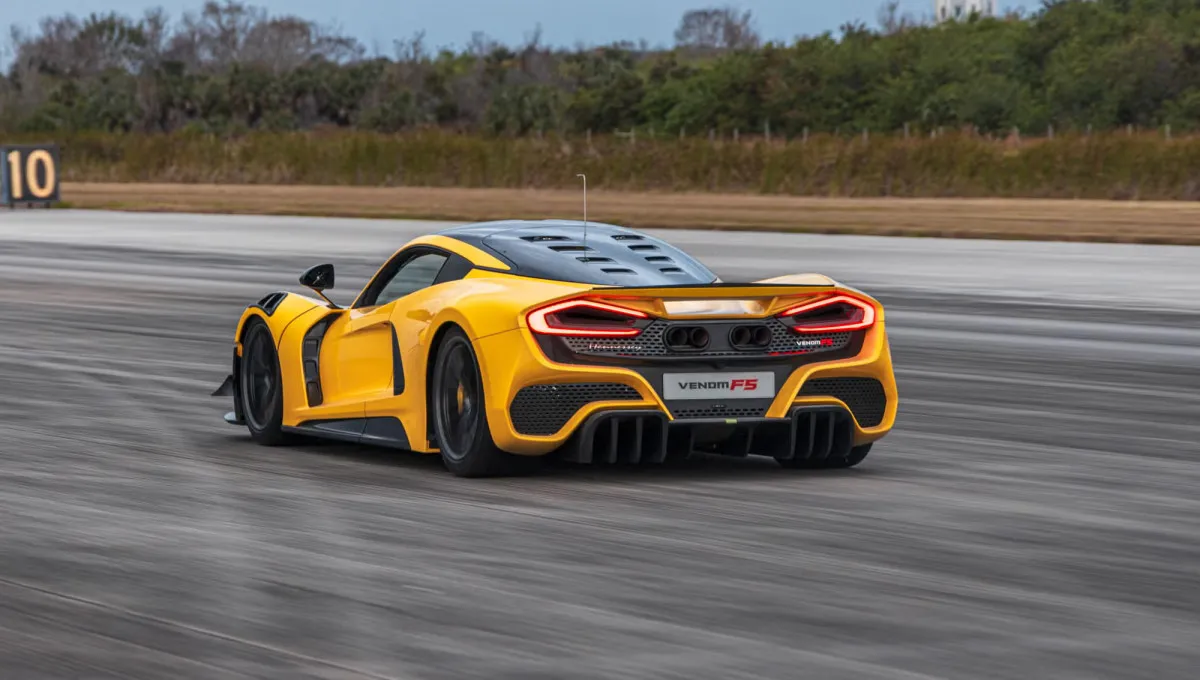
Experts Name the Two Most Powerful Production Sports Cars in the U.S.
American sports cars continue to impress with their horsepower, speed and innovative engineering, with two models standing above the rest.
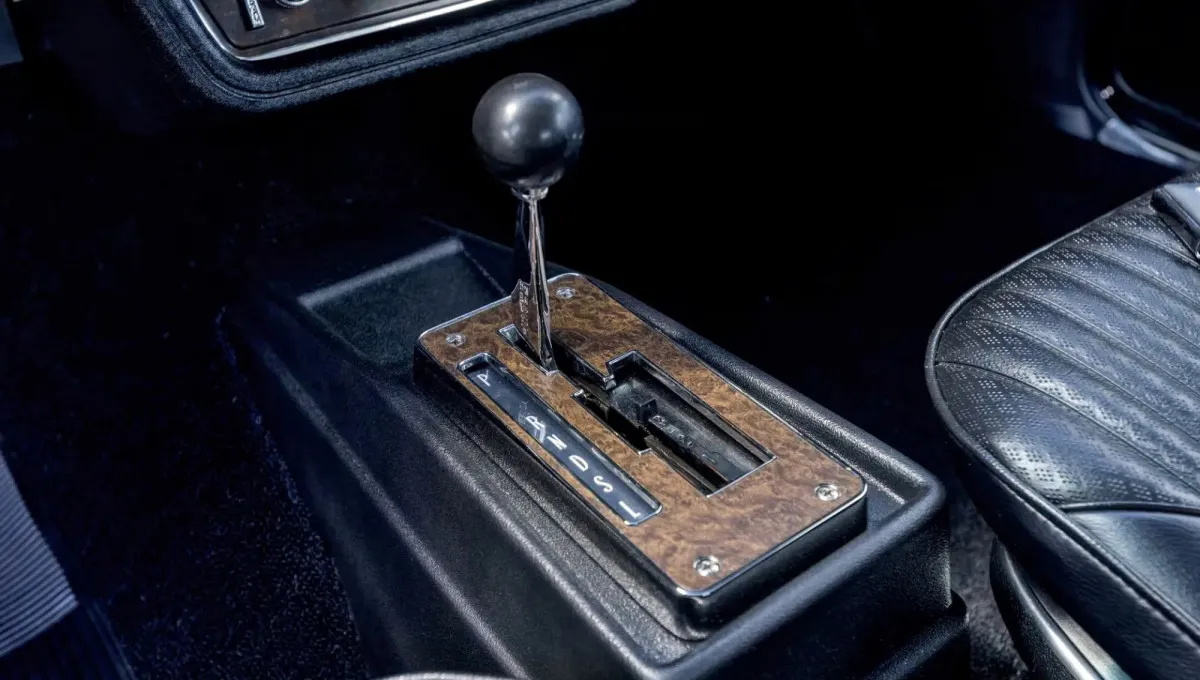
How Oldsmobile Invented a Manual Gearbox for an Automatic
Long before paddle shifters and electronic driving modes, Oldsmobile found a clever mechanical way to let drivers shift an automatic transmission themselves.
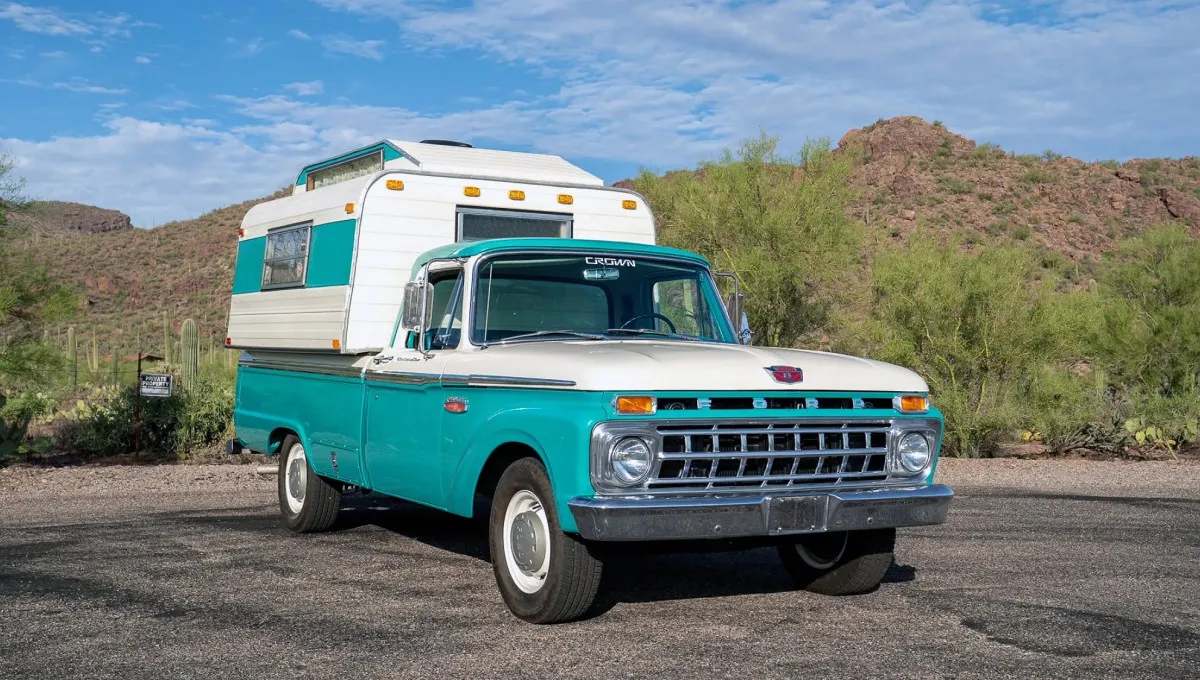
This 1965 Ford F-250 With a Mitchell & Sons Camper Is a Charming Retro Travel Companion
The 1965 Ford F-250 and Mitchell & Sons camper share colors, period styling, and compatibility.
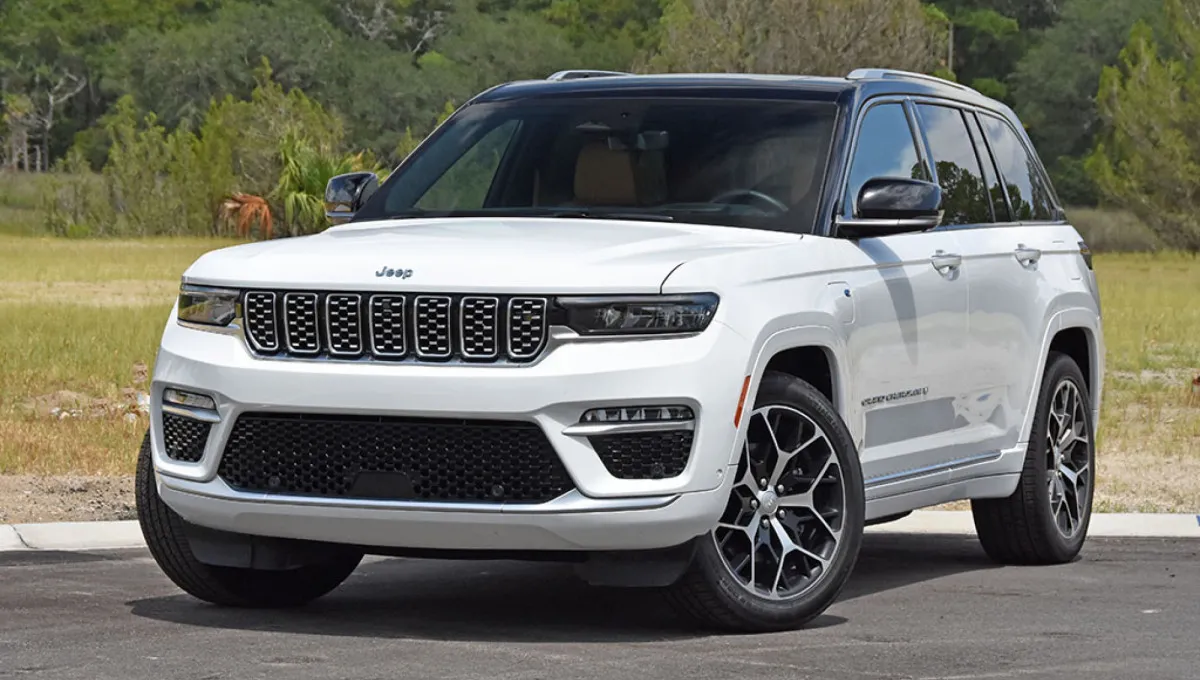
328,000 Jeep Grand Cherokees Recalled Over a Hidden Crash Risk — Owners Should Act Now
Chrysler is recalling more than 328,000 Jeep Grand Cherokees over a rear coil spring problem that could increase the risk of a crash.
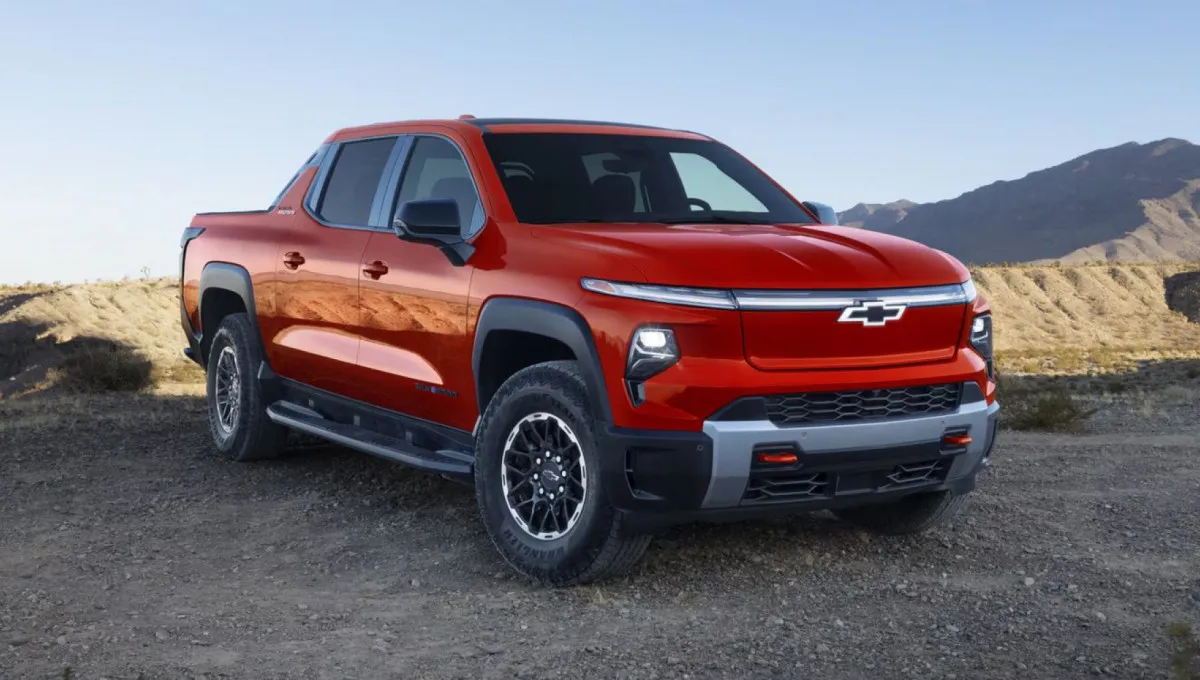
Chevrolet Raises Prices on 2027 Silverado EV and Cuts the Lineup
Chevrolet raises 2027 Silverado EV prices and cuts two trims amid weak electric-pickup demand in the market.