
Mechanics Warn Drivers About the “Danger Zone” RPMs That Can Destroy Even Reliable Engines
Pushing your engine into the redline too often can shorten its lifespan faster than many drivers realize.
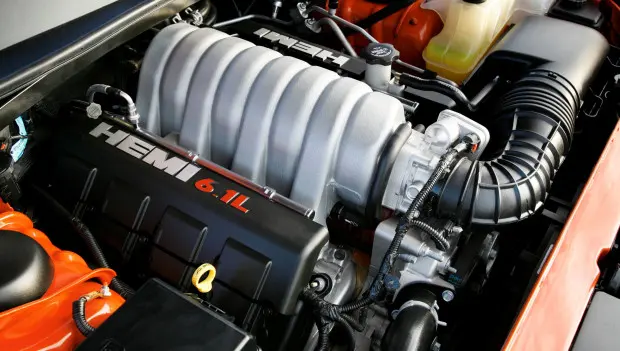
Every internal combustion engine is designed to operate within a limited RPM range. That’s why nearly every tachometer has a red zone starting somewhere around 6,000 to 8,000 rpm or higher. Sooner or later, many drivers wonder the same thing: is it actually safe to push an engine that hard, and how long will it survive under those conditions? The answer isn’t as simple as it may seem.
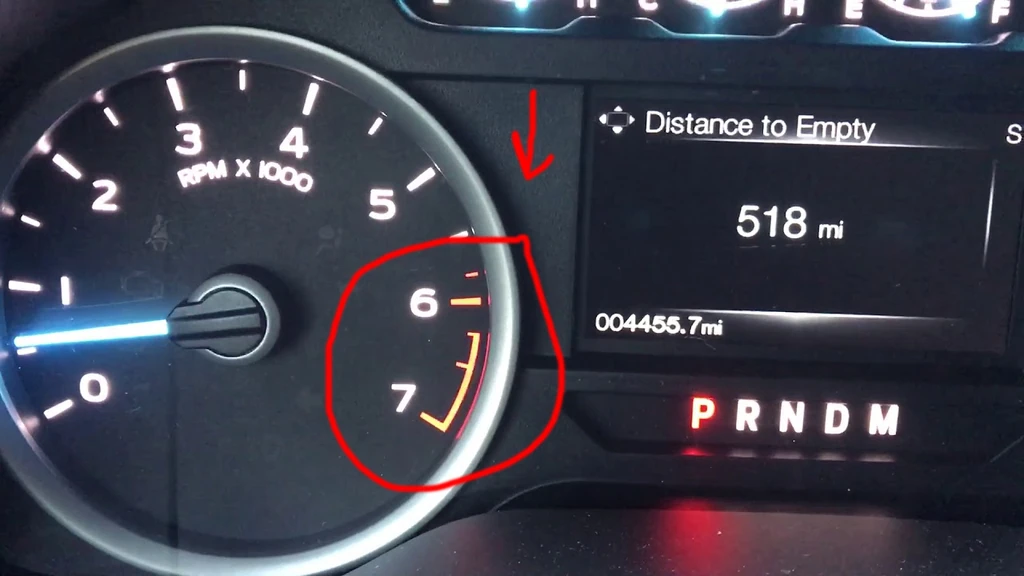
First, it’s important to understand what the redline really means. The red zone marks the point where the engine is operating under maximum stress. At that stage, every major component inside the powertrain is working at its limit, and all supporting systems — cooling, lubrication, fuel delivery — are under significantly heavier load than during normal driving.
In other words, the engine is essentially operating in a high-wear state where even a small hidden issue can turn into a major failure. For example, if the cooling system is already weakened or overdue for service, sustained high-RPM driving could easily lead to overheating and, eventually, a costly engine rebuild.
There’s also another important point many drivers overlook: modern engines usually don’t need extremely high RPMs to make peak power.
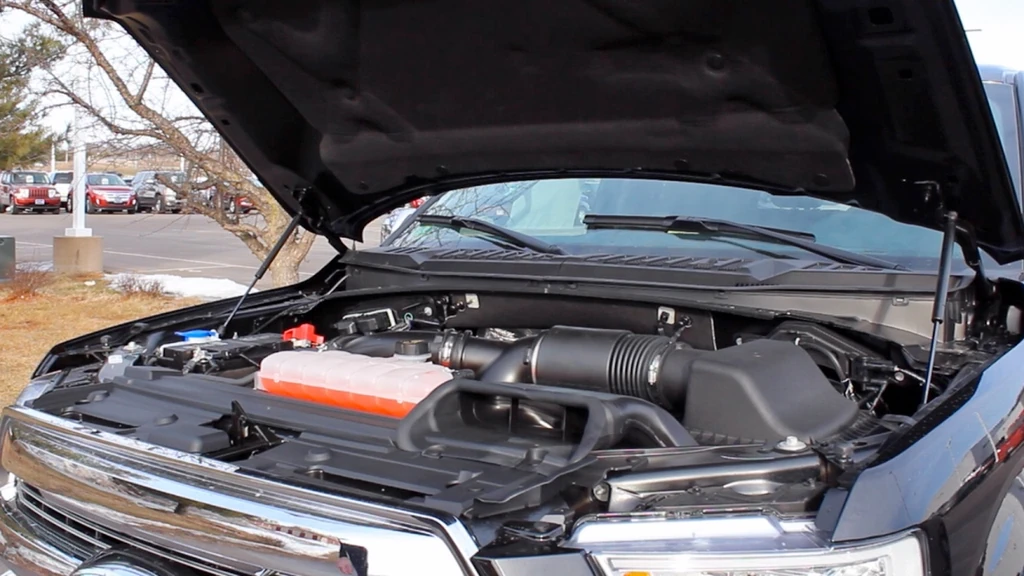
Most naturally aspirated engines found in everyday passenger cars deliver maximum output somewhere between 3,000 and 5,000 rpm. Turbocharged engines often reach peak torque and power even earlier. That means revving the engine all the way to redline usually doesn’t provide much additional performance in real-world driving.
That said, brief trips into the red zone are generally built into the engine’s design. Automakers expect situations where drivers may need maximum acceleration, such as during a highway pass or emergency maneuver.
On vehicles with automatic transmissions, the electronic controls typically prevent the engine from over-revving. Manual transmission cars are a different story since RPM control depends entirely on the driver and shift timing.
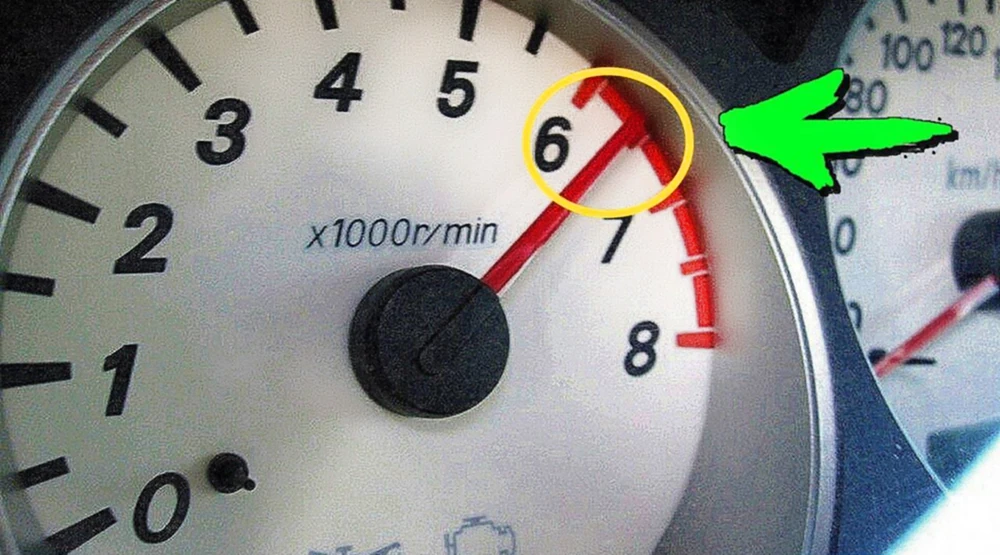
A healthy, properly maintained engine can usually handle short bursts of maximum RPM without major issues, provided it has enough oil, no cooling problems, and receives regular maintenance. But even a strong engine needs time to recover afterward.
That’s why technicians recommend reducing engine load after aggressive driving. In some cases, especially after repeated high-speed runs, it’s smart to let the engine idle for a few minutes before shutting it off completely.
You may also be interested in the news:
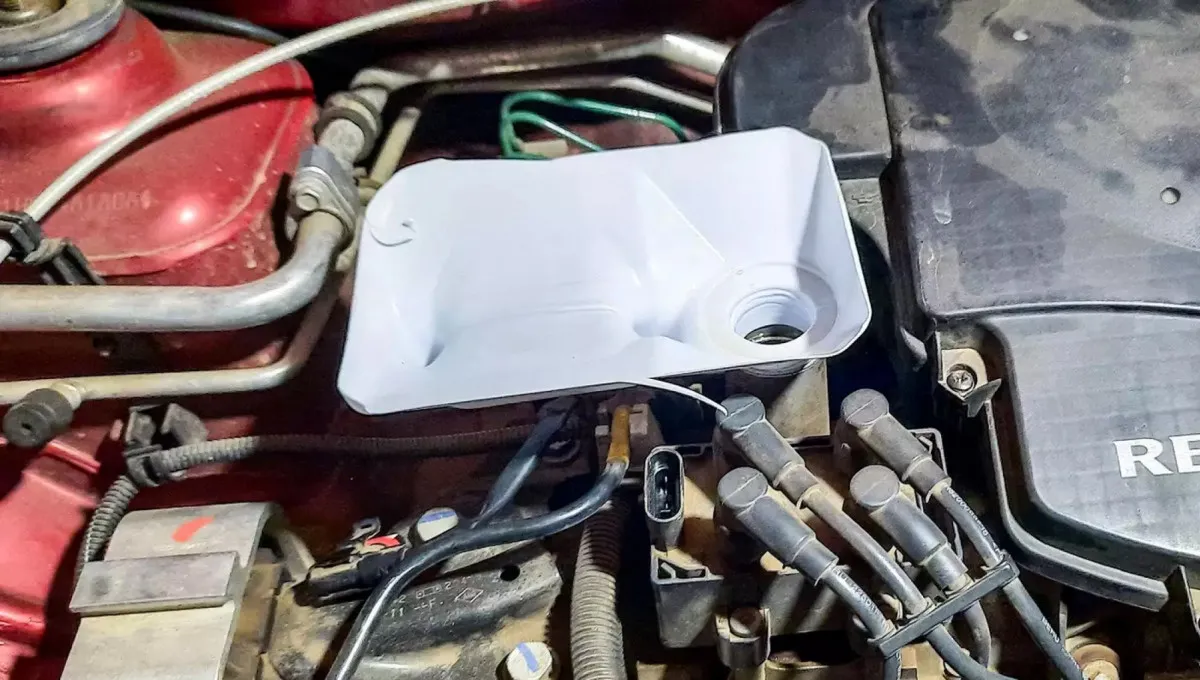
This Simple DIY Trick Makes Adding Engine Oil Cleaner and Easier
A simple homemade funnel helps drivers add engine oil cleanly, avoid spills, and reach hard-to-access filler openings.
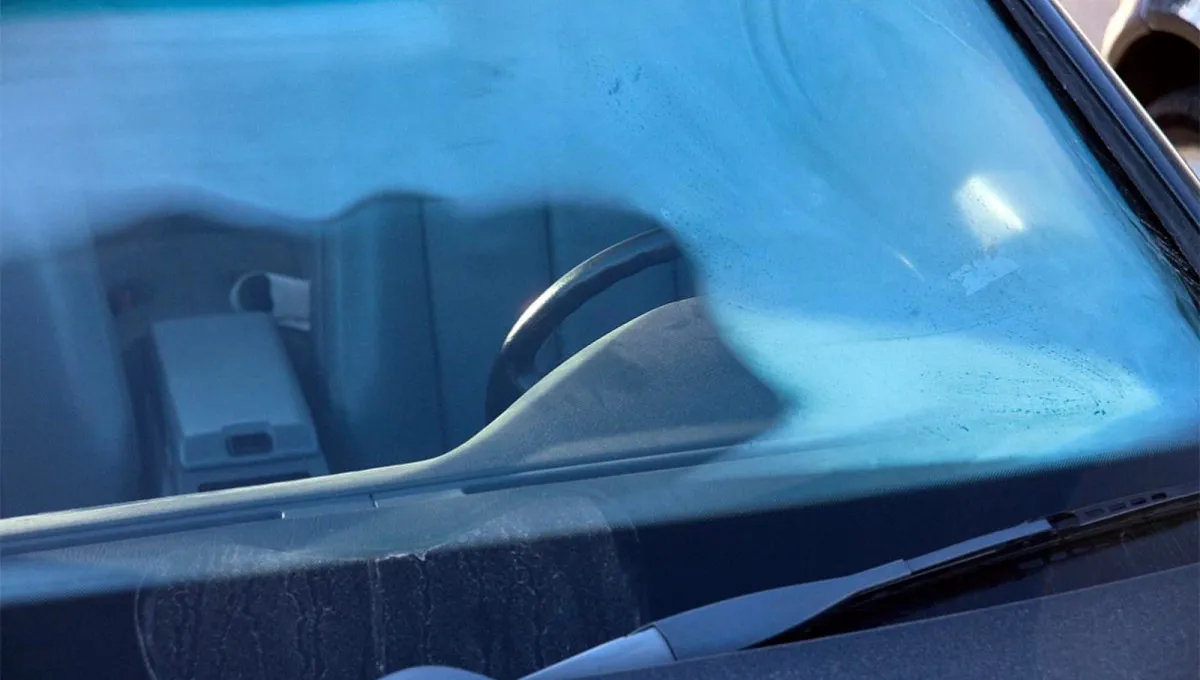
Foggy Windows in Dry Weather: What Problem Could This Indicate?
Foggy car windows can signal anything from excess cabin moisture to a clogged air filter or a hidden coolant leak.
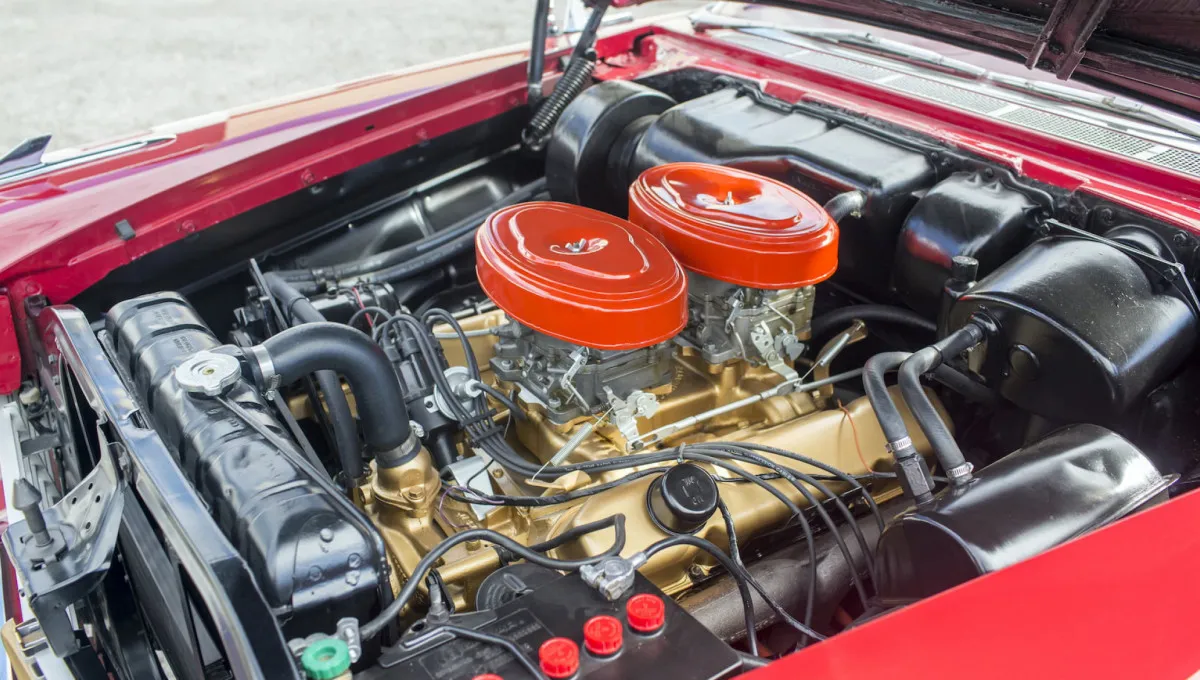
Chrysler’s Hemi Was Too Expensive to Build. Its 1958 Plan B Became a V8 Legend
After its famous Hemi V8s, Chrysler took a new direction in 1958 with a simpler, more affordable engine.
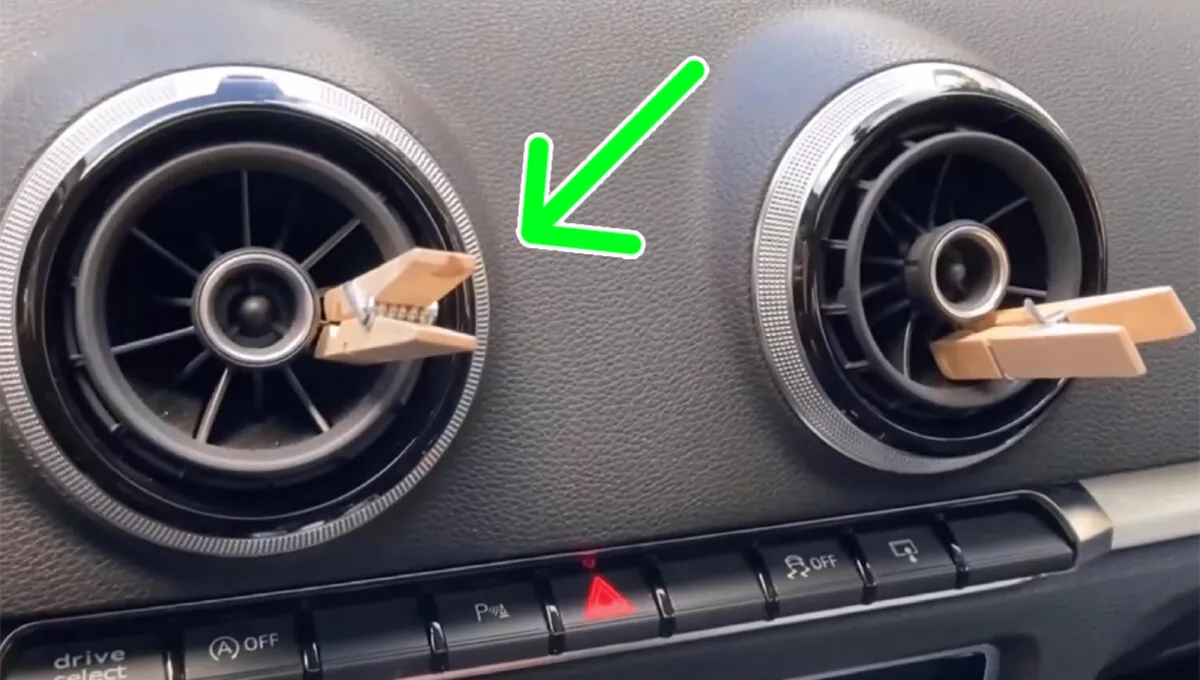
Why Experienced Drivers Keep a Simple Wooden Clothespin in Their Cars
A wooden clothespin clipped inside a car might look out of place, but some drivers use it for several surprisingly practical purposes.
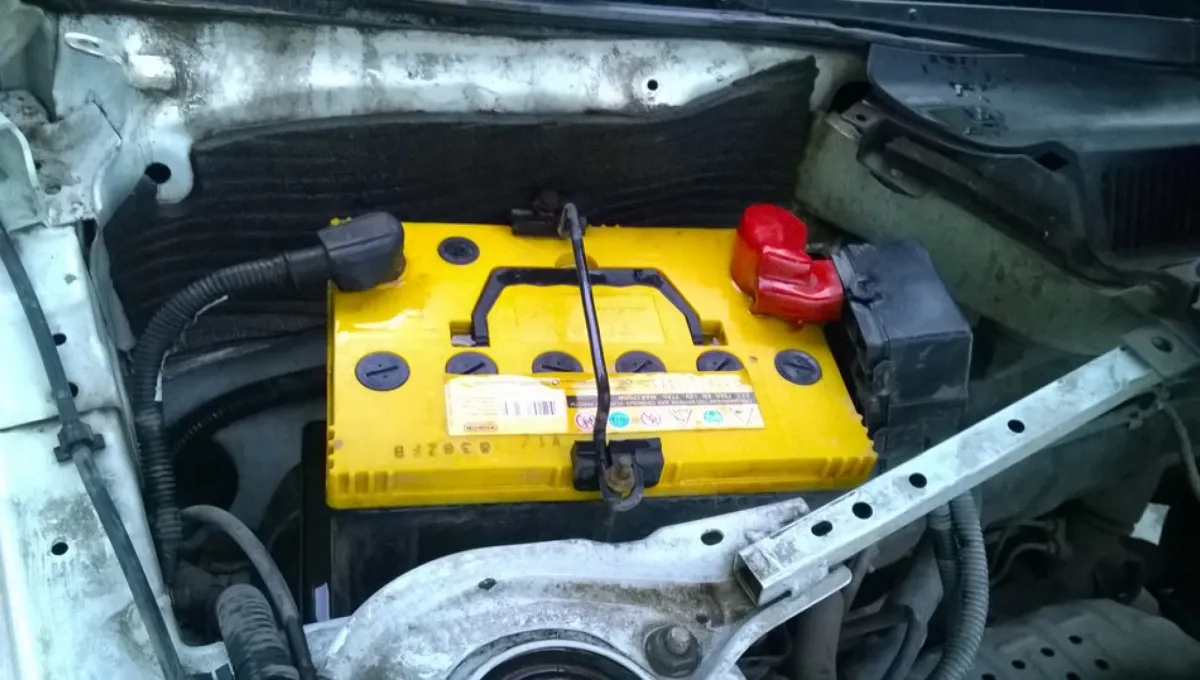
Car Won’t Start When Temperatures Drop? 4 Battery Checks Every Driver Should Make in October
A few simple battery checks in October can help prevent cold-weather starting problems when winter temperatures arrive.