
Many Drivers Don’t Know What the “2” and “L” Modes on an Automatic Transmission Are For — and When to Use Them
You can’t figure out the purpose of these modes at a glance, there’s no time to read the manual, and experimenting feels risky.
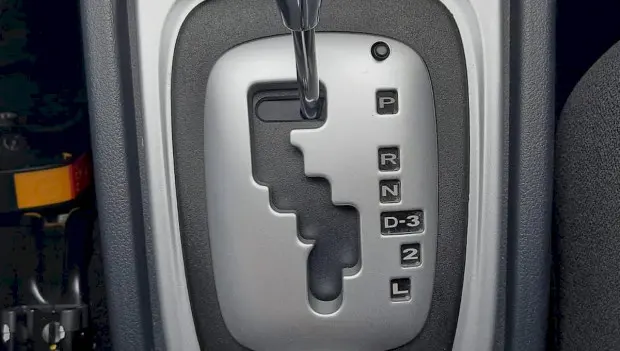
Driving a modern vehicle with a traditional torque-converter automatic can feel like a quiet tug-of-war. The driver and the computer are both trying to optimize the transmission—keeping engine revs low while still maintaining decent pulling power and acceleration.
On older automatic transmissions, however, the driver had much more direct control. The shifter console often featured a whole row of letters and numbers.
For many motorists, that was confusing. You couldn’t tell what a specific mode did just by looking at it. There was no time to read the owner’s manual, and experimenting felt like it could get expensive.
As a result, most drivers rarely used all the available transmission settings—even though some of them could genuinely save the day when used correctly.
Who Needs “L” Mode?
Take the famous “L” setting. Over the years, drivers have tried to decode it as “Last,” “Low,” or even “Long”—none of which clearly explain its real purpose. The most accurate interpretation is closer to “Lock.”
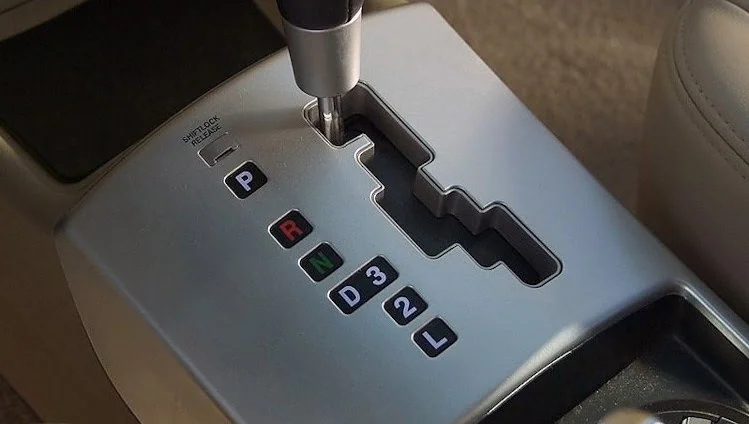
But this has nothing to do with locking a differential. It refers to locking the transmission’s gear range. Shifting into “L” prevents the transmission from upshifting or downshifting automatically. It’s essentially like selecting and holding first gear in a manual transmission.
Why would you need that? Simple.
Imagine a vehicle with an older automatic transmission stuck in wet clay, fresh snow, or a deep snowdrift. These older gearboxes don’t have sophisticated electronics to detect surface conditions. Naturally, the driver presses the gas pedal to escape the rut, revving the engine higher and higher.
The Wheelspin Problem in Automatics
With a manual transmission, the drive wheels (front or rear—it doesn’t matter) wouldn’t instantly spin to maximum RPM. Instead, they would rotate more gradually, trying to maintain traction between the tire tread and the ground or snow surface. At some point, the friction would be enough to move the vehicle forward and get it unstuck.
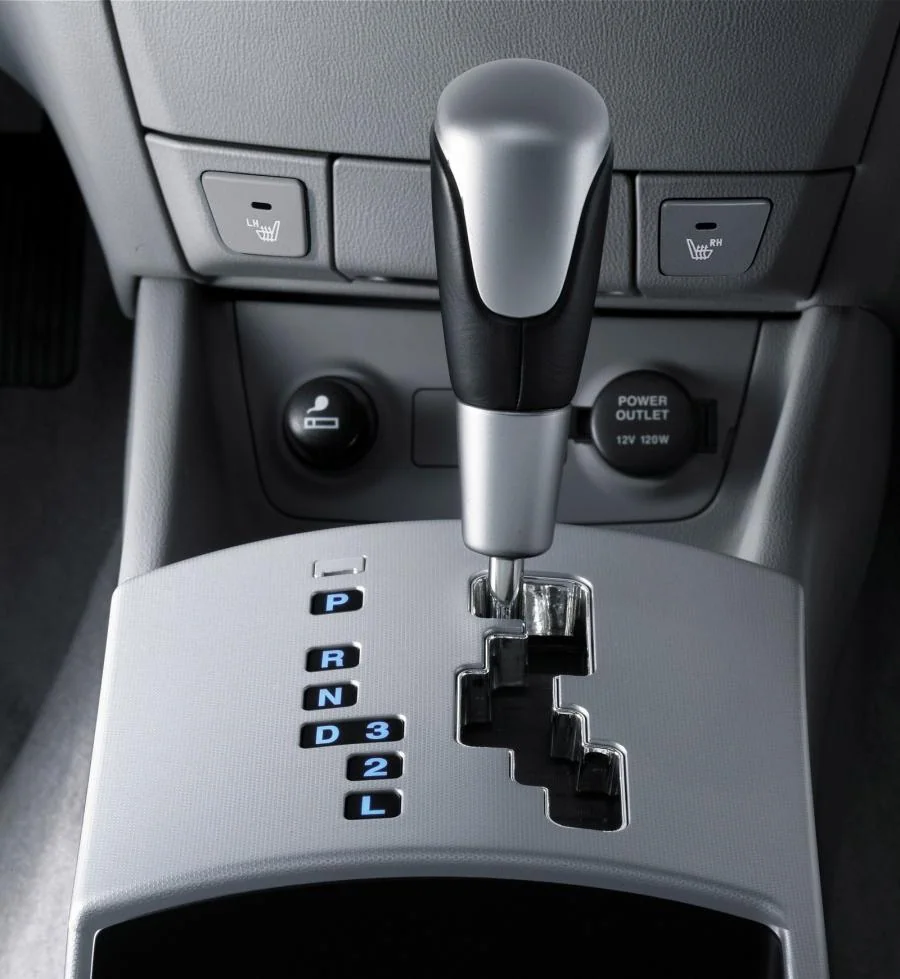
Older automatics behave differently. As engine RPM increases, the transmission may upshift, which can actually increase wheel speed even more.
The result is constant loss of traction—wheelspin. From the transmission’s perspective, the car is accelerating down the highway, so it “logically” shifts to the next gear.
That’s where “L” mode comes in. It locks the transmission in first gear. The vehicle moves slowly through mud or snow under steady load, minimizing unwanted upshifts. However, in real off-road conditions, first gear alone is often not enough.
Why You Need “2”
Experienced drivers know that to get through a washed-out dirt road or a snow-covered stretch, a good engine and first gear alone aren’t always sufficient.
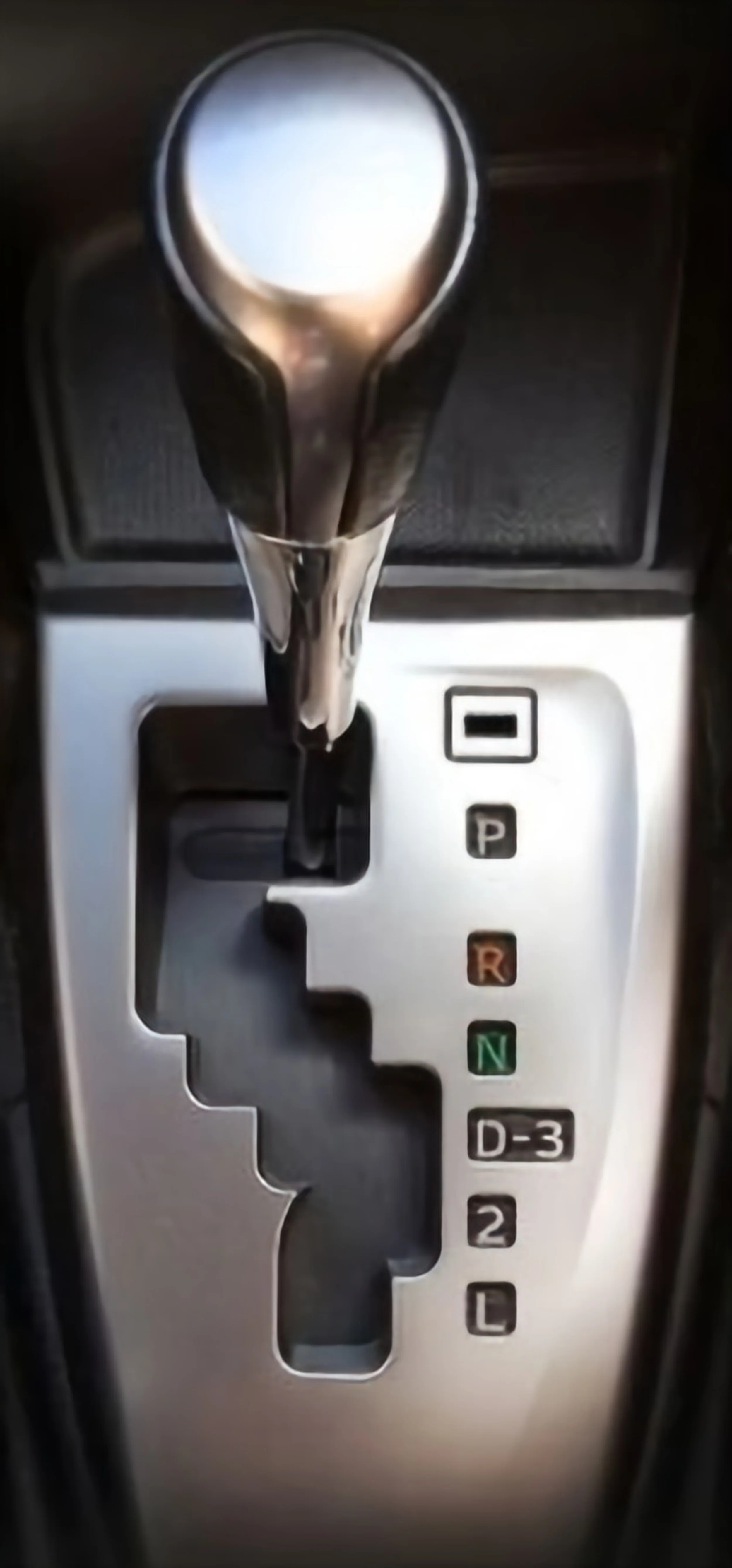
First gear works for a small puddle. But to power through a series of muddy ruts, water-filled holes, or snowbanks, you need momentum. Building even a modest amount of speed creates inertia, which helps the vehicle carry through obstacles.
In that situation, you should shift from “L” to “2.” In “2” mode, the automatic transmission operates only in first and second gears. It won’t shift into third. Second gear allows the vehicle to build some speed and carry momentum across rough patches without jumping into higher gears that could break traction.
What About “3”? Useful for Mountain Roads
Once you’re clear of the obstacle, you can switch to “3.” The principle is the same: the transmission won’t shift above third gear.
This setting is helpful when towing a trailer, climbing a long grade, or descending a mountain road. It allows for better engine braking on downhill stretches.
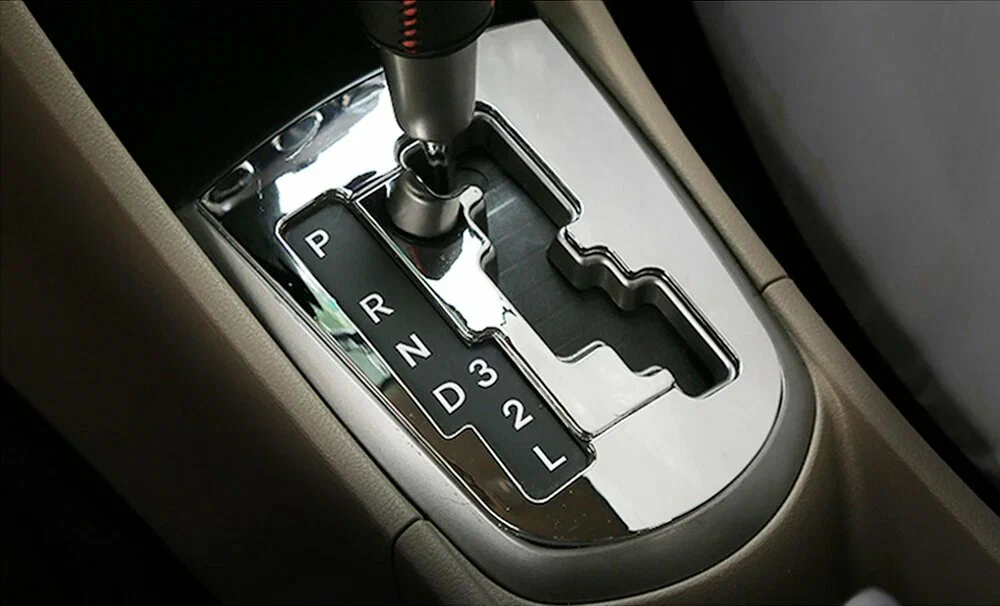
That said, experts don’t recommend extended downhill driving in this mode, as it increases wear on mechanical components and the torque converter.
Many modern automatic transmissions, equipped with advanced electronics that detect road surfaces and wheel slip, no longer include these old-style “L,” “2,” and “3” modes.
However, that doesn’t mean drivers won’t encounter them—especially in certain newer vehicles built with licensed older transmission designs. Some automakers, particularly from China, continue to produce or install earlier-generation automatic gearboxes that still use these traditional gear-selection modes.
You may also be interested in the news:
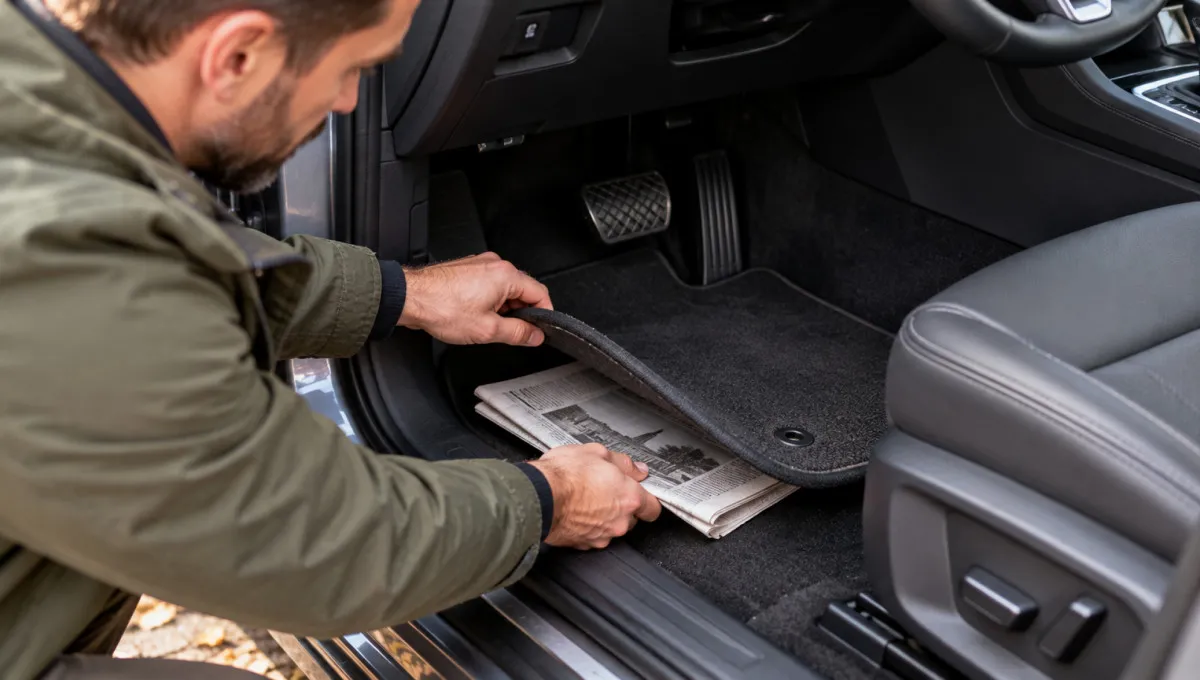
When the First Freeze Hits, Put Newspaper Under Your Floor Mat: An Old Winter Driving Trick
Newspaper under a floor mat can help protect a car's floor from winter moisture, but it requires regular attention.
How a Repair Shop Can Overcharge You: What Every Driver Should Know
An experienced mechanic knows how to increase a repair bill, and drivers should know what to watch for before approving work.
How to Find the Source of a Car Interior Rattle in 15 Minutes
A simple trick can help drivers pinpoint an annoying interior rattle without taking apart half the cabin or visiting a repair shop.
The Dent Can Disappear Without a Trace: How to Repair Car Body Damage Without Paint
Paintless dent repair can restore a damaged panel to its original shape, but only when certain conditions are met.

What Does a Flashing Red Traffic Light Mean? Can You Keep Driving?
Drivers must come to a complete stop at the stop line before deciding whether it is safe to proceed.