
Why Spark Plugs Get Flooded: Common Causes and How to Fix the Problem
Hard starts, rough idling, or sudden stalling can often be traced to flooded spark plugs and underlying engine problems.
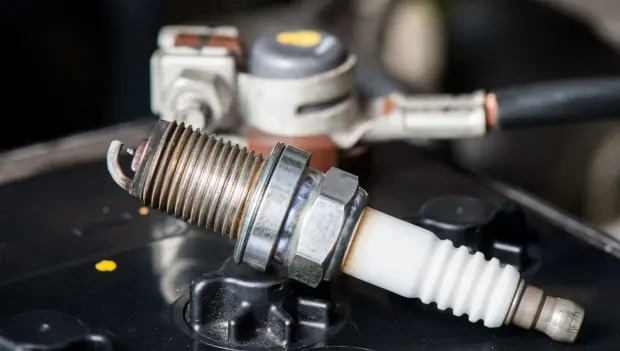
Does your car struggle to start, run rough, or stall immediately after firing up? One of the most common causes is flooded spark plugs. Here’s what actually happens when spark plugs get flooded, why it occurs, and how the issue can affect your engine over time.
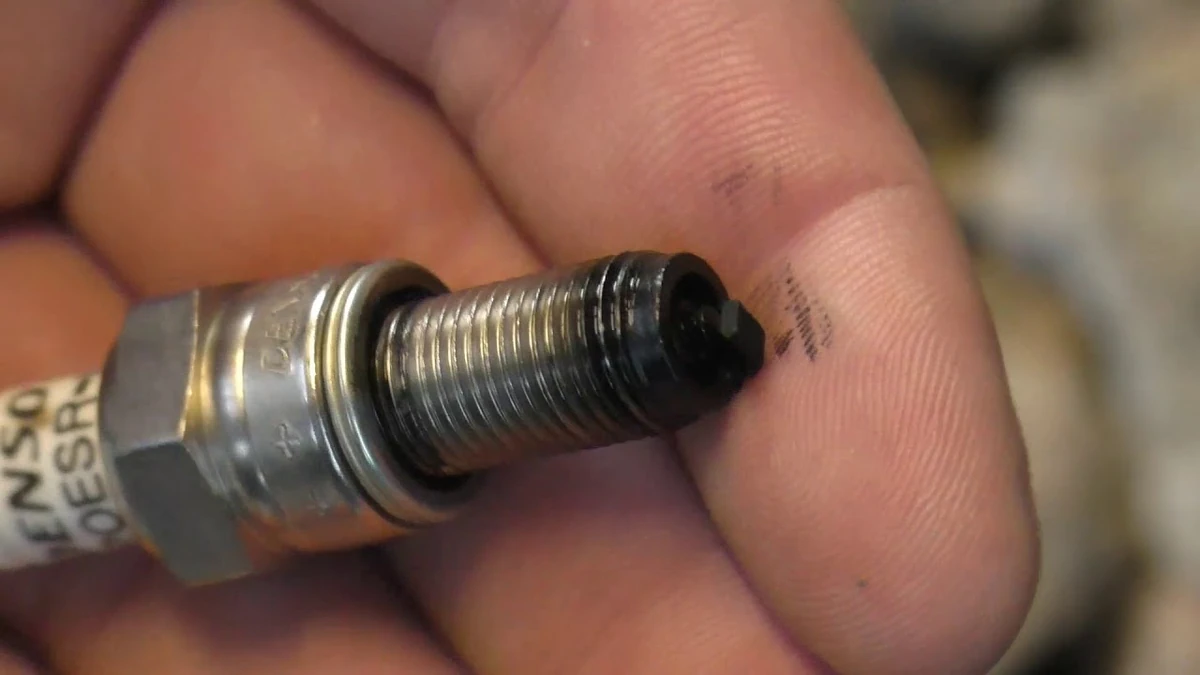
When mechanics say the plugs are “flooded,” they usually mean the spark plug electrodes have become soaked with gasoline. In that condition, the spark either cannot jump the gap properly or becomes too weak and unstable to ignite the air-fuel mixture. As a result, the engine may crank without starting, misfire badly, or shut off altogether.
There are several common causes behind the problem. The first is an excessively rich air-fuel mixture, meaning the engine is receiving more fuel than necessary. This can happen because of leaking fuel injectors, excessive fuel pressure, a faulty fuel pressure regulator, a malfunctioning coolant temperature sensor, mass airflow sensor, manifold absolute pressure sensor, oxygen sensor, or incorrect engine control unit calibrations.
Another frequent cause is weak or inconsistent ignition spark. Worn spark plugs, incorrect plug gaps, cracked insulators, failing ignition coils, damaged spark plug wires, ignition module problems, poor grounding, or low battery voltage can all prevent proper combustion. Fuel continues entering the cylinders, but it does not burn efficiently.
Flooded plugs are also common after repeated starting attempts, especially during cold winter weather. The starter keeps turning the engine over while the injectors continue spraying fuel, eventually soaking the plugs before the engine can fully ignite.
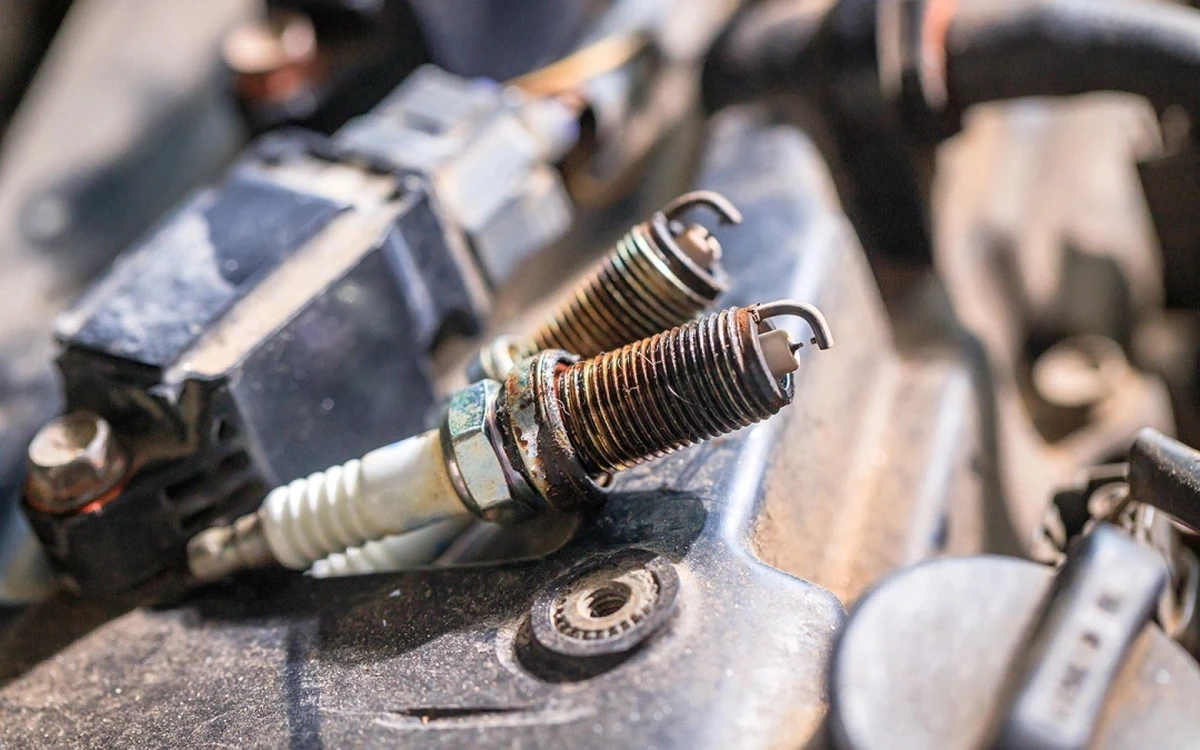
Low engine compression or internal engine wear can contribute as well. In these situations, the air-fuel mixture becomes harder to ignite during cold starts. Poor-quality or incorrect fuel may also play a role because it evaporates less effectively and disrupts normal combustion.
One of the biggest mistakes drivers make is simply removing and drying the spark plugs without identifying the root cause. Flooded plugs can lead to persistent misfires, increased fuel consumption, black exhaust smoke, gasoline dilution in the engine oil, and the loss of protective oil film on cylinder walls. Over time, that can accelerate internal engine wear.
Driving with constant misfires can also damage the catalytic converter because unburned fuel enters the exhaust system and causes excessive heat buildup.
The first thing drivers should avoid is repeatedly cranking the engine for long periods. On many fuel-injected vehicles, pressing the accelerator pedal fully to the floor during startup can activate a “clear flood” mode, reducing or temporarily cutting fuel delivery.

Proper diagnosis is the next step. Spark plugs should be removed and inspected, while technicians check spark strength, battery voltage, fault codes, coolant temperature readings, fuel trim data, fuel pressure, and injector operation.
If the spark plugs are old, heavily carbon-fouled, damaged, or incorrectly gapped, replacement is usually necessary. However, if brand-new plugs quickly become wet again, the real issue likely lies elsewhere — usually within the fuel mixture, ignition system, or engine compression.
Drying flooded spark plugs may provide a temporary fix, but it will not solve the underlying mechanical or electrical problem.
You may also be interested in the news:
How to Reduce Tire Damage on Pothole-Filled Roads
Even a small pothole can cause serious trouble for a car. A hard hit can damage a tire, including its internal structure.
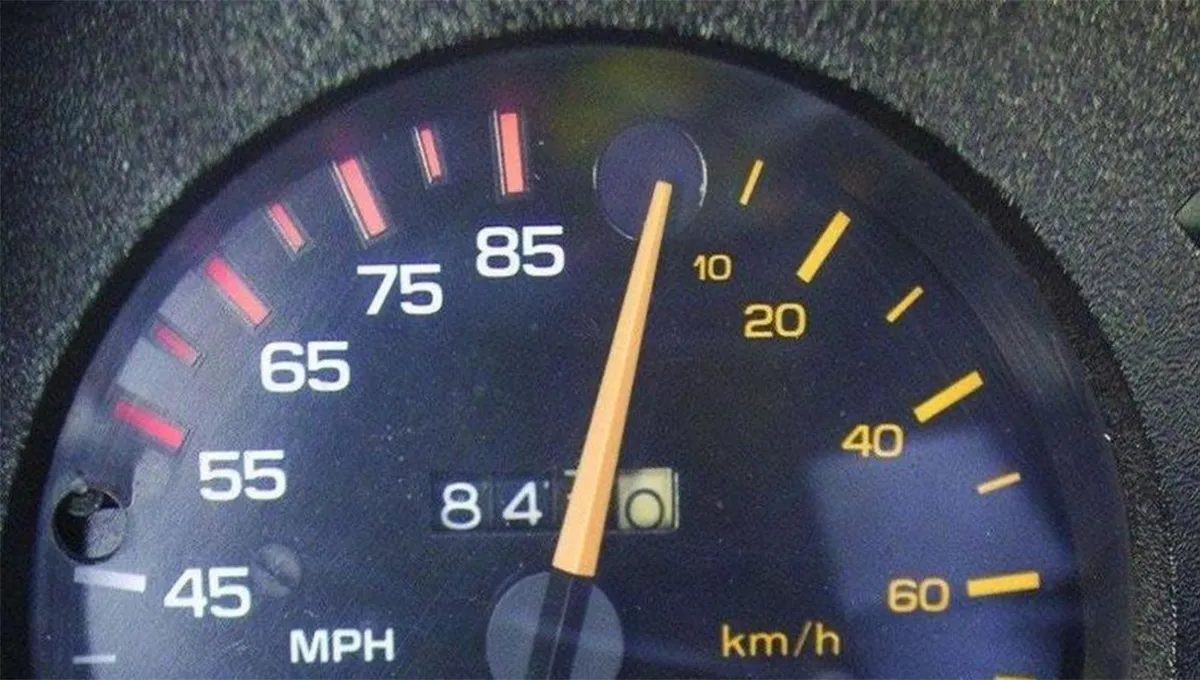
Study Finds Cars Used the Least Fuel Around 43 MPH, Not 56 MPH
At what speed does a car use the least fuel? French researchers identified a figure that may surprise many drivers.
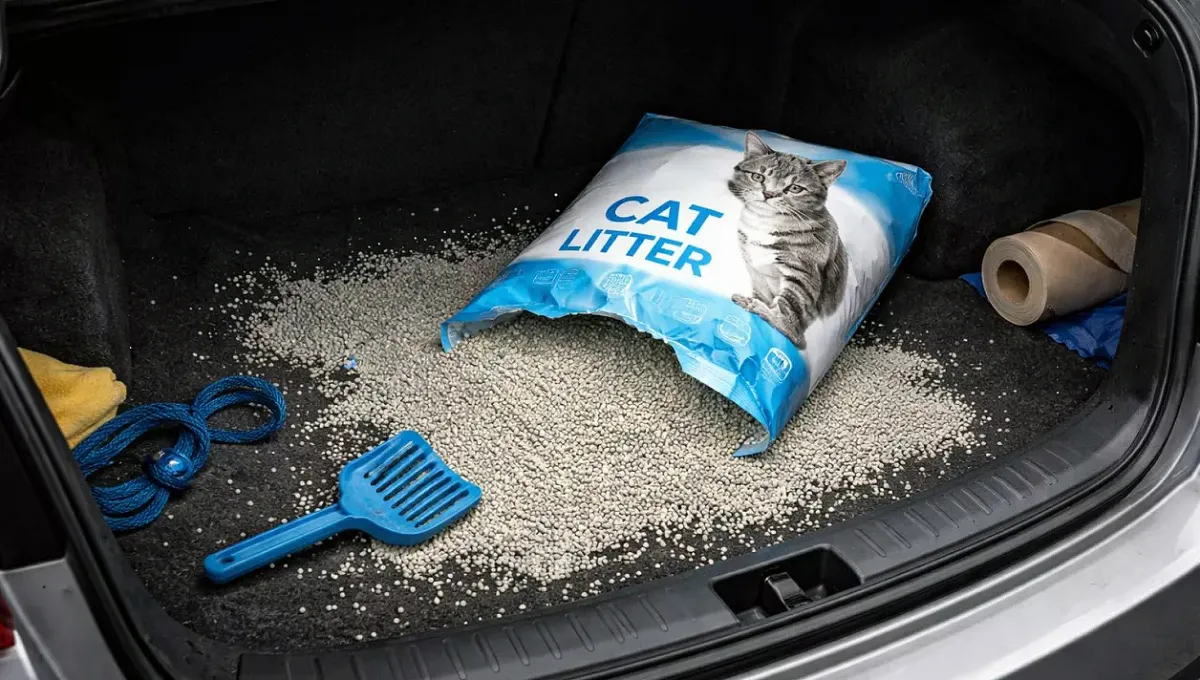
The Winter Trick Every Driver Should Know: Kitty Litter in the Trunk
Sand, salt, or cat litter: What can help tires find traction on a slippery road? Here’s a look at an unusual addition to a winter emergency kit.
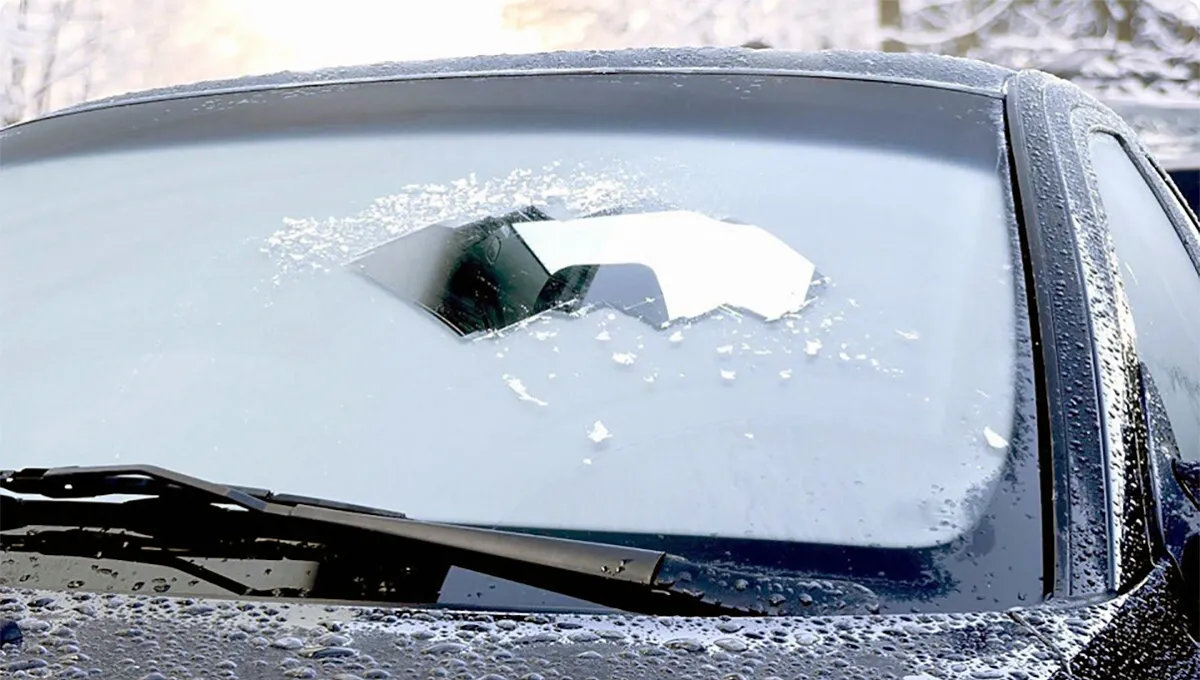
Windshield Freezes Every Morning — This Mechanic’s Trick Helps You De-Ice It Faste
Is frost leaving your car windows covered in ice? A few simple steps can make morning cleanup easier and help keep ice from forming.
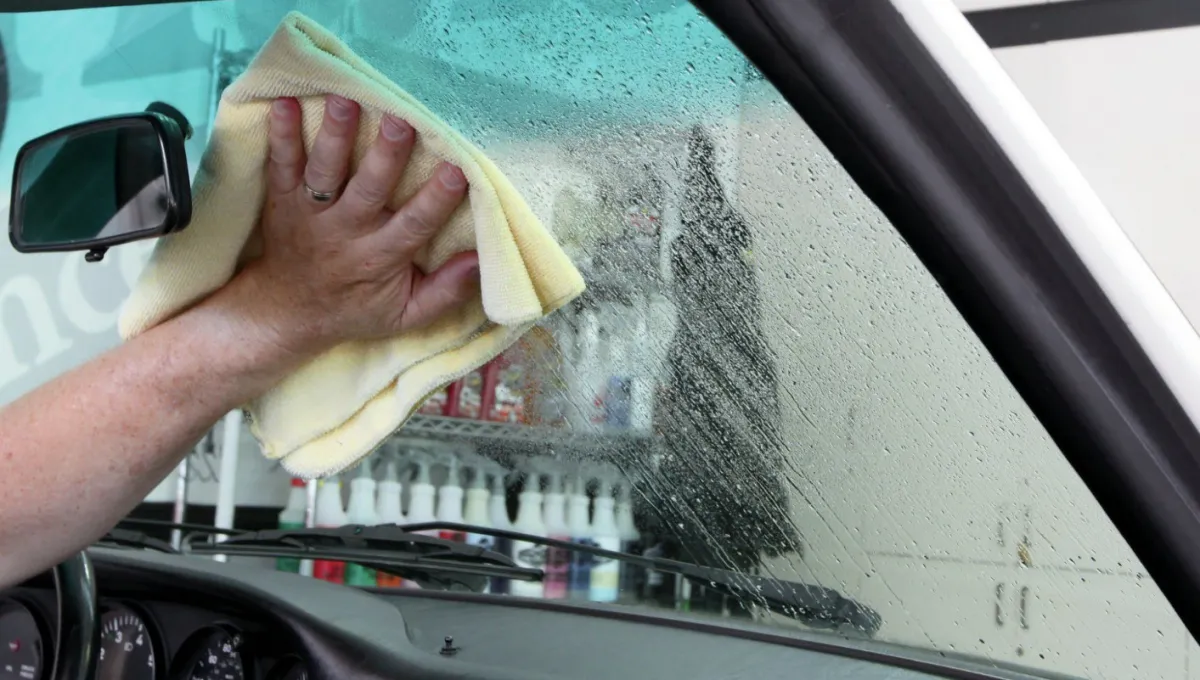
Car Windows Will Stop Fogging Up — Here’s the Mistake Almost Every Driver Makes
Car windows constantly fogging up? Experts explain how to set the heat, when to turn off recirculation, and why the cabin air filter matters.