
Why Some Drivers Drill Holes in Spark Plugs — and Why It’s Usually a Bad Idea
Viral YouTube “mods” promise more horsepower from drilled spark plugs, but mechanics warn the risks can seriously damage your engine.
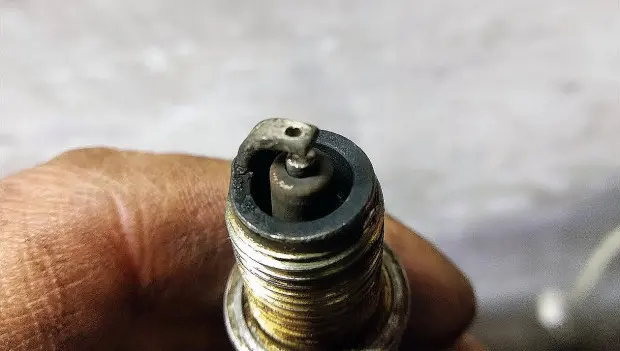
Not every garage hack floating around the internet actually works. In many cases, viral automotive “upgrades” promoted online create more problems than benefits. Some modifications can even lead to expensive engine damage instead of improved performance.
One of the strangest examples is the practice of drilling tiny holes into spark plugs — a trick that continues circulating across YouTube and automotive forums despite serious concerns from mechanics.
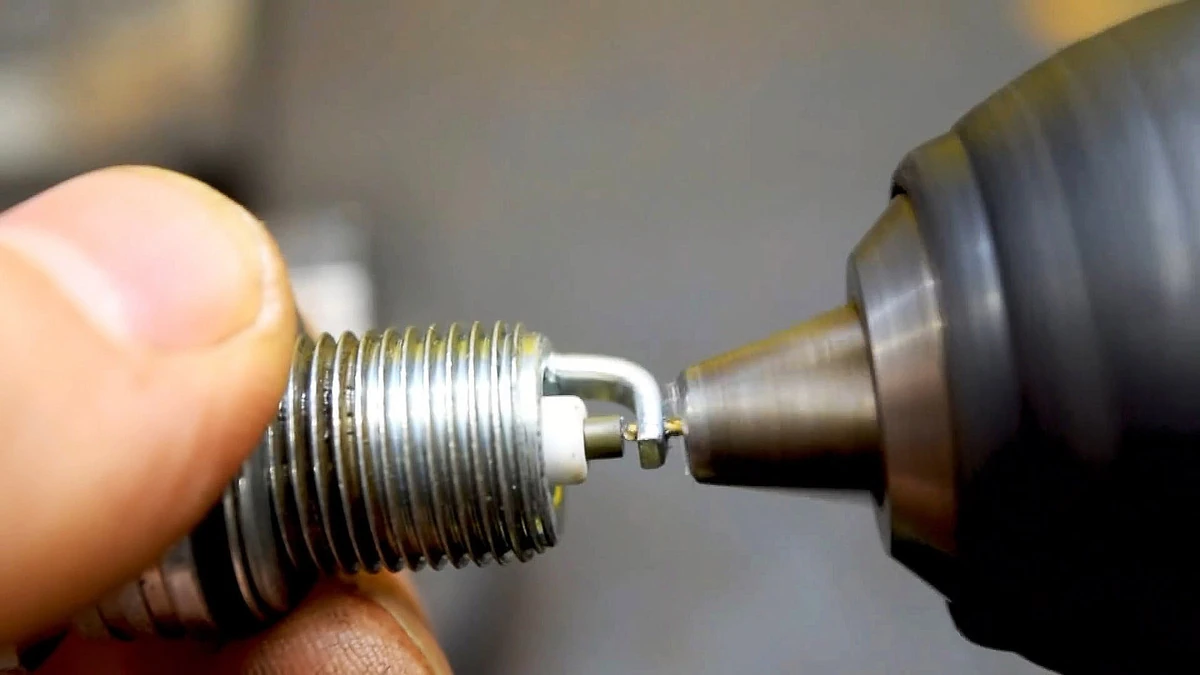
What’s the Idea Behind It?
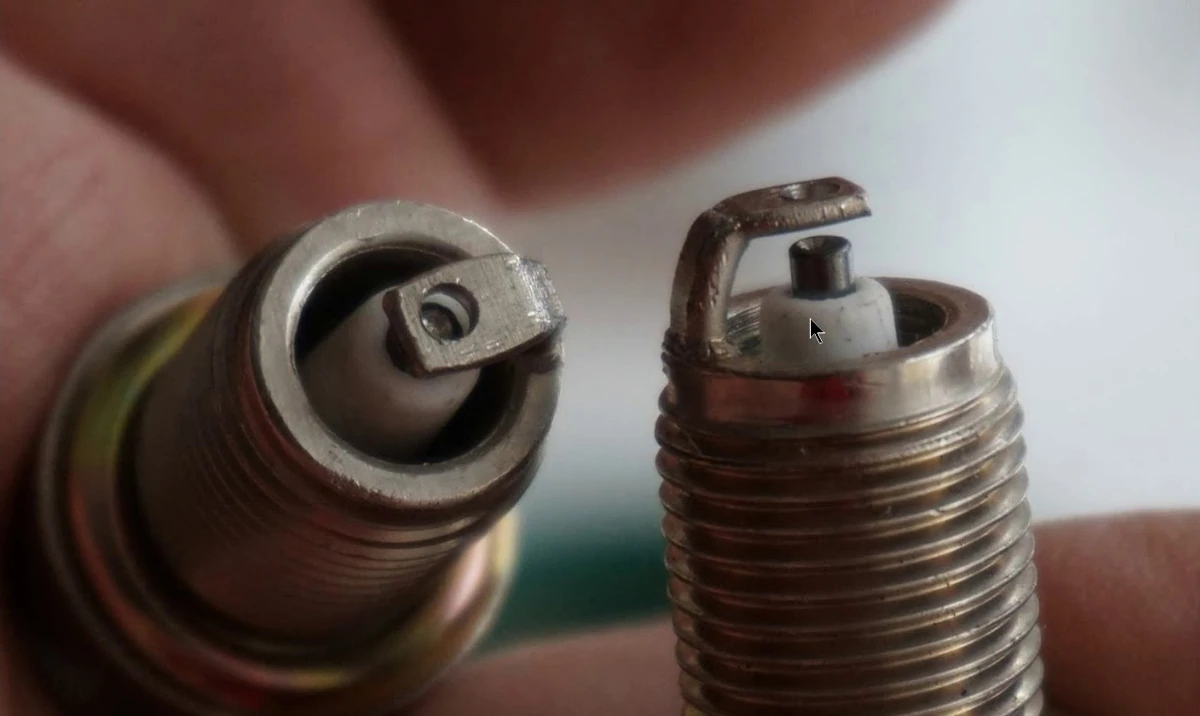
For years, videos online have promoted a so-called “revolutionary” spark plug modification that supposedly transforms engine performance. According to enthusiasts pushing the idea, drilling a small hole into the ground electrode of a spark plug — directly opposite the center electrode — improves spark quality and combustion efficiency.
Supporters of the trick claim the modification helps fuel ignite more effectively, improves throttle response, and can even add anywhere from 10 to 25 horsepower.
At first glance, it may sound convincing. But the reality is far less impressive.
The Risks Are Much Bigger Than the Benefits
In practice, drilling holes into spark plugs is generally considered a bad idea.
Spark plugs are carefully engineered components designed to operate under extremely high temperatures and pressures. Altering the electrode can disrupt the way the spark forms and spreads through the combustion chamber.
If the spark jumps unpredictably or ignites the air-fuel mixture incorrectly, combustion efficiency can actually worsen rather than improve. The engine still has to complete the same compression and combustion cycle regardless of the modified plug design.
The biggest danger involves weakening the electrode itself. Once drilled, the metal becomes more vulnerable to overheating and failure. In extreme cases, part of the damaged electrode could break off and fall into the combustion chamber, potentially causing severe internal engine damage.
A small “performance hack” can quickly turn into a very expensive repair.
Why Online “Tests” Can Be Misleading
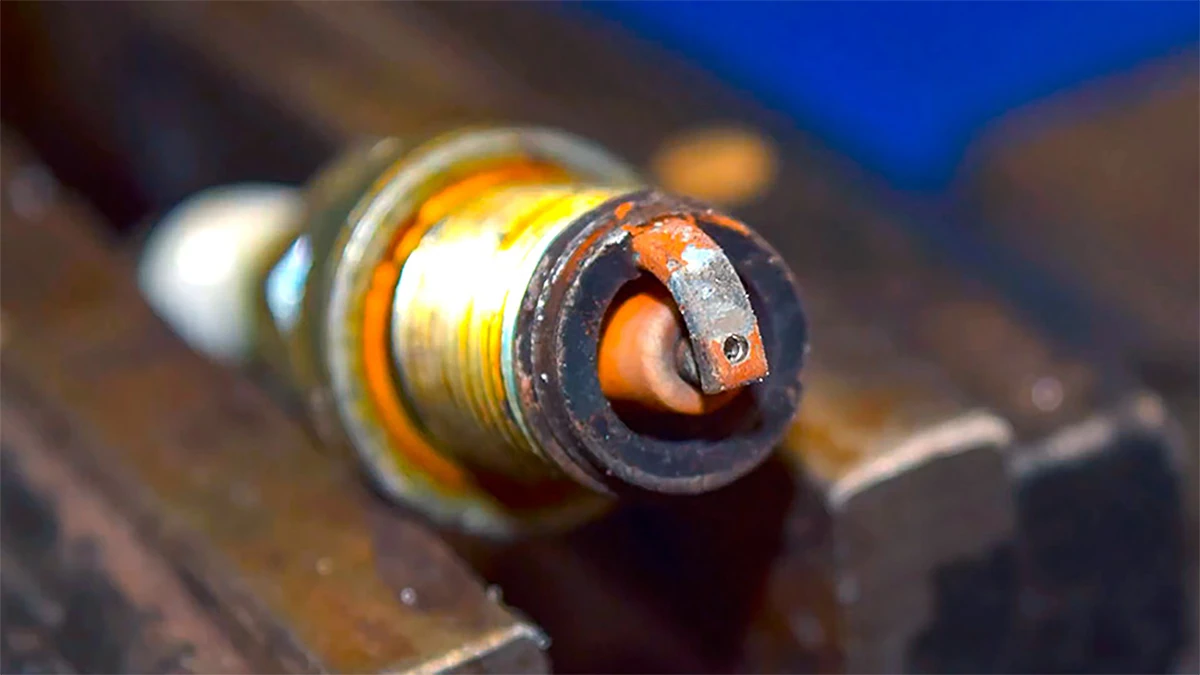
The internet is full of videos claiming drilled spark plugs improve acceleration, starting performance, and engine power. But many of these demonstrations leave out an important detail.
In many cases, the improvement comes simply from installing fresh spark plugs or cleaning old ones during the test process. Drivers often compare worn-out plugs against cleaned or newly modified plugs, making it appear as though the drilled holes created the gains.
Professional mechanics generally agree that properly maintained factory-spec spark plugs deliver the best balance of reliability, efficiency, and engine safety.
In other words, if your car suddenly runs better after a spark plug “mod,” there’s a good chance the real improvement came from replacing dirty or worn components — not from drilling holes into them.
You may also be interested in the news:

When the First Freeze Hits, Put Newspaper Under Your Floor Mat: An Old Winter Driving Trick
Newspaper under a floor mat can help protect a car's floor from winter moisture, but it requires regular attention.

How a Repair Shop Can Overcharge You: What Every Driver Should Know
An experienced mechanic knows how to increase a repair bill, and drivers should know what to watch for before approving work.

How to Find the Source of a Car Interior Rattle in 15 Minutes
A simple trick can help drivers pinpoint an annoying interior rattle without taking apart half the cabin or visiting a repair shop.
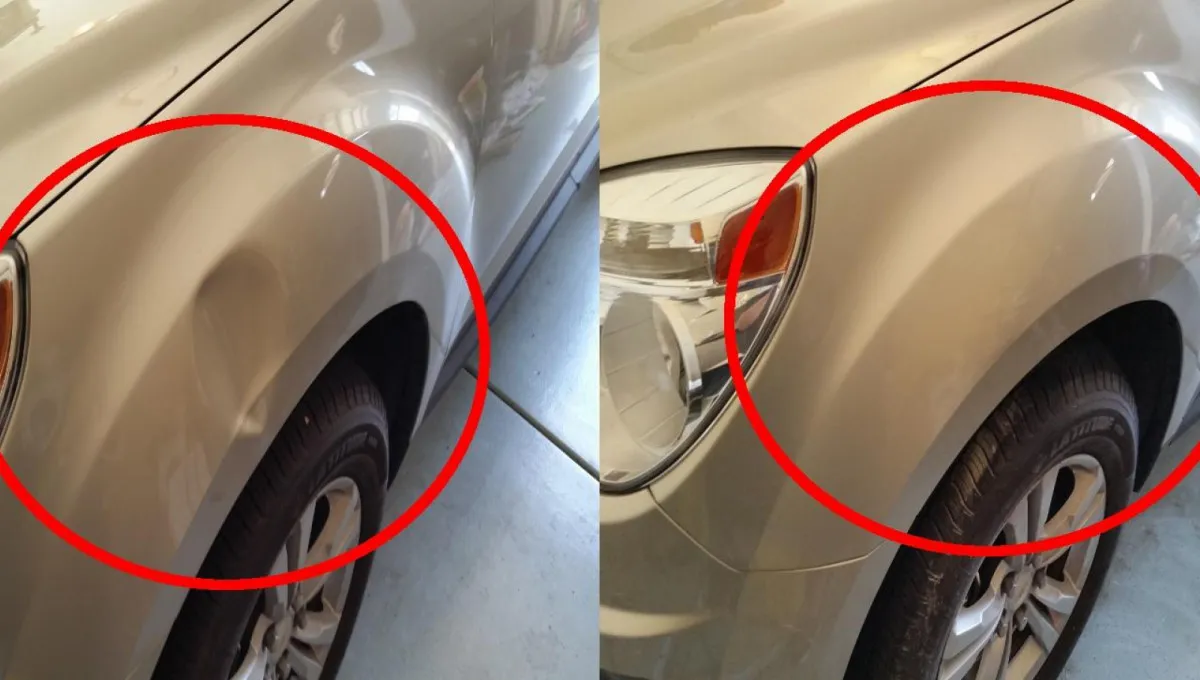
The Dent Can Disappear Without a Trace: How to Repair Car Body Damage Without Paint
Paintless dent repair can restore a damaged panel to its original shape, but only when certain conditions are met.

What Does a Flashing Red Traffic Light Mean? Can You Keep Driving?
Drivers must come to a complete stop at the stop line before deciding whether it is safe to proceed.