
How to Improve Headlights: Proven Life Hacks
Dim headlights can make night driving stressful, but several proven fixes can noticeably improve visibility and driver confidence.
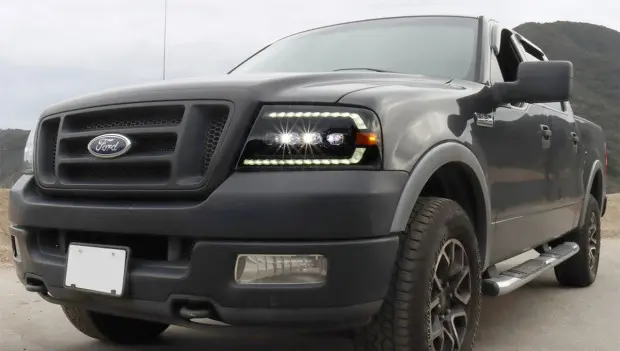
At some point, almost every driver starts feeling like their headlights just aren’t bright enough anymore. Night driving becomes tiring, visibility drops, and suddenly you start considering everything from cleaning the lenses to replacing the entire car.
A common situation looks like this: you buy a used vehicle, head out after dark, and quickly realize the headlights barely illuminate the road. Before spending money on expensive upgrades, it’s worth checking the basics.

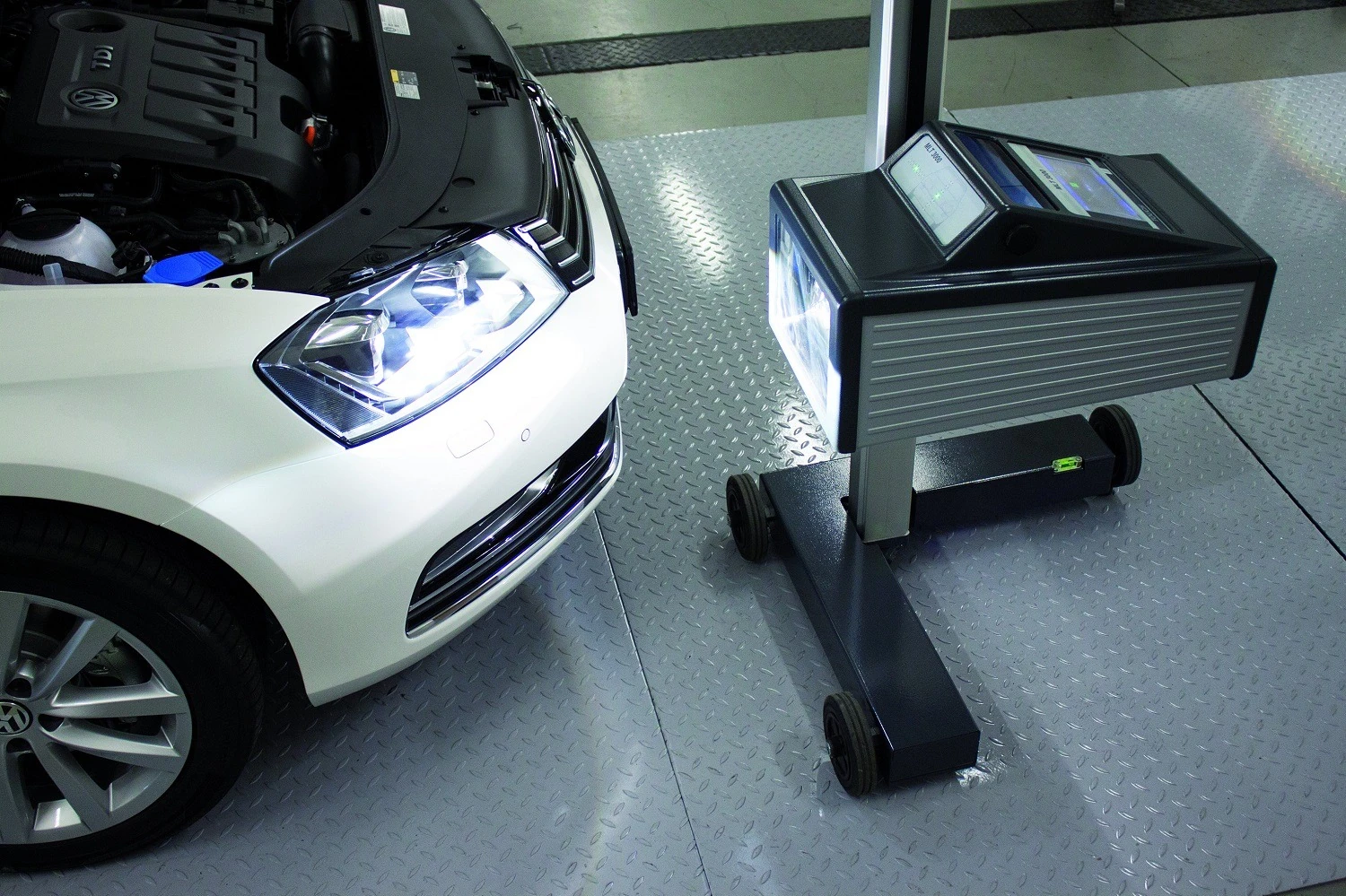
One of the most overlooked problems is incorrect headlight alignment. Older cars often lack automatic leveling systems, which means the beams may end up pointed too high into the sky or too low directly in front of the bumper. In either case, usable visibility suffers badly. Proper adjustment — including horizontal alignment — can dramatically improve nighttime driving while also preventing glare for oncoming traffic. The easiest solution is having the headlights professionally aimed at a repair shop.
Another common issue on high-mileage vehicles is cloudy or scratched headlight lenses. Years of sun exposure, dirt, and road debris gradually dull the clear plastic surface, reducing light output. Polishing the lenses can restore much of the original brightness.
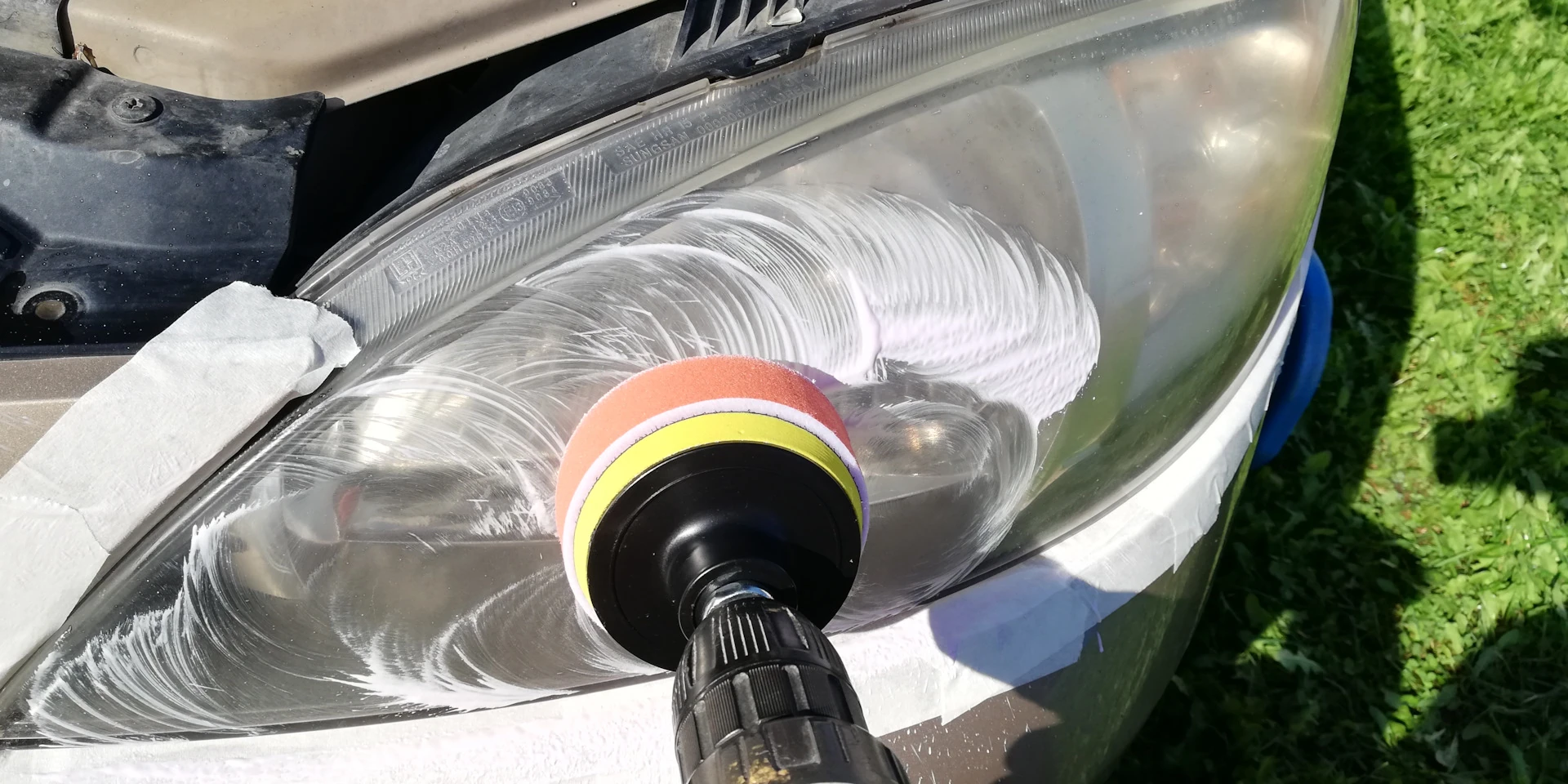
Still, experts strongly recommend against trying to polish headlights yourself unless you have experience and the right tools. A proper restoration requires professional-grade polishing equipment, specialty compounds, and a steady hand. Online videos may make the process look simple, but in reality, inexperienced DIY attempts often ruin the lens surface completely.
One of the easiest and most effective tricks for refreshing old headlights is surprisingly simple: replace the bulbs.
Even if a halogen bulb hasn’t burned out, its performance declines over time. The glass darkens, light output weakens, and visibility gradually gets worse without drivers even noticing.
However, buying ultra-powerful “xenon-style” or “super bright” halogen bulbs is usually a bad idea. At best, they may blind oncoming drivers. At worst, they can violate local vehicle lighting regulations. Many reputable manufacturers even label these bulbs as unsuitable for public roads, which raises an obvious question — why spend the money in the first place?
Electrical problems can also reduce headlight performance, especially in older vehicles. Over time, resistance builds up inside aging wiring and connectors, causing voltage loss before electricity even reaches the bulbs.
A traditional fix used by old-school mechanics involves installing an additional relay system with short, thicker power wires connected directly to the battery. In this setup, the factory headlight wiring only activates the relay, while the relay itself delivers full battery voltage to the bulbs through a fused circuit. The result can be noticeably brighter headlights.
That said, this solution requires electrical knowledge and hands-on skills that were more common decades ago, especially among owners of older Soviet-era cars.
There’s also another little-known way to improve low-beam performance. Some automakers intentionally reduce headlight voltage to extend bulb lifespan. Certain Volkswagen models, for example, may supply only about 11 volts to the headlights instead of the more typical 13.5 volts used during charging-system operation.
In some cases, owners can reprogram the system to restore higher voltage and improve brightness. Doing so usually requires dealer-level diagnostic equipment or a specialized programming cable along with software installed on a laptop.
For drivers struggling with weak headlights, the solution is often far simpler — and cheaper — than replacing the entire lighting system.
You may also be interested in the news:
One Driving Habit Slowly Wears Out an Automatic Transmission: What Drivers Should Avoid
Seven-speed DSG gearboxes with dry clutches are among the most vulnerable and expensive to repair.
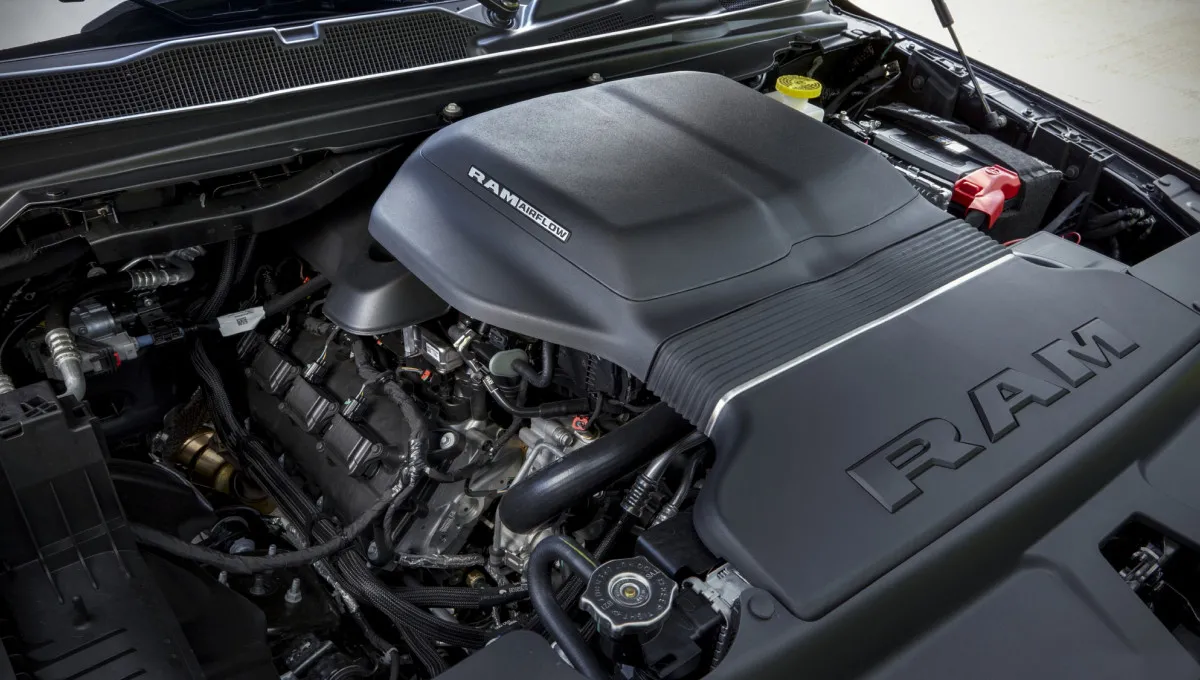
Your Engine Could Be Warning You: 6 Problems That Can Make a Car Run Rough
Engine problems rarely happen without a reason, and six common issues can cause a car to run poorly.
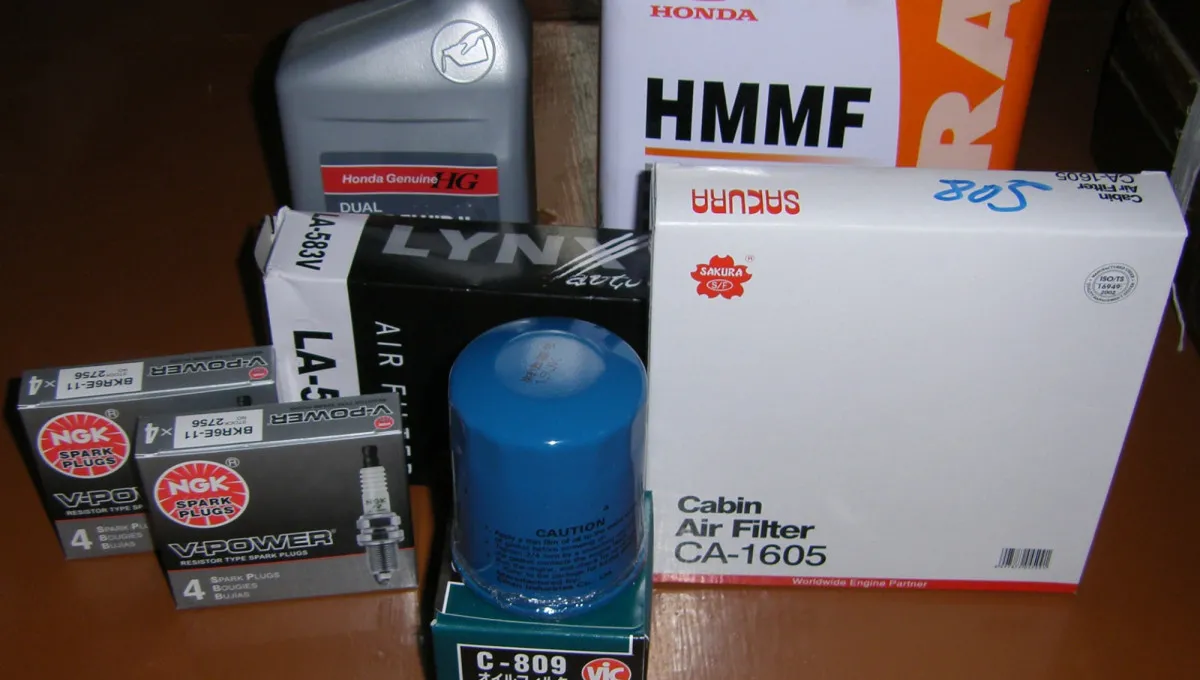
Changing Your Car’s Filters: How to Do Basic Maintenance Yourself Without Damaging the Engine
Changing the oil, engine air filter and cabin air filter yourself can save money, but small mistakes can cause expensive problems.
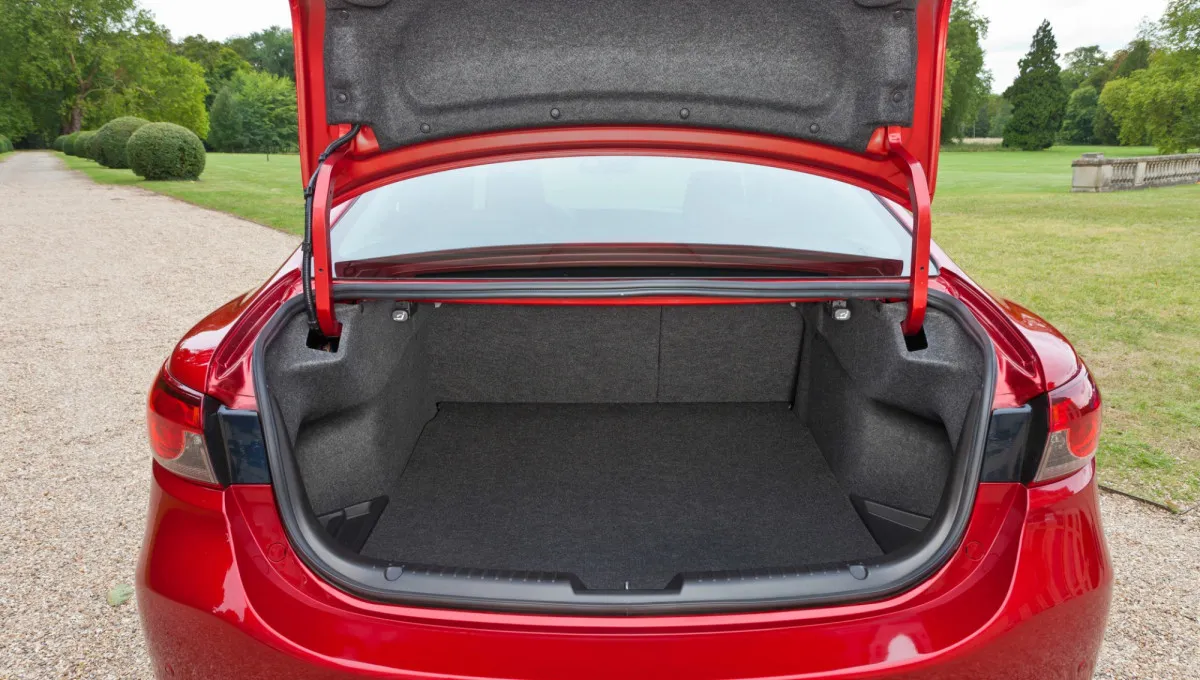
That Stuff in Your Trunk Is Costing You More Than You Think—Here’s What to Take Out
Carrying unnecessary cargo can quietly increase fuel use, accelerate wear and create an avoidable safety hazard for drivers and passengers.
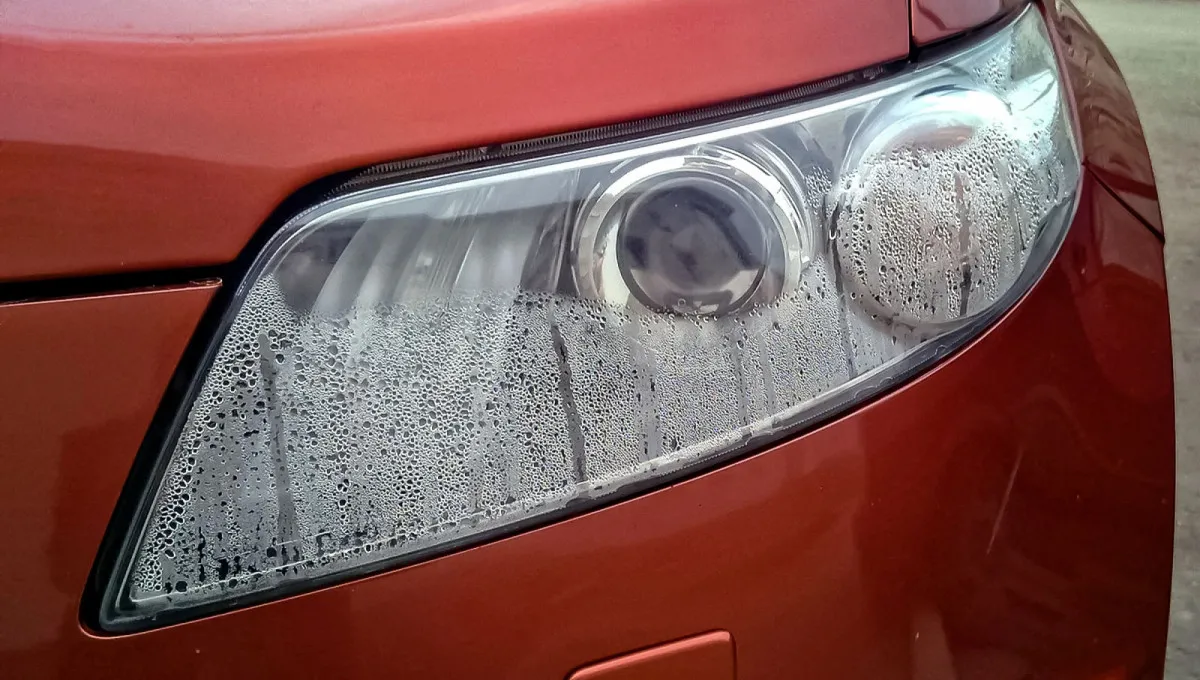
Your Headlights Are Fogging Up for a Reason: 4 Causes and 5 Steps to Fix Them
Foggy headlights are not always a sign of damage, but persistent condensation can point to a problem that needs attention.