
How New Drivers Can Overcome Driving Anxiety: Where the Fear Comes From
You get in your car, start the engine, and suddenly feel too scared to drive.

That’s it. Driving school is behind you. Today is your first solo trip into city traffic. No instructor, no spouse riding shotgun for moral support—everyone’s suddenly busy, out of town, or stuck in meetings that can’t be canceled.
So where does the fear of driving come from?
You walk up to your car, sit down, and suddenly realize—you’re genuinely afraid to pull out of the parking lot or driveway and merge into that loud, honking, fast-moving stream of metal on wheels. There’s no one beside you anymore to guide you. Your instructor isn’t your safety net, and you’ve gotten used to being told exactly when to turn and what to do.
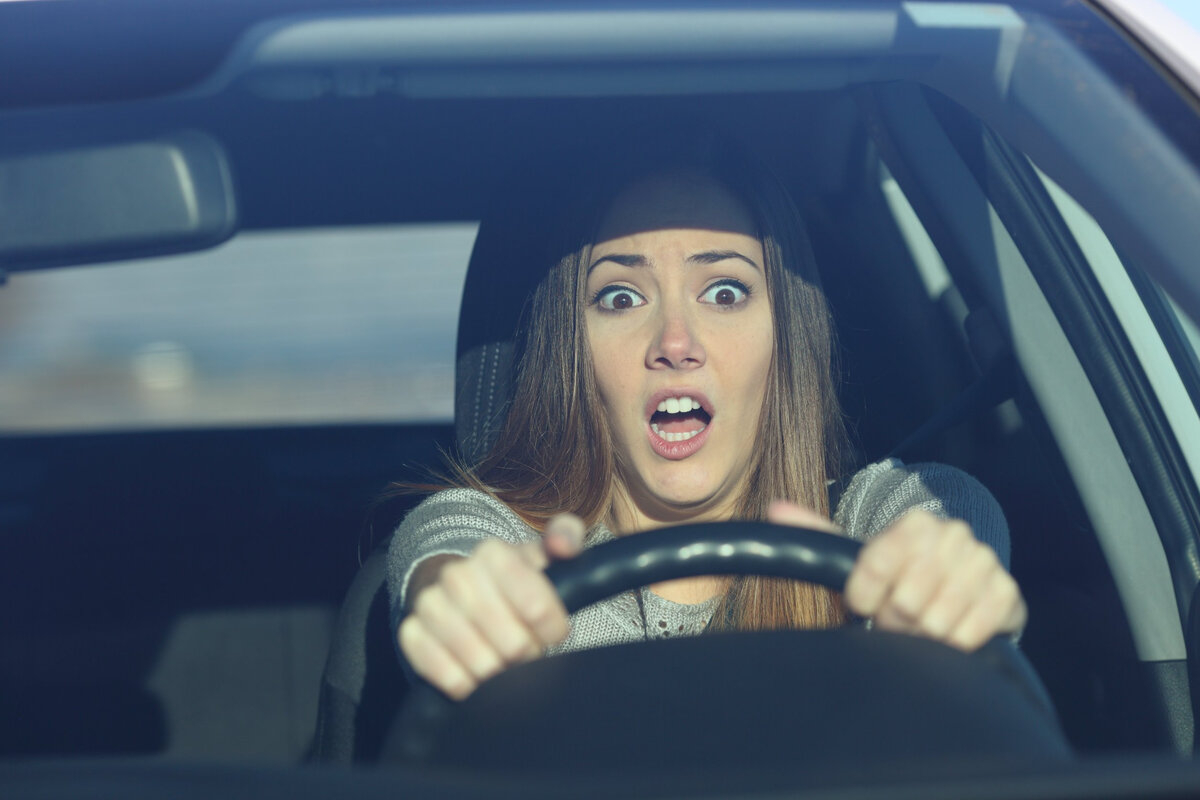
That fear can quickly outweigh everything else you planned for the day. You might even think, “Maybe I’ll just take the subway instead.” Stop right there. That’s the one thing you shouldn’t do—because avoiding driving will only make the fear stick around longer. Let’s break it down.
These are common underlying reasons, and you’ll need to work through them in real-world practice. Not everyone experiences all of them, and they don’t always carry equal weight. But if you feel anxious behind the wheel, it’s important to recognize and address what’s causing it. You can handle this.
Psychological factors:
- Low confidence in your driving skills: “I don’t remember the signs,” “I’m not sure about lane markings,” “I forgot right-of-way rules.”
- Fear of being judged or treated rudely by other drivers or law enforcement.
Fear of responsibility:
- Causing a crash
- Hitting a pedestrian
- Breaking traffic laws
- Losing control of the vehicle
Lack of real-world experience:
Before driving school, you may not have had much practice. With an instructor, everything felt clearer—and they were always there to guide you.
Negative past experiences:
Maybe you’ve been in an accident, or a vivid crash scene stuck with you—whether in real life or from news coverage.
Aside from lack of experience, most of these fears are psychological—and that means you can work through them, with support from people you trust if needed. In rare cases, professional help might be useful, but that’s usually not necessary.

How to Overcome Driving Anxiety
Reading this won’t magically erase your fear—and that’s not the goal. Instead, focus on identifying what matters most for you and work through it step by step.
These strategies are interconnected, so it’s best to approach them together. Sometimes, solving one issue naturally reduces another. You’re more capable than you think.
1. Practice Is Everything
If you want to stop being afraid of driving, you have to drive—regularly.
Start small. Learn your everyday routes. Take short trips at first—drive to nearby stores, a barbershop, or even just around the block, even if it’s only a few hundred yards. Every time you get in the car, start the engine, pull away, or shift gears, you’re building real skill.
Practice your main routes multiple times during low-traffic hours—weekends, evenings, or early mornings. Get familiar with intersections, merges, and road signs.
Before every drive, mentally map out your route in detail. Think of it as building a GPS in your head—it’ll help you feel more in control and less anxious.
Knowing the rules of the road—signs, lane markings, traffic lights, and even hand signals from officers—is non-negotiable. Solid knowledge reduces fear tied to making mistakes or facing consequences.
Ultimately, confidence comes when driving becomes second nature—when your reactions turn into habits.

2. Mindset Matters
You’re capable of driving—just like everyone else on the road. No one out there has some special gift you don’t.
Rise above the negativity you might encounter. Some drivers will be rude or impatient—that’s reality. But reacting emotionally only makes things worse. Stay calm, let aggressive drivers go, and remember: your safety and peace of mind are worth more than proving a point.
Knowing traffic laws inside and out also reduces fear of being pulled over. If you’re following the rules, you have nothing to worry about.
It also helps put risk into perspective. Many accidents happen because of avoidable mistakes—speeding, distracted driving, unsafe passing, or fatigue. Stay alert, take breaks when needed, and drive responsibly.
Fear itself isn’t the enemy. Even experienced drivers feel it—it helps them stay cautious. For beginners, though, fear can feel overwhelming, like everything is more dangerous than it really is. Don’t exaggerate risks—but always stay ready to react.
If something unexpected happens while you’re driving, don’t panic. Pull over safely, turn on your hazard lights, think through the situation—and then continue. Step by step, you’ll build confidence.
You’ve got this.
Good luck—and enjoy the road.
You may also be interested in the news:
Why Experienced Drivers Put Socks on Their Car Mirrors in Fall: The Clever Trick Explained
An old pair of socks can help reduce frost buildup on your side mirrors overnight, saving time on cold mornings when every minute counts.
How to Clean Your Windshield Without Streaks: Experts Recommend This Simple DIY Mix
The secret to a streak-free windshield comes down to the right cleaning solution, two microfiber cloths, and the proper drying technique.

Why Some Drivers Keep Bay Leaves in Their Cars — It’s Not Just About Superstition
Can a common kitchen spice help repel bugs, freshen your car’s interior, or even help you relax behind the wheel?
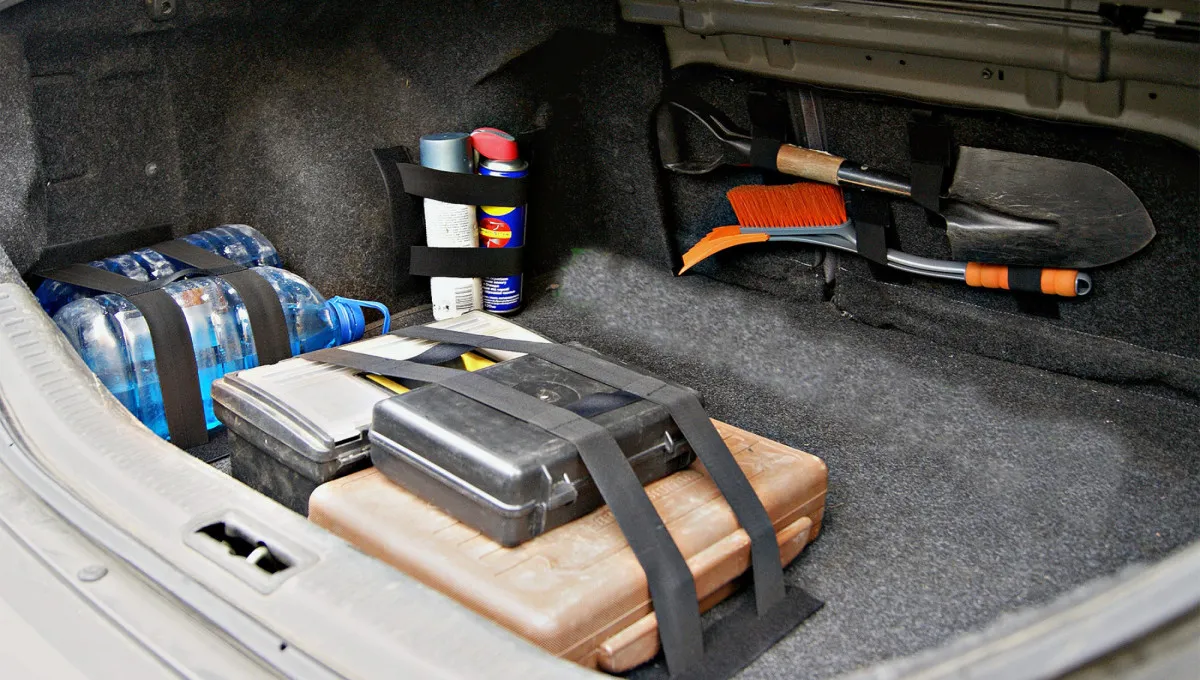
Cold Weather Can Leave You Stranded — 5 Things Every Driver Should Have in Their Car
The first hard freeze can catch drivers off guard. Here's what to keep in your vehicle and how to prepare your battery, tires, and fluids for colder weather.

Harley-Davidson Riders Could Face $2,500 Fines Under New Law Targeting ‘Weaving’ on Roads
Arizona’s new motorcycle law targets lane splitting, exposing repeat offenders to steep fines, possible jail time, and license suspensions.