
"Brain Can't Keep Up": Mercedes-Benz Patents System to Protect EV Passengers from Motion Sickness
Many drivers and passengers report stronger motion sickness symptoms in electric vehicles.
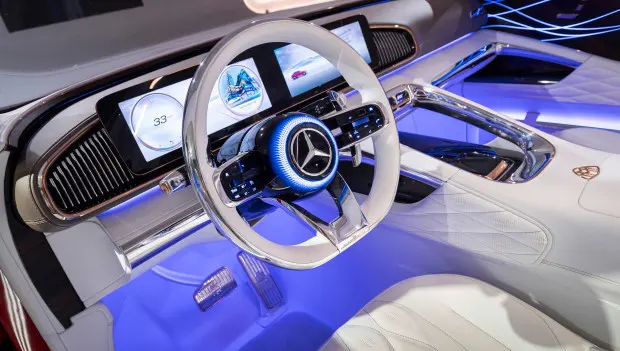
Owners and passengers of electric vehicles are increasingly reporting a specific issue: motion sickness that, in many cases, feels more intense than in traditional internal-combustion cars.
Research from the Belfort-Montbéliard University of Technology suggests the cause isn’t psychological, but physiological. The phenomenon stems from sensory mismatch. For decades, drivers have relied on the sound and vibration of gasoline engines to help their brains interpret speed and acceleration. In near-silent EVs, those cues disappear, making it harder for the brain to accurately process motion.
The issue is compounded by the technical characteristics of electric vehicles: instant torque, rapid acceleration, and aggressive regenerative braking systems that enable one-pedal driving. When the body experiences sudden forces without the usual auditory and vibration signals to confirm them, nausea and dizziness can result.

Mercedes-Benz has recently patented an innovative — though complex — solution to address the problem. The German automaker proposes artificially recreating the sensation of movement using airflow and lighting inside the cabin.
According to the patent, the vehicle would feature a network of concealed air vents integrated throughout the interior. Fan output would be synchronized with vehicle speed: the faster the car travels, the stronger the airflow, creating a physical sensation of motion.
The airflow system would be complemented by intelligent ambient lighting. Interior lights could provide dynamic visual cues — including color changes, moving patterns, or directional indicators that respond to throttle and brake inputs. The goal is to help passengers’ brains adapt more quickly to changes in acceleration and deceleration.

Despite its promise, implementing such a system presents significant engineering challenges. Adding numerous actuators and sensors, while maintaining stable cabin temperatures under constantly shifting airflow conditions, would likely make the setup expensive to produce. For now, the patent primarily serves to protect intellectual property, and the technology is unlikely to appear in production vehicles anytime soon.
In the meantime, experts recommend that EV drivers adopt smoother driving habits — avoiding abrupt acceleration and reducing regenerative braking intensity when passengers are on board.
You may also be interested in the news:
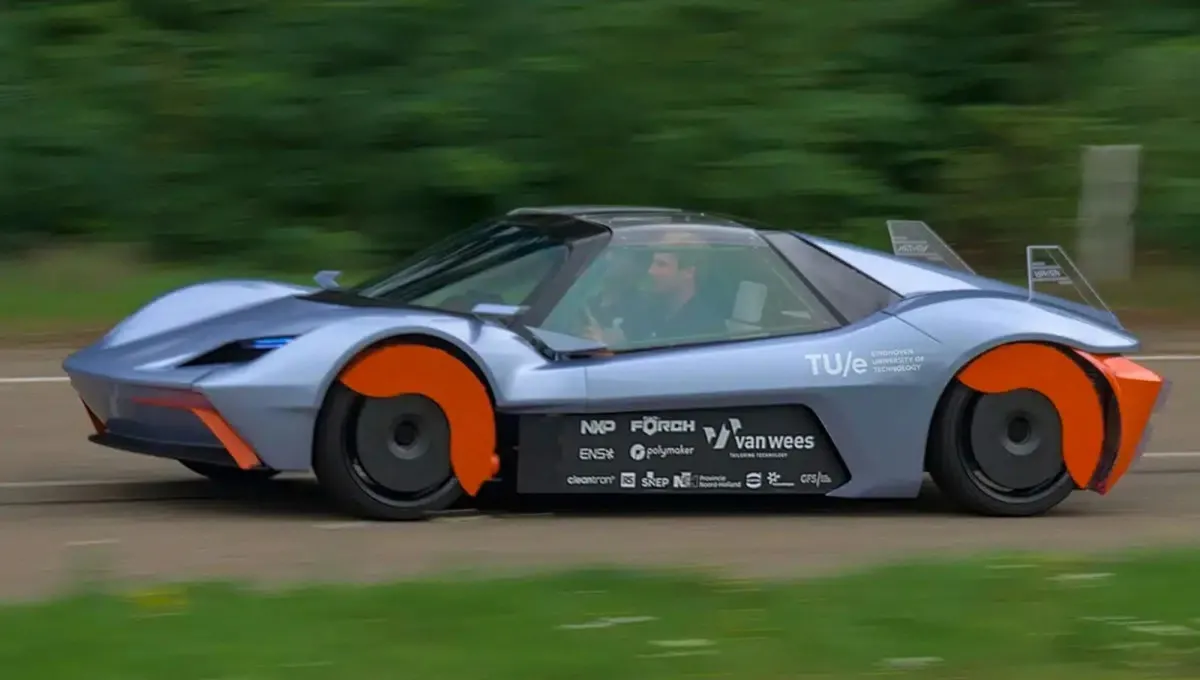
Students Develop an Electric Car That Captures Tire and Brake Dust
A student-built electric concept aims to reduce road pollution by collecting microscopic particles released by tires and brakes.
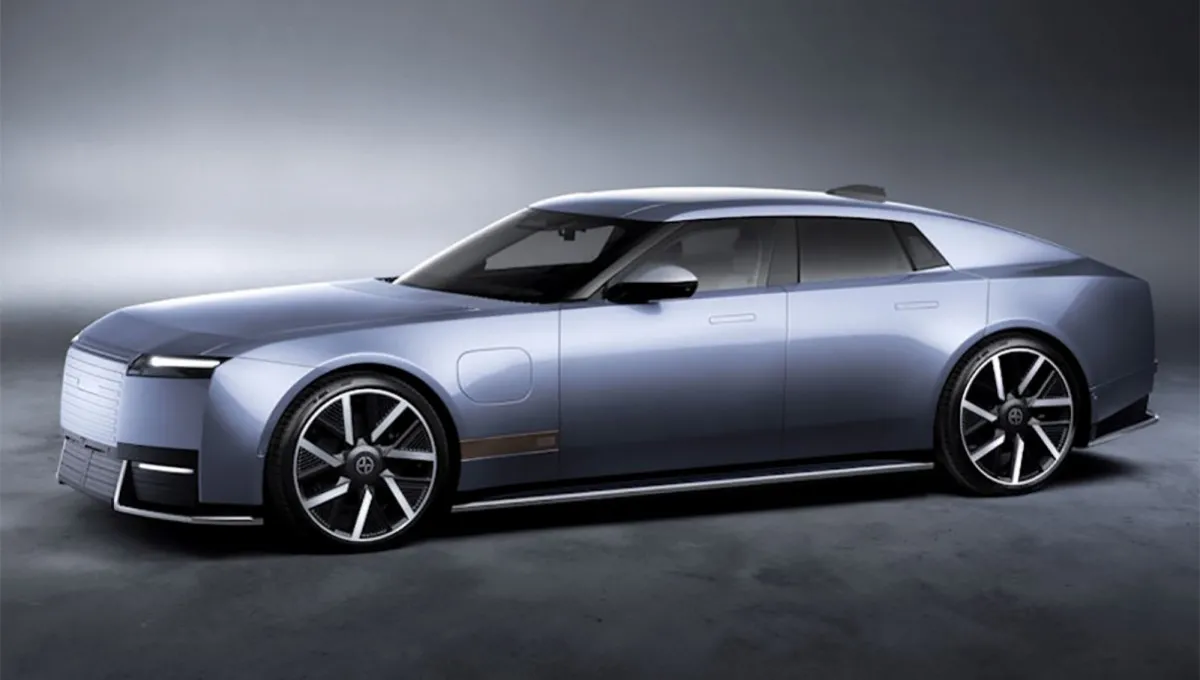
Jaguar Type 01 Revealed as Brand's First Production Model After Its Reinvention — Pricing Announced
Jaguar has unveiled the Type 01, a luxury electric grand tourer that marks a new chapter for the British automaker ahead of 2027 production.
Volkswagen's New Electric SUV Can Travel 372 Miles on a Charge — And It's Replacing the ID.4
Volkswagen has officially unveiled the all-electric ID. Tiguan, a new SUV designed to replace the ID.4 with updated styling and improved range.
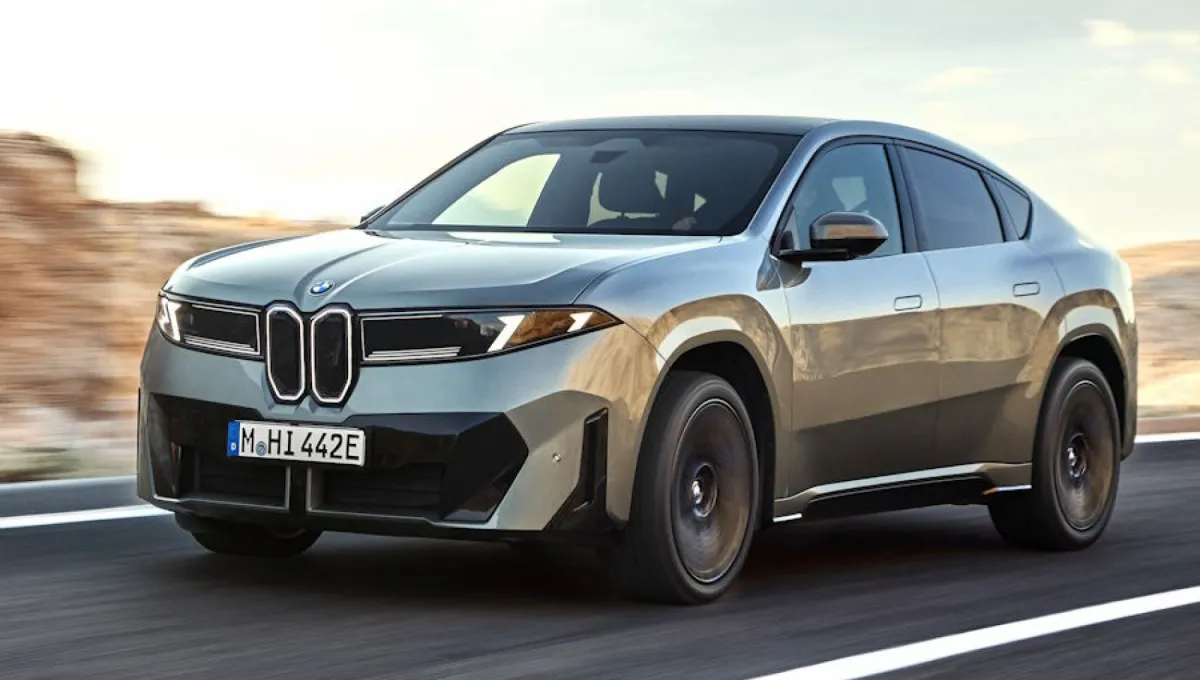
BMW Adds Another Electric SUV: Meet the New iX4
BMW has unveiled the all-electric iX4, a new SUV coupe arriving in 2027, with European pricing already announced.

BYD Patents a Battery That Is Cooled by Literally Submerging It in Liquid
A new BYD patent describes a battery architecture that uses dielectric fluid to cool battery modules while keeping electrical components dry.