
Many American Drivers Don’t Know This: When You Should Turn Off “Auto Hold” — and Why It Matters
Once reserved for luxury cars, this feature now shows up even in entry-level models.
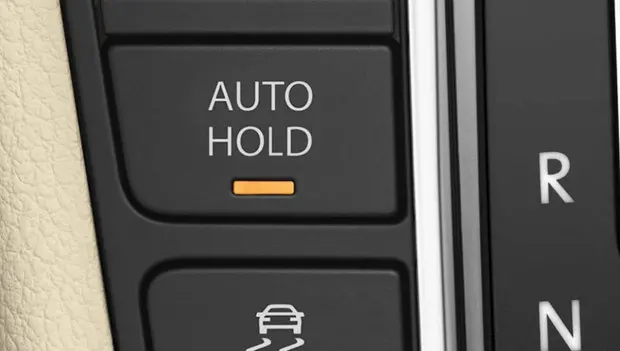
Modern cars are packed with so many electronic aids that some drivers joke they feel more like passengers than pilots. Among all those systems is Auto Hold—essentially an electronic brake assistant that keeps the vehicle stationary after you come to a full stop. What used to be a high-end feature is now common in everything from Korean hatchbacks to budget-friendly crossovers.
On paper, it sounds perfect. In real life, there are moments when switching it off actually makes more sense.
Auto Hold keeps the car firmly in place once you’ve stopped, even after you lift your foot off the brake pedal. Waiting at a red light? You can relax your leg. When traffic starts moving again, a gentle press on the accelerator releases the brakes automatically.
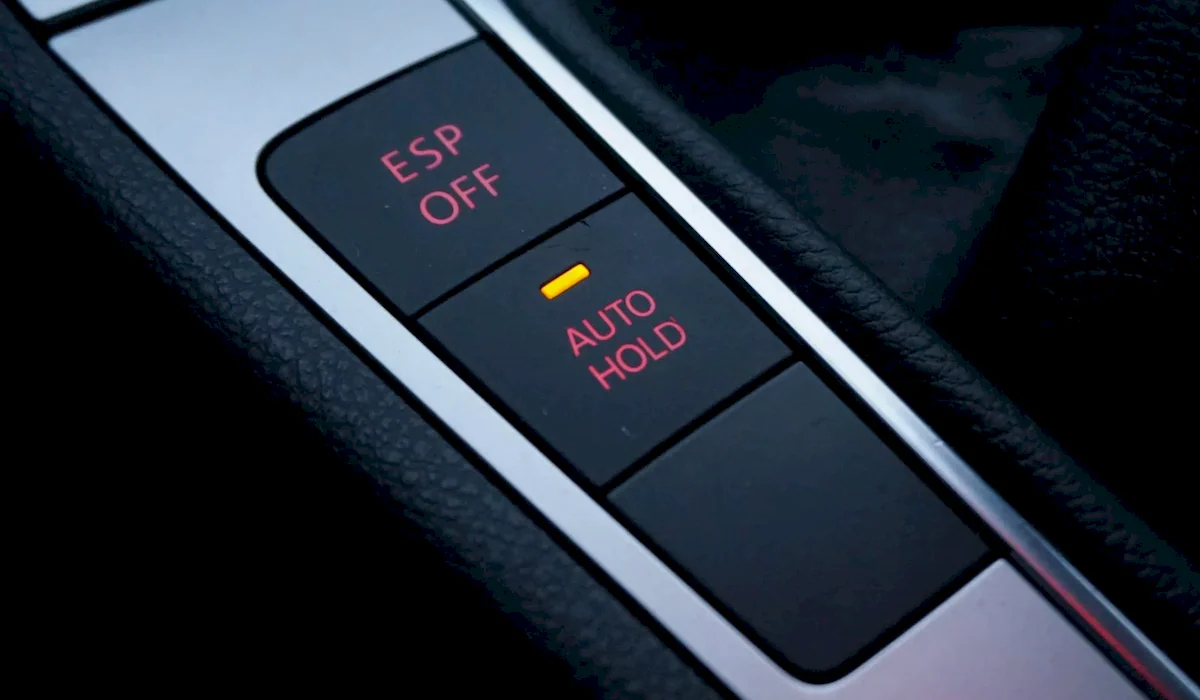
The system works in tandem with the electronic parking brake and wheel-speed sensors. Once the car registers zero speed, it applies the rear brakes and holds the vehicle steady. Brake lights stay illuminated, so drivers behind you know you’re stopped.
So why include an “OFF” button at all?
Because convenience isn’t universal.
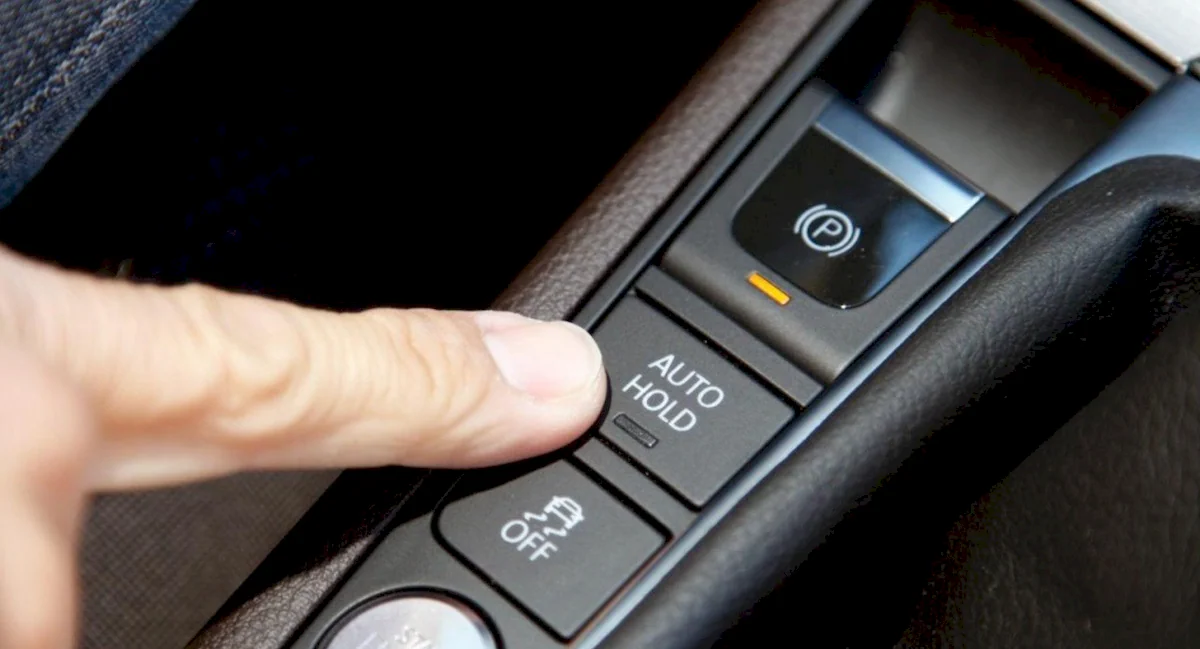
It’s true that Auto Hold doesn’t dramatically increase brake wear. Experts say the added strain is minimal—maybe around 10 percent more in typical city driving. For most people, that’s hardly noticeable. But there are specific situations where the feature can become more annoying than helpful.
Take tight maneuvering, for example—squeezing into a garage, navigating a narrow alley, or creeping around a crowded parking structure. In these cases, the system’s constant engagement can interrupt the smooth, inch-by-inch control you’re trying to maintain. Stop—clamp. Move—release. Stop—clamp again. When backing up in a confined space, that repeated grabbing can feel jerky. Many drivers prefer to disable Auto Hold and let the car roll gently at idle for more precise control.
Another scenario: starting on a slick hill. Whether it’s ice, packed snow, or loose gravel, smooth throttle application is key. Even a slight hesitation or abrupt release can cause wheelspin. With Auto Hold turned off, some drivers feel they have better modulation and a more natural connection between throttle input and traction.
There’s also a technical reason to deactivate the feature when the vehicle is being towed with the engine running. If Auto Hold remains engaged, the system may repeatedly apply the rear brakes every time the vehicle comes to a stop. That can place unnecessary stress on the tow strap—or worse, lead to brake component damage.
The bottom line? Auto Hold is a great tool for heavy traffic, stop-and-go commuting, and long waits at intersections. But knowing when to press that “OFF” button separates someone who simply steers the car from someone who truly understands how it works. Technology should support the driver—not override common sense.
You may also be interested in the news:
When the First Freeze Hits, Put Newspaper Under Your Floor Mat: An Old Winter Driving Trick
Newspaper under a floor mat can help protect a car's floor from winter moisture, but it requires regular attention.
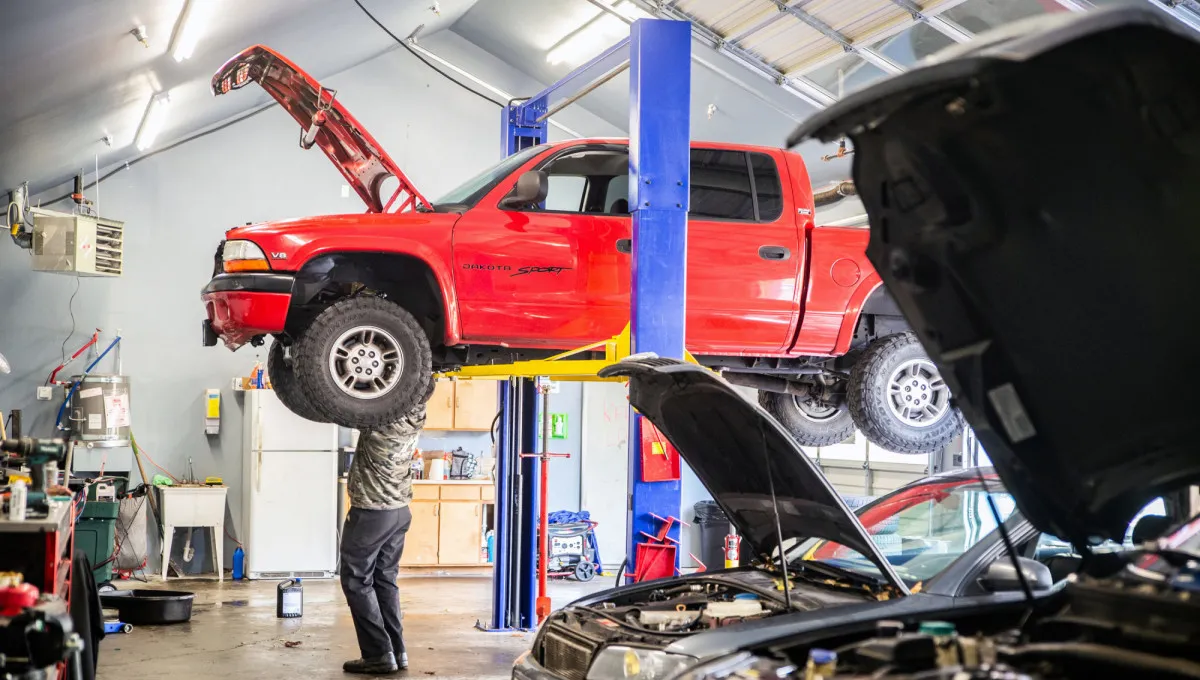
How a Repair Shop Can Overcharge You: What Every Driver Should Know
An experienced mechanic knows how to increase a repair bill, and drivers should know what to watch for before approving work.
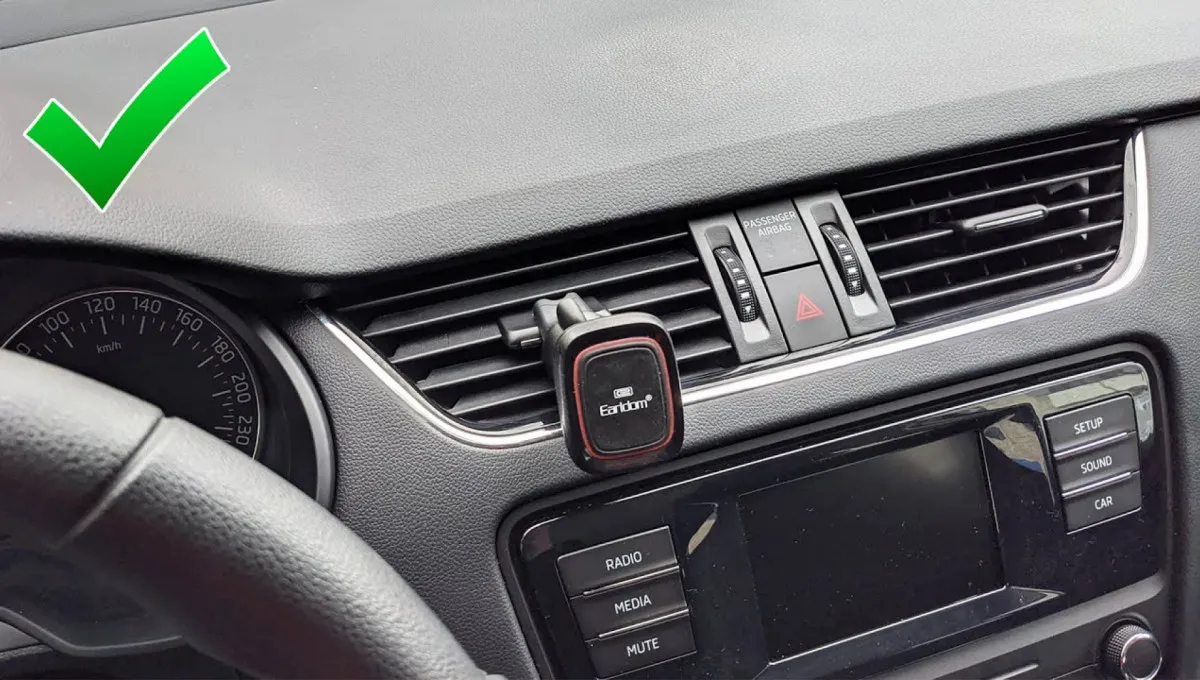
How to Find the Source of a Car Interior Rattle in 15 Minutes
A simple trick can help drivers pinpoint an annoying interior rattle without taking apart half the cabin or visiting a repair shop.
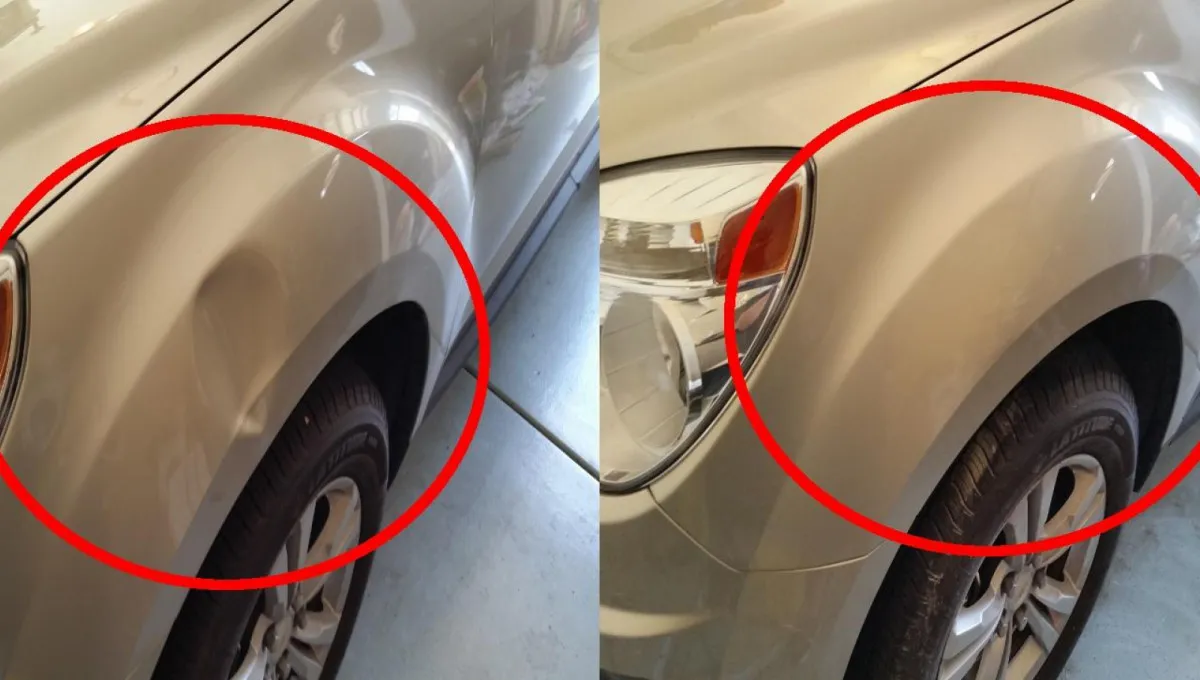
The Dent Can Disappear Without a Trace: How to Repair Car Body Damage Without Paint
Paintless dent repair can restore a damaged panel to its original shape, but only when certain conditions are met.

What Does a Flashing Red Traffic Light Mean? Can You Keep Driving?
Drivers must come to a complete stop at the stop line before deciding whether it is safe to proceed.