
How to Keep Leather Car Seats From Cracking: The Costly Mistakes I Learned the Hard Way
Among car owners who obsess over keeping their interiors spotless, one very common mistake can quietly ruin leather seats.
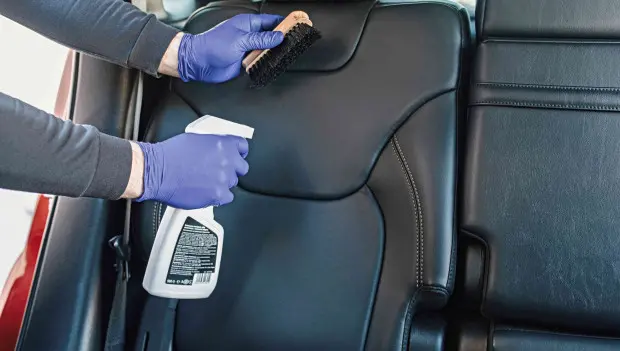
In an effort to keep leather seats looking “factory fresh,” many drivers stock up on heavy conditioners and saddle soap. It seems logical: treat the leather, make it softer, protect it from cracking. In reality, though, you may be accelerating its deterioration.
The core problem is that old-school leather care advice simply doesn’t apply to modern vehicles. Decades ago, leather upholstery often required oil-based treatments to prevent drying and cracking. Today, nearly all automotive leather is coated with a microscopic layer of polyurethane. In other words, you’re actually sitting on a protective polymer finish that already shields the material from dirt and UV exposure.
When you apply thick conditioners to that surface, the product can’t penetrate the protective coating. Instead, it sits on top as a sticky film — one that acts like a magnet for dust and fine sand. Every drive then becomes a subtle sanding session, as abrasive particles rub against the seat and gradually wear down the factory finish.
If your seats are perforated, heavy products can also clog the tiny holes, creating the perfect environment for mold and unpleasant odors.
Here’s the golden rule: healthy automotive leather should not shine. The true look of a well-kept interior is a rich matte finish. That glossy sheen some drivers are proud of? It’s usually just a mix of silicone, grease, and trapped grime.
The Right Way to Care for Leather
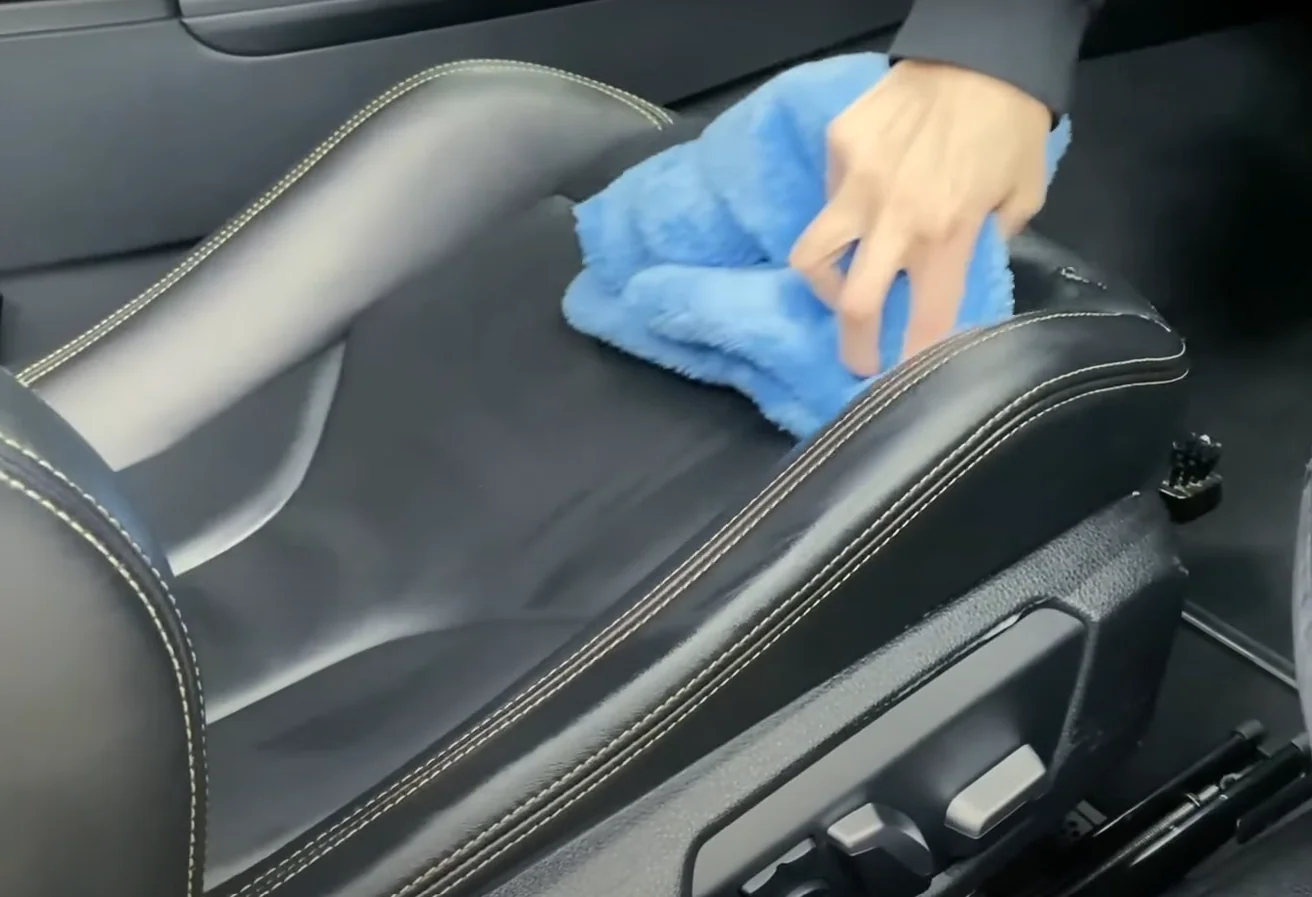
Proper maintenance is actually simpler — and cheaper — than most people think. Once a week, vacuum sand and debris from the seat creases. Then wipe the surface with a slightly damp microfiber towel and a mild, neutral soap solution. That’s enough to remove body oils and dust.
If you want added UV protection, choose water-based products only. They won’t leave a sticky residue, won’t attract dirt, and will preserve the desirable matte appearance that signals a well-maintained vehicle.
What Even Experienced Drivers Forget
Many people assume leather cracks because it dries out in the sun. In reality, ultraviolet light breaks down the protective clear coat first. Once that coating becomes brittle and starts to crack, the leather underneath begins to fail.
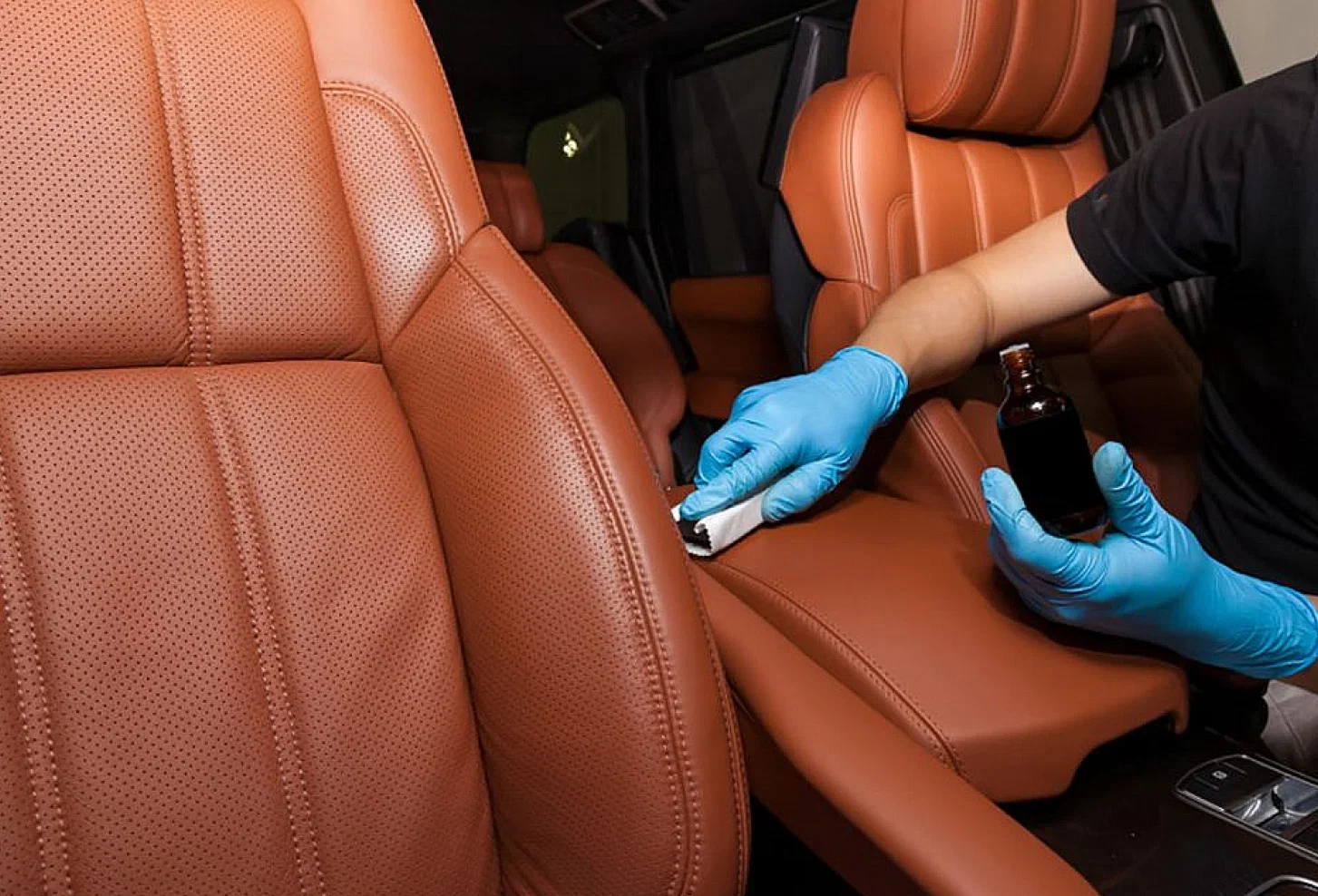
Instead of trying to “feed” your seats with oils, invest in practical protection. Use a quality heat-reducing window tint where legal, or put up a windshield sunshade when parked. These steps protect your interior far more effectively than any bottle of conditioner.
If you have white or beige leather, your biggest enemy isn’t dirt — it’s dye transfer. Blue jeans, for example, can leave pigment that penetrates the clear coat. If you notice blue discoloration, don’t attack it with household cleaners or alcohol. That can strip the protective layer. Use only dedicated leather cleaners, and address the stain early before the pigment sets.
Not every cloth is safe for leather. Cheap household rags can be too rough. Choose high-density, short-pile microfiber towels. Never scrub aggressively — gentle circular motions are enough. If dirt doesn’t lift, use a soft natural-bristle detailing brush to clean the texture without causing damage.
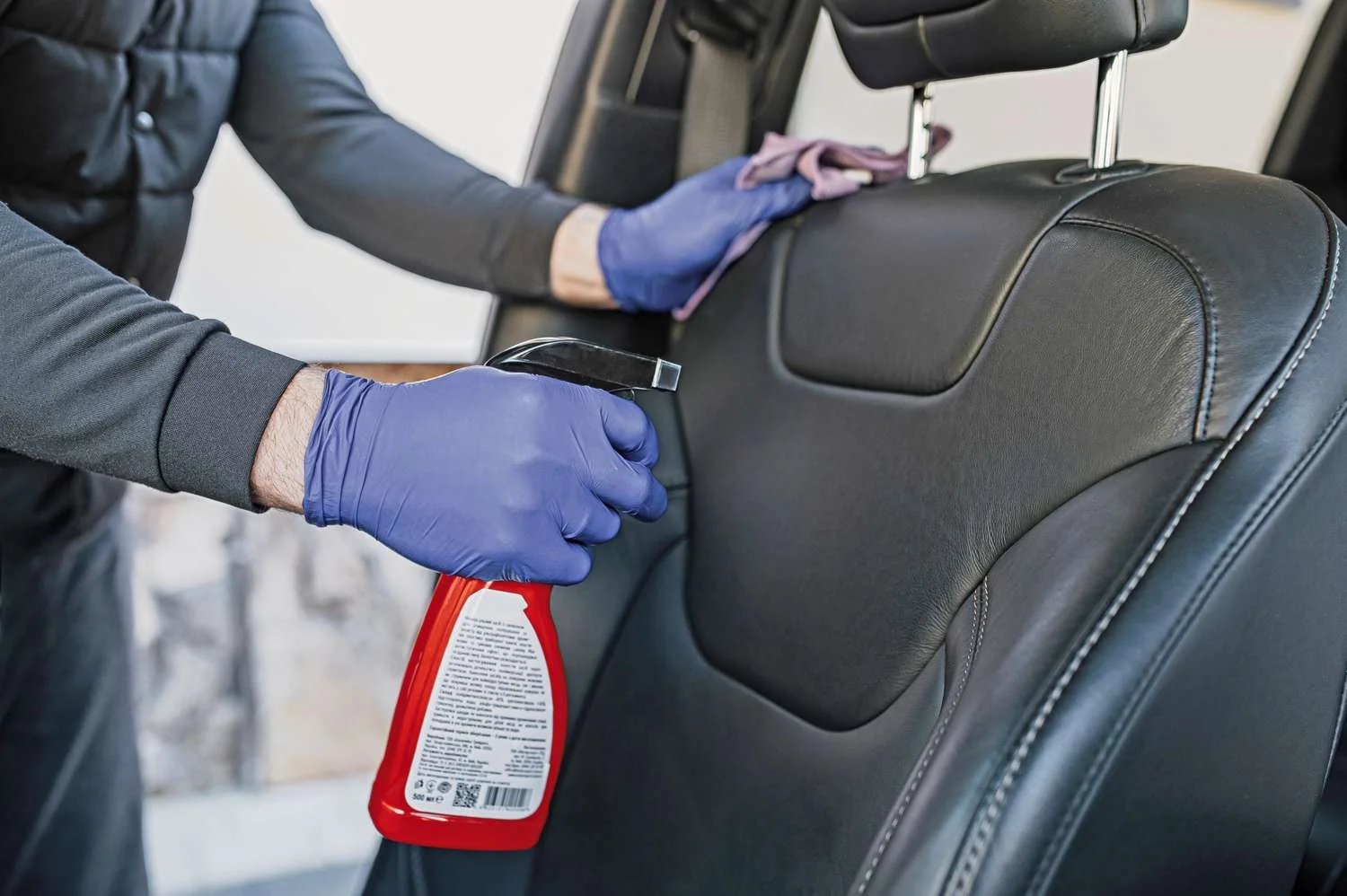
Never clean leather when the vehicle has been sitting in direct sunlight and the cabin is hot. Cleaning products dry too quickly on hot surfaces, leaving streaks and stains that are difficult to remove. Always let the interior cool down in the shade before applying any product.
Is It Real Leather or Synthetic?
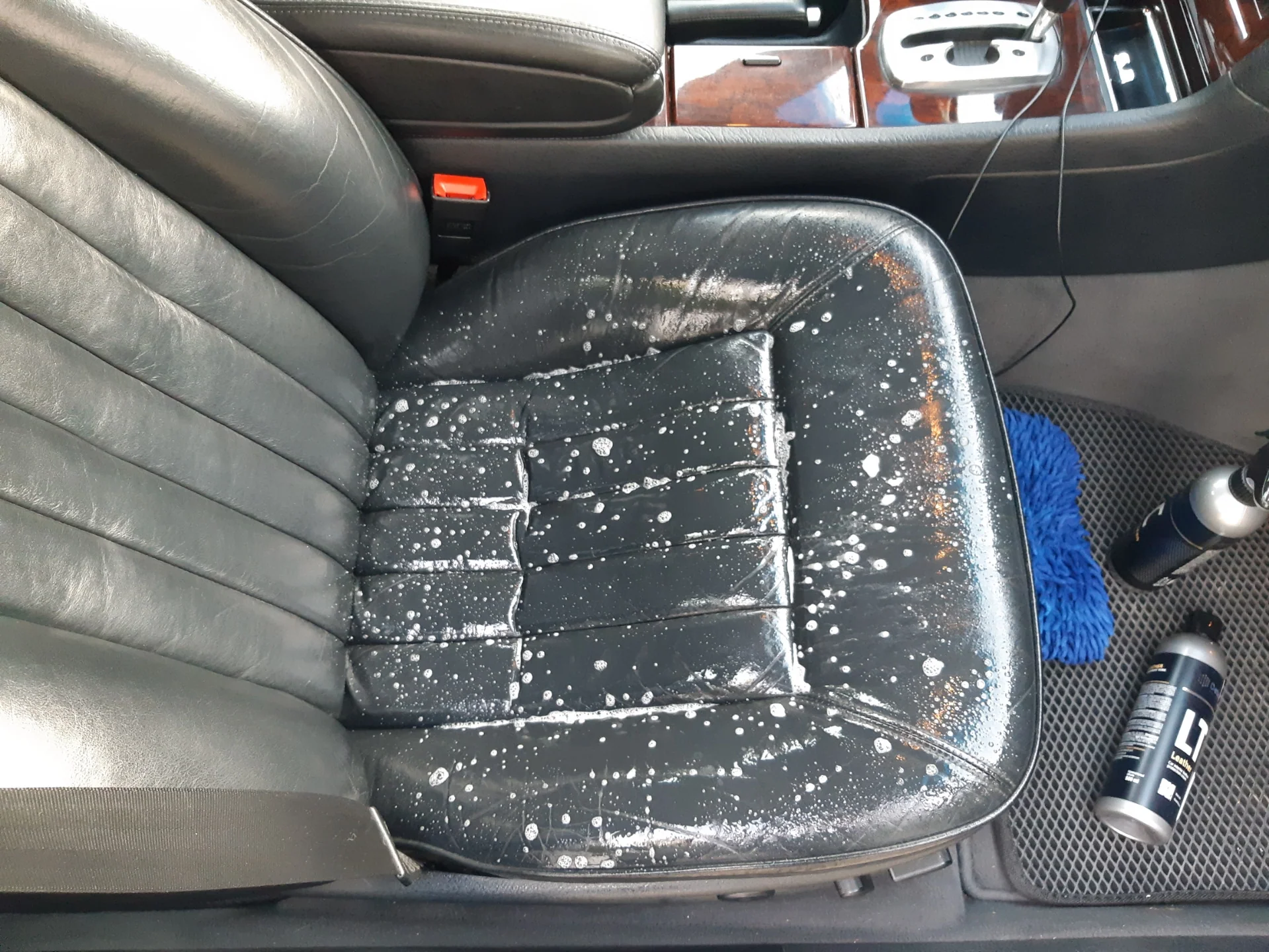
If you’re unsure whether your seats are genuine leather or synthetic “eco-leather,” try a simple test. Place a small drop of water on an inconspicuous area. Natural, uncoated leather will begin to absorb the water and darken. Modern automotive leather with a protective coating will simply hold the droplet on the surface.
That alone proves the point: if water can’t penetrate the finish, neither can oil-based conditioners. In most modern cars, less is more when it comes to leather care.
You may also be interested in the news:
Why You Should Check a Tire’s Manufacturing Date Before Buying
Tire buyers should check more than size, tread, and brand because rubber changes with age, even without visible wear.
Your Car Sat for a Few Days and Won’t Start: What Could Be Draining the Battery
Your car can sit for days and still drain its battery, even when everything appears switched off.
Four Car Features Modern Drivers Are Starting to Miss
New cars keep adding technology, but some simple features that drivers once relied on are disappearing.
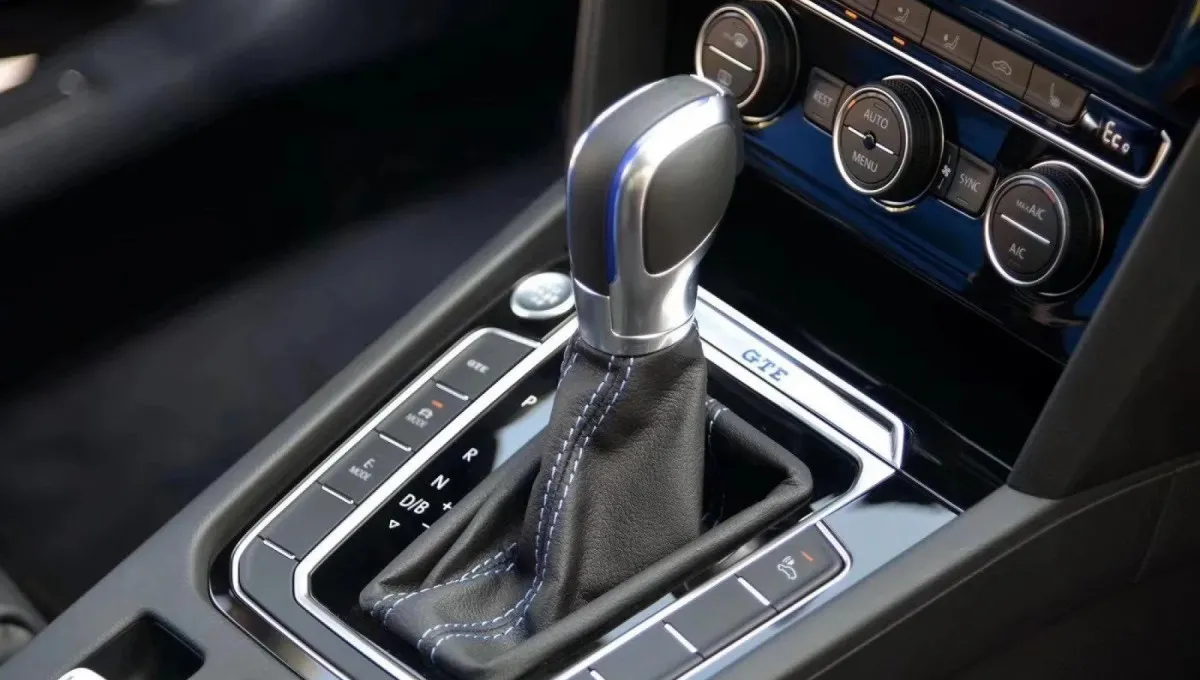
One Driving Habit Slowly Wears Out an Automatic Transmission: What Drivers Should Avoid
Seven-speed DSG gearboxes with dry clutches are among the most vulnerable and expensive to repair.
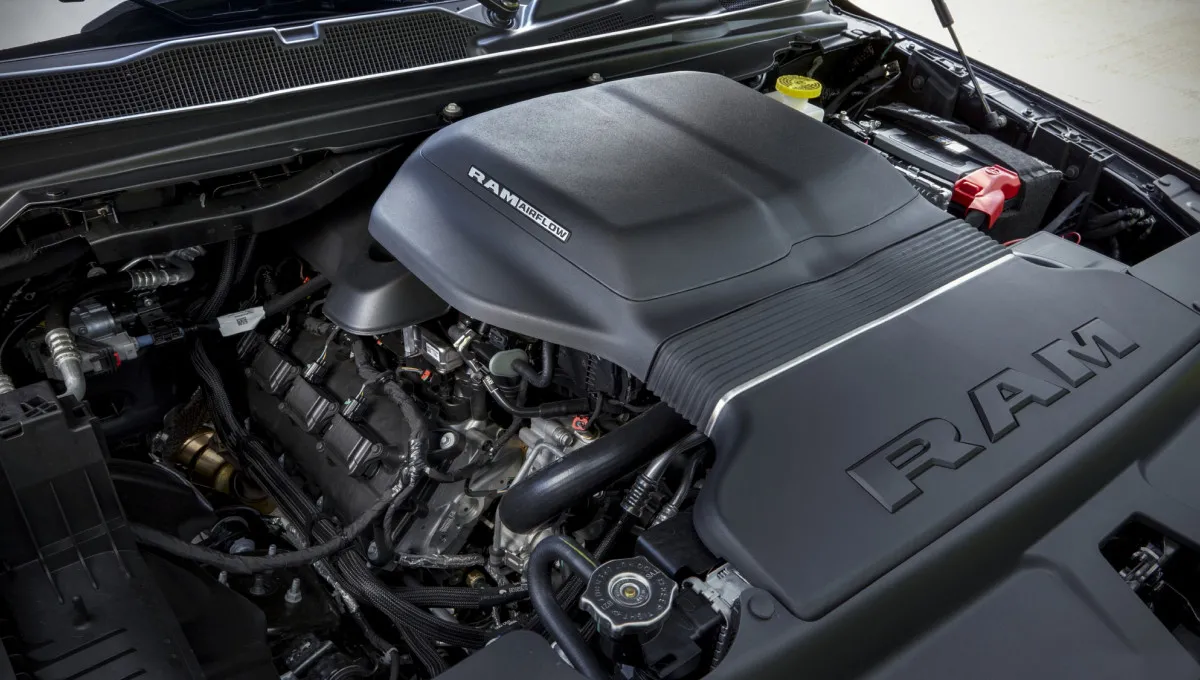
Your Engine Could Be Warning You: 6 Problems That Can Make a Car Run Rough
Engine problems rarely happen without a reason, and six common issues can cause a car to run poorly.