
What Does the “ASR OFF” Button Do — and Why Do Some Drivers Turn It Off?
Traction control is designed to keep you safe. So why do so many drivers choose to switch it off?
There was a time when driving something like a classic Oldsmobile Cutlass or a Lincoln Continental meant simplicity above all else. Under the hood you’d find a carbureted V8, backed by a rugged three-speed automatic that often outlived the rest of the car. Electronics were minimal. No software updates. No warning chimes. And if something broke, chances are you — or your neighbor — could fix it in the garage over the weekend.
But those cars also lacked the safety systems we now take for granted. Modern vehicles are packed with electronic assistants designed not just to protect occupants in a crash, but to help prevent one in the first place. Anti-lock brakes (ABS), electronic stability control (ESC), and traction control systems have become standard equipment across nearly every segment.
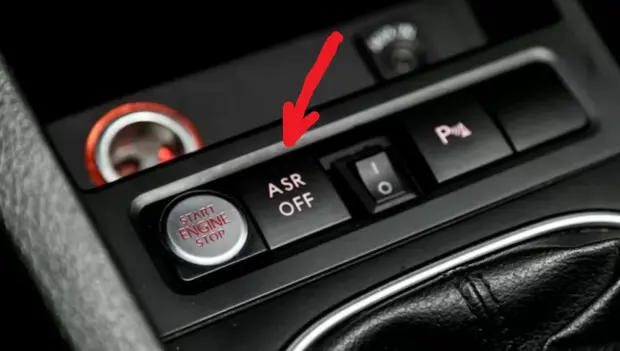
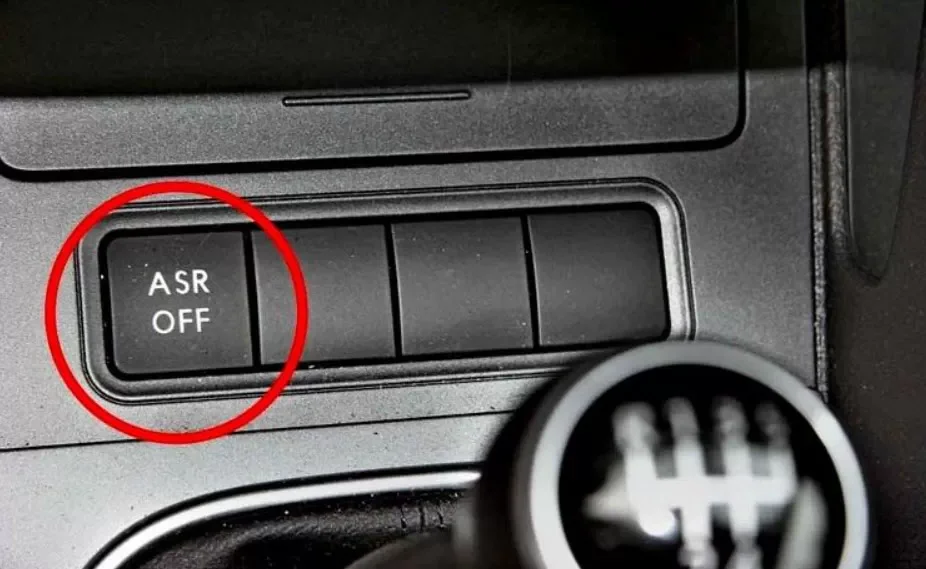
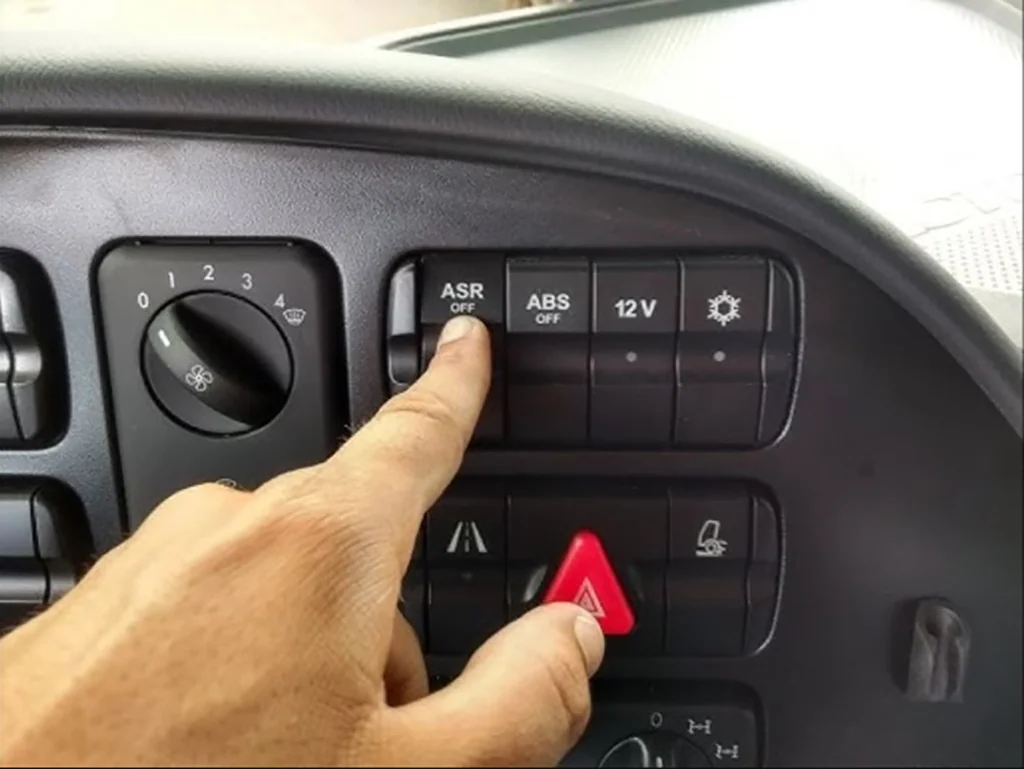
Still, many drivers occasionally press one particular button: ASR OFF.
What Is ASR?
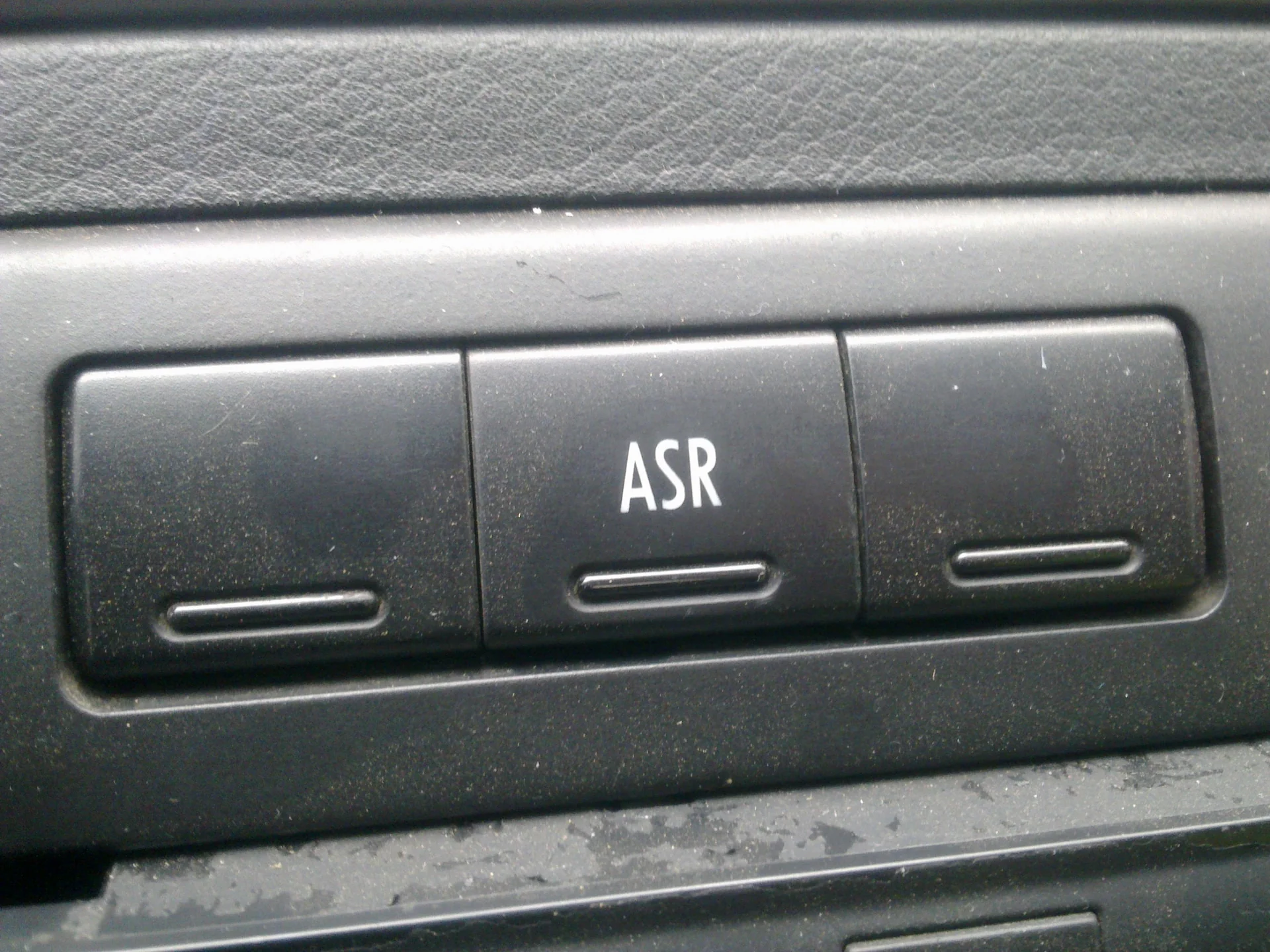
ASR stands for Anti-Slip Regulation, a traction control system that prevents the drive wheels from spinning under acceleration. In simple terms, it keeps your tires from losing grip when you step hard on the gas.
When wheelspin is detected, the system automatically reduces engine power or applies braking force to the slipping wheel. It’s especially useful on snow, ice, wet pavement, or loose dirt — situations where traction is limited and stability matters most.
A Quick Background on ASR
ASR is essentially an early form of modern traction control. The technology was developed in Europe in the 1980s, with major contributions from Bosch and Mercedes-Benz. Bosch filed one of the foundational traction control patents in 1986, building on the same wheel-speed sensor technology used for ABS.
Mercedes-Benz was among the first automakers to introduce a production version of ASR in the late 1980s, initially on high-end sedans. The system worked by monitoring wheel speed through ABS sensors and cutting engine torque when it detected excessive slip. Over time, ASR evolved and was integrated into broader electronic stability control systems. Today, while the name “ASR” isn’t used by every manufacturer, the function itself is nearly universal in modern vehicles sold in the U.S.
So Why Turn It Off?
At first glance, disabling a safety system sounds counterintuitive. After all, traction control exists to make driving more predictable — particularly during winter or in bad weather.
However, there are situations where temporarily switching ASR off actually makes sense.
If your vehicle is stuck in deep snow, mud, or loose sand, a small amount of wheelspin can help build momentum and free the tires. Traction control, doing exactly what it was designed to do, may cut engine power so aggressively that the vehicle can’t break free. Many owner’s manuals specifically recommend temporarily disabling traction control in these scenarios.
In other words, sometimes you need the wheels to spin a little. Without that controlled slip, the vehicle may feel like it’s being “choked” by the system.
When to Turn It Back On
Once you’re moving again on stable ground, ASR should be reactivated. The system plays a critical role in maintaining control during sudden acceleration, especially in rain or on slick roads.
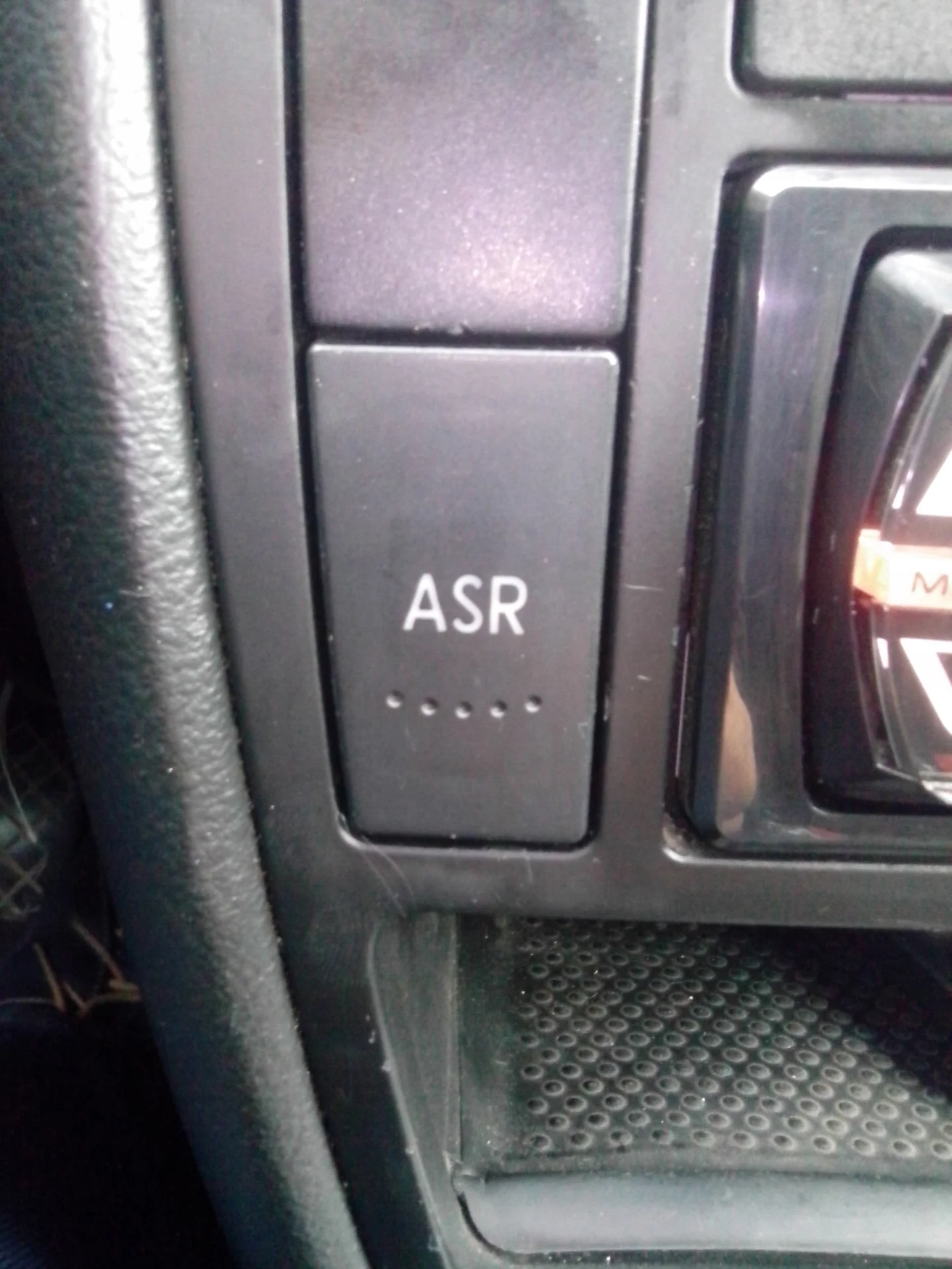
Driving with traction control permanently disabled increases the risk of losing control under hard throttle, particularly in rear-wheel-drive vehicles or high-powered cars.
The takeaway is simple: ASR isn’t the enemy. It’s a tool. Most of the time, it works quietly in the background to keep you pointed in the right direction. But in rare situations — like rocking a vehicle out of deep snow — turning it off briefly can help. Just don’t forget to switch it back on once the road clears.
You may also be interested in the news:
When the First Freeze Hits, Put Newspaper Under Your Floor Mat: An Old Winter Driving Trick
Newspaper under a floor mat can help protect a car's floor from winter moisture, but it requires regular attention.
How a Repair Shop Can Overcharge You: What Every Driver Should Know
An experienced mechanic knows how to increase a repair bill, and drivers should know what to watch for before approving work.
How to Find the Source of a Car Interior Rattle in 15 Minutes
A simple trick can help drivers pinpoint an annoying interior rattle without taking apart half the cabin or visiting a repair shop.
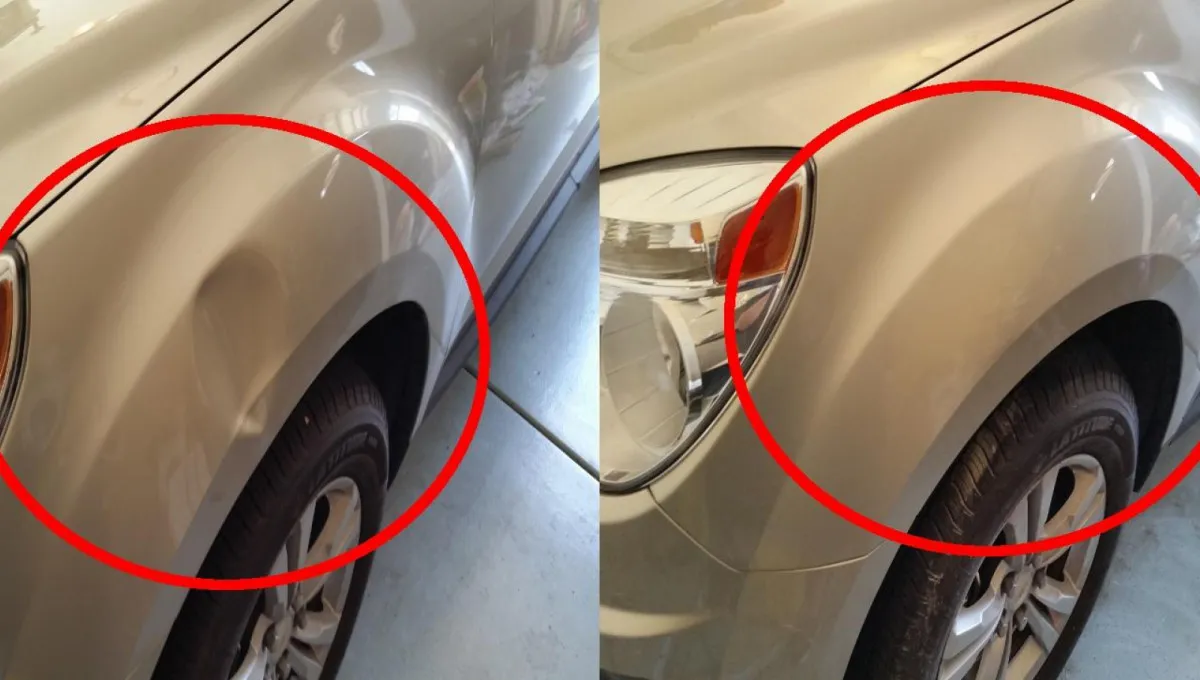
The Dent Can Disappear Without a Trace: How to Repair Car Body Damage Without Paint
Paintless dent repair can restore a damaged panel to its original shape, but only when certain conditions are met.
Not Ford, BMW or Audi: Mechanic Names the Car Brand That Almost Never Breaks Down
Auto repair professionals reveal which models rarely suffer major failures and which ones repeatedly end up on the lift.