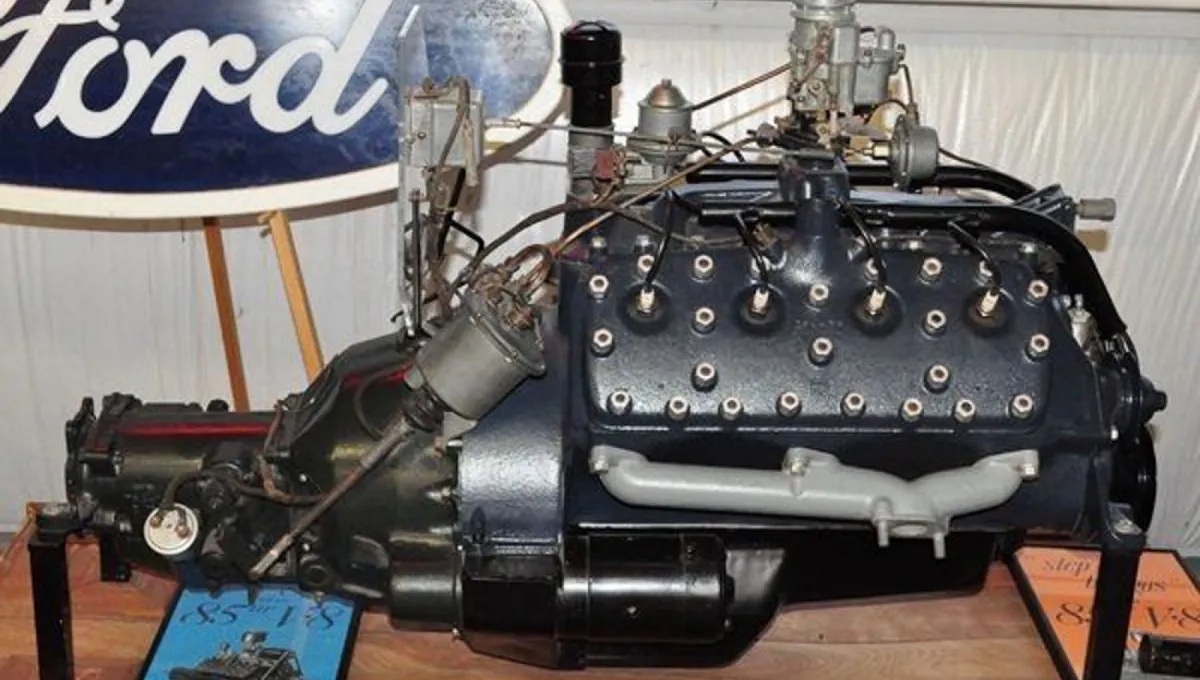
Why Engine Power Is Still Measured in Horsepower More Than 200 Years Later
The term horsepower dates back to steam engines and remains one of the easiest ways drivers compare vehicle performance today.

Cars are incredibly complex machines, but one question continues to confuse plenty of drivers: why is engine output still measured in horsepower? And does one horsepower actually equal the strength of a single horse?
The answer goes back centuries — long before automobiles even existed.
It Started Before Cars Were Invented
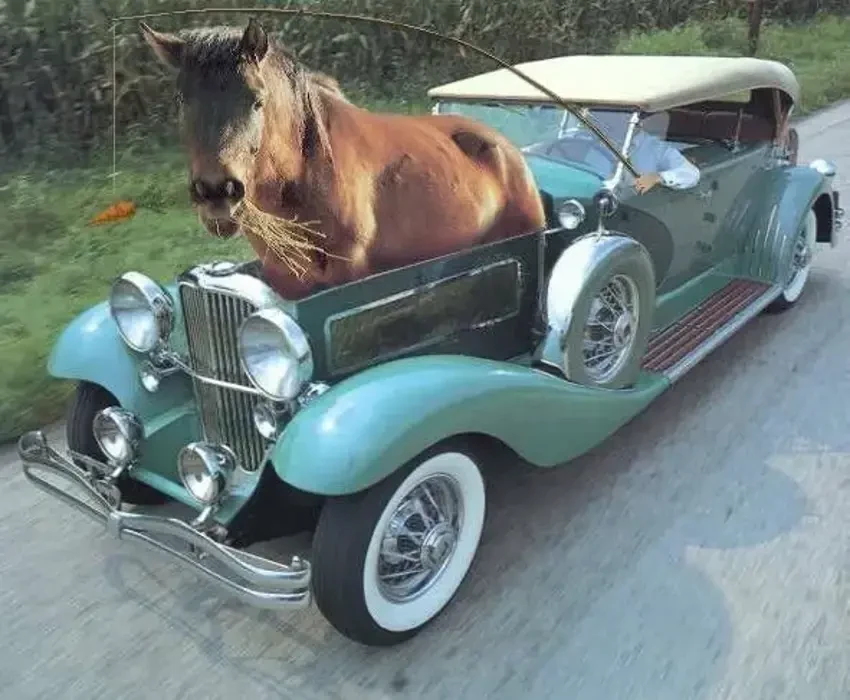
Long before highways, sports cars, and pickup trucks became part of everyday life, transportation depended almost entirely on horses and wagons. During the 18th and early 19th centuries, horses powered transportation, farming equipment, mills, and industrial machinery across Europe and North America.
That’s exactly why Scottish engineer James Watt introduced the term “horsepower” in the late 1700s.
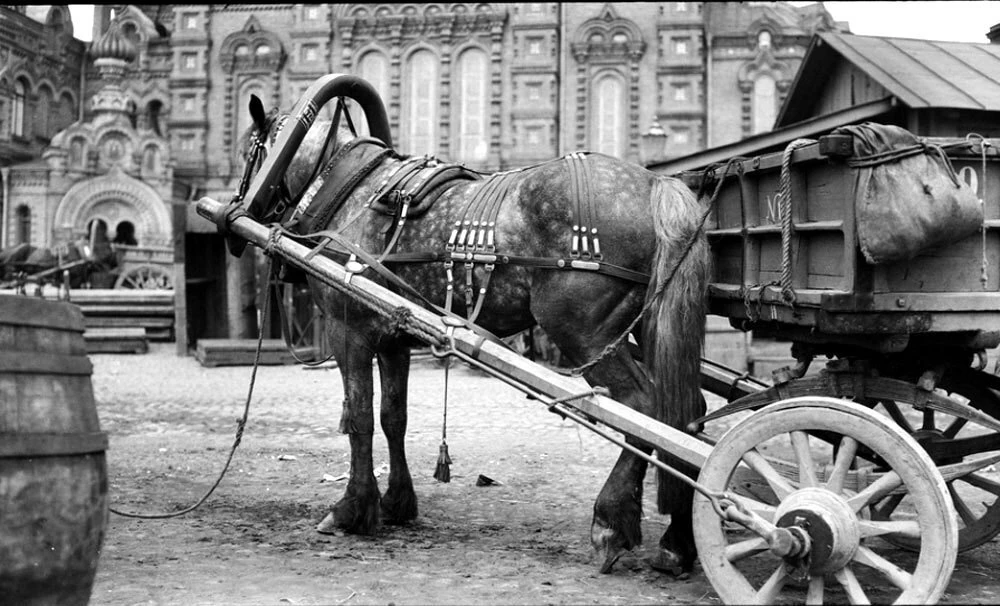
Watt wasn’t building automobiles. He was developing steam engines and needed a simple way to explain their capability to customers who had never seen industrial machinery before. Most people at the time understood only one source of mechanical power: horses.
So Watt decided to compare his steam engine directly to the work a horse could perform.
How Watt Calculated Horsepower
At the time, horses commonly powered large rotating wheels used in mills and factories. Watt observed how much weight a horse could move and how quickly it could work over a certain period of time.
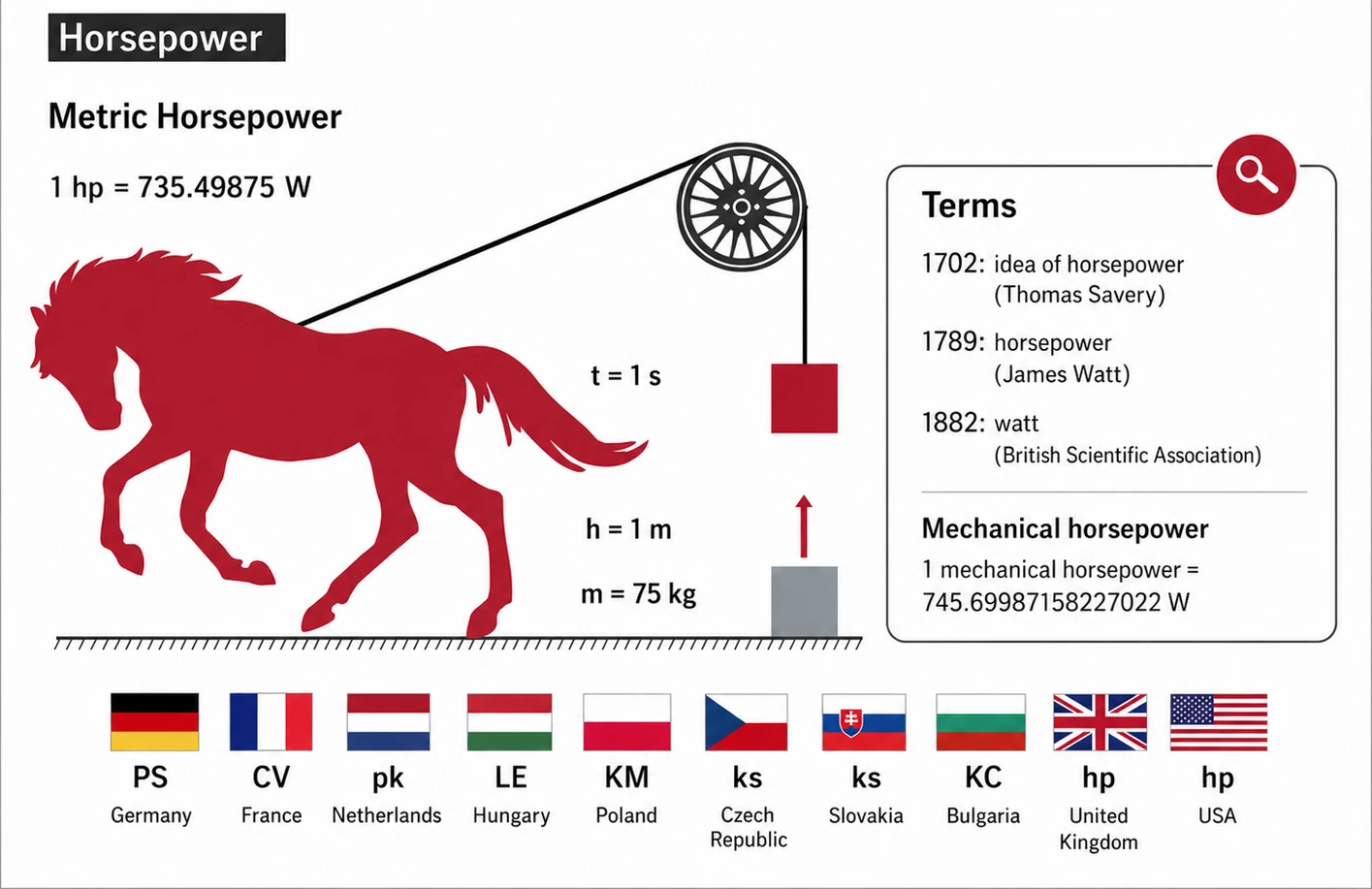
Based on his calculations, he estimated that one horse could produce enough force to lift 550 pounds one foot per second. That number eventually became the basis for the horsepower measurement still used in the United States today.
Of course, historians and engineers later pointed out that Watt’s calculations weren’t perfectly accurate. He reportedly used particularly strong horses during his tests, meaning the average horse was probably weaker than his estimate suggested.
Even so, absolute precision wasn’t the point.
Watt mainly wanted a marketing tool that ordinary people and business owners could easily understand. And it worked extremely well. His steam engines could replace the labor of several horses while requiring far less daily maintenance, food, rest, and care.
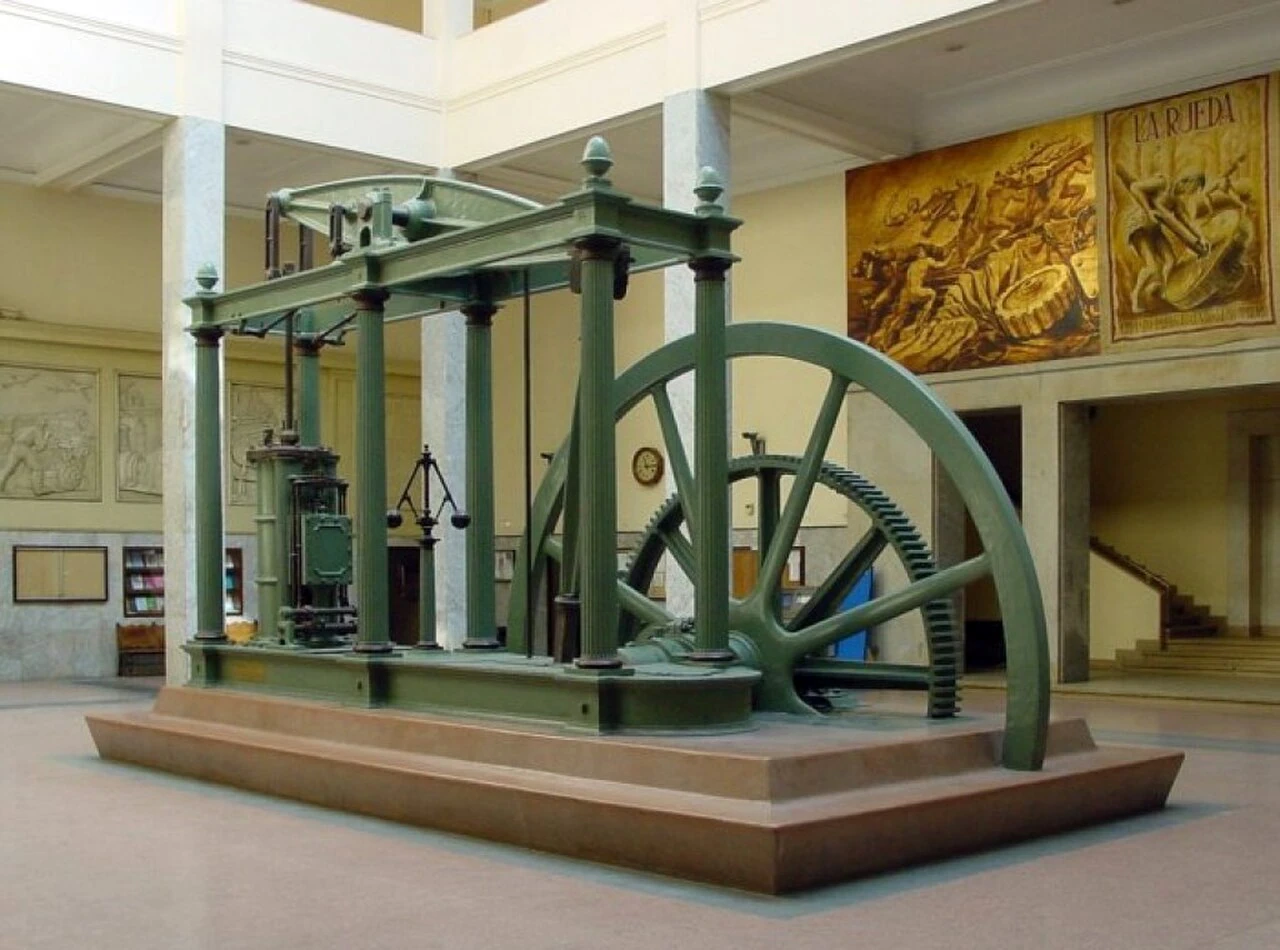
For factory owners and industrial businesses, the idea sounded revolutionary.
Eventually, another unit of power — the watt — was named after James Watt himself.
The Arrival of Modern Engines
Nearly 90 years later, German engineer Nikolaus Otto helped create the modern internal combustion engine, introducing an entirely new way to generate power.
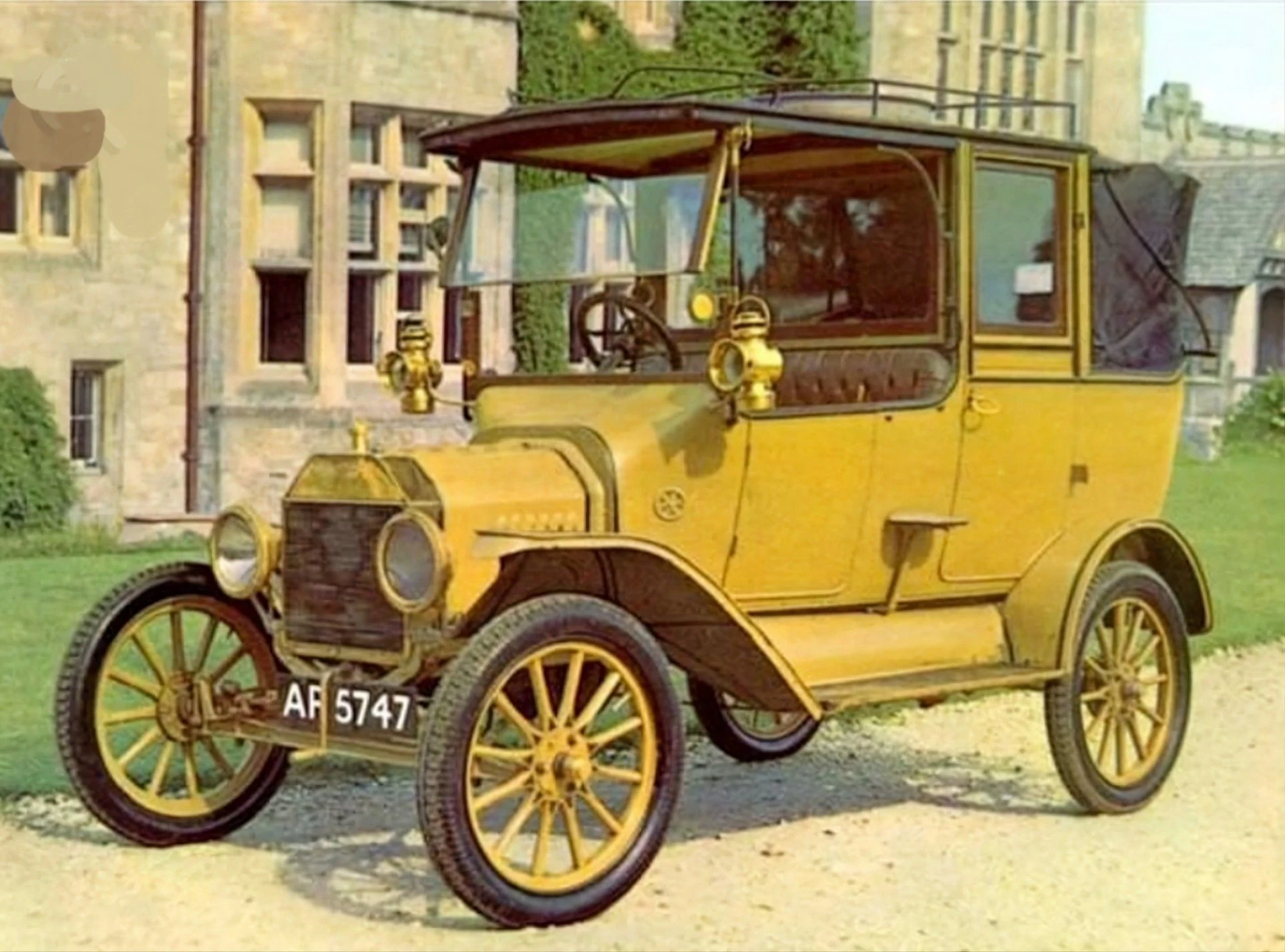
Unlike steam engines, these gasoline-powered designs focused heavily on engine speed, torque, and rotational force — characteristics that still define vehicle performance today.
Yet despite massive technological advances, horsepower remained the easiest way for ordinary people to compare engines and understand how powerful a vehicle might feel on the road.
That’s why the term survived.
Horsepower Isn’t Really “Force”
Technically speaking, physicists will quickly point out that horsepower is not actually a direct measurement of force. It’s a measurement of power — specifically how much work can be done over a set amount of time.
And perhaps surprisingly, a real horse can produce much more than one horsepower for short bursts. In some situations, an actual horse may briefly generate up to 10 horsepower.
That means a modern 300-horsepower sports car obviously isn’t equal to the strength of 300 real horses standing side by side.
The number is simply a standardized unit designed to help measure engine output in a practical and understandable way.
Not All Horsepower Measurements Are the Same
Over time, several different horsepower standards appeared around the world.
There’s hydraulic horsepower used for pumps and water systems, boiler horsepower for steam production, and electrical horsepower commonly referenced in industrial applications.
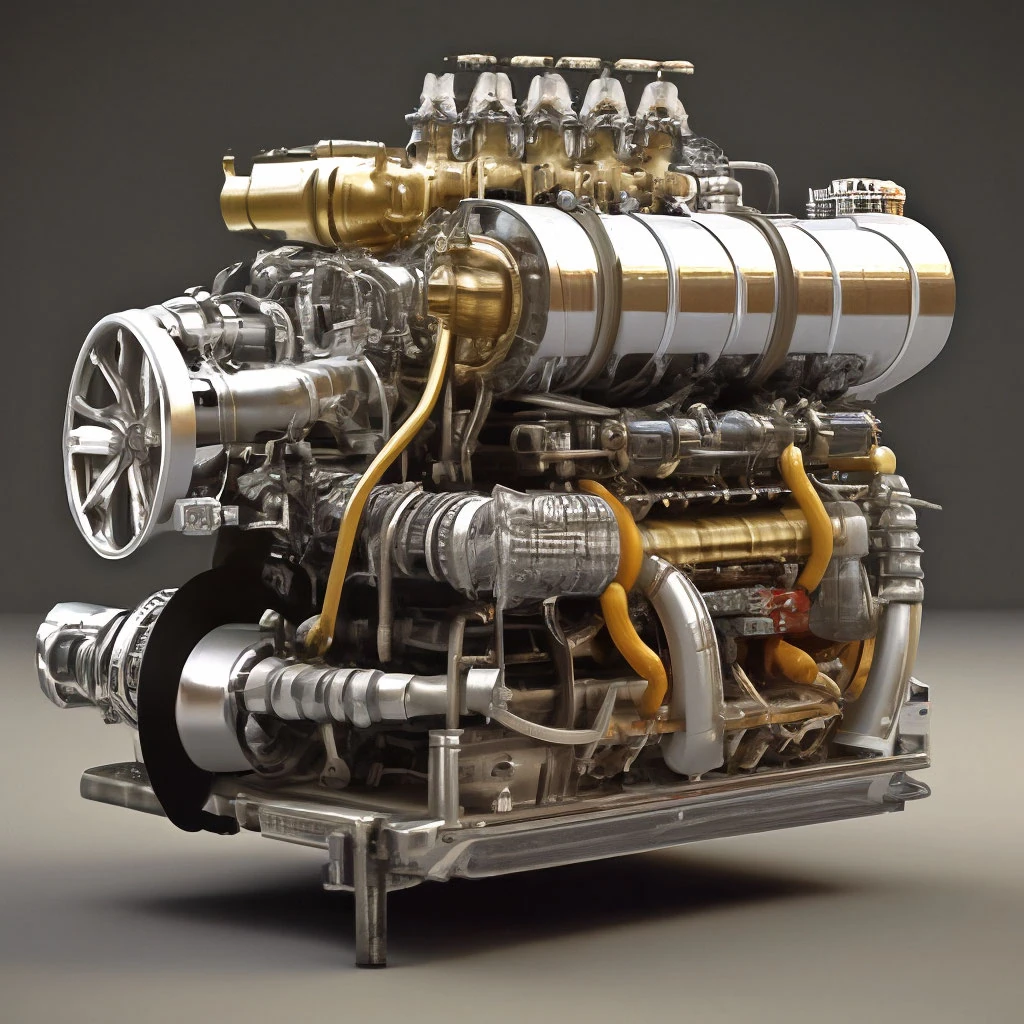
The United States still primarily uses mechanical horsepower, while many European countries historically relied on metric horsepower, which equals approximately 735.5 watts.
That difference occasionally creates confusion when comparing international vehicle specifications.
Why Horsepower Still Matters Today
Modern engines can now be measured using far more advanced calculations and engineering formulas. Electric vehicles, hybrid systems, turbocharged engines, and performance software have all changed how engineers evaluate power.
But for everyday drivers, horsepower remains one of the simplest and most familiar ways to compare vehicles.
Whether discussing steam engines, muscle cars, pickup trucks, or supercars, the term continues to offer an easy shorthand for understanding how much performance an engine can deliver.
You may also be interested in the news:

What Does a Flashing Red Traffic Light Mean? Can You Keep Driving?
Drivers must come to a complete stop at the stop line before deciding whether it is safe to proceed.
Why You Should Check a Tire’s Manufacturing Date Before Buying
Tire buyers should check more than size, tread, and brand because rubber changes with age, even without visible wear.
Four Car Features Modern Drivers Are Starting to Miss
New cars keep adding technology, but some simple features that drivers once relied on are disappearing.

The Sheriff Knew She Was Speeding—Then This Blonde Driver Turned the Ticket Against Him
A sheriff pulls over a Ferrari for speeding, but the driver's bizarre logic quickly turns the traffic stop against him.