
Is It True You Should Let Air Out of Your Tires for Driving on Snow and Ice?
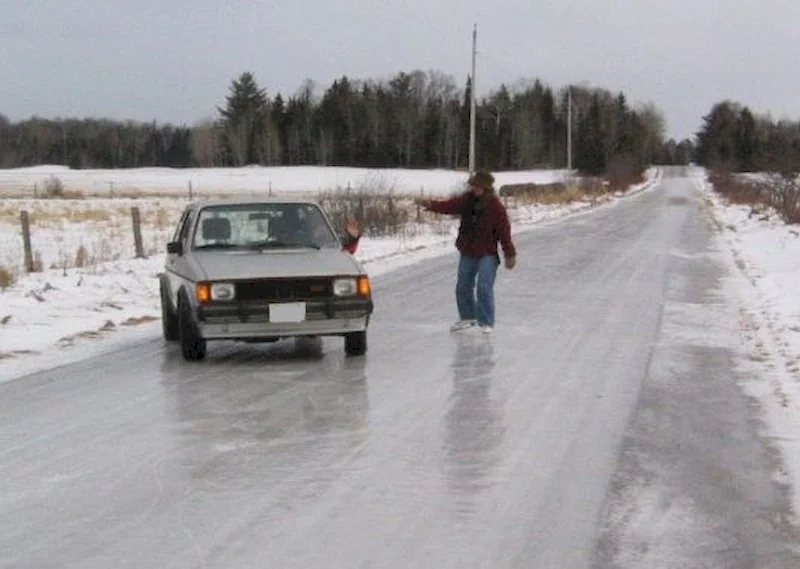
For many drivers, winter doesn’t begin on the calendar—it starts the moment snow and ice crunch ominously beneath the tires.
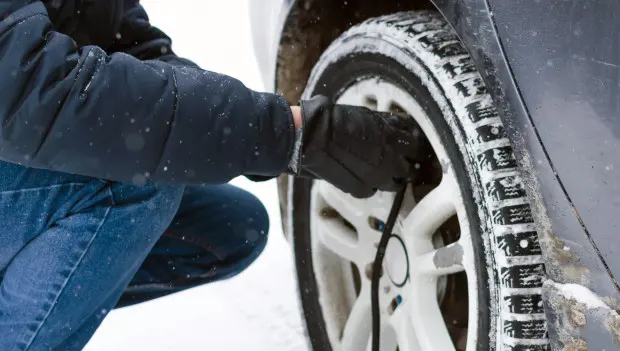
For many motorists, winter begins not with a date, but with the unsettling sound of a thin frozen puddle or packed snow cracking under the tires—and the sudden feeling that the car has a mind of its own, ignoring steering inputs.
It’s in moments like these that “golden advice” from older colleagues or long-ago repair shops resurfaces. One of the most persistent claims is that slightly deflating your tires improves traction on ice.
At first glance, the logic seems flawless: lower tire pressure allows the tire to spread out more, increasing the contact patch, which should, in theory, improve grip. But modern tires are not just chunks of rubber—they’re complex engineering products that follow the laws of physics, often in ways that directly contradict garage myths. On a modern vehicle, trying to improve traction this way often ends not in confident driving, but in a visit to the repair shop—or at best, a ruined set of expensive tires.
The Main Misconception
The biggest mistake made by proponents of low tire pressure is ignoring how load is distributed inside the tire. When you reduce pressure below the recommended level, the center of the tread can effectively pull inward due to internal deformation and centrifugal forces. Instead of a wide, evenly distributed rectangular contact patch, you end up with a “dumbbell” shape, where most of the load is concentrated on the outer edges of the tread.
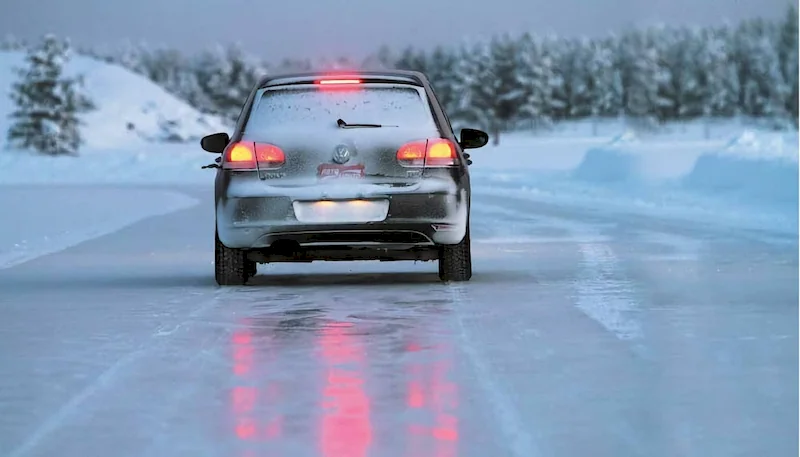
On loose snow or mud, that can sometimes help, because the tire begins to act more like a track. But on pure ice, it’s a critical error. What matters most on ice is specific pressure per square inch.
For the sipes in a modern winter tire—the tiny slits designed to bite into slippery surfaces—to work properly, they must be pressed firmly against the road by the vehicle’s full weight. When you underinflate the tire, that force is dispersed. The sipes close up instead of opening, and instead of improved traction, the driver gets a ski-like effect.
How Modern Winter Tires Actually Work
Modern studless winter tires (often called “friction tires”) rely on channeling away the microscopic layer of water that forms at the contact patch due to friction and pressure. When tire pressure is correct, the tread’s drainage channels maintain their proper geometry and quickly clear that water.
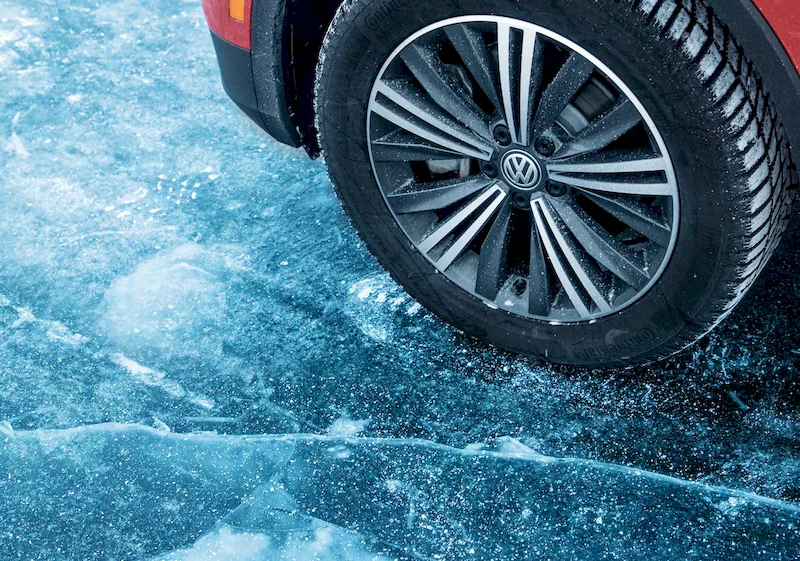
As soon as pressure drops, those channels deform and partially collapse, allowing a thin film of water to remain between the rubber and the ice. That film acts like a lubricant.
At that point, control can be lost—even at low speeds.
With studded tires, the situation can be even worse. A stud can effectively bite into ice only when it is firmly anchored in dense rubber supported by proper internal air pressure. In a half-deflated tire, the stud shifts or sinks into the tread, becoming little more than decorative metal.
The Temperature Factor Many Drivers Forget
Temperature plays a critical role, and even experienced drivers often overlook it. According to the laws of physics, for every 18°F drop in temperature, tire pressure decreases by approximately 1.5 psi.
That means if you leave a warm garage where your gauge shows a perfect 32 psi, and then drive into 0°F weather, within an hour your tires could effectively drop to around 28 psi—or even lower.
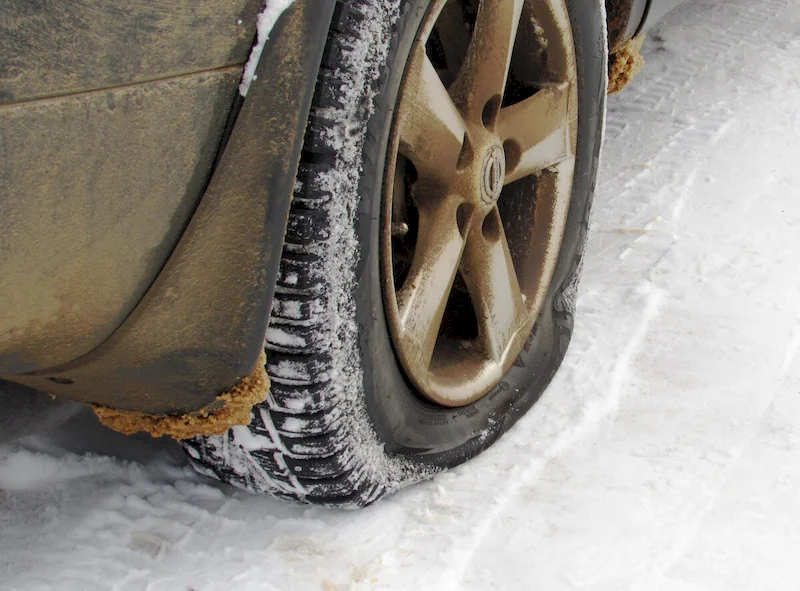
Deliberately releasing additional air on top of that is a direct path to serious underinflation.
A “soft” tire becomes vulnerable to mechanical damage. Winter roads often hide sharp-edged potholes beneath the snow. With low pressure, the tire’s sidewall can easily get pinched between the obstacle and the wheel rim, leading to sidewall cuts or bulges that cannot be safely repaired.
What You Should Do Instead
Rather than experimenting with lower pressure, experts recommend maintaining tire pressure about 1.5 to 3 psi above the factory specification during winter to compensate for cold temperatures. This preserves the correct shape of the contact patch and allows the tread to function as engineers intended during testing.
There is only one narrow scenario where lowering pressure may help: getting through a stretch of deep, loose snow with no icy base. Even then, once you’re back on a hard surface, the tires should immediately be reinflated to their specified pressure.
Safety on ice isn’t about increasing the amount of rubber sliding across the surface. It’s about allowing the tire to apply sufficient pressure and maintain its structural integrity—something that’s only possible when you follow proper technical guidelines.
You may also be interested in the news:
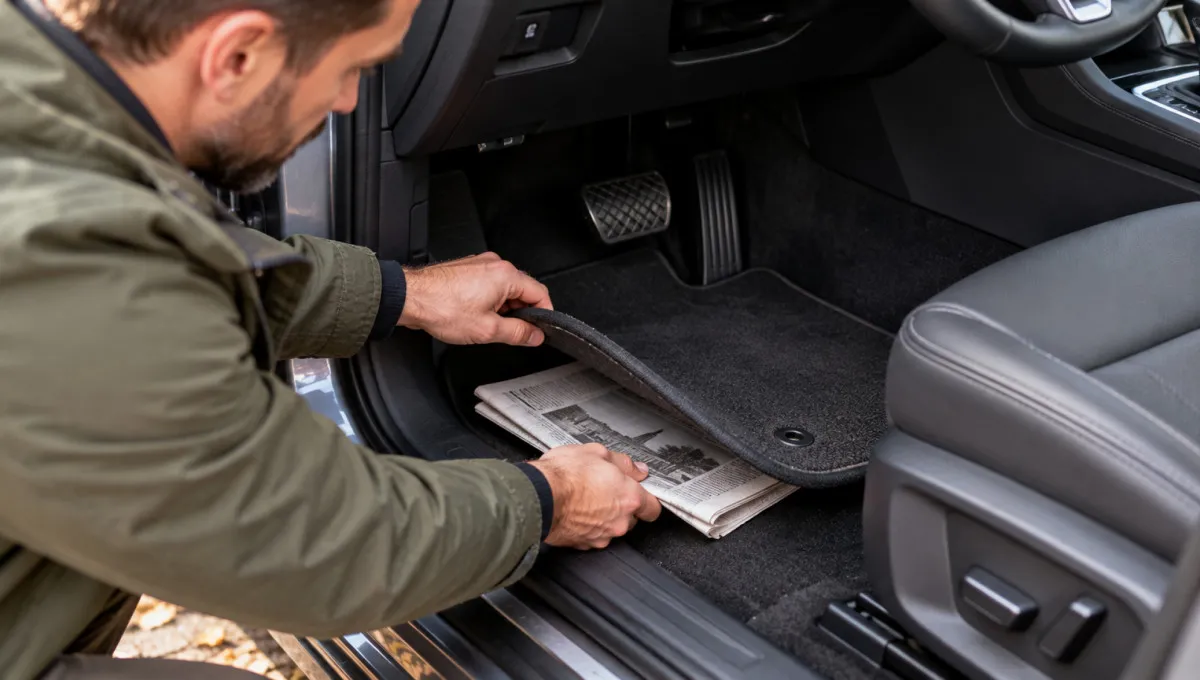
When the First Freeze Hits, Put Newspaper Under Your Floor Mat: An Old Winter Driving Trick
Newspaper under a floor mat can help protect a car's floor from winter moisture, but it requires regular attention.
How a Repair Shop Can Overcharge You: What Every Driver Should Know
An experienced mechanic knows how to increase a repair bill, and drivers should know what to watch for before approving work.
How to Find the Source of a Car Interior Rattle in 15 Minutes
A simple trick can help drivers pinpoint an annoying interior rattle without taking apart half the cabin or visiting a repair shop.
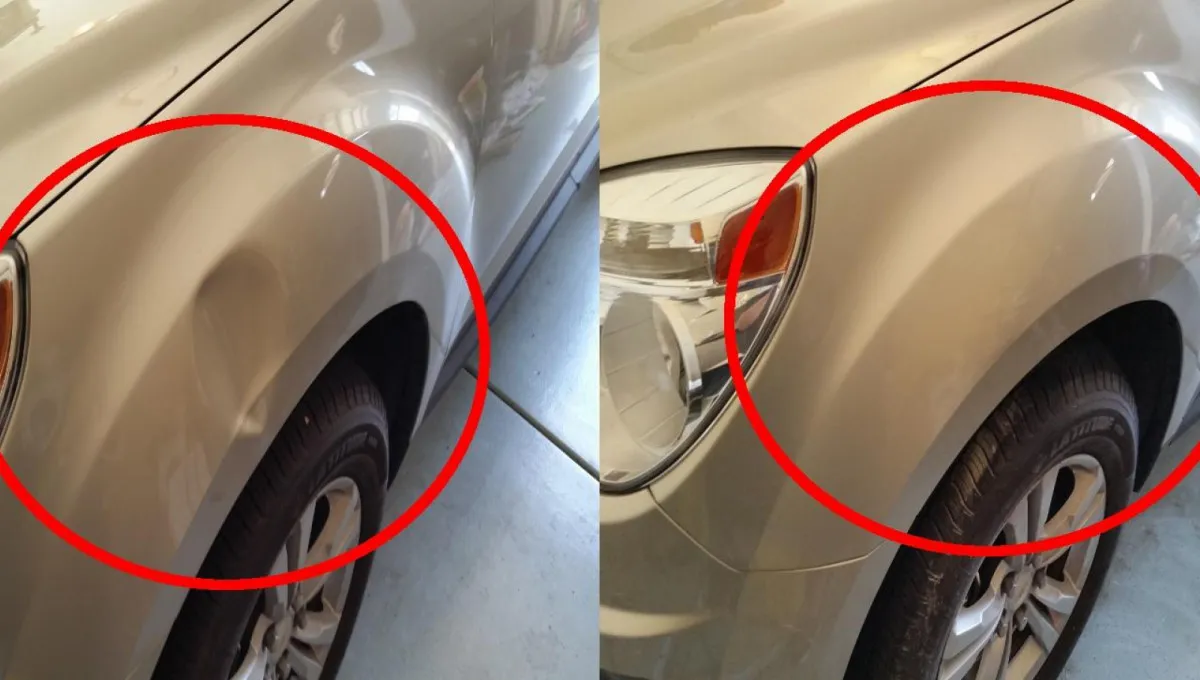
The Dent Can Disappear Without a Trace: How to Repair Car Body Damage Without Paint
Paintless dent repair can restore a damaged panel to its original shape, but only when certain conditions are met.

What Does a Flashing Red Traffic Light Mean? Can You Keep Driving?
Drivers must come to a complete stop at the stop line before deciding whether it is safe to proceed.