
Peterbilt 379: How America’s Most Iconic Big Rig Became a Legend
In the United States, trucks like these are more than just machines — they’re part of a culture.
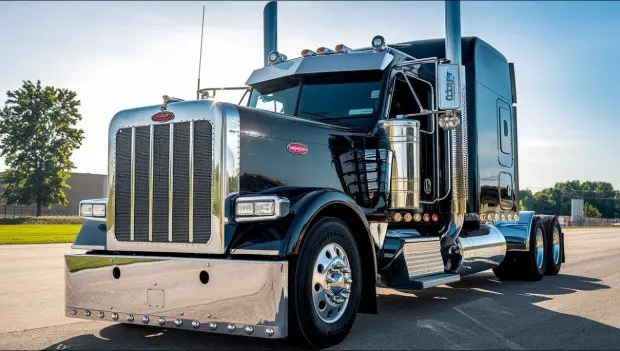
The 300 series of trucks and tractors from Peterbilt isn’t just iconic — it’s truly legendary, at least when it comes to American semi-trucks. See a massive, long-hood rig in a Hollywood movie? There’s a good chance it’s one of the 300-series Peterbilts.
Like all legends, however, the 300 series has reached the end of the road. The lineup was recently discontinued, closing a chapter that had remained in production since the era of World War II.
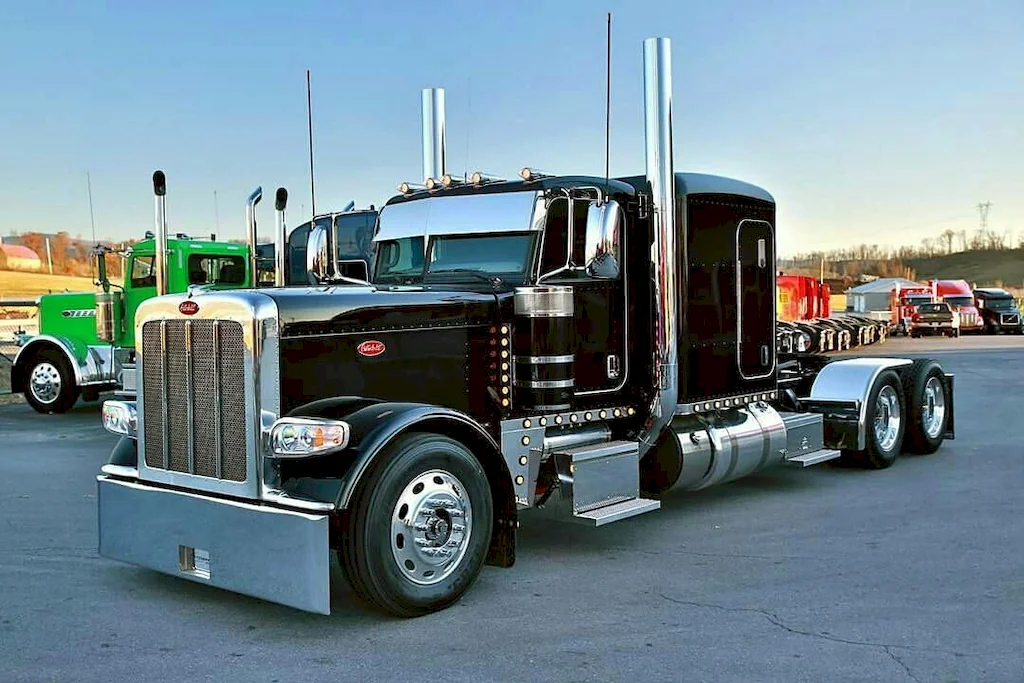
In the United States, heavy-duty semi-trucks are more than work vehicles — they represent an entire industry and culture. Over the decades, a thriving customization scene has developed around these machines. Many trucks are built to order, allowing drivers to configure their rigs exactly how they want them — within the limits of the law, of course.
Ironically, today the Peterbilt name is almost exclusively associated with highway tractors. But the company’s origins tell a more complex story.
At the heart of it all was entrepreneur Theodore Alfred Peterman. Originally, he had nothing to do with the automotive industry. Peterman was a lumber businessman. In the early 20th century, logging operations in the U.S. relied on traditional transportation methods: horse teams, river drives, railroads, and even steam tractors for short hauls. Early trucks simply weren’t powerful or durable enough for serious logging work.
That began to change in the 1930s. Peterman personally experienced the limitations of existing trucks when he purchased dozens of surplus military vehicles from White Motor Corporation for use in Morton, Washington. White had struggled to sell them to the U.S. Army and was eager to offload excess inventory. While the trucks were usable, they didn’t fully meet Peterman’s needs. He and his team modified them based on his logging expertise — but even that wasn’t enough.
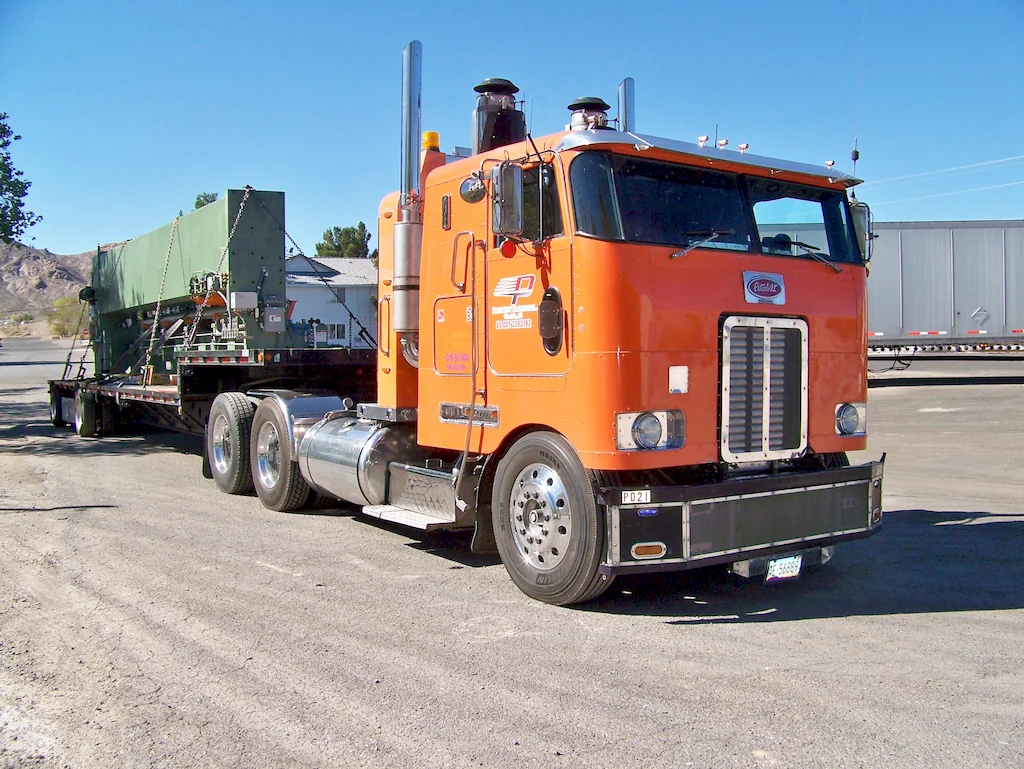
Peterman soon realized that expanding into truck manufacturing might be the logical next step. Instead of adapting someone else’s machines, he could build specialized logging trucks designed from the ground up.
In 1938, opportunity knocked. During a trip to San Francisco, Peterman learned that a factory owned by Fageol Truck and Motor Company was for sale. Soon after, he discovered another available asset — Sterling Motor. Both companies manufactured trucks and tractors. Peterman negotiated a deal for $50,000 — a substantial sum at the time — acquiring not only the facilities but also the production equipment.
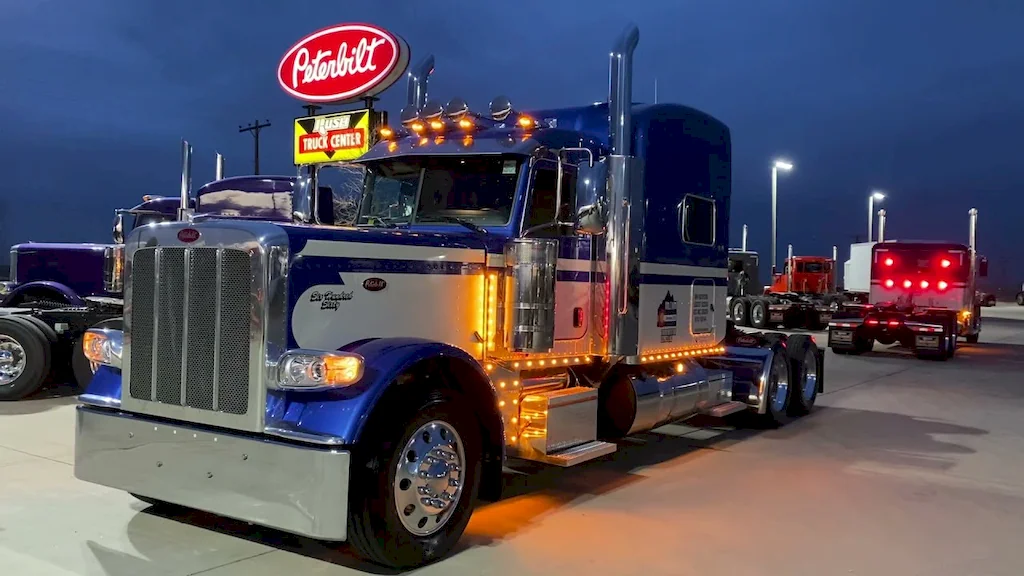
By 1939, a new company — Peterbilt Motors Company — began operations in Oakland, California. Initially, Peterman intended to focus strictly on logging trucks. But whether encouraged by his accountants or persuaded by his wife Ida, he broadened his vision.
Peterbilt Motors Company decided to develop versatile chassis platforms capable of supporting a wide range of truck configurations. Before the end of 1939, the young company had already introduced 16 models, including a fire engine. By late 1940, its lineup had grown to 83 vehicles. Like many manufacturers of the era, Peterbilt also offered repair services for trucks and tractors of other brands, further strengthening its business.
World War II brought defense contracts for the U.S. military. Tragically, Theodore Peterman died of cancer in 1944 at age 51, leaving the company to his wife, Ida. Three years later, she sold the business for $450,000. The original parent company eventually collapsed in the 1950s due to financial losses, but the Peterbilt brand survived. Production resumed at a different facility, and the name lived on.
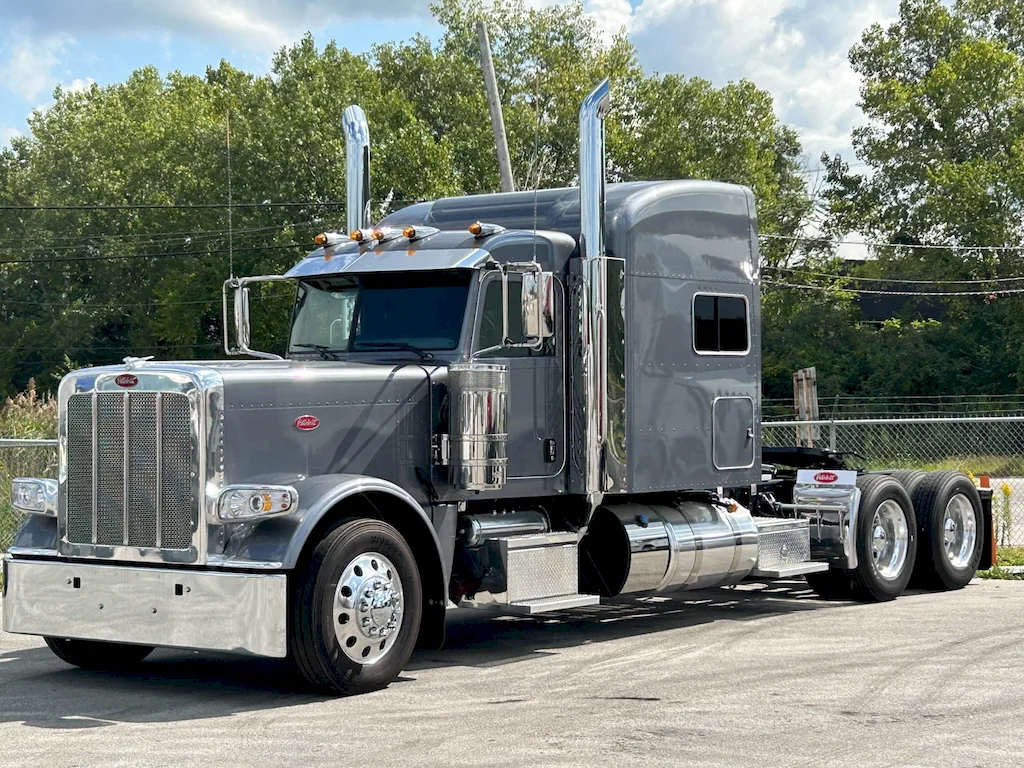
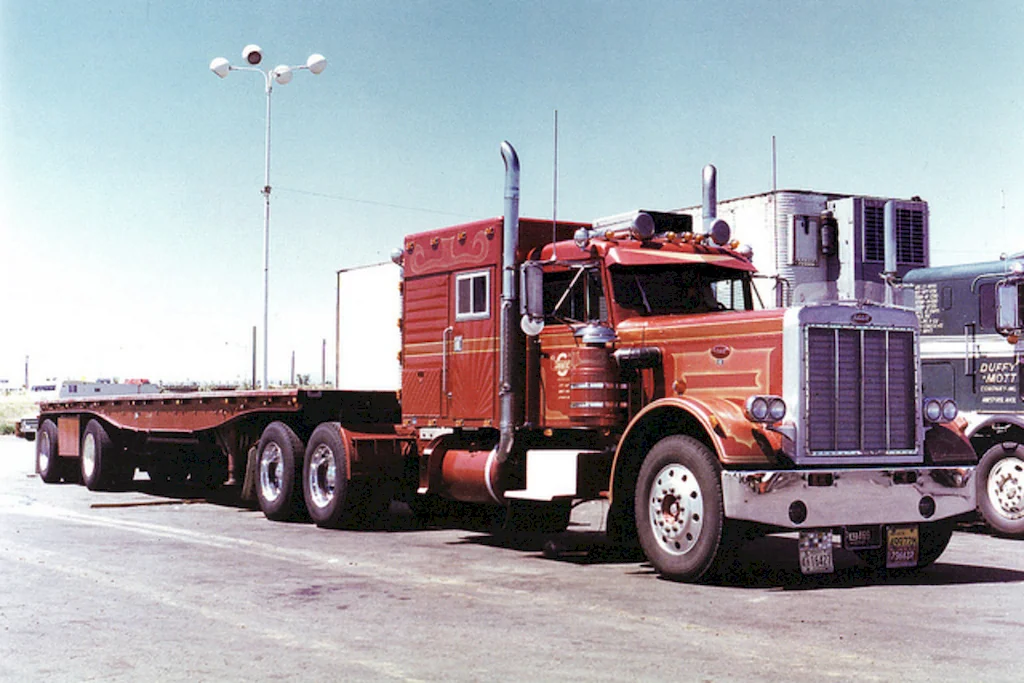
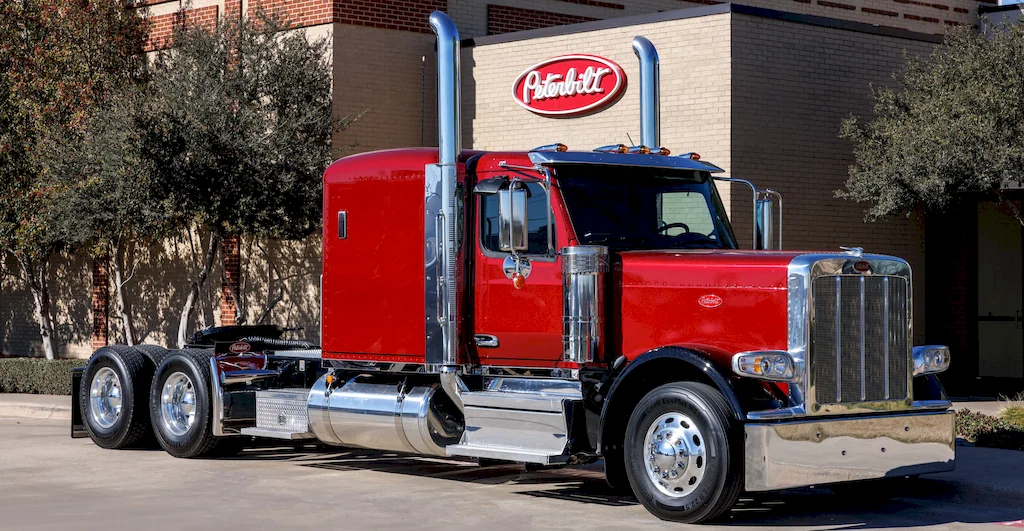
In the decades that followed, Peterbilt experienced its share of ups and downs. Today, the company continues to produce both conventional long-hood and cab-over trucks. Notably, the 300 series first introduced in 1939 remained in production until 2024 — an extraordinary run in the automotive world.
Modern truckers may now drive newer generations, but the legend of the Peterbilt 300 series — and especially models like the 379 — remains deeply woven into America’s trucking heritage.
You may also be interested in the news:

What Does a Flashing Red Traffic Light Mean? Can You Keep Driving?
Drivers must come to a complete stop at the stop line before deciding whether it is safe to proceed.

5 of the Most Beautiful Chevrolet Cars: Timeless Designs With Stunning Silhouettes
Which Chevrolet models deserve to be called the most beautiful?
Nissan Restarts US-Made Murano, Pathfinder, Frontier Sales in Canada
Nissan resumed Canadian sales of three U.S.-built models, but tariffs keep supply below earlier levels.

Why You Should Check a Tire’s Manufacturing Date Before Buying
Tire buyers should check more than size, tread, and brand because rubber changes with age, even without visible wear.
Four Car Features Modern Drivers Are Starting to Miss
New cars keep adding technology, but some simple features that drivers once relied on are disappearing.