
Tesla to recall over 14,500 Model Y SUVs in US over missing weight certification label
The National Highway Traffic Safety Administration stated this absence could lead to customers overloading the vehicles, increasing crash risk.
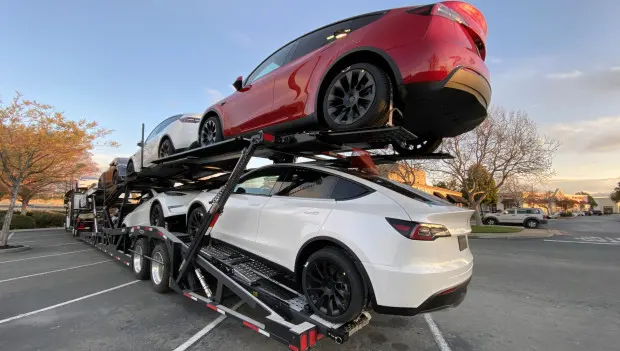
Tesla is recalling 14,575 Model Y SUVs across the United States because some vehicles were delivered without a required certification label showing weight specifications, according to the National Highway Traffic Safety Administration.
The automaker said it will inspect affected vehicles and install the missing labels at no cost to owners.
Federal safety regulators warned that the absence of the label could lead some drivers to overload their vehicles beyond recommended limits, potentially increasing the likelihood of a crash.
The issue has not been linked to any reported accidents, injuries, or fatalities, NHTSA said.
You may also be interested in the news:
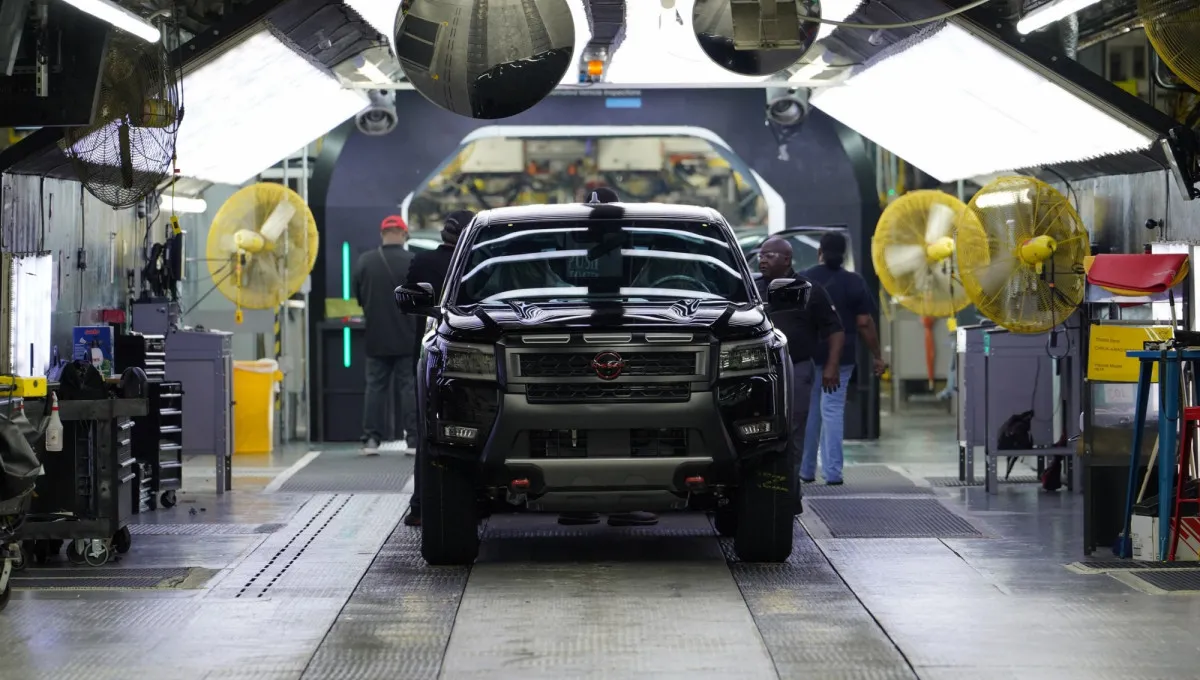
Nissan Restarts US-Made Murano, Pathfinder, Frontier Sales in Canada
Nissan resumed Canadian sales of three U.S.-built models, but tariffs keep supply below earlier levels.
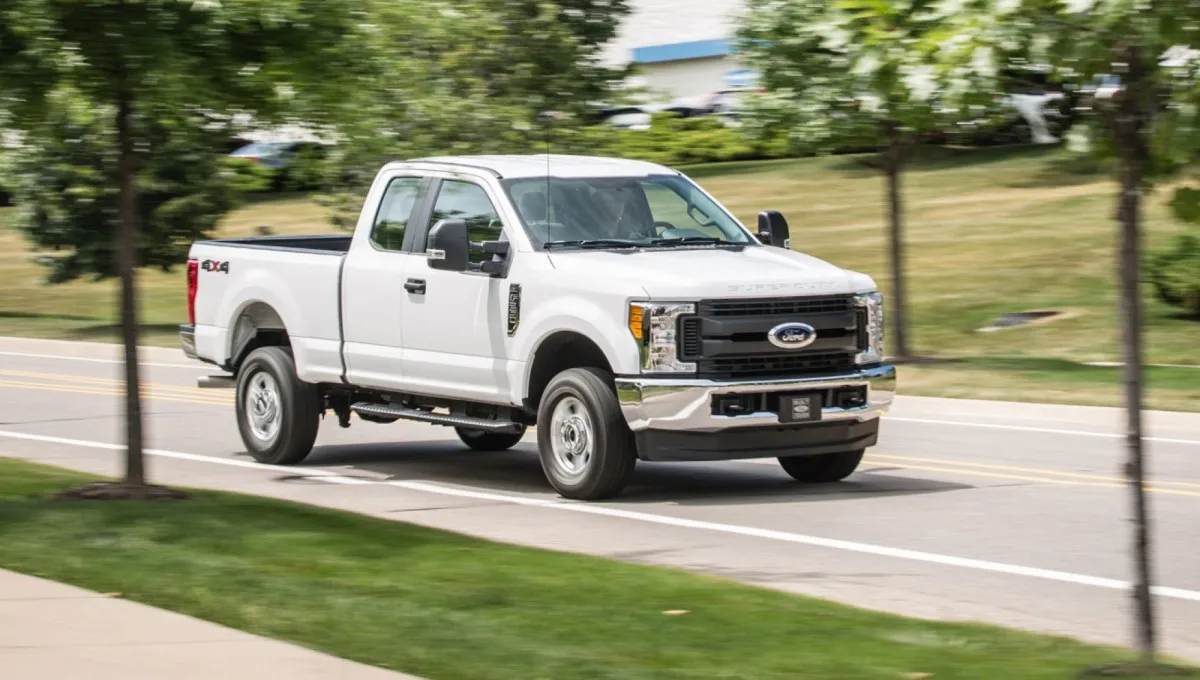
41,748 Ford SUVs and Trucks Recalled—Your Headlights Could Suddenly Stop Working
Ford recalls 41,748 vehicles after contaminated LED chips threaten required headlight performance on newer models.
The Sheriff Knew She Was Speeding—Then This Blonde Driver Turned the Ticket Against Him
A sheriff pulls over a Ferrari for speeding, but the driver's bizarre logic quickly turns the traffic stop against him.
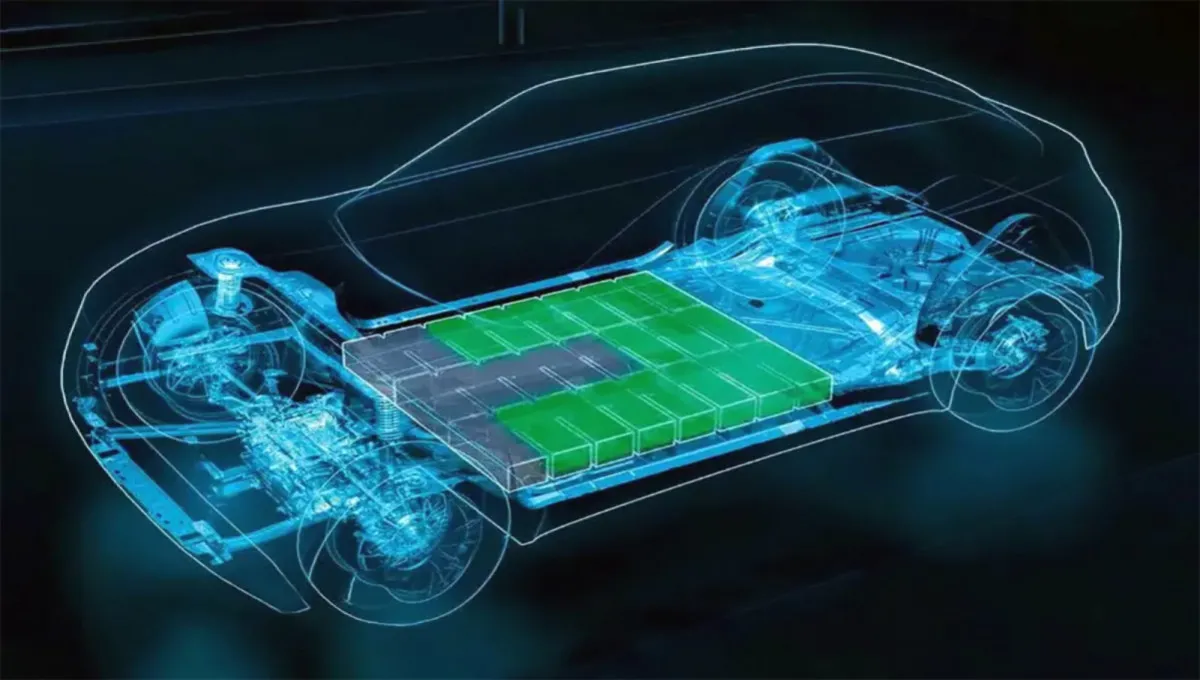
Stellantis Patents System That Lets an EV Drop Its Battery and Drive Away
A new patent details an emergency system that could let an EV disconnect its high-voltage battery and move away from danger.
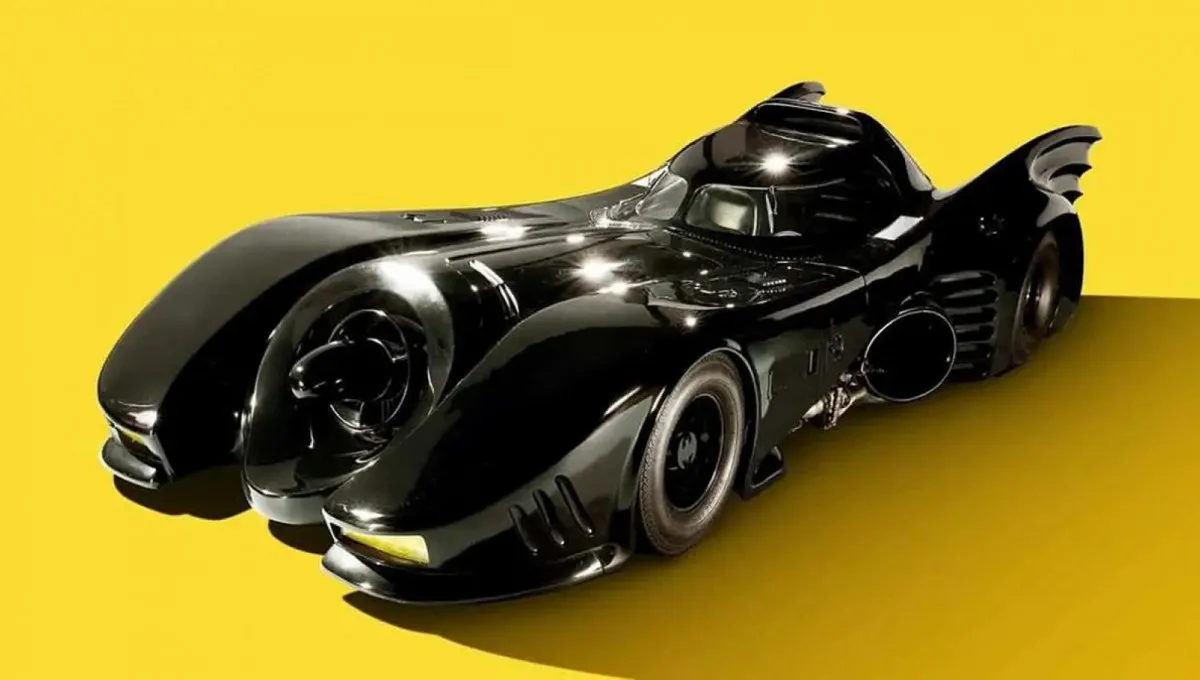
The Original Batmobile From Batman Returns Could Sell for $7 Million
The original 1992 Batmobile from Batman Returns is heading to a Los Angeles auction with a $7 million estimate.