
Why Affordable Cars Have Disappeared From the U.S. Market
New vehicles have become increasingly expensive, leaving many American buyers with fewer affordable options than before today.
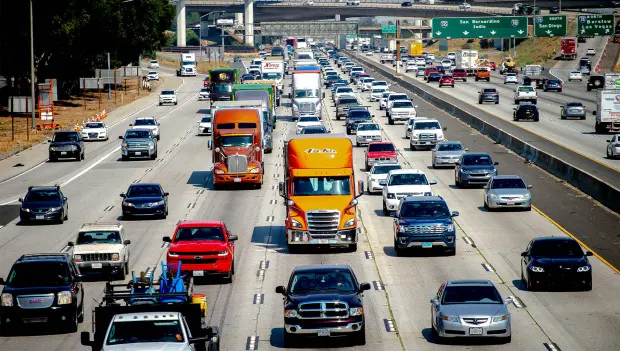
Not long ago, the United States was seen as a place where owning a car was within reach for almost everyone. A vehicle wasn't considered a luxury—it was an everyday necessity for commuting, grocery shopping, taking kids to school, visiting the doctor, or driving to the next town. Today, however, buying a new car has become a major financial commitment, even for many middle-class households.
The average price of a new vehicle in the U.S. has climbed to nearly $50,000. That figure doesn't reflect luxury brands like BMW or Cadillac—it includes mainstream family vehicles. Meanwhile, new models priced between $20,000 and $25,000 have become increasingly rare.
When Cars Were a Symbol of Affordable America
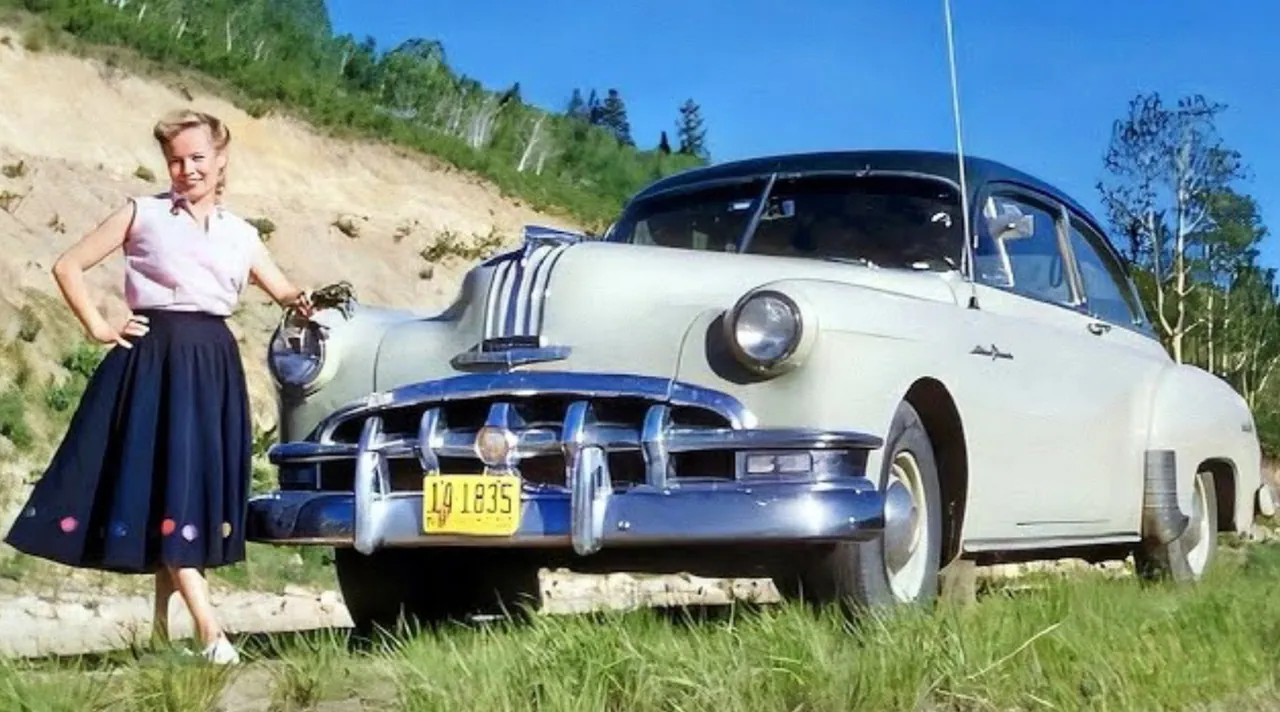
Following World War II, the United States experienced an automotive boom. The economy expanded, suburbs spread rapidly, interstate highways connected the country, and owning a car became part of the American Dream.
A house in the suburbs, a garage, a family car, and financial stability represented success for millions of Americans. Automakers built large sedans, station wagons, and muscle cars, while gasoline remained inexpensive.
For working-class families, buying a new vehicle was realistic. A typical paycheck could cover the purchase, maintenance, and eventually replacing the car with a newer one after several years.
Then Japanese Automakers Changed the Market
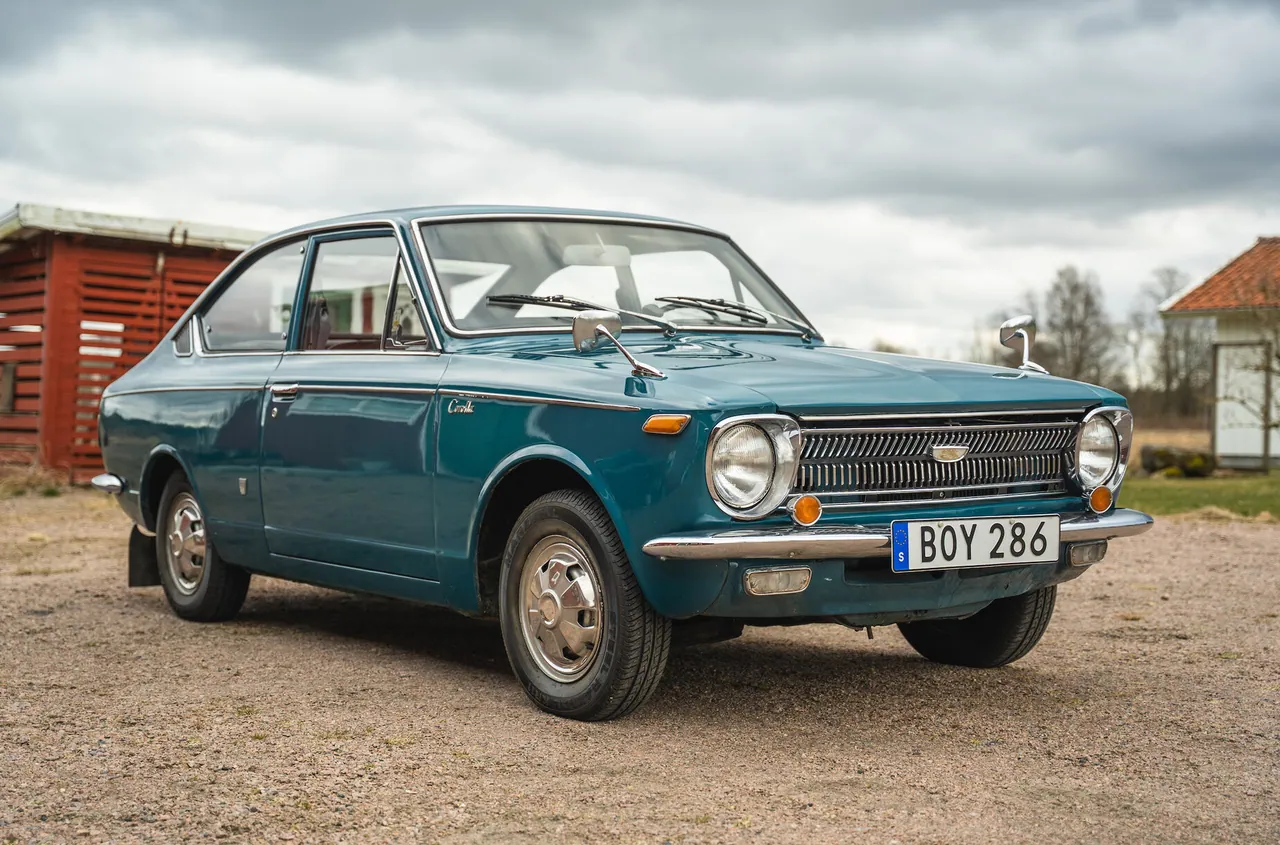
The landscape shifted after the oil crises of the 1970s. As fuel prices climbed, fuel economy suddenly became a major priority for American consumers.
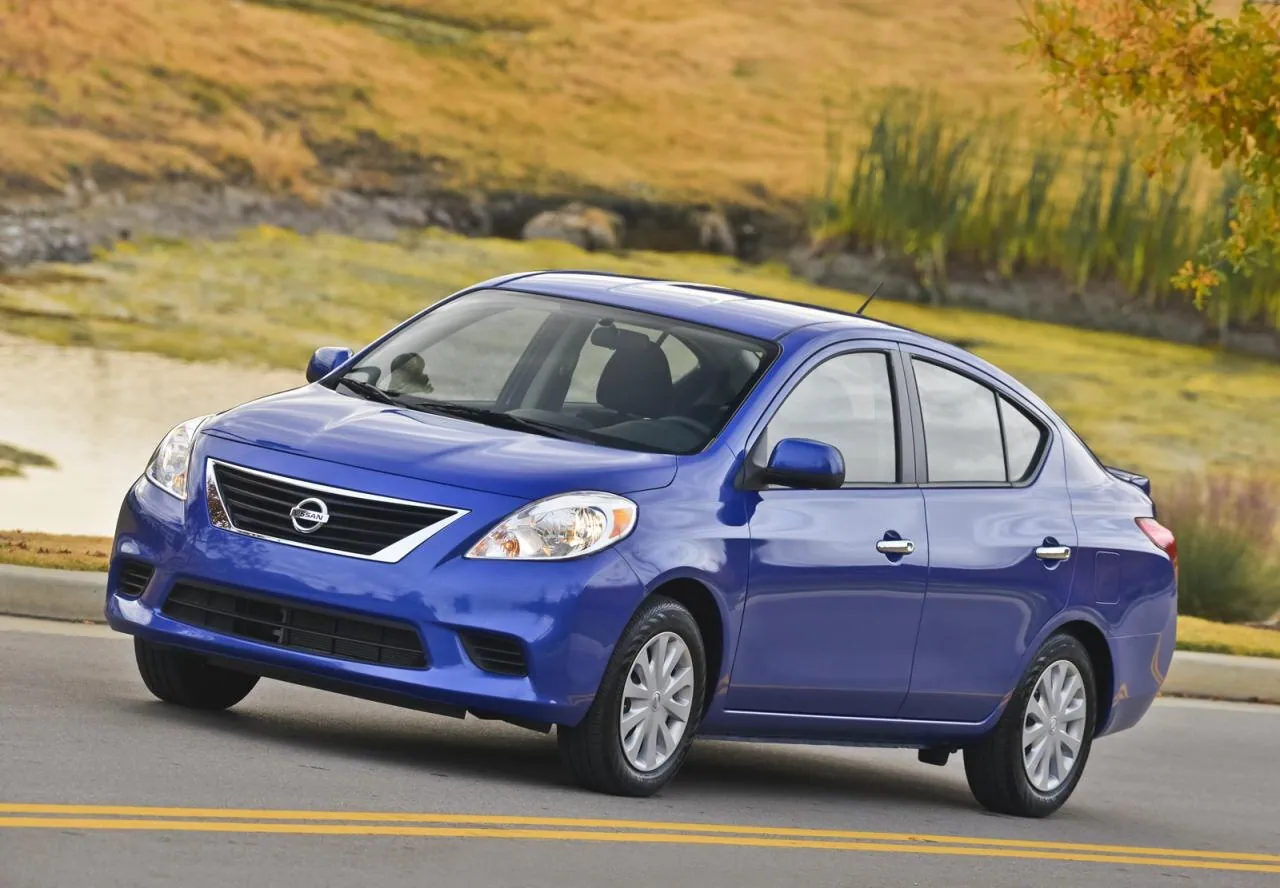
That's when Japanese automakers entered the spotlight. Toyota, Honda, and Nissan offered compact vehicles that were dependable, fuel-efficient, and less expensive to own than many domestic models of the era.
For Detroit's automakers, the shift was significant. They had built their business around larger vehicles, while buyers increasingly turned toward smaller imports.
Why Bigger Vehicles Came Back
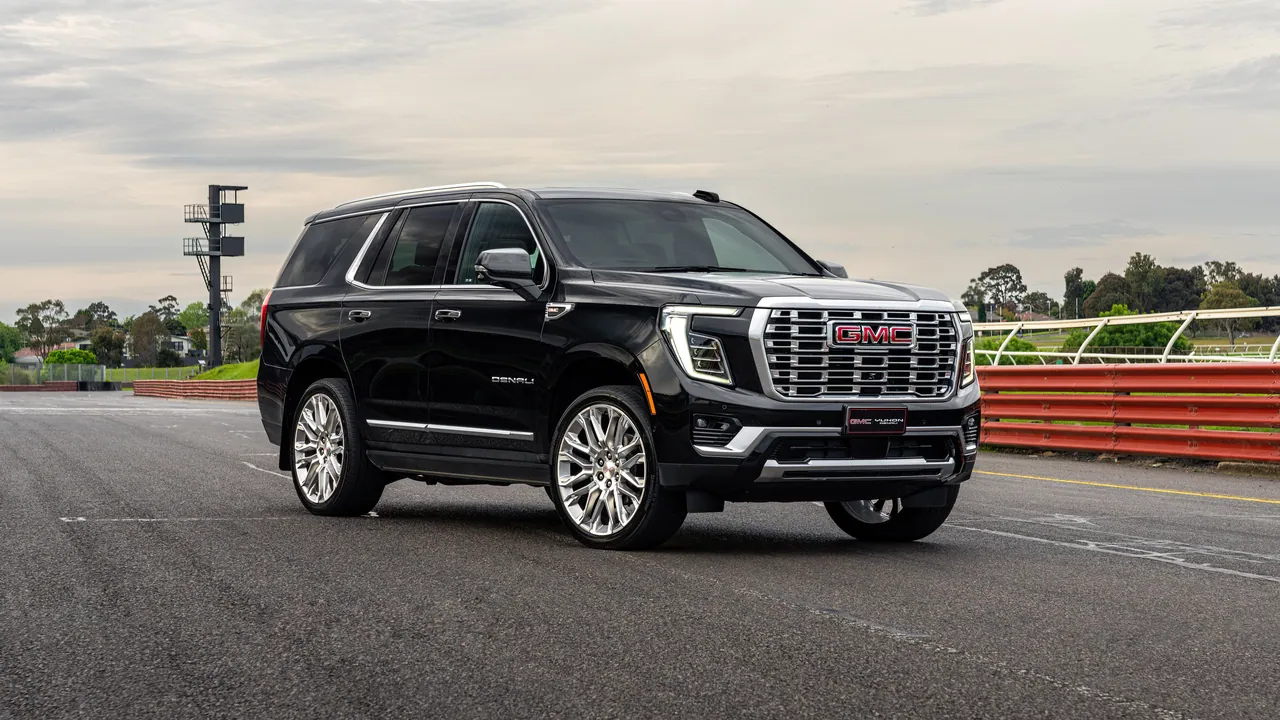
Americans never completely lost their preference for larger vehicles.
Once fuel prices stabilized, many consumers returned to pickups and SUVs. These vehicles became more than transportation—they represented capability, freedom, and security.
Automakers also found them far more profitable. Compact entry-level cars generated relatively small margins, while full-size pickups and SUVs delivered substantially higher profits.
Over time, affordable sedans and hatchbacks gave way to crossovers, SUVs, and pickup trucks across much of the market.
The Pandemic Accelerated the Decline
The biggest turning point came during the COVID-19 pandemic.
Supply chain disruptions and the global semiconductor shortage limited vehicle production. Faced with fewer available components, automakers prioritized their highest-profit models instead of lower-priced vehicles.
As a result, affordable new cars disappeared even faster.
Dealerships also reduced discounts. Inventory remained tight while demand stayed strong, allowing retailers to sell vehicles at higher prices.
Even after production recovered, the market never fully returned to its previous balance. Many manufacturers realized they could sell fewer vehicles while earning more revenue.
How It Affected Everyday Americans
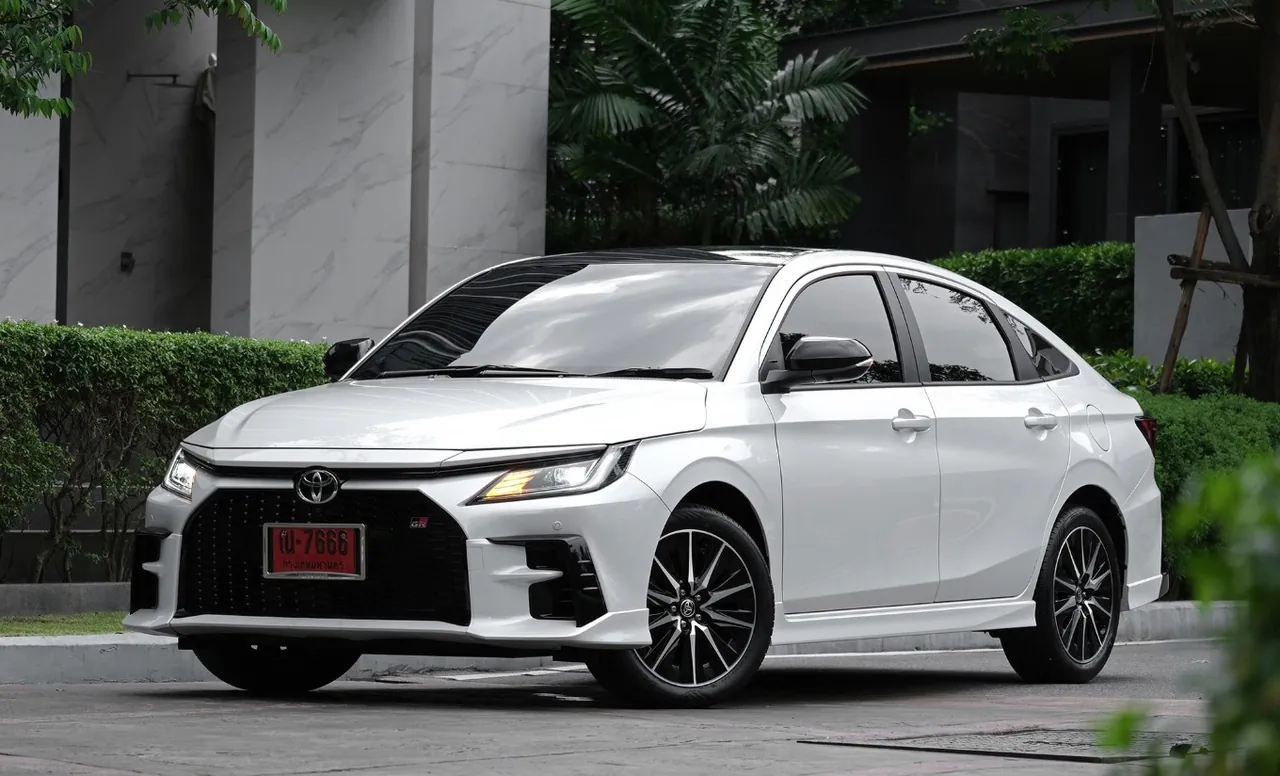
The people most affected have been everyday American drivers.
In many parts of the United States, especially suburban and rural communities, owning a vehicle is almost essential because public transportation is limited or unavailable.
In the past, buyers could purchase an inexpensive new car and drive it for years. Today, many face a difficult choice: finance a much more expensive vehicle, buy used instead, or postpone the purchase altogether.
Auto loans now stretch over longer terms, monthly payments have increased, and ownership costs continue to rise. For many families, a vehicle has once again become one of the largest household expenses.
Will Affordable Cars Return?
In theory, lower-priced vehicles could make a comeback. That would require automakers to once again focus on buyers shopping on tighter budgets.
At the moment, the market points in the opposite direction. Manufacturers continue to earn stronger profits from crossovers, SUVs, and pickup trucks. Consumer preferences remain centered on larger vehicles, while stricter safety, emissions, and technology requirements continue to push production costs higher.
As a result, finding a truly affordable new vehicle in the United States has become increasingly difficult.
America remains a nation built around the automobile. But for many buyers, owning a brand-new car is no longer as attainable as it once was.
You may also be interested in the news:
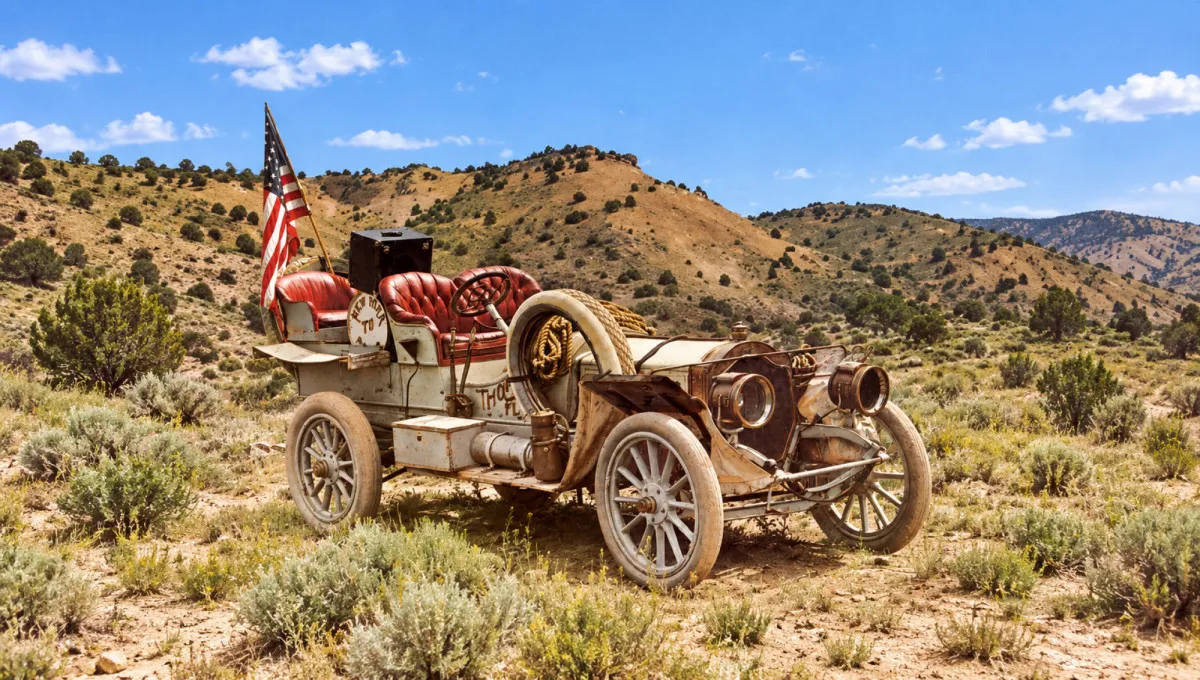
A $50 Bet Started America’s First Cross-Country Road Trip—and It Was Almost Impossible
In 1903, one doctor bet $50 he could drive from San Francisco to New York.
Stellantis Just Revealed Nine New Cars Under $40,000 — And Two Could Cost Less Than $30K
Stellantis plans nine cheaper vehicles as high prices leave American shoppers with fewer affordable new-car choices.

This Tiny Home on Wheels Sleeps 5 — And It's Far More Spacious Inside Than It Looks
A tiny home on wheels turns limited space into a surprisingly comfortable setup for family road trips.
The “Leader of the Dodge Rebellion”: The 1966 Dodge Charger
The Dodge Charger has endured for 60 years, but its story began with an unlikely 1966 debut.
The Gas Turbine Chrysler Drove a Million Miles Across the U.S., Ran on Perfume, but Never Went Into Production
In late 1963, a strange new car hit American roads, turning heads with the unmistakable sound of a jet engine.