
5 Practical Tips and Clever Hacks to Stop Car Windows from Fogging Up
Foggy windows waste time and reduce comfort, but simple tricks can quickly restore clear visibility.
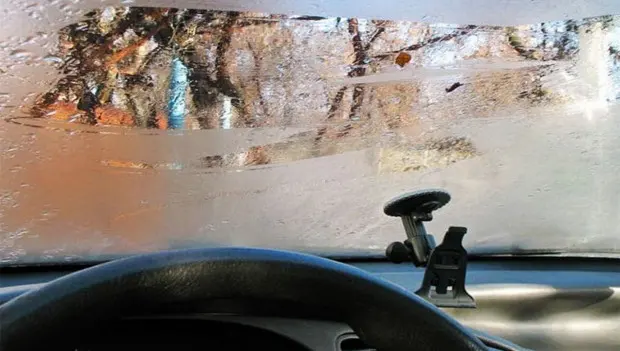
Fogged-up windows aren’t just annoying—they can slow you down and make driving less safe. Condensation inside your car affects visibility and comfort, especially in colder months. There are plenty of ways to deal with it, but no single fix works every time. The best results usually come from combining a few simple strategies.
Adjust the Climate System
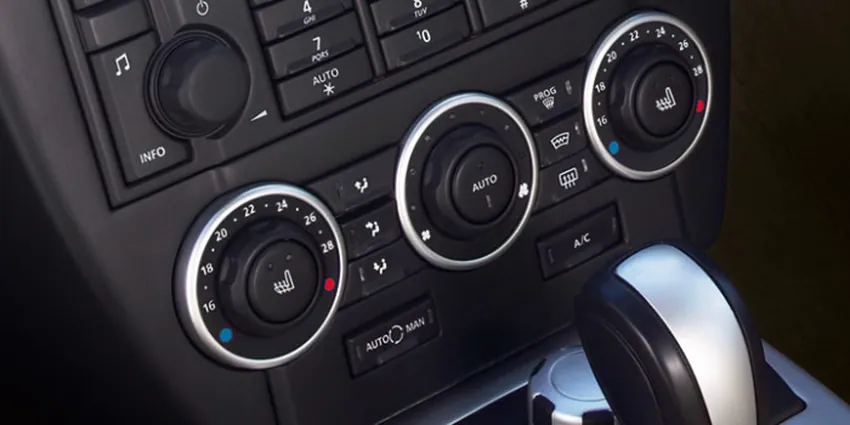
If your windows are fogging up from the inside, start with your car’s climate controls. Make sure the defroster is on and direct airflow toward the windshield and side windows.
If the system struggles to clear the glass quickly, check the cabin air filter. A clogged or moisture-soaked filter can seriously reduce airflow and make the problem worse.
Check the Ventilation

In many cases, condensation issues are caused by poor ventilation. This can happen if vents are blocked, damaged, or clogged with dirt and debris. Sometimes the issue appears after body repairs, when airflow systems aren’t fully restored.
Also take a look at the A/C drain lines—if they’re blocked, moisture can build up inside the vehicle. It’s also worth checking the engine cooling system, since malfunctions there can sometimes lead to unexplained condensation inside the cabin.
Use Anti-Fog Products
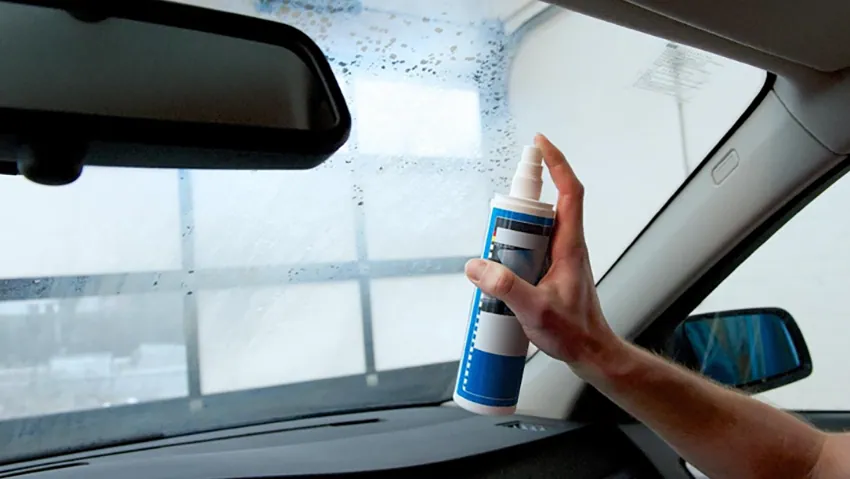
There’s no shortage of store-bought solutions designed to fight foggy glass. Anti-fog wipes, sprays, and aerosols are widely available and easy to use.
Most of these products work by creating a thin, invisible layer on the glass that prevents moisture from sticking and forming droplets.
Remove Excess Moisture from the Cabin
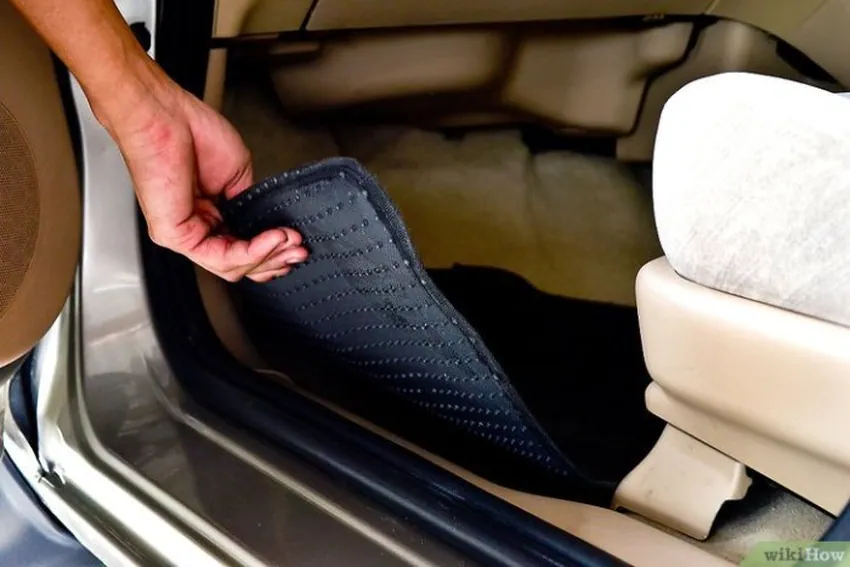
Moisture inside the car is one of the main reasons windows fog up—especially in fall and winter. Wet floor mats, snow brought in on shoes, and melting ice all add humidity to the cabin.
Keeping the interior dry goes a long way. Shake out mats regularly and remove any standing water as soon as possible.
Lifehack #1:
A simple trick is to leave a container of cat litter inside the car overnight. It absorbs moisture from the air and helps reduce condensation.
Lifehack #2:
Another method is to pour about 2.2 pounds of rock salt into a wide container and leave it in the cabin for 24 hours. The salt will draw moisture out of the air.
Use an Anti-Fog Protective Film
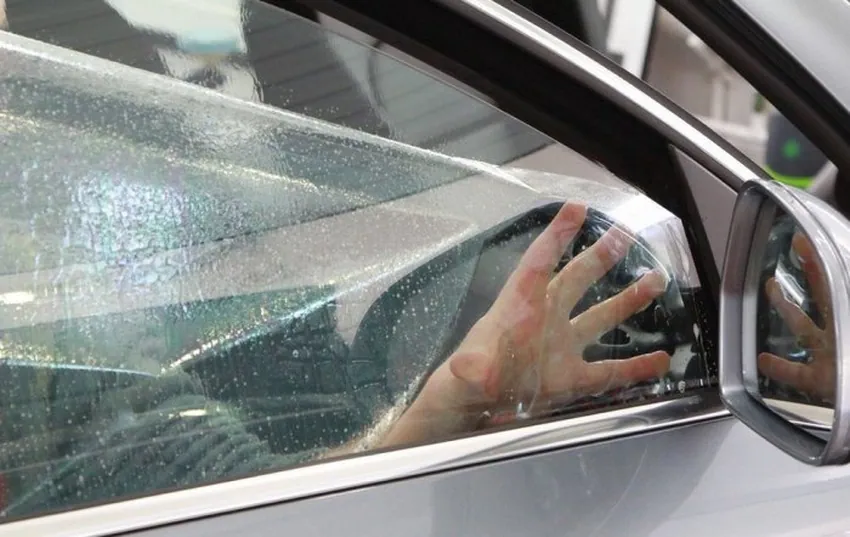
For a more permanent solution, some drivers use a special anti-fog film applied directly to the glass. It works similarly to the coatings used on motorcycle helmet visors.
The film is installed much like window tint, but for best results, it’s usually worth having a professional handle the application.
Keeping your windows clear doesn’t require expensive fixes—just a bit of maintenance and a few smart habits can make a big difference.
You may also be interested in the news:

Why Experienced Drivers Put Socks on Their Car Mirrors in Fall: The Clever Trick Explained
An old pair of socks can help reduce frost buildup on your side mirrors overnight, saving time on cold mornings when every minute counts.
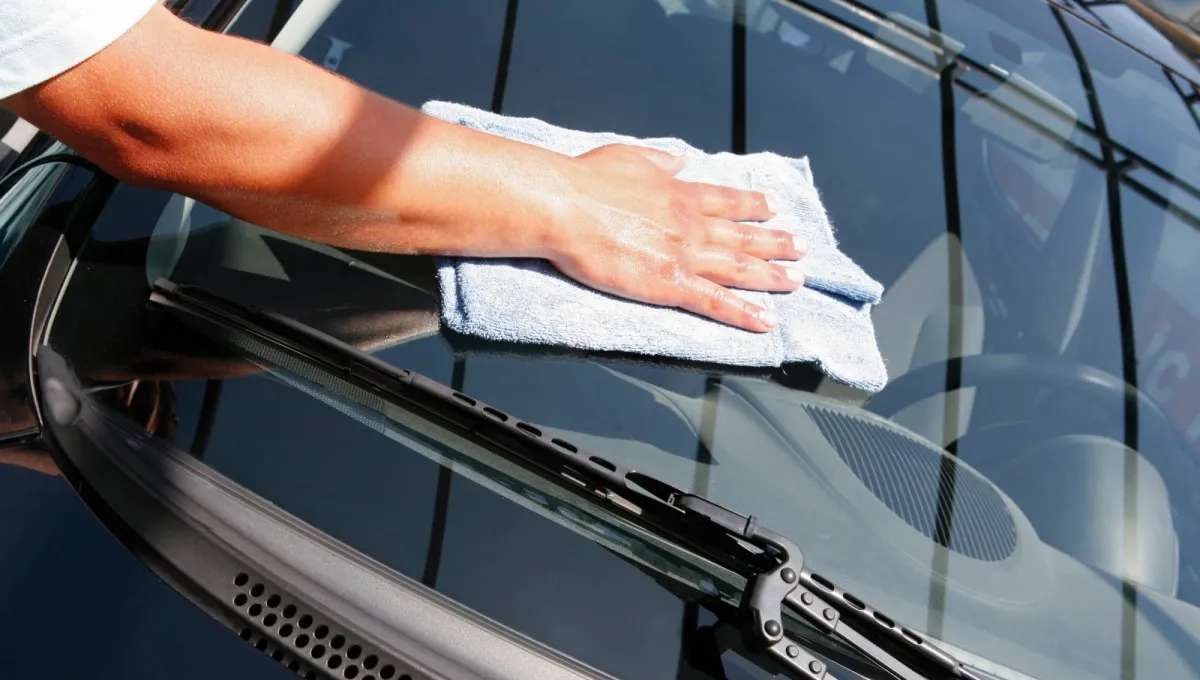
How to Clean Your Windshield Without Streaks: Experts Recommend This Simple DIY Mix
The secret to a streak-free windshield comes down to the right cleaning solution, two microfiber cloths, and the proper drying technique.

Why Some Drivers Keep Bay Leaves in Their Cars — It’s Not Just About Superstition
Can a common kitchen spice help repel bugs, freshen your car’s interior, or even help you relax behind the wheel?
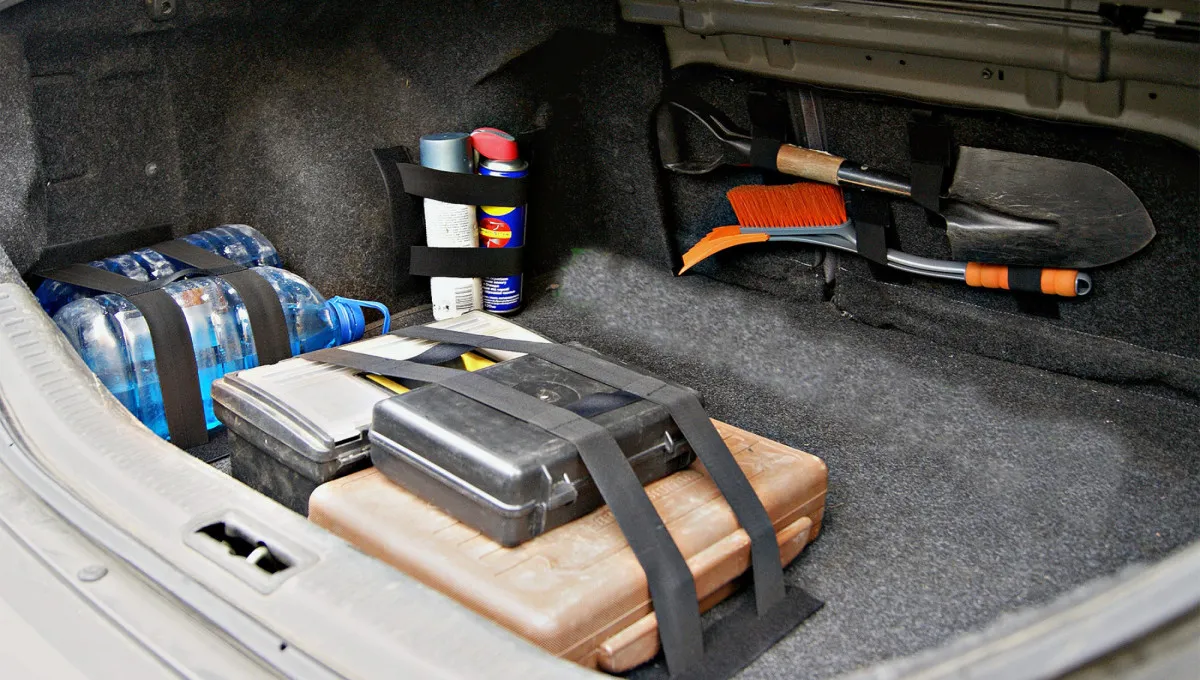
Cold Weather Can Leave You Stranded — 5 Things Every Driver Should Have in Their Car
The first hard freeze can catch drivers off guard. Here's what to keep in your vehicle and how to prepare your battery, tires, and fluids for colder weather.
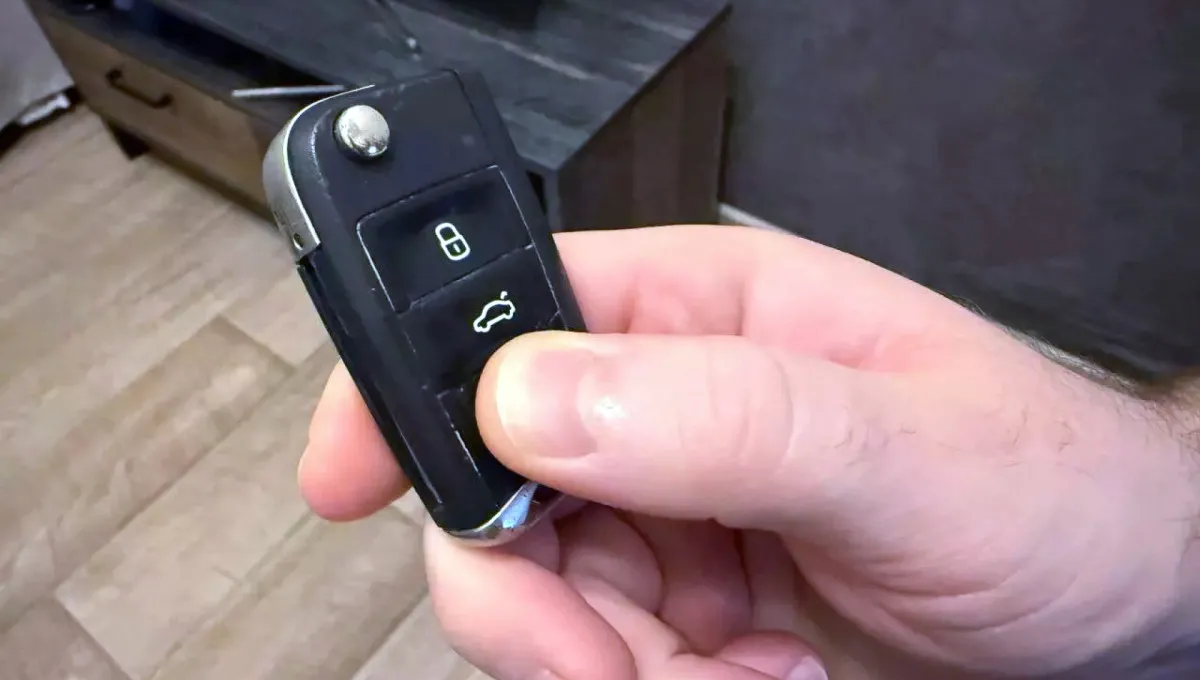
Hidden Key Fob Trick: Open All Your Car Windows With One Button
An auto mechanic explains how drivers can remotely open and close car windows using a key fob, provided the vehicle has the right hardware.