
Why Some Drivers Lose Their Cool Behind the Wheel
A growing number of crashes are being linked to aggressive and emotionally charged driving.
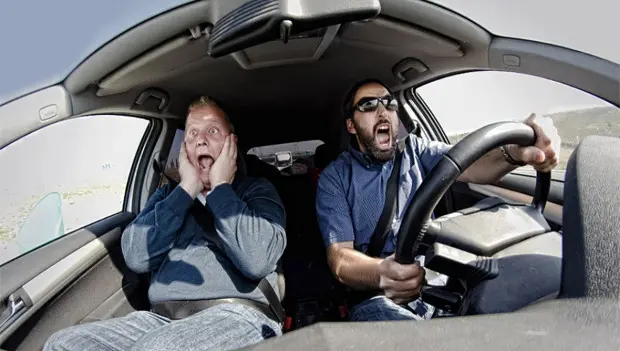
Traffic safety experts are increasingly concerned about a rise in crashes tied to aggressive driving and emotional behavior behind the wheel. In many cases, incidents begin with something simple—one driver refusing to yield or reacting angrily to a perceived mistake by another motorist. What might seem like a minor situation can quickly escalate into dangerous behavior on the road.
Anyone who spends time driving on busy highways or in large cities has likely witnessed it: drivers shouting through open windows, stomping on the gas pedal, making sudden lane changes, or attempting risky maneuvers. Some motorists break traffic rules themselves but react with extreme anger when someone else does the same.
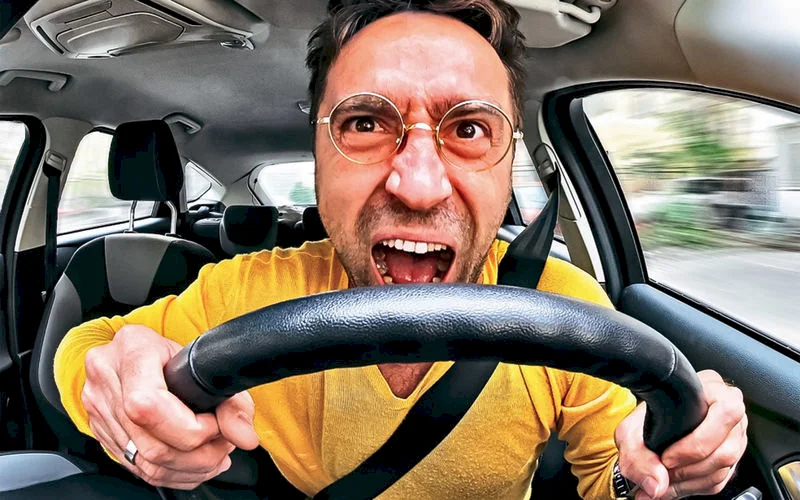
Specialists say this kind of behavior often stems from heightened stress and emotional instability that can surface during driving. Inside the car, some people feel anonymous and protected, which can lead them to behave more aggressively than they would face-to-face. In that sense, the phenomenon resembles the behavior seen in online arguments—people acting far more confrontational than they normally would.
Driving itself places a significant strain on a person’s nervous system. Long commutes, dense traffic, and the constant need to react quickly to changing situations can wear down even experienced drivers. A person’s reaction in a tense moment often depends on their emotional and physical condition at that exact time.
Fatigue, job stress, financial worries, health concerns, and even personal issues at home can all affect a driver’s state of mind. When those pressures build up, a stressful moment on the road may trigger an outsized emotional response. Instead of calmly dealing with the situation, the driver may vent frustration at other motorists, cyclists, or pedestrians.
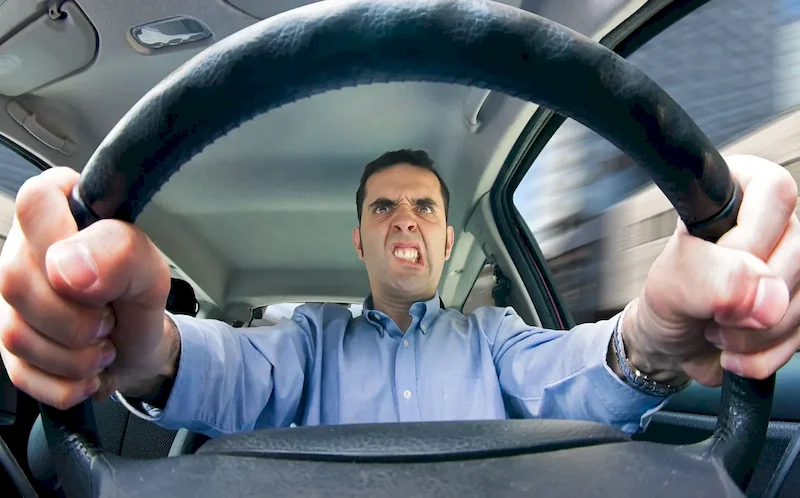
Broader lifestyle factors also play a role. Chronic workplace pressure, lack of sleep, unhealthy habits, illness, and constant exposure to stress can make people more prone to aggressive reactions. Drivers may spend hours stuck in traffic jams, running late, or navigating high-pressure situations that demand constant attention and quick decisions.
Some researchers also point to habits like smoking, which can increase irritability and tension, particularly during long drives or in heavy traffic. Combined with daily stress, these factors can amplify emotional reactions behind the wheel.
Experts say the key to safer roads lies not only in better infrastructure and stricter enforcement, but also in recognizing the psychological pressures drivers face. Staying rested, managing stress, and maintaining patience on the road can help prevent everyday frustrations from turning into dangerous situations.
You may also be interested in the news:
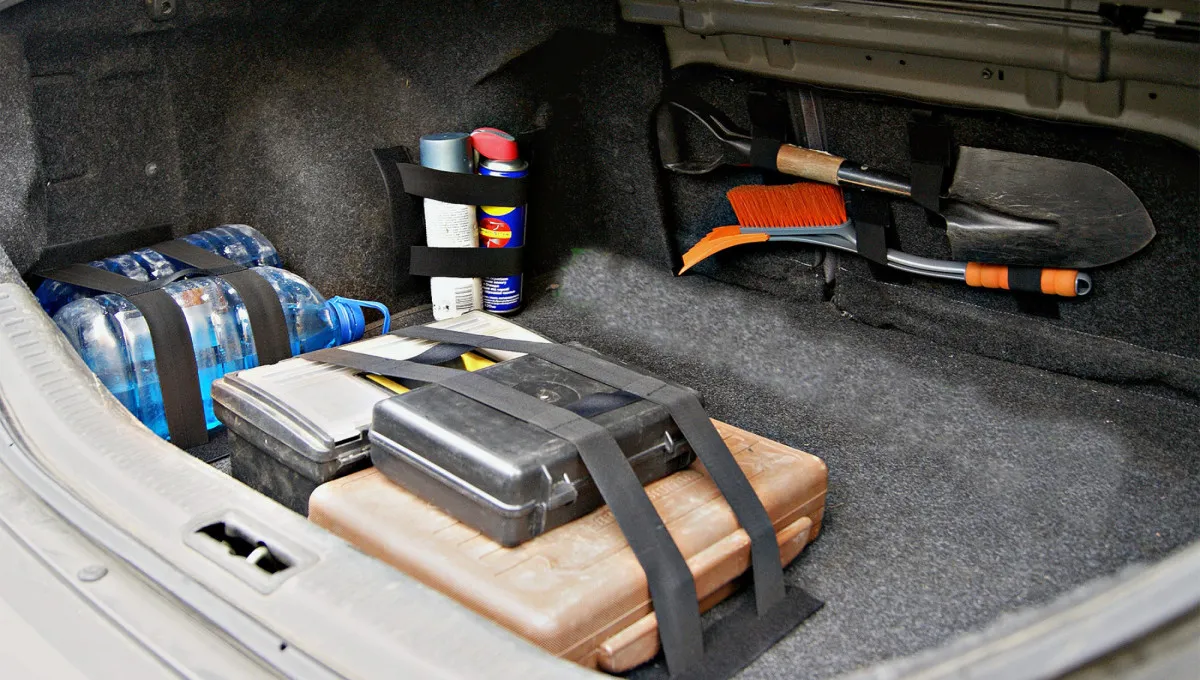
Cold Weather Can Leave You Stranded — 5 Things Every Driver Should Have in Their Car
The first hard freeze can catch drivers off guard. Here's what to keep in your vehicle and how to prepare your battery, tires, and fluids for colder weather.
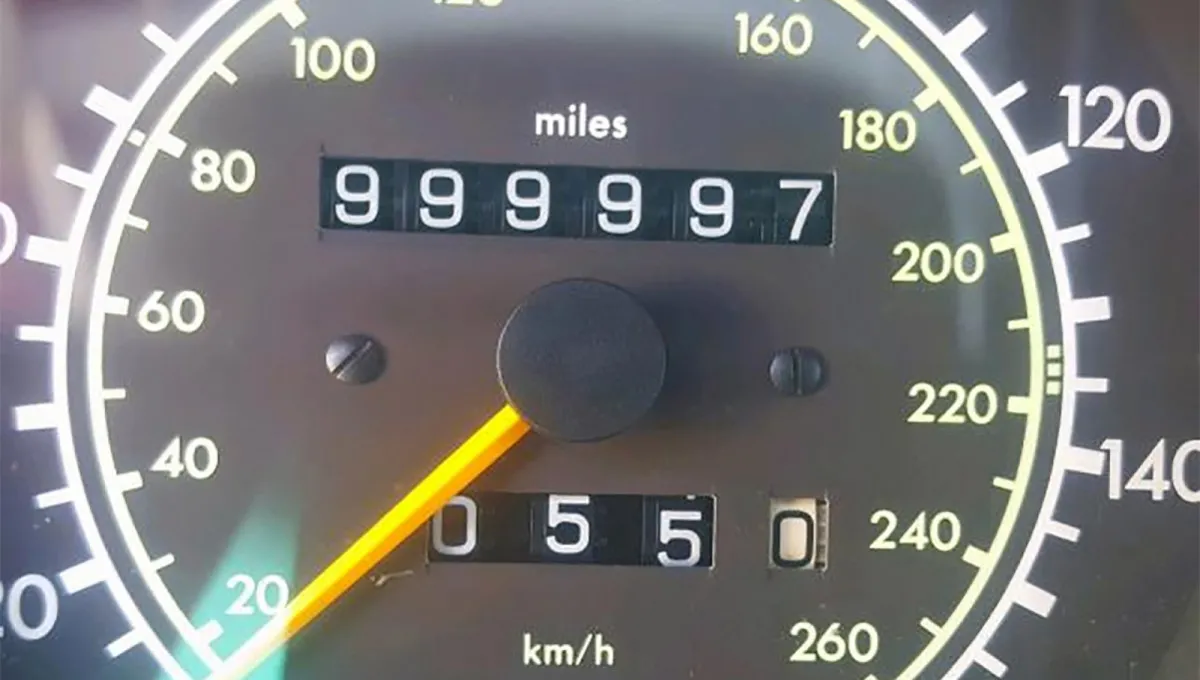
These 8 Cars Went Over 1 Million Miles — They Just Don’t Build Them Like They Used To
Some cars outlast generations of owners, proving that careful maintenance and durable engineering can deliver extraordinary mileage.
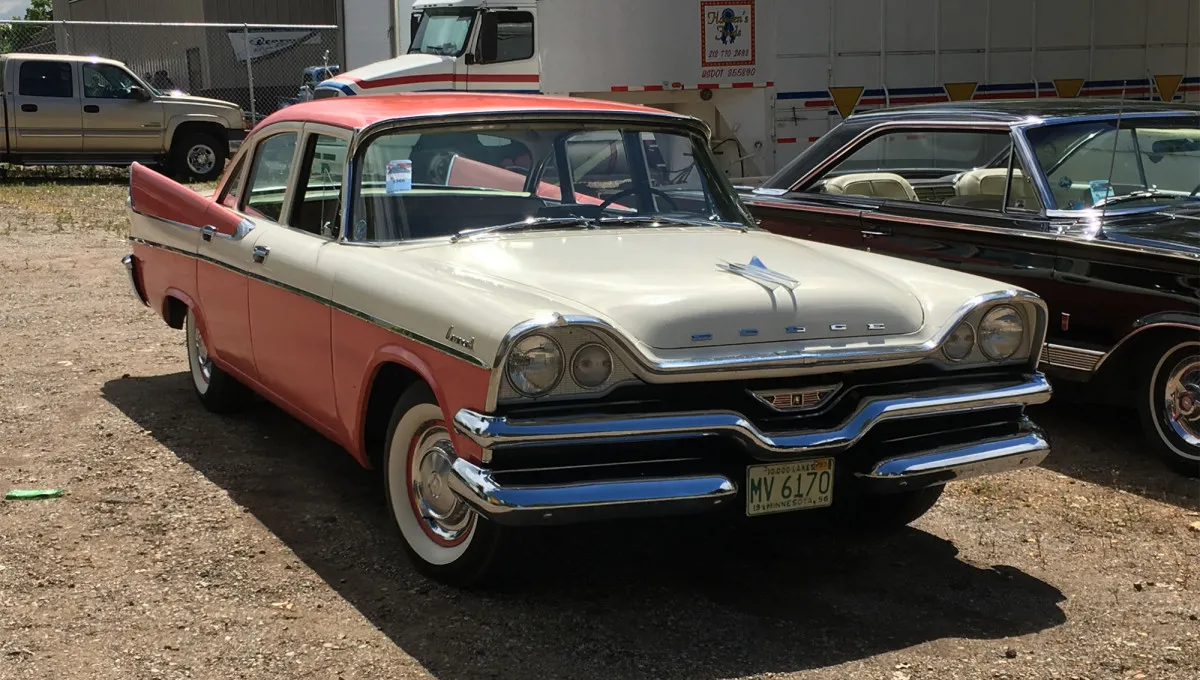
The 1957 Dodge: How “Autodynamics” Shaped One of Detroit’s Boldest Designs
The 1957 Dodge Looked Like a Dream Car, but Its Biggest Flaw Was Hiding Beneath the Surface.

Two Ferrari F40s Spotted on Google Maps Turn Out to Be Pontiac Fiero Replicas
Two Ferrari F40 lookalikes spotted on Google Maps in Spain turned out to be replicas built on an American sports car.
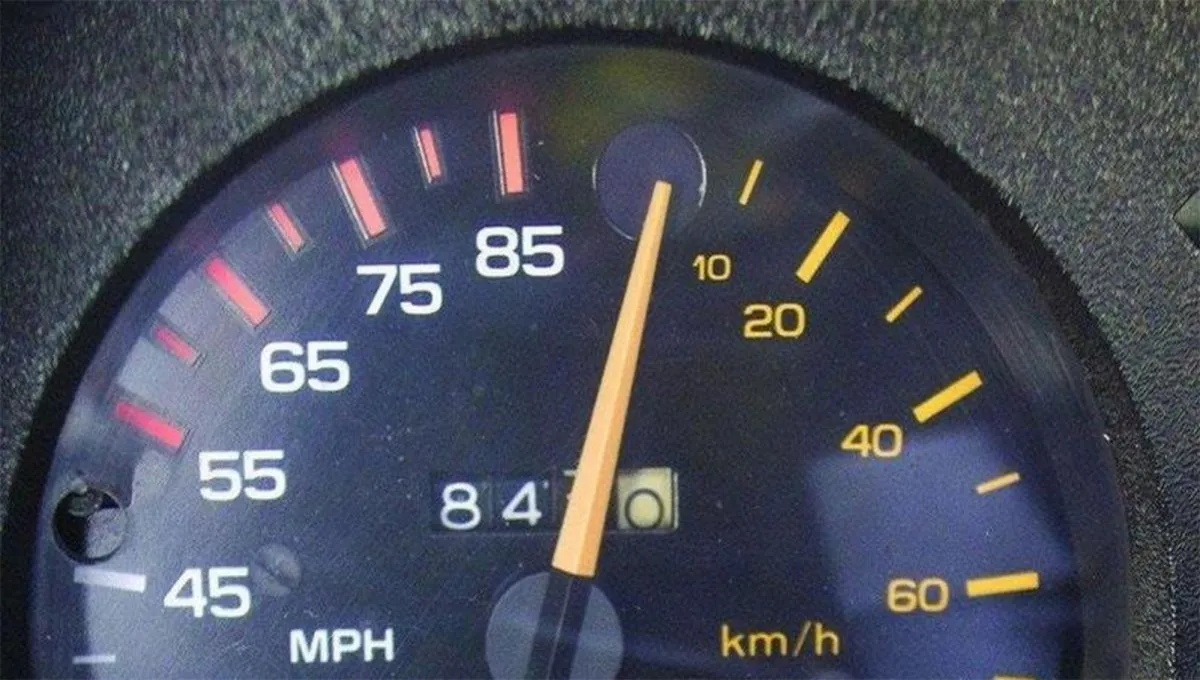
Your Speedometer Says 65 MPH, but Your GPS Says 62 — Here’s Why Your Car Does That
Your speedometer reads 65 mph, but your GPS says 62 mph. Here’s why the numbers rarely match.