
Owners Keep These Japanese Cars for Decades: They’ll Drive Them Until They Rust Away
These five Japanese models have earned such strong loyalty that owners refuse to let them go.

Japanese cars have long enjoyed a well-earned reputation for reliability—not just in local markets, but around the world. Of course, some models are better than others. But there are a few vehicles that owners become especially attached to, keeping them for years and often refusing to sell no matter the offer. Here are five Japanese cars that drivers tend to hold onto for the long haul.
1. Toyota Camry

The Toyota Camry is a familiar name almost everywhere, but here we’re talking specifically about the XV30 generation. Owners love it for a simple reason—it came well-equipped even in standard trim.
Features like fog lights, a quality audio system, xenon headlights, heated front seats, automatic climate control, and an auto-dimming rearview mirror made it feel far more premium than many competitors at the time. Add Toyota’s reputation for durability, and it’s easy to see why so many are still on the road.
2. Toyota RAV4 II

Another Japanese favorite that hardly needs an introduction is the second-generation Toyota RAV4.
Much of its popularity comes from what’s under the hood. Even the base version offered a 4-speed automatic transmission, all-wheel drive, and a dependable 2.0-liter engine. More importantly, the RAV4 II is known for being easy to maintain and remarkably forgiving when it comes to everyday wear and tear.
3. Honda CR-V II

For drivers looking for a truly practical and fuel-efficient Japanese SUV, the second-generation Honda CR-V remains a strong choice.
It offered features like a 3-channel ABS system with four sensors, electronic brake-force distribution (EBD), and variable-assist power steering. Overall, it earned a reputation as a reliable and low-maintenance vehicle that handled tough road conditions without much complaint.
4. Nissan X-Trail

If off-road capability matters most, the Nissan X-Trail deserves serious attention.
This crossover is also known for having some of the best corrosion resistance in its class—something especially valuable in regions with harsh winters and rough roads. Buyers could choose between solid diesel and gasoline engines, paired with either a manual or automatic transmission, making it a flexible option for different driving needs.
5. Mazda3

The Mazda3 is one of those cars owners simply don’t want to part with.
It’s practical, dependable, and versatile. After a major refresh in 2006, the model became even more attractive. Even base versions included ABS and Dynamic Stability Control (DSC), while the cabin offered strong comfort levels and quality interior materials. A wide range of engine choices only added to its appeal, making it a reliable everyday car that still feels enjoyable to drive.
You may also be interested in the news:
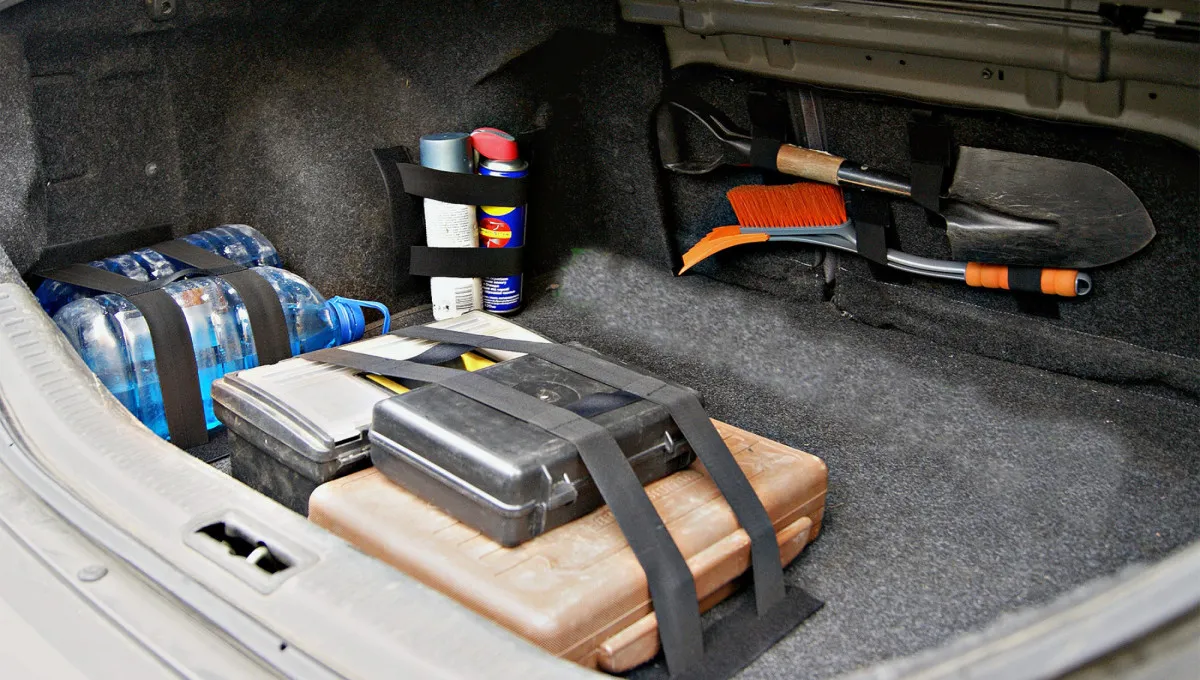
Cold Weather Can Leave You Stranded — 5 Things Every Driver Should Have in Their Car
The first hard freeze can catch drivers off guard. Here's what to keep in your vehicle and how to prepare your battery, tires, and fluids for colder weather.
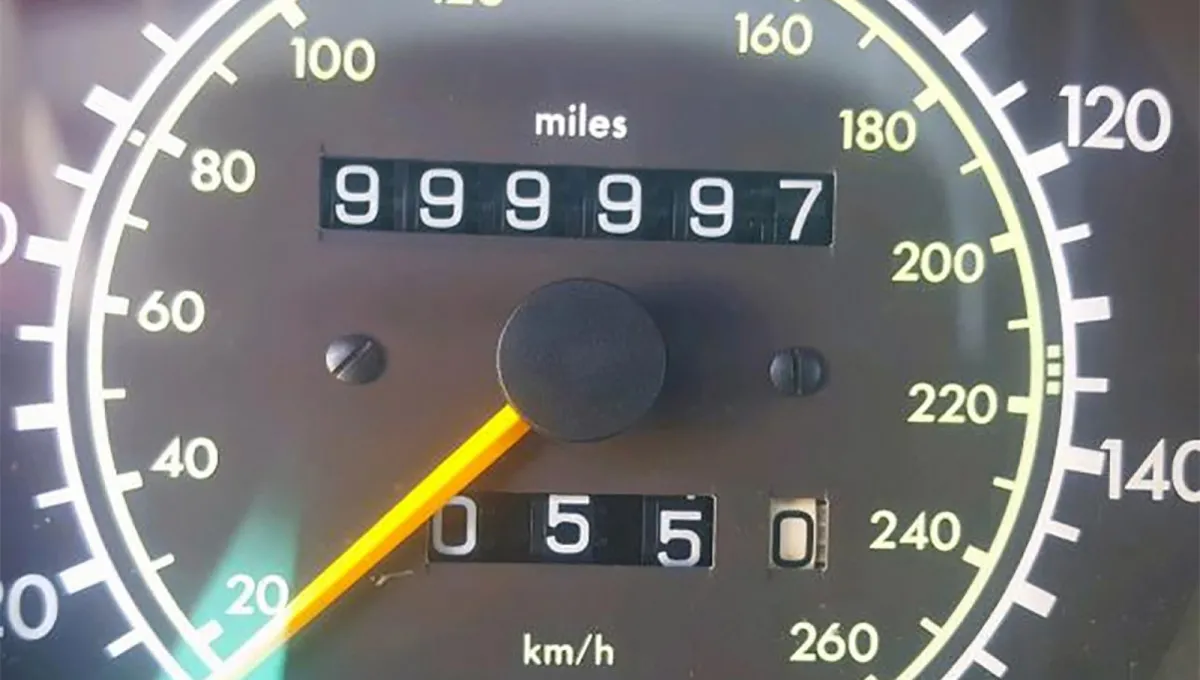
These 8 Cars Went Over 1 Million Miles — They Just Don’t Build Them Like They Used To
Some cars outlast generations of owners, proving that careful maintenance and durable engineering can deliver extraordinary mileage.
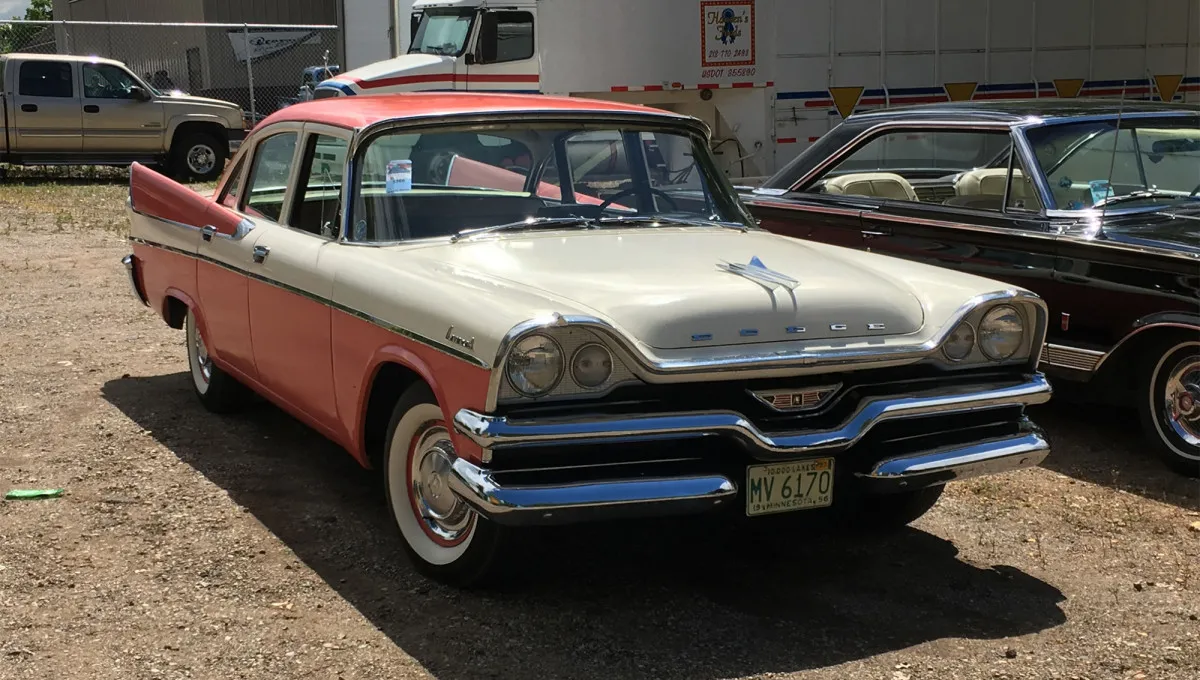
The 1957 Dodge: How “Autodynamics” Shaped One of Detroit’s Boldest Designs
The 1957 Dodge Looked Like a Dream Car, but Its Biggest Flaw Was Hiding Beneath the Surface.
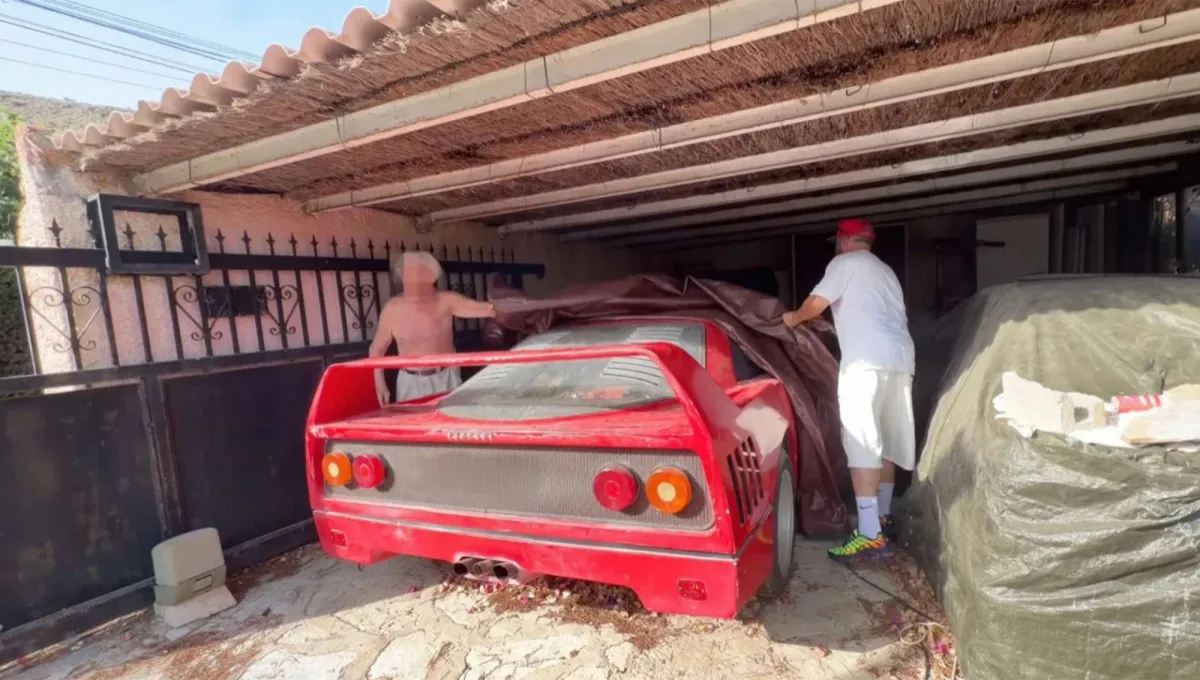
Two Ferrari F40s Spotted on Google Maps Turn Out to Be Pontiac Fiero Replicas
Two Ferrari F40 lookalikes spotted on Google Maps in Spain turned out to be replicas built on an American sports car.
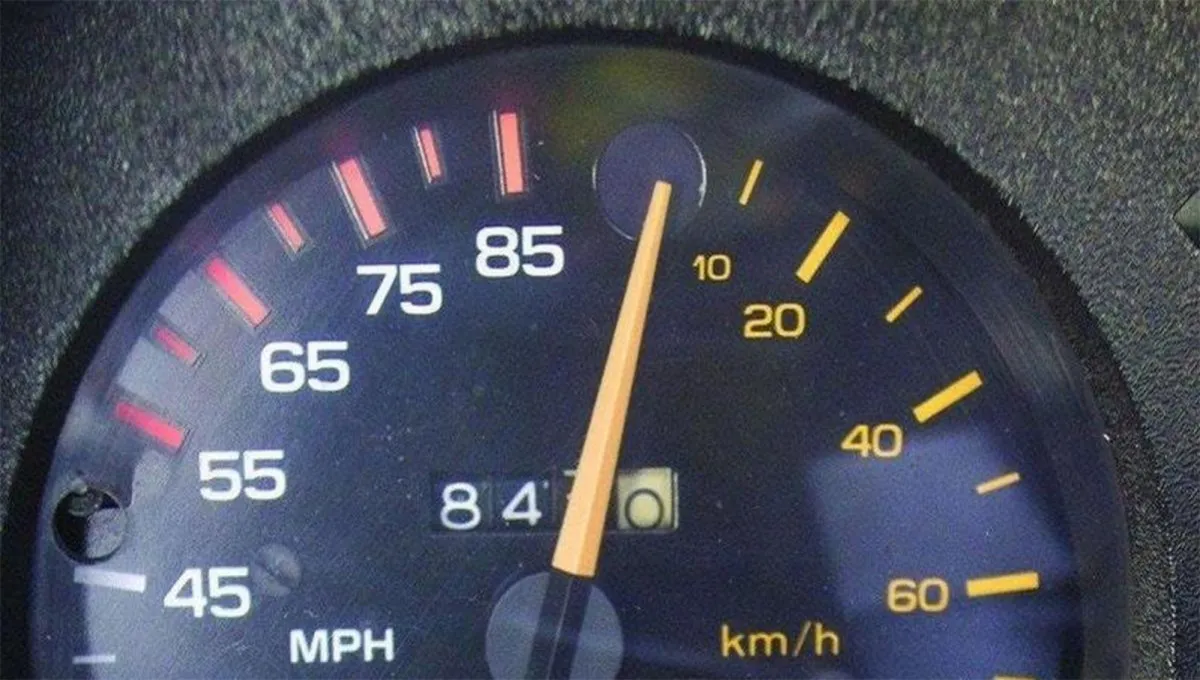
Your Speedometer Says 65 MPH, but Your GPS Says 62 — Here’s Why Your Car Does That
Your speedometer reads 65 mph, but your GPS says 62 mph. Here’s why the numbers rarely match.