
Why Modern Engines Rarely Reach 600,000 Miles Anymore, According to Experts
Why modern engines are no longer built to last forever: reliability versus cost and trends

Experts explain why modern vehicles rarely make it to 600,000 miles and why the legendary “million-mile engines” have mostly disappeared. The answer goes far beyond simple technology changes and reveals how automakers now approach engine design very differently.
Many drivers still wonder why older cars often seemed far more durable than today’s models. Years ago, engines capable of running for 600,000 miles or more were not unusual—they were a real part of automotive life. Today, reaching those numbers is extremely rare, and it’s not just because technology changed.

From an engineering standpoint, building a “million-mile engine” is not difficult. It requires a cast-iron engine block, a heavy-duty crankshaft with wide journals, pistons with longer skirts, thicker piston rings, a timing chain, and a strong cooling system. All of that helps maintain stable geometry and long-term durability.
Modern engines are built very differently. Aluminum blocks with open-deck cooling designs are lighter and more efficient, but they simply do not last as long. Automakers are forced to focus on compact packaging, better fuel economy, and stricter emissions rules, which push them toward lighter and less durable solutions.
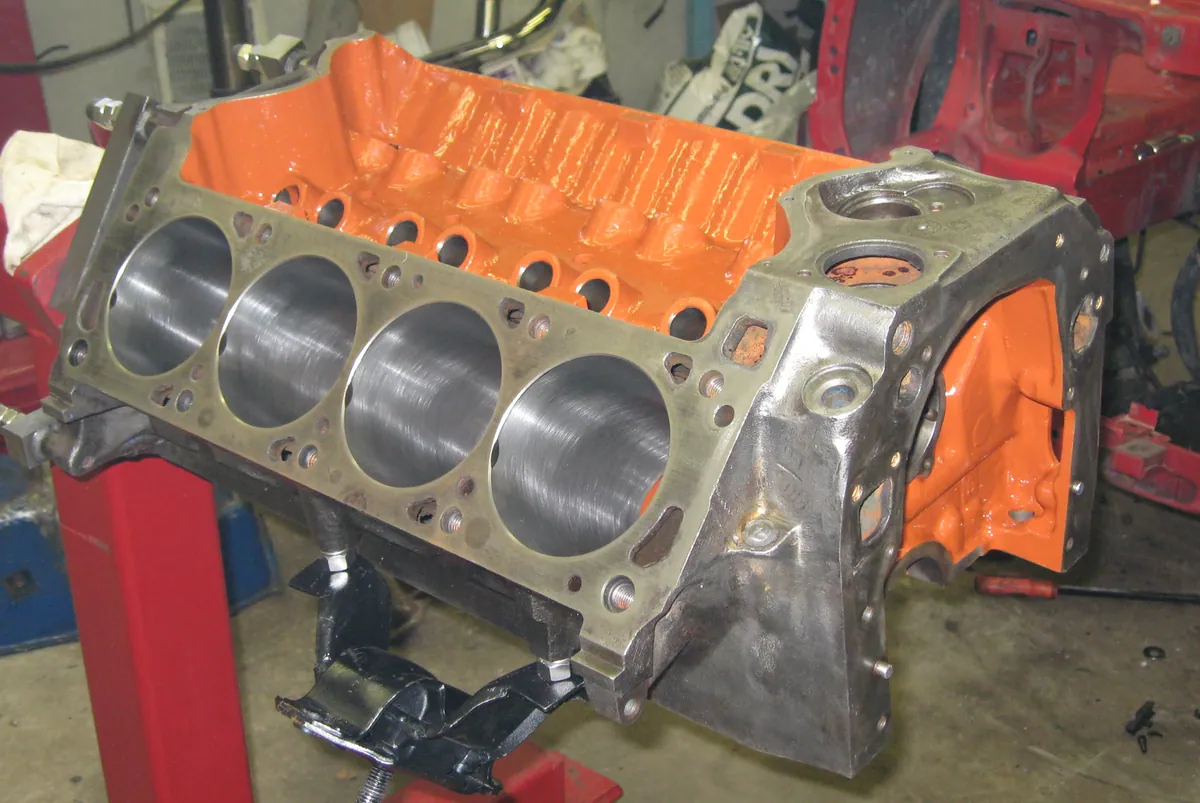
There is also a simple business reason behind it: manufacturers have little interest in building cars that last forever. Their goal is to meet emissions regulations, lower production costs, and make sure the vehicle performs reliably through the warranty period. After that, the customer is expected to buy another car—not pass the old one down for generations.
At the same time, buyers today want much more than durability. Features like ABS, ESP, airbags, driver-assist systems, LED lighting, and lower fuel consumption often matter more than engine lifespan. Reliability is still important, but it no longer sits at the very top of the priority list.
Even if automakers returned to the old-school formulas, most people probably would not want to drive an “eternal” but outdated car. Drivers want modern styling, fresh technology, and new features every few years. In many ways, innovation replaced longevity as the main selling point.
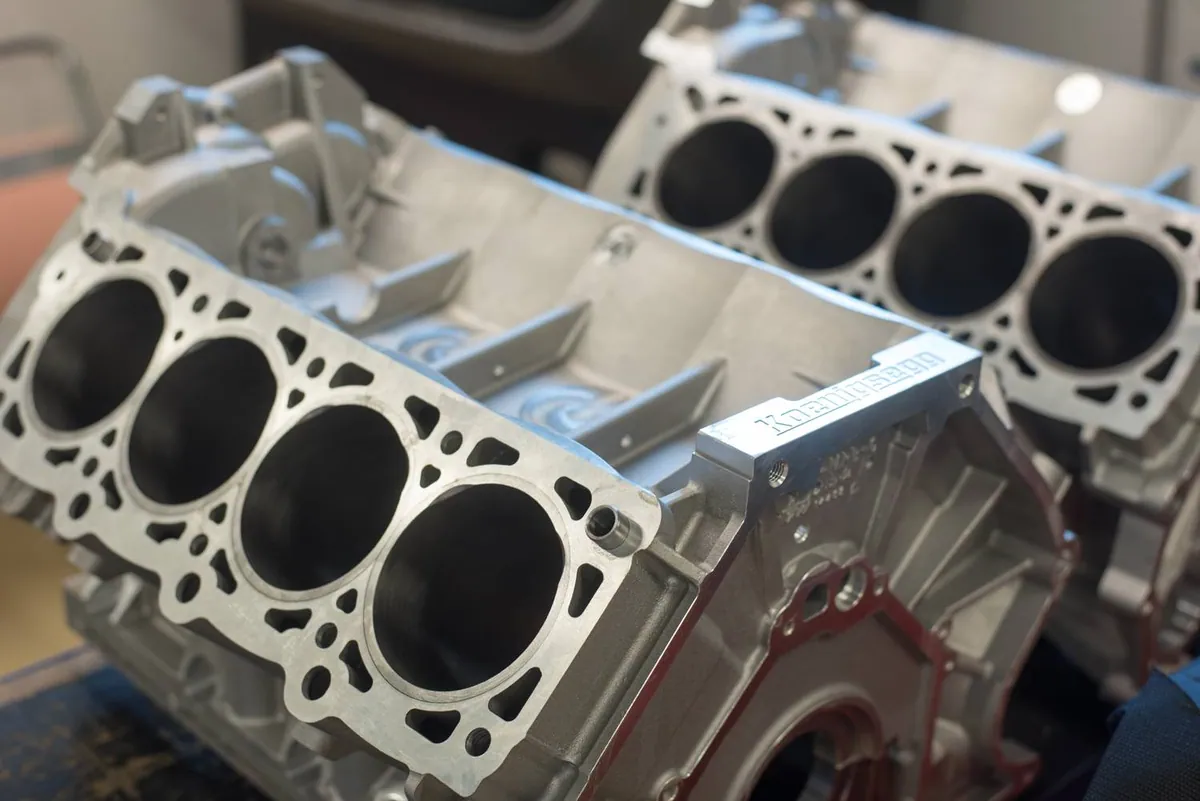
Hybrid powertrains create another challenge for long-term durability. At first glance, frequent engine shut-offs and low-load operation should help preserve engine life. In reality, things are more complicated.
Hybrid engines constantly deal with thermal cycling. The engine starts, stops, heats up, and cools down repeatedly without staying at a stable operating temperature for long. That creates micro-deformation in aluminum heads and blocks, while also increasing wear on turbochargers and timing chains.
On top of that, manufacturers continue reducing engine weight to improve fuel economy, which further lowers their mechanical safety margin. As a result, many hybrid engines are rarely designed to survive even 185,000 to 250,000 miles.
Their real job is not to outlive the owner—it is to help the automaker meet emissions standards and survive the warranty period with minimal problems.
You may also be interested in the news:

These 8 Cars Went Over 1 Million Miles — They Just Don’t Build Them Like They Used To
Some cars outlast generations of owners, proving that careful maintenance and durable engineering can deliver extraordinary mileage.
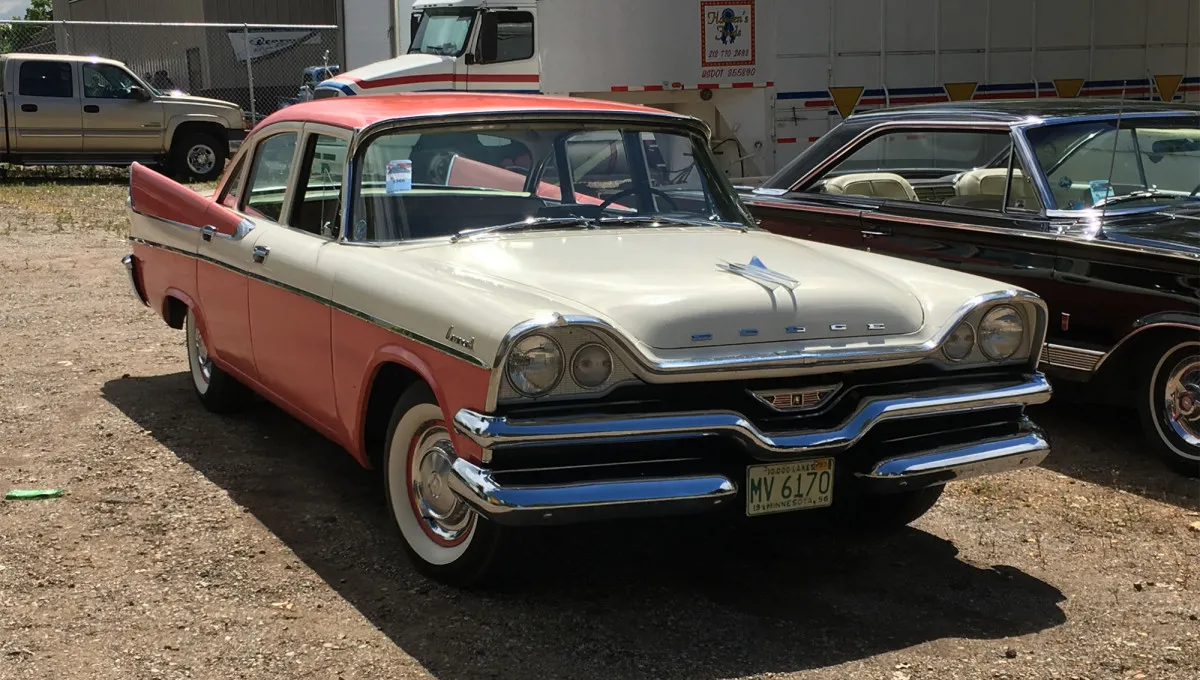
The 1957 Dodge: How “Autodynamics” Shaped One of Detroit’s Boldest Designs
The 1957 Dodge Looked Like a Dream Car, but Its Biggest Flaw Was Hiding Beneath the Surface.

Two Ferrari F40s Spotted on Google Maps Turn Out to Be Pontiac Fiero Replicas
Two Ferrari F40 lookalikes spotted on Google Maps in Spain turned out to be replicas built on an American sports car.

Your Speedometer Says 65 MPH, but Your GPS Says 62 — Here’s Why Your Car Does That
Your speedometer reads 65 mph, but your GPS says 62 mph. Here’s why the numbers rarely match.
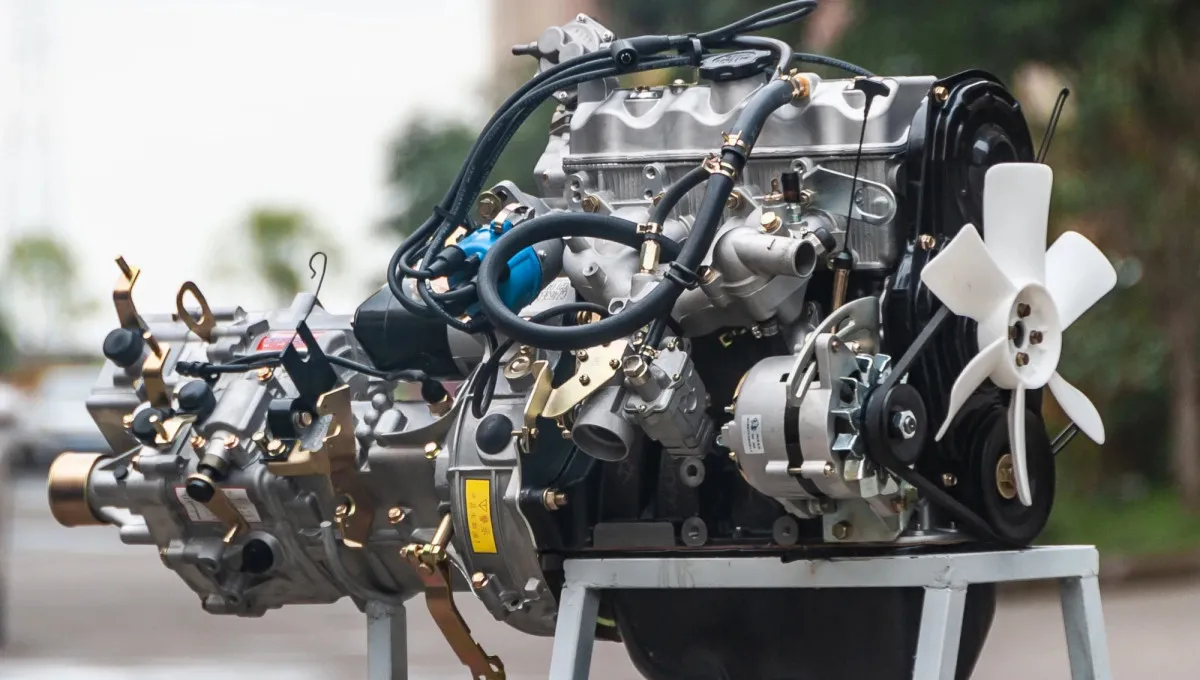
“Are You Sure It’s Chinese?” Who Really Builds China’s Car Engines
Who Really Develops China’s Car Engines?