
Why Some Japanese Cars Had a Small Front Bumper Antenna
Japanese car culture has always had a few quirks that stand out from the rest of the world.
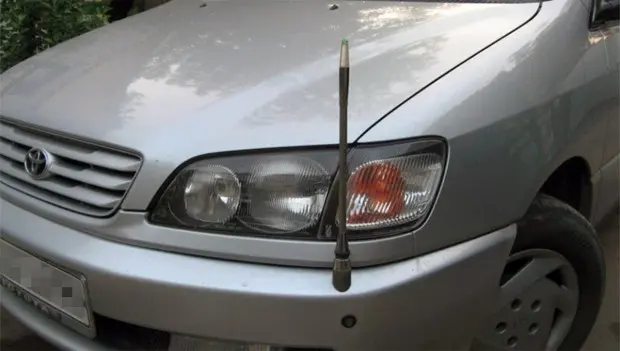
Japanese car design has always had its share of unusual and clever ideas, and some vehicles built in the country reflect that creativity in surprising ways. One of the more curious details found on certain Japanese models is a small antenna mounted on the front bumper, usually placed near one of the corners. Many drivers outside Japan have never understood what it was actually for.
Today, it’s extremely rare to see a Japanese car with this kind of bumper-mounted antenna. That’s because these vehicles are no longer produced. They mainly appeared during the 1990s, a period when Japan’s automotive industry was experiencing another rapid wave of growth. At the time, the installation of this system was not just a design choice—it was influenced by regulations and urban driving challenges.

During that decade, Japan went through a strong automotive boom, and larger vehicles became increasingly popular. As more big cars filled city streets, urban traffic conditions worsened, especially when it came to parking in tight spaces.
Accidents became more common in crowded areas, particularly during parking maneuvers. Not only was parking space limited, but maneuvering large vehicles in dense city environments also proved difficult for many drivers.
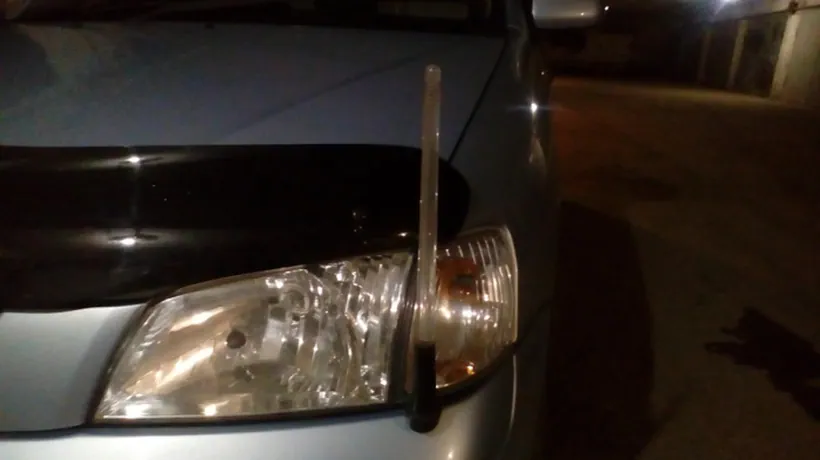
To help reduce these issues, automakers introduced a simple but effective solution: a small front-mounted antenna system designed to improve a driver’s sense of distance while parking. In practice, it helped drivers better judge how close the front bumper was to obstacles.
In many ways, this early system can be seen as a primitive form of today’s parking sensors. It was one of the first widely used attempts at giving drivers electronic assistance during low-speed maneuvering.
By the early 2000s, however, the concept quickly fell out of favor as more advanced technologies like ultrasonic parking sensors and rearview cameras became standard equipment. These newer systems were more accurate, less visible, and far more practical.
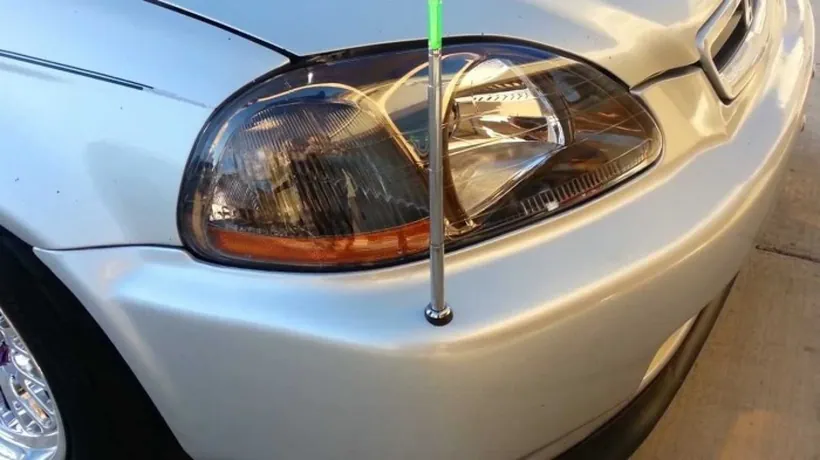
There was also another issue that contributed to the disappearance of bumper antennas. In large Japanese cities, some drivers reported that exposed antennas were sometimes damaged or snapped off by vandals. At the time, surveillance cameras were not yet as widespread as they are today, making it harder to prevent such incidents.
As a result, the small front bumper antenna became a short-lived but interesting chapter in automotive history—one of those uniquely Japanese solutions that solved a problem for a while, before being replaced by better technology.
You may also be interested in the news:
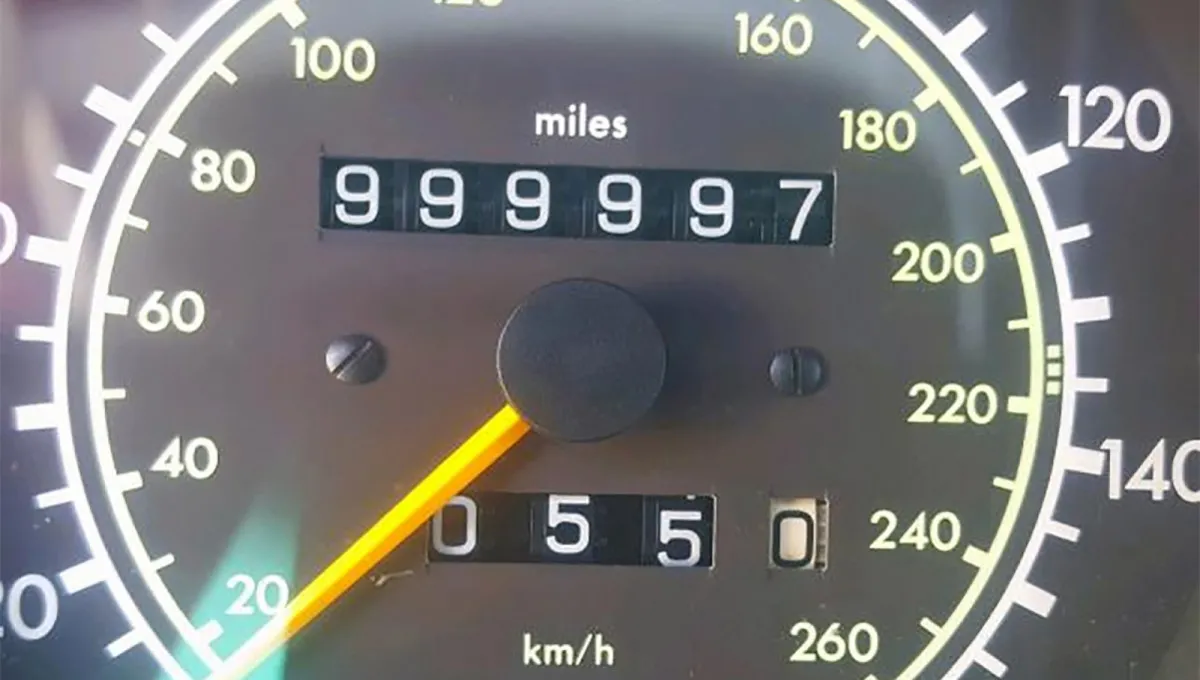
These 8 Cars Went Over 1 Million Miles — They Just Don’t Build Them Like They Used To
Some cars outlast generations of owners, proving that careful maintenance and durable engineering can deliver extraordinary mileage.

The 1957 Dodge: How “Autodynamics” Shaped One of Detroit’s Boldest Designs
The 1957 Dodge Looked Like a Dream Car, but Its Biggest Flaw Was Hiding Beneath the Surface.

Two Ferrari F40s Spotted on Google Maps Turn Out to Be Pontiac Fiero Replicas
Two Ferrari F40 lookalikes spotted on Google Maps in Spain turned out to be replicas built on an American sports car.
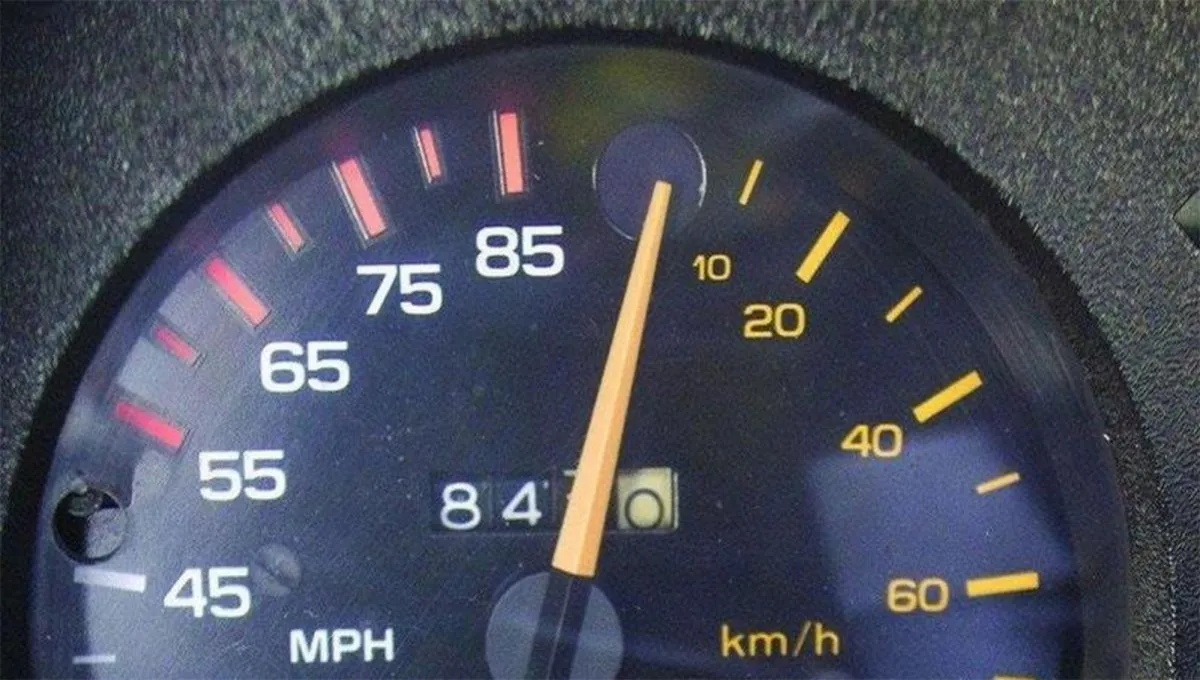
Your Speedometer Says 65 MPH, but Your GPS Says 62 — Here’s Why Your Car Does That
Your speedometer reads 65 mph, but your GPS says 62 mph. Here’s why the numbers rarely match.
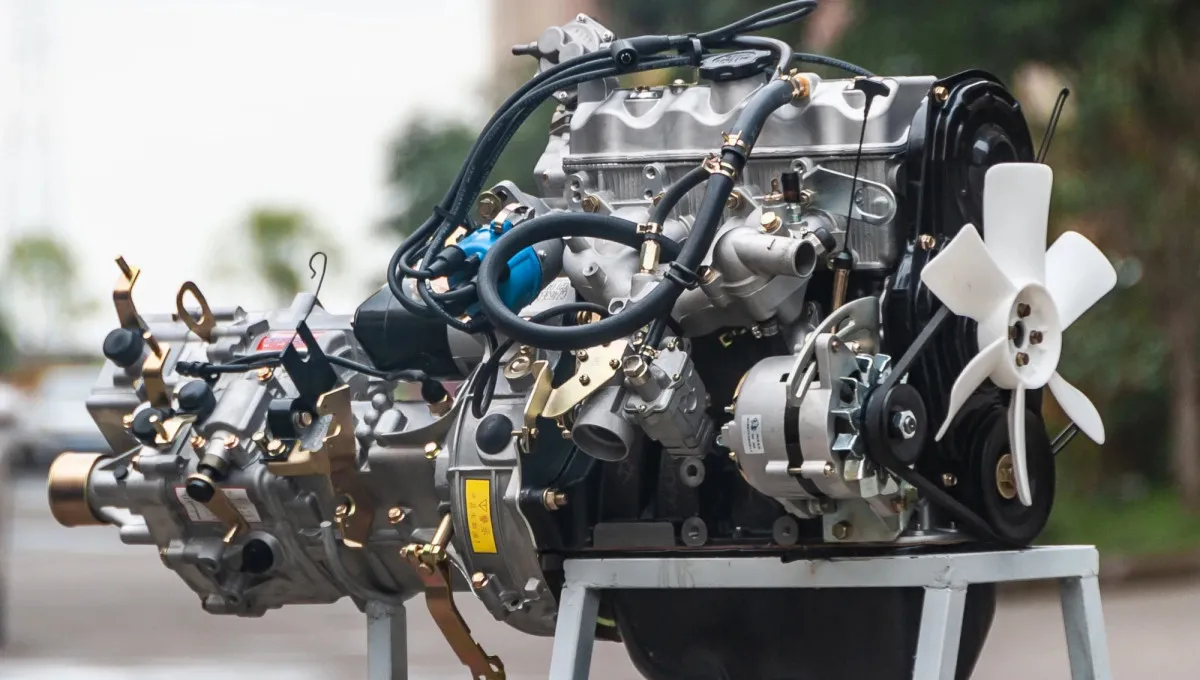
“Are You Sure It’s Chinese?” Who Really Builds China’s Car Engines
Who Really Develops China’s Car Engines?