
Rare 1971 Mustang 429 Cobra Jet Convertible Sells Within a Day After $230,000 Listing
One of the rarest 1971 Mustang convertibles changed hands less than 24 hours after hitting the market.
The 429 Cobra Jet remains one of Ford's most celebrated big-block V8s. Introduced for the 1970 model year as the replacement for the aging 428 Cobra Jet, the engine delivered the kind of power muscle car buyers demanded at the height of the horsepower wars. Its production lasted only two years before tightening emissions regulations and rising insurance costs brought the era of factory big-block performance to an abrupt end after 1971.
Although its run was brief, the 429 Cobra Jet found its way into several legendary Ford and Mercury models, including the Mustang, Torino, Ranchero, Cougar, and Cyclone. Ford built 7,675 Torino Cobras with the engine in 1970, making it one of the most common applications for the high-performance V8.
By 1971, demand had dropped dramatically as buyers shifted toward smaller, more fuel-efficient vehicles. Production fell to just 3,054 Torinos, 1,865 Mustangs, and 448 Mercury Cougars equipped with the 429 Cobra Jet. A limited number of Rancheros and Cyclones also received the engine, bringing total 1971 production across Ford and Mercury to fewer than 6,000 vehicles.
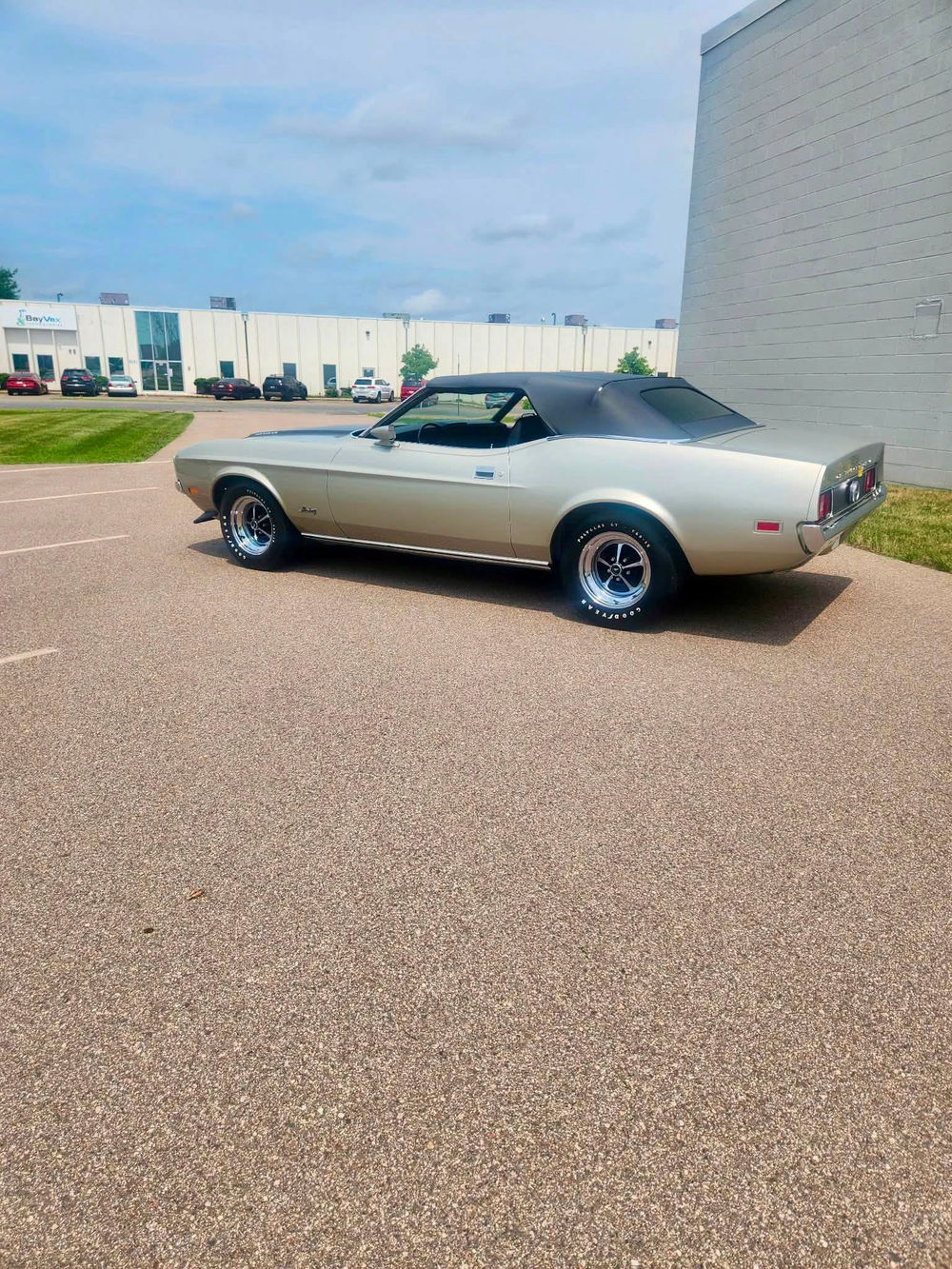
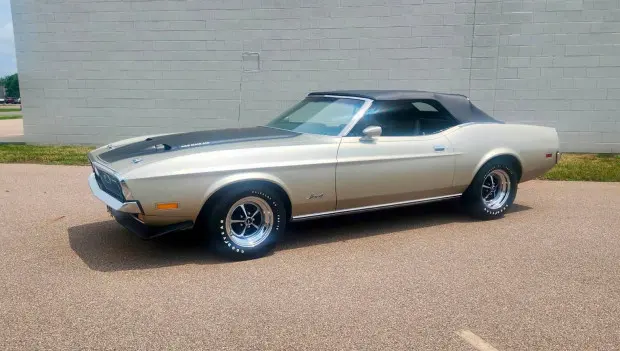
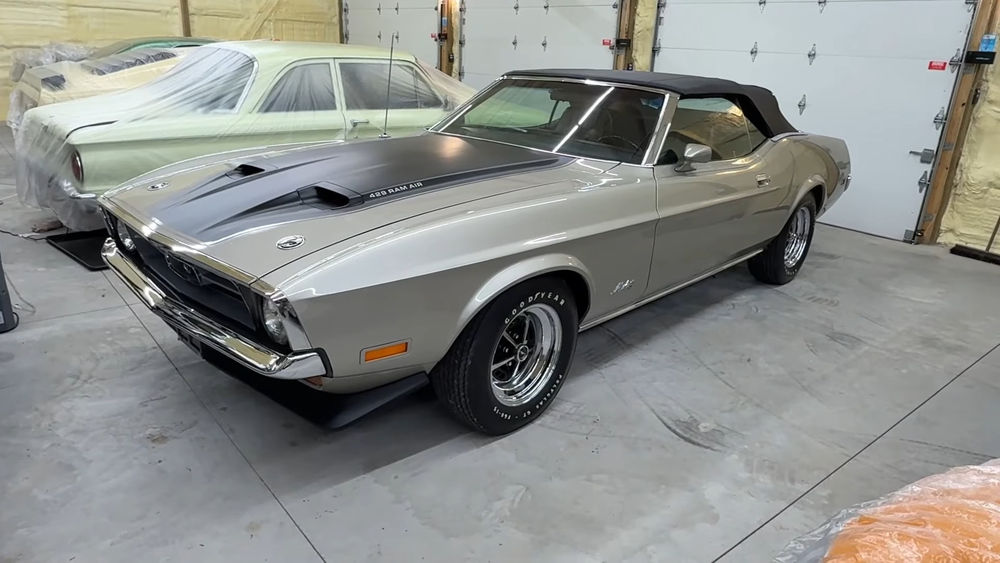
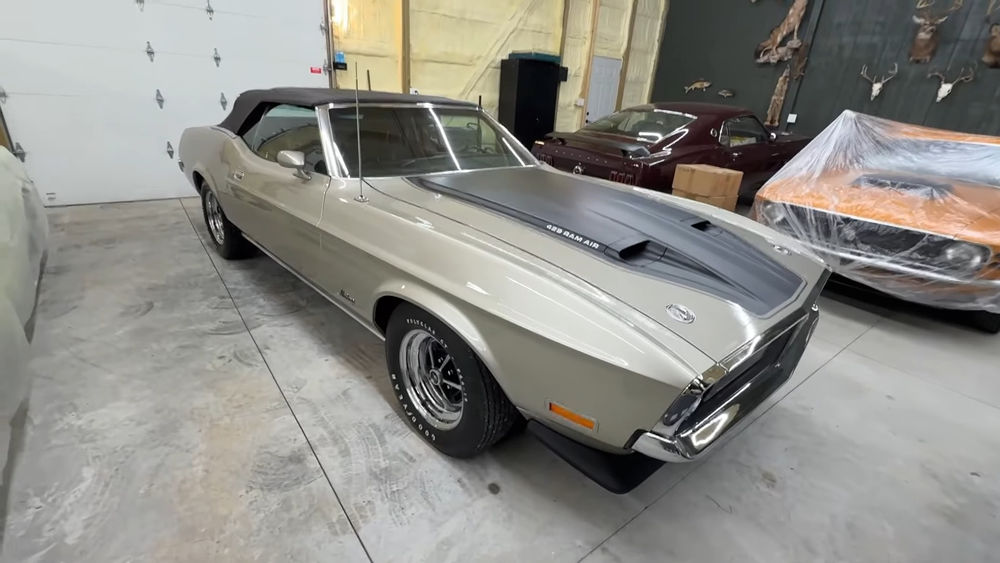
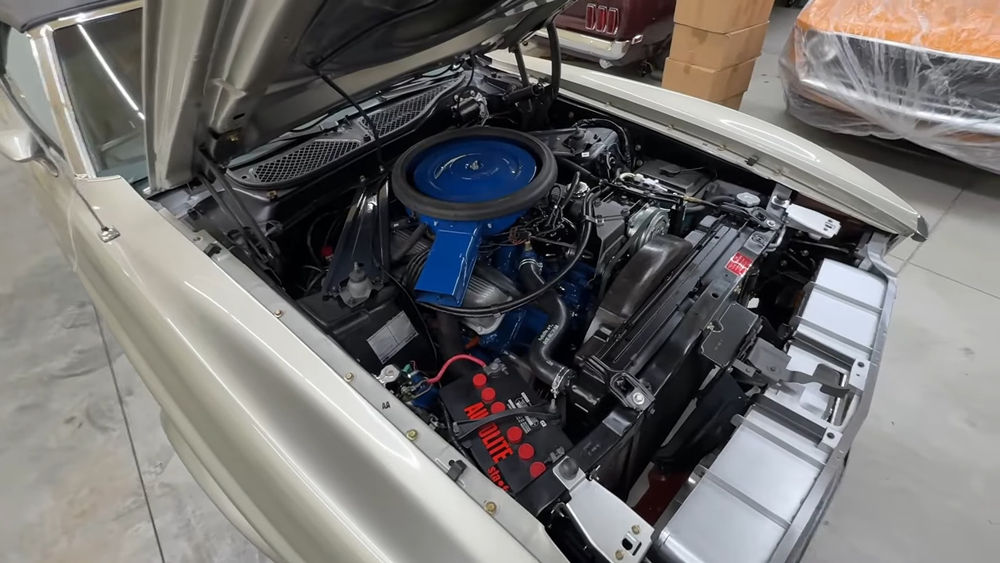
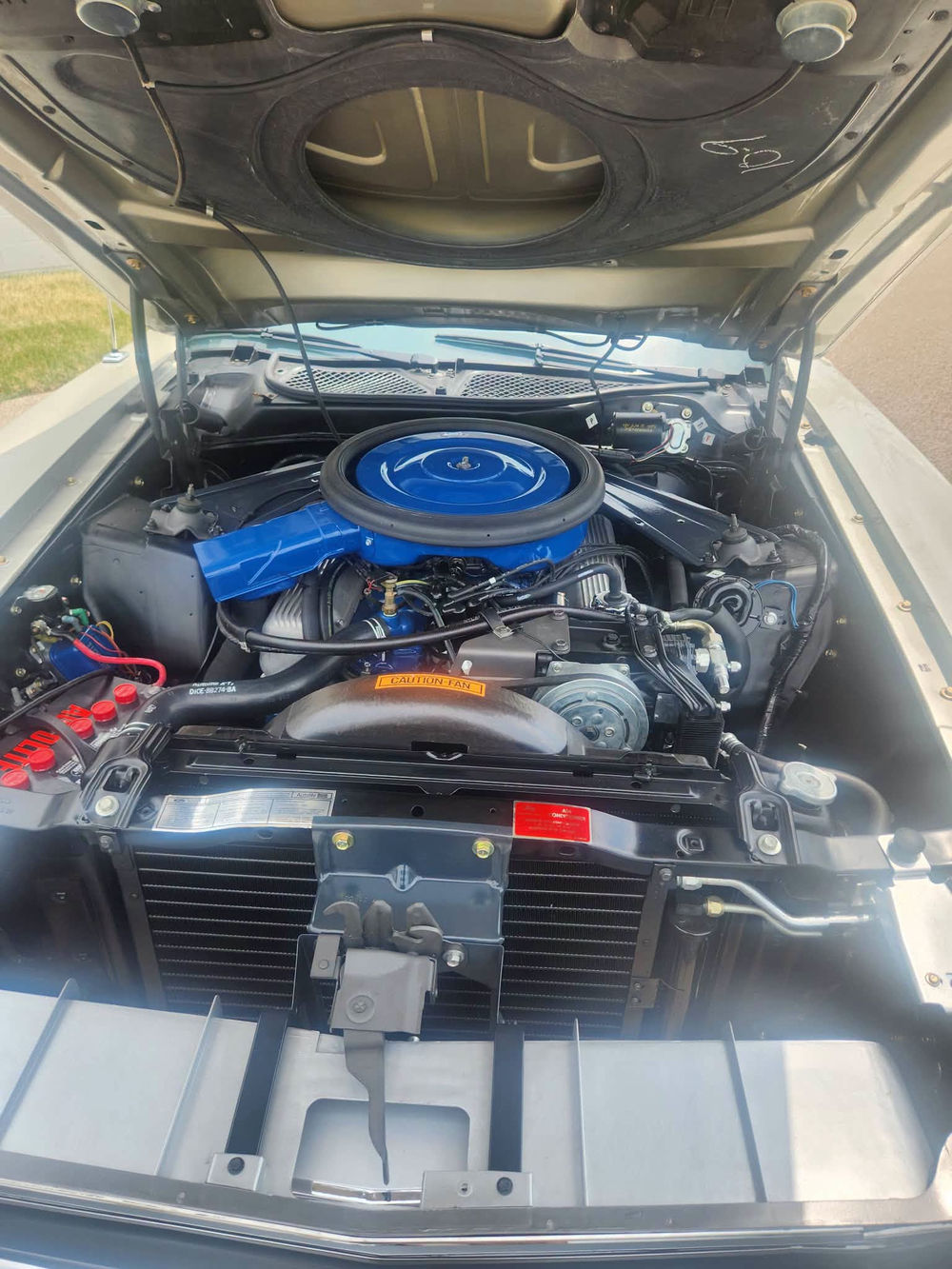
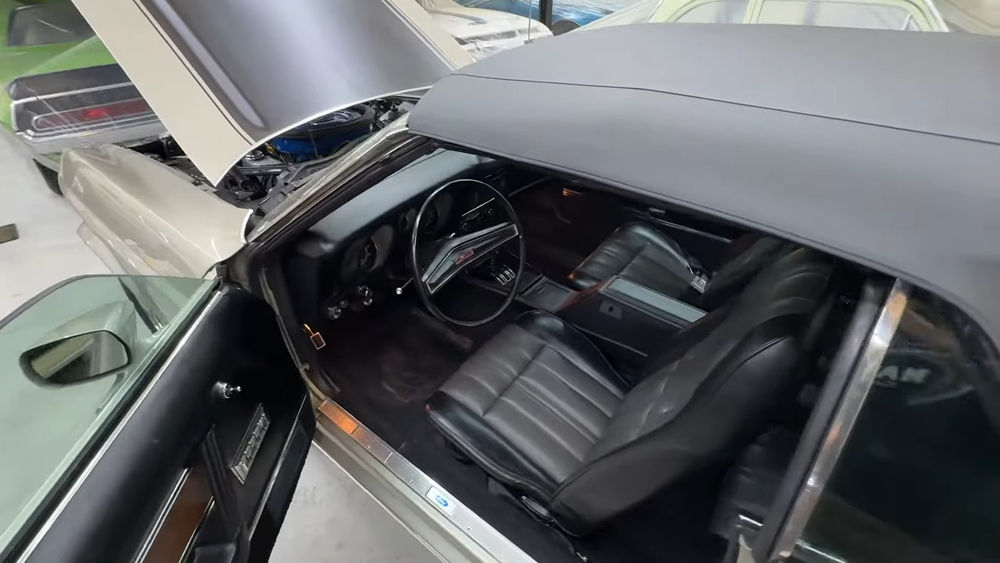
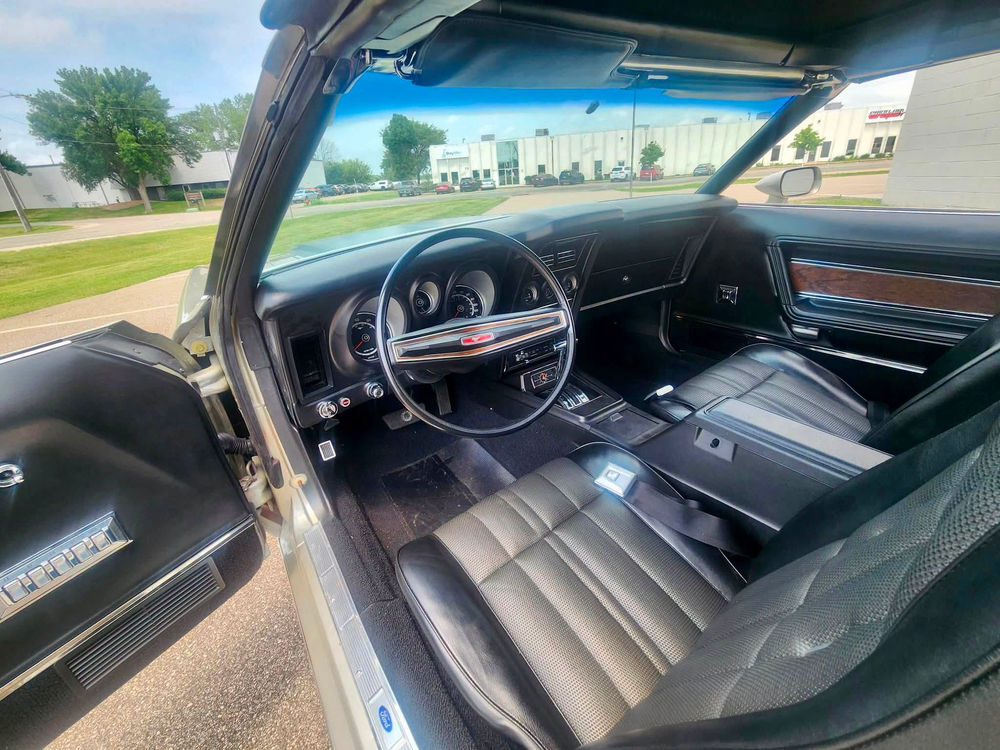
One of those rare survivors recently surfaced through Nate's Classic Cars. Finished in Light Pewter Metallic with a black convertible top, black hood treatment, and rear spoiler, the matching-numbers Mustang is powered by the desirable 429 Cobra Jet Ram Air J-Code V8 and also features factory air conditioning—a combination collectors rarely encounter.
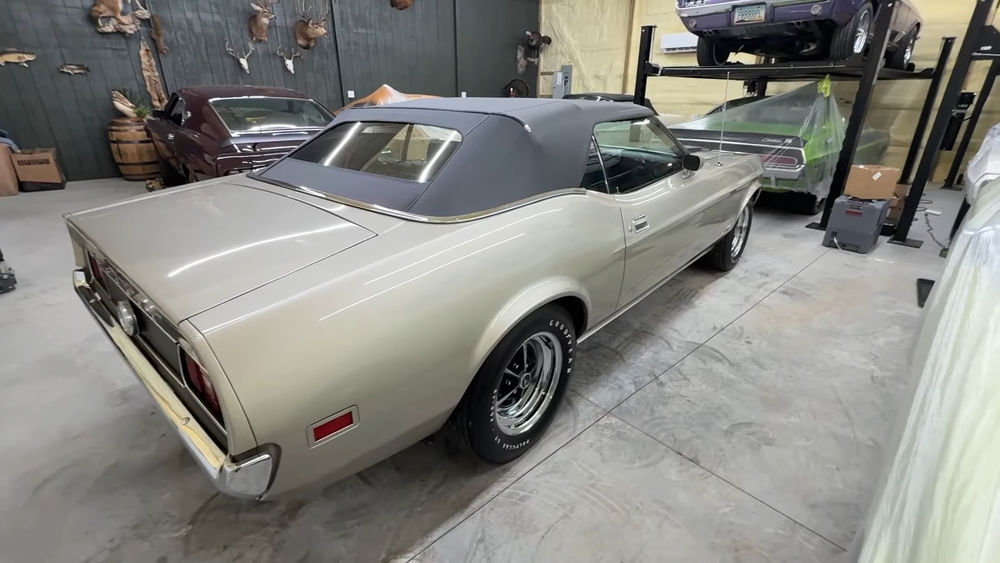
The convertible was restored by Bob Wilson of RJ Restorations and later earned Division II Concours Gold honors. It retains its original engine, transmission, and rear axle, while wear items such as hoses and ignition wires were replaced with factory-correct reproduction parts to preserve both authenticity and drivability.
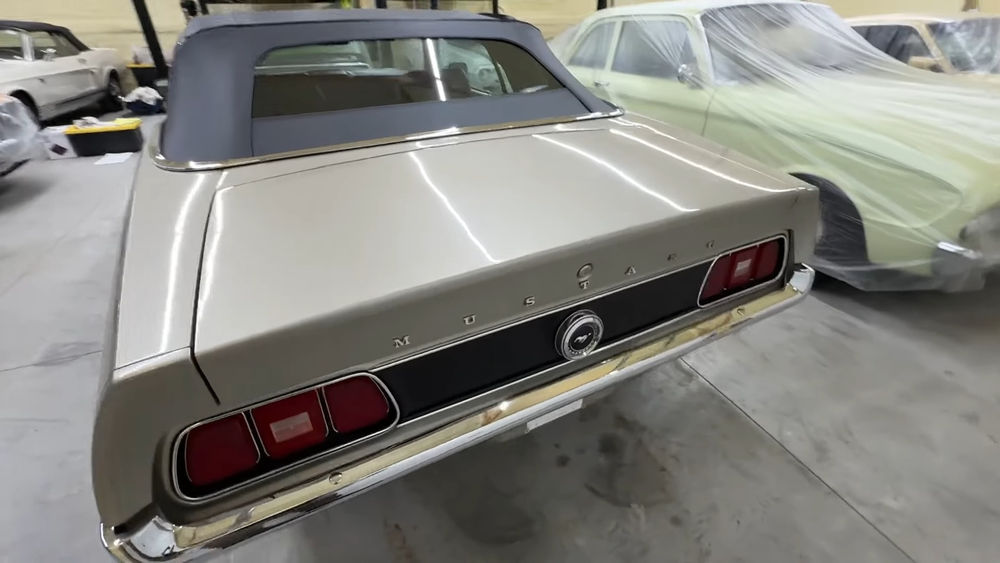
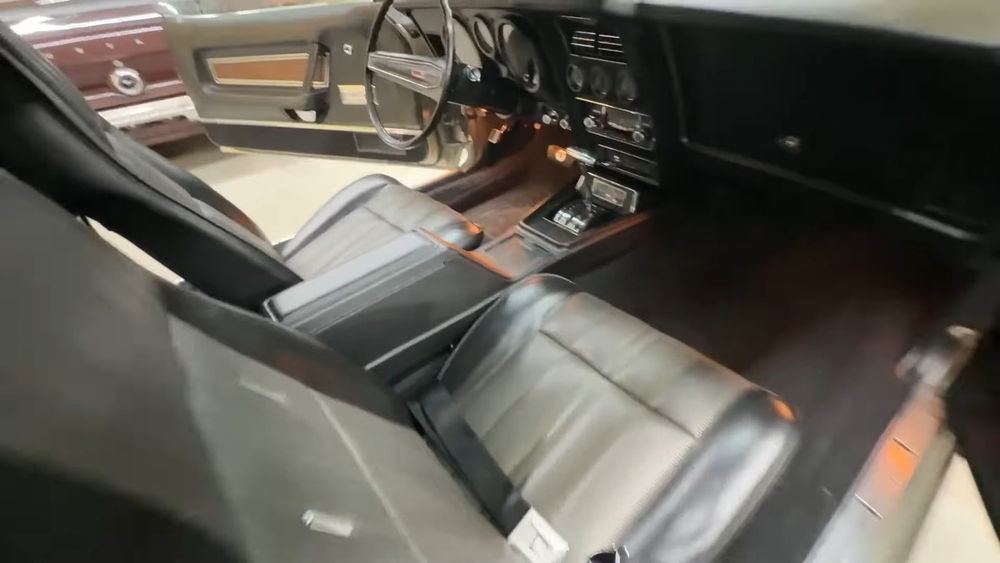
Factory equipment makes the car even more desirable. Options include power windows, a center console, intermittent windshield wipers, an AM/FM radio, and Magnum 500 wheels wrapped in Goodyear F60-15 tires. The trunk still contains its original convertible boot bag, spare tire, jack, and factory-style spatter paint finish.
The Mustang didn't stay on the market for long. It appeared on Nate Jones' Facebook page with an asking price of $230,000, and less than 24 hours later, the listing was marked Sold.
Production numbers explain why collectors moved quickly. Ford built only 42 Mustang convertibles with the 429 engine for 1971. Of those, 32 were Ram Air J-Code cars. Factory air conditioning makes this example even rarer, as only 23 were equipped with the C6 three-speed automatic, while just nine received the four-speed Top Loader manual transmission.
The remaining ten convertibles were powered by the non-Ram Air C-code 429, split evenly between automatic and manual transmissions.
The 1971 Mustang represented a major redesign. Compared with earlier models, it was roughly 2 inches longer, more than 2 inches wider, and considerably heavier to accommodate larger engines like the 429 Cobra Jet. Even with its bold new styling, Mustang sales began to slow, with Ford producing 149,678 units across all body styles that year.
Engine choices ranged from the base 250-cubic-inch inline-six to the 302 V8, several versions of the 351 Cleveland, the high-performance Boss 351, and, at the top of the lineup, the 429 Cobra Jet and 429 Super Cobra Jet.
The 429 Cobra Jet remained one of the rarest options available. Out of the 1,865 Mustangs equipped with the engine, 1,651 were installed in Mach 1 fastbacks. Only a small number were fitted to hardtops, Grandes, and convertibles.
Price also played a role in the engine's limited popularity. A standard Mustang coupe started at $3,006 in 1971, while the convertible carried a base price of $3,322. Choosing the 429 Cobra Jet Ram Air package added another $436. Factory air conditioning cost $407, the Cruise-O-Matic Select-Shift automatic transmission added $238, and the AM/FM radio was another $214. With additional options like power windows, a fully loaded convertible could easily approach—or even exceed—a $5,000 window sticker, making it one of the most expensive Mustangs Ford offered.
For buyers willing to spend the money, the performance justified the investment. The 429-cubic-inch V8 featured 11.3:1 compression, large-valve cylinder heads, and a 700-cfm Rochester Quadrajet carburetor. Ford officially rated the engine at 370 horsepower and 450 lb-ft of torque, although many enthusiasts have long believed those numbers were intentionally conservative.
Road tests conducted in 1971 confirmed the engine's performance. Despite the Mustang's added weight, 429 Cobra Jet models could sprint from 0 to 60 mph in about 6.5 seconds and cover the quarter mile in approximately 14.6 seconds at nearly 97 mph.
The engine's time was short-lived, however. Increasing pressure from insurance companies and stricter federal emissions regulations convinced Ford to discontinue the 429 Cobra Jet after the 1971 model year, bringing one of the brand's most memorable big-block performance engines to a close.
You may also be interested in the news:
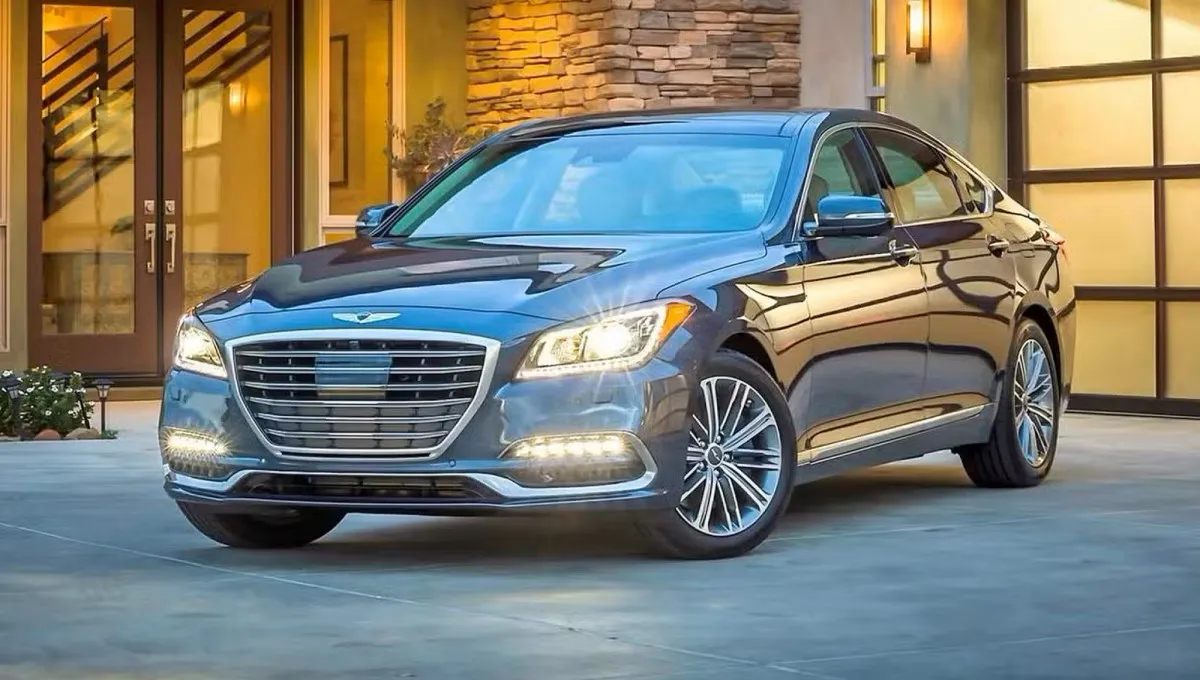
Hyundai Recalls Nearly 95,000 Genesis Sedans Over Fire Risk From Power Seats
Hyundai is recalling 94,622 Genesis sedans after a faulty power seat switch was linked to overheating and potential vehicle fires.
2027 Ram 1500 Rumble Bee: Pricing, Options and How to Build Yours
The 777-HP Ram Rumble Bee Is Coming — But You Can Buy the New Hemi Truck Now
Why Experienced Drivers Still Warn Against Buying a Used Car With a CVT
CVTs offer smooth acceleration and good fuel economy, but expensive repairs and durability concerns make used models risky.
2026 Ram 1500 Recall: 16K Trucks May Have Faulty Tire Pressure Sensors
Ram is recalling 16,385 model-year 2026 Ram 1500 trucks

Harley-Davidson Riders Could Face $2,500 Fines Under New Law Targeting ‘Weaving’ on Roads
Arizona’s new motorcycle law targets lane splitting, exposing repeat offenders to steep fines, possible jail time, and license suspensions.