
From Climate Control to Self-Driving: 6 Modern Features Cadillac Had Back in the 1950s
Many drivers assume most of today's high-tech vehicle features were invented in the 21st century, but that's not the case.
Most vehicle owners believe that the vast majority of today's high-tech automotive features were invented and introduced in the 21st century. However, that's a common misconception. Here's a look at the legendary automaker that was already introducing many innovations in the middle of the last century that still feel advanced today.
From the 1920s through the early 1970s, General Motors was widely regarded as the world's most technologically advanced automaker. The American company was the first to introduce mass-produced vehicles equipped with innovations such as the electric starter, power steering, synchronized manual transmissions, automatic transmissions, and many other cutting-edge technologies of their time.
This article, however, focuses on another aspect of GM's former technological leadership across brands including Buick, Chevrolet, and Cadillac: comfort features. Many of the systems we now consider products of modern technology are actually reinventions of ideas developed decades ago.
Automatic Headlight Control
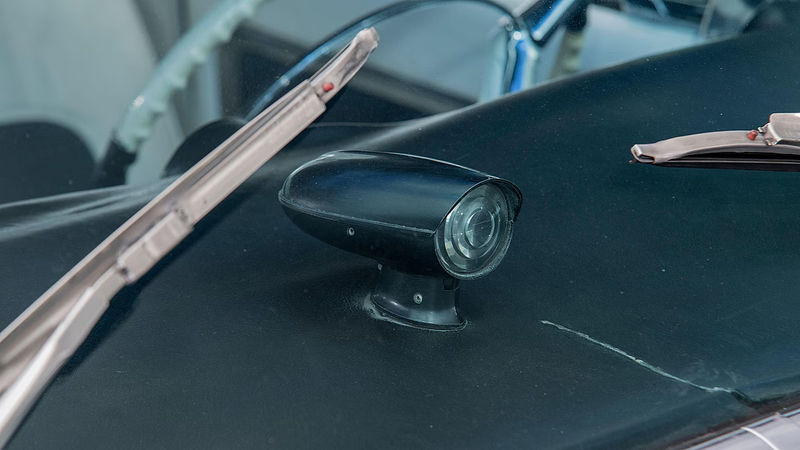
General Motors began equipping its vehicles with the world's first automatic headlight sensor in 1952. A light-sensitive photocell mounted on the dashboard monitored surrounding light conditions. The system, called Autronic Eye, automatically switched the headlights between high and low beams in response to oncoming traffic.
Self-Driving Technology
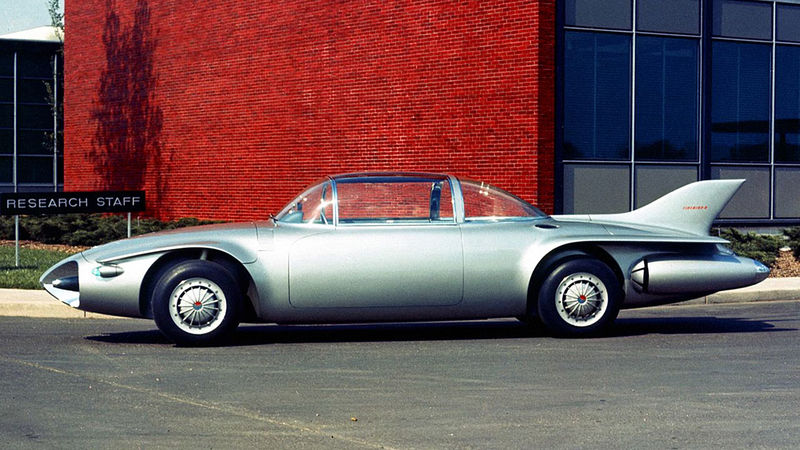
As early as 1956, GM engineers and designers built the Firebird II concept. It was envisioned as the "car of the future," featuring a titanium body, a 225-horsepower gas turbine engine, disc brakes, and independent suspension. Its top speed exceeded 186 mph. Its most remarkable feature, however, was a form of self-driving capability.
A system of magnetic sensors connected to the steering interacted with a cable embedded beneath the surface of a specially designed roadway. The system guided the vehicle automatically, allowing it to travel without driver input. It was one of the few advanced GM technologies from that era that never reached production.
Power Seats With Memory
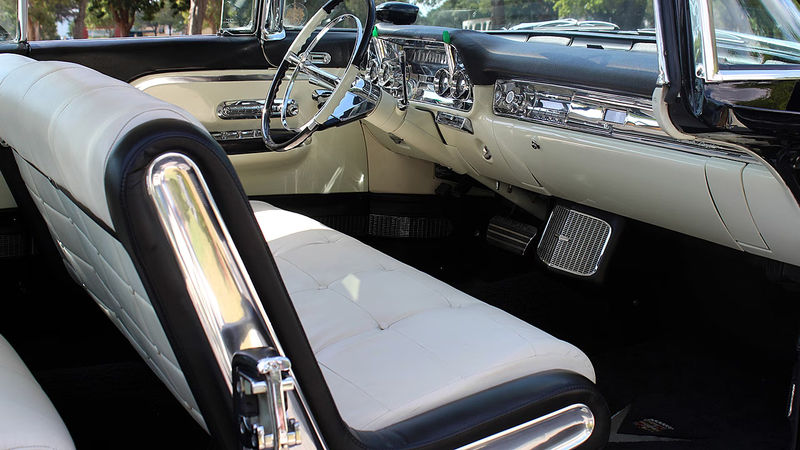
The 1957 Cadillac Eldorado Brougham can rightly be considered groundbreaking for the number of first-of-their-kind features it introduced. It was the first production vehicle to offer power-adjustable seats with memory settings for different drivers.
The system operated much like today's designs. Electric motors adjusted the seat cushion fore and aft while also changing the seatback angle. Dedicated sensors stored each driver's preferred settings.
Power Door Locks and Power Trunk
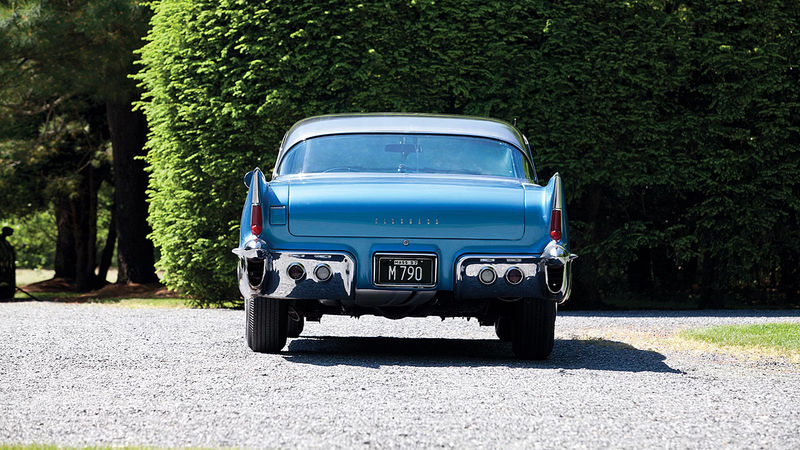
The Eldorado Brougham also became the first passenger car to feature power windows, power door locks, and a power-operated retractable radio antenna.
The luxury sedan also included electric motors that automatically opened and closed the trunk lid. Drivers controlled the system using a switch mounted on the dashboard.
Forward Collision Warning
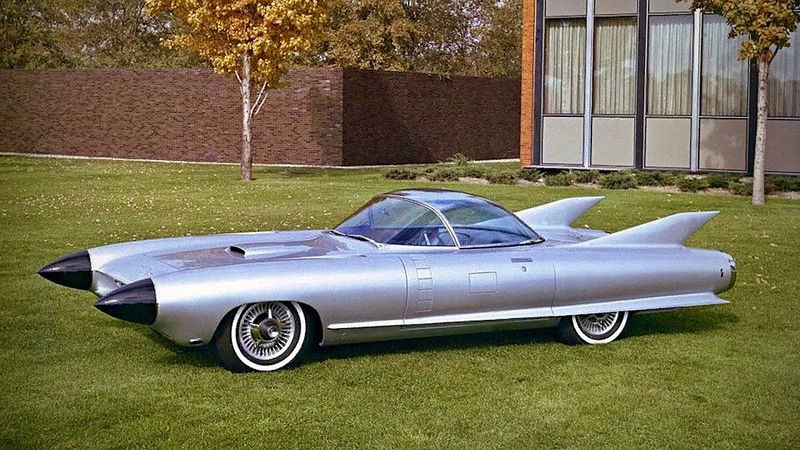
The 1959 Cadillac Cyclone XP-74 concept featured a radar-based forward collision warning system. Instead of conventional headlights, the prototype housed radar antennas inside two prominent nose cones, giving the car the appearance of a jet fighter.
The system operated on the same basic principle as military aircraft radar. By analyzing reflected radio waves, it detected objects ahead of the vehicle, measured their distance, speed, and position, and alerted the driver if a collision appeared imminent. While the technology never appeared on production Cadillacs at the time, radar-based collision warning systems are now a standard component of active safety packages on many mainstream vehicles.
Climate Control
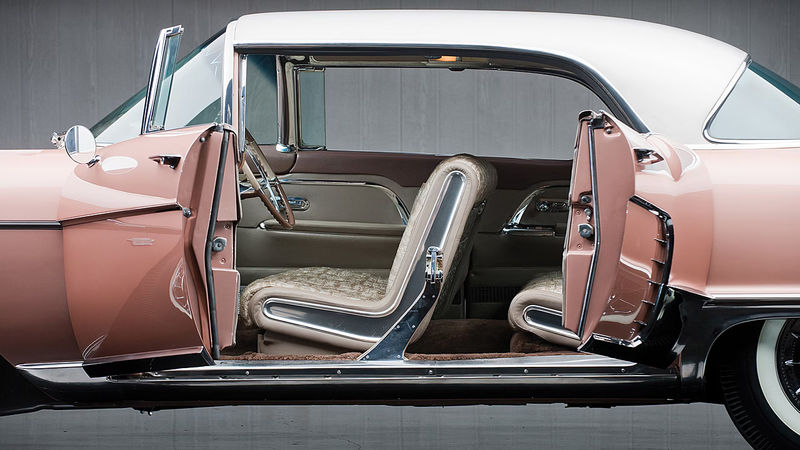
By 1964, nearly the entire Cadillac lineup was available with the Comfort Control system. This wasn't simply air conditioning—it was one of the first true automatic climate control systems.
Three sensors continuously monitored temperatures inside and outside the vehicle. Based on those readings, the system maintained the temperature selected by the driver by automatically adjusting the flow of heated and cooled air through the cabin vents.
Automotive engineers understood how to make vehicles more comfortable for their owners more than 70 years ago. They simply didn't always have the technology needed to bring every idea into production. Even so, Cadillac engineers laid the foundation for many features during the middle of the last century that are still considered among the most advanced technologies available in today's vehicles.
You may also be interested in the news:
Hyundai Recalls Nearly 95,000 Genesis Sedans Over Fire Risk From Power Seats
Hyundai is recalling 94,622 Genesis sedans after a faulty power seat switch was linked to overheating and potential vehicle fires.
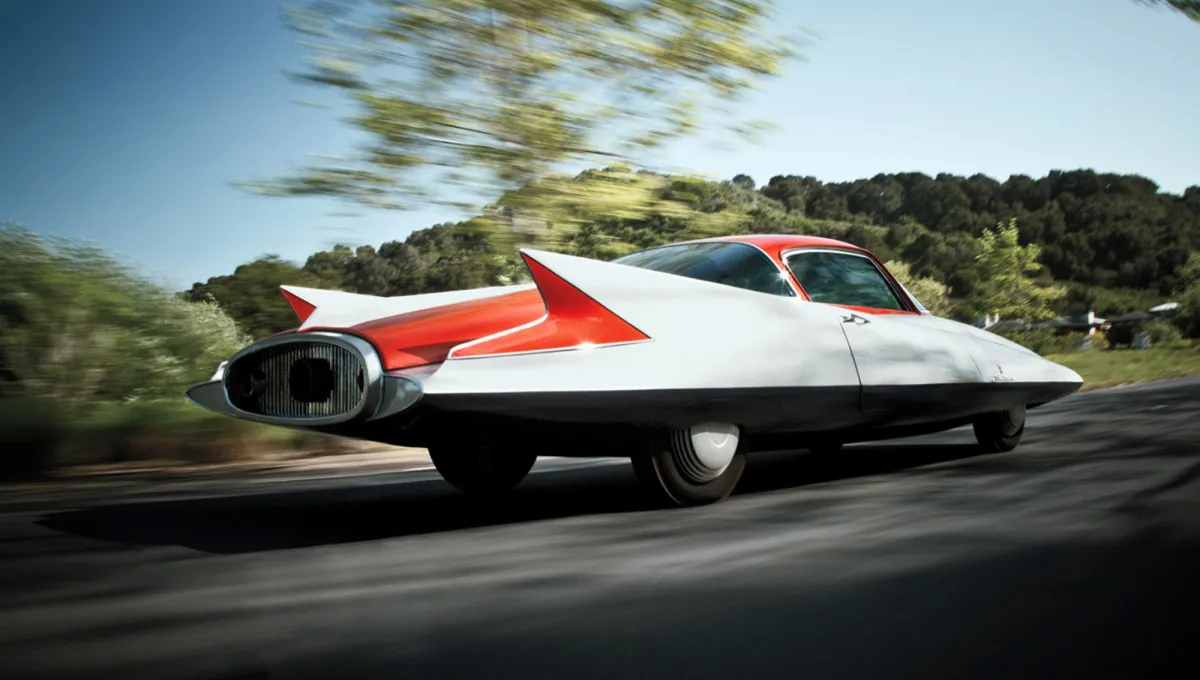
10 Concept Cars From the 20th Century That Look Like They Came From the Future
From futuristic cockpits to rocket-inspired bodies, these 10 vintage concept cars pushed design boundaries and still look spectacular today.
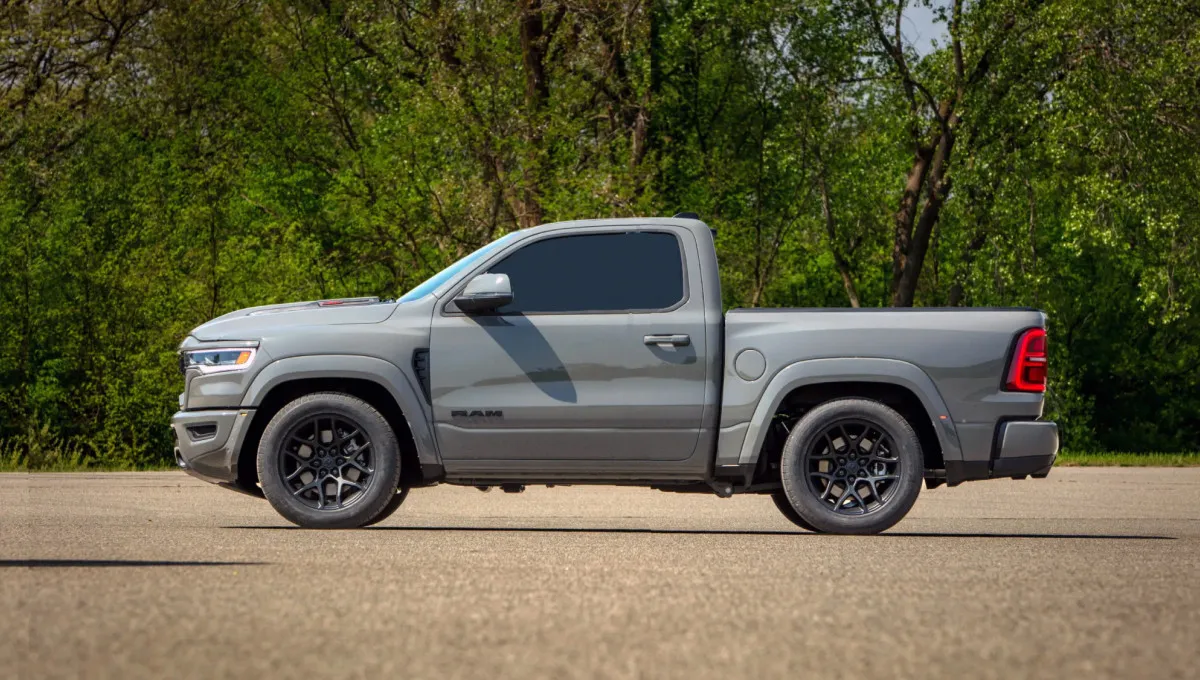
2027 Ram 1500 Rumble Bee: Pricing, Options and How to Build Yours
The 777-HP Ram Rumble Bee Is Coming — But You Can Buy the New Hemi Truck Now
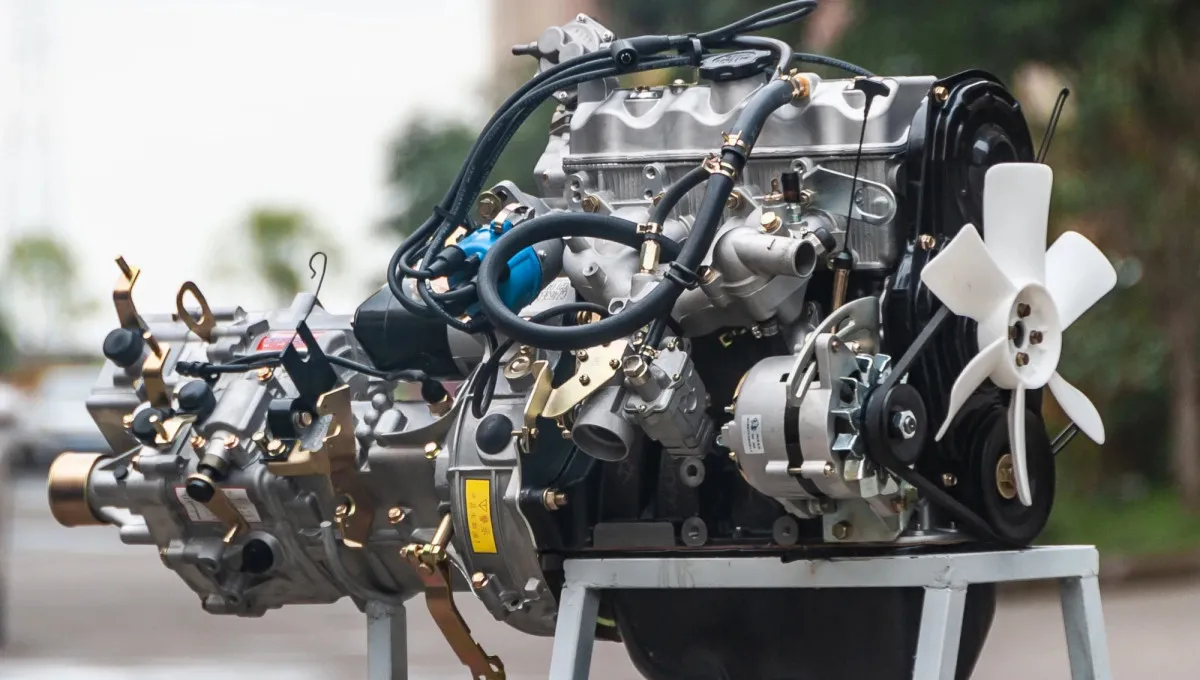
“Are You Sure It’s Chinese?” Who Really Builds China’s Car Engines
Who Really Develops China’s Car Engines?
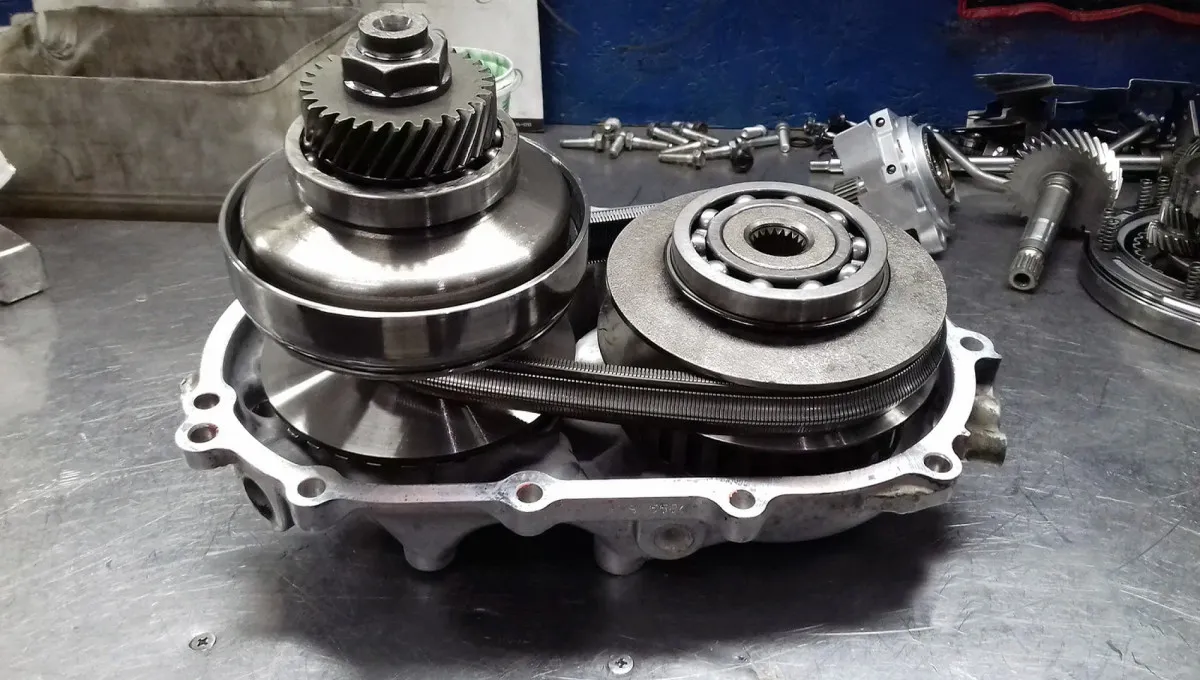
Why Experienced Drivers Still Warn Against Buying a Used Car With a CVT
CVTs offer smooth acceleration and good fuel economy, but expensive repairs and durability concerns make used models risky.