
How to Open a Stuck Fuel Door After the Release Cable Breaks: Three Proven Fixes
A fuel door that won't open at the gas station doesn't always require a trip to the repair shop.
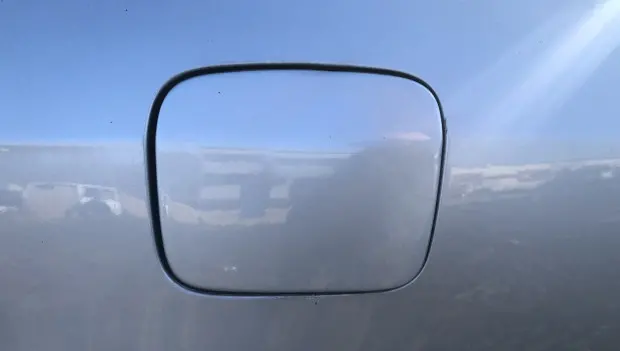
Imagine pulling up to the gas pump, pressing the fuel door release like you always do—and nothing happens. Many drivers immediately reach for a key or screwdriver, trying to pry the door open, but that usually ends with broken plastic and an expensive repair. Fortunately, most automakers have built in a backup way to open the fuel door if the release cable breaks or the electric latch fails. Knowing where to look can save time, frustration, and a costly repair bill.
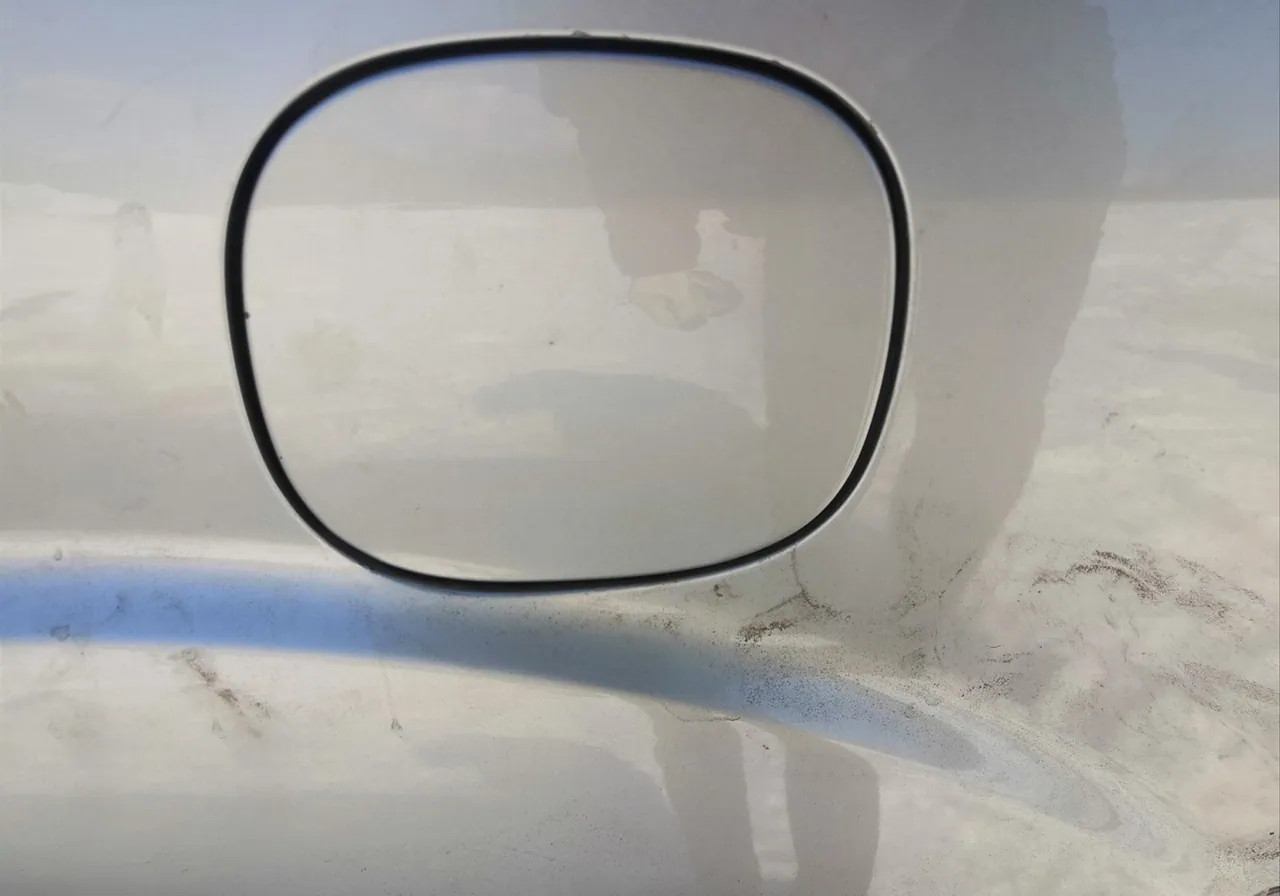
Skip the Pry Bar
Your first instinct may be to force the fuel door open with a tool, but that's the last thing you should do. Most modern fuel doors are made of plastic and mounted on relatively delicate hinges. Prying on them can snap the latch or bend the release mechanism, turning a minor problem into a much bigger repair.
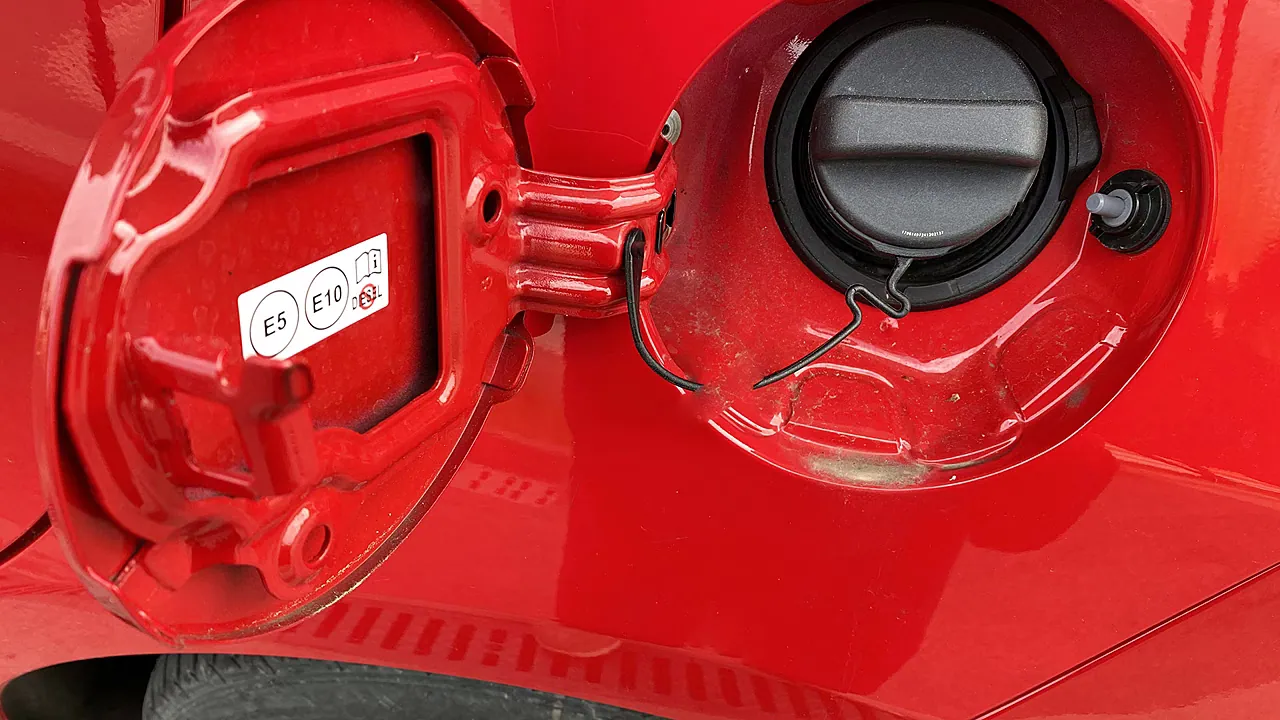
Even if you manage to break the fuel door open, you'll still have to deal with the locked fuel cap behind it. If you don't hear the electric actuator when you press the release button, the problem is likely an electrical fault or a broken release cable, and it needs to be addressed from inside the vehicle.
Look for the Emergency Release Cable
Most drivers never open the owner's manual until something stops working, but that's where you'll often find the location of the emergency fuel door release.
Many vehicles have a manual release cable hidden behind the trunk trim. It's usually located on the same side as the fuel filler and may be red, gray, or black. Check behind access panels used for taillight bulb replacement or near the first-aid kit compartment, or gently pull back the trunk liner.
A quick pull on the cable mechanically releases the latch, bypassing the electric actuator entirely.
Access the Latch Through the Trunk
If your vehicle doesn't have a dedicated emergency release cable, you may need to remove part of the trunk trim.
Carefully remove a few retaining clips and pull the interior panel away from the rear quarter panel. Behind it, you'll find the fuel door latch assembly. In many cases, the problem is something simple, such as a disconnected spring or corroded electrical contacts.
By reaching the latch mechanism, you can manually move the locking pin and release the fuel door. Work carefully to avoid damaging wiring or losing the small springs that allow the fuel door to pop open.
Prevent It From Happening Again
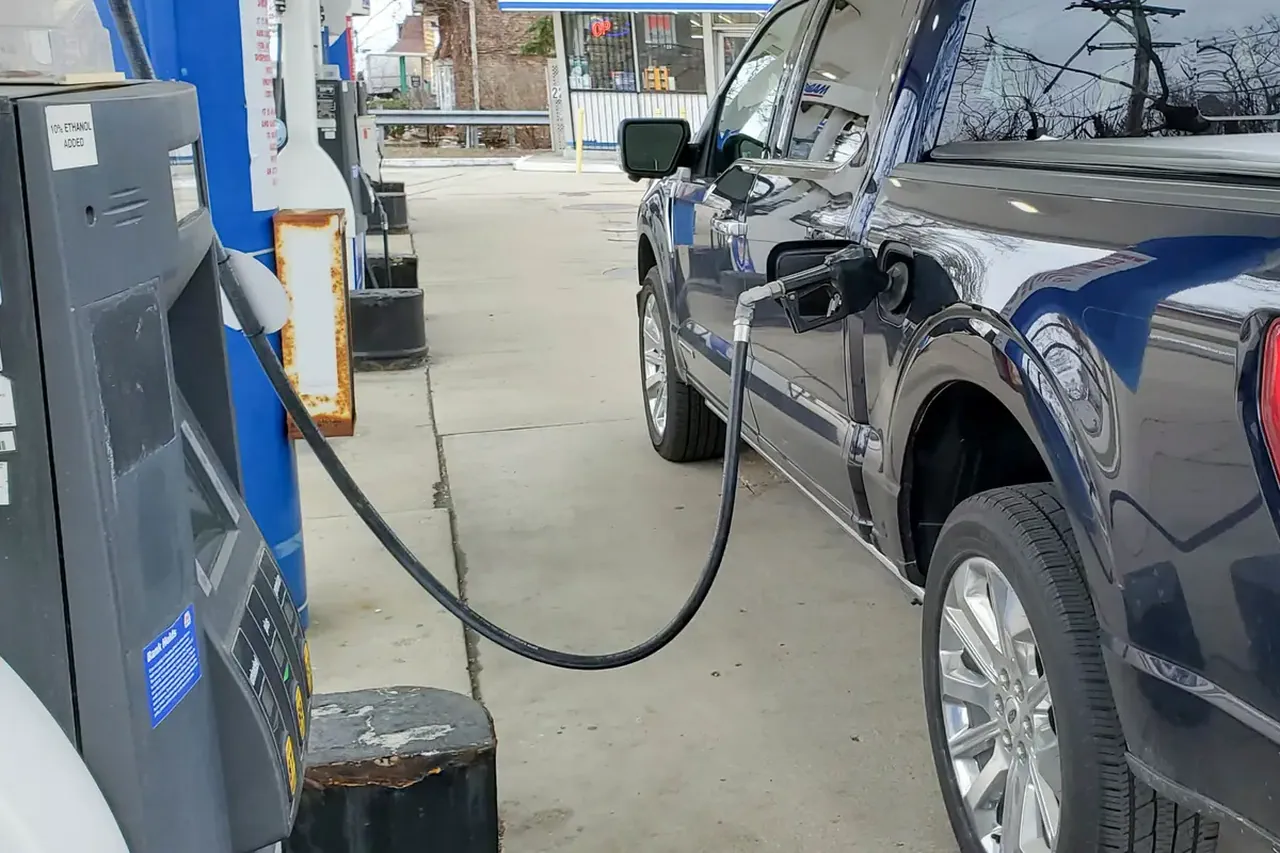
Fuel door mechanisms are constantly exposed to harsh conditions. Ice after a winter car wash, road salt, dust, sand, and moisture can all cause the latch to stick or corrode.
If the fuel door starts opening inconsistently or makes unusual noises, don't ignore it. Clean dirt from around the filler neck periodically and apply a light coat of silicone lubricant to the moving latch pin.
It takes less than a minute and can help prevent you from tearing apart your trunk at a gas station on a freezing evening just to get your fuel door open.
You may also be interested in the news:
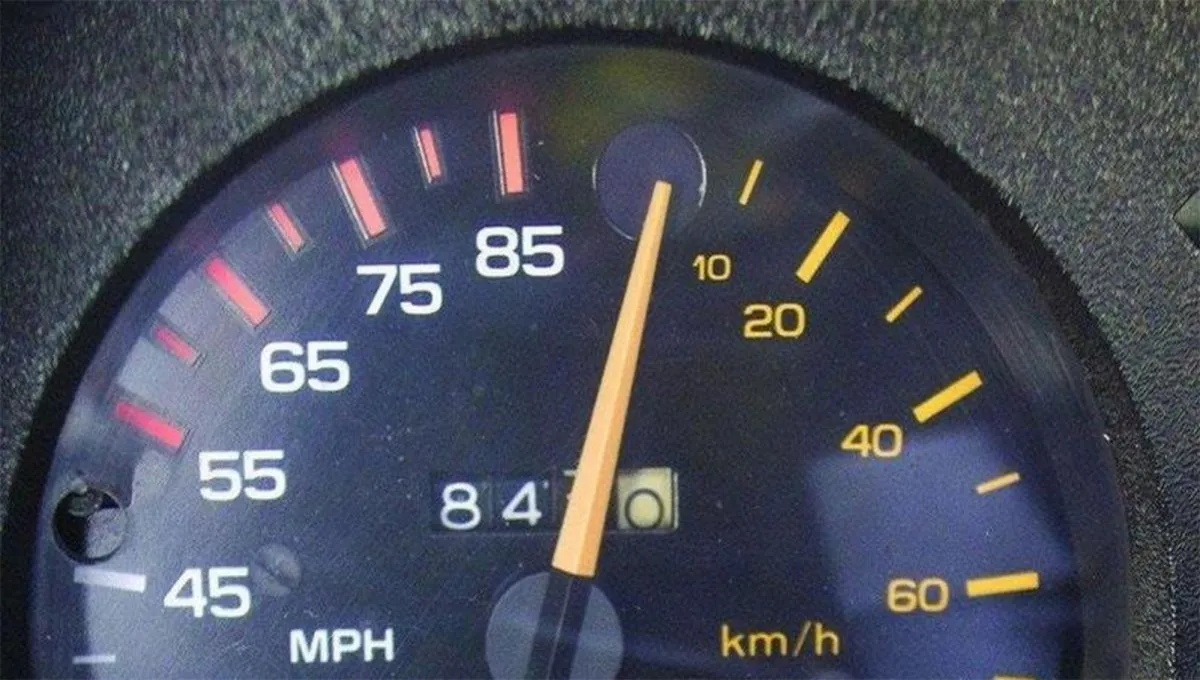
Your Speedometer Says 65 MPH, but Your GPS Says 62 — Here’s Why Your Car Does That
Your speedometer reads 65 mph, but your GPS says 62 mph. Here’s why the numbers rarely match.

Hyundai Recalls Nearly 95,000 Genesis Sedans Over Fire Risk From Power Seats
Hyundai is recalling 94,622 Genesis sedans after a faulty power seat switch was linked to overheating and potential vehicle fires.
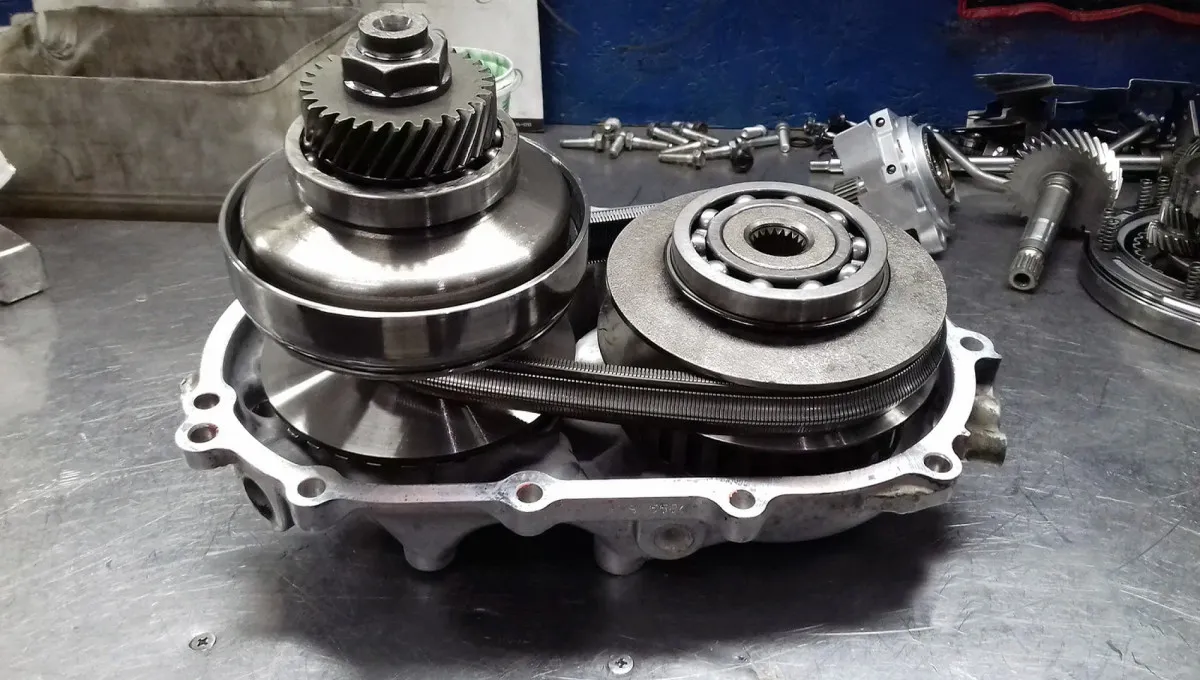
Why Experienced Drivers Still Warn Against Buying a Used Car With a CVT
CVTs offer smooth acceleration and good fuel economy, but expensive repairs and durability concerns make used models risky.
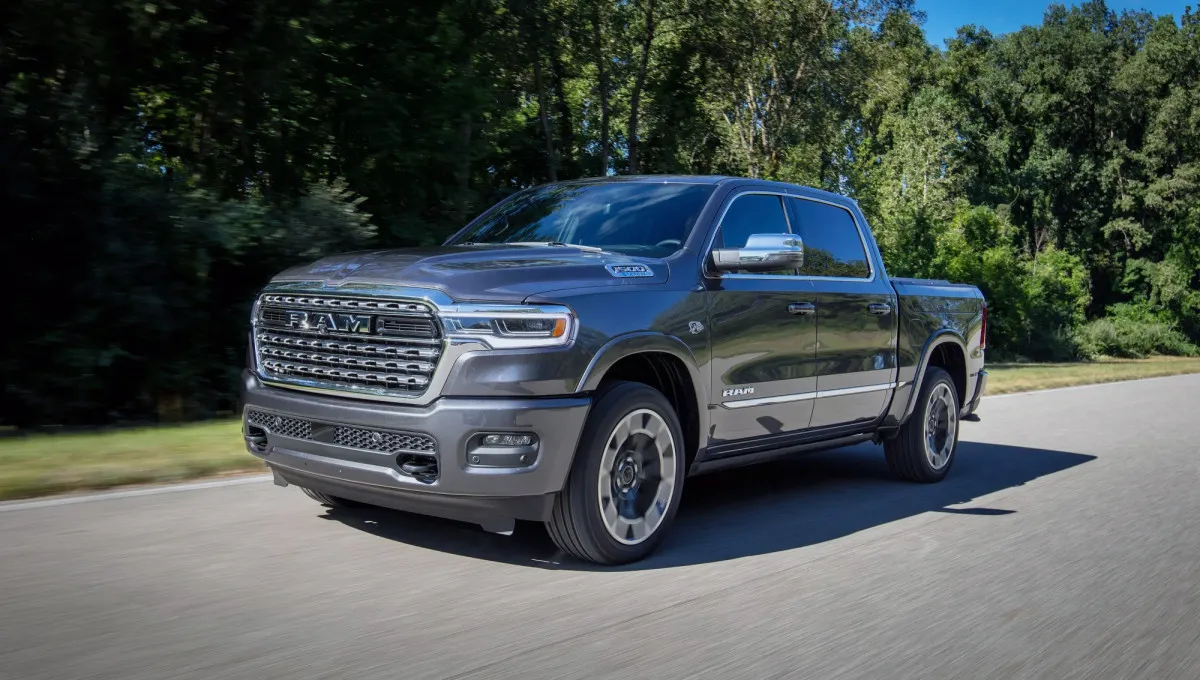
2026 Ram 1500 Recall: 16K Trucks May Have Faulty Tire Pressure Sensors
Ram is recalling 16,385 model-year 2026 Ram 1500 trucks
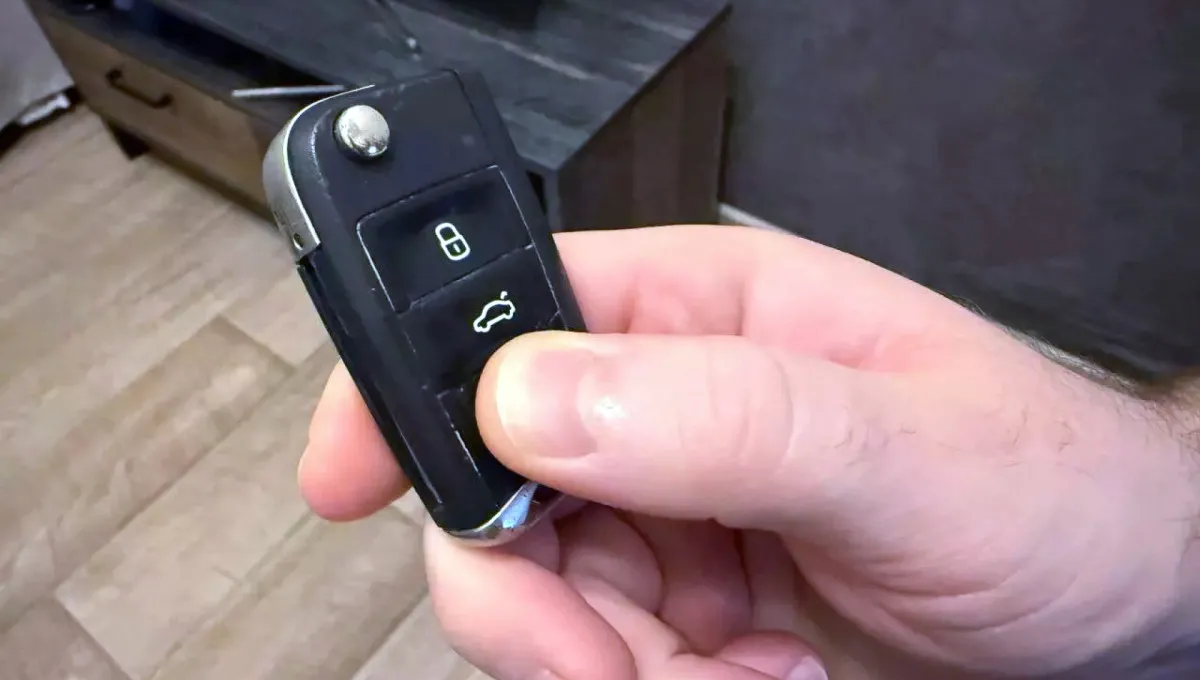
Hidden Key Fob Trick: Open All Your Car Windows With One Button
An auto mechanic explains how drivers can remotely open and close car windows using a key fob, provided the vehicle has the right hardware.