
How to Stay Cool in Your Car When the A/C Isn't Working: Proven Tips
During extreme summer heat, a car's cabin can quickly turn into a sauna, especially if the air conditioning isn't working.
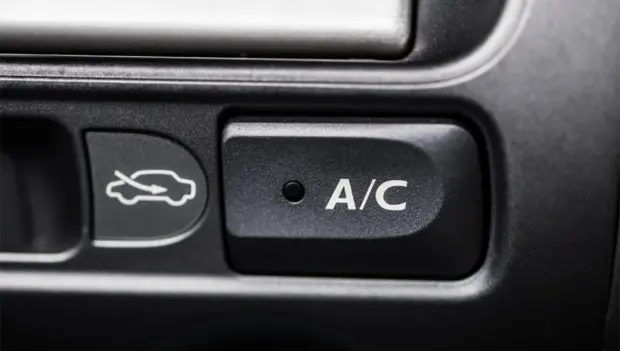
Hot air, scorching surfaces, and stuffy conditions can make any drive miserable. However, there are simple and effective ways to make driving in these conditions more comfortable.
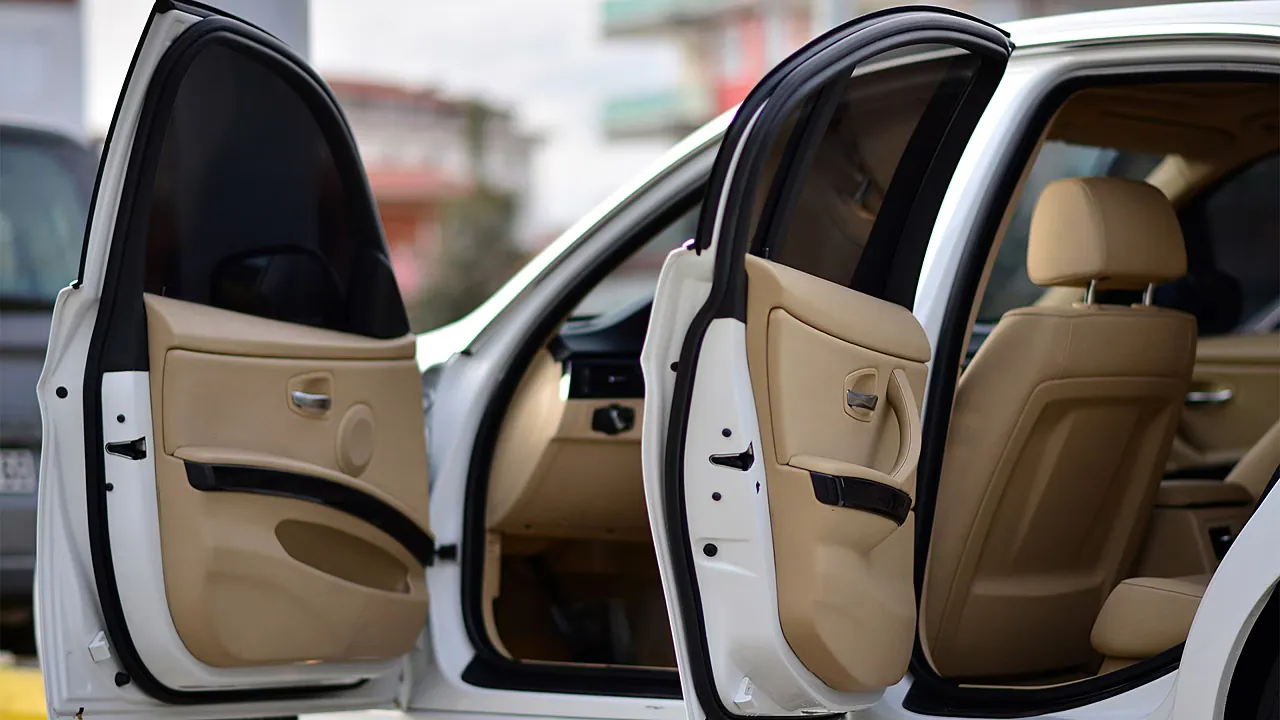
The first step is to minimize heat buildup inside the cabin. If the vehicle has been parked in direct sunlight for an extended period, open all the doors or windows for a few minutes before driving to let the trapped hot air escape. Parking in the shade can significantly reduce the cabin temperature, so choose shaded spots whenever possible.
A windshield sunshade or window tint can help block some of the sun's rays. If those aren't available, reflective mats or even cardboard can be used as a temporary solution.
Proper Ventilation While Driving
Many drivers mistakenly believe that opening all the windows at once provides the best ventilation. In reality, it's more effective to open the windows diagonally—for example, the front driver's window and the rear passenger-side window. This creates a steady airflow that removes hot air from the cabin more quickly.
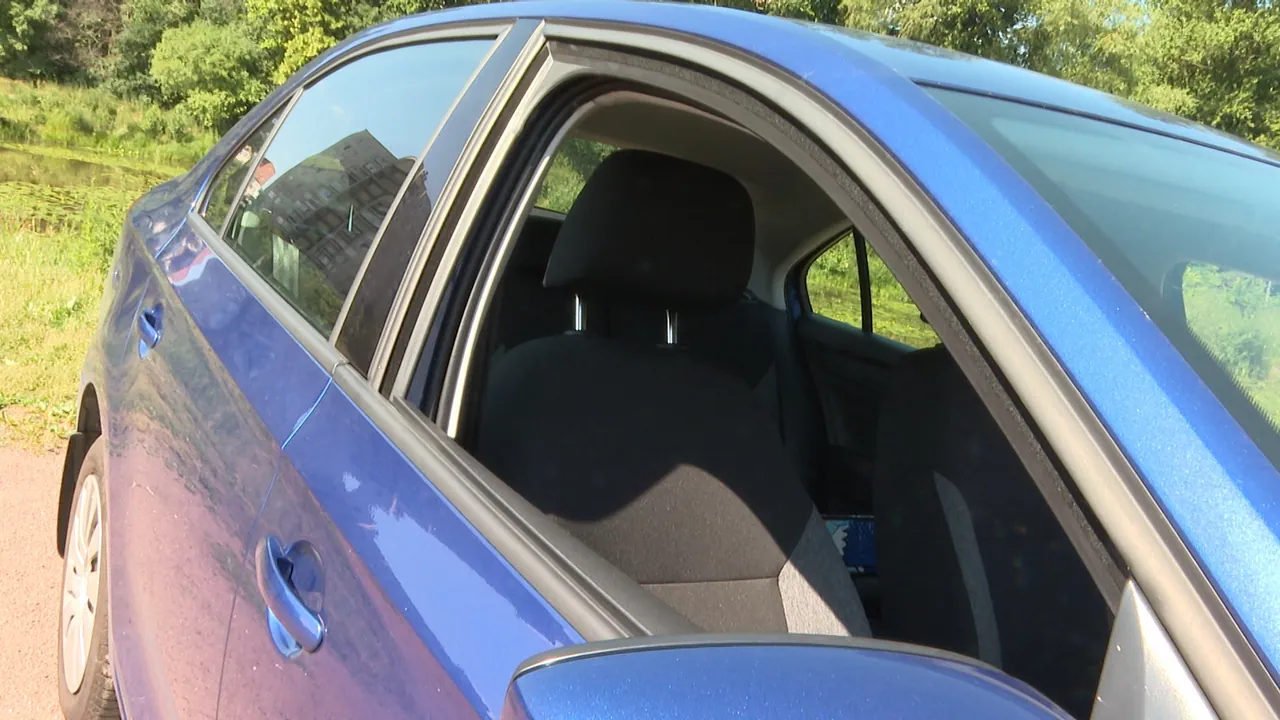
At highway speeds, fully open windows increase aerodynamic drag, which can reduce efficiency and increase fuel consumption. In those situations, opening the windows by 2 to 4 inches is enough to maintain airflow without significantly affecting the vehicle's performance.
Using Water to Stay Cool
Plain water can be an effective way to beat the heat. A towel dampened with cold water and draped over the back of a front seat creates an evaporative cooling effect. Avoid placing wet fabric on plastic surfaces or leather upholstery to prevent water marks.
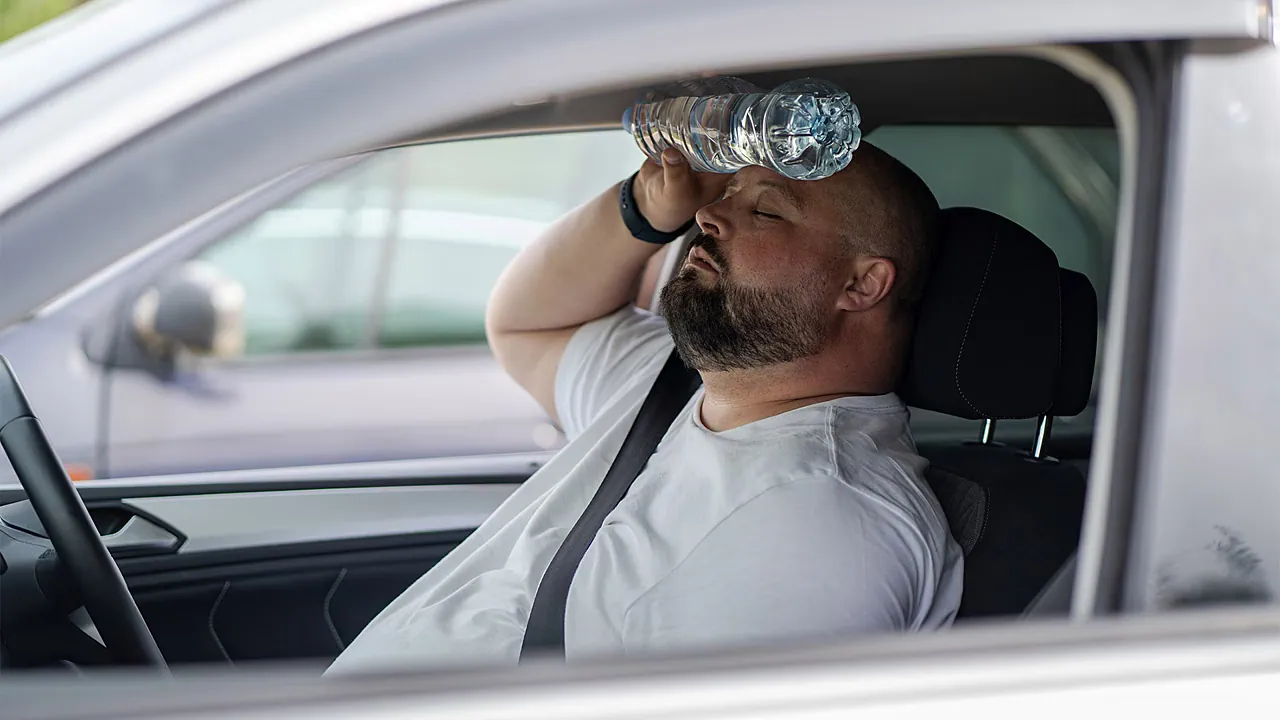
Another option is to place bottles filled with ice or reusable ice packs from a cooler inside the cabin. They can be placed in the cup holders or on the floor behind the seats. As the ice melts, it can help lower the cabin temperature slightly.
Sun Protection and the Right Clothing
Clothing made from natural fabrics such as cotton or linen is preferable to synthetic materials because it allows the skin to breathe. Loose-fitting clothing also helps prevent overheating.
If the vehicle doesn't have tinted windows, use the sun visors or wear a wide-brimmed hat. Sunglasses not only reduce eye strain but also help minimize glare from hot pavement.
Staying Hydrated and Taking Breaks
The body loses moisture more quickly in hot weather, so it's important to drink water regularly. Cool water is a better choice than ice-cold water, as sudden temperature changes may cause blood vessel spasms. Sports drinks or water with lemon are also good options because they help replenish lost electrolytes.

If the heat becomes unbearable, stop in a shaded area, get out of the vehicle, and take a short break. Even a brief rest can help restore energy and reduce fatigue.
If possible, schedule longer trips for early morning or evening, when temperatures are lower. Between noon and 4:00 p.m., the cabin can become extremely hot even with the windows open.
What to Avoid
Some drivers try to cool off by directing the air vents toward themselves, but if it's 95°F outside, this only creates a hair dryer effect. It's better to direct airflow upward or toward the sides to avoid drying out your eyes.
Sugary soft drinks don't effectively quench thirst and only temporarily reduce the feeling of a dry mouth. Plain water or sports drinks are a better choice.
Driving without air conditioning in hot weather requires some preparation, but it doesn't make the trip impossible. Proper cabin ventilation, simple cooling methods, and paying close attention to your physical condition can help you get through even the hottest day. If temperatures become extremely high, it may be better to postpone the trip—no destination is worth risking your health.
You may also be interested in the news:
Why Experienced Drivers Put Socks on Their Car Mirrors in Fall: The Clever Trick Explained
An old pair of socks can help reduce frost buildup on your side mirrors overnight, saving time on cold mornings when every minute counts.
How to Clean Your Windshield Without Streaks: Experts Recommend This Simple DIY Mix
The secret to a streak-free windshield comes down to the right cleaning solution, two microfiber cloths, and the proper drying technique.

Why Some Drivers Keep Bay Leaves in Their Cars — It’s Not Just About Superstition
Can a common kitchen spice help repel bugs, freshen your car’s interior, or even help you relax behind the wheel?
Cold Weather Can Leave You Stranded — 5 Things Every Driver Should Have in Their Car
The first hard freeze can catch drivers off guard. Here's what to keep in your vehicle and how to prepare your battery, tires, and fluids for colder weather.

Harley-Davidson Riders Could Face $2,500 Fines Under New Law Targeting ‘Weaving’ on Roads
Arizona’s new motorcycle law targets lane splitting, exposing repeat offenders to steep fines, possible jail time, and license suspensions.