
How to Open Your Hood After the Release Cable Breaks
A broken hood release cable doesn't have to leave you stranded if you know where to look and what to do.
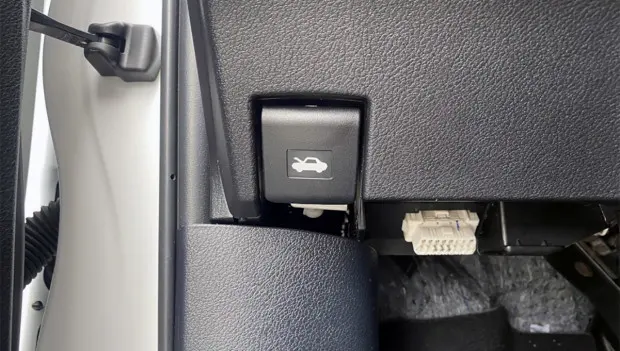
There's never a good time for your hood release handle to suddenly go limp. A snapped cable can leave you unable to top off windshield washer fluid, check the oil, or access the engine at all. Fortunately, most hood latch systems are still relatively simple, relying on a handle, a cable, and a spring-loaded latch. Understanding how the system works can help you get the hood open without damaging your vehicle.
Find the Failure Point
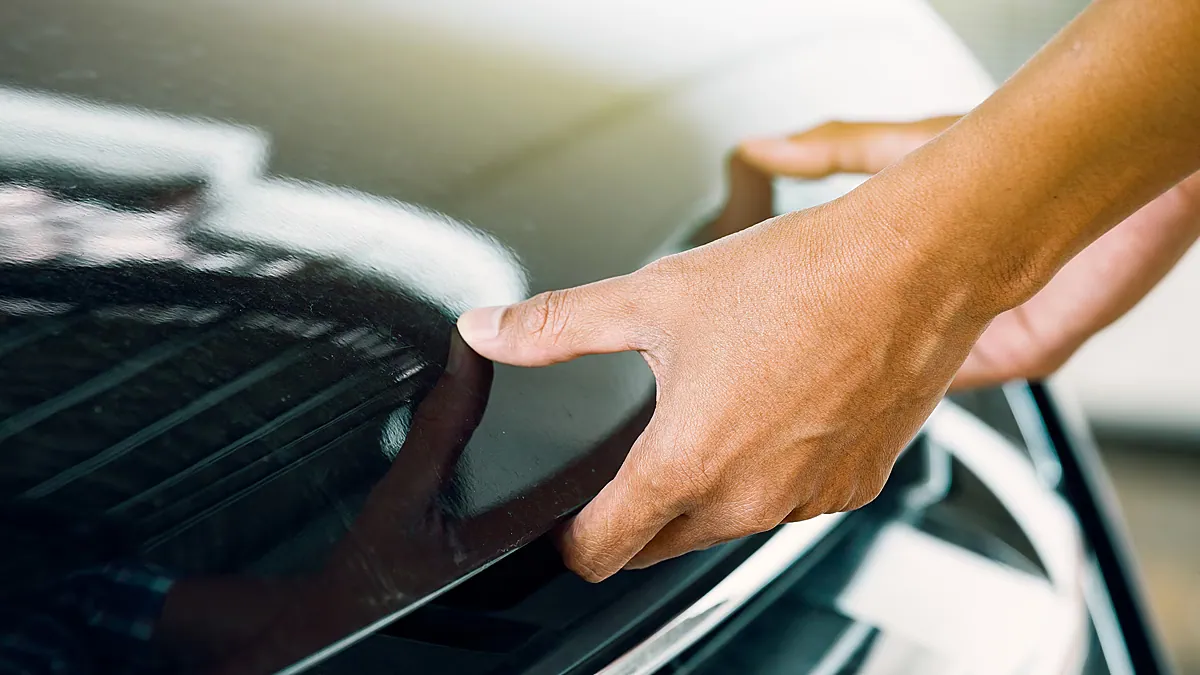
Before trying to force anything, determine where the cable has failed. If the hood release handle inside the cabin moves freely without any resistance, the cable has likely snapped.
In most cases, the cable breaks either near the interior release handle or at the hood latch itself. Less commonly, corrosion causes it to fail somewhere in the middle.
Start by inspecting the release handle under the dashboard. If you can see the exposed steel cable near the driver's footwell, you're in luck—this is usually the easiest repair.
If the Cable Broke Inside the Cabin
If the break occurred near the interior release handle, opening the hood is often a quick job.
Carefully remove the trim panel or the release handle to expose the cable housing. Once you locate the broken cable, grab it with a pair of pliers or wrap it around a screwdriver for extra leverage. Pull it steadily until you hear the hood latch release.
Avoid jerking the cable, as that could damage the remaining section and make the repair more difficult.
Access the Latch Through the Grille
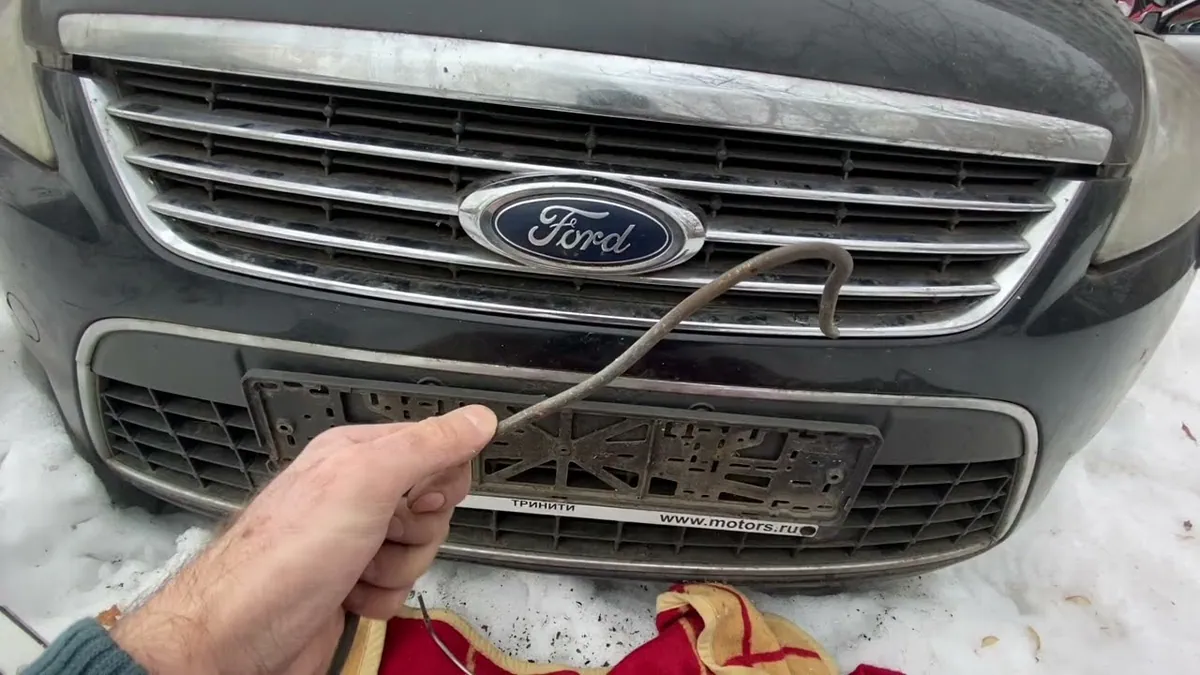
If the cable is still attached inside the cabin but the hood won't release, you'll need to approach the latch from the front of the vehicle.
Using a long screwdriver or a stiff piece of wire bent into a hook, look through the grille for the latch mechanism or the point where the cable connects.
Carefully move the latch lever or hook the remaining cable and pull it. Before inserting any tools through the grille, protect the painted surfaces by covering the surrounding edges with painter's tape to help prevent scratches.
Reach the Latch From Underneath
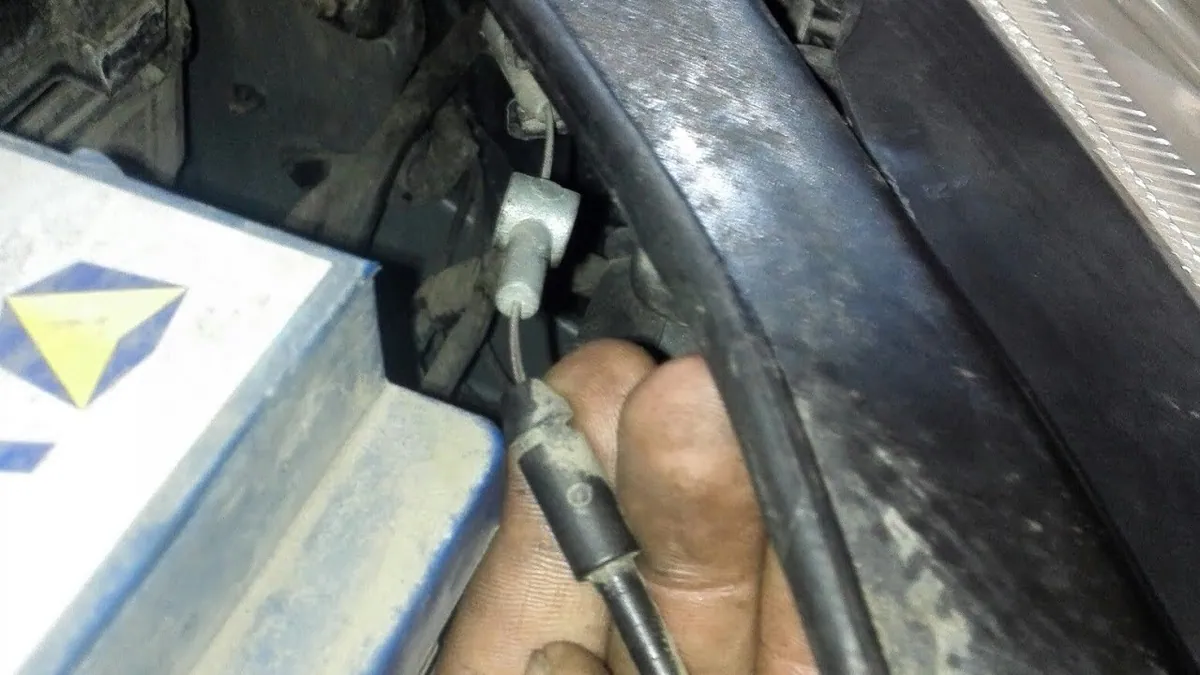
If the grille doesn't provide access or the latch is hidden behind covers, your next option is to work from underneath the vehicle or through the wheel well.
This method is much easier if you have access to a lift, service ramps, or at least a floor jack.
Removing the engine splash shield may expose the lower portion of the hood latch, allowing you to push the release lever with a long metal rod.
On some vehicles, removing the driver's-side inner fender liner also provides access to the hood release cable. In certain cases, carefully opening the cable housing and pulling the steel cable directly can release the latch even if the mechanism is partially seized.
Vehicles With Electronic Hood Latches
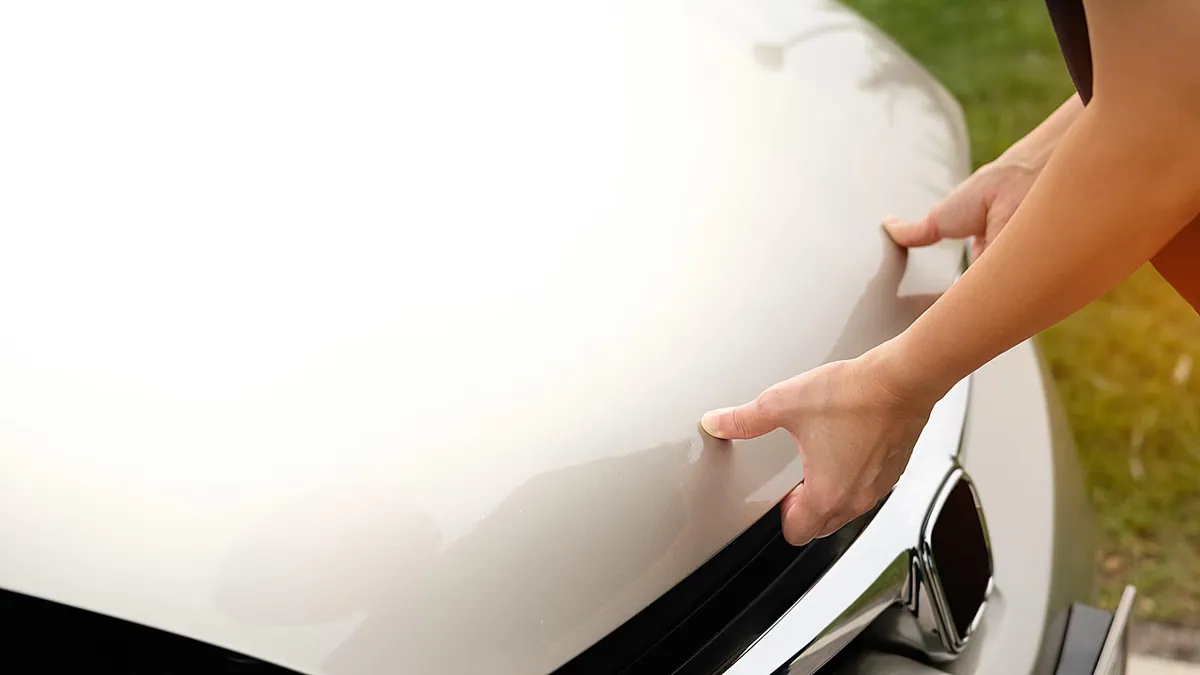
Some modern vehicles use electronic hood latches integrated into their security systems.
If the battery is completely discharged and the hood is operated by an electric actuator instead of a traditional cable, you may need to restore 12-volt power through the vehicle's electrical system or locate the hidden emergency release cable, which installers often conceal inside the cabin or behind a wheel well liner.
If your vehicle is equipped with an aftermarket anti-theft hood lock that uses armored cables, it's usually best to leave the job to a professional. These systems are specifically designed to resist tampering and often require detailed knowledge of the installation.
Prevent It From Happening Again
A little maintenance goes a long way toward preventing a broken hood release cable.
The most common cause of cable failure is excessive force caused by dirt buildup or dried-out grease inside the hood latch. Cleaning the latch periodically and lubricating it with a penetrating lubricant or white lithium grease can significantly extend the life of the cable.
If you notice the hood becoming harder to open, don't wait for the cable to fail completely. Replacing it with a high-quality multi-strand steel cable before it breaks is far easier than dealing with a stuck hood later.
You may also be interested in the news:
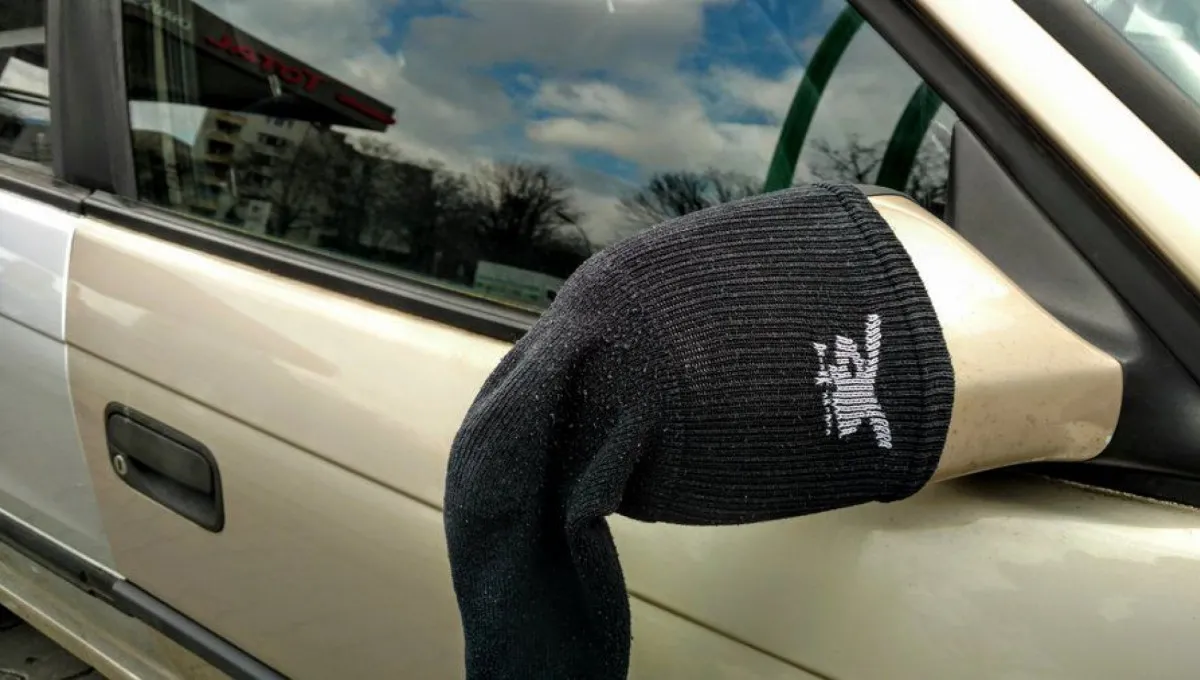
Why Experienced Drivers Put Socks on Their Car Mirrors in Fall: The Clever Trick Explained
An old pair of socks can help reduce frost buildup on your side mirrors overnight, saving time on cold mornings when every minute counts.
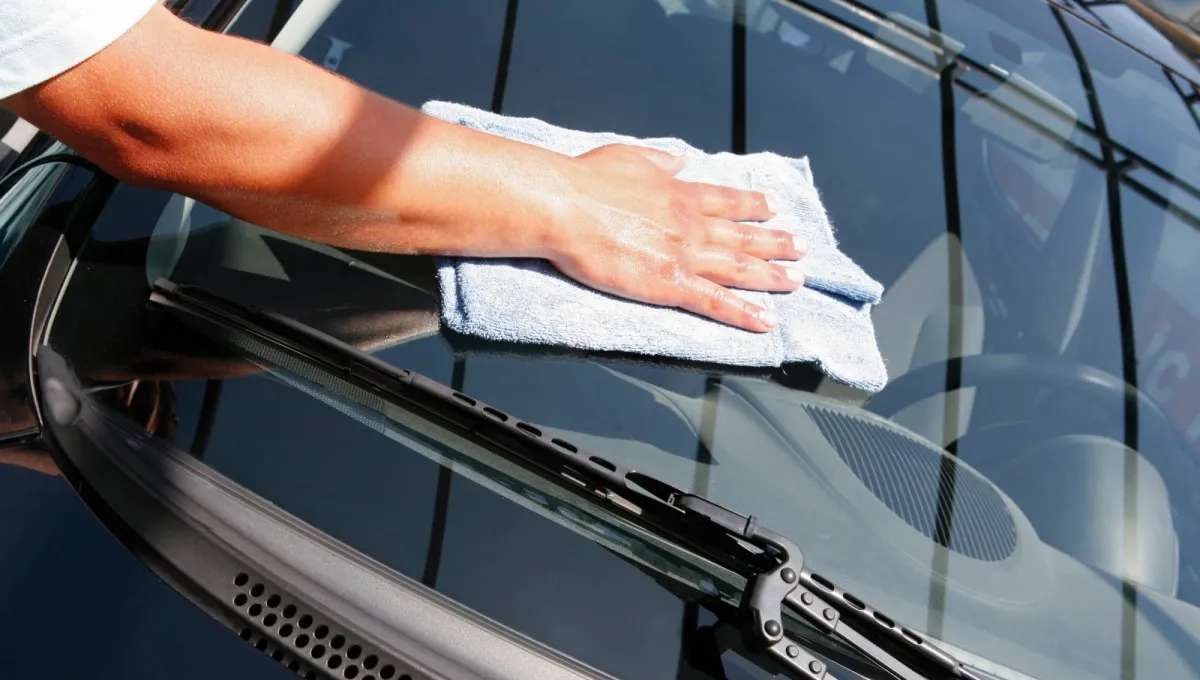
How to Clean Your Windshield Without Streaks: Experts Recommend This Simple DIY Mix
The secret to a streak-free windshield comes down to the right cleaning solution, two microfiber cloths, and the proper drying technique.

Why Some Drivers Keep Bay Leaves in Their Cars — It’s Not Just About Superstition
Can a common kitchen spice help repel bugs, freshen your car’s interior, or even help you relax behind the wheel?
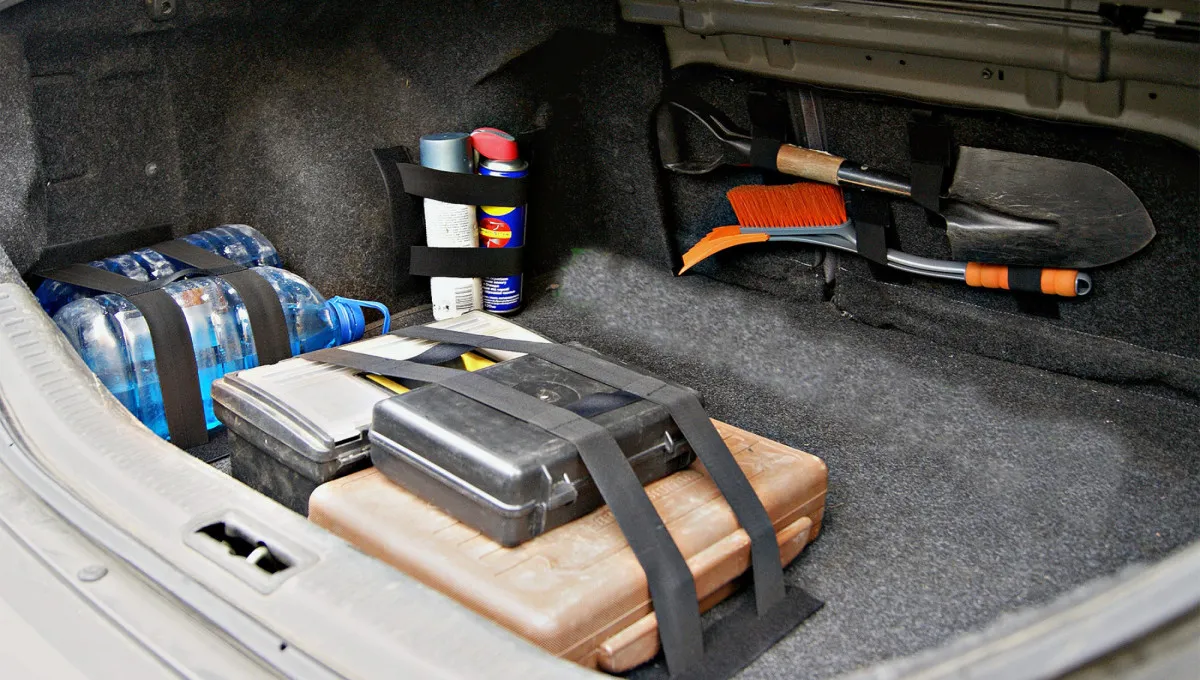
Cold Weather Can Leave You Stranded — 5 Things Every Driver Should Have in Their Car
The first hard freeze can catch drivers off guard. Here's what to keep in your vehicle and how to prepare your battery, tires, and fluids for colder weather.
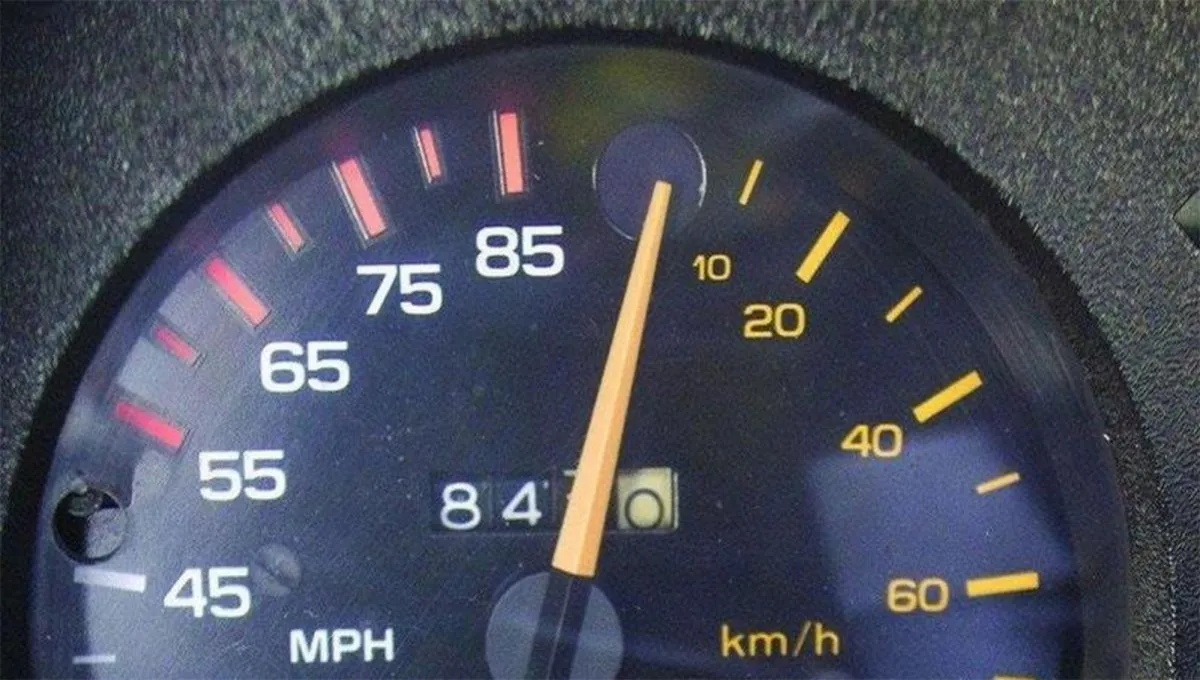
Your Speedometer Says 65 MPH, but Your GPS Says 62 — Here’s Why Your Car Does That
Your speedometer reads 65 mph, but your GPS says 62 mph. Here’s why the numbers rarely match.