
Why Engine Oil Turns Black: When It’s Perfectly Normal—and When It Signals Trouble
Dark engine oil isn't always bad news, but knowing what it means can prevent expensive engine repairs later.

The color of your engine oil can reveal a lot about what's happening inside your vehicle—but black oil isn't automatically a reason to panic. Monitoring both the oil level and its condition is one of the easiest ways to catch potential problems before they become costly repairs.
Fresh motor oil starts out clear with a light amber color. Then, after just a couple thousand miles, you pull the dipstick and discover oil that's as dark as coffee. For many drivers, that immediately raises concerns. Some rush to schedule a mechanic's appointment, others search online and find conflicting opinions, while many simply assume it's normal and move on. The truth is somewhere in the middle.
Why Engine Oil Gets Dark

Once fresh oil begins circulating through an engine, it immediately starts doing its job. That means lubricating moving parts, cooling components, and cleaning away contaminants.
Contrary to popular belief, black oil isn't usually caused by metal wear. In a healthy engine, moving parts are separated by a protective oil film, minimizing direct metal-to-metal contact. Any tiny metal particles that do appear are typically trapped by the oil filter.
The biggest reason oil darkens is much simpler: carbon deposits, commonly known as soot.
Modern Engines Produce More Soot
Every internal combustion engine creates soot during combustion, but today's engines generate more of it than older designs.
Modern gasoline engines with direct fuel injection spray fuel directly into the combustion chamber at extremely high pressure. Not every droplet burns perfectly. Under intense heat and limited oxygen, portions of the fuel undergo pyrolysis, creating microscopic carbon particles.
Turbocharged diesel engines produce even more soot, but direct-injected gasoline engines contribute as well. Exhaust Gas Recirculation (EGR) systems—which route a portion of exhaust gases back into the intake to reduce emissions—also increase the amount of carbon entering the engine oil.
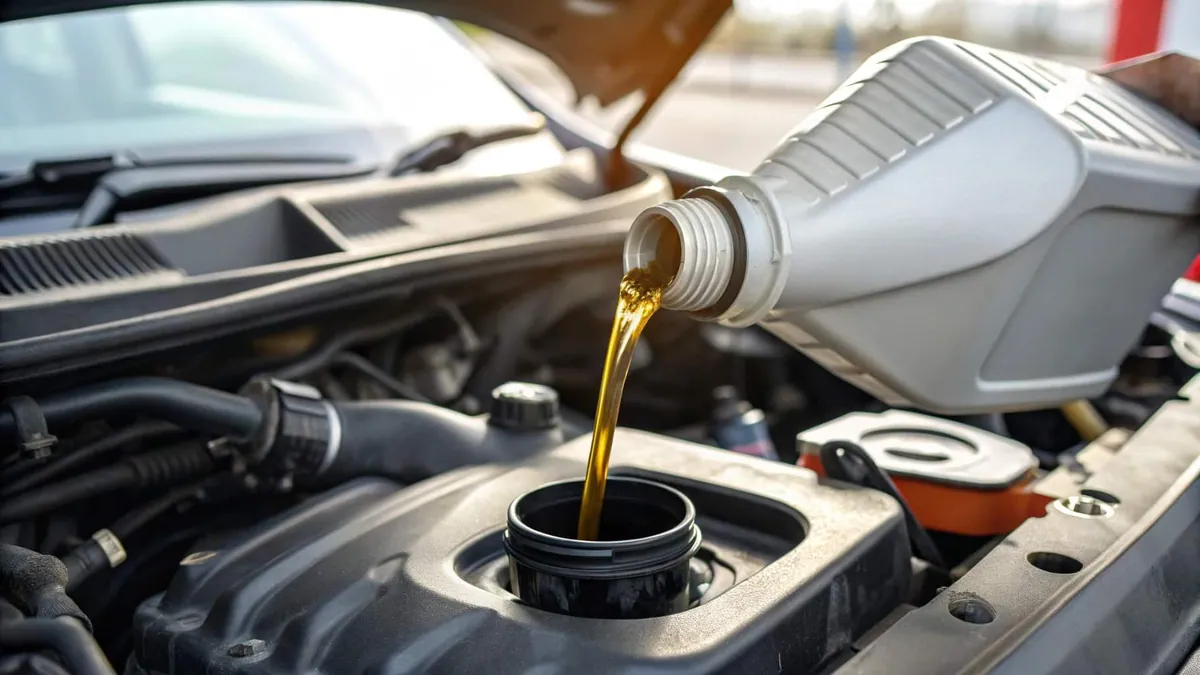
Why Older Cars Didn't Blacken Oil as Quickly
If you've ever checked the oil in an older carbureted V8 or a naturally aspirated import from the 1980s, you've probably noticed it stays brown much longer.
That isn't because those engines were cleaner—it was because they operated differently. Lower compression ratios, simpler fuel systems, and less aggressive combustion produced fewer soot particles, even though emissions were significantly higher.
Today's engines are engineered to extract more power from every drop of fuel while meeting strict emissions standards. Higher combustion pressures and temperatures improve efficiency but also create more soot, much of which eventually mixes with the engine oil.
Cold starts and frequent short trips add to the problem. Fuel and moisture can seep into the crankcase before the engine reaches operating temperature, while oil additives gradually break down from heat and oxidation, further darkening the lubricant.
When Black Oil Is Normal
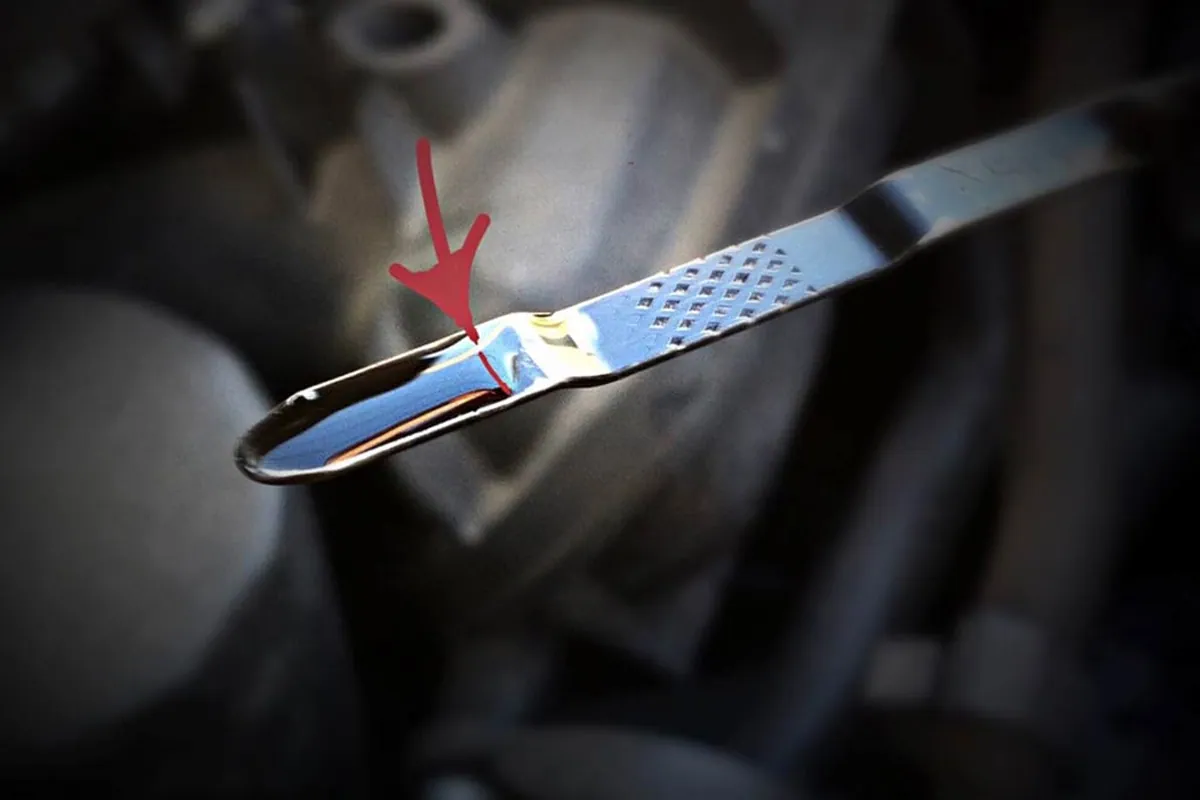
If you drive a modern turbocharged diesel or a gasoline engine with direct injection, oil turning dark after 1,500 to 2,000 miles is generally expected.
In fact, high-quality engine oil is designed to suspend soot particles instead of allowing them to clump together and clog oil passages. As long as the contaminants remain suspended, the oil continues protecting the engine.
Dark color alone doesn't mean the oil has reached the end of its service life.
When You Should Be Concerned
The appearance of the oil matters just as much as its color.
If the oil becomes unusually thick, develops a tar-like consistency, or contains shiny metallic particles, that's a warning sign of internal engine wear.
Another red flag is oil that turns extremely dark just a few hundred miles after an oil change. That could indicate contaminated or poor-quality oil, leaking fuel injectors allowing gasoline into the crankcase, or coolant mixing with the oil because of a failing head gasket.
Milky oil, a strong gasoline or diesel smell, or a sudden drop in oil level all warrant immediate inspection.
Don't Judge Oil by Color Alone
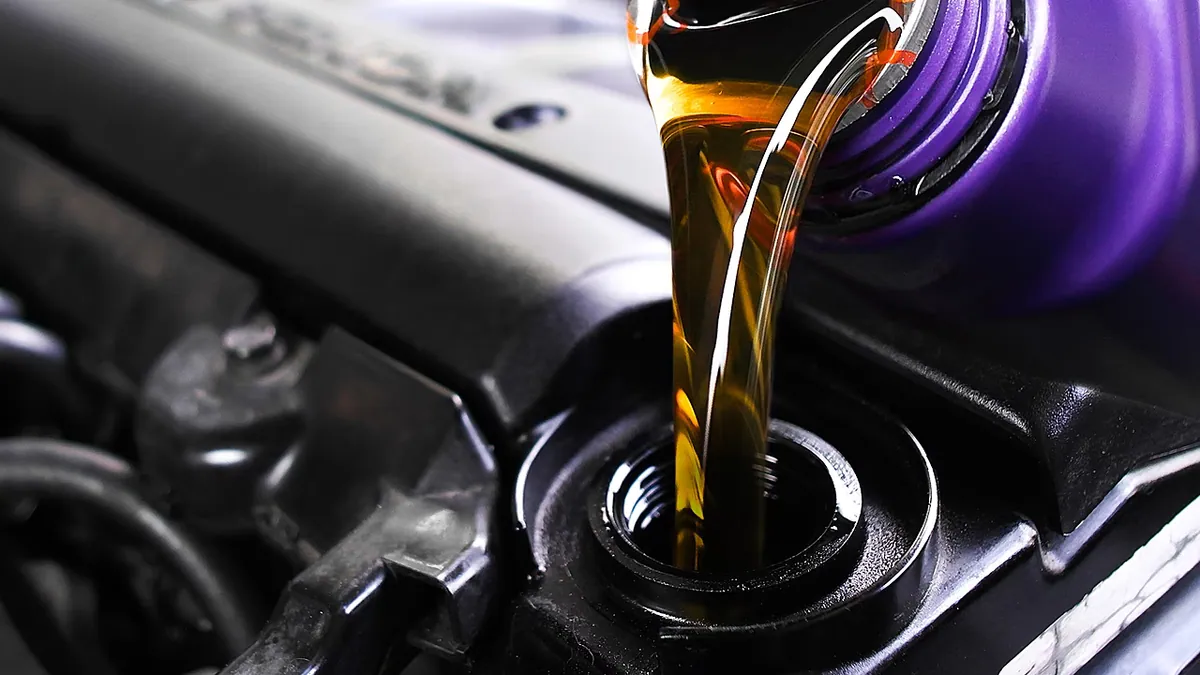
Many drivers mistakenly shorten oil change intervals simply because the oil looks black. Others believe dark oil means it's still cleaning the engine and continue driving far beyond the recommended service interval.
Neither approach is ideal.
Oil can appear almost black while still maintaining proper viscosity and protective additives. At the same time, excessive soot eventually becomes abrasive, accelerating wear on internal engine components. Oxidation byproducts and acids also build up over time, degrading seals and reducing lubrication performance.
That's why mileage, driving conditions, and the manufacturer's maintenance schedule remain far more reliable indicators than color alone.
Drivers who frequently tow, spend hours in stop-and-go traffic, or regularly make short trips may benefit from shorter oil change intervals because those conditions accelerate oil degradation.
Dark engine oil is a normal part of life with modern engines. It's a byproduct of improved efficiency, tighter emissions standards, and advanced combustion technology—not necessarily a sign that something is wrong.
The best protection is simple: use the manufacturer-recommended oil, replace the oil filter at every service, and follow the appropriate maintenance schedule for your driving habits.
If the engine runs smoothly and the oil is simply dark, there's usually no reason for concern. But if black oil is accompanied by a burnt smell, metallic debris, coolant contamination, or rapid oil loss, it's time to have the engine inspected before a minor issue becomes a major repair.
You may also be interested in the news:

Why Experienced Drivers Put Socks on Their Car Mirrors in Fall: The Clever Trick Explained
An old pair of socks can help reduce frost buildup on your side mirrors overnight, saving time on cold mornings when every minute counts.

How to Clean Your Windshield Without Streaks: Experts Recommend This Simple DIY Mix
The secret to a streak-free windshield comes down to the right cleaning solution, two microfiber cloths, and the proper drying technique.

Why Some Drivers Keep Bay Leaves in Their Cars — It’s Not Just About Superstition
Can a common kitchen spice help repel bugs, freshen your car’s interior, or even help you relax behind the wheel?

Cold Weather Can Leave You Stranded — 5 Things Every Driver Should Have in Their Car
The first hard freeze can catch drivers off guard. Here's what to keep in your vehicle and how to prepare your battery, tires, and fluids for colder weather.

Hyundai Recalls Nearly 95,000 Genesis Sedans Over Fire Risk From Power Seats
Hyundai is recalling 94,622 Genesis sedans after a faulty power seat switch was linked to overheating and potential vehicle fires.