
CVTs Again: What They Are, How They Work, and Why They Matter
Truths and myths.
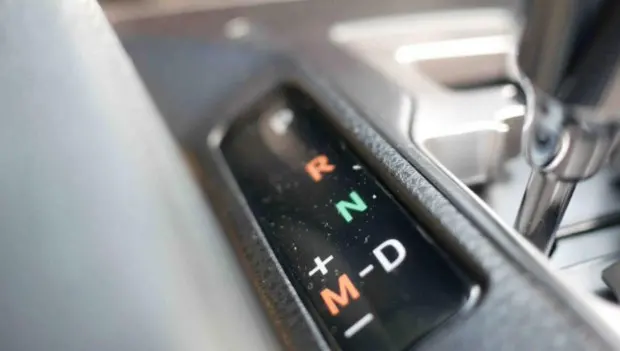
During the sleepy lull after the holidays, we decided to return to the basics and revisit continuously variable transmissions, or CVTs, which continue to be surrounded by myths and stories that defy common sense.
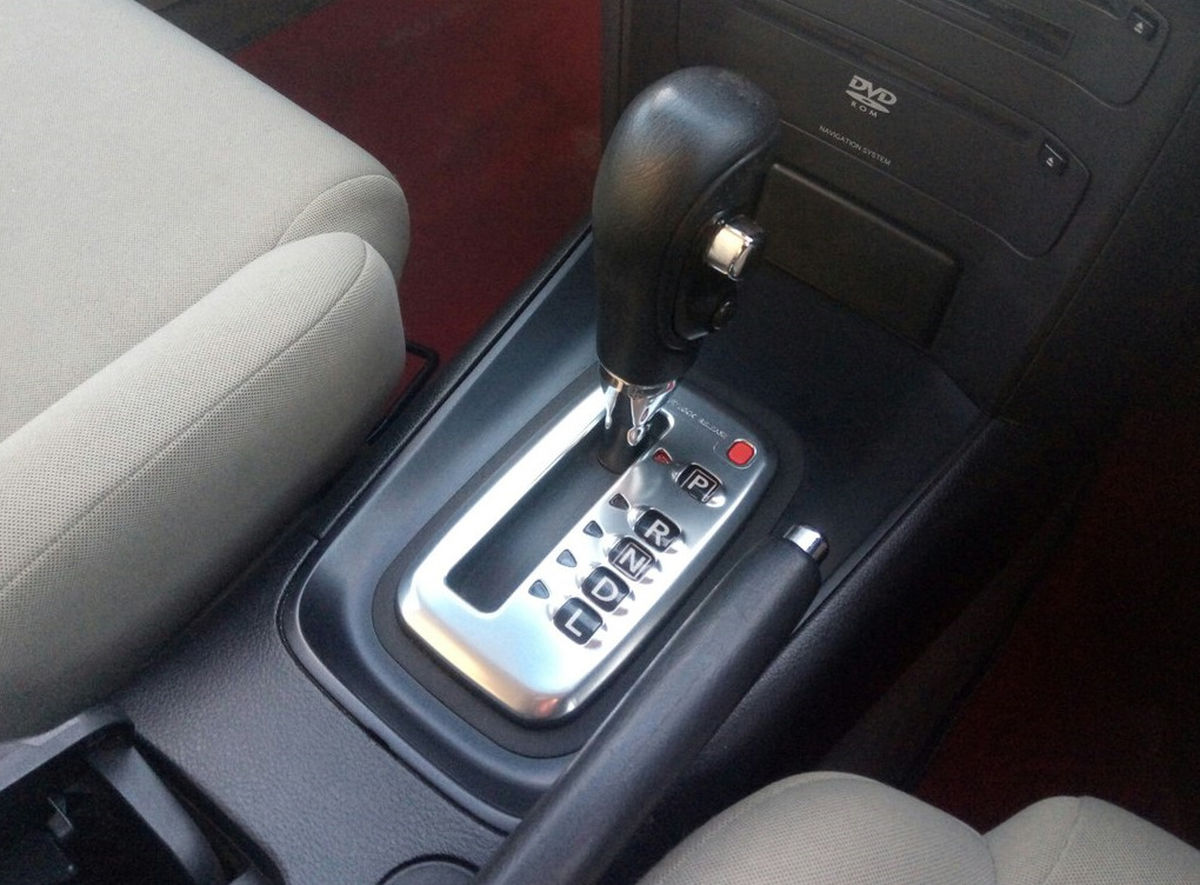
Let's start at the beginning. Everyone knows that every vehicle has a transmission that helps the engine adapt to different speeds and loads. The problem is that both manual and automatic transmissions are essentially sets of gear pairs with fixed gear ratios. To change the ratio, those gears have to shift, temporarily disconnecting the engine from the drive wheels. That creates noticeable shifts, while the engine operates in steps—alternating between high and low rpm. There is, however, a way to connect the engine to the wheels without fixed gear steps. It's called a continuously variable transmission, or CVT. Its fundamental principle is continuously changing the gear ratio without fixed steps.
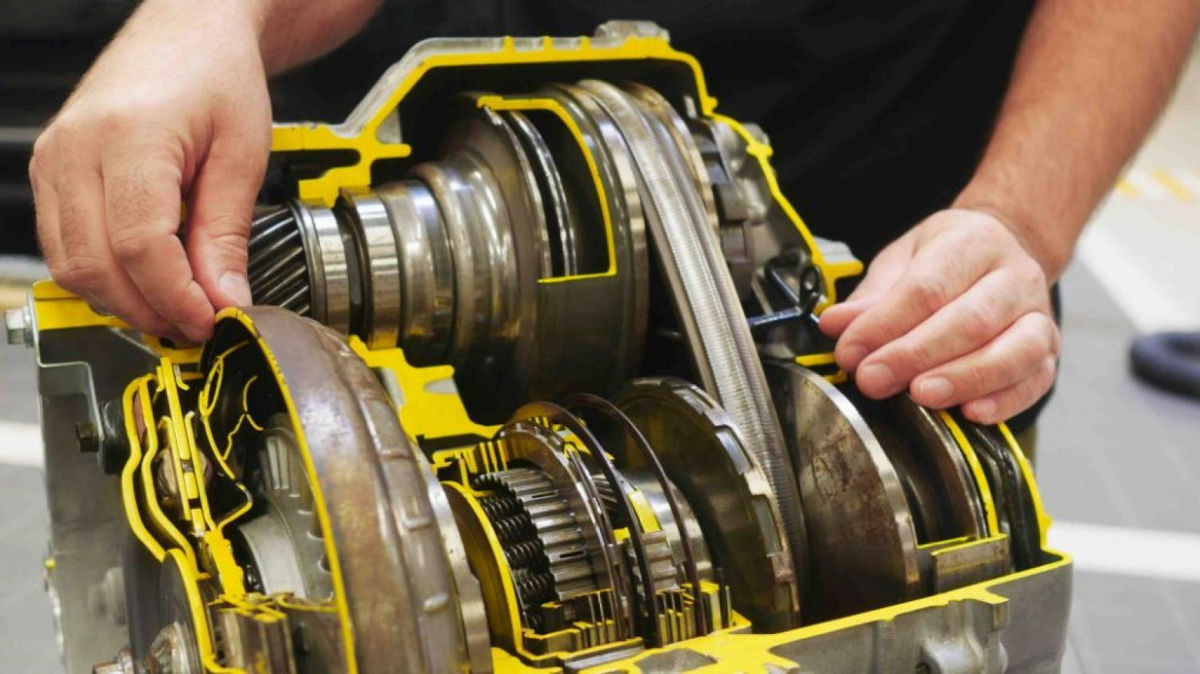
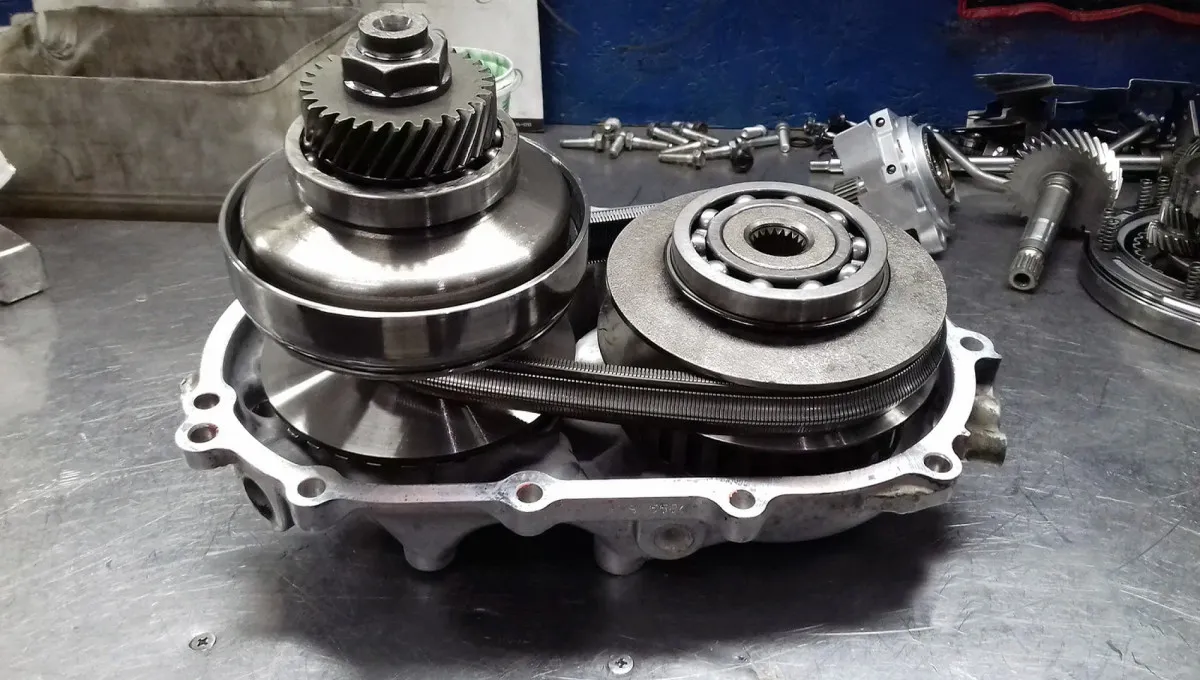
In theory, a CVT is simple. It consists of two variable-diameter pulleys connected by a V-belt. By moving the pulley halves closer together or farther apart, the effective diameter where the belt rides changes. Changing that diameter changes the gear ratio. CVTs are hardly new—they have been used in all kinds of industrial equipment, such as printing presses, for more than a century. Those systems, however, are bulky and designed for relatively light loads. That made reducing their size while increasing the amount of torque they could handle the biggest challenge when adapting CVTs for automobiles. Different companies took different approaches, with varying degrees of success. The first CVTs, both for industrial equipment and passenger vehicles, used rubber belts. Surprisingly, that worked when engines produced only a few dozen horsepower and no more than about 37 lb-ft of torque. It quickly became clear, however, that rubber was not suitable for transmitting power in more powerful vehicles. Research and development eventually showed that steel was the only material capable of handling the required loads.
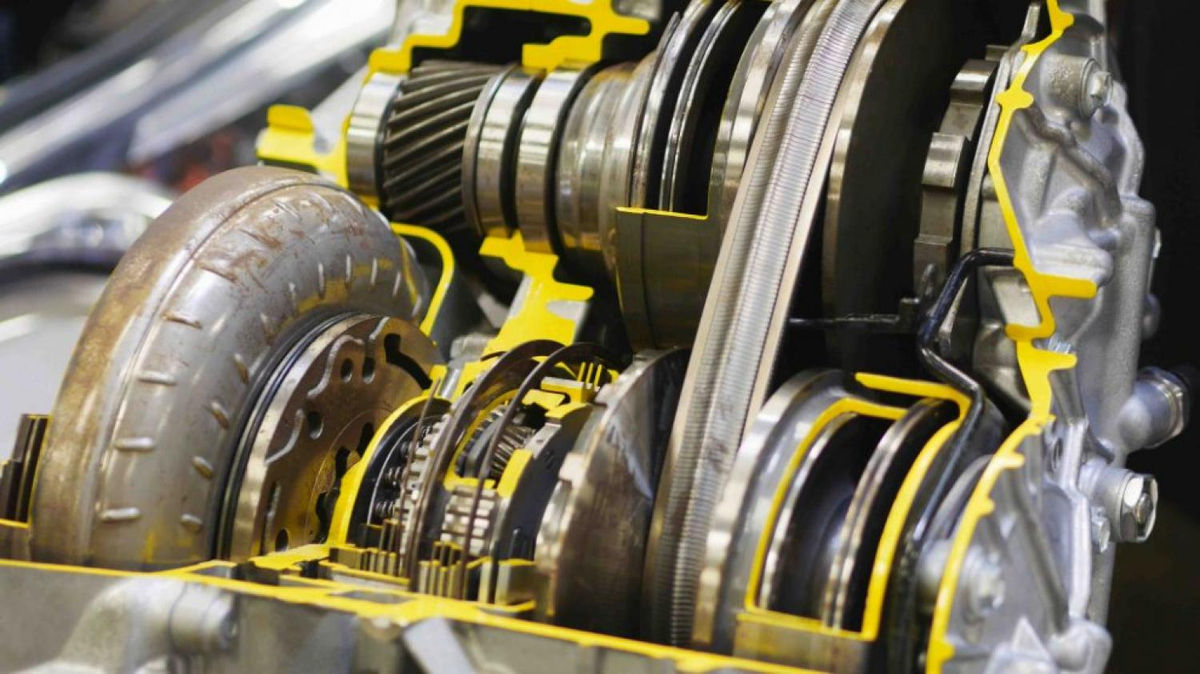
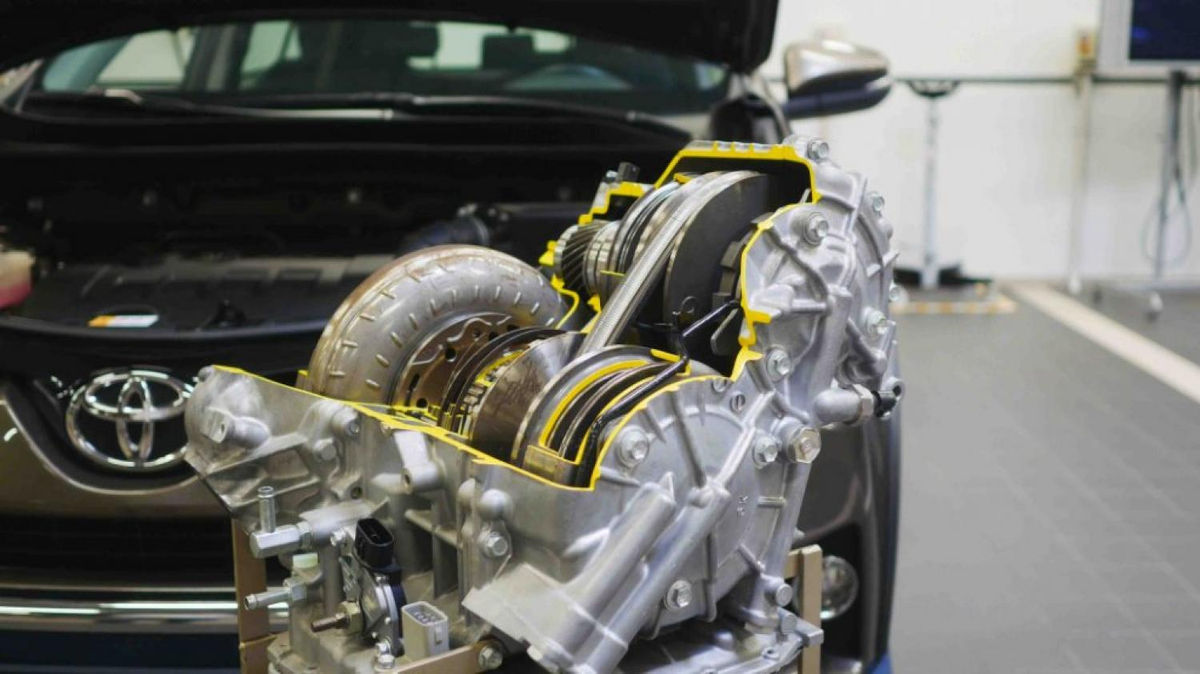
Today, a steel belt clamped between two pairs of conical pulleys continuously changes the transmission's gear ratio. One pulley pair is driven by the engine, while the other is connected to the drive wheels. At launch, the drive pulley is at its largest effective diameter, while the driven pulley is at its smallest. As the vehicle accelerates, the driven pulley opens, allowing the belt to move to a smaller radius, while the drive pulley closes at the same time, increasing its effective radius. Because the pulley faces are smooth, the belt can assume virtually an infinite number of positions, creating an equally limitless number of gear ratios. There are no fixed gears, allowing the engine to operate at the most efficient rpm for fuel economy or at maximum power when accelerating. Every engine has an rpm range where it produces peak power. Higher or lower engine speeds are still possible and are routinely used in manual and conventional automatic transmissions, but efficiency falls outside that peak range. Only a CVT allows full-throttle acceleration while keeping the engine precisely at peak power. Instead of climbing a staircase of gear changes, acceleration feels more like riding a smooth escalator.
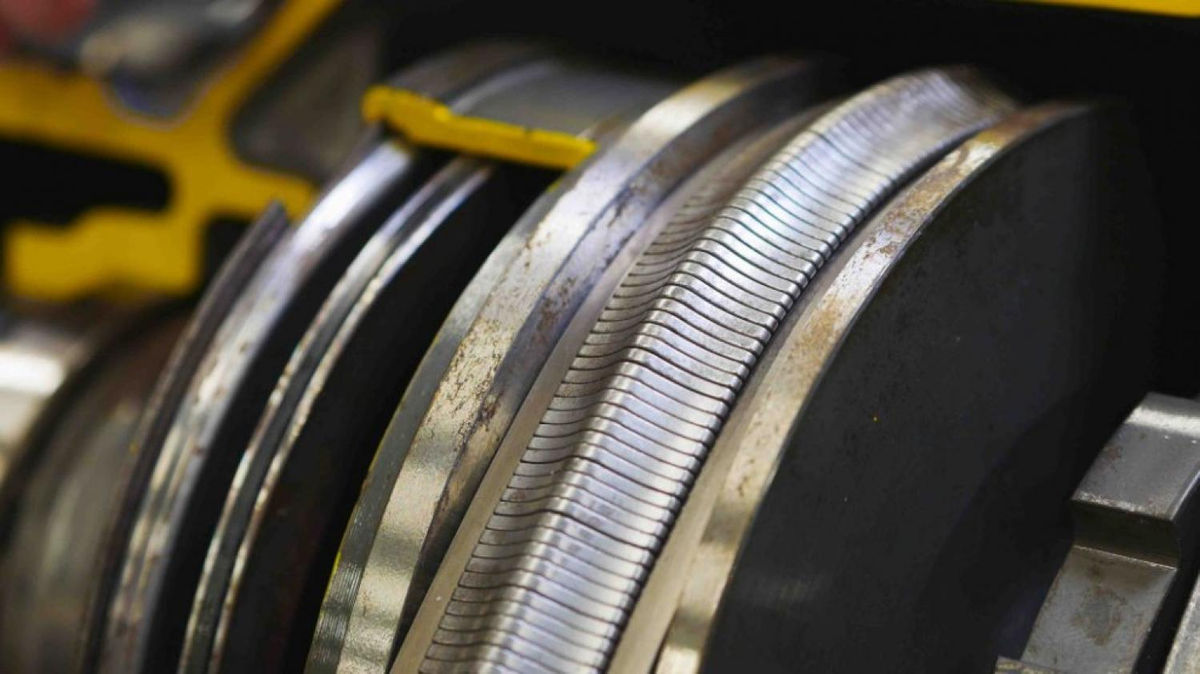
Now let's look at some interesting design features of the Aisin CVT found in many Japanese crossovers and other vehicles. The steel belt—the heart of the CVT—is built in a very unusual way and works in compression rather than tension. It consists of flat steel elements mounted on steel bands formed into a continuous loop. As the belt bends around a pulley, the elements spread into a V shape. Once the belt reaches the straight section between the pulleys, the elements compress into a tightly packed stack that efficiently transmits force. The CVT belt contacts the pulleys only with the narrow sides of those steel elements and does not slip. Achieving that requires extremely precise control of pulley clamping force and spacing. That task is handled by the transmission's hydraulic control unit, whose electronics communicate with the engine management system.
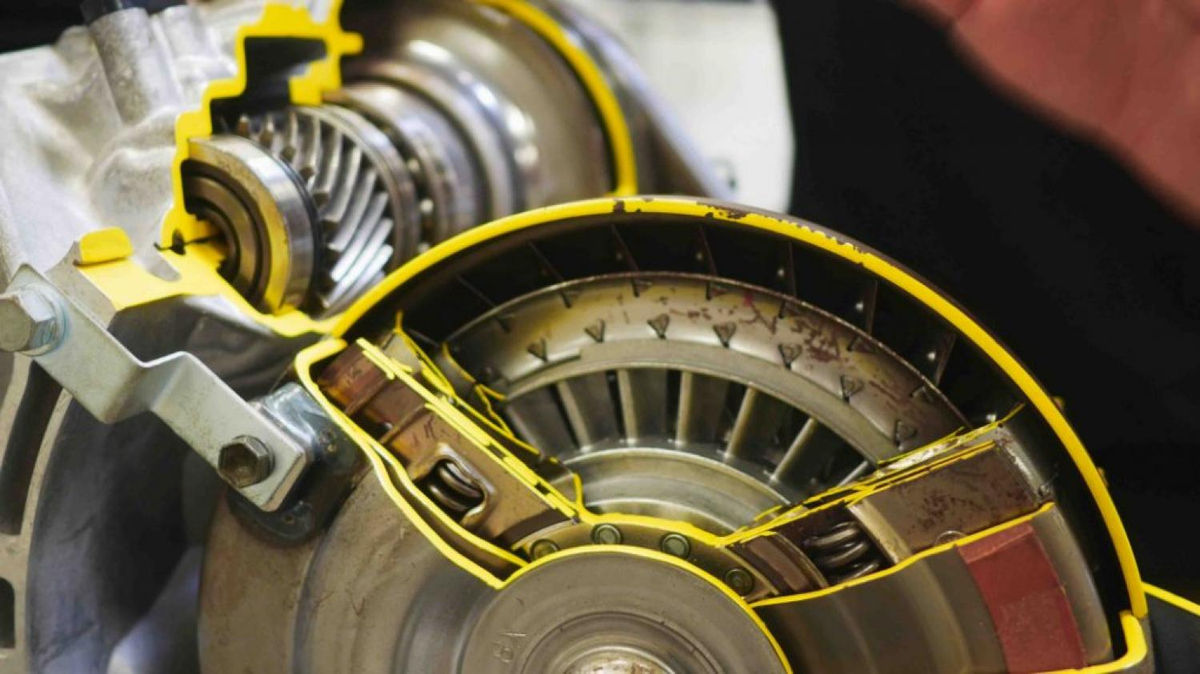
There is also the matter of getting the vehicle moving. Like most automatic transmissions, this CVT uses a torque converter. It is the first component to receive engine power and can not only provide smooth launches but also multiply torque. Its role is brief, however. As soon as the vehicle starts moving, the torque converter locks up and the steel belt takes over. A CVT is naturally more complex than the simple arrangement of two pulleys and a belt might suggest. Numerous engineering solutions surround that basic design. We won't dive that deep because the engineering has already solved those challenges, leaving drivers to enjoy smooth and quiet operation. Most drivers do exactly that, although some believe that a CVT isn't suitable for enthusiastic driving. That is a misconception. CVTs are fully capable of supporting sporty driving modes, manually selected gear ranges, and engine braking. What gear ranges, you might ask, if there are no gears? Fixed gears don't exist mechanically, but they do exist virtually through software. Engineers spent decades refining modern CVTs before bringing them to market, collecting extensive calibration data while also improving fuel economy. Still, many drivers who grew up with manual transmissions want manual control regardless of the type of transmission. If that's what they prefer, the system allows it.
That capability is available in the Sport Sequential Shiftmatic CVT. Move the selector into M mode, and you can manually choose among seven programmed operating ranges. The electronics will still prevent damage to the transmission. If your selected lower range would cause the engine to exceed its rpm limit, a double warning chime will sound. This protection is particularly useful on long downhill grades where engine braking helps reduce brake use. Drivers can choose from seven different levels of deceleration. If you prefer not to shift manually, the CVT can also manage those situations automatically while driving through hilly terrain for greater comfort and smoother operation. During normal acceleration, the Aisin CVT also simulates gear changes, avoiding the constant engine drone some drivers dislike. Another system helps reduce fuel consumption while stopped at traffic lights and prevents the vehicle from rolling backward on hills. If the transmission detects that the vehicle has stopped and the selector remains in Drive, the engine temporarily reduces fuel injection while stopped. Engine speed drops, reducing the load on both the engine and transmission. That happens only on level ground. On an incline, idle speed remains unchanged, providing a small amount of additional wheel torque to help keep the vehicle from rolling backward.
Transmission overheating has become one of the most common topics of discussion. Many drivers worry about it, but in reality it takes considerable effort to raise the transmission fluid temperature enough to become a real issue. It is possible to overheat a CVT, but built-in protection warns the driver in advance with a message in the instrument cluster.
Speaking of fluid, let's talk about CVT fluid. CVTs are highly sensitive to fluid quality. The reason is straightforward. The belt transfers power to the wheels through friction, making wear of the steel elements unavoidable. As in an engine—or any lubricated mechanical assembly—the fluid collects microscopic wear particles and carries them to the filter while also cooling the steel components. According to the maintenance schedule, the condition of the fluid should be checked every 24,900 miles. If you drive aggressively or frequently tow or travel off-road, replacing the fluid preventively between about 24,900 and 37,300 miles is a better choice. Even without doing that, a CVT will last at least as long as a conventional automatic transmission. Since it has no clutch packs, it may even last longer. That is not a myth.
There are plenty of myths surrounding CVTs. The most common is that the steel belt is unreliable. In reality, the service life of a push-belt CVT is no shorter than that of a conventional automatic transmission, and certainly no shorter than that of a dual-clutch transmission. Actual failures caused by belt wear are extremely rare, and most drivers of vehicles equipped with CVTs don't even know what type of transmission their vehicle has.
Another myth claims that a CVT cannot be used off-road. It's hard to say where that idea came from. Even in theory, because a CVT can maintain any gear ratio and adjust it continuously across its operating range, it is actually better suited to off-road driving than many other transmissions. Rapidly shifting between Drive and Reverse is also not a problem. That technique, commonly used to rock a stuck vehicle free, is easy to perform with a CVT. The one situation where a CVT can struggle is prolonged wheelspin at high engine speeds. That is also why the transmission includes an overheating warning. Even so, that is far from a typical operating condition for a crossover.
We have already discussed the specialized fluid used in CVTs, and the requirement to use only the specified fluid is completely justified. Steel-on-steel contact requires a unique lubricant whose properties can eventually change, becoming almost like adhesive or, conversely, almost like ordinary oil.
The final misconception is that CVTs cannot be repaired. That is also untrue. If the belt and pulleys are damaged, they can be replaced. The repair is no more complicated than rebuilding a conventional automatic transmission. So don't believe the myths and garage stories. Trust the professionals.
You may also be interested in the news:

Hyundai Recalls Nearly 95,000 Genesis Sedans Over Fire Risk From Power Seats
Hyundai is recalling 94,622 Genesis sedans after a faulty power seat switch was linked to overheating and potential vehicle fires.
“Are You Sure It’s Chinese?” Who Really Builds China’s Car Engines
Who Really Develops China’s Car Engines?
Why Experienced Drivers Still Warn Against Buying a Used Car With a CVT
CVTs offer smooth acceleration and good fuel economy, but expensive repairs and durability concerns make used models risky.
2026 Ram 1500 Recall: 16K Trucks May Have Faulty Tire Pressure Sensors
Ram is recalling 16,385 model-year 2026 Ram 1500 trucks

Hidden Key Fob Trick: Open All Your Car Windows With One Button
An auto mechanic explains how drivers can remotely open and close car windows using a key fob, provided the vehicle has the right hardware.