
The Small Metal Tag Attached to Car Keys: What It’s For
Many drivers have likely noticed small mysterious metal or plastic tags attached to their car keys

Anyone who has ever bought a new car or received a full set of spare keys has probably come across a strange little metal tag—sometimes plastic—with a code engraved on it. These were far more common in the past, while today they’re rarely seen. So what exactly is this tag, and why was it included with car keys?
That small plate with a numeric or alphanumeric code is essentially a key code card. Drivers who have carefully read their owner’s manual may already know its purpose. Typically, it contains a sequence of about eight characters made up of numbers and Latin letters.

The main job of this tag is simple but important: it helps reproduce the key if it is ever lost. With this code, a dealership can quickly cut and program a replacement key without major delays. Without it, the entire process can turn into a slow and expensive headache.

The code is used not only for the mechanical key blade but also for the electronic components. It helps reprogram the immobilizer system and properly link a new key to the vehicle’s security system.

Of course, for the tag to be useful, it must not be lost itself. That’s why many drivers store it safely at home or keep it with their spare key set, while using the everyday key without the code attached.
You may also be interested in the news:
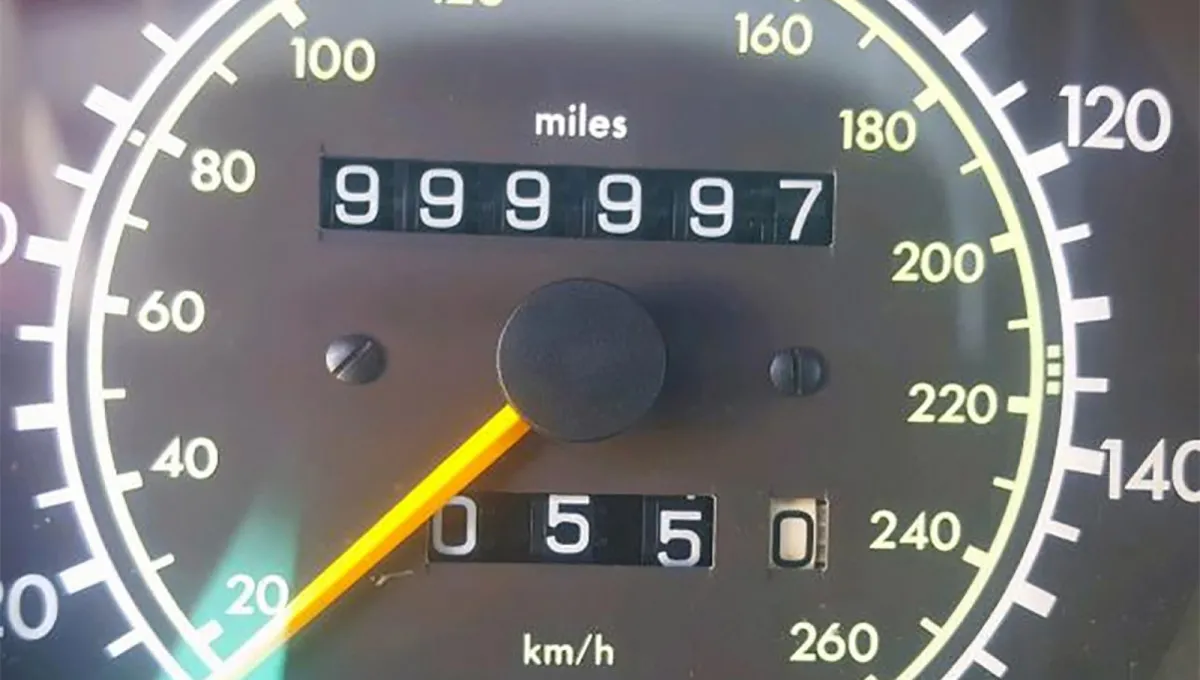
These 8 Cars Went Over 1 Million Miles — They Just Don’t Build Them Like They Used To
Some cars outlast generations of owners, proving that careful maintenance and durable engineering can deliver extraordinary mileage.

The 1957 Dodge: How “Autodynamics” Shaped One of Detroit’s Boldest Designs
The 1957 Dodge Looked Like a Dream Car, but Its Biggest Flaw Was Hiding Beneath the Surface.

Two Ferrari F40s Spotted on Google Maps Turn Out to Be Pontiac Fiero Replicas
Two Ferrari F40 lookalikes spotted on Google Maps in Spain turned out to be replicas built on an American sports car.
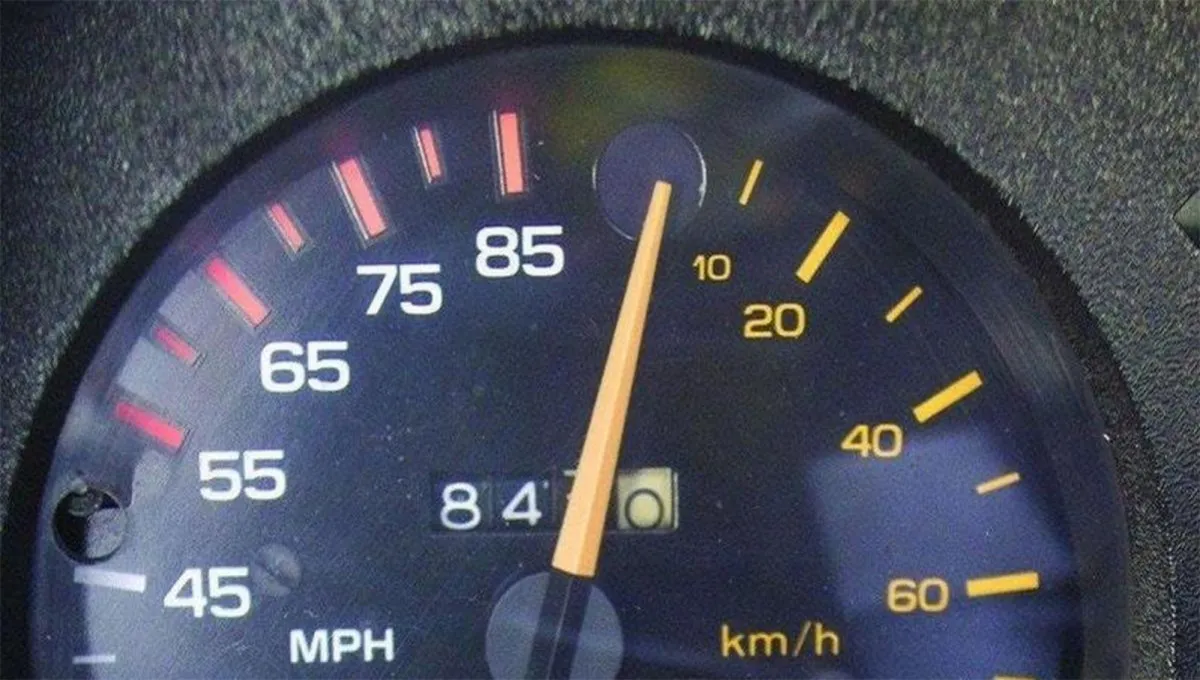
Your Speedometer Says 65 MPH, but Your GPS Says 62 — Here’s Why Your Car Does That
Your speedometer reads 65 mph, but your GPS says 62 mph. Here’s why the numbers rarely match.
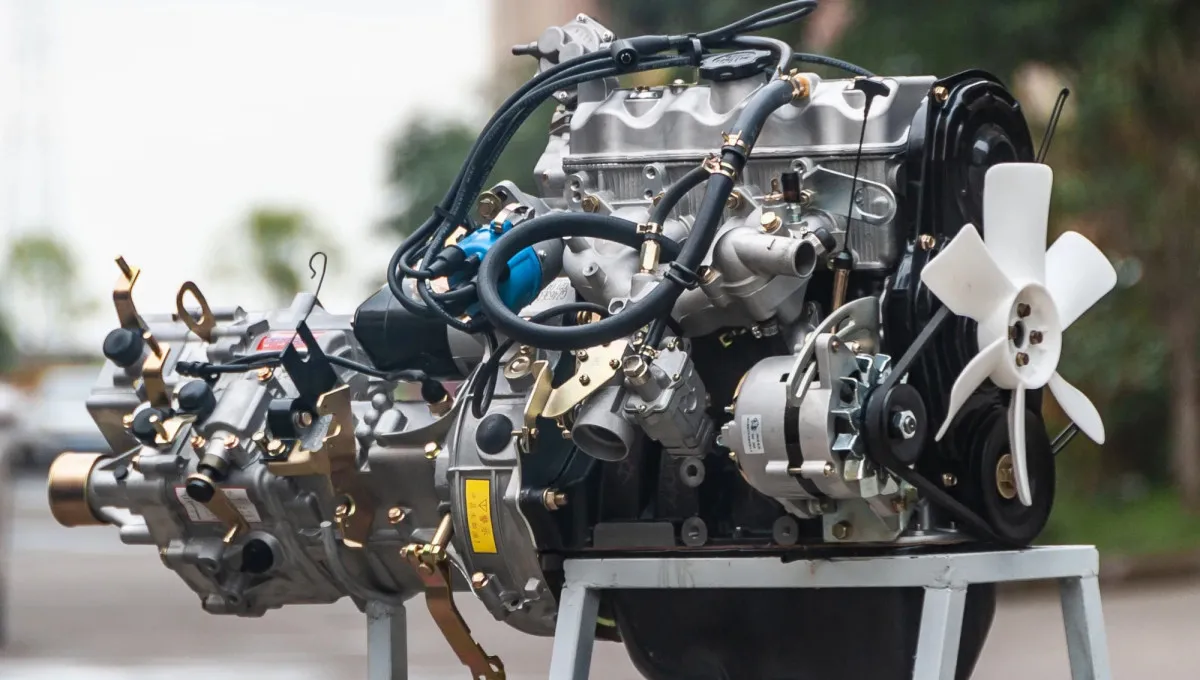
“Are You Sure It’s Chinese?” Who Really Builds China’s Car Engines
Who Really Develops China’s Car Engines?