
5 Car Features Most Drivers Never Knew They Had
Many American drivers skip the owner’s manual, missing out on useful built-in vehicle features entirely.
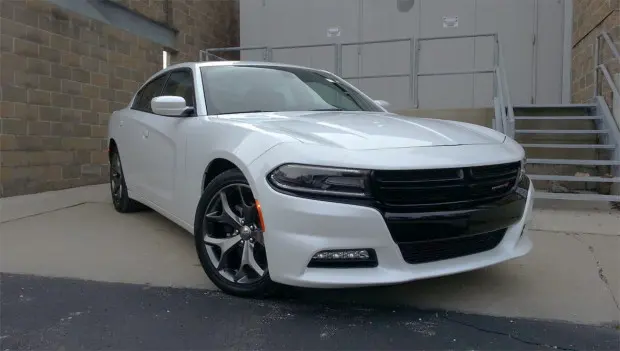
Plenty of American drivers don’t bother reading the owner’s manual. Sure, they know the basics—how to steer, brake, and operate the essentials. But modern vehicles are packed with hidden features you’d only discover by actually flipping through that booklet. And since manuals aren’t exactly popular reading, here are five useful functions many owners don’t even realize their cars have.
Adaptive Interior Lighting
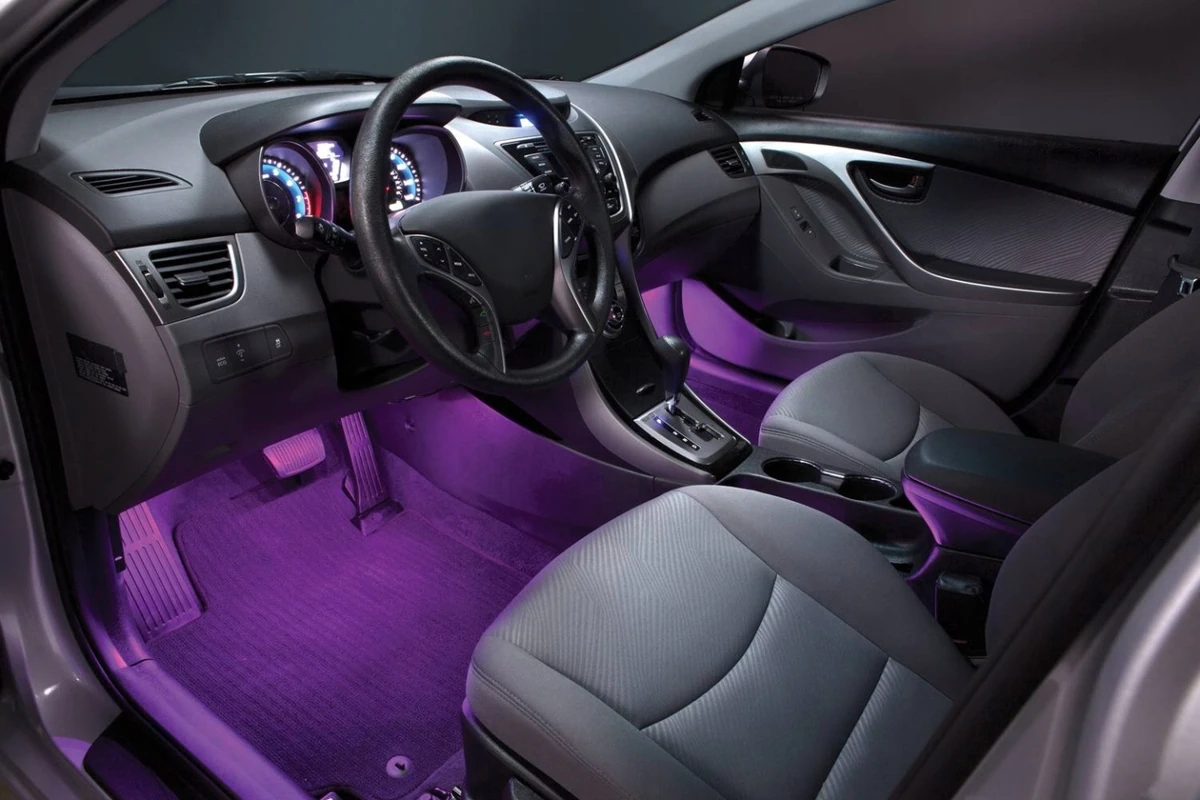
Once reserved for high-end luxury models, adaptive ambient lighting is now widely available across all kinds of vehicles. Most drivers know it exists—but not what it can really do. You can often customize the color and intensity based on your mood, the time of day, or even the weather outside. Despite its flexibility, many owners never touch the settings after buying the car.
Tire Pressure Monitoring System (TPMS)
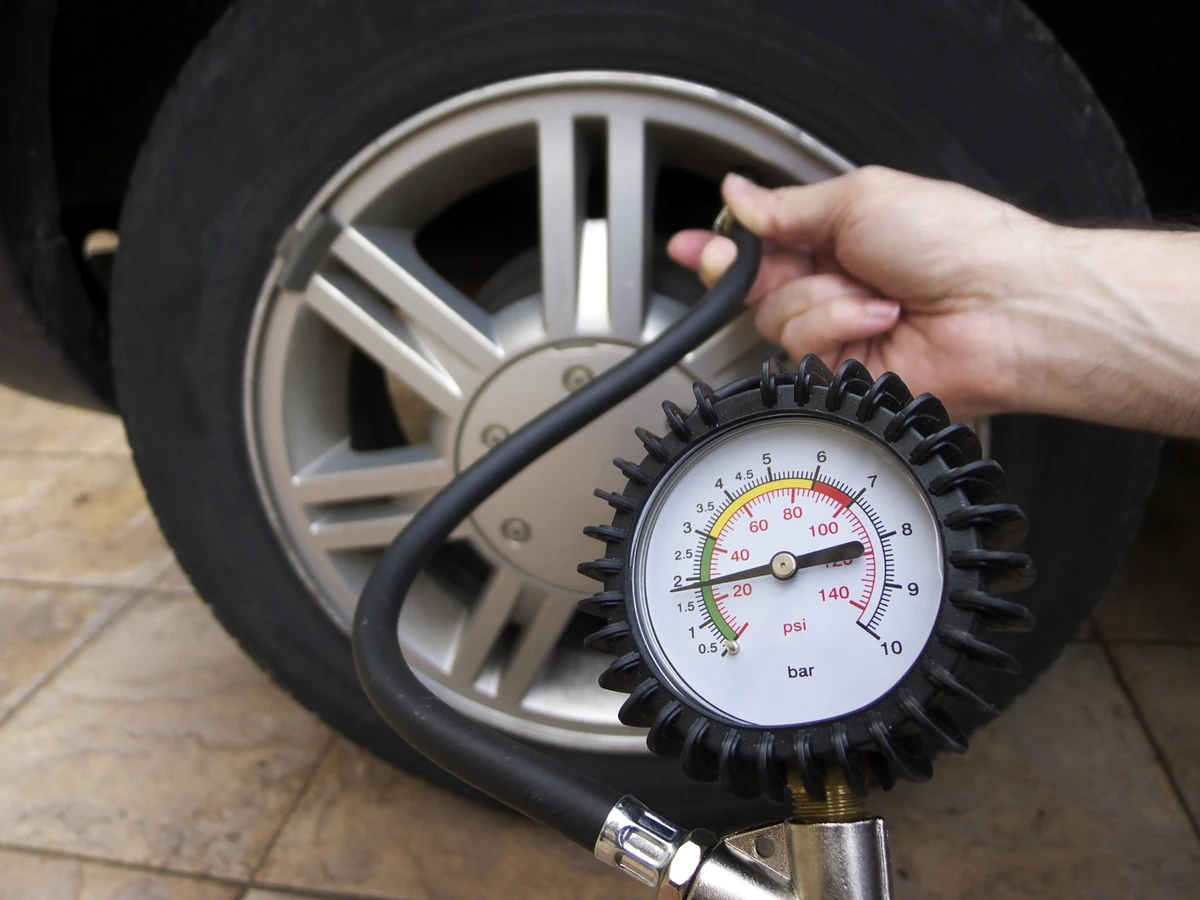
Tire pressure plays a critical role in how a car handles, brakes, and consumes fuel. Keeping it at the correct level takes effort, and not every driver keeps up with regular checks. That’s why most modern vehicles come equipped with a TPMS. It constantly monitors pressure and alerts you if something’s off—helping maintain safety and efficiency without extra hassle.
Driver Drowsiness Detection

Automakers today are heavily focused on safety, and driver fatigue is a major concern. Falling asleep at the wheel causes thousands of accidents every year. To address this, many vehicles now include systems that detect signs of drowsiness. Some simply issue warnings, while more advanced setups can keep the car in its lane or even guide it safely to a stop.
Electronic Stability Control (ESC/ESP)
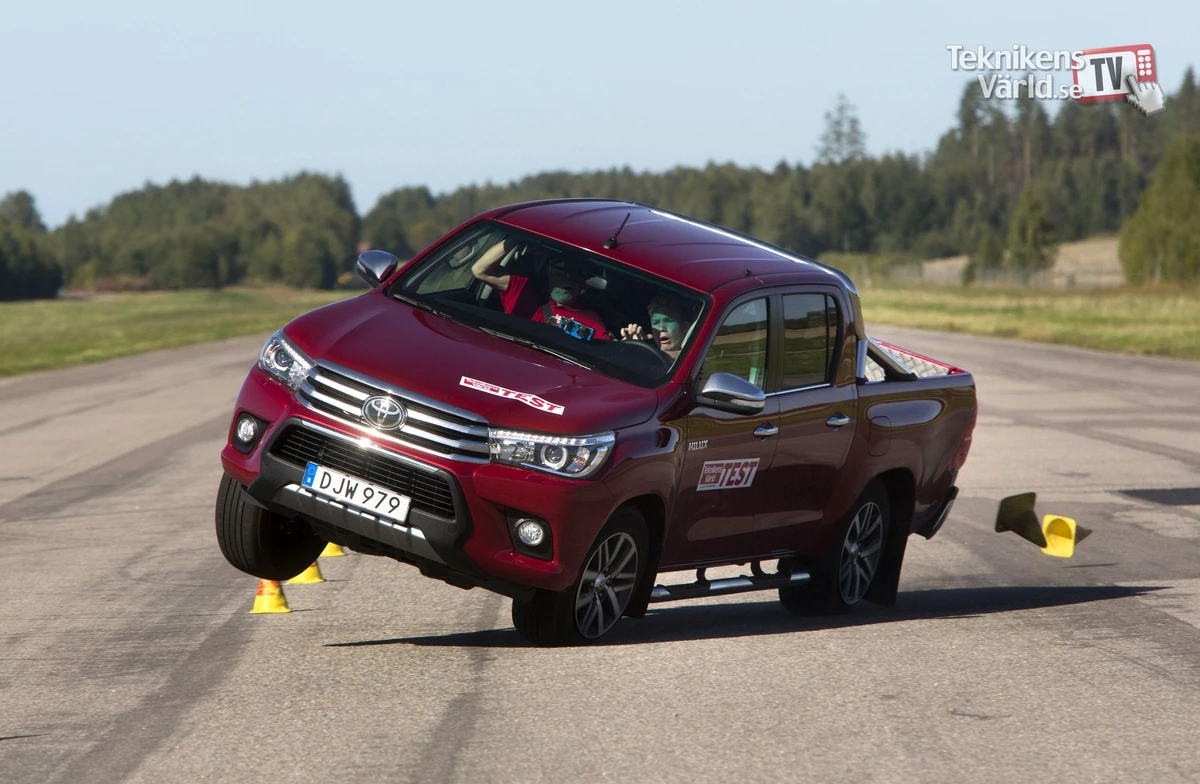
Electronic stability systems help prevent skidding and loss of control by automatically applying brakes to individual wheels when needed. Today, these systems are mandatory on all new cars sold in the U.S. Still, many drivers don’t even realize they’re there—because they work quietly in the background, only stepping in when things start to go wrong.
Fun Fact: Electronic stability systems were first used in aviation back in the 1960s. They helped stabilize aircraft during takeoff runs. One of the earliest planes to feature similar technology was the Concorde supersonic jet.
Brake Drying System
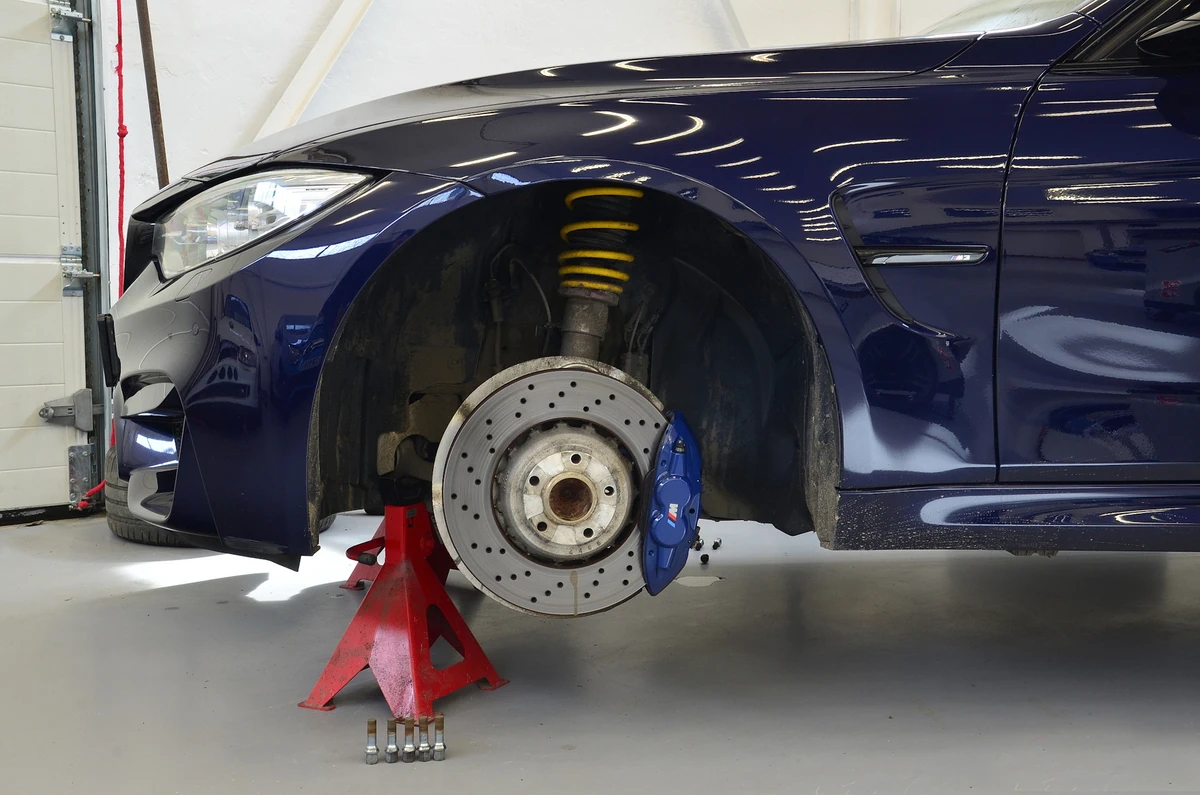
Driving in wet conditions can reduce braking performance, as water gets between the brake pads and discs. To counter this, some automakers—like BMW—developed brake drying systems. Activated by rain sensors, they lightly bring the pads closer to the discs to remove moisture. The result is more consistent braking, even in heavy rain.
You may also be interested in the news:

The “Gas-Saving” Tricks That Could Destroy Your Car — And What Drivers Should Do Instead
Some fuel-saving tricks can backfire, costing drivers far more in repairs than they ever save at the gas pump.
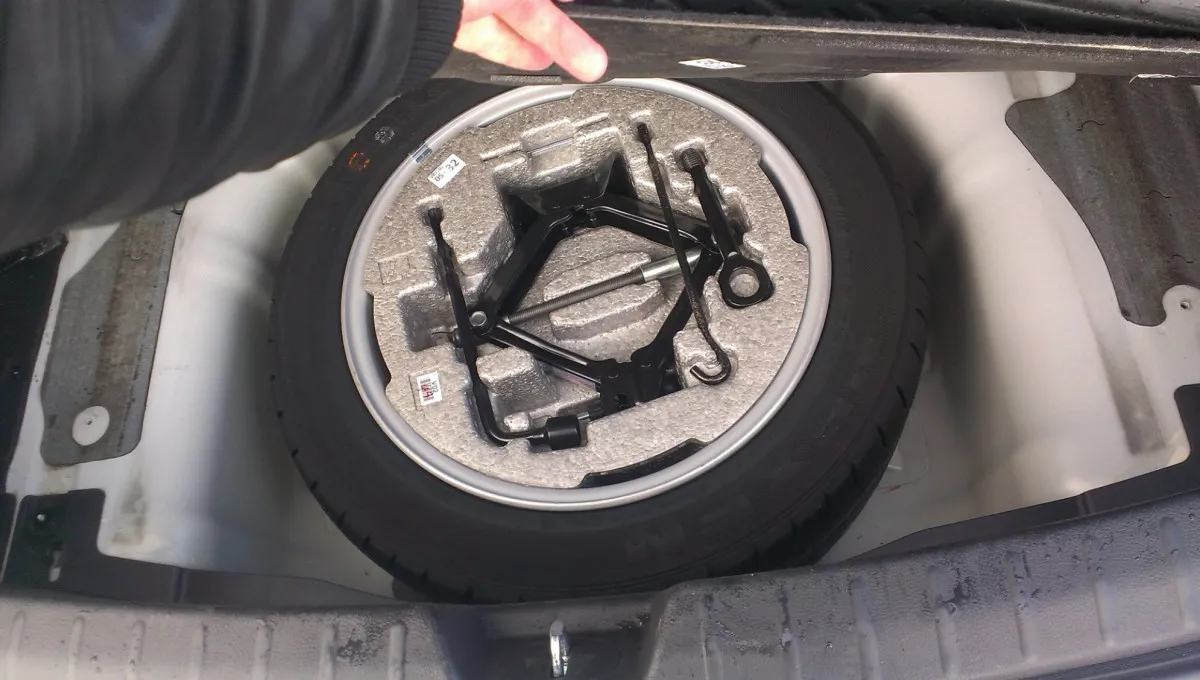
Why New Cars Are Ditching the Spare Tire — And What Drivers Get Instead
More new vehicles are replacing the spare tire with a compressor and sealant kit, and there are two practical reasons why.
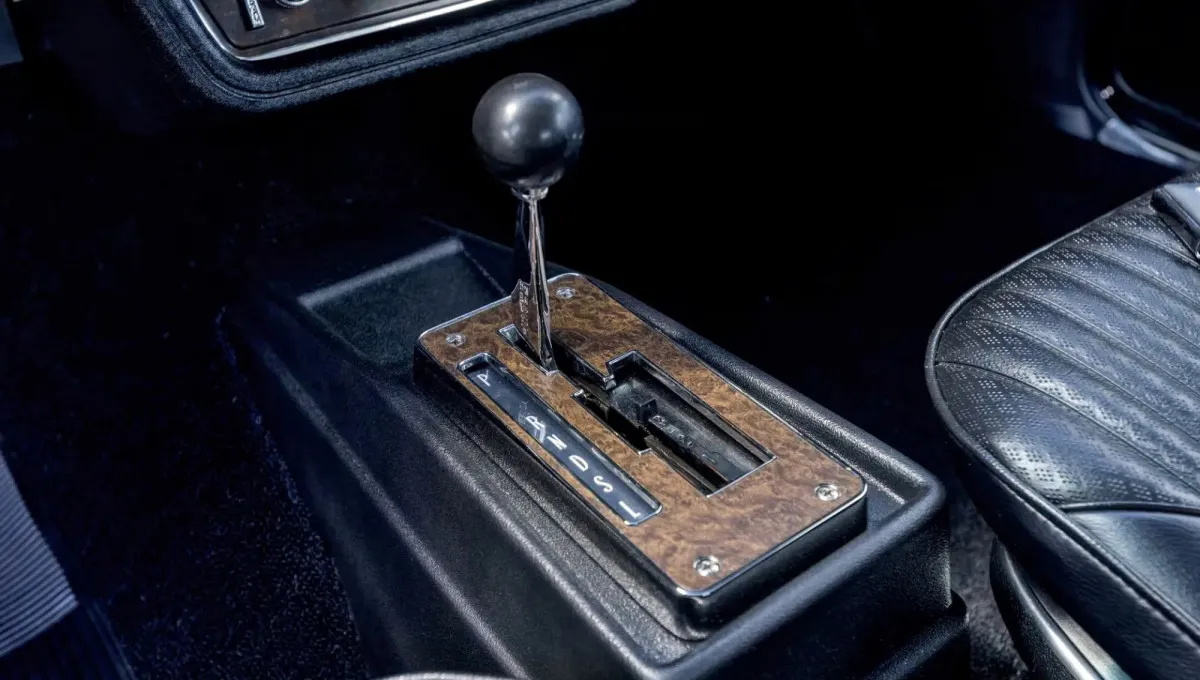
How Oldsmobile Invented a Manual Gearbox for an Automatic
Long before paddle shifters and electronic driving modes, Oldsmobile found a clever mechanical way to let drivers shift an automatic transmission themselves.
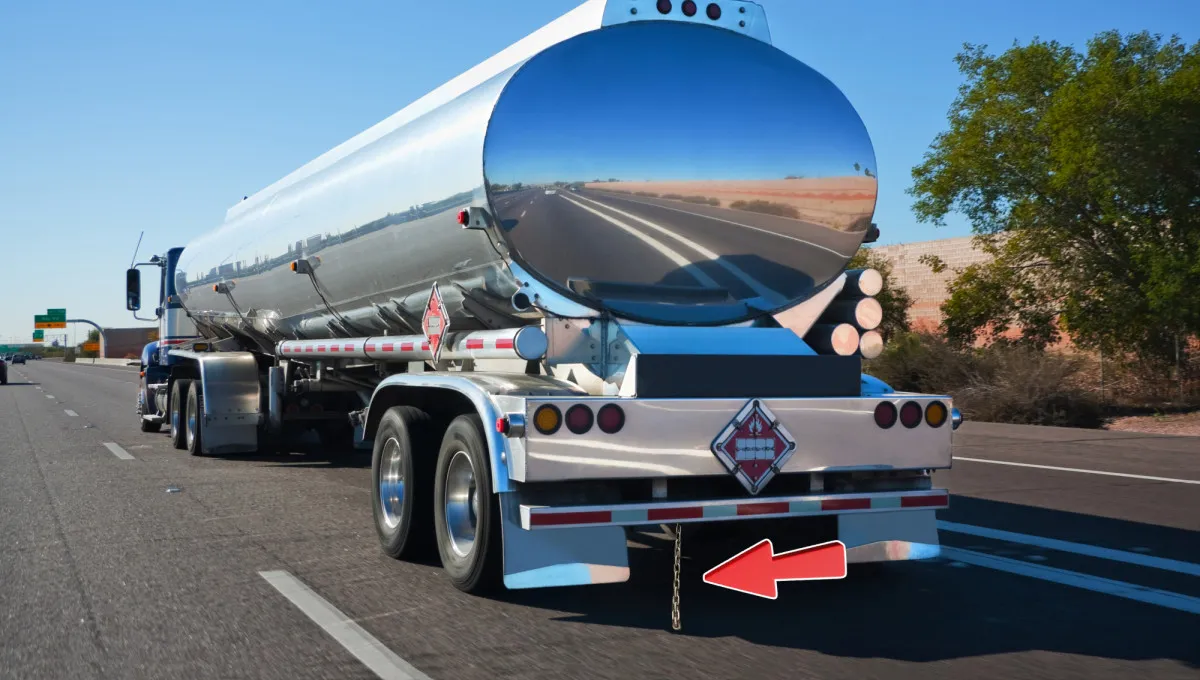
You’ve Seen This Chain Behind Fuel Tankers — But Do You Know What It’s Really For?
The metal chain dragging behind a fuel tanker isn't a forgotten part or a coincidence—it has long been associated with fire safety.
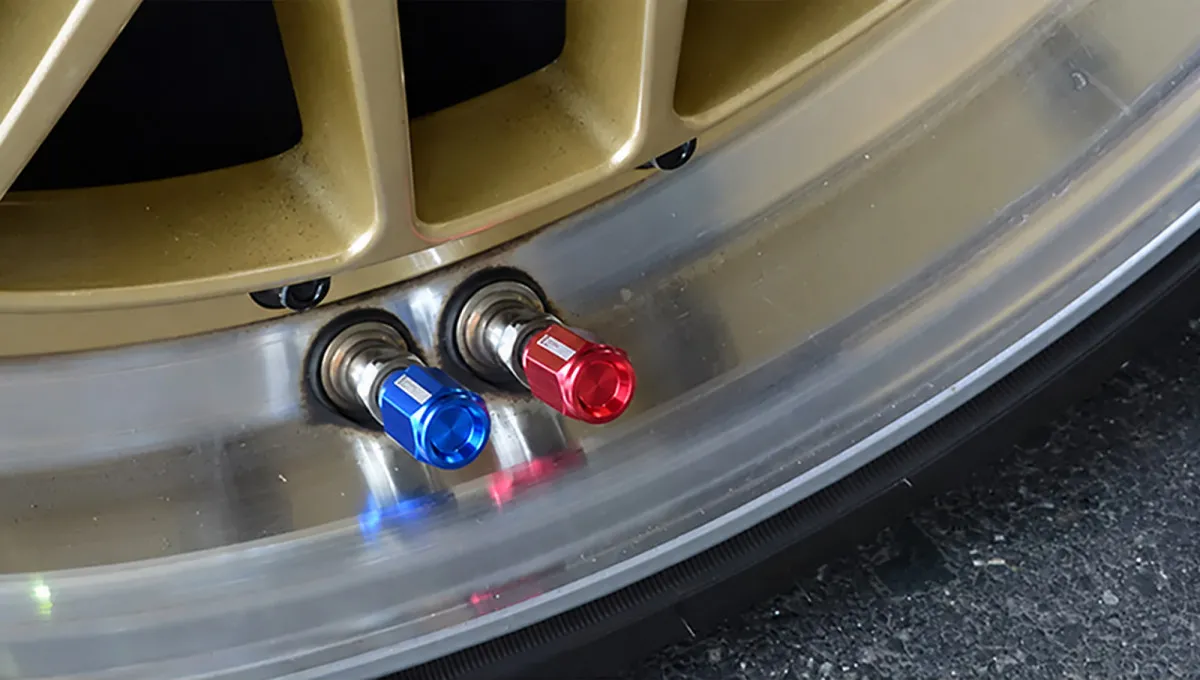
Not a Manufacturing Error: Why Some Wheels Have Two Valve Stems
Two valve stems on one wheel may look unusual, but the setup serves a practical purpose in racing and specialized tire service.