
What Car Names Really Mean: The Hidden Stories Behind Popular Models
From ocean currents to wild horses and bulls, car names reveal surprising origins and deeper meaning
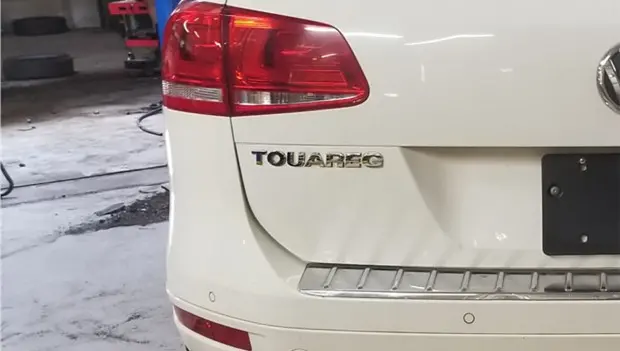
Many vehicles carry names rooted in rich backstories—ranging from ancient tribes to natural phenomena. Automakers don’t choose these names randomly, and understanding them can completely change how you see familiar models.
Car names are more than just badges on the trunk. They often reflect a brand’s philosophy, cultural references, and emotional appeal. Once you know the meaning behind them, even the most common models start to feel more intentional and distinctive.
Manufacturers frequently draw inspiration from geography and global cultures. The Volkswagen Touareg takes its name from the resilient nomadic Tuareg people of the Sahara, while the Nissan Qashqai references the Qashqai tribes of Iran known for their mobility. The Bentley Bentayga is named after Roque Bentayga, a dramatic rock formation in Spain’s Canary Islands, symbolizing strength and elevation. Meanwhile, the Hyundai Santa Fe evokes a sense of adventure tied to the American Southwest.
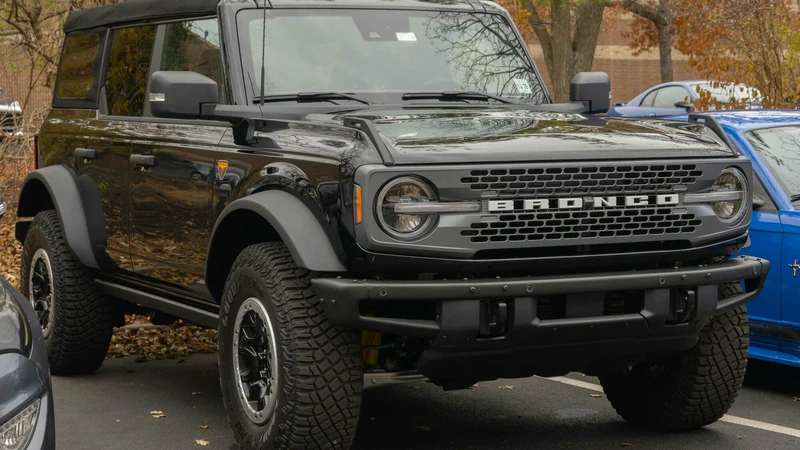
Animals and mythology are another common source of inspiration. The Ford Mustang represents the freedom and power of a wild horse, while the Ford Bronco channels the rugged independence of an untamed stallion. The Porsche Taycan name loosely translates to a spirited young horse, aligning with the brand’s crest, and the Lamborghini Murciélago honors a legendary fighting bull known for its endurance and fierce character.
These names are carefully chosen to evoke emotion. A car becomes more than transportation—it takes on personality and attitude, shaping how drivers connect with it on the road.
Sometimes, the story behind a name involves a bit of wordplay. The Chevrolet Camaro is rumored to mean “a small, vicious animal that eats Mustangs,” though its real roots trace back to the French word for “companion.” The Renault Twingo blends the names of dances—twist, swing, and tango—while the Alfa Romeo MiTo plays on Milan and Turin, along with the Italian word for “myth.”
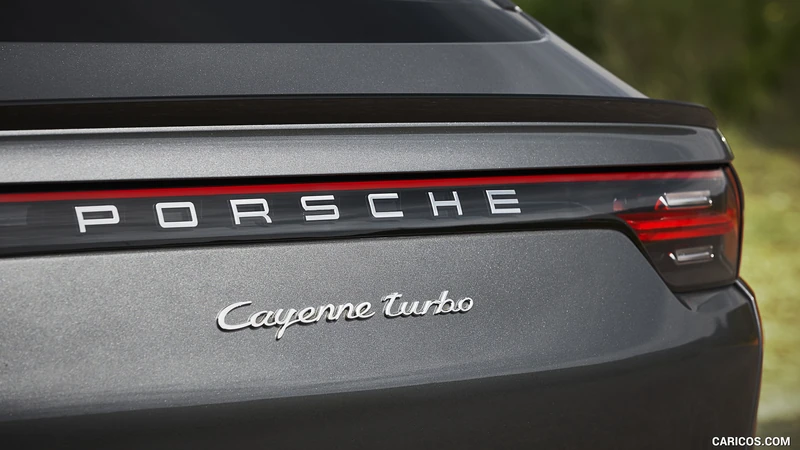
Many names are tied to history or natural forces. The Audi TT references the famous Tourist Trophy motorcycle races, the Toyota Corolla translates to “small crown,” and the Porsche Cayenne hints at a spicy, energetic character. The Subaru Outback reflects the vast, rugged landscapes of the Australian wilderness.
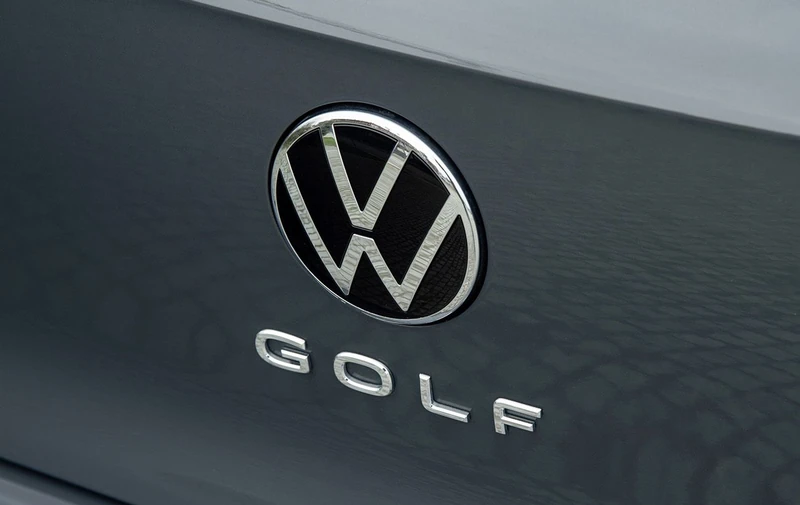
One of the most interesting naming traditions comes from Volkswagen, which often draws from meteorology. The Volkswagen Golf isn’t named after the sport—it comes from the Gulf Stream. That same theme continues with the Volkswagen Passat (trade winds), the Volkswagen Polo (polar winds), and the Volkswagen Jetta (jet stream). Nature, in this case, shaped an entire lineup.
Every car name tells a story—it’s a blend of geography, culture, mythology, and sometimes humor. Next time you get behind the wheel, it’s worth asking: what story does your car’s name tell?
You may also be interested in the news:
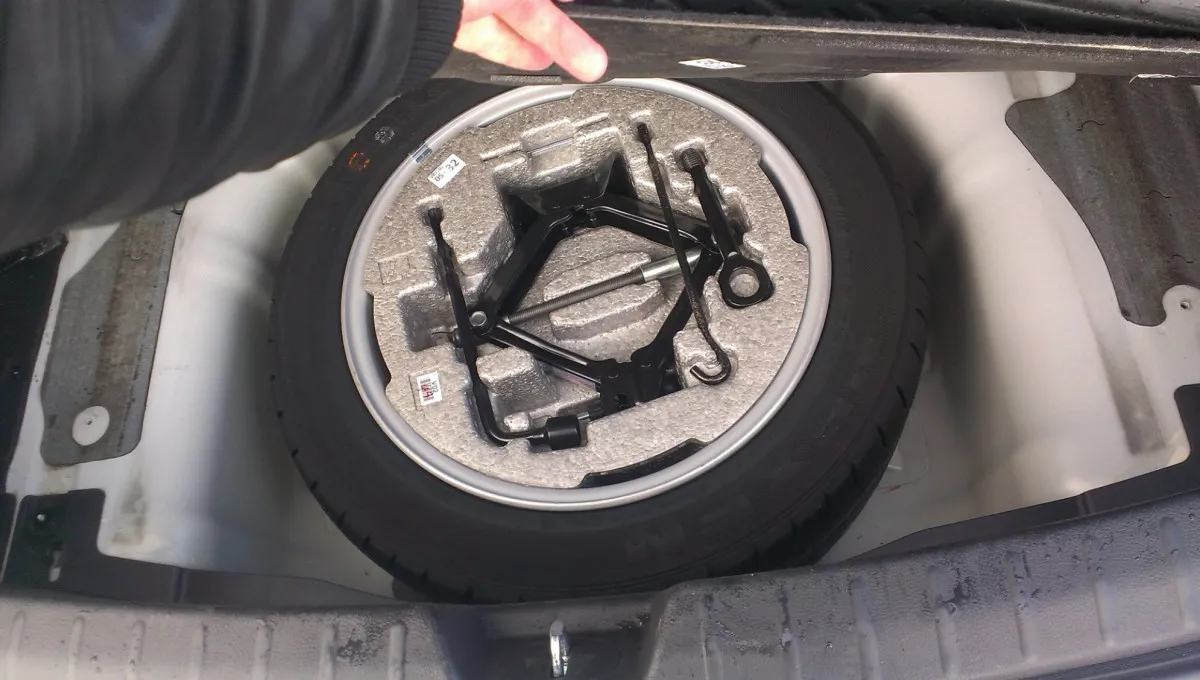
Why New Cars Are Ditching the Spare Tire — And What Drivers Get Instead
More new vehicles are replacing the spare tire with a compressor and sealant kit, and there are two practical reasons why.
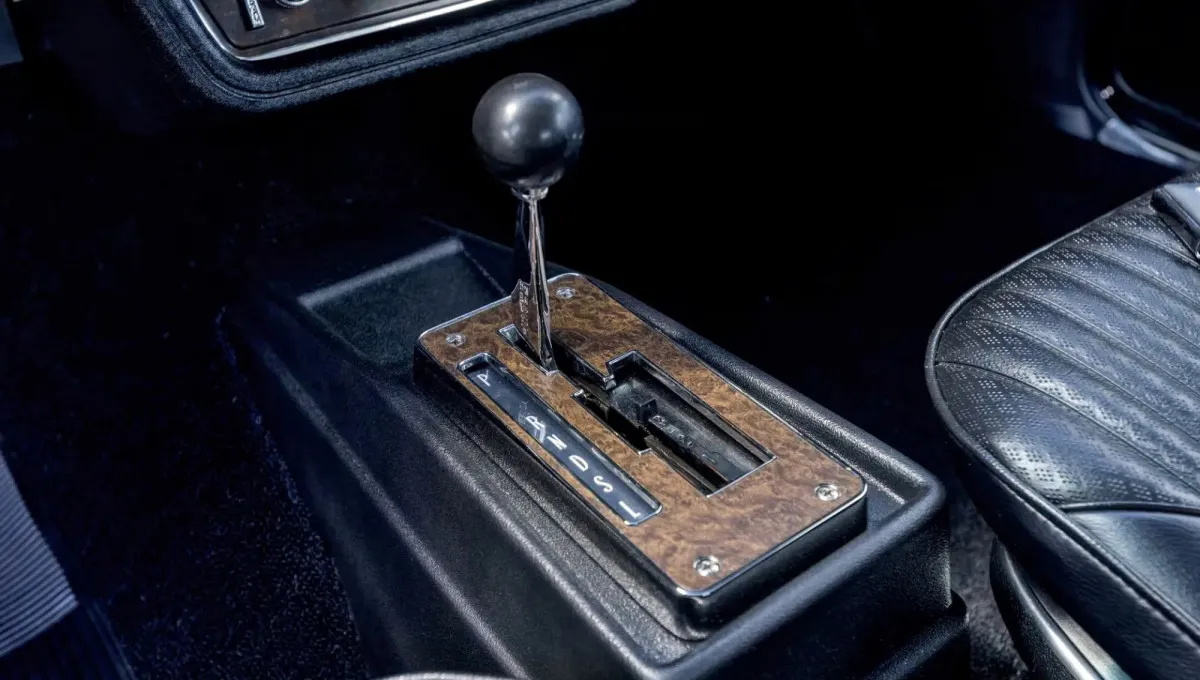
How Oldsmobile Invented a Manual Gearbox for an Automatic
Long before paddle shifters and electronic driving modes, Oldsmobile found a clever mechanical way to let drivers shift an automatic transmission themselves.
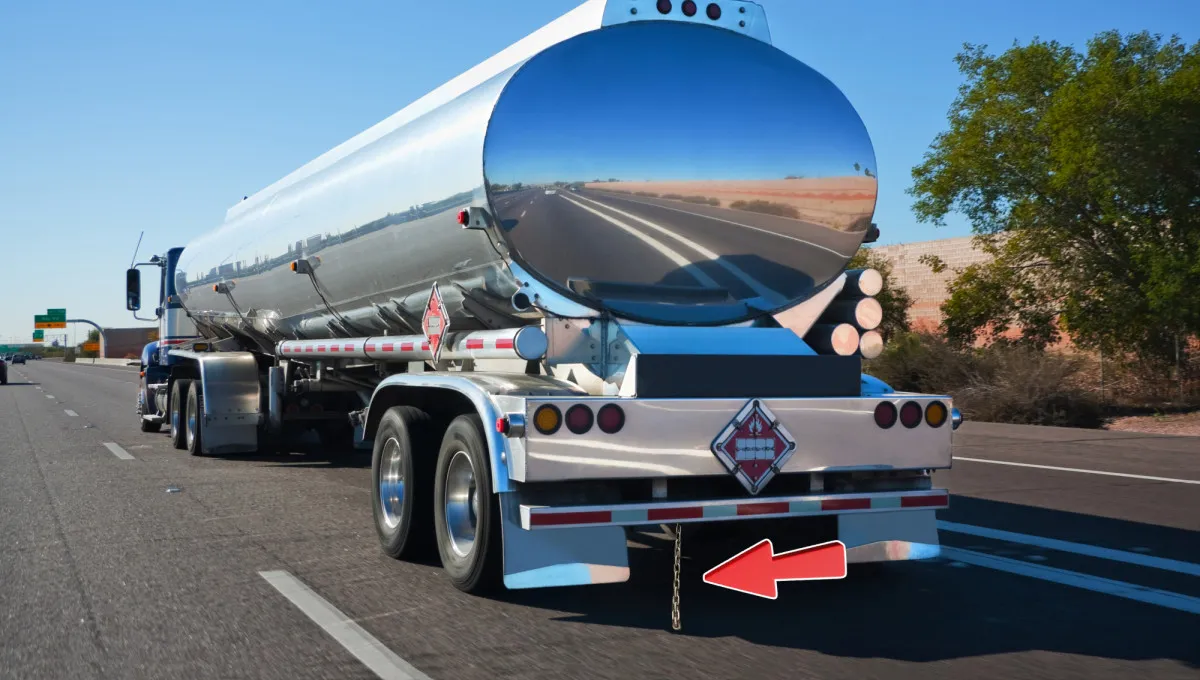
You’ve Seen This Chain Behind Fuel Tankers — But Do You Know What It’s Really For?
The metal chain dragging behind a fuel tanker isn't a forgotten part or a coincidence—it has long been associated with fire safety.

Not a Manufacturing Error: Why Some Wheels Have Two Valve Stems
Two valve stems on one wheel may look unusual, but the setup serves a practical purpose in racing and specialized tire service.
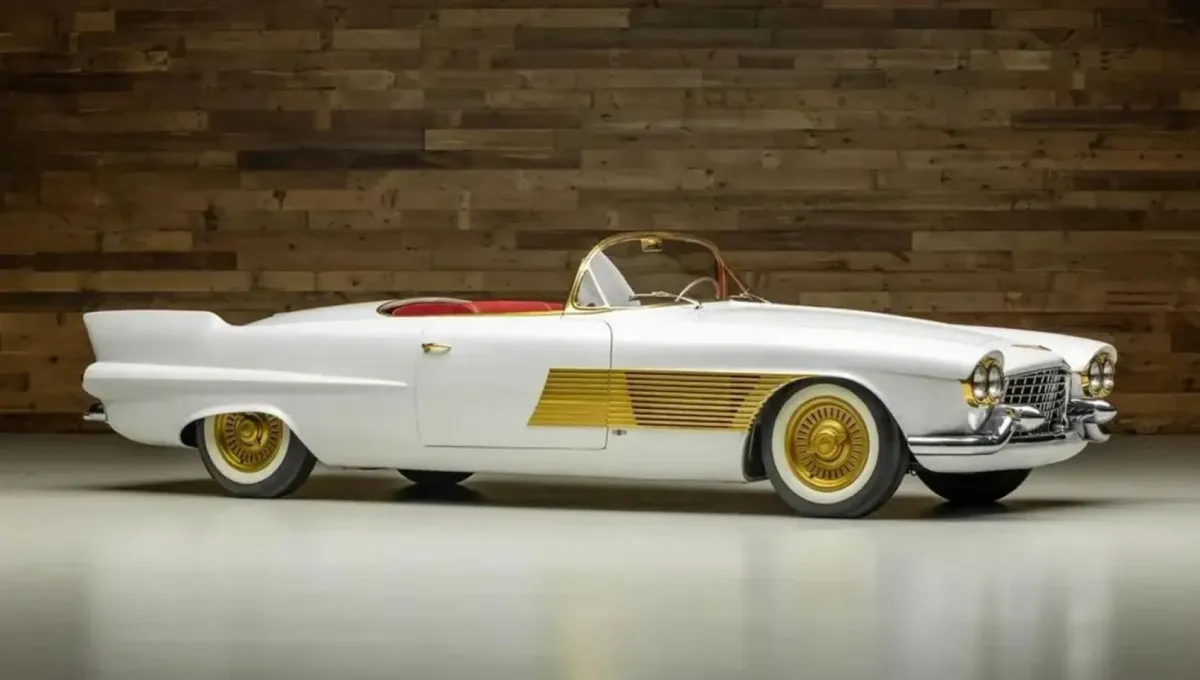
Gilded 1953 Cadillac Sells for a Record $1.275 Million
The unique Cadillac Elegante, featuring an Italian aluminum body and 24-karat gold trim, went to auction for the first time more than 70 years after it was built. It became the most expensive Cadillac ever sold at public auction.