
Diesel vs. Gas: Which Engine Makes More Sense When Buying a Used Car
Choosing between diesel and gas engines remains one of the toughest decisions for used car buyers today.
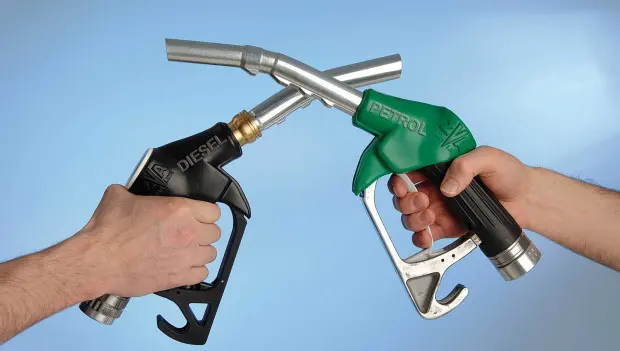
Few topics spark as much debate among drivers as fuel type. Not brand, not styling—just the simple question: diesel or gas? Every year, thousands of used-car shoppers face that exact dilemma. So which option actually makes more sense?
A Long-Running Debate
The argument between diesel and gas fans has been going on for decades, and both sides have their talking points. In the U.S., there’s still a noticeable hesitation around diesel. Many drivers associate it with higher fuel costs, poor cold-weather performance, and expensive maintenance.
On the flip side, diesel supporters point to durability and efficiency. And there’s an interesting market trend: all else being equal—same model year, mileage, and condition—diesel vehicles often sell for more than their gas-powered counterparts. In some cases, especially with brands like BMW, the price gap can be even wider. That alone suggests diesel does offer real advantages—but it’s not the full story.
Where Diesel Shines
Let’s assume we’re comparing vehicles under normal conditions—no “free fuel” shortcuts. Diesel engines come out strong in several key areas.
First, torque. Diesels deliver more low-end pulling power, making them feel stronger off the line and better suited for carrying loads. That’s because diesel fuel burns more slowly, producing steady force rather than high-rev bursts.
The trade-off is a narrower power band. Most diesel engines top out around 4,000–4,500 rpm, while gas engines can rev to 6,000 rpm or more. That means gas engines feel smoother and more responsive during hard acceleration.
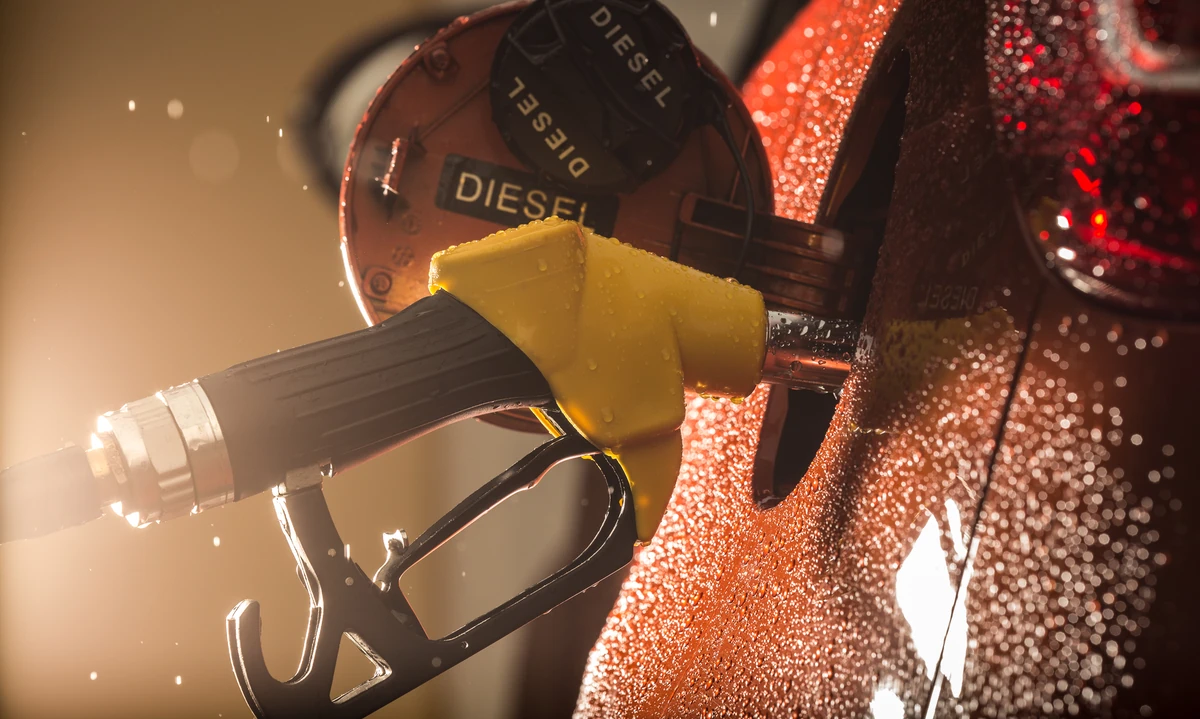
Still, for everyday driving—especially in city traffic—diesel works well. It’s easy to get moving, and the engine doesn’t strain under load. Fuel economy is another major plus. Compared to similar gas engines, a diesel can be 20–30% more efficient under the same driving conditions.
There’s also longevity. Diesel engines are typically built tougher, with stronger internal components like pistons and connecting rods. Over time, that can translate into longer service life.
The Downsides
All that said, buying a used diesel isn’t always a win. In fact, it can be a gamble.
The biggest issue? Condition. Even well-built diesel engines often come with high mileage—150,000 to 185,000 miles isn’t unusual. Finding a low-mileage diesel at a reasonable price can be tough. And while they’re durable, wear and tear still add up.
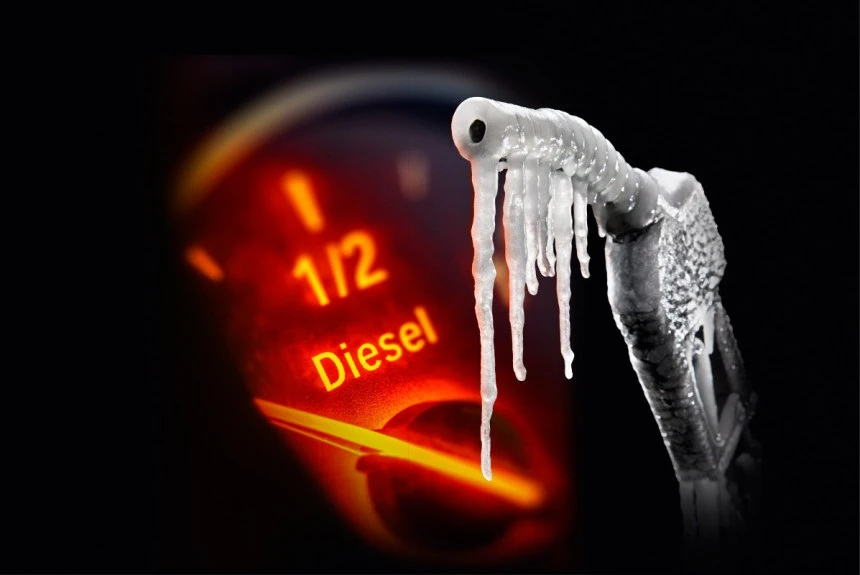
Then there are the classic drawbacks. Cold starts can be rough, engines take longer to warm up, and the cabin may stay chilly during short trips. For drivers in colder parts of the U.S., that’s more than a minor inconvenience—it’s a daily reality.

So, Which One Should You Choose?
In the end, the answer depends on how—and where—you drive.
If you live in a colder climate or mainly take short trips, a gas-powered car is usually the safer and more practical choice. It warms up faster, handles winter better, and tends to be easier to live with day-to-day.
Diesel, on the other hand, makes sense for warmer regions and drivers who spend a lot of time on the road. If you rack up miles regularly, the efficiency and durability can really pay off.
You may also be interested in the news:
How Oldsmobile Invented a Manual Gearbox for an Automatic
Long before paddle shifters and electronic driving modes, Oldsmobile found a clever mechanical way to let drivers shift an automatic transmission themselves.
You’ve Seen This Chain Behind Fuel Tankers — But Do You Know What It’s Really For?
The metal chain dragging behind a fuel tanker isn't a forgotten part or a coincidence—it has long been associated with fire safety.

How to Protect Your Car Mirrors From Rain: A Simple Home Hack
A simple household product can help keep your car’s side mirrors clearer when rain makes visibility a challenge.

Not a Manufacturing Error: Why Some Wheels Have Two Valve Stems
Two valve stems on one wheel may look unusual, but the setup serves a practical purpose in racing and specialized tire service.

Gilded 1953 Cadillac Sells for a Record $1.275 Million
The unique Cadillac Elegante, featuring an Italian aluminum body and 24-karat gold trim, went to auction for the first time more than 70 years after it was built. It became the most expensive Cadillac ever sold at public auction.