
Why 1950s American Cars Still Stand Out Today
In the 1950s, America’s auto industry hit its stride with bold ideas and breakthrough features

During the 1950s, the American auto industry was firing on all cylinders. A booming economy, cheap gas, and minimal safety regulations created the perfect environment for bold experimentation—and the result was a wave of cars packed with forward-thinking technology that felt almost futuristic for the era.
Automatic Headlight Dimmer and “Safety” Speedometer

In General Motors’ lineup of the 1950s, Oldsmobile carved out a niche as a near-luxury brand aimed at middle-class buyers. More importantly, it became one of the corporation’s key innovators. While Cadillac stood for prestige, Oldsmobile represented progress.
That reputation came from features like the optional Autronic Eye system, introduced in 1952. It used a light-sensitive sensor mounted on the dashboard and an automatic relay. When it detected bright light—like oncoming headlights—the system would switch from high beams to low beams on its own. For the early ’50s, that was cutting-edge tech.

In 1958, Oldsmobile introduced another unusual feature: the “Safety Spectrum Speedometer.” Instead of a traditional needle, a horizontal bar changed color depending on speed. It stayed green from 0 to 35 mph, turned amber between 35 and 65 mph, and shifted to red at higher speeds—warning drivers that drum brakes were becoming less effective. This wasn’t electronic, either. Inside the cluster, a rotating drum painted in diagonal color bands created the effect.
Power Seats—and Even Power Vent Windows

In 1956, Ford Motor Company, through its luxury division Lincoln, took a direct shot at Cadillac’s dominance. The result was the Continental Mark II—arguably the most expensive American car of its time, priced at $10,000 (about twice as much as a top Cadillac back then).
The Mark II paired understated design with hand-built craftsmanship and a 285-horsepower V8. It also delivered an exceptional level of comfort and equipment, including air conditioning, extensive sound insulation, and power-operated seats, windows, antenna—and even vent windows, a rare feature for the era.

Cadillac didn’t ignore the challenge. In 1957, it fired back with the even more extravagant Cadillac Eldorado Brougham, priced at $13,000—enough at the time to buy a house or several Chevrolet Bel Air models.

The Eldorado Brougham raised the bar in every direction. Its single fully loaded trim included a 325-horsepower V8, air suspension with automatic leveling, low-profile tires, power door locks that automatically engaged once underway, the Autronic Eye system, and power controls for windows, seats, and even the trunk. The seats even offered memory settings—decades ahead of their time.
Retractable Hardtop

Although the Continental Mark II was sold as a two-door hardtop coupe, it was originally planned as a convertible—with a fully automatic retractable hardtop instead of a fabric roof. Developing the mechanism reportedly cost around $2 million, an enormous investment at the time. The system relied on seven electric motors, ten relays, and nearly 650 feet of wiring.
In the end, the ultra-expensive Mark II never received the feature. Adding such a complex system to an already unprofitable low-volume car simply didn’t make sense. Instead, the technology was handed off to the more accessible Ford Fairlane 500 Skyliner.
Even there, the retractable steel roof struggled to justify its cost, but it gave American drivers a glimpse of the future. It was one of those innovations that arrived well ahead of its time—bold, impressive, and a little too ambitious for the market.
These are just a few examples of the clever ideas that defined American cars of the 1950s. There’s plenty more where that came from.
You may also be interested in the news:
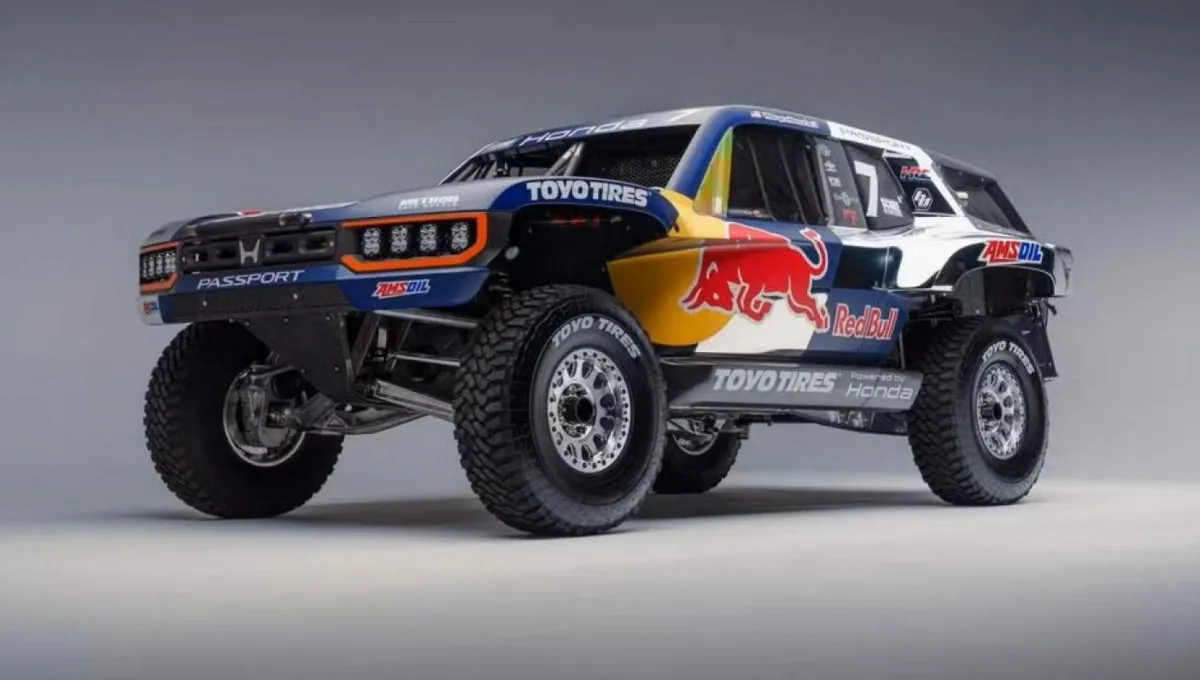
Honda Built a 1,300-HP Hybrid Trophy Truck for Baja—and It Has No V8
Honda Racing has revealed a radically different Passport-based trophy truck built for serious Baja desert competition.

The Language of the Road: Which Hand Signals Do American Drivers Still Understand?
Traditional driving hand signals are fading from American roads, but a few old gestures can still help drivers avoid trouble.
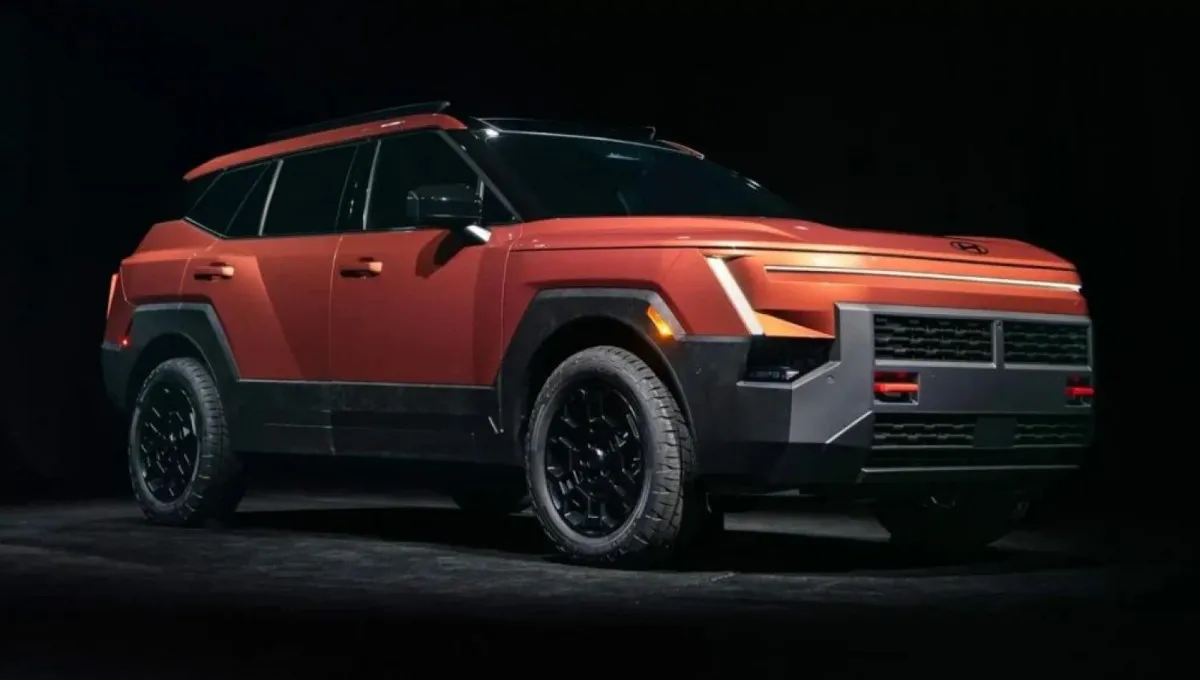
Hyundai Tucson Goes Rugged: The New Angular SUV Gets an XRT Pro Off-Road Version
Hyundai has unveiled a dramatically redesigned Tucson, trading its sleek styling for a tougher look and genuine off-road ambitions.
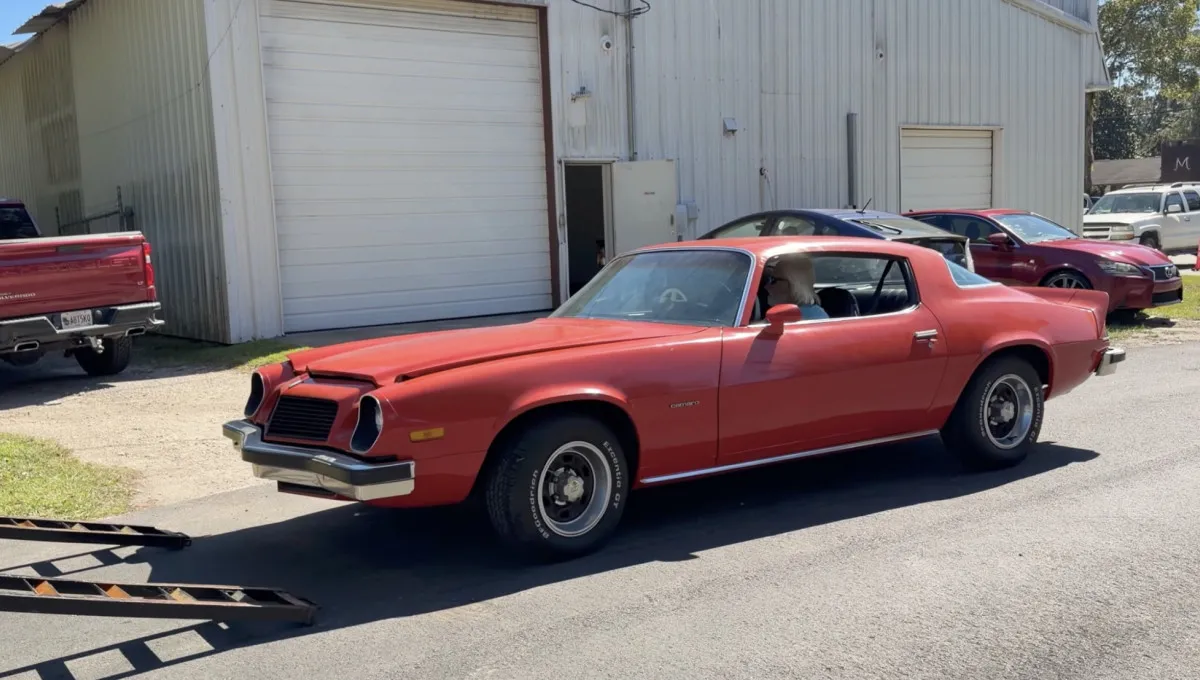
He Bought a 1976 Chevy Camaro Just Like the One He Drove in High School, Despite Its Missing Brakes
A Georgia car enthusiast has bought his old high school dream car again, but this Camaro needs serious work.
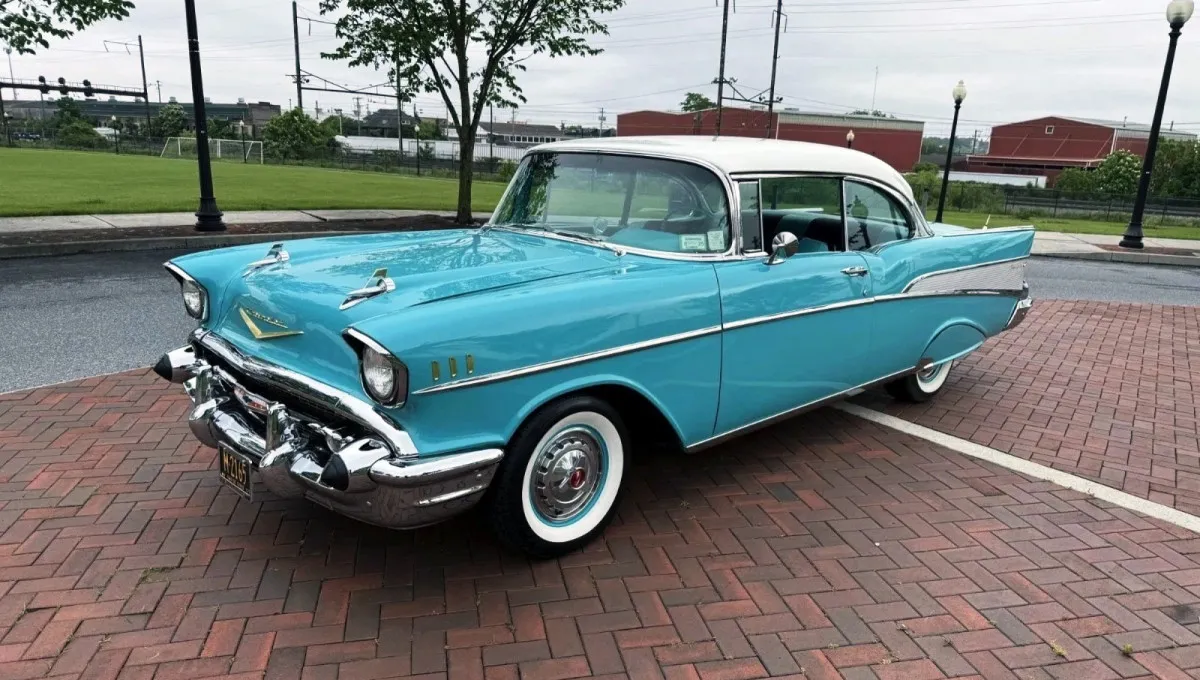
This 1957 Chevy Bel Air Has a V8, Air Conditioning, and Just About Everything You Want in a Classic
This turquoise 1957 Chevrolet Bel Air needs little attention, packs a V8, and is looking for another owner.