
How to Fix Scratches on Your Car’s Body Yourself in a Home Garage
Scratches can ruin a car’s appearance and may even lead to rust if ignored. Here’s how you can fix them yourself in a home garage.
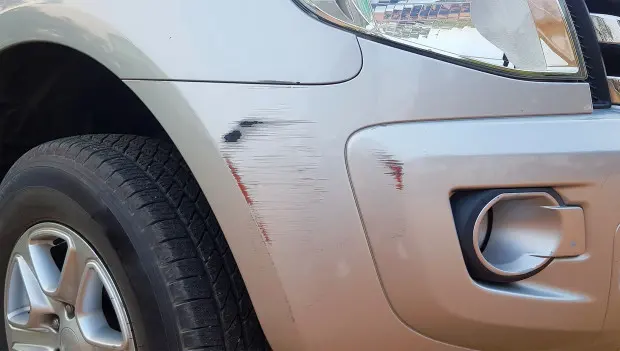
During everyday driving, it’s pretty common for scratches to show up on a car’s body. A branch hanging over the road, a stray shopping cart, or a minor bump with another vehicle in a parking lot can easily leave a mark. No matter how they appear, scratches make a vehicle look worn and—if they’re deep enough—can eventually lead to corrosion. So what can you do about them?
First, a quick note: if you’re not confident in your abilities, it’s always better to leave the job to a professional detailer or body shop technician with experience in this kind of repair.
Light Scratches
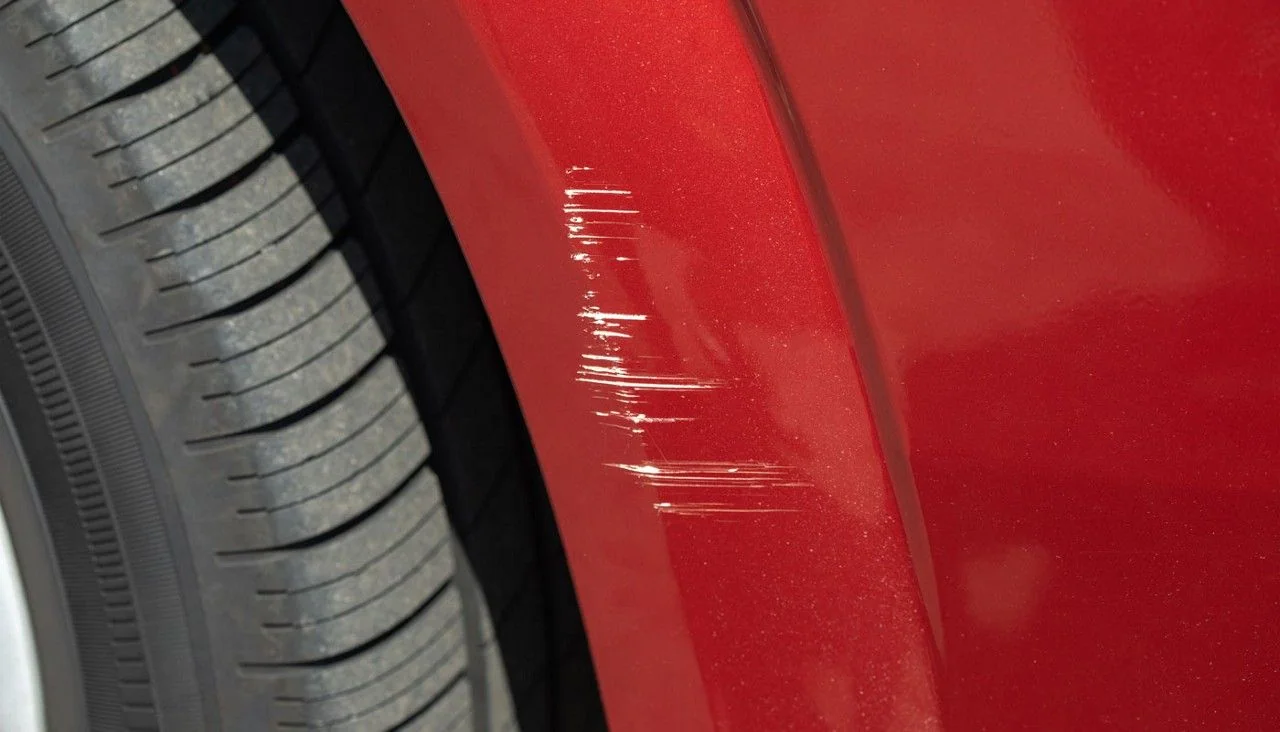
Minor scratches usually come from small rocks, tree branches, or simple carelessness. In many cases they only affect the clear coat and paint layer, without reaching the metal underneath. Here’s a simple process for dealing with this type of damage:
Start by taking a close look at the scratch and make sure it’s actually shallow and hasn’t reached the metal. If bare metal is exposed and you miss it, rust could eventually develop where the small scratch once was.
Clean the scratched area thoroughly to remove dust and dirt. A basic microfiber cloth works well for this. Let the surface dry completely.
Once the area is dry, apply a degreaser to the damaged spot. This helps the polishing compound adhere better to the surface.
Put a small amount of polish on a soft cloth or a hand-polishing applicator.
Rub the polish into the scratch using gentle circular motions, working evenly across the entire affected area. Avoid staying in one spot too long. Continue polishing until the scratch becomes barely visible.
Finally, wipe away any remaining polish with a clean, lint-free cloth.
Deep Scratches
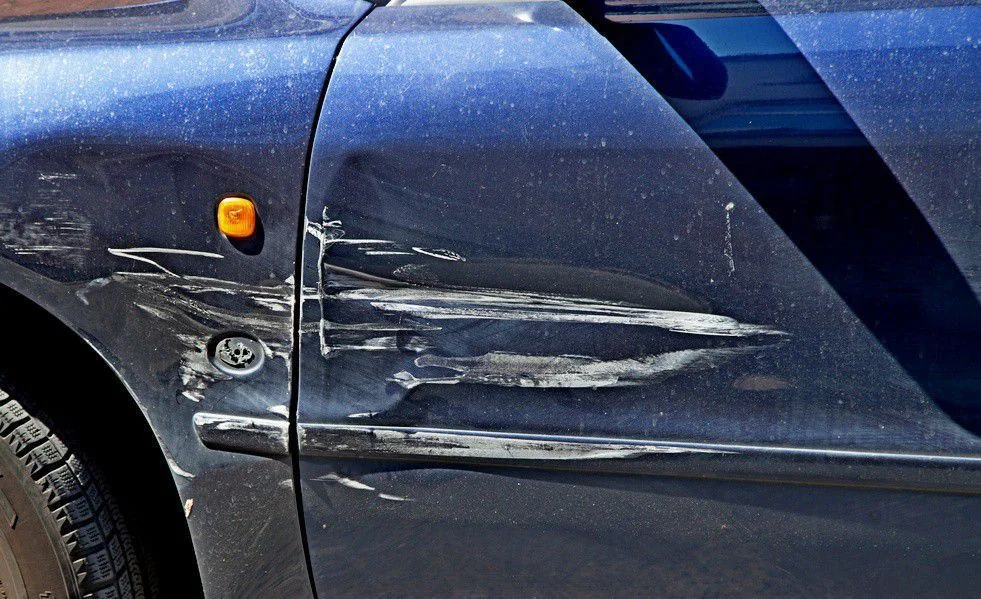
Scratches are considered deep when they cut through the clear coat and paint, and sometimes even reach the metal. Fixing them requires a more careful approach.
Start by thoroughly washing the damaged area. If the metal layer is exposed, rust may have already formed inside the scratch. It’s important to remove it completely, otherwise it will continue spreading even after priming and repainting.
Just like with minor scratches, apply a degreaser to the clean, dry surface.
Next, use fine-grit sandpaper—such as P1500 or P2000—to gently sand the scratch. This smooths the edges and prepares the surface for paint.
If the primer layer has been damaged, you’ll need to apply primer first. Hold the spray can about 8–12 inches from the surface and apply it in even passes. Allow the primer to dry according to the manufacturer’s instructions, which usually takes 15 to 30 minutes.
After that, apply the touch-up paint using a small sponge applicator. You may need to apply several thin coats. A small brush can also work if you’re careful.
Once the paint has dried, apply a clear coat over the repaired area and wait until it fully cures.
Finish the job by polishing the repaired spot so the surface blends in with the rest of the bodywork.
Final Thoughts
With a bit of patience, many common scratches can be repaired right in your own garage. But if you’re unsure about any step in the process, it’s best to consult a professional. Taking care of small damage early can help keep your car looking good—and protect it from rust down the road.
You may also be interested in the news:
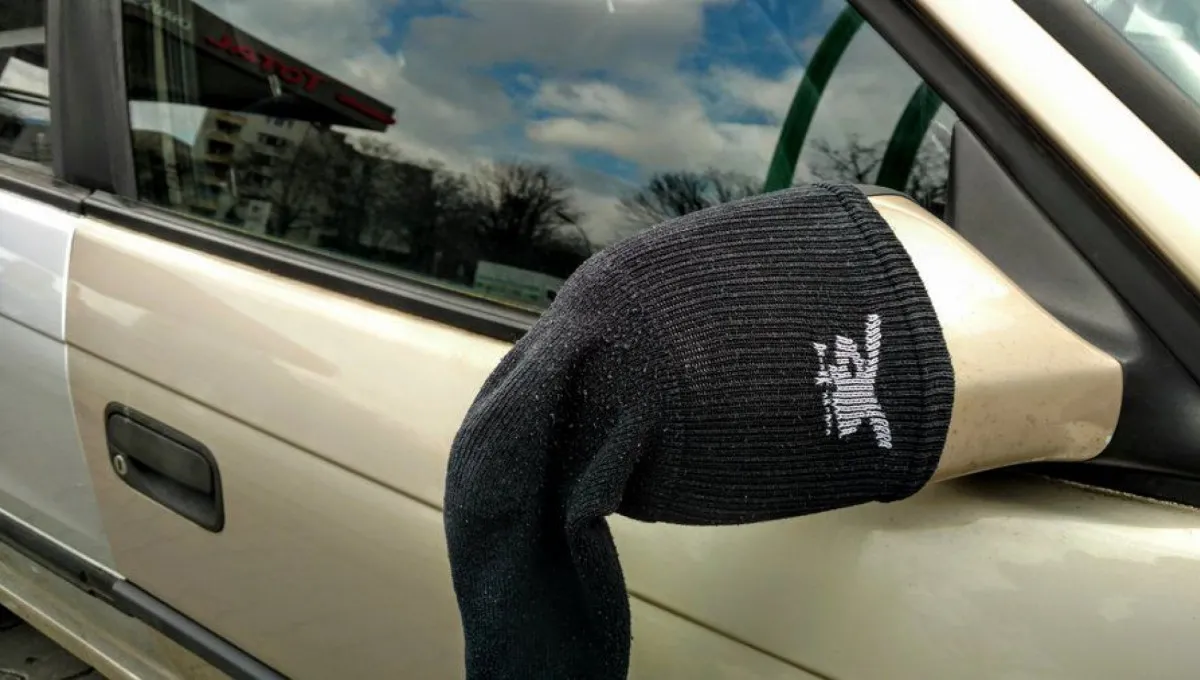
Why Experienced Drivers Put Socks on Their Car Mirrors in Fall: The Clever Trick Explained
An old pair of socks can help reduce frost buildup on your side mirrors overnight, saving time on cold mornings when every minute counts.
How to Clean Your Windshield Without Streaks: Experts Recommend This Simple DIY Mix
The secret to a streak-free windshield comes down to the right cleaning solution, two microfiber cloths, and the proper drying technique.

Why Some Drivers Keep Bay Leaves in Their Cars — It’s Not Just About Superstition
Can a common kitchen spice help repel bugs, freshen your car’s interior, or even help you relax behind the wheel?
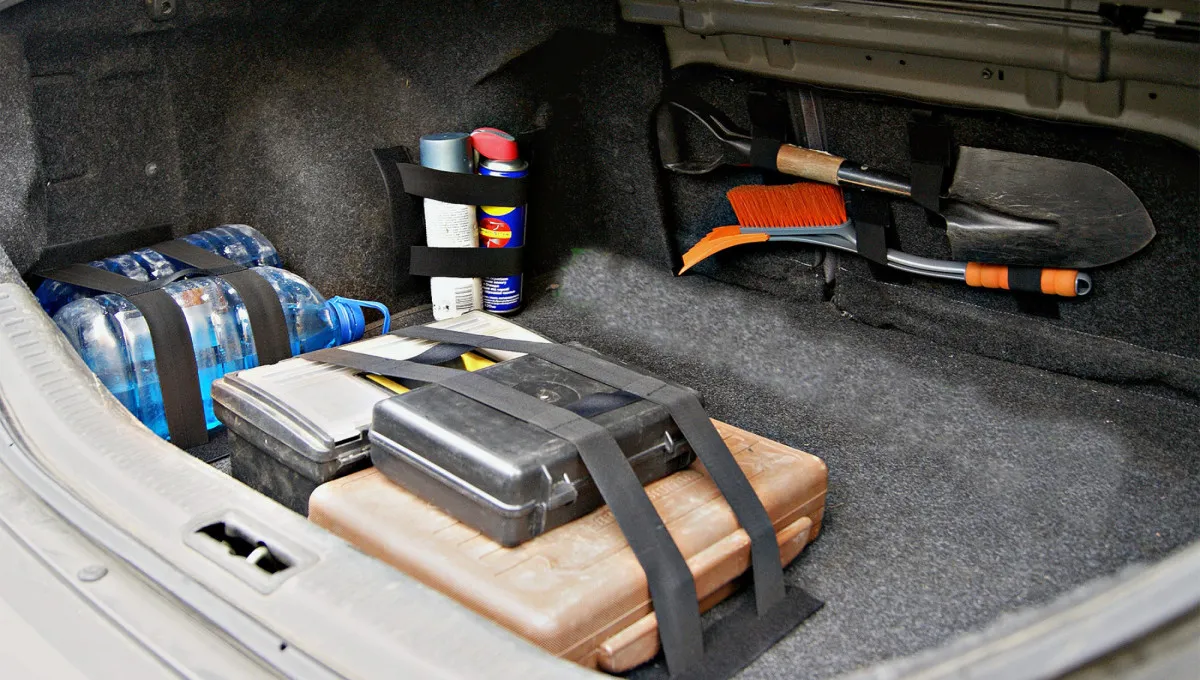
Cold Weather Can Leave You Stranded — 5 Things Every Driver Should Have in Their Car
The first hard freeze can catch drivers off guard. Here's what to keep in your vehicle and how to prepare your battery, tires, and fluids for colder weather.
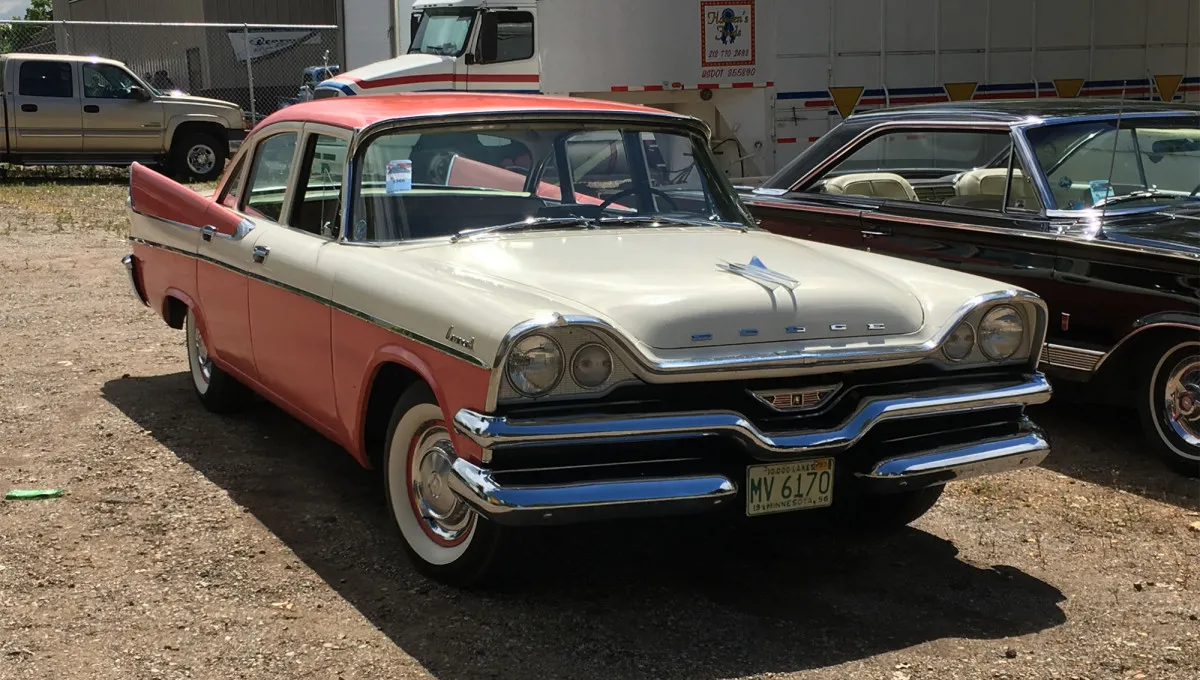
The 1957 Dodge: How “Autodynamics” Shaped One of Detroit’s Boldest Designs
The 1957 Dodge Looked Like a Dream Car, but Its Biggest Flaw Was Hiding Beneath the Surface.