
Chrysler Airflow: Some Called It a Success, Others a “Failed Masterpiece of Automotive Engineering” — A Retro Story
The story of the Chrysler Airflow, a 1930s car that shook the industry and redefined what a modern automobile could be.
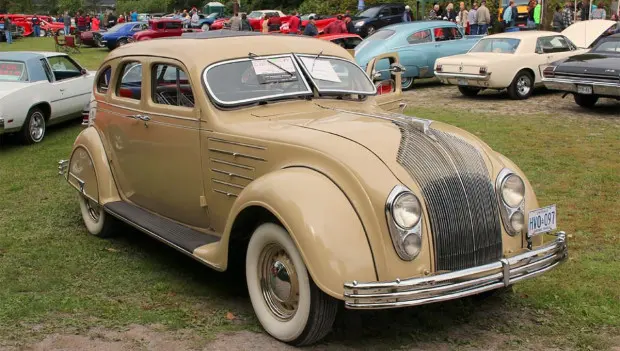
Today we’re diving into the story of the Chrysler Airflow—a car that caused a sensation in the mid-1930s and fundamentally reshaped ideas about what a modern automobile should look like. This wasn’t just a car ahead of its time; it set new industry benchmarks that influenced automotive design for decades and secured its place in history.
To understand why, you have to look at the late 1920s and early 1930s. Back then, most cars followed a traditional two-box layout: a separate engine compartment up front and a passenger cabin set further back, all mounted on a frame. While this setup worked, it had serious drawbacks that engineers of the time largely overlooked. Weight distribution was a major issue—fully loaded, some cars carried as much as 75% of their weight over the rear axle. That imbalance hurt handling, especially on slick roads.
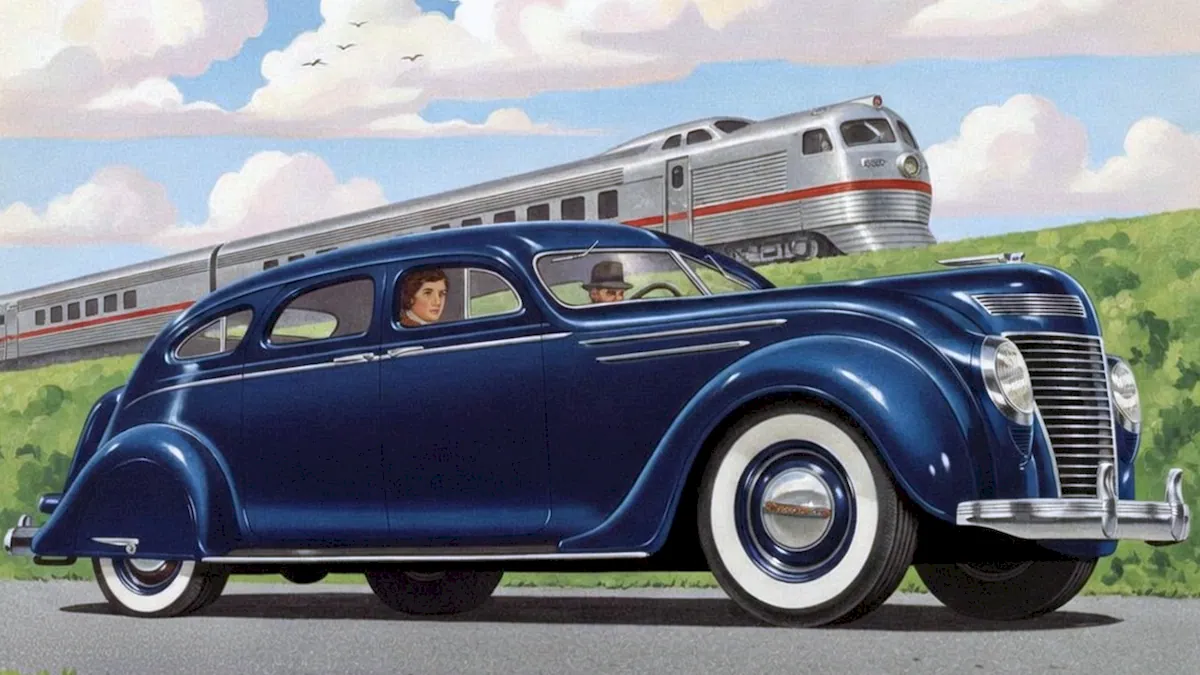
Aerodynamics were another weak point. These boxy vehicles cut through the air inefficiently, which limited performance and fuel economy. As aviation technology rapidly advanced, these flaws became increasingly obvious to forward-thinking engineers.
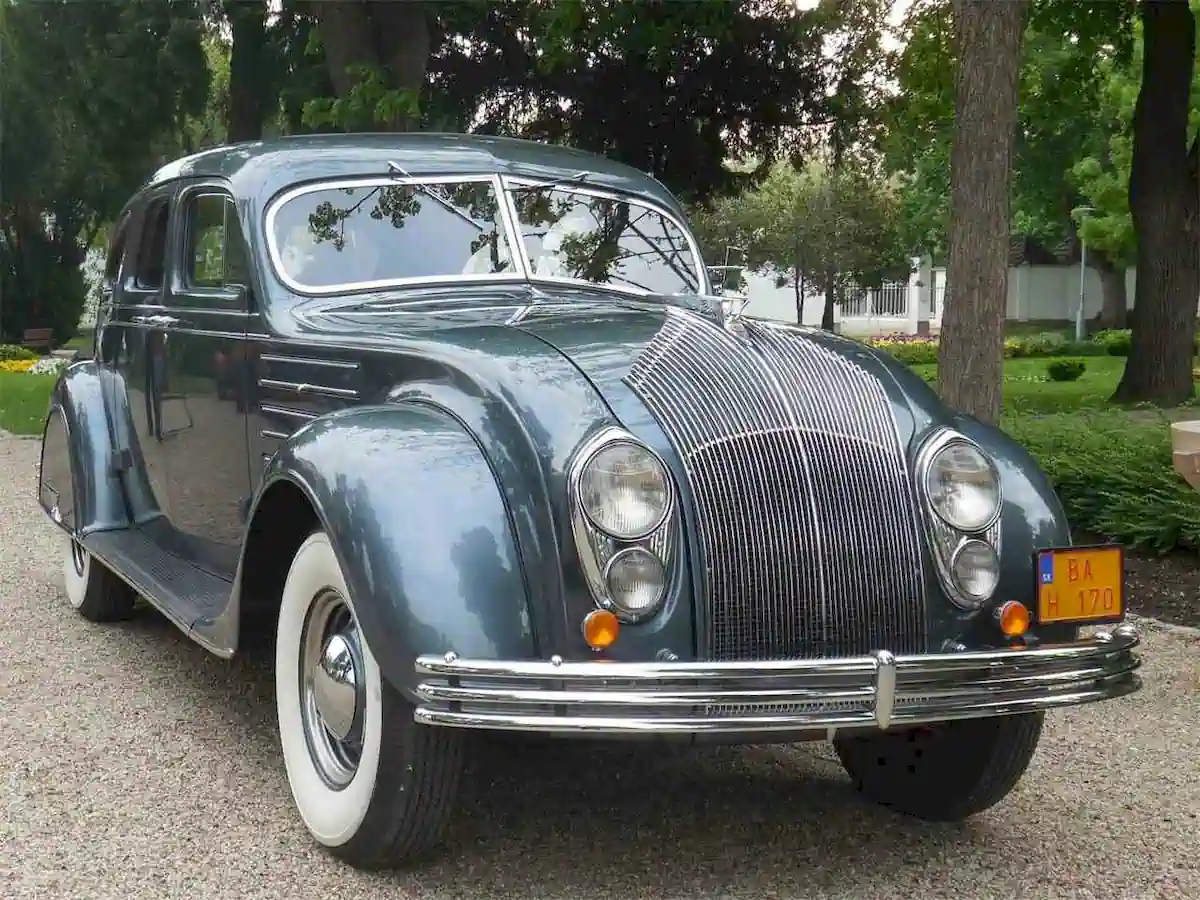
One of those engineers was Carl Breer of Chrysler Corporation. Watching aircraft slice through the sky, he began thinking about applying aviation principles to automobiles. He suspected Chrysler’s powerful engines weren’t reaching their full potential because of outdated body designs.
To test his theory, Breer brought in aerodynamics expert William Earnshaw to analyze conventional car shapes. The results were startling: many cars of that era actually experienced less air resistance driving in reverse than going forward.
In 1929, Breer presented these findings to Walter Chrysler himself. After reviewing the data, Chrysler approved further research—and crucially, funded the construction of a large wind tunnel.
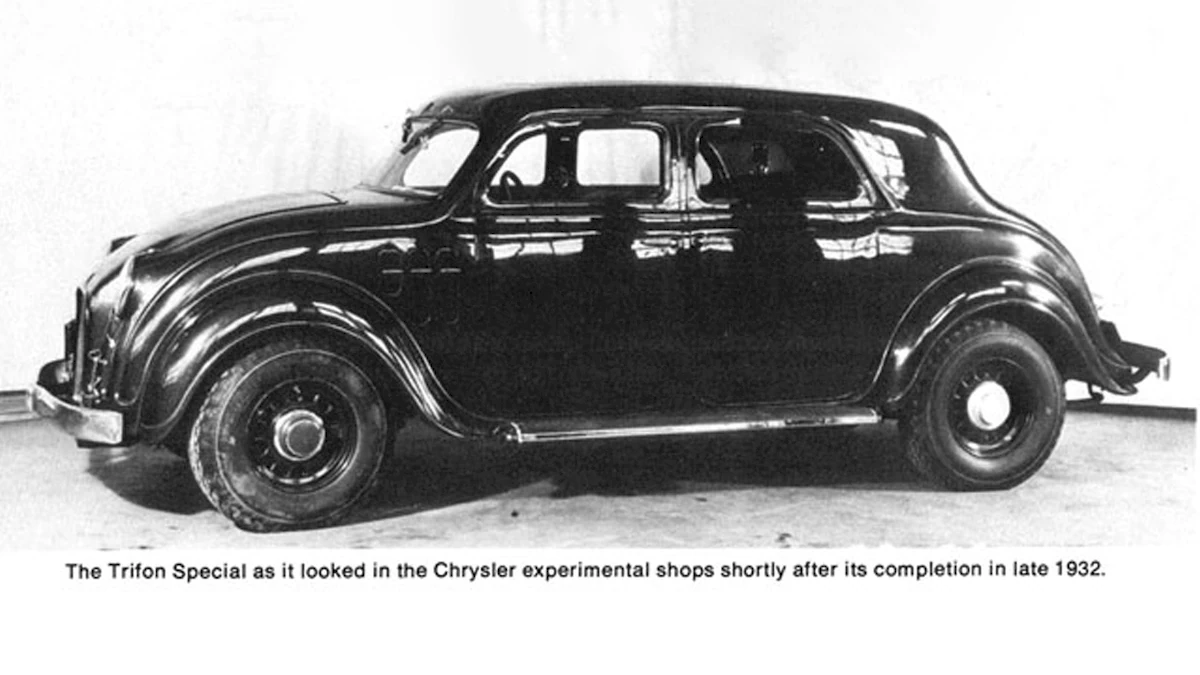
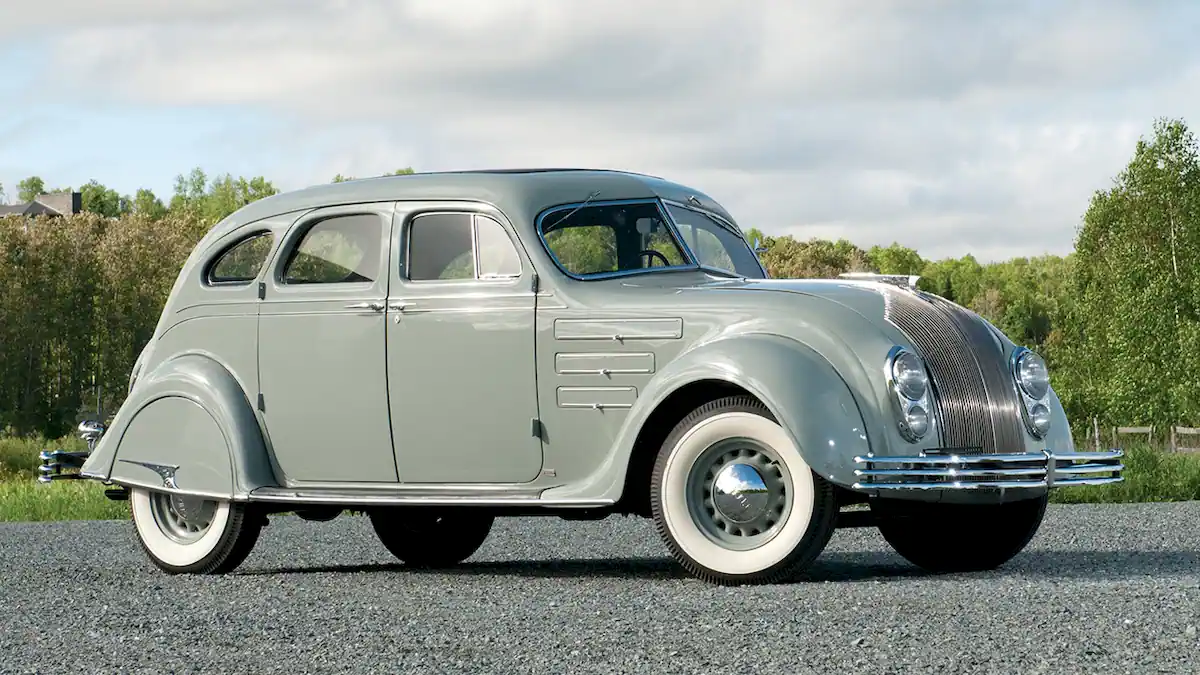
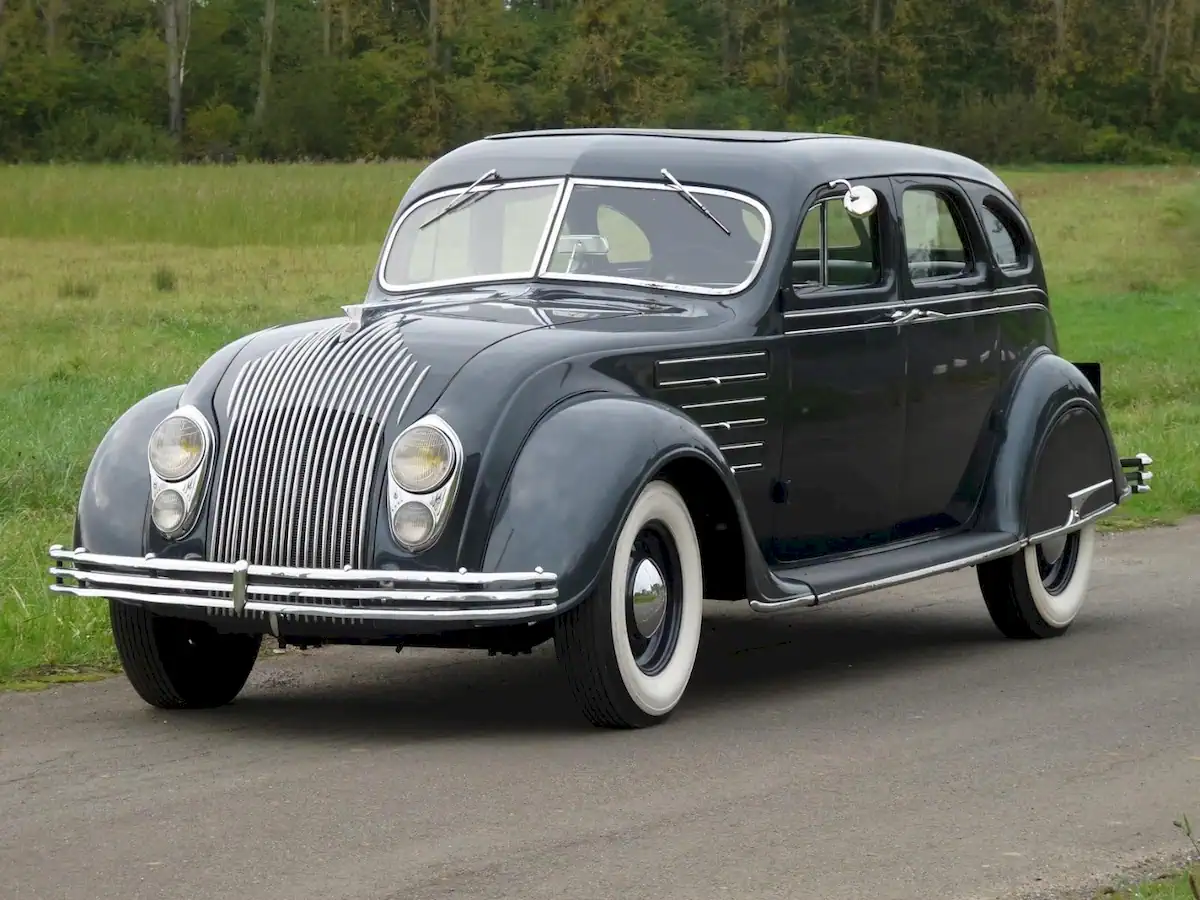
For several years, engineers experimented with shapes and airflow. By 1932, they produced the first full-scale prototype, called the Trifon Special. Its appearance was radically different: a short, wide, rounded hood, a sharply raked windshield, headlights integrated into the fenders, and a smooth, sloping roofline flowing into the rear.
Walter Chrysler liked what he saw, but Breer considered it only a step along the way. After testing around 50 variations, the production version finally debuted at the 1934 New York Auto Show.
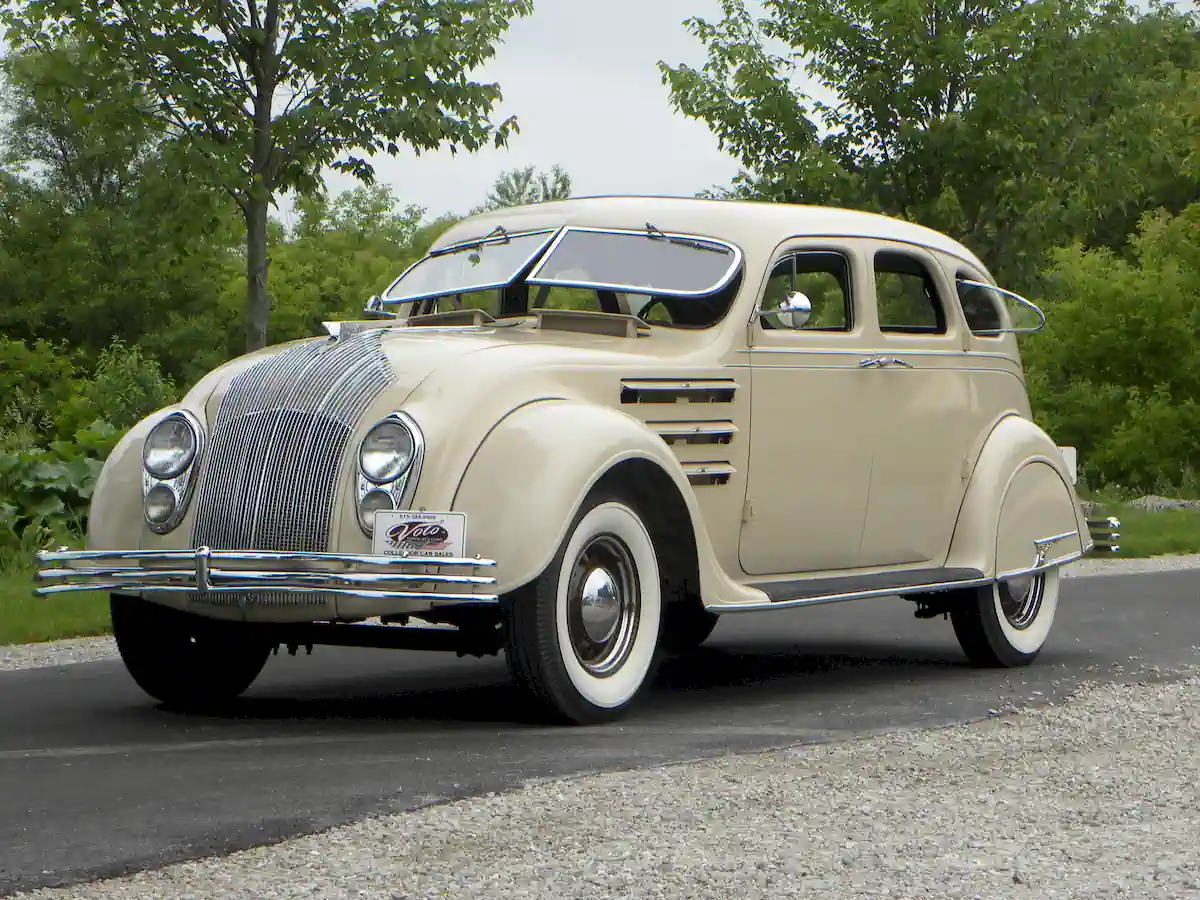
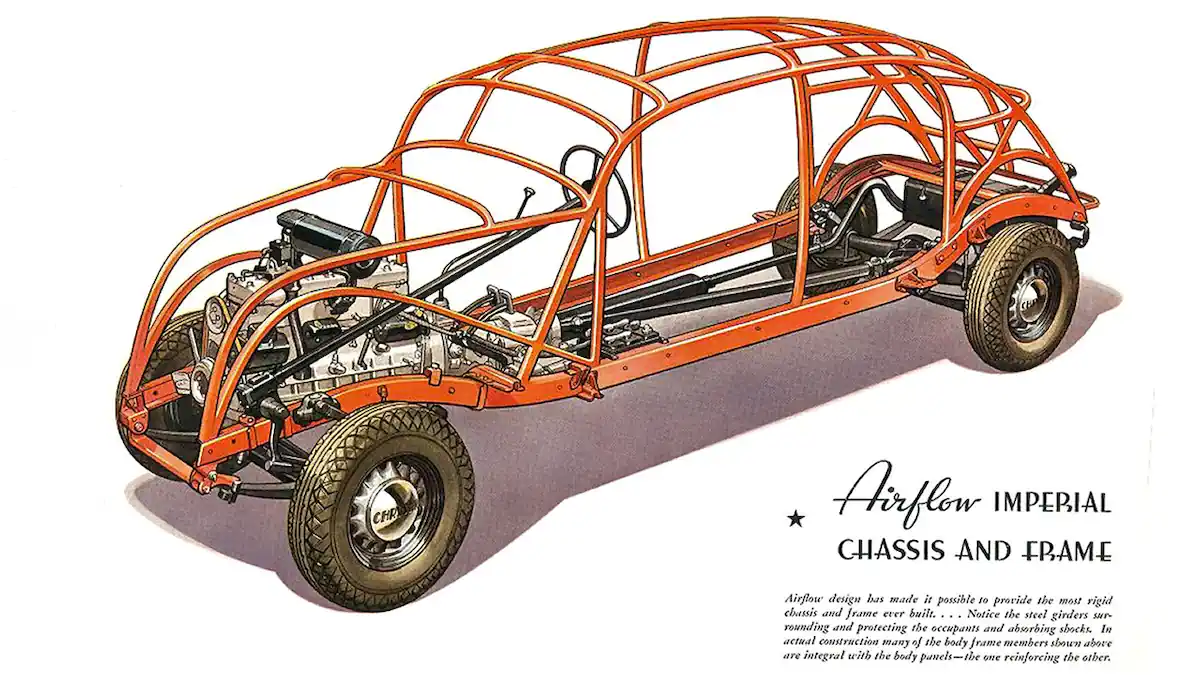
Public reaction was mixed. The design and philosophy were so far removed from the norm that many people simply rejected it. Technically, however, the Airflow was a masterpiece. It featured a unitized all-steel body at a time when most cars used body-on-frame construction with wooden structural elements. That alone was revolutionary.
The interior layout was just as groundbreaking. The passenger cabin was moved forward by about 10 inches compared to traditional Chrysler models, achieving nearly perfect 50/50 weight distribution when fully loaded. The entire cabin also sat within the wheelbase, delivering exceptional ride comfort—especially for rear-seat passengers.
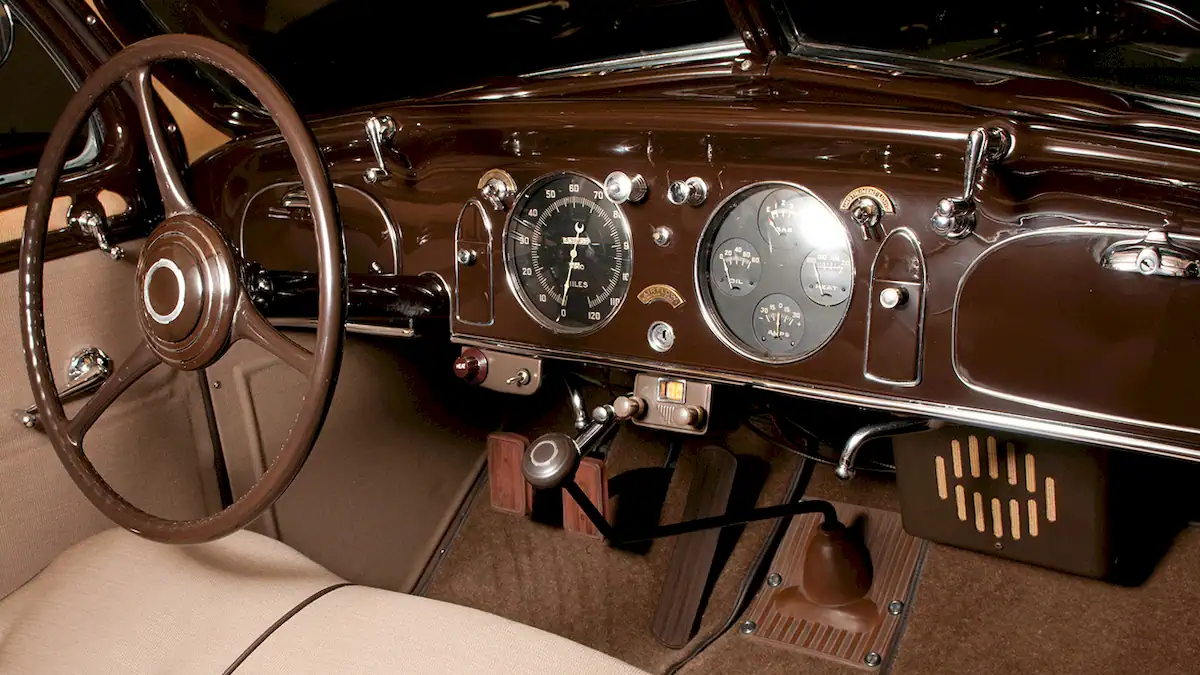
Under the hood, the Airflow offered advanced powertrains for its time. Buyers could choose between two inline flathead eight-cylinder engines: a 301-cubic-inch unit or a 324-cubic-inch version, producing between 122 and 138 horsepower. Both were paired with a three-speed manual transmission.
Since aerodynamics were central to the car’s design, Chrysler showcased its performance accordingly. Testing took place at the Bonneville Salt Flats in Utah. In August 1934, IndyCar driver Harry Hartz set 72 national speed records for production cars. Highlights included a top speed of about 96 mph and a 24-hour average of 84.5 mph.
To further prove its efficiency, Hartz drove from New York to Los Angeles, averaging roughly 18 mpg—an impressive figure for the time.
Despite its unconventional looks, the Airflow did attract buyers—but production problems quickly undermined its success. The complex manufacturing process, which involved extensive welding and new assembly techniques, led to widespread quality issues. Nearly every early car left the factory with defects.
Combined with a relatively high price, these problems drove customers away. Chrysler had planned to sell 35,000 units in the first year but managed only about 10,800. The situation was made worse by the Great Depression, when overall car demand had dropped dramatically.
The commercial failure of the Airflow made Chrysler’s leadership wary of bold experimentation for years. The massive investment didn’t pay off, and the lesson seemed clear: it was safer and more profitable to stick with familiar, proven designs.
That approach continued until the mid-1950s, when Chrysler once again embraced innovation under the direction of legendary designer Virgil Exner. But that’s a story for another time.
You may also be interested in the news:
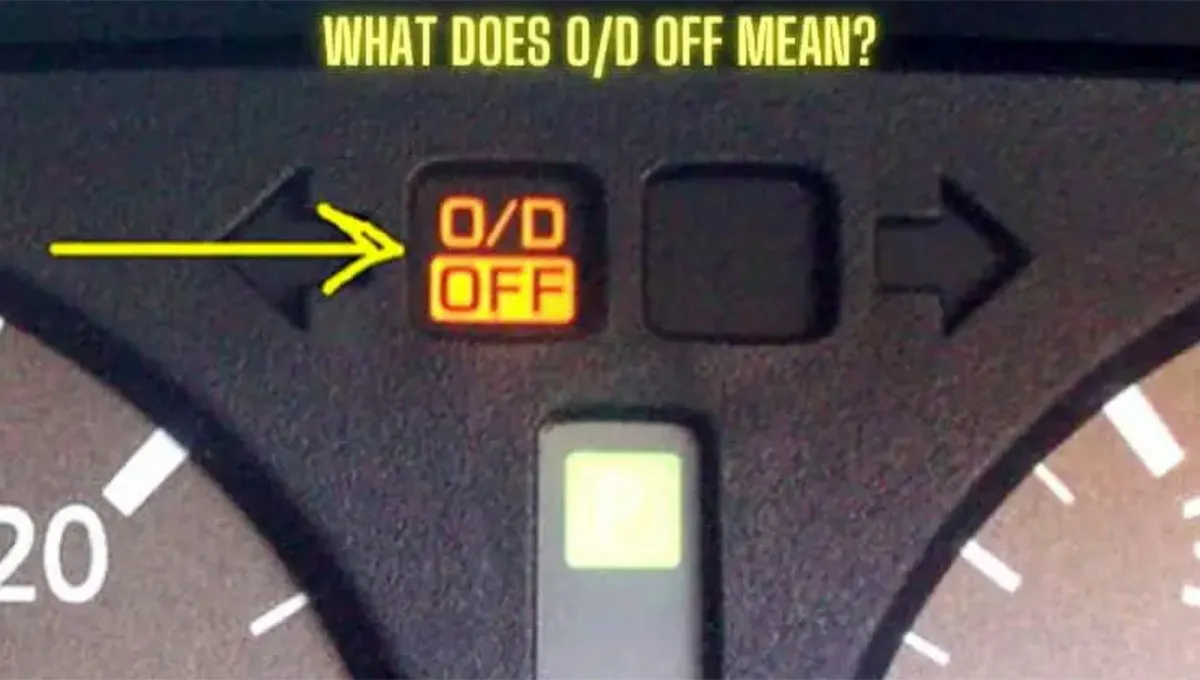
That O/D OFF Button in Your Car Has a Purpose—Here’s When You Actually Need to Press It
That mysterious O/D OFF button isn't a warning of transmission trouble—it can actually make driving easier in specific situations.

Shift Lock Explained: Why Your Automatic Shifter Won’t Move—and Why That’s Actually Good
If your automatic shifter suddenly refuses to move, there’s a good chance your car is protecting you from an accidental gear change.

Honda Is Rethinking Its Future SUVs—and a Massive New Ohio Plant Is Coming
Honda is planning a major Ohio expansion as it shifts its future lineup toward larger hybrid SUVs.

Diesel Prices Just Hit a Record in the U.S.—And the Supply Crunch Could Get Worse
U.S. diesel prices have hit record highs as tightening global supplies raise concerns about further increases.
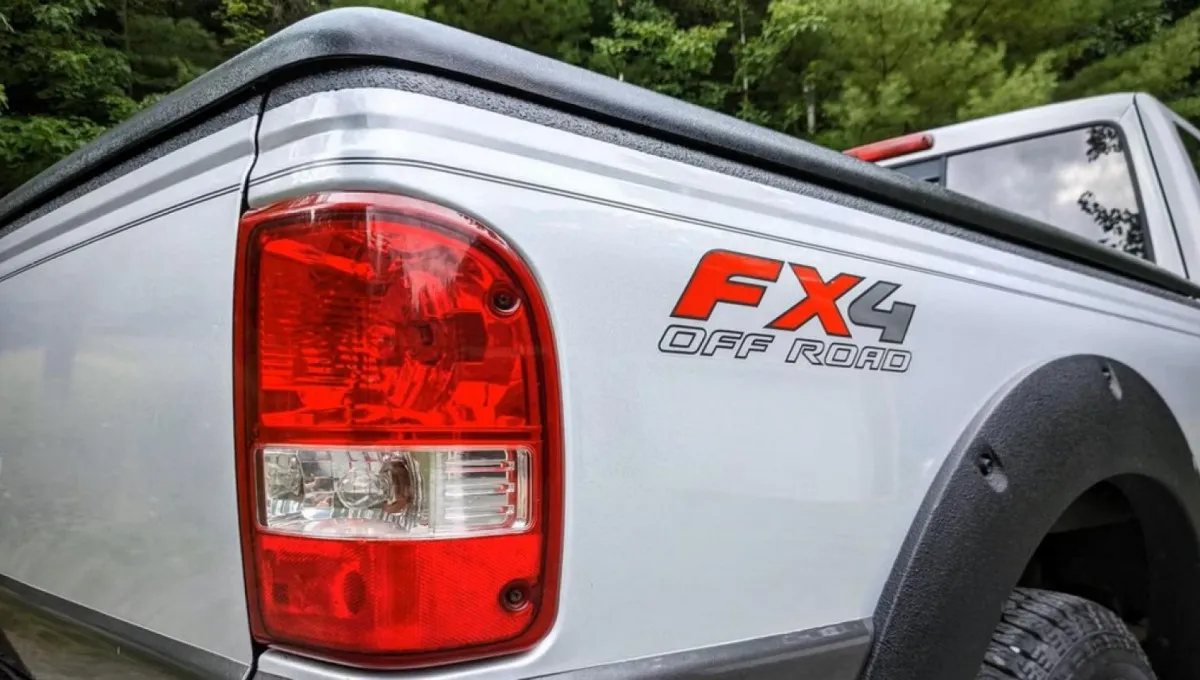
Ford Ranger FX4 Level II Was Cool Long Before the Raptor
Ford Built This Insane Ranger Years Before the Raptor—and Almost Nobody Remembers It