
Hummer H2: From Brutal Military Truck to Rapper Status Symbol
The Hummer H2 transformed from rugged military-inspired SUV into one of the flashiest symbols of the 2000s.

The Hummer H2 remains one of the most controversial vehicles of the 2000s. Its aggressive military-inspired styling often clashed with outrageous aftermarket trends like oversized 25-inch wheels and chrome-heavy custom builds. Over time, the SUV became a symbol of celebrity excess, hip-hop culture, and unapologetic American luxury.
But was the endlessly criticized H2 actually a bad SUV? Not exactly.
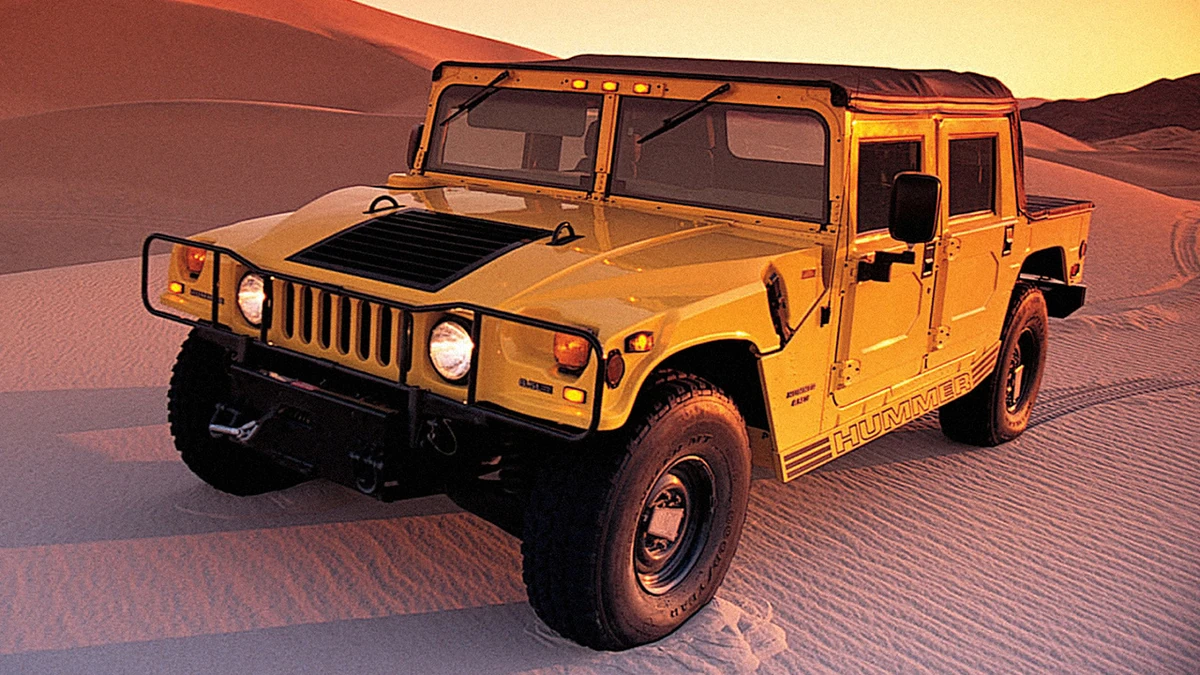
The Military Origins of Hummer
By the late 1970s, the U.S. military realized its aging fleet of light utility vehicles needed replacement. The Army wanted a highly capable off-road platform officially known as the HMMWV — High Mobility Multi-Purpose Wheeled Vehicle.
More than 60 companies initially entered the competition, but only three manufacturers advanced to final testing:
- Chrysler Defense
- Teledyne Continental
- AM General
AM General ultimately won the contract and became the sole supplier of the Humvee for the U.S. military.
For its era, the vehicle was remarkably advanced. It featured fully independent front and rear suspension with double wishbones, portal axles, permanent four-wheel drive, Torsen limited-slip differentials, and a locking center differential.
Power came from General Motors-built gasoline and diesel V8 engines paired with the legendary GM Hydra-Matic 400 three-speed automatic transmission.

Arnold Schwarzenegger Helped Create the Civilian Hummer
One of the key figures behind the civilian Hummer was none other than Arnold Schwarzenegger.
After seeing military Humvees in action, Schwarzenegger reportedly convinced AM General executives to release a civilian version for public sale.
The Humvee first saw combat during the 1989 U.S. operation in Panama, but global fame arrived during the Gulf War. News coverage constantly featured the rugged military truck, and public interest quickly exploded.
That attention led to the launch of the civilian Hummer H1 in June 1992.
The H1 retained much of its military hardware, including:
- Portal axles
- Heavy-duty automatic transmission
- Central tire inflation system
At the same time, it gained creature comforts like air conditioning, upgraded seats, a 12-volt electrical system, and a Monsoon audio setup with a CD changer.
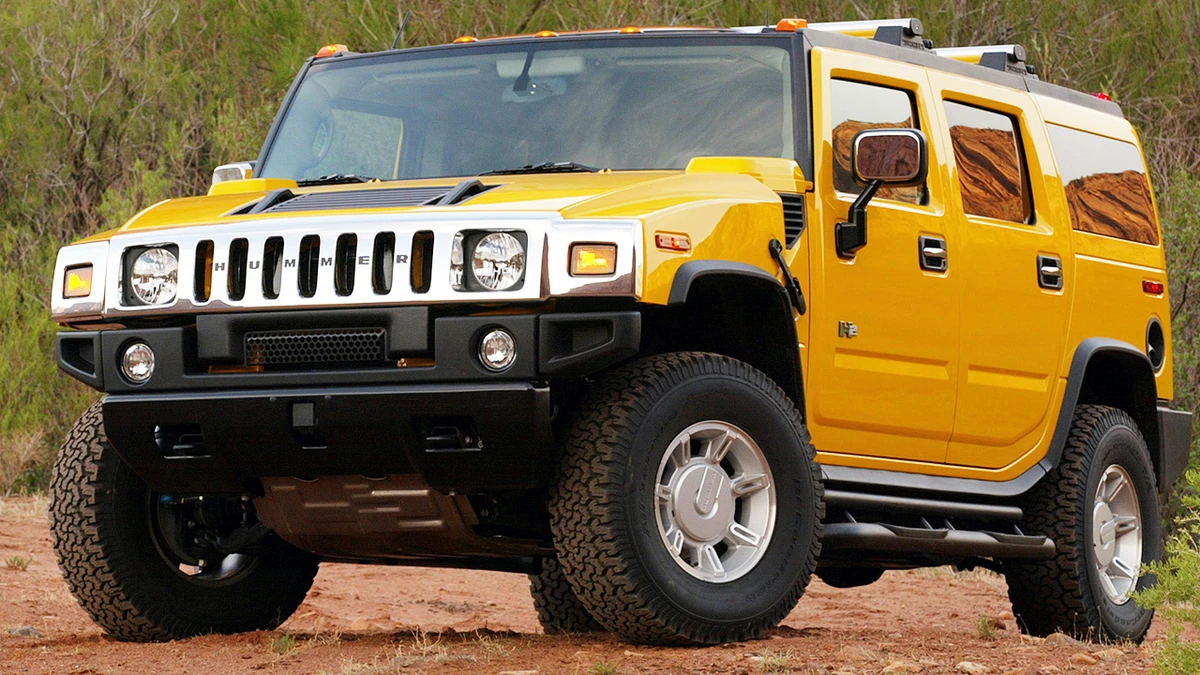
GM Turns Hummer Into a Mainstream SUV
While the H1 attracted attention, it was far too expensive and impractical for mass-market buyers.
AM General, focused mostly on military contracts, had little interest in expanding the Hummer brand. In 1999, the company sold the brand to General Motors.
GM wasted no time developing a more mainstream version.
A design team led by Clay Dean, known for Chevrolet and GMC projects, created a concept vehicle for the 2000 Detroit Auto Show in just five months.
The formula was simple:
- Start with the platform of a Chevrolet Tahoe and GMC Yukon
- Add military-inspired Humvee styling
- Install massive wheels pushed toward the corners of the body
The public loved it.
By April 2002, the Hummer H2 officially entered production.
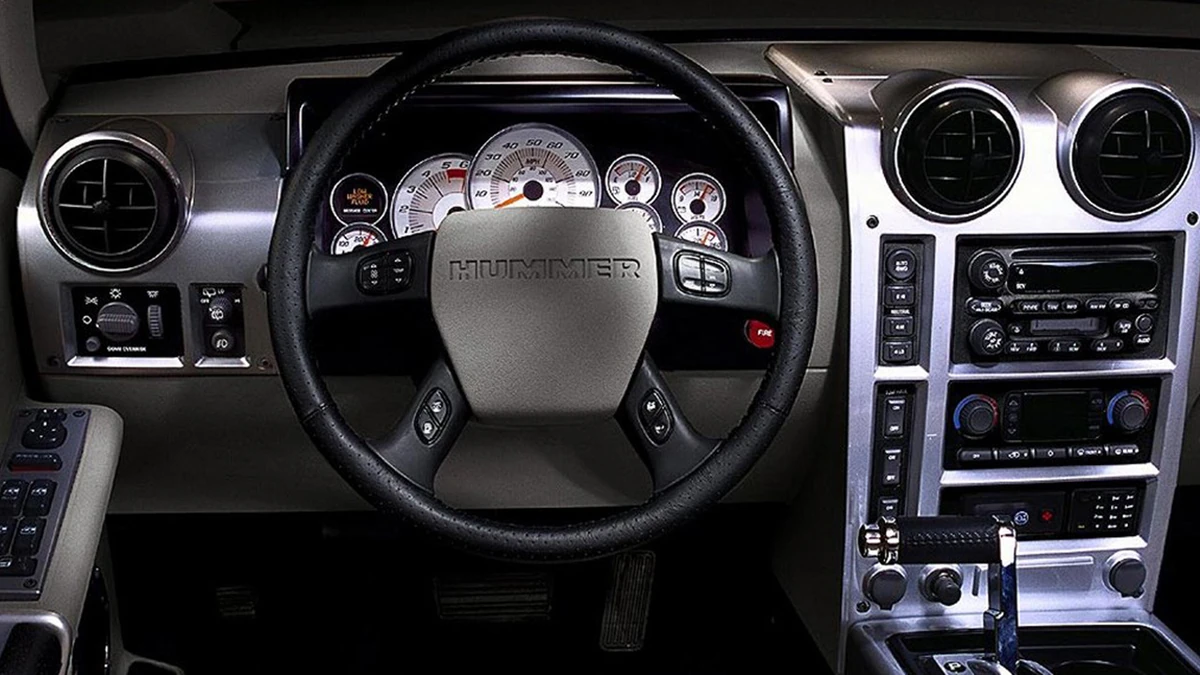
Built Like a Truck
Underneath, the H2 used a heavy-duty steel frame assembled from three separate sections.
The front portion came from the Chevrolet Silverado 2500 pickup, while the rear section borrowed heavily from the Tahoe. The middle frame structure was unique to the H2 and reinforced to support the SUV’s massive 8,000-pound curb weight.
Suspension design reflected its truck roots:
- Independent torsion-bar front suspension from the Silverado
- Solid rear axle with coil springs and four-link setup from the Tahoe
At launch, the H2 used GM’s traditional 6.0-liter pushrod V8 producing 325 horsepower paired with a four-speed automatic transmission.
That setup pushed the SUV from 0-60 mph in roughly 10.7 seconds with a top speed near 100 mph.
In 2008, shortly before production ended, GM updated the H2 with a more modern aluminum 6.2-liter V8 producing 393 horsepower, along with a six-speed automatic transmission.
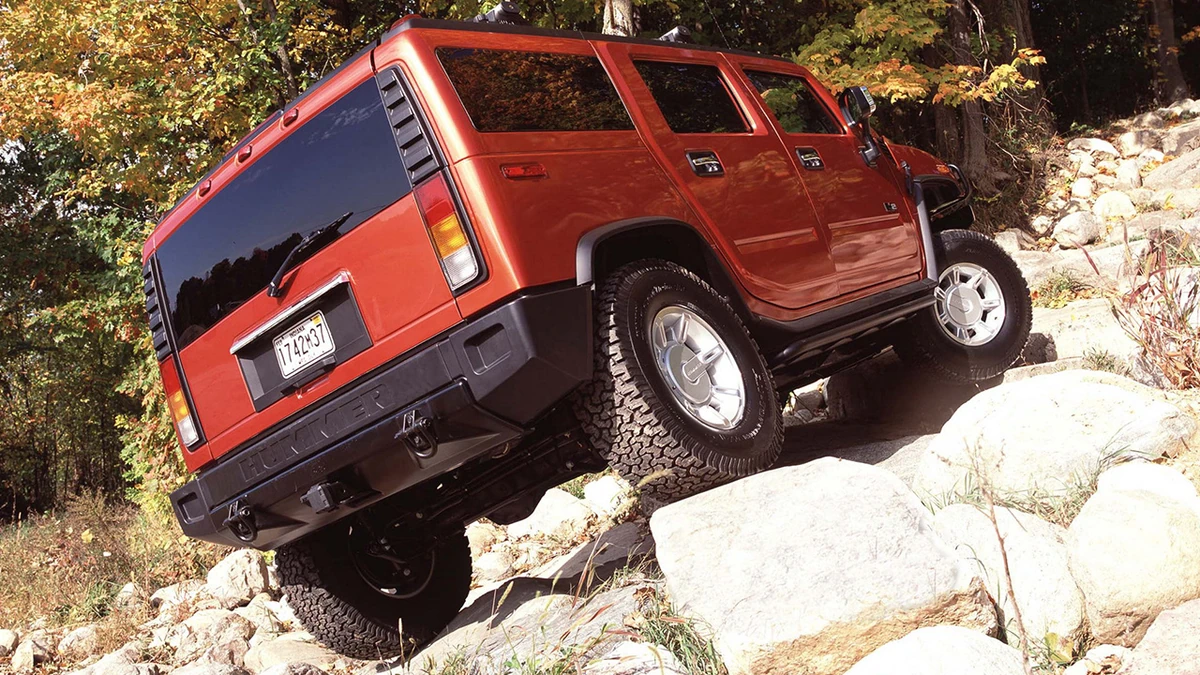
Surprisingly Capable Off-Road
Unlike the original H1, the H2 dropped the military-style central tire inflation system. Even so, its off-road hardware remained impressive.
Drivers could select several transfer-case modes, including:
- High Open
- High Locked
- Low Locked
- Neutral for towing
The system allowed locking of the center differential and low-range gearing for serious trail use.
The SUV Rappers Made Famous
Ironically, most H2 buyers rarely cared about its off-road capability.
The SUV became wildly popular among rappers, athletes, celebrities, and luxury customizers thanks to its enormous size and intimidating appearance.
That image eventually turned the H2 into a cultural stereotype — flashy, oversized, and impossible to ignore.
Still, despite its fame, sales remained fairly modest by GM standards.
Over its entire production run, roughly 153,000 Hummer H2 SUVs were sold in the United States.
For comparison, the mechanically related Chevrolet Tahoe often matched those numbers in a single year alone.
In many ways, the Hummer H2 became less about utility and more about attitude — and that’s exactly why people still remember it today.
You may also be interested in the news:
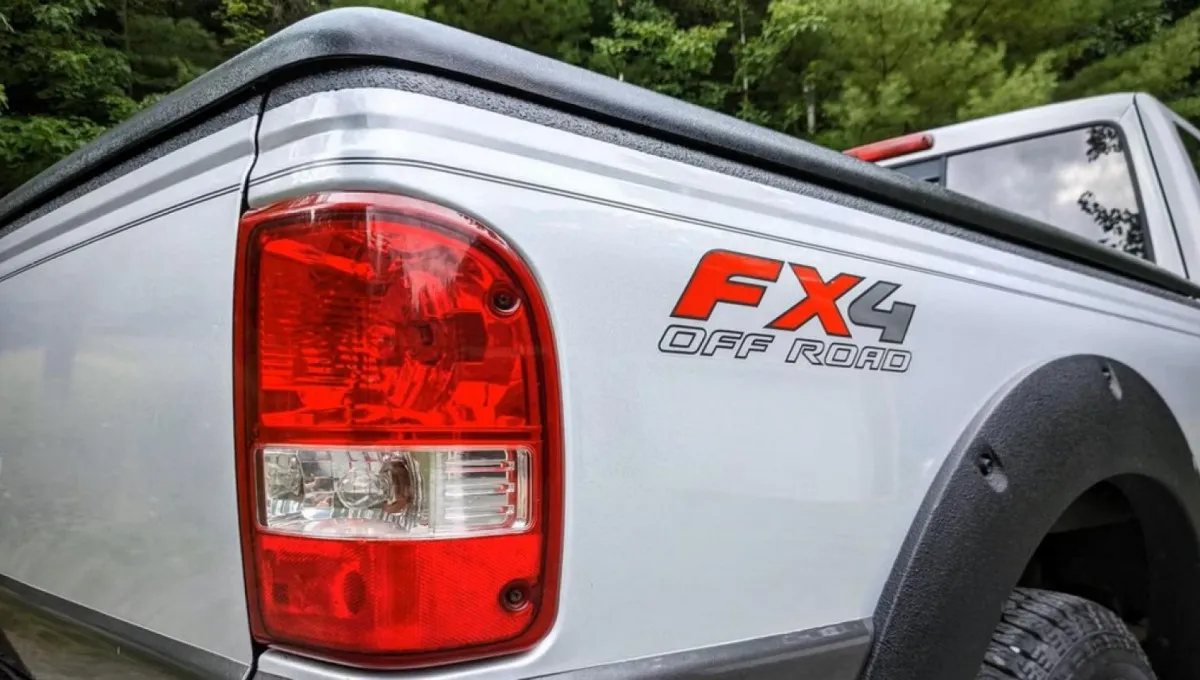
Ford Ranger FX4 Level II Was Cool Long Before the Raptor
Ford Built This Insane Ranger Years Before the Raptor—and Almost Nobody Remembers It
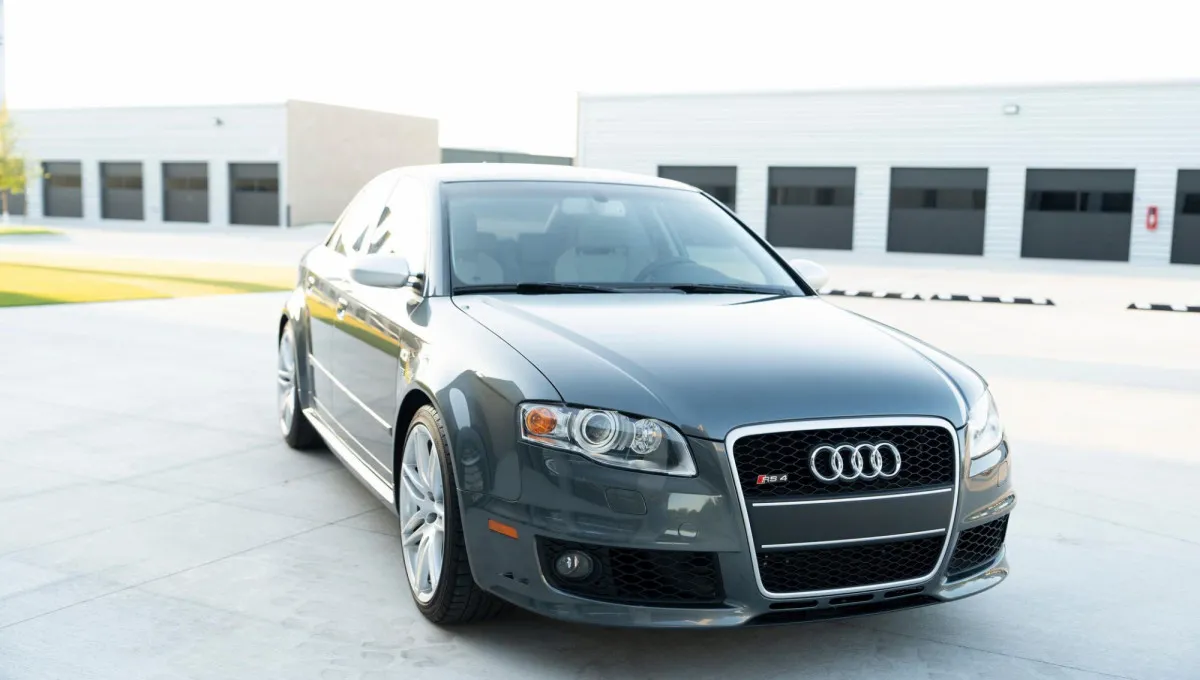
This 18-Year-Old Audi RS4 Just Sold for More Than It Cost Brand-New
After spending 18 years in a garage, this low-mileage Audi RS4 has become a sought-after collector car.
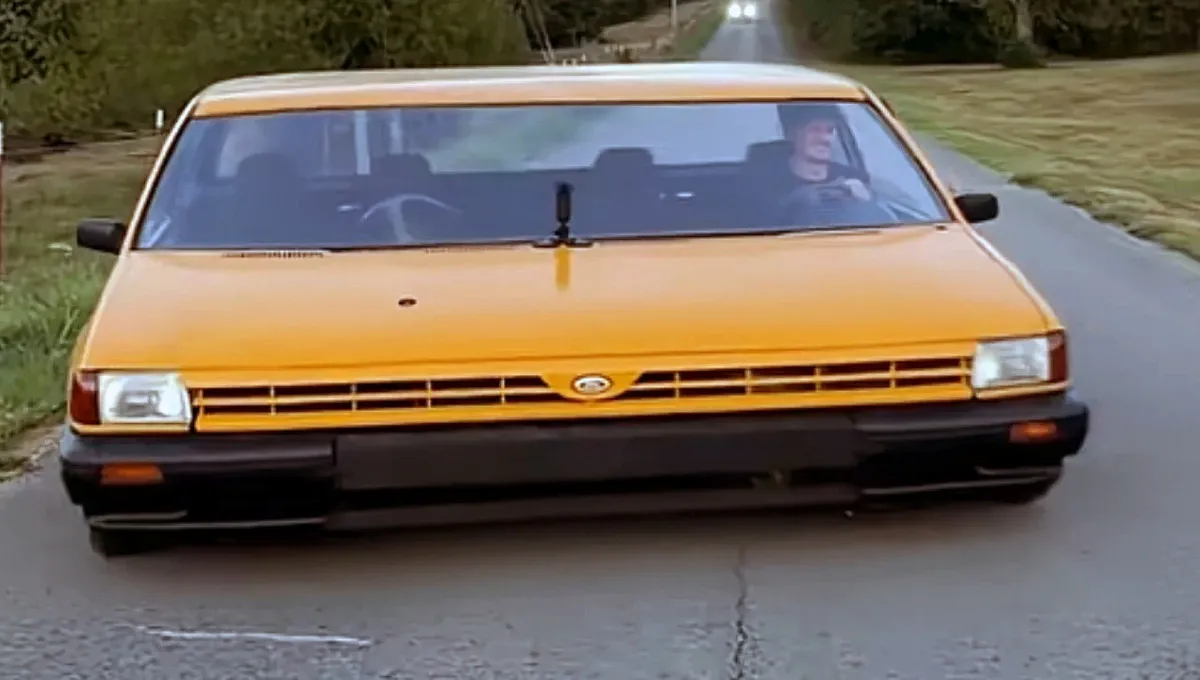
Tennessee Man Builds an Absurdly Wide Car Where Everyone Gets to Ride Shotgun
Tennessee creator Tyler Fever built an absurdly wide car after previously turning a Ford Festiva into a street-legal sliver.

Washington Man Steps in Front of Tesla Cybercab to Test Its Self-Driving Response
Washington man stepped into a Cybercab’s path to test how quickly its autonomous system responded.
Copart to Acquire ACV Auctions in $1.9 Billion Deal, Expanding Into Dealer-to-Dealer Car Auctions
Copart is acquiring ACV Auctions for about $1.9 billion, expanding its online auction business into dealer-to-dealer vehicle sales.