
Mechanics Often Make This Mistake: Should You Lubricate Wheel Bolts When Installing Wheels?
Using lubricant on wheel bolts may seem helpful, but it can actually create serious safety risks.
Lubricants are commonly used in vehicle maintenance. They make disassembly easier and help prevent parts from seizing. That’s why some drivers consider applying grease to wheel bolt threads, hoping it will make future wheel removal easier.
However, most automakers clearly state in their service guidelines: wheel bolts or studs should not be lubricated. Despite that, many drivers believe a thin layer of grease will prevent issues during the next tire change. This idea often comes up during seasonal tire swaps, when bolts can be difficult to loosen. Threads may seize over time, requiring significant force to remove the wheels.
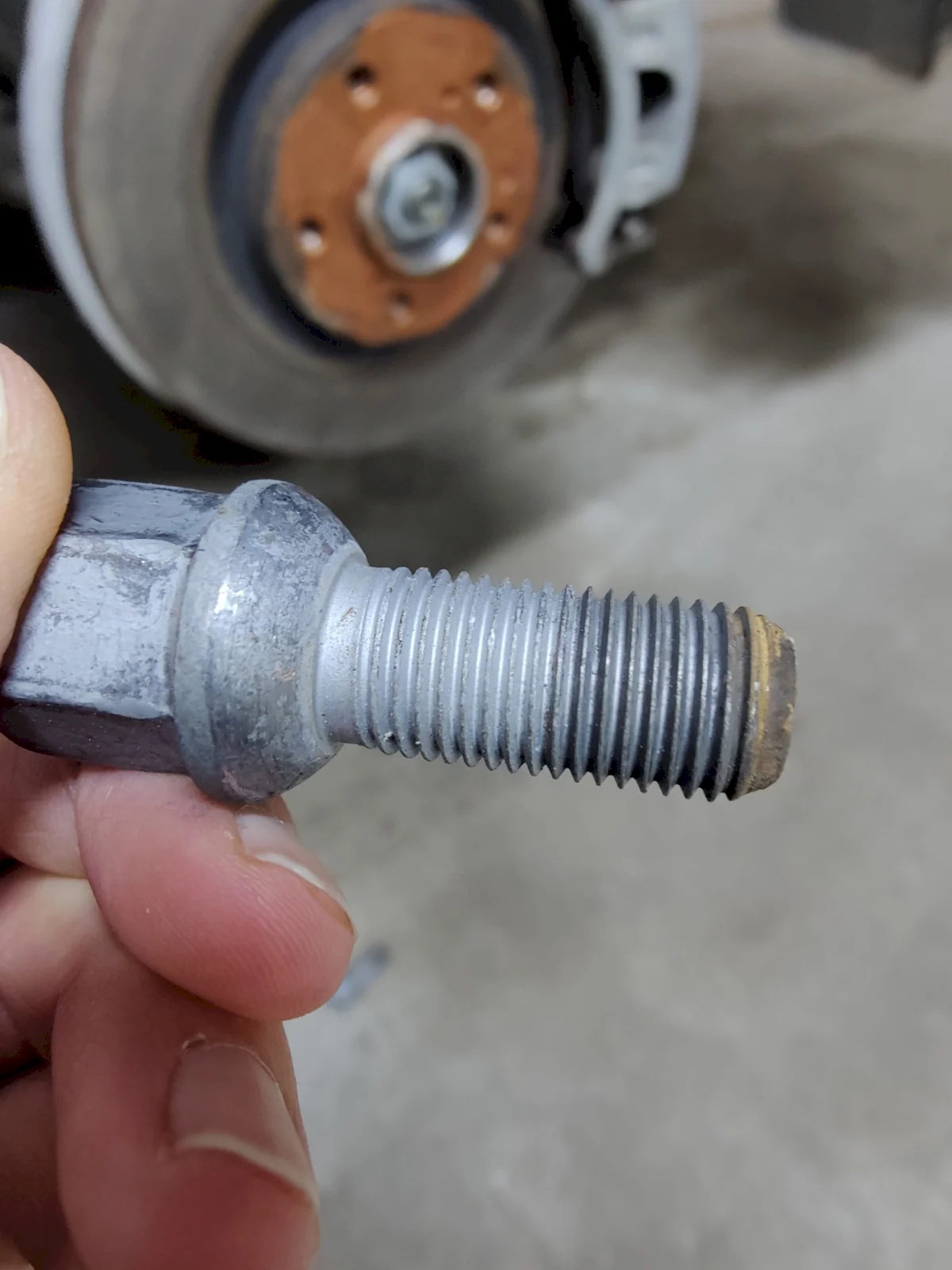
But lubrication can actually create the opposite problem. It changes the friction between threads, which can lead to improper tightening torque. As a result, the wheel may not be secured properly. That’s why manufacturers recommend installing wheel bolts on clean, dry threads.
If bolts are hard to remove, the issue usually isn’t a lack of lubrication. More often, it’s exposure to the elements. Wheel bolts are constantly subjected to water, dirt, and road chemicals. Over time, this leads to corrosion. In addition, the conical seat of the bolt can press tightly against the wheel, making it feel “stuck.”
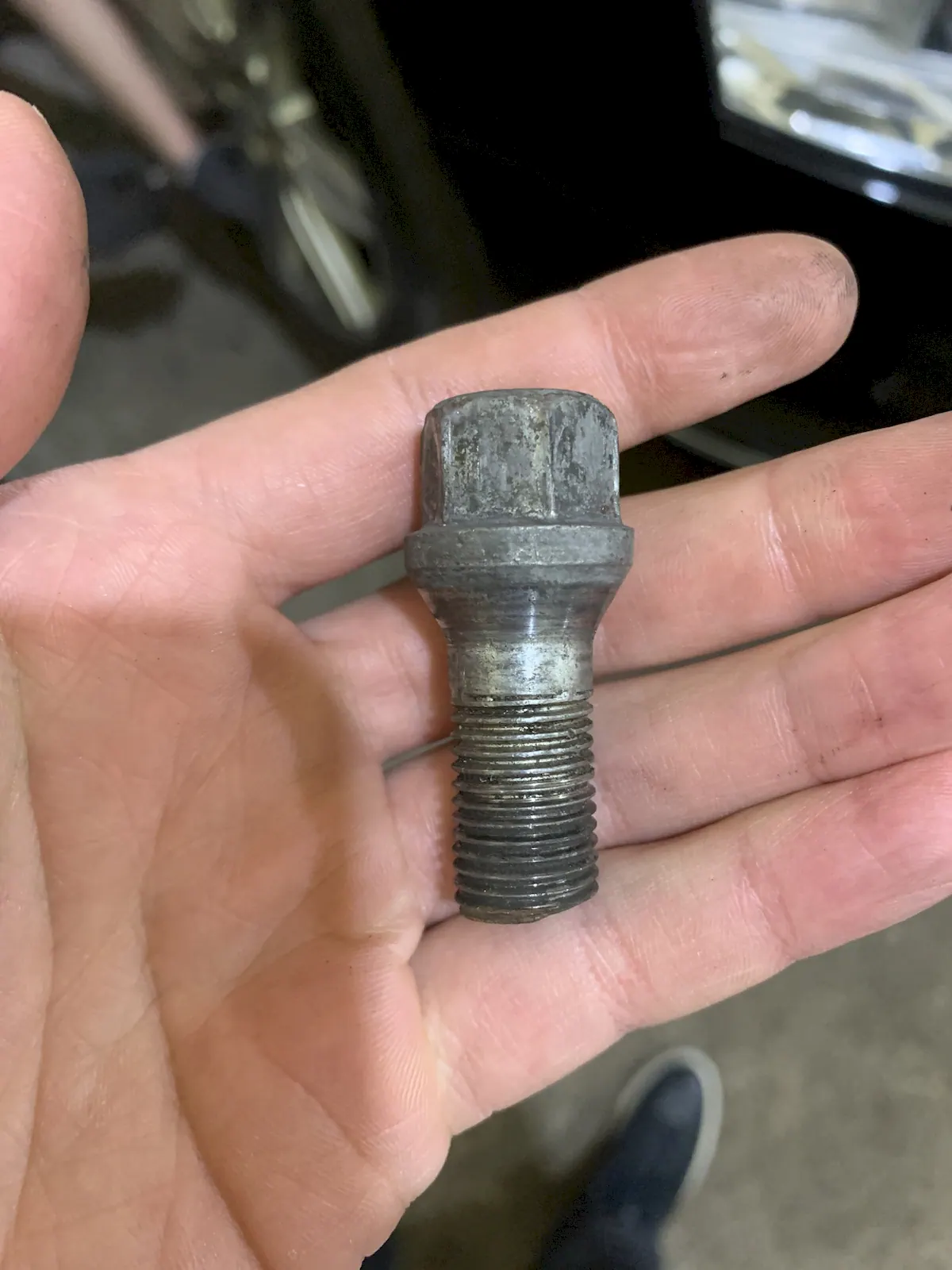
Another common reason wheels are difficult to remove is overtightening. When bolts are tightened beyond spec, the threads can deform. This often happens when high-powered impact wrenches are used at tire shops, or when drivers tighten bolts without monitoring torque.
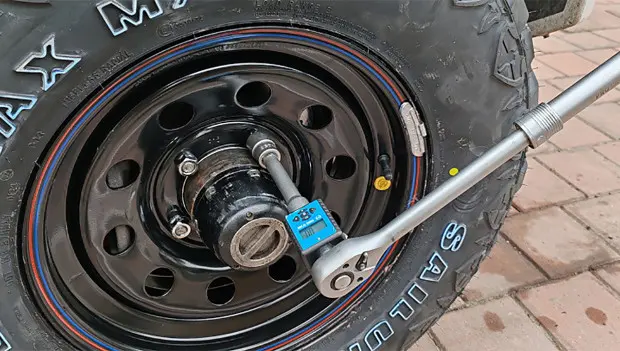
Proper torque is critical during installation. For most passenger vehicles, recommended torque falls roughly between 74 and 103 lb-ft, though the exact value depends on the specific vehicle and wheel size.
Avoid extremes when installing wheels. Under-tightening can cause bolts to loosen over time, while over-tightening can damage threads and make future removal difficult. The best approach is to follow manufacturer specs and use a torque wrench to verify proper tightening.
Lubricant on wheel bolts is not your friend. While driving, wheels are constantly exposed to stress and vibration. If grease is present on the threads or the seating surface, reduced friction can allow the bolts to gradually loosen, compromising safety.
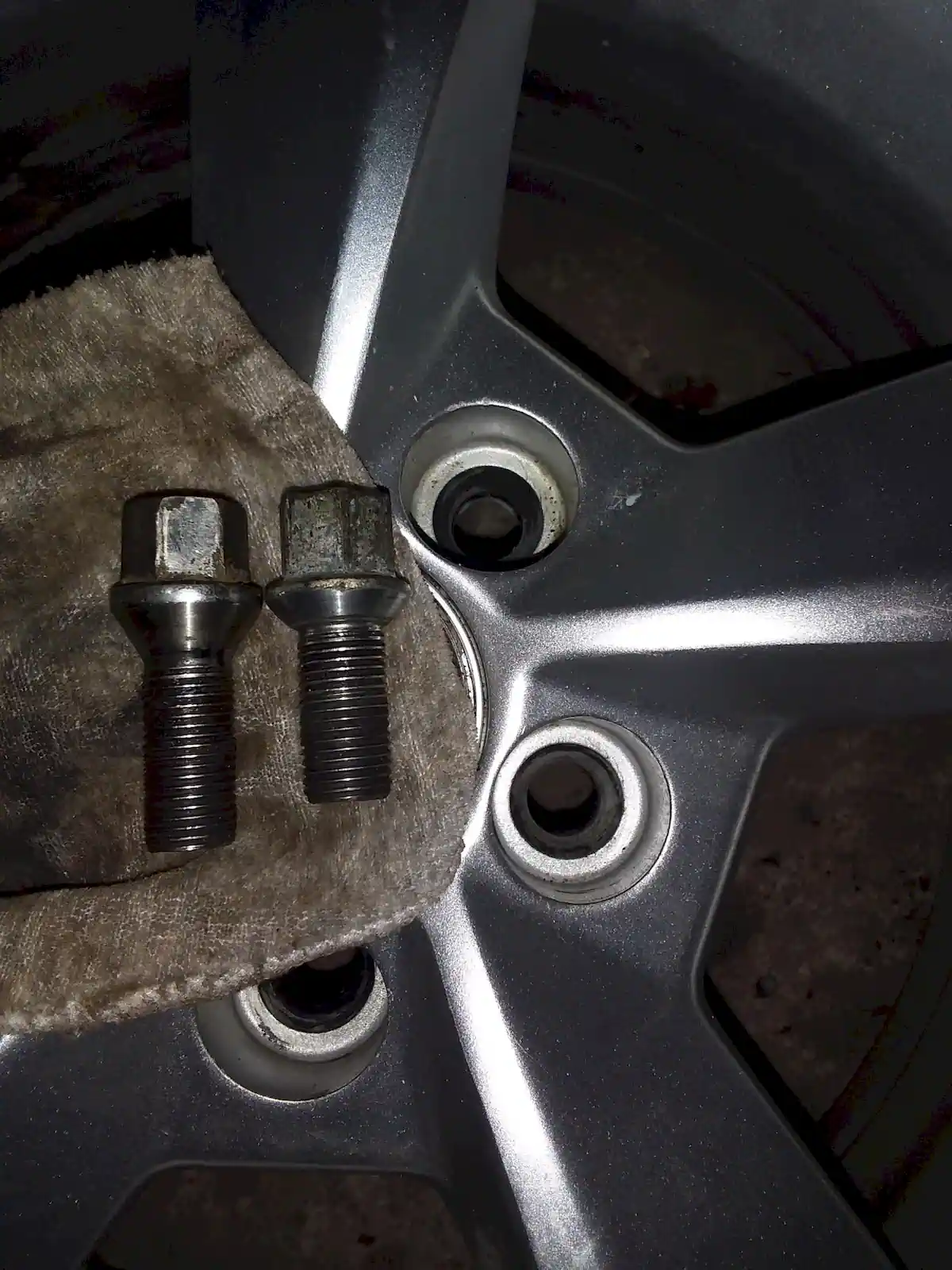
There’s another factor many overlook: heat. The wheel hub sits close to the braking system, where temperatures can get very high. Common lubricants can dry out or harden under heat, making bolts even harder to remove later. That’s why general-purpose greases aren’t recommended for wheel bolts—especially on the seating surface.
In some cases, a small amount of specialized lubricant may be used if bolts are old and their protective coating is worn. Graphite-, copper-, or molybdenum-based compounds are typically used—but only in very small amounts and strictly on the threads, keeping the seating surface completely dry.
You may also be interested in the news:
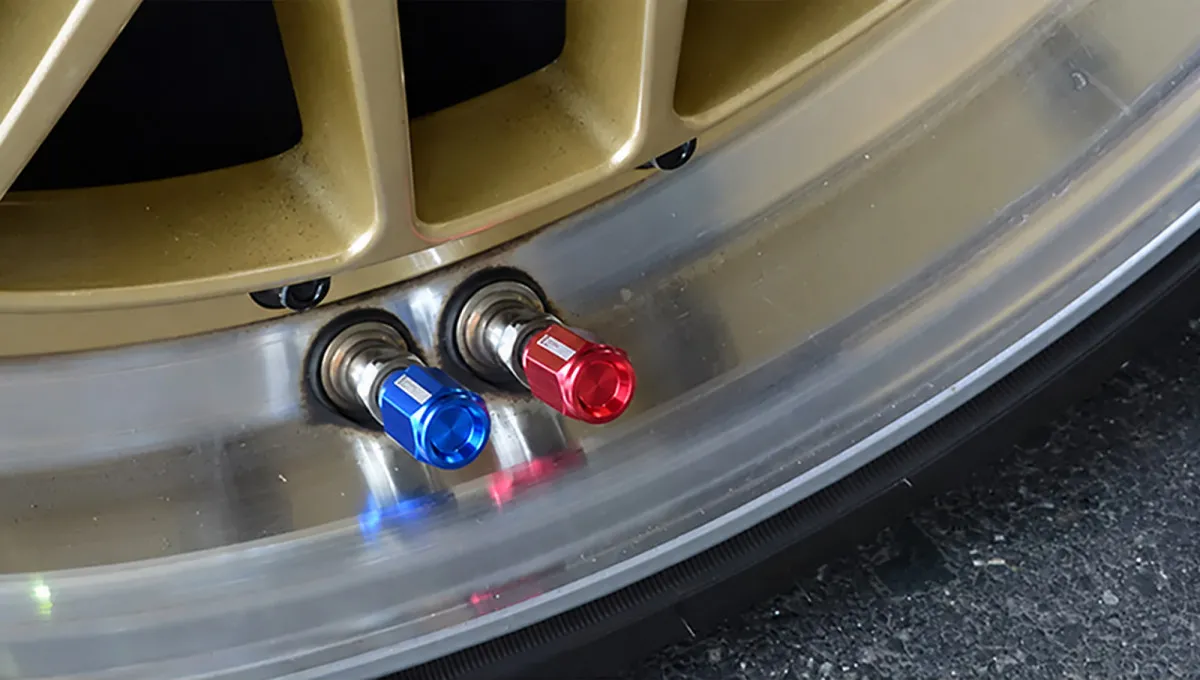
Not a Manufacturing Error: Why Some Wheels Have Two Valve Stems
Two valve stems on one wheel may look unusual, but the setup serves a practical purpose in racing and specialized tire service.
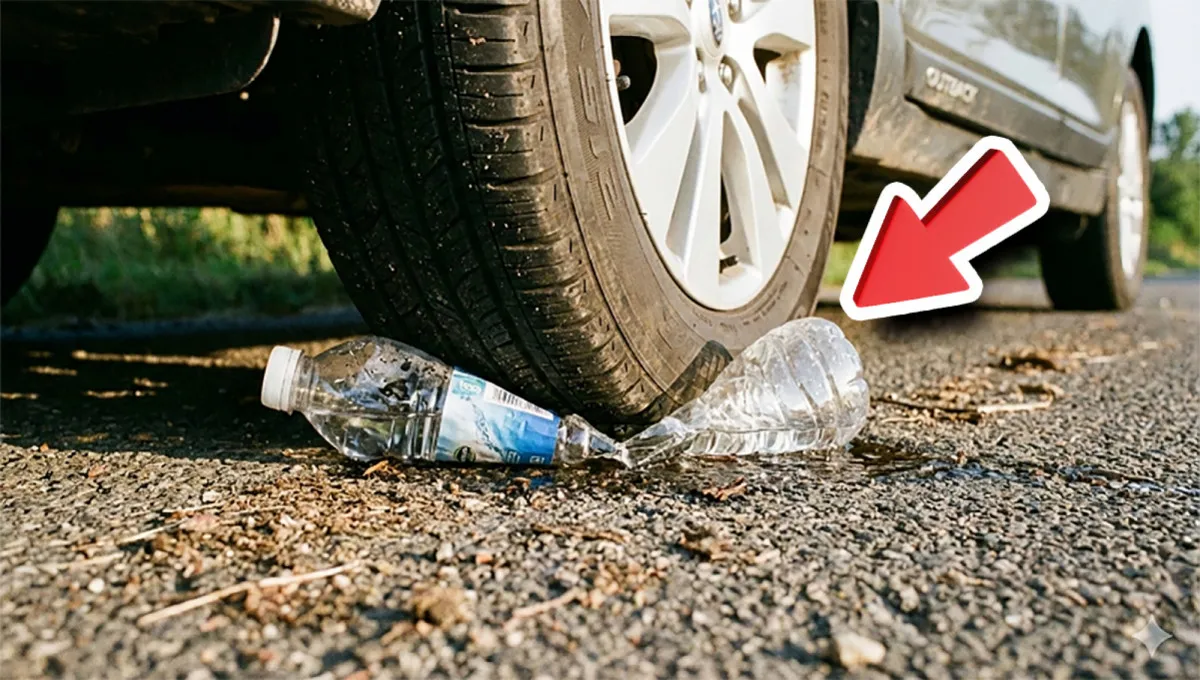
Bottle Under the Tire: The New Roadside Scam Targeting Drivers
A new roadside scam is gaining traction, using a simple plastic bottle to trick unsuspecting drivers.
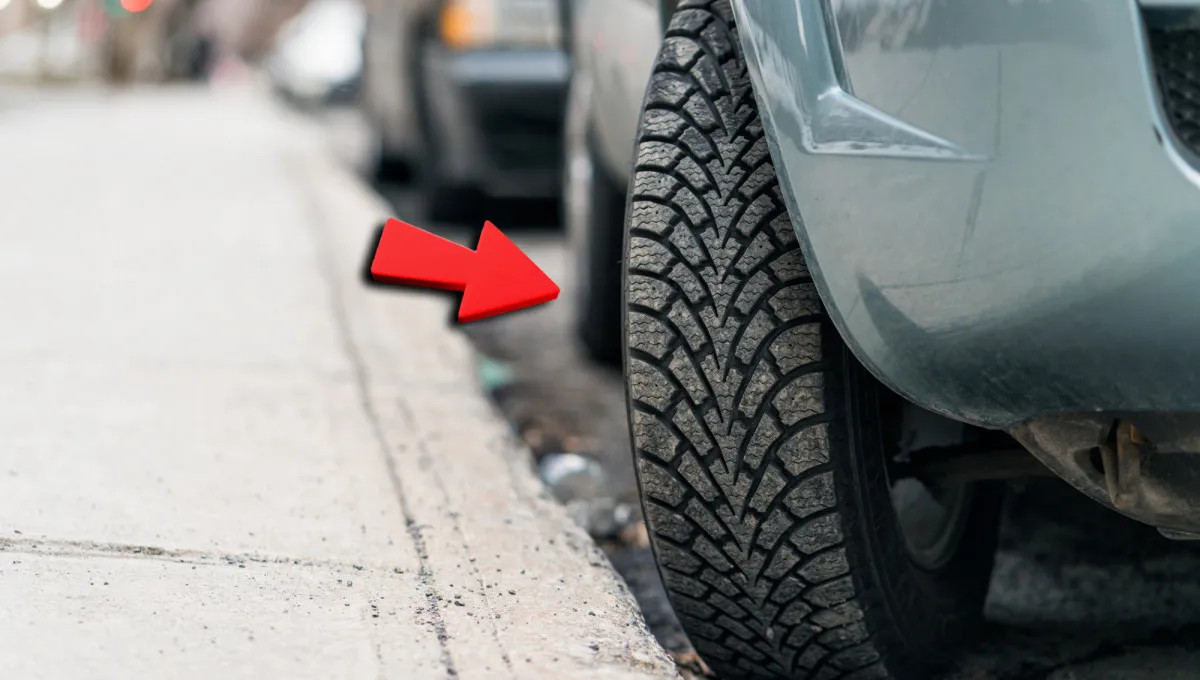
Why Your Neighbor Always Parks With the Wheels Turned: An Auto Expert Explains Three Reasons
Straight wheels aren’t always the smartest choice: experienced drivers turn them for three practical reasons you may not expect.
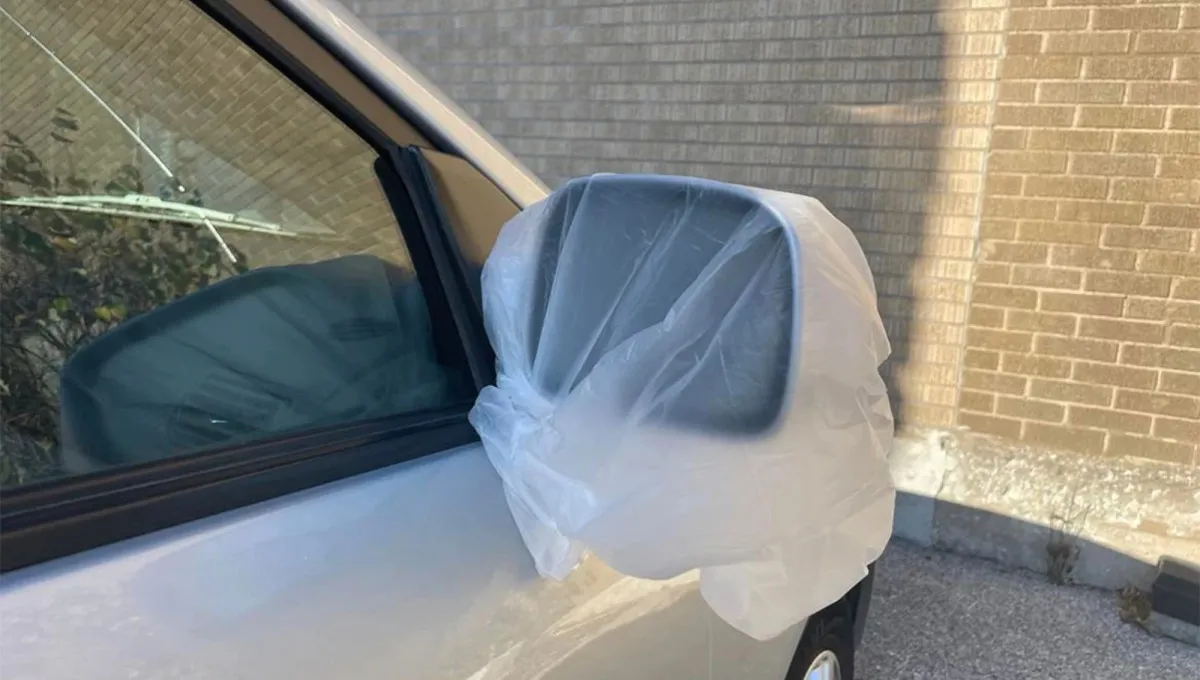
Why You Should Never Ignore a Plastic Bag on Your Car Mirror
You park your car, head inside, and return a short time later to find an ordinary plastic bag hanging from the side mirror.

Auto Expert Warns Drivers About Common Mistakes When Installing a Roof Cargo Box
Roof cargo boxes have become increasingly popular with drivers looking for an easy way to carry more gear on road trips.