
The Era of Humanoids: BMW Expands Use of Human-Like Robots at Its Factories
BMW is preparing to introduce humanoid robots into production at its Leipzig plant.
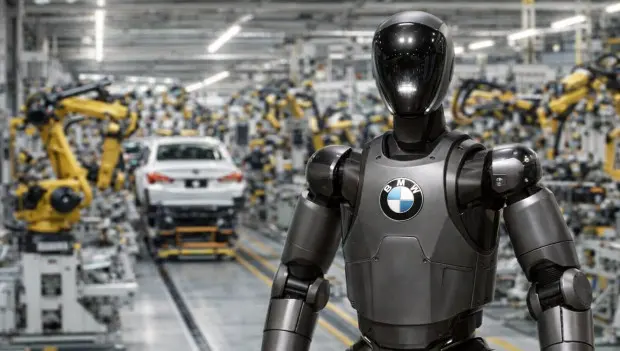
German automaker BMW has announced a strategic expansion of its humanoid robotics program across its manufacturing facilities.
Following the successful completion of a testing phase in BMW Spartanburg Plant in South Carolina, a new group of two-legged robotic assistants is now preparing to deploy to the company’s factory in Leipzig, Germany. The goal is to evaluate how artificial intelligence can be integrated into European production lines.
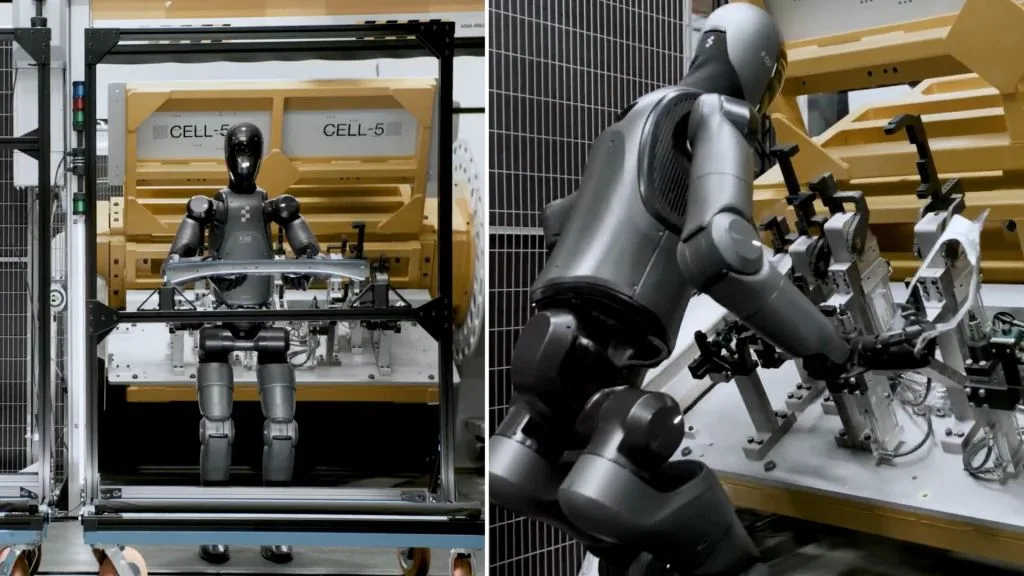
During the pilot program in South Carolina, robots of the Figure 02 model demonstrated their ability to operate in real industrial conditions. Over 11 months of testing, several android units helped assemble more than 30,000 vehicles, primarily the BMW X3 crossover.
The robots worked 10-hour shifts, limited mainly by battery capacity. In total, they traveled more than 320 kilometers (200 miles) across the factory floor and moved over 90,000 individual parts.
Milan Nedeljković, a member of the board of management at BMW AG, said the project proved that robots can safely perform complex repetitive tasks with millimeter-level precision. He also highlighted their rapid adaptability, noting that movements trained in laboratory environments were transferred almost instantly to real production shifts.
In Germany, BMW plans to deploy systems based on the Hexagon Robotics AEON platform as part of its broader Smart Robotics ecosystem.
Despite the technological optimism, experts point out that the widespread use of humanoid robots still faces limitations. Automakers increasingly position themselves as technology companies, which boosts market valuation, but the real scale of humanoid deployment remains modest for now. In addition to BMW, similar technologies are being tested by Mercedes-Benz and Hyundai, while Tesla continues developing its own humanoid project, Tesla Optimus.
The growing use of humanoid robots has also raised concerns among labor unions. For instance, the German union IG Metall and several South Korean labor groups warn about potential risks to employment. While Mercedes-Benz maintains that robots will primarily relieve workers of monotonous and physically demanding tasks, unions are calling for transparent negotiations regarding automation.
Questions also remain about maintenance costs, energy consumption, and whether machines can match human endurance in the long term. Nevertheless, analysts predict that the humanoid robotics industry could become a multi-trillion-dollar market within the next decade, making it a key component of the future of manufacturing.
You may also be interested in the news:
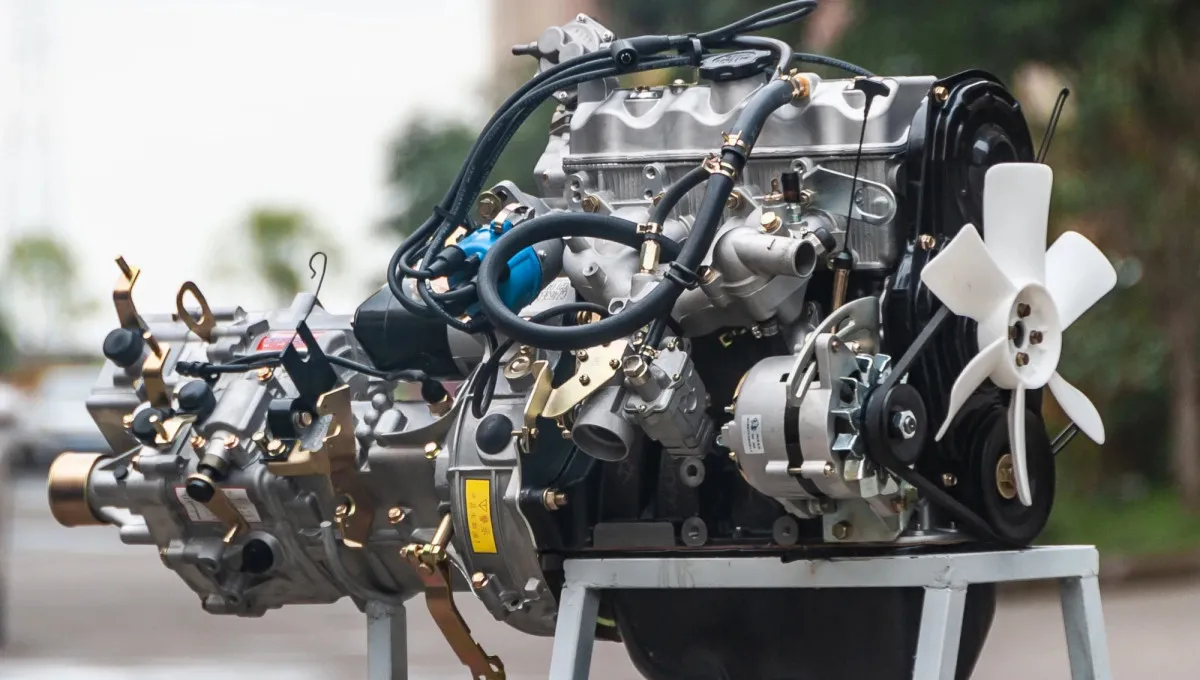
“Are You Sure It’s Chinese?” Who Really Builds China’s Car Engines
Who Really Develops China’s Car Engines?
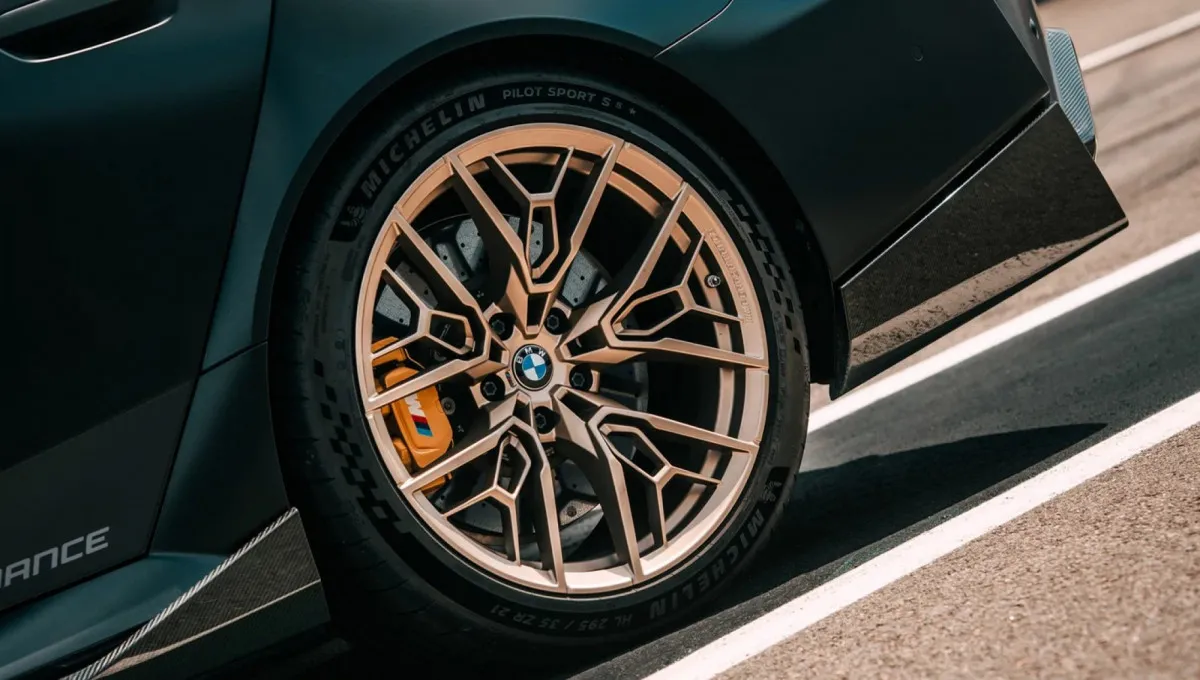
BMW Develops Ultra-Lightweight Wheels for the M5
BMW's new high-pressure cast wheels promise lower weight, improved strength, and more aerodynamic designs when they arrive this fall.
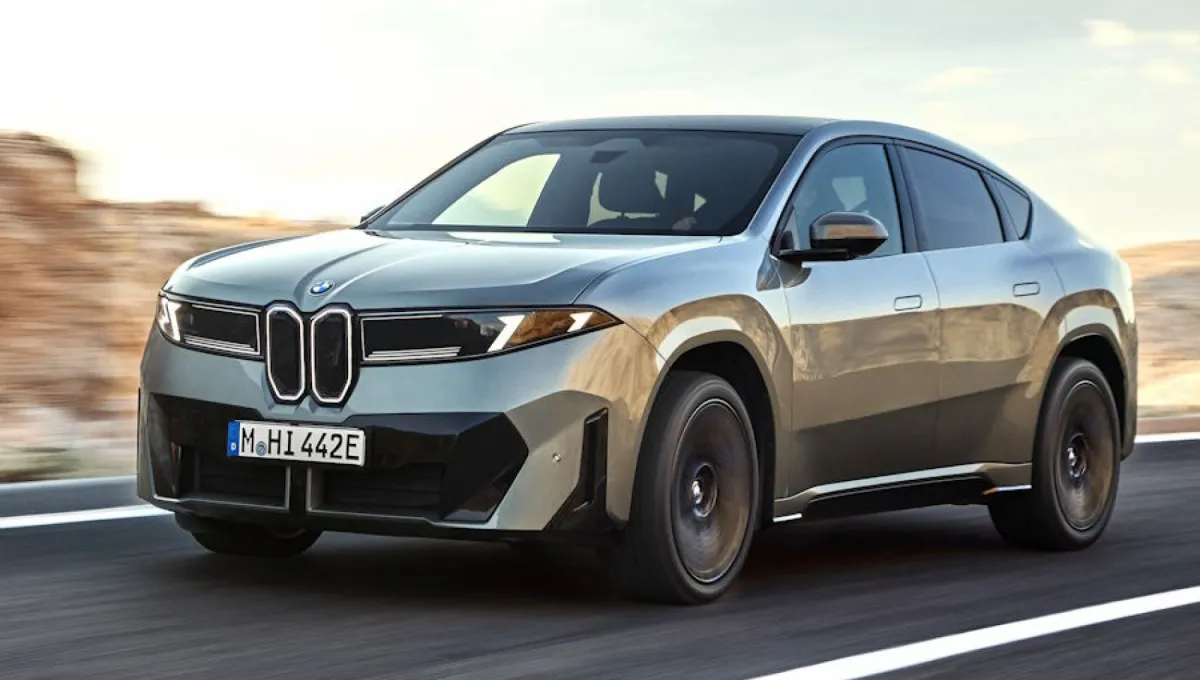
BMW Adds Another Electric SUV: Meet the New iX4
BMW has unveiled the all-electric iX4, a new SUV coupe arriving in 2027, with European pricing already announced.
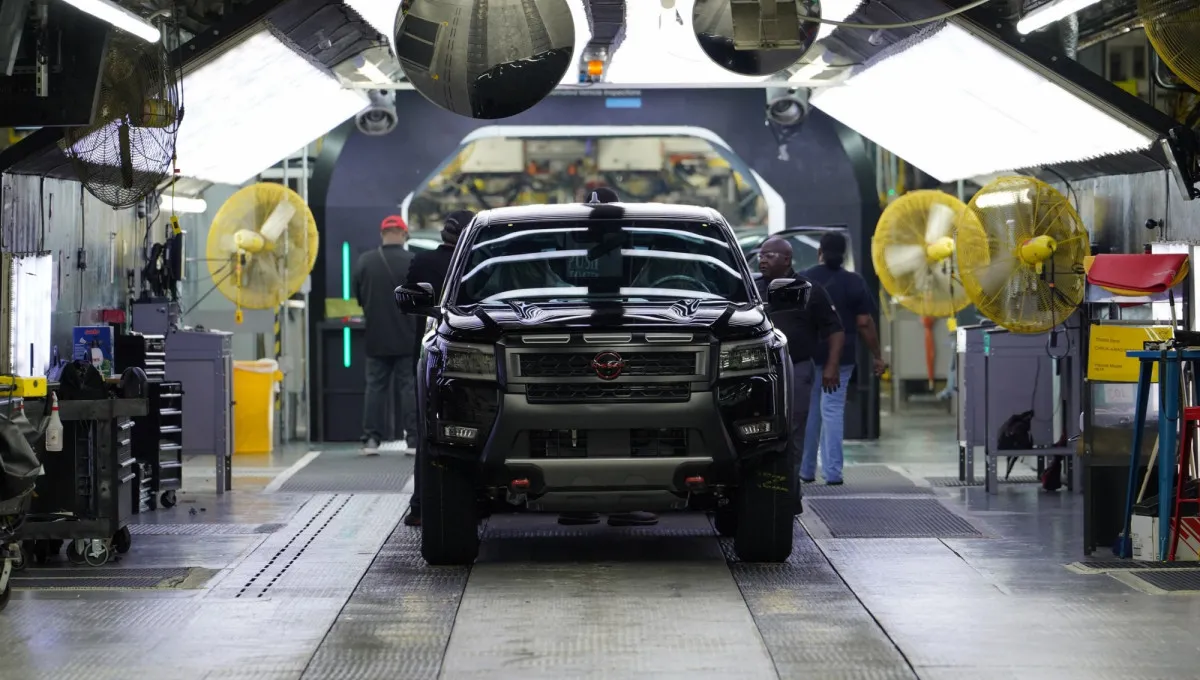
Nissan Restarts US-Made Murano, Pathfinder, Frontier Sales in Canada
Nissan resumed Canadian sales of three U.S.-built models, but tariffs keep supply below earlier levels.
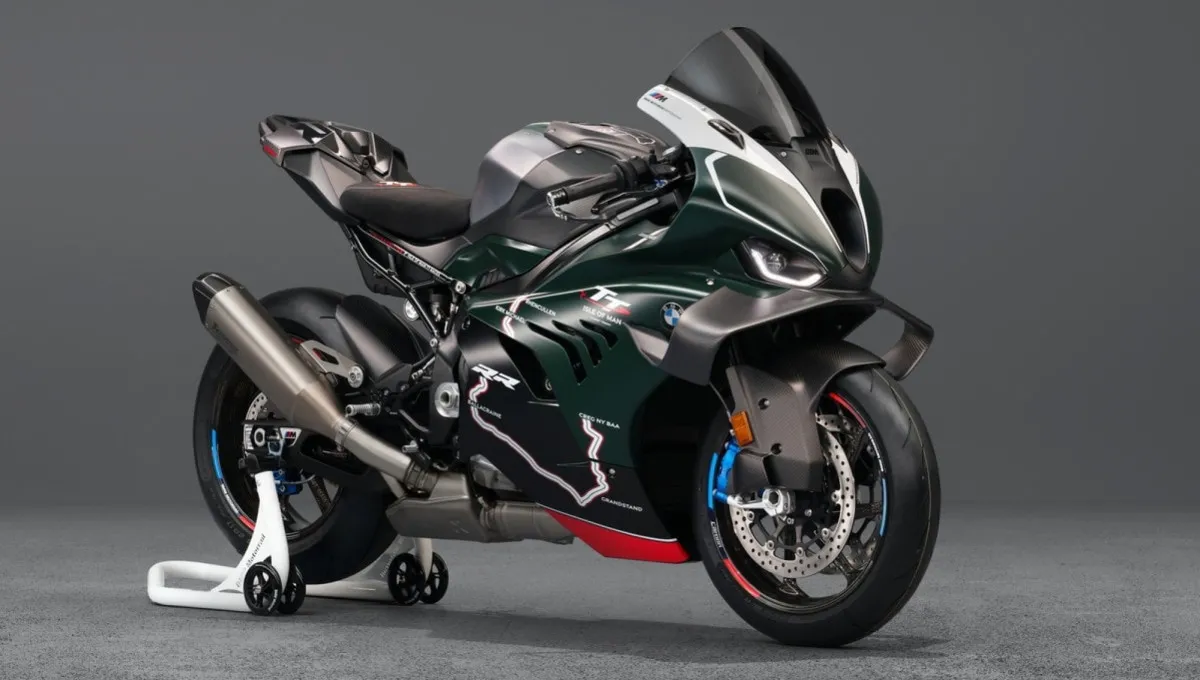
BMW’s $50,000 M 1000 RR Isle of Man TT Edition Is Coming to the U.S. With Just 115 Bikes Built
BMW is bringing a limited-edition M 1000 RR to America, with just 115 motorcycles available worldwide.