
BMW Introduces New Ignition Technology for 2026 M2, M3, and M4
BMW’s new M Ignite system brings Formula 1-inspired combustion technology to future performance cars without sacrificing power or driving character.
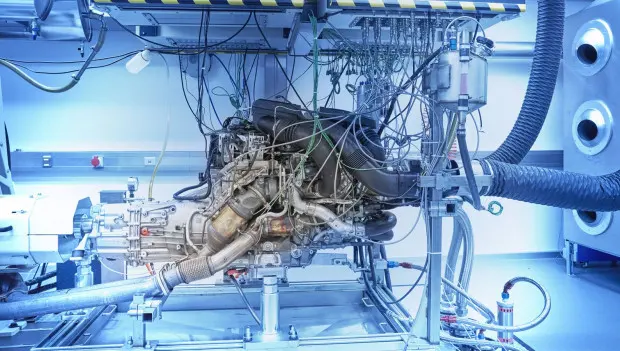
BMW is preparing a major upgrade for its high-performance M lineup with the debut of a new ignition system called M Ignite. The technology is expected to appear for the first time on the 2026 BMW M2, BMW M3, and BMW M4, bringing motorsports-derived engineering into production vehicles.
The company says the new setup is designed to improve fuel efficiency and reduce emissions while maintaining the power and responsiveness drivers expect from BMW M cars.
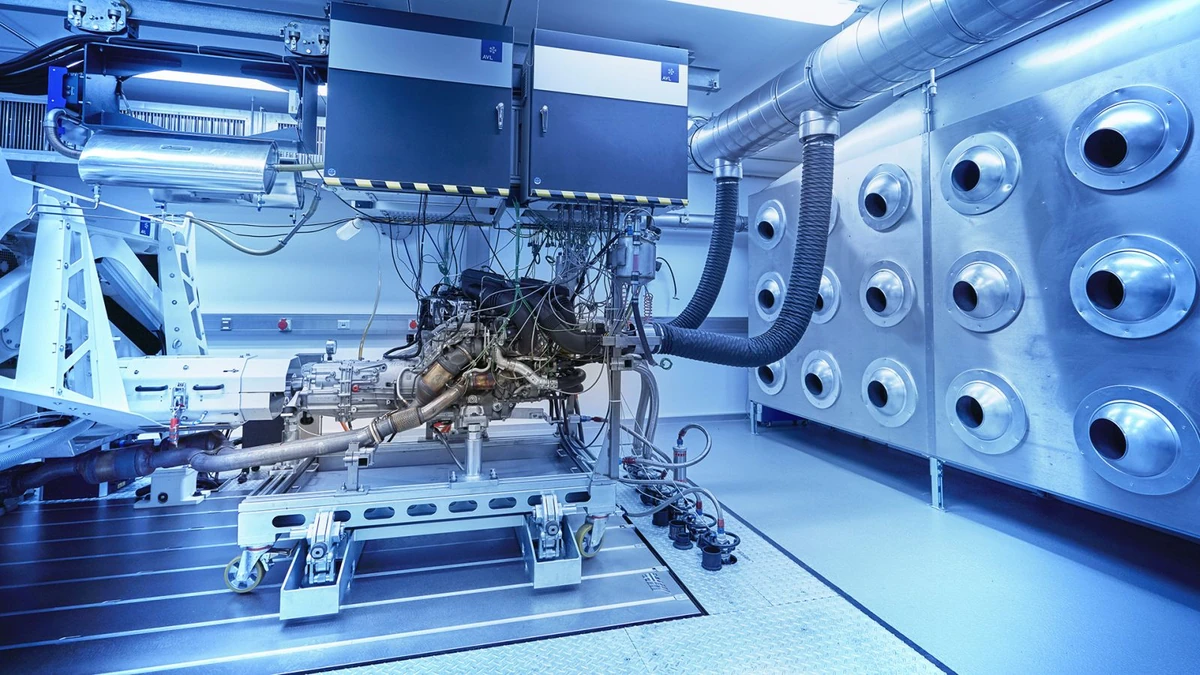
At the center of the system is a pre-chamber ignition design similar to technology used in Formula 1 engines and other professional racing series. Unlike traditional gasoline engines that rely on a single spark plug to ignite the air-fuel mixture, BMW’s new approach uses a small separate chamber built into the cylinder head.
The combustion process happens in two stages. Fuel first ignites inside the pre-chamber, and the resulting flame is then directed through small openings into the main combustion chamber. This creates faster and more even combustion, especially under high engine loads and at elevated RPMs.
For drivers, that could translate into more stable performance during aggressive driving, improved thermal efficiency, and a reduced risk of engine knock — one of the biggest challenges for high-output turbocharged engines. Faster combustion also helps engines operate more efficiently without requiring additional displacement or sacrificing performance.
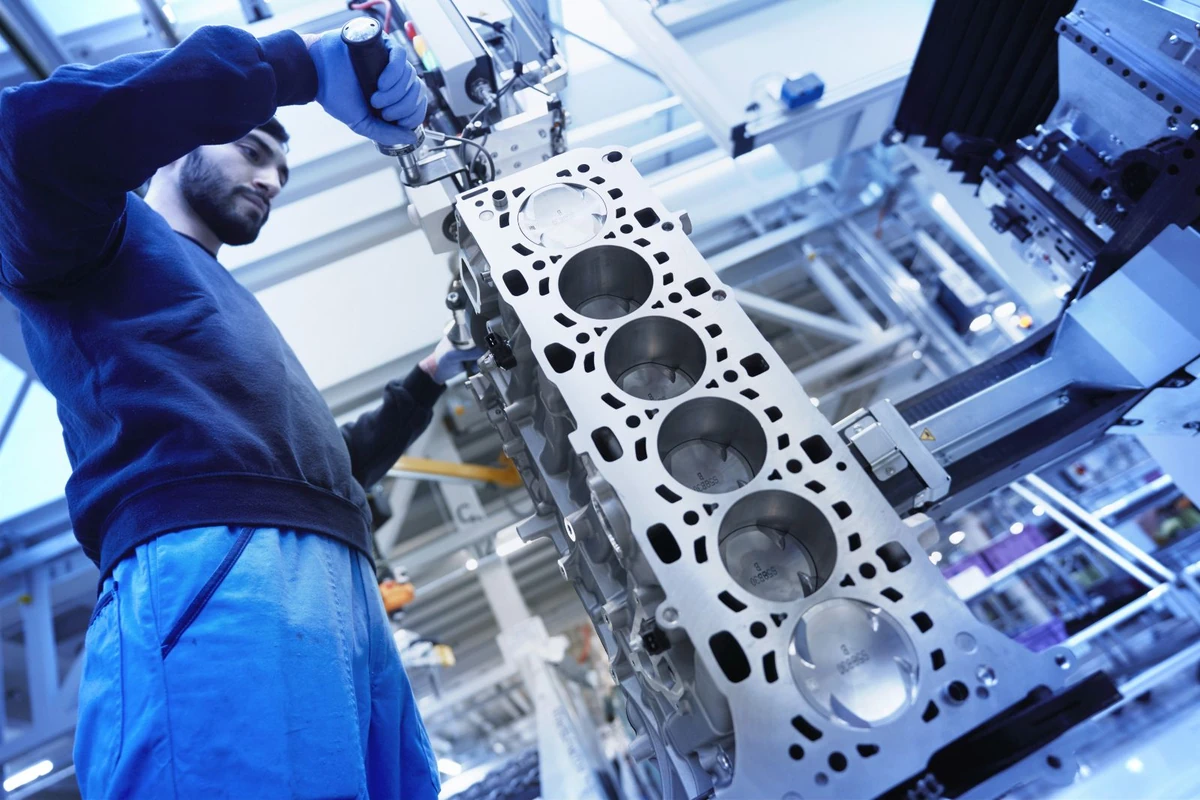
BMW engineers emphasize that the new technology is not intended to increase horsepower directly. Instead, the focus is on maximizing efficiency and helping future gasoline-powered M models comply with stricter global emissions regulations while preserving the brand’s signature driving feel.
The introduction of M Ignite represents another example of racing technology making its way into road cars. Similar pre-chamber ignition systems have been used in top-tier motorsports for years because they allow engines to extract more energy from every drop of fuel.
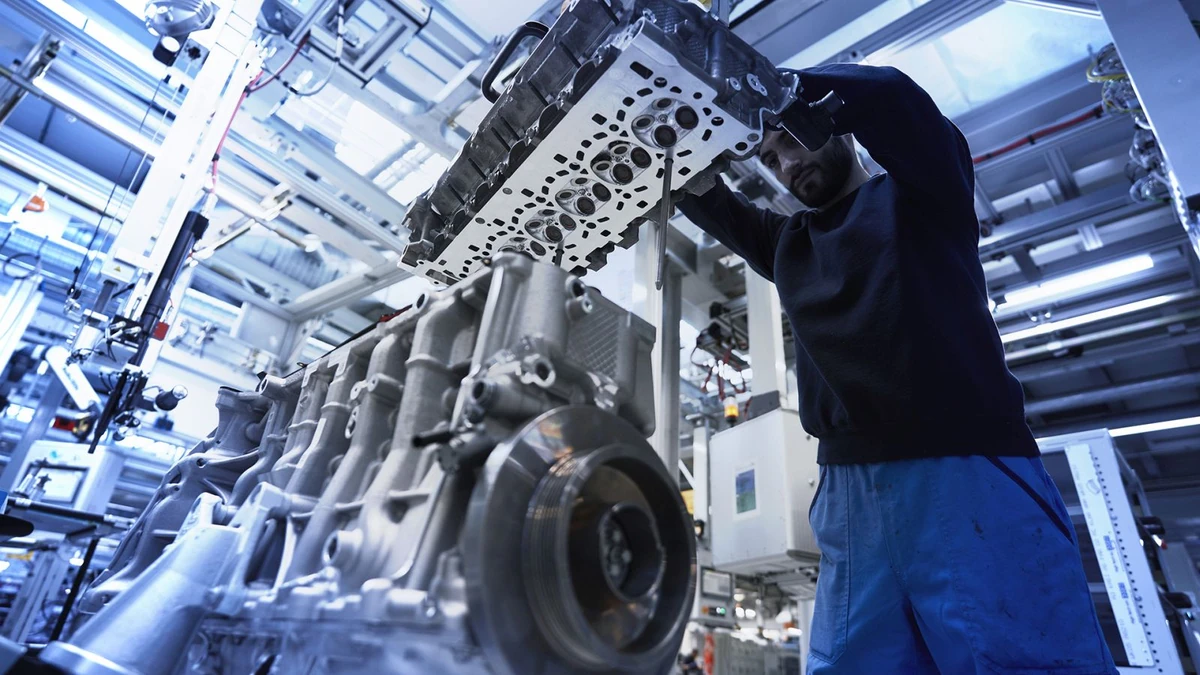
Production of the updated M3 and M4 is scheduled to begin in July 2026, while the revised M2 will join the lineup shortly afterward in select markets, including Australia. By the end of the year, BMW expects all core M performance models to feature the new ignition technology.
The timing is especially important as European emissions standards become significantly stricter starting in late 2026. BMW appears determined to prove that modern gasoline engines — especially its iconic inline-six powerplants — can still remain relevant in the era of electrification.
With technologies like M Ignite, the automaker believes traditional internal combustion engines can continue evolving by combining strong performance, improved efficiency, and lower emissions in a single package.
Not surprisingly, experiments involving high-performance engines continue to spark strong reactions among automotive enthusiasts.
You may also be interested in the news:
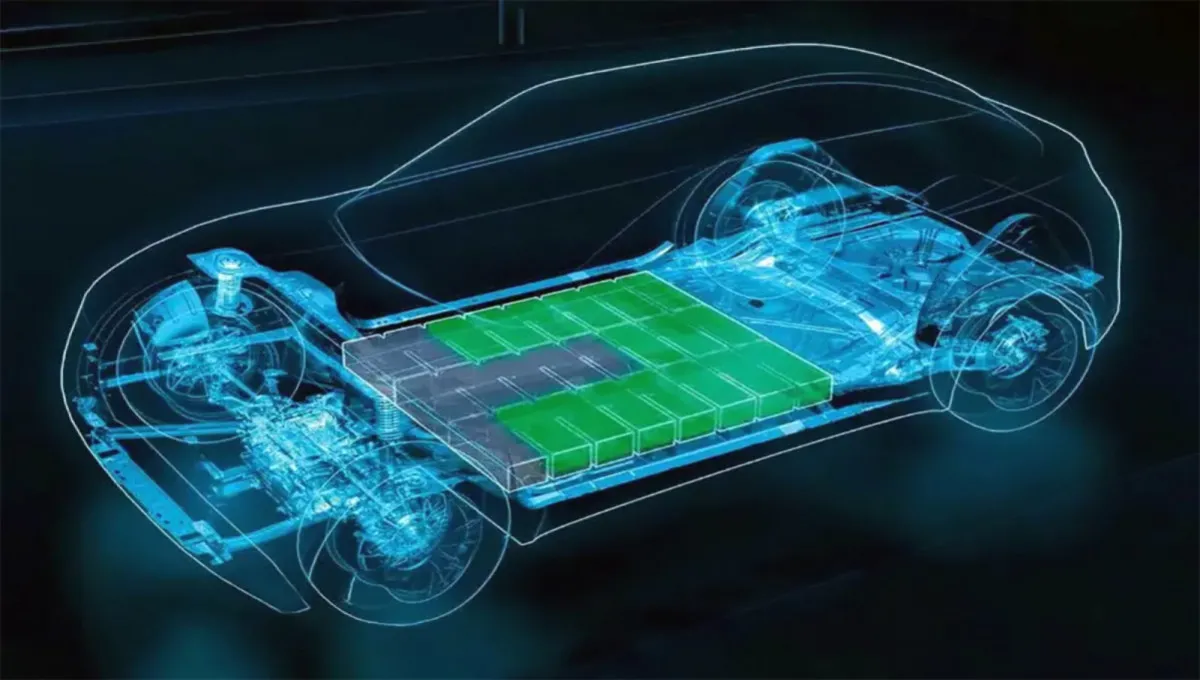
Stellantis Patents System That Lets an EV Drop Its Battery and Drive Away
A new patent details an emergency system that could let an EV disconnect its high-voltage battery and move away from danger.
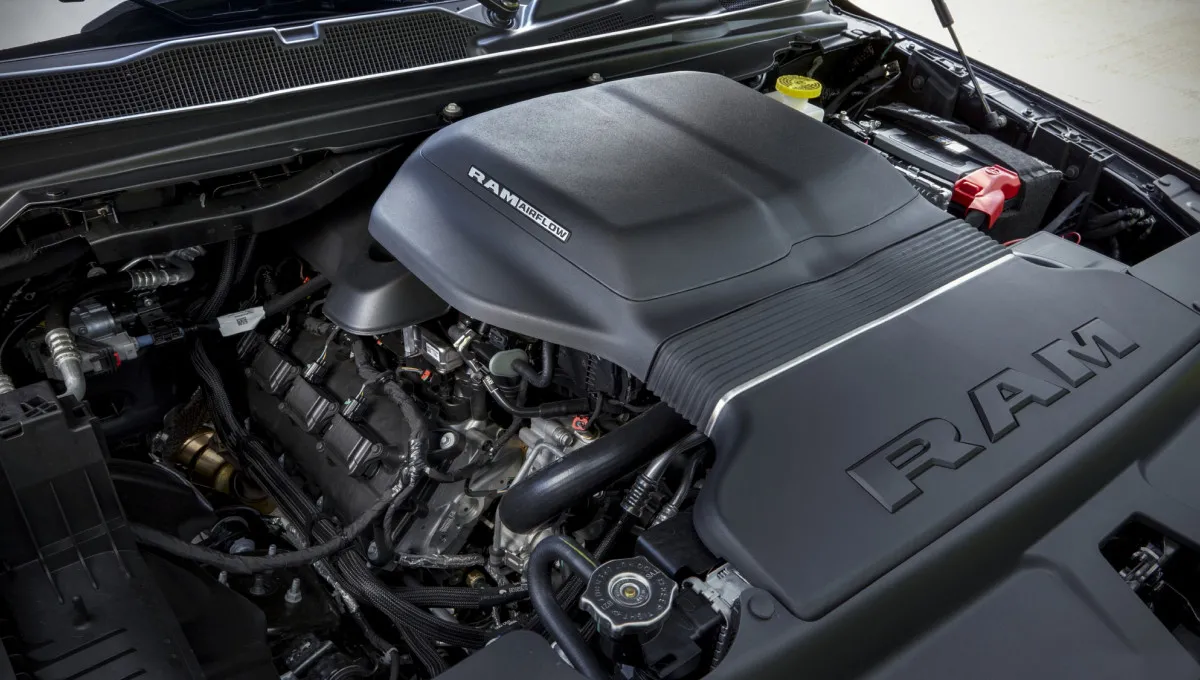
Your Engine Could Be Warning You: 6 Problems That Can Make a Car Run Rough
Engine problems rarely happen without a reason, and six common issues can cause a car to run poorly.
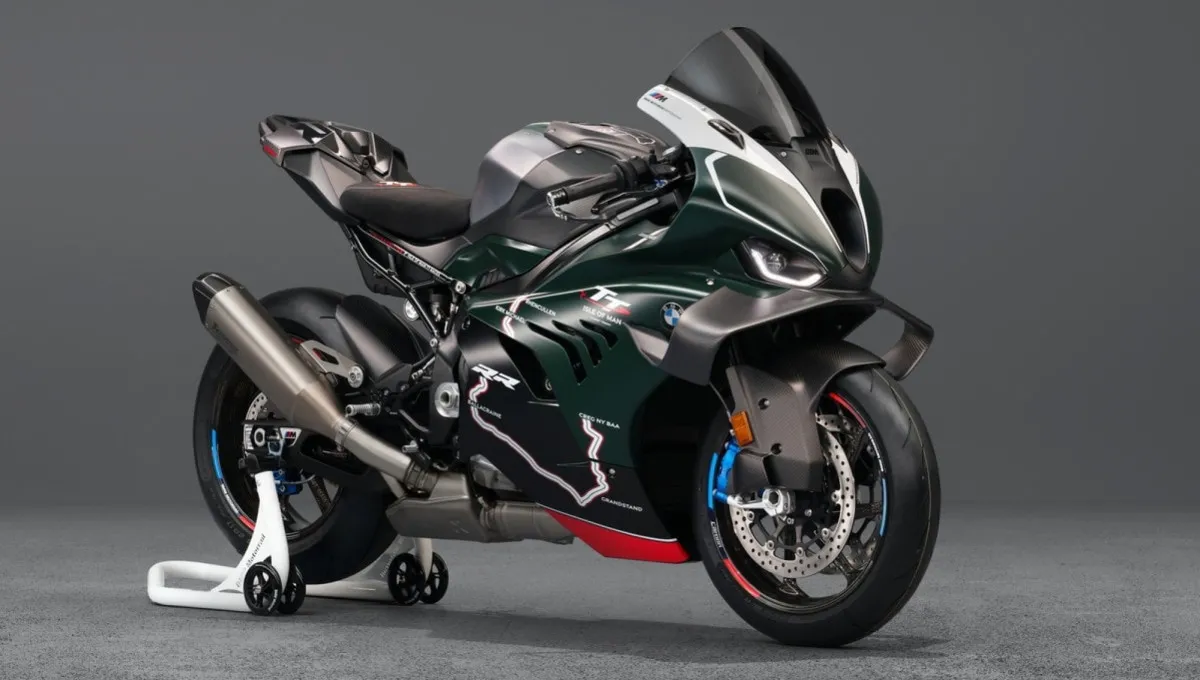
BMW’s $50,000 M 1000 RR Isle of Man TT Edition Is Coming to the U.S. With Just 115 Bikes Built
BMW is bringing a limited-edition M 1000 RR to America, with just 115 motorcycles available worldwide.
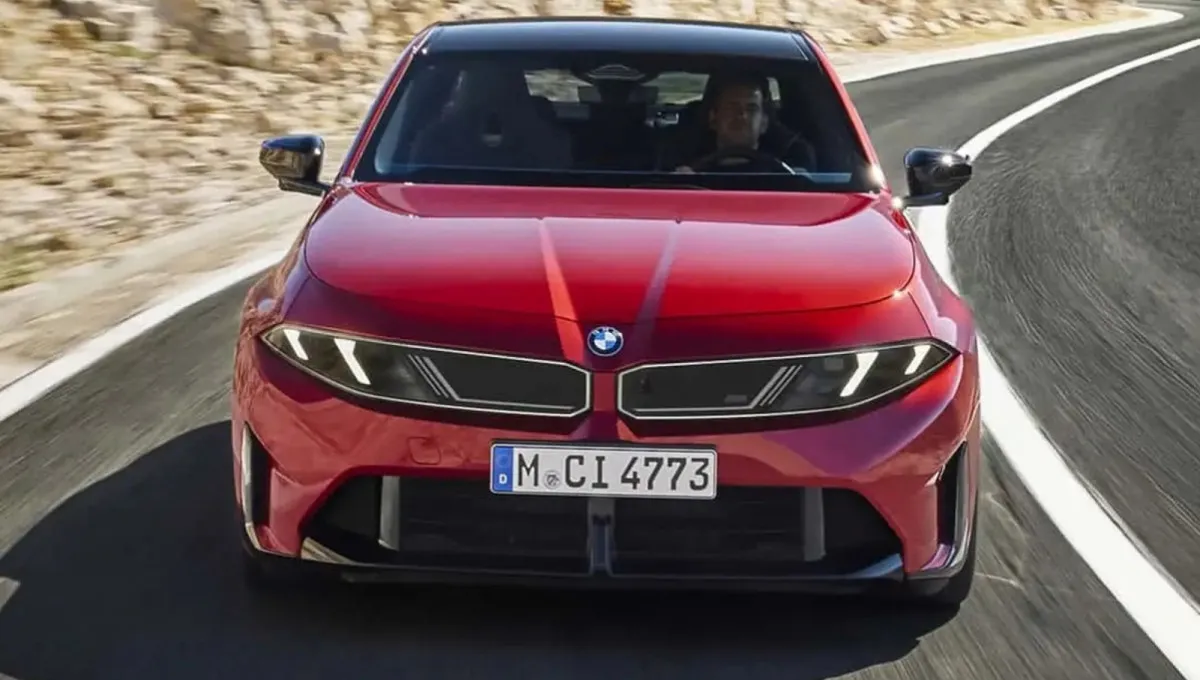
This Is the New BMW 3 Series. Here’s Everything You Need to Know
About six months after the electric i3 debuted, BMW unveiled its new gasoline-powered 3 Series.
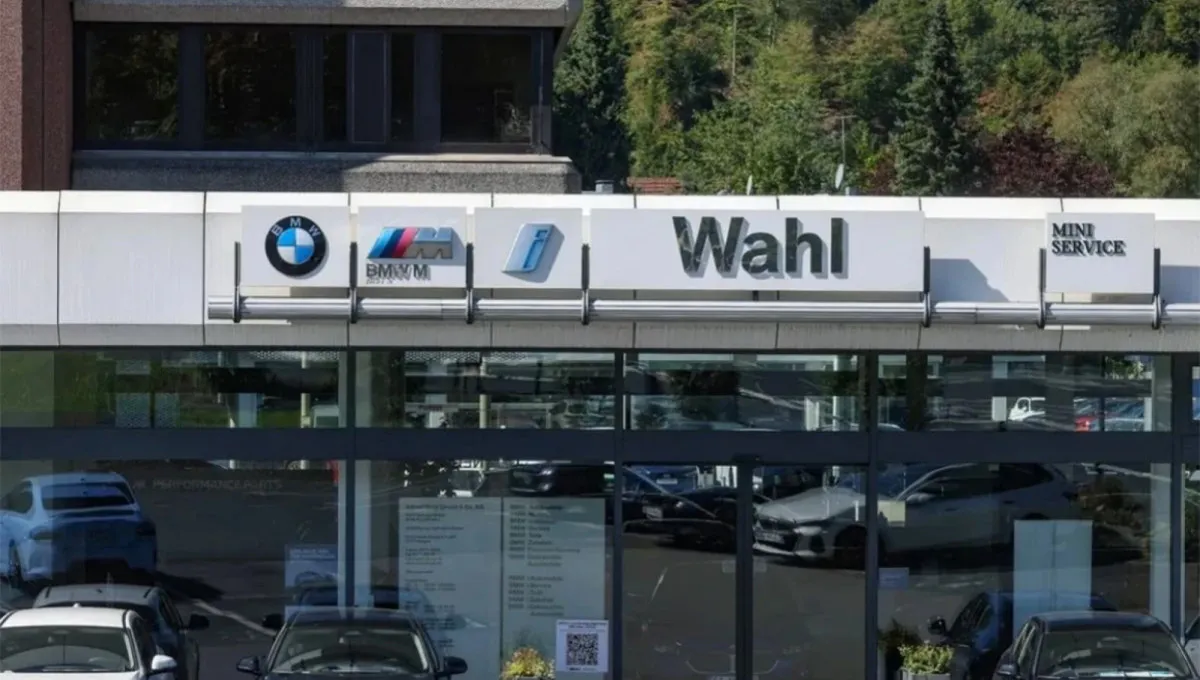
A 100-Year BMW Legacy Is in Trouble as Germany’s Oldest Dealer Files for Insolvency
German dealers accuse Chinese automakers of poor payment practices as an iconic BMW dealer enters insolvency.