
Yellow Night Driving Glasses Don’t Improve Safety, Studies Show
Yellow-tinted driving glasses are everywhere, but do they actually make night driving safer?

In recent years, tinted sunglasses and so-called anti-glare driving glasses have become increasingly popular, especially models with yellow lenses. Sellers often claim these glasses improve visibility behind the wheel, particularly at night, by reducing glare from oncoming headlights. But do these claims actually hold up under scientific scrutiny?
Today, yellow-lens driving glasses can be found almost everywhere—from auto parts stores to gas station convenience shops. Despite being marketed as a modern driving accessory, the idea is far from new. Yellow-tinted glasses have been debated by drivers, eye doctors, and researchers since the 1950s.
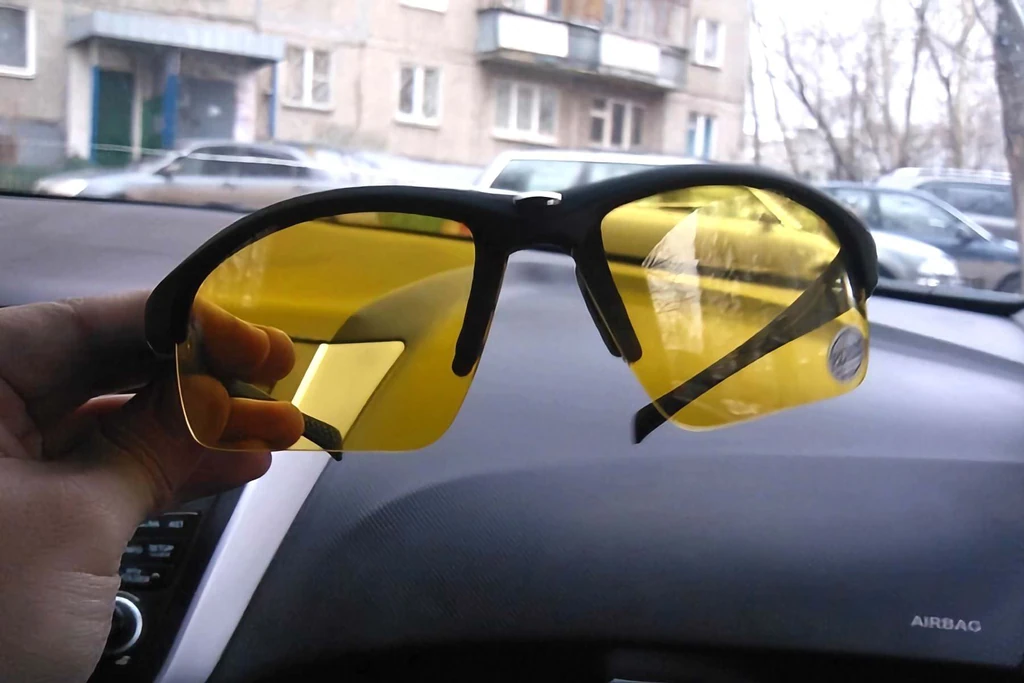
One of the more recent studies on the subject came from researchers published in JAMA Ophthalmology, who found no strong evidence that yellow-lens glasses improve driving performance, including at night.
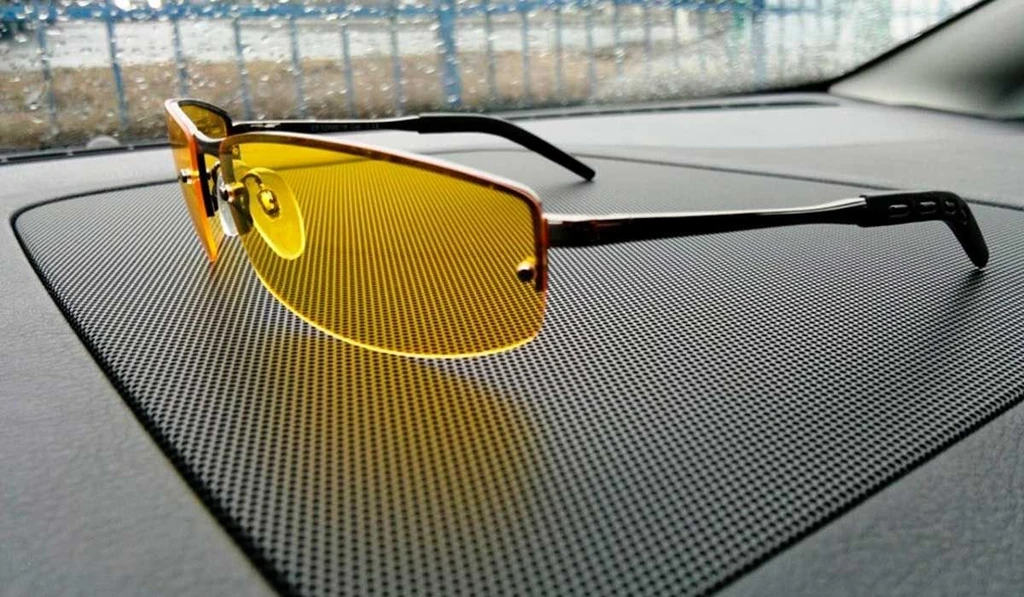
Supporters of these glasses often argue that the yellow tint helps soften the blinding effect of headlights from oncoming traffic. However, research has repeatedly pointed in the opposite direction.
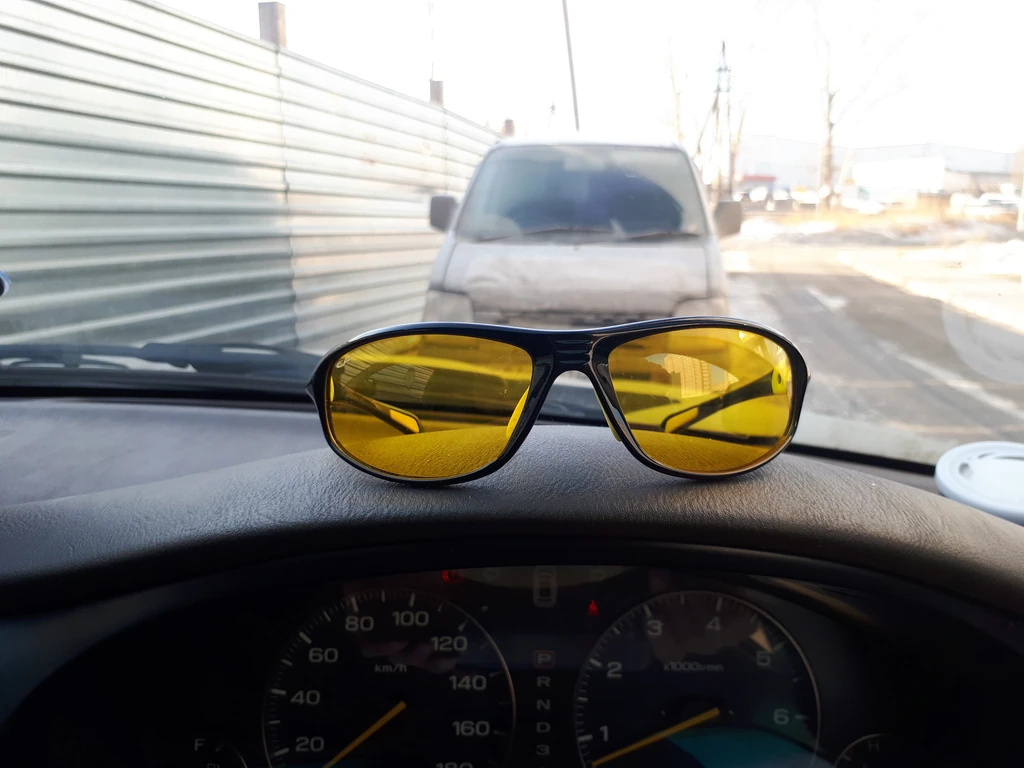
As far back as 1965, ophthalmologists in several European countries concluded that yellow lenses could actually reduce visual sharpness. In 1972, researchers in Australia found that yellow lenses increased the contrast threshold, which can make it harder—not easier—for drivers to see clearly.
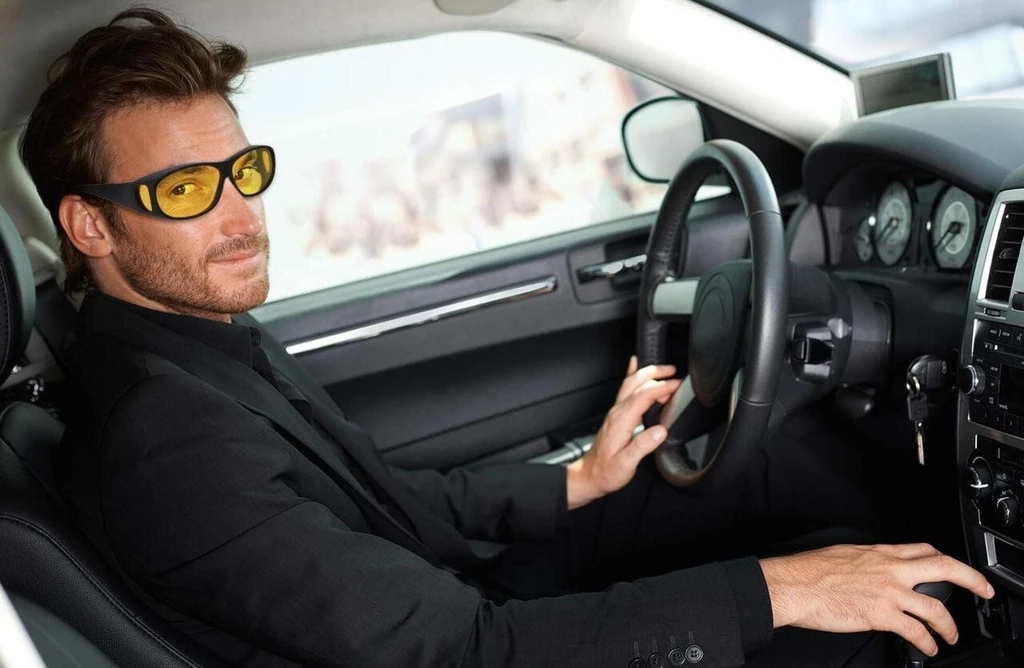
Similar conclusions were reached by specialists at Harvard Medical School. Their findings suggested that yellow-tinted glasses can make night driving more dangerous because pedestrians wearing blue or orange clothing become harder to distinguish under low-light conditions.
The issue became serious enough that in 1997, the Federal Trade Commission in the United States banned advertising claims suggesting that yellow-lens glasses make night driving safer. Regulators stated that the marketing promises made by sellers were not supported by scientific research.
In short, while yellow driving glasses may look helpful and feel comfortable for some users, there is no strong scientific proof that they improve nighttime safety. In some situations, they may actually make visibility worse.
You may also be interested in the news:
Why Your Neighbor Always Parks With the Wheels Turned: An Auto Expert Explains Three Reasons
Straight wheels aren’t always the smartest choice: experienced drivers turn them for three practical reasons you may not expect.
Why You Should Never Ignore a Plastic Bag on Your Car Mirror
You park your car, head inside, and return a short time later to find an ordinary plastic bag hanging from the side mirror.
Auto Expert Warns Drivers About Common Mistakes When Installing a Roof Cargo Box
Roof cargo boxes have become increasingly popular with drivers looking for an easy way to carry more gear on road trips.
One Capful and Your Wipers Stop Squeaking: Experts Reveal a Simple Trick
We've all been there: windshield wipers start squeaking, smear grime across the glass and leave streaks behind instead of actually helping.
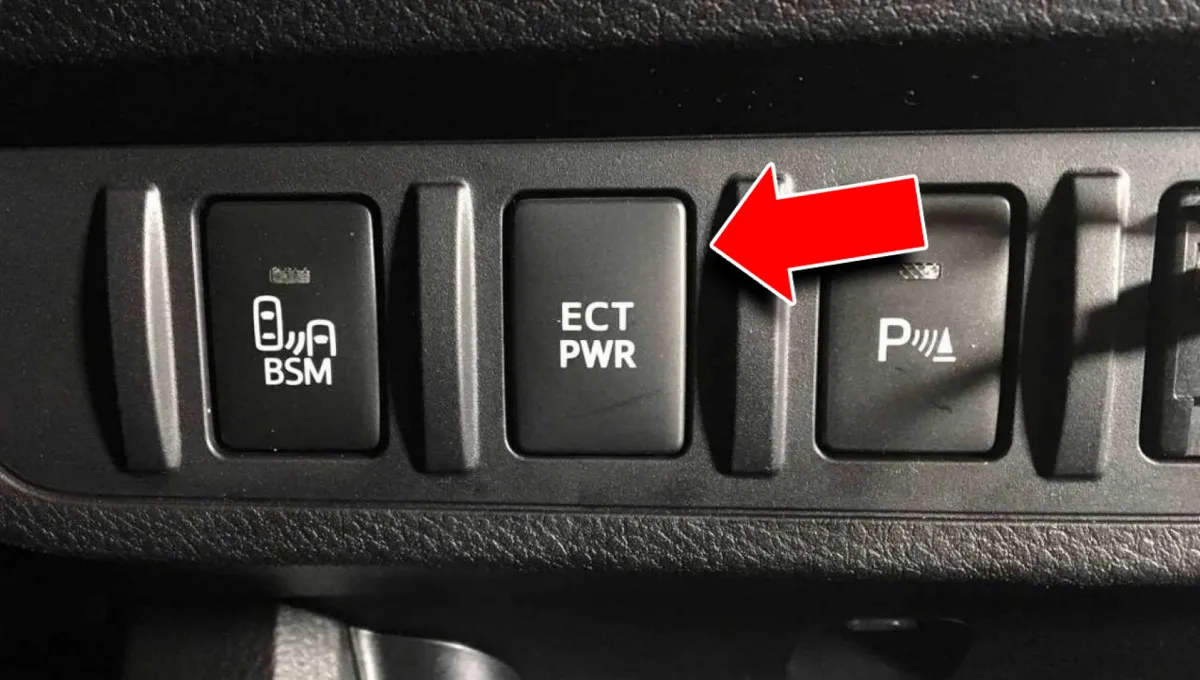
You Hit ECT PWR and Your Toyota Suddenly Wakes Up: What That Mysterious Button Really Does
This little button can change the way a Toyota drives, but plenty of owners have no idea what actually happens when they press it.